አሉሚኒየም, እንደ ቀላል ክብደት, ዝገት የሚቋቋም, እና በጣም ሊበላሽ የሚችል ብረት ያልሆነ ብረት, በአየር ላይ የማይተካ ሚና ይጫወታል, አውቶሞቲቭ ማምረቻ, ኤሌክትሮኒክስ, እና የግንባታ ኢንዱስትሪዎች.
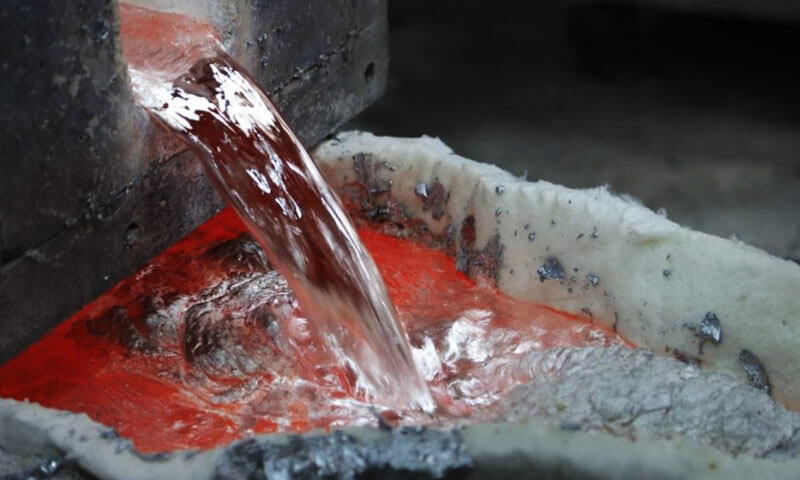
የአሉሚኒየም መቅለጥ ነጥብ - አልሙኒየም ከጠንካራ ወደ ፈሳሽ ሁኔታ በመደበኛ የከባቢ አየር ግፊት የሚሸጋገርበት የሙቀት መጠን - አቀነባበሩን የሚመራ መሠረታዊ ቴርሞፊዚካል ባህሪ ነው, ንድፍ ንድፍ, እና የኢንዱስትሪ መተግበሪያ.
1. የንፁህ አልሙኒየም አካላዊ ባህሪያት - የቁልፍ መቅለጥ-ነጥብ መረጃ
| ንብረት | ዋጋ (እና) | ዋጋ (ኢምፔሪያል) | ማስታወሻዎች |
| የማቅለጫ ነጥብ (ሚዛናዊነት, 1 ኤቲኤም) | 660.32 ° ሴ (933.47 ኬ) | 1220.58 °ኤፍ | ለንጹህ መደበኛ የማጣቀሻ ሙቀት (99.999%) አል. |
| ቴርሞዳይናሚክስ ሙቀት | 933.47 ኬ | - - | ፍጹም የሙቀት መጠን. |
| የውህደት ድብቅ ሙቀት | 397 kJ·kg⁻¹ | ≈ 170.68 BTU·lb⁻¹ | ለማቅለጥ ኃይል ያስፈልጋል 1 ኪግ (ወይም 1 ፓውንድ) በማቅለጥ ቦታ ላይ. |
የተወሰነ ሙቀት (ጠንካራ, በግምት., አቅራቢያ 25 ° ሴ) |
897 ጃልጊጊክ | ≈ 0.2143 BTU·lb⁻¹·°F⁻¹ | ለትክክለኛ ሙቀት ስሌት በሙቀት ላይ የተመሰረተ cp ይጠቀሙ. |
| ጥግግት (ጠንካራ, ~ 20 ° ሴ) | 2,700 ኪግ·m⁻³ | ≈ 168.6 ፓውንድ⁻³ | የፈሳሽ እፍጋት በትንሹ ዝቅተኛ እና በሙቀት ላይ የተመሰረተ ነው. |
| የማብሰያ ነጥብ (በከባቢ አየር ውስጥ) | ≈ 2,470 ° ሴ | ≈ 4,478 °ኤፍ | ለከፍተኛ ሙቀት ሂደት ጠቃሚ የላይኛው ወሰን. |
2. በአሉሚኒየም የማቅለጫ ነጥብ ላይ ተጽዕኖ የሚያሳድሩ ቁልፍ ነገሮች
ምንም እንኳን ንጹህ አልሙኒየም በ ላይ ይቀልጣል 660.32 ° ሴ, ብዙ ተግባራዊ ምክንያቶች ውጤታማ የማቅለጥ / የማጠናከሪያ ባህሪን ይለውጣሉ:
ቅይጥ ኬሚስትሪ - ጠጣር እና ፈሳሽ
አሉሚኒየም alloys ማድረግ አይደለም ነጠላ የማቅለጫ ነጥብ ይኑርዎት. አሏቸው ፈሳሽ (ሙሉ በሙሉ ፈሳሽ የሆነ የሙቀት መጠን) እና ሀ ጠንካራ (ሙሉ በሙሉ ጠንካራ የሆነ የሙቀት መጠን).
የማሰማራት አካላት መኖሩ (እና, ኤም.ጂ, ኩ, ዚን, ፌ, ወዘተ.) እነዚህን ድንበሮች ይቀይራል እና ብዙውን ጊዜ የማቅለጫ ክልል ይፈጥራል (mushy ዞን) አስፈላጊ የማስወገጃ ውጤቶች ጋር.
- ኢውቲክቲክስ: አንዳንድ ቅይጥ ሲስተሞች በሙቀት ውስጥ የሚቀልጡ eutectic ውህዶች አሏቸው በታች የንጹህ አል (ለምሳሌ: Al–Si eutectic በ ≈ 577 ° ሴ ለ ~ 12.6 wt% ሲ).
- ተግባራዊ ውጤት: ሰፊ የማቀዝቀዝ ክልል ያላቸው ውህዶች ለሞቅ መቀደድ በጣም የተጋለጡ ናቸው።, porosity shrinkage እና መለያየት.
ቆሻሻዎች እና ትራምፕ ንጥረ ነገሮች
ብክለትን ይከታተሉ (ለምሳሌ., PB, ቢ, Cu ከ ድብልቅ ጥራጊ) ዝቅተኛ የማቅለጫ ደረጃዎችን ወይም የተሰበረ ኢንተርሜታልክስ መፍጠር ይችላል።, የአካባቢያዊ ማቅለጥ ያልተለመዱ ነገሮችን ያስከትላል እና የማጠናከሪያ መንገዶችን ይቀይሩ; ይህ እንደገና ጥቅም ላይ በሚውልበት ጊዜ አስፈላጊ ነው.
ጫና
የማቅለጥ ሙቀት በግፊት ላይ የተመሰረተ ነው (የ Clapeyron ግንኙነት); ማቅለጥ የሚከናወነው በከባቢ አየር ግፊት ስለሆነ በኢንዱስትሪ ይህ ውጤት እዚህ ግባ የሚባል አይደለም።.
የእህል ማጣሪያዎች እና መከተብ
የኬሚካል እህል ማጣሪያዎች በእያንዳንዱ የሟሟ ነጥብ አይለውጡም, ነገር ግን በማጠናከሪያ ጊዜ የኑክሌር ባህሪ ላይ ተጽዕኖ ያሳድራሉ (ማቀዝቀዝ, የኒውክሊየስ ብዛት), ስለዚህ ተግባራዊ የማጠናከሪያ መንገድን እና ጥቃቅን መዋቅርን መለወጥ.
የገጽታ ክስተቶች እና ኦክሳይድ ፊልሞች
አሉሚኒየም የተረጋጋ የአልሙኒየም ፊልም ይፈጥራል (አል ₃) መሬት ላይ. ኦክሳይድ በጅምላ መቅለጥ የሙቀት መጠን አይለውጥም, በላዩ ላይ የሙቀት ማስተላለፊያ ላይ ተጽዕኖ ያሳድራል, የዝገት ባህሪ እና በእውቂያ/በፒሮሜትሪክ ዘዴዎች የተገኘ የሙቀት መቆጣጠሪያ ባህሪ.
3. የተለመዱ የአሉሚኒየም ውህዶች ማቅለጥ
ከታች ያሉት ሁለት አጫጭር ናቸው, የባለሙያ ሠንጠረዦችን ያሳያሉ የተለመደው ማቅለጥ (ጠንካራ → ፈሳሽ) ውድድሮች ለጋራ ተከናውኗል (ማስመሰል) አሉሚኒየም alloys እና የአሉሚኒየም alloys መጣል.
አስፈላጊ: እነዚህ አሃዞች ለሂደት እቅድ እና ለቁሳቁስ ምርጫ የሚያገለግሉ የተለመዱ ክልሎች አመላካች ናቸው።.
የጋራ ስራ / የአሉሚኒየም ውህዶችን ማፍለቅ - የተለመደ የማቅለጫ ክልል
| Alloy ደረጃ | የመለኪያ ክልል (° ሴ) | የመለኪያ ክልል (°ኤፍ) | የመለኪያ ክልል (ኬ) | ቴክኒካዊ ማስታወሻዎች |
| 1050 / 1100 (ለንግድ ንጹህ አል) | ~ 660.3 - 660.3 | ~ 1220.6 - 1220.6 | ~ 933.5 - 933.5 | በጣም ከፍተኛ በሆነ ንፅህና ምክንያት ነጠላ-ነጥብ ማቅለጥ አቅራቢያ. |
| 2024 (አል-ኩ) | ~ 500 - 638 | ~ 932 - 1180 | ~ 773 - 911 | ሰፊ የማቀዝቀዝ ክልል; ለጀማሪ መቅለጥ ስሜታዊ. |
| 2014 (አል-ኩ) | ~ 500 - 638 | ~ 932 - 1180 | ~ 773 - 911 | ተመሳሳይ 2024; ከፍ ያለ የ Cu ይዘት በሙቅ ሥራ ላይ ተጽዕኖ ያሳድራል።. |
| 5083 (አል–ኤምጂ) | ~ 570 - 640 | ~ 1058 - 1184 | ~ 843 - 913 | በMg ምክንያት ከፍተኛ የማቅለጫ ክልል; በጣም ጥሩ የዝገት መቋቋም. |
| 5454 (አል–ኤምጂ) | ~ 595 - 645 | ~ 1103 - 1193 | ~ 868 - 918 | ብዙውን ጊዜ በግፊት እቃዎች እና ታንኮች ውስጥ ጥቅም ላይ ይውላል. |
6061 (አል-ማግ-ሲ) |
~ 555 - 650 | ~ 1031 - 1202 | ~ 828 - 923 | በስፋት ጥቅም ላይ የዋለ መዋቅራዊ ቅይጥ; ለሙቀት ሕክምና ወሳኝ የማቅለጫ ክልል. |
| 6082 (አል-ማግ-ሲ) | ~ 555 - 650 | ~ 1031 - 1202 | ~ 828 - 923 | የ6xxx ተከታታይ ከፍተኛ ጥንካሬ ስሪት. |
| 7075 (አል–ዜን–ማግ–ኩ) | ~ 477 - 635 | ~ 891 - 1175 | ~ 750 - 908 | በጣም ሰፊ የማቅለጫ ክልል; ለአካባቢያዊ ማቅለጥ የተጋለጠ. |
| 3003 (አል–መን) | ~ 640 - 660 | ~ 1184 - 1220 | ~ 913 - 933 | ወደ ንፁህ አልሙኒየም የቀረበ የማቅለጥ ባህሪ. |
የተለመዱ የአሉሚኒየም ውህዶች - የተለመደ የማቅለጫ ክልል
| Alloy ደረጃ | የመለኪያ ክልል (° ሴ) | የመለኪያ ክልል (°ኤፍ) | የመለኪያ ክልል (ኬ) | ቴክኒካዊ ማስታወሻዎች |
| አል-ሲ ኢዩቲክቲክ (~ 12.6% አዎ) | ~ 577 - 577 | ~ 1070.6 - 1070.6 | ~ 850.1 – 850.1 | Eutectic ጥንቅር ከሹል ማቅለጫ ነጥብ ጋር. |
| A356 / AlSi7Mg | ~ 558 - 613 | ~ 1036 - 1135 | ~ 831 - 886 | እጅግ በጣም ጥሩ የመለጠጥ ችሎታ እና በሙቀት ሊታከም የሚችል. |
| A357 (የተሻሻለው A356) | ~ 555 - 605 | ~ 1031 - 1121 | ~ 828 - 878 | የተሻሻለ ጥንካሬ እና ድካም መቋቋም. |
| A380 (አል–ሲ–ኩ) | ~ 515 - 585 | ~ 959 - 1085 | ~ 788 - 858 | ዝቅተኛ የፈሳሽ ሙቀት ያለው መደበኛ ዳይ-ካስቲንግ ቅይጥ. |
319 (አል–ሲ–ኩ) |
~ 525 - 605 | ~ 977 - 1121 | ~ 798 - 878 | የ castability እና ሜካኒካዊ ጥንካሬ ጥሩ ሚዛን. |
| AD12 (JIS ይሞታሉ ቅይጥ casting) | ~ 500 - 580 | ~ 932 - 1076 | ~ 773 - 853 | በስፋት ጥቅም ላይ የዋለ ዳይ-ካስቲንግ ቅይጥ; የንጽሕና ቁጥጥር ወሳኝ ነው. |
| አልሳ93(ፌ) | ~ 510 - 600 | ~ 950 - 1112 | ~ 783 - 873 | ለተወሳሰቡ ጂኦሜትሪዎች ሁለገብ የመውሰድ ቅይጥ. |
| A413 (ከፍተኛ-ሲሊኮን ቅይጥ) | ~ 560 - 620 | ~ 1040 - 1148 | ~ 833 - 893 | ለከፍተኛ ሙቀት እና ለግፊት ጥብቅ ቀረጻዎች ተስማሚ. |
3. የአሉሚኒየም መቅለጥ ነጥብ ትክክለኛ የመለኪያ ዘዴዎች
የአሉሚኒየም የማቅለጫ ነጥብ ትክክለኛ መለኪያ ለቁሳዊ ባህሪያት እና ለሂደቱ ማመቻቸት ወሳኝ ነው.
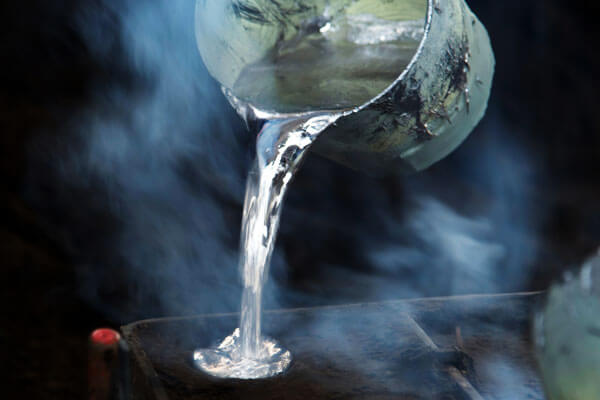
የተለመዱ ዘዴዎች ያካትታሉ:
ልዩነት ቅኝት ካሎሪሜትሪ (DSC)
DSC በከፍተኛ ትክክለኝነት እና ስሜታዊነት ምክንያት የብረት ማቅለጥ ነጥቦችን ለመለካት በሰፊው ጥቅም ላይ የዋለው ዘዴ ነው።.
መርህ አነስተኛ የአሉሚኒየም ናሙና ማሞቅን ያካትታል (5-10 ሚ.ግ) እና የማጣቀሻ ቁሳቁስ (መግቢያ, ለምሳሌ., አሉሚኒየም) በቋሚ ፍጥነት (5-10 ℃/ደቂቃ) በመካከላቸው ያለውን የሙቀት ፍሰት ልዩነት ሲከታተሉ.
የማቅለጫው ነጥብ የሚወሰነው እንደ የ endothermic ጫፍ የሙቀት መጠን መጀመሪያ ነው (ከመዋሃድ ሂደት ጋር የሚዛመድ).
DSC የማቅለጫ ነጥቦችን በ±0.1℃ ትክክለኛነት መለካት ይችላል።, ለከፍተኛ ንፅህና አልሙኒየም እና ቅይጥ ትንተና ተስማሚ ማድረግ.
የእይታ ምልከታ ዘዴ (የካፒታል ቱቦ ዘዴ)
ይህ ባህላዊ ዘዴ ትንሽ የአሉሚኒየም ዱቄት በካፒታል ቱቦ ውስጥ ማተምን ያካትታል, በማሞቂያ ገላ መታጠቢያ ውስጥ ካለው ቴርሞሜትር ጋር አብሮ የሚሞቅ (ለምሳሌ., የሲሊኮን ዘይት).
የአሉሚኒየም ዱቄት ሙሉ በሙሉ ወደ ፈሳሽ ሲቀልጥ የማቅለጫው ነጥብ ይመዘገባል. ቀላል እና ዝቅተኛ ዋጋ ሳለ, ይህ ዘዴ ዝቅተኛ ትክክለኛነት አለው (±1–2℃) እና በዋነኛነት ለጥራት ትንተና ወይም ለዝቅተኛ ትክክለኛነት ጥቅም ላይ ይውላል.
ሌዘር ፍላሽ መቅለጥ ዘዴ
ለከፍተኛ-ግፊት እና ለከፍተኛ ሙቀት የማቅለጫ ነጥብ መለኪያዎች, የሌዘር ፍላሽ ዘዴ ጥቅም ላይ ይውላል.
የተለጠፈ ሌዘር የአሉሚኒየም ናሙና ወለል በፍጥነት ያሞቃል, እና የማቅለጥ ሂደቱ በኦፕቲካል ዳሳሾች ቁጥጥር ይደረግበታል (ለምሳሌ., ፒሮሜትሮች, ኢንተርፌሮሜትሮች).
ይህ ዘዴ በከፍተኛ ግፊቶች ውስጥ የማቅለጫ ነጥቦችን ሊለካ ይችላል (እስከ 10 ጂፒኤ) በከፍተኛ ጊዜያዊ ጥራት, ለኤሮስፔስ እና ለኑክሌር አፕሊኬሽኖች መረጃ መስጠት.
የኤሌክትሪክ መከላከያ ዘዴ
በማቅለጥ ጊዜ የአሉሚኒየም የኤሌክትሪክ መከላከያ በከፍተኛ ሁኔታ ይለወጣል (ፈሳሽ አልሙኒየም በተበላሸ የኤሌክትሮን ማስተላለፊያ ምክንያት ከጠንካራ አልሙኒየም የበለጠ የመቋቋም ችሎታ አለው).
በሚሞቅበት ጊዜ የአሉሚኒየም ሽቦን የመቋቋም አቅም በመለካት, የማቅለጫው ነጥብ የመቋቋም ችሎታ በድንገት መጨመር በሚታይበት የሙቀት መጠን ተለይቶ ይታወቃል.
ይህ ዘዴ በኢንዱስትሪ ሂደቶች ውስጥ በቦታው ላይ ለመከታተል ተስማሚ ነው (ለምሳሌ., ብየዳ, መውሰድ).
4. የአሉሚኒየም መቅለጥ ነጥብ የኢንዱስትሪ አንድምታ
የአሉሚኒየም መጠነኛ የማቅለጫ ነጥብ ሰፊውን የኢንዱስትሪ አፕሊኬሽኑን የሚያንቀሳቅስ ቁልፍ ነገር ነው።, የሂደቱን እና የአፈፃፀም ሚዛንን ስለሚያመጣ:
የመውሰድ ሂደቶች
የአሉሚኒየም የማቅለጫ ነጥብ (660℃) ከብረት ብረቶች በእጅጉ ያነሰ ነው, ኃይል ቆጣቢ መውሰድን ማንቃት:
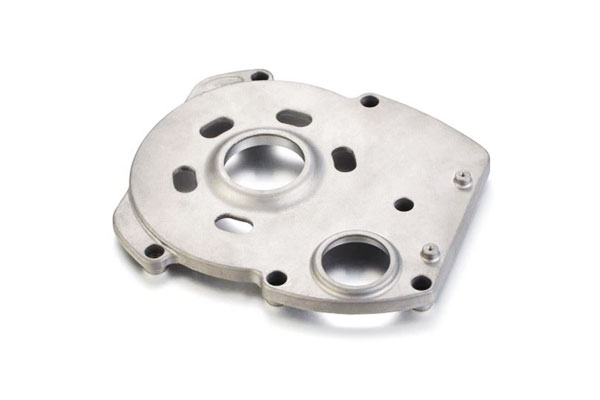
- በመውሰድ ላይ ይሞታሉ: አል-ሲ eutectic alloys (የማቅለጫ ክልል 577-600 ℃) በዳይ ቀረጻ ውስጥ በስፋት ጥቅም ላይ ይውላሉ, ዝቅተኛ የማቅለጫ ሙቀታቸው የሞተ ድካም እና የኃይል ፍጆታን ይቀንሳል, ውስብስብ አካላትን በከፍተኛ መጠን ለማምረት ያስችላል (ለምሳሌ., አውቶሞቲቭ ሞተር ክፍሎች, የኤሌክትሮኒክስ መኖሪያ ቤቶች).
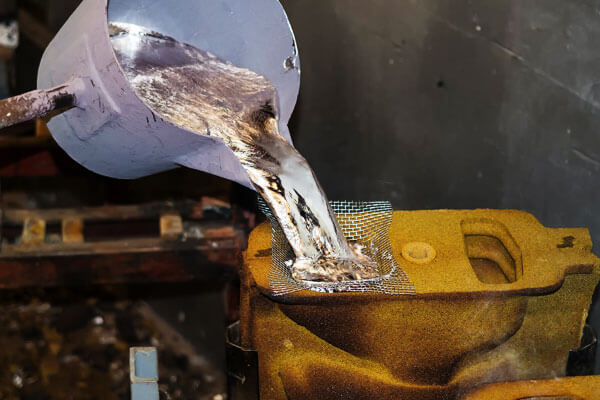
- የአሸዋ መውሰድ: ንጹህ አልሙኒየም እና ዝቅተኛ ቅይጥ አልሙኒየም በአሸዋ ሻጋታዎች ውስጥ ይጣላሉ, በፈሳሽ የሙቀት መጠን ከ50-100 ℃ በሚፈስ የሙቀት መጠን (700-750 ℃) የሻጋታውን ክፍተት ሙሉ በሙሉ መሙላት ለማረጋገጥ.
የሙቀት ሕክምና እና ብየዳ
- የሙቀት ሕክምና: የአሉሚኒየም የማቅለጫ ነጥብ የሙቀት ሕክምና ሂደቶችን ከፍተኛውን የሙቀት መጠን ይገድባል.
ለምሳሌ, የ 6xxx ተከታታይ alloys መፍትሄ የሙቀት ሕክምና በ530-570 ℃ - ከጠንካራው የሙቀት መጠን በታች ይካሄዳል (580℃)- በከፊል ማቅለጥ ለማስወገድ (ማቃጠል) የ ቅይጥ. - ብየዳ: የአሉሚኒየም ብየዳ የሙቀት መዛባትን በሚቀንስበት ጊዜ በፍጥነት ወደ መቅለጥ ቦታ ሊደርሱ የሚችሉ የሙቀት ምንጮችን ይፈልጋል.
የተለመዱ ዘዴዎች TIG ብየዳ ያካትታሉ (ቅስት ሙቀት ~ 6000 ℃) እና MIG ብየዳ, ከመጠን በላይ የእህል እድገት ሳይኖር የመሠረት ብረት ውህደትን ለማረጋገጥ በ 660-700 ℃ የሙቀት መጠን ቁጥጥር ይደረግበታል..
ከፍተኛ ሙቀት መተግበሪያዎች
የአሉሚኒየም ማቅለጫ ነጥብ በከፍተኛ ሙቀት አጠቃቀም ላይ ገደቦችን ያስገድዳል: ንጹህ አልሙኒየም ብቻ ነው የሚይዘው 50% በክፍል ውስጥ ያለው የሙቀት መጠን በ200 ℃ እና ከ 300 ℃ በላይ በሆነ መልኩ ይለሰልሳል።.
ከፍተኛ-ሙቀትን ተግባራዊነት ለማስፋት, ንጥረ ነገሮችን ማሰማራት (ለምሳሌ., ኒኬል, ኮባልት) ከፍተኛ የሚቀልጡ ኢንተርሜታል ውህዶች እንዲፈጠሩ ተጨምረዋል።, የአሉሚኒየም alloys የአገልግሎት ሙቀት ወደ 300-400 ℃ ማራዘም (ለምሳሌ., 2618 ለኤሮስፔስ ሞተር አካላት ቅይጥ).
የአሉሚኒየም እንደገና ጥቅም ላይ ማዋል
የአሉሚኒየም መጠነኛ የማቅለጫ ነጥብ በከፍተኛ ሁኔታ እንደገና ጥቅም ላይ ሊውል የሚችል ያደርገዋል.
እንደገና ጥቅም ላይ የዋለ አሉሚኒየም ብቻ ያስፈልገዋል 5% ዋና አልሚኒየም ለማምረት የሚያስፈልገው ኃይል, እንደ መቅለጥ ጥራጊ አልሙኒየም (በ 660-700 ℃) አልሙኒየምን ከባኦክሲት ከማውጣት ያነሰ ሃይል ይጠቀማል.
ይህ የኃይል ውጤታማነት, በአሉሚኒየም መቅለጥ ባህሪያት የሚመራ, በዓለም አቀፍ ደረጃ እንደገና ጥቅም ላይ ከዋሉ ብረቶች መካከል አንዱ ያደርገዋል.
6. ከሌሎች ብረቶች እና ውህዶች ጋር የንፅፅር ትንተና
| ብረት / ቅይጥ | መቅለጥ ነጥብ (° ሴ) | መቅለጥ ነጥብ (°ኤፍ) | መቅለጥ ነጥብ (ኬ) | ቁልፍ ማስታወሻዎች |
| አሉሚኒየም (አል, ንፁህ) | 660.3 | 1220.6 | 933.5 | ዝቅተኛ የመለኪያ ነጥብ; ቀላል ክብደት ለመውሰድ እና ለመቅረጽ በጣም ጥሩ. |
| መዳብ (ኩ, ንፁህ) | 1085 | 1985 | 1358 | ከፍተኛ የሙቀት መቆጣጠሪያ; ከአል የበለጠ የሙቀት ማቀነባበሪያዎችን ይፈልጋል. |
| ብረት (ፌ, ንፁህ) | 1538 | 2800 | 1811 | ጉልህ የሆነ ከፍተኛ የማቅለጫ ነጥብ; በብረት ማምረቻ ውስጥ በስፋት ጥቅም ላይ የዋለ. |
| ብረት (የካርቦን ብረት, ~ 0.2% ሴ) | 1425-1540 | 2600-2800 | 1698-1813 | የማቅለጫው ክልል እንደ ቅንብር ይወሰናል; ከአሉሚኒየም ውህዶች ከፍ ያለ. |
| ቲታኒየም (የ, ንፁህ) | 1668 | 3034 | 1941 | ከፍተኛ ጥንካሬ-ወደ-ክብደት ጥምርታ; እምቢተኛ ባህሪ. |
ማግኒዥየም (ኤም.ጂ, ንፁህ) |
650 | 1202 | 923 | ከአል በመጠኑ ያነሰ; በጣም አጸፋዊ እና ቀላል ክብደት. |
| ዚንክ (ዚን, ንፁህ) | 419.5 | 787 | 692.7 | ዝቅተኛ የመለኪያ ነጥብ; ለዳይ-መውሰድ እና ለጋላጅነት ጥቅም ላይ ይውላል. |
| ኒኬል (ውስጥ, ንፁህ) | 1455 | 2651 | 1728 | በጣም ጥሩ የዝገት መቋቋም; ለኤሮስፔስ ከፍተኛ የማቅለጫ ነጥብ ቅይጥ. |
| ናስ (Cu -zn, 60/40) | 900-940 | 1652-1724 | 1173-1213 | ቅይጥ መቅለጥ ክልል ከንጹህ Cu ያነሰ; ለመውሰድ ተስማሚ. |
| ነሐስ (Cu-Sn, 88/12) | 950-1050 | 1742-1922 | 1223-1323 | ከመዳብ ትንሽ ያነሰ; የተሻሻለ castability እና ዝገት የመቋቋም. |
6. የተሳሳቱ አመለካከቶች እና የተለመዱ ችግሮች
ግራ የሚያጋባ የማቅለጫ ነጥብ ለስላሳ ሙቀት
የአሉሚኒየም ለስላሳ ሙቀት (≈300℃) ብዙውን ጊዜ በማቅለጫው ነጥብ ስህተት ነው.
ማለስለስ የሚያመለክተው በእህል ወሰን መንሸራተት እና በቦታ መንቀሳቀስ ምክንያት የምርት ጥንካሬን መቀነስ ነው, ማቅለጥ የደረጃ ሽግግርን ያካትታል.
ይህ ግራ መጋባት ተገቢ ያልሆነ የሙቀት ሕክምናን ሊያስከትል ይችላል, የሜካኒካል ንብረቶችን መቀነስ ያስከትላል.
በAlloys ውስጥ የሚቀልጥ ክልልን ችላ ማለት
ንጹህ አልሙኒየም ሹል የማቅለጫ ነጥብ አለው, ነገር ግን የአሉሚኒየም ውህዶች የማቅለጥ ክልልን ያሳያሉ (ፈሳሽ ወደ ጠንካራ).
በሚወስዱበት ጊዜ ይህንን ክልል ግምት ውስጥ ማስገባት አለመቻል እንደ ማሽቆልቆል porosity ያሉ ጉድለቶችን ሊያስከትል ይችላል። (ወደ ጠንካራው የሙቀት መጠን በጣም ቅርብ ከሆነ) ወይም ትኩስ ስንጥቅ (በማቅለጥ ክልል ውስጥ በጣም በፍጥነት ከቀዘቀዘ).
የንጽሕና ውጤቶችን ችላ ማለት
ቆሻሻዎችን እንኳን ይከታተሉ (ለምሳሌ., 0.1% ብረት) የአሉሚኒየምን የማቅለጫ ነጥብ ዝቅ ማድረግ እና የሟሟ ወሰን ሊጨምር ይችላል።.
በከፍተኛ ትክክለኛነት መተግበሪያዎች ውስጥ (ለምሳሌ., የኤሮስፔስ አካላት), ወጥ የሆነ የማቅለጥ ባህሪን እና የመጨረሻውን የምርት ጥራት ለማረጋገጥ የቆሻሻ ይዘትን ጥብቅ ቁጥጥር ማድረግ አስፈላጊ ነው።.
7. ማጠቃለያ
የአሉሚኒየም የማቅለጫ ነጥብ (660.32℃ ለንጹህ አልሙኒየም) በአቶሚክ መዋቅሩ እና በብረታ ብረት ትስስር ላይ የተመሰረተ መሠረታዊ ንብረት ነው።, ለሂደቱ እና ለትግበራው እንደ የማዕዘን ድንጋይ ሆኖ ያገለግላል.
በርካታ ምክንያቶች - ንፅህናን ጨምሮ, ንጥረ ነገሮችን ማሰማራት, ውጫዊ ግፊት, እና የሙቀት ታሪክ - የማቅለጥ ባህሪውን ይቀይሩ, ለተለያዩ የኢንዱስትሪ ፍላጎቶች የተበጁ የአሉሚኒየም ውህዶችን ዲዛይን ማድረግ.
ከዝቅተኛ የሙቀት መጠን የሞት መጥፋት የአል-ሲ alloys ወደ ከፍተኛ ጥንካሬ 7xxx ተከታታይ alloys ለኤሮስፔስ, የአሉሚኒየም የማቅለጫ ነጥብ የሂደቱን መለኪያዎች ያዛል, የአፈጻጸም ገደቦች, እና እንደገና ጥቅም ላይ ማዋል ውጤታማነት.
ኢንዱስትሪዎች ቀላል ክብደትን እና የኃይል ቆጣቢነትን እንደሚከተሉ, መካከለኛ የማቅለጫ ነጥብ የአሉሚኒየም ልዩ ሚዛን, ዝቅተኛ እፍጋት, እና እንደገና ጥቅም ላይ ማዋል በአለምአቀፍ የማኑፋክቸሪንግ መልክዓ ምድራዊ አቀማመጥ ውስጥ እንደ ቁልፍ ቁሳቁስ ያለውን ቦታ ማጠናከር ይቀጥላል.
የሚጠየቁ ጥያቄዎች
የአሉሚኒየም መቅለጥ ነጥብ የሙቀት መጠኑ ተመሳሳይ ነው? 6061 ወይም 7075?
አይ. 6061 እና 7075 ከንጹህ አል ጋር የሚለያዩ ጠጣር/ፈሳሽ ክልሎች ያላቸው ውህዶች ናቸው።. የማቅለጥ ባህሪያቸው ወደ ቅይጥ-ተኮር መረጃ መጠቀስ ወይም በሙቀት ትንተና መለካት አለበት።.
ለሞት መጣል ምን ያህል ሱፐር ሙቀት ልጠቀም?. አሸዋ መጣል?
መሞት እና ከፍተኛ-ግፊት ሂደቶች ብዙውን ጊዜ መጠነኛ ሙቀትን ይፈልጋሉ (20-50 ° ሴ) በፍጥነት መሙላት ምክንያት; አሸዋ እና ወፍራም-ክፍል casting ከፍተኛ ውጤታማ superheat ሊጠይቅ ይችላል (40-100 ° ሴ) ሙሉ ለሙሉ መሙላትን ለማረጋገጥ. ለቅይጥ እና ሻጋታ ያመቻቹ.
በአሉሚኒየም ውስጥ የሃይድሮጂን porosity ለምን የከፋ ነው??
በፈሳሽ አልሙኒየም ውስጥ የሃይድሮጅን መሟሟት ከጠንካራው በጣም ከፍ ያለ ነው. በማጠናከሪያው ወቅት ሃይድሮጂን ውድቅ ይደረጋል እና ቀደም ሲል በጋዞች ካልተወገዱ በስተቀር የጋዝ ቀዳዳዎችን ይፈጥራል.
ግፊት በተግባር የአሉሚኒየም መቅለጥ ነጥብ ይለውጠዋል?
የማቅለጫው ነጥብ ከግፊት ጋር ይለዋወጣል, ግን ለመደበኛ የከባቢ አየር ፋውንዴሪ ልምምድ ውጤቱ እዚህ ግባ የሚባል አይደለም።.