1. መግቢያ
ትክክለኛነት (ኢን ment ስትሜንት) ለፓምፕ ማራዘሚያዎች መጣል በስፋት ጥቅም ላይ ይውላል, የቫልቭ አካላት, ቱርቦ አካላት, የሕክምና ተከላ እና ጂኦሜትሪ የሚባሉት ክፍሎች, የወለል አጨራረስ እና የብረታ ብረት ትክክለኛነት ወሳኝ ናቸው።.
አይዝጌ ብረቶች ለእነዚያ አፕሊኬሽኖች የሚስቡት በዝገት መቋቋም ምክንያት ነው።, የሜካኒካል ባህሪያት እና ሙቀትን-መቋቋም.
ግን ውስብስብ ቅርጾች ጥምረት, ቀጫጭን ክፍሎች እና አይዝጌ-አረብ ብረት ብረታ ብረቶች ጉድለቶችን ይጨምራሉ.
እነዚህን አደጋዎች ለመቀነስ ከቁሳቁስ ምርጫ እና ከስርዓተ-ጥለት ንድፍ በማቅለጥ የተቀናጀ አካሄድ ይጠይቃል, ሼል ማምረት, ማፍሰስ, የሙቀት ሕክምና, መፈተሽ እና ማጠናቀቅ.
2. በትክክለኛ casting ውስጥ ጥቅም ላይ የዋሉ ቁልፍ ከማይዝግ ብረት የተሰሩ ቤተሰቦች
- ኦስቲኒክ (ለምሳሌ., 304, 316, 321, CF-3M): ከፍተኛ የኒ/CR ይዘት, ጥሩ ductility እና ዝገት የመቋቋም.
Austenitics ስንጥቅ በተመለከተ ይቅር ባይ ናቸው ነገር ግን ጋዝ porosity የተጋለጡ ናቸው (ሃይድሮጂን), በአንዳንድ ከባቢ አየር ውስጥ የወለል ኦክሳይድ እና ውስጣዊ የካርበሪዜሽን / ዲኮኪንግ.
በማቀዝቀዝ ላይ አይለወጡም, ስለዚህ ማጠናከሪያ እና ማካተት ንፅህናን መቆጣጠር ቁልፍ ነው. - Duplex (ፌሪቲክ-ኦስቲኒቲክ): በአንዳንድ አካባቢዎች ከፍተኛ ጥንካሬ እና የተሻሻለ የኤስ.ሲ.ሲ መቋቋም.
Duplex ደረጃዎች ለሙቀት ታሪክ የበለጠ ስሜታዊ ናቸው።: በ 300-1000 ዲግሪ ሴንቲግሬድ ክልል ውስጥ ለረጅም ጊዜ መጋለጥ የተንቆጠቆጡ ደረጃዎችን ያበረታታል (ሲግማ), እና የማቀዝቀዝ አለመመጣጠን ወደ ያልተፈለገ የፌሪት/austenite ሬሾዎች ሊመራ ይችላል።. - ማርቴንሲቲክ / ዝናብ-ጠንካራ (ለምሳሌ., 410, 17-4ፒኤች): ከፍተኛ ጥንካሬ / ጥንካሬ ወይም ጥንካሬ በሚያስፈልግበት ጊዜ ጥቅም ላይ ይውላል.
የማጠናከሪያ ማሽቆልቆል ወይም የሙቀት መጨመር በትክክል ካልተያዙ እና ከተጣለ በኋላ የሙቀት ሕክምናን በጥንቃቄ የሚያስፈልጋቸው ከሆነ እነዚህ ውህዶች ለመሰባበር የበለጠ ተጋላጭ ሊሆኑ ይችላሉ።. - ከፍተኛ-ቅይጥ / ልዩ (ለምሳሌ., 6ሞ, 20Cr-2Ni): ቅይጥ መጨመር የመለያየት ችግርን ሊያባብሰው ይችላል።, oxidation እና refractory ተኳኋኝነት; የማቅለጥ ልምምድ እና የጭረት መቆጣጠሪያ የበለጠ አስፈላጊ እየሆኑ መጥተዋል.
3. ትክክለኛ የመውሰድ ሂደት - ወሳኝ እርምጃዎች እና ተለዋዋጮችን መቆጣጠር
ጉድለቶች የገቡበት ቁልፍ ደረጃዎች:
- ስርዓተ-ጥለት & የዲዛይን ዲዛይን: ሰም ወይም ፖሊመር ንድፍ, ጋቲንግ, riser ስትራቴጂ, መጫኛዎች, ረቂቅ.
- የሼል ግንባታ: ዝቃጭ ኬሚስትሪ, ስቱካ መጠን, የማድረቅ / የፈውስ ዑደቶች እና የሼል ውፍረት መቆጣጠሪያ.
- ስርዓተ-ጥለት ማስወገድ / ዴቫክስ: ንጽህና እና ቀሪዎች አለመኖር.
- ቅድመ-ዝሙት / መጋገሪያ: የተቀሩትን ኦርጋኒክ ንጥረ ነገሮችን ለማስወገድ እና የሙቀት ድንጋጤን ለመቆጣጠር ቁጥጥር የሚደረግበት የሙቀት መጠን.
- ማቅለጥ & የብረት ህክምና: ማቅለጥ ልምምድ (ማስተዋወቅ, vacuum induction, cupola ለማይዝግ የማይዝግ), Dooxidation, ጥቀርሻ ማስወገድ, ዲዳድ (አርጎን), ማካተት ቁጥጥር, እና ቅይጥ ኬሚስትሪ ትክክለኛነት.
- ማፍሰስ: የሙቀት መጠን, ቴክኒክ (ከታች / በላይ ማፍሰስ), ለአከርካሪ, እና የከባቢ አየር ቁጥጥር.
- ማጠናከር & ማቀዝቀዝ: አቅጣጫ ማጠፊያ, riser አፈጻጸም, የሙቀት ደረጃዎችን መቆጣጠር.
- የሼል ማስወገድ, ማጽዳት እና ማሰር: ሜካኒካል እና ኬሚካል ማጽዳት, ምርመራ.
- የድህረ-መውሰድ የሙቀት ሕክምና: መፍትሔ, Quachch, መበሳጨት, እንደ ቅይጥ እና ሜካኒካል ፍላጎቶች እንደተገለፀው የጭንቀት እፎይታ.
- አጥፊ ያልሆነ ሙከራ & ማጠናቀቅ: ኤንዲቲ, ማሽነሪ, ከተገለጸ HIP, ወለል ማጠናቀቅ እና ማለፊያ.
የመቆጣጠሪያ ተለዋዋጮች ያካትታሉ: ንጽህናን እና ኬሚስትሪን ማቅለጥ, የሼል porosity እና permeability, ቅድመ-ሙቀት መገለጫ, የሙቀት መጠን እና ብጥብጥ መፍሰስ, መነሳት እና መጋቢ ውቅር, እና ድህረ-መለቀቅ የሙቀት ዑደቶች.
4. ከማይዝግ-አረብ ብረት ትክክለኛነት castings ውስጥ በጣም የተለመዱ ጉድለቶች
ይህ ክፍል በአይዝጌ-አረብ ብረት ውስጥ በብዛት የሚታዩትን ጉድለቶች ይዘረዝራል። ኢንቨስትመንት castings, እንዴት እና ለምን እንደሚፈጠሩ ያብራራል።, እና ተግባራዊ ማወቂያን ይሰጣል, የመከላከያ እና የማስተካከያ እርምጃዎች.
ጋዝ porosity (የንፋስ ጉድጓዶች, ፒንሆልስ, የማር ወለላ porosity)
ምን እንደሚመስል: ሉላዊ ወይም የተጠጋጉ ባዶዎች በመውሰዱ በኩል ተሰራጭተዋል።; የወለል ንጣፎች ወይም የከርሰ ምድር porosity ስብስቦች; አንዳንድ ጊዜ በ interdendritic ክልሎች ውስጥ የማር ወለላ መረብ.
የስር መንስኤዎች: የተሟሟት ጋዝ (በዋናነት ሃይድሮጂን, አንዳንድ ጊዜ ናይትሮጅን / ኦክስጅን) በማጠናከሪያ ጊዜ ተለቋል; በሼል ወይም በስርዓተ-ጥለት ውስጥ እርጥበት ወይም ተለዋዋጭ ኦርጋኒክ; በቂ ያልሆነ የፍሳሽ ማስወገጃ; ብጥብጥ መፍሰስ entraing አየር ወይም ዝገት; በሚቀልጥ ጋዝ ውስጥ ያሉ ምላሾች.
እንዴት እንደሚታወቅ: ምስላዊ (የወለል ንጣፎች), ማቅለሚያ-ፔንታንት ለላይ-የሚሰብሩ ቀዳዳዎች, ራዲዮግራፊ / ሲቲ ለከርሰ ምድር porosity, ለአልትራሳውንድ ወይም ሂሊየም መፍሰስ ለግፊት-ወሳኝ ክፍሎች መሞከር.
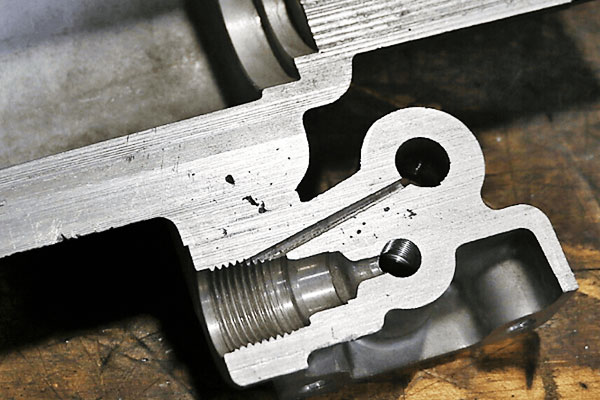
መከላከል: ደረቅ ቅርፊቶችን አጥብቀው ይቆጣጠሩ እና ሰም/አመድ ማስወገድን ይቆጣጠሩ; የማቅለጥ ማራገፍን ያከናውኑ (የአርጎን / የአርጎን-ኦክስጅን ድብልቆች, ቫኪዩም ዲፓስ);
ንጹህ የኃይል መሙያ ቁሳቁሶችን ይጠቀሙ እና ምላሽ ሰጪ ፍሰትን ይቀንሱ; ከላሚን ፍሰት ወይም ከስር-ማፍሰስ ዘዴዎች ጋር ያፈስሱ; ፈሳሽነትን ከጋዝ ማንሳት ጋር ለማመጣጠን የሚፈሰውን የሙቀት መጠን ይቆጣጠሩ.
ማሻሻያ: ትኩስ ኢ.ሲ.ሲ. (ሂፕ) ተግባር በሚፈልግበት ቦታ የውስጥን porosity ለመዝጋት; የመሬት ላይ ቀዳዳዎችን ለማስወገድ የአካባቢ ማሽነሪ; የብረታ ብረት እና ዲዛይን ከፈቀዱ ለተገለሉ ጉድለቶች ዌልድ ጥገና.
የመቀነስ porosity (interdendritic shrinkage)
ምን እንደሚመስል: መደበኛ ያልሆነ, ብዙ ጊዜ እርስ በርስ የተያያዙ ባዶዎች በመጨረሻ ወደ በረዶነት ቦታ ላይ ያተኩራሉ (ወፍራም ክፍሎች, መገናኛዎች)- እንደ ዴንሪቲክ አውታረመረብ ወይም ማዕከላዊ ባዶ ሆኖ ሊታይ ይችላል።.
የስር መንስኤዎች: በማጠናከሪያ ጊዜ በቂ ያልሆነ አመጋገብ; ኢንተርዶንድሪቲክ መጨናነቅን የሚያበረታቱ ሰፊ የማቀዝቀዝ ክልሎች ያላቸው alloys;
ደካማ riser / gating ምደባ; በሙቀት ቦታዎች ላይ ጥንካሬን የሚዘገይ በቂ ያልሆነ ሙቀት ወይም ከመጠን በላይ መከላከያ.
እንዴት እንደሚታወቅ: ራዲዮግራፊ እና ሲቲ ለውስጣዊ ባዶ ካርታ; የሜታሎግራፊክ ሴክሽን ኢንተርደንድሪቲክ ሞርፎሎጂን ለማረጋገጥ.
መከላከል: የአቅጣጫ ማጠናከሪያ ልምምዶችን ይተግብሩ - መወጣጫዎችን/መጋቢዎችን በመጨረሻ ወደ በረዶነት በሚወስዱ መጠኖች ላይ ያስቀምጡ, የማጠናከሪያ መንገድን ለመቀየር ብርድ ብርድን ይጠቀሙ, መመገብን ለማረጋገጥ ጌቲንግን ይከልሱ, ትኩስ ቦታ ባህሪን ለማረጋገጥ የማስመሰል ሶፍትዌር ይጠቀሙ.
ማሻሻያ: ኤች.አይ.ፒ; ለቀጣይ ምርት አመጋገብን ለመጨመር ወይም ክፍልን ጂኦሜትሪ ለመቀየር እንደገና ዲዛይን ማድረግ; ለተፈቀደው የአካባቢያዊ ዌልድ ግንባታ, ተደራሽ shrinkage.
ማካተት እና ጥቀርሻ ወጥመድ
ምን እንደሚመስል: በማትሪክስ ውስጥ ጥቁር አንግል ቅንጣቶች ወይም ሕብረቁምፊዎች (Slab, ኦክሪድ ፊልሞች, የማጣቀሻ ቁርጥራጮች), አንዳንድ ጊዜ በማሽን በተሠሩ ቦታዎች ላይ ወይም በተሰበሩ መስቀለኛ ክፍሎች ላይ ይታያል.
የስር መንስኤዎች: በምድጃ ውስጥ በቂ ያልሆነ ስኪሚንግ / ንጣፍ ማስወገጃ, ብጥብጥ መፍሰስ entraing ዝገት, የማይጣጣሙ የሼል ቁሳቁሶች ወደ ማቅለጫው ውስጥ ይንሸራተቱ, በቂ ያልሆነ ፍሰት, ወይም በቂ ያልሆነ ማቅለጫ ማጣሪያ.
እንዴት እንደሚታወቅ: ራዲዮግራፊ / ሲቲ ለትልቅ ማካተት, ሜታሎግራፊ ለትናንሽ ቅንጣቶች, ነጭ-etch ምርመራ እና fractography ውድቀት ትንተና.
መከላከል: ጥብቅ ማቅለጥ ማጽዳት (መንሸራተት, ፍሰት), ሁከትን ለማስወገድ ቁጥጥር የሚደረግበት መፍሰስ, ተግባራዊ በሚሆንበት ቦታ ከታች-ማፍሰስ ወይም በውሃ ውስጥ ማፍሰስ,
ከቁጥጥር ፍርፋሪ ጋር የሚስማማ የሼል አሠራር, እና ከጊዜ ወደ ጊዜ የላድ ዝውውር ልምምዶች ጥቀርቅነትን የሚቀንስ.
ማሻሻያ: የወለል ንጣፎችን በማዘጋጀት ላይ; ዌልድ ጥገና ወይም ክፍል ምትክ ጭነት-ተሸካሚ ክፍሎች; ከቀጣዩ መፍሰስ በፊት የተሻሻለ የማቅለጫ ልምምድ እና ምርመራ.
ጉንፋን ይዘጋል እና የተሳሳተ (ያልተሟላ መሙላት)
ምን እንደሚመስል: የወለል መስመሮች, ቀዝቃዛ የጭን መስመሮች, ያልተሟሉ ክፍሎች, ወይም ክፍተቱ ሙሉ በሙሉ ያልተሞላባቸው ቀጭን ቦታዎች.
የስር መንስኤዎች: ዝቅተኛ የማፍሰስ ሙቀት, በቂ ያልሆነ የቀለጠ ብረት ፍሰት, ደካማ መግቢያ ወይም አየር ማስወጫ, ከመጠን በላይ የሼል መበከል ወይም እርጥብ ቦታዎች, ከመጠን በላይ ቀጭን ክፍሎች ወይም ረጅም ወራጅ መንገዶች.
እንዴት እንደሚታወቅ: የእይታ ፍተሻ እና የገጽታ ጉድለቶች የመለኪያ ፍተሻዎች; ሲቲ/ራዲዮግራፊ በተደበቁ ክልሎች ውስጥ ያልተሟላ መሙላቱን ለማረጋገጥ.
መከላከል: ለላሚናር መግቢያ እና አየር ማስወጫ ማረጋገጥ, ያልተቋረጠ ፍሰት; የፈሳሽ ሙቀትን ያስተካክሉ እና ፈሳሽነትን ለመጠበቅ ፍጥነትን ያፈስሱ;
ወጥ የሆነ ክፍል ውፍረት ያረጋግጡ ወይም የምግብ ቻናሎችን ይጨምሩ; አካባቢያዊ ቅዝቃዜን ለማስወገድ የሼል ማድረቅን አሻሽል.
ማሻሻያ: ጂኦሜትሪ በሚፈቅድበት ቦታ በመበየድ እና በማሽን እንደገና መሥራት; ለወደፊት ሩጫዎች እንደገና ዲዛይን ማድረግ.
ትኩስ ማሸት / ትኩስ መሰባበር (ማጠናከሪያ ስንጥቆች)
ምን እንደሚመስል: የመጨረሻውን የሚያጠናክሩት መደበኛ ያልሆኑ ስንጥቆች, ብዙውን ጊዜ በውጫዊ ንጣፎች ላይ ወይም በፋይሎች እና የተከለከሉ ባህሪያት አጠገብ, በሚቀዘቅዝበት ጊዜ ብቅ ማለት.
የስር መንስኤዎች: የብረት ቱቦዎች ዝቅተኛ በሆነበት ከፊል-ጠንካራ / ዘግይቶ-የማጠናከሪያ ክፍተት ውስጥ የመሸከም ጭንቀቶች; የተገደበ ጂኦሜትሪ, ድንገተኛ ክፍል ለውጦች, በቂ ያልሆነ አመጋገብ ወይም ደካማ የሻጋታ ተገዢነት; ሰፊ የማጠናከሪያ ክልል ያላቸው ውህዶች የበለጠ ተጋላጭ ናቸው።.
እንዴት እንደሚታወቅ: የእይታ እና ማቅለሚያ-ፔንታረንት ላዩን ስንጥቆች; የራዲዮግራፊ / ሲቲ ከመሬት በታች ለሚሰነጠቁ; ሜታሎግራፊ ማጠናከሪያ ሞርፎሎጂ እና ስንጥቅ ጊዜን ለማረጋገጥ.
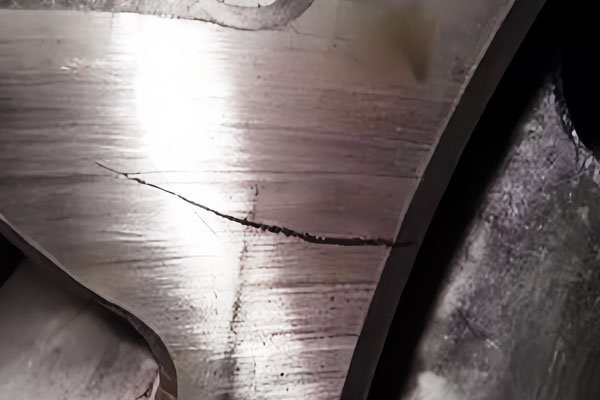
መከላከል: እገዳን ለመቀነስ ንድፍ (ሙላዎችን ይጨምሩ, ራዲየስ መጨመር, እንቅስቃሴን የሚያስተካክሉ ጠንካራ ኮርሞችን ያስወግዱ), በማጠናከሪያ ጊዜ የመሸከምና የመሸከም አቅምን ለመቀነስ የጌቲንግ/ riser ስትራቴጂን ማሻሻል,
የሻጋታ ቁሳቁሶችን በትንሽ ተገዢነት ወይም መከላከያ እጀታዎችን ይጠቀሙ, እና የሙቀት ደረጃዎችን ለመቀነስ የመውሰድን ቅደም ተከተል አጥራ.
ማሻሻያ: አንዳንድ ጊዜ በጂኦሜትሪ እና በብረታ ብረት ስራዎች የሚስተካከሉ ከሆነ በዌልድ ተደራቢ እና ድህረ-ዌልድ የሙቀት ሕክምና; ያለበለዚያ እንደገና ይንደፉ እና የመሳሪያውን ስራ እንደገና ያውጡ.
ምን እንደሚመስል: የመሬት መንቀጥቀጥ, ስለታም የተከተተ refractory ቅንጣቶች, ጠፍጣፋ ቅርፊቶች ወይም የሚንቀጠቀጡ የመለኪያ ክፍሎች. የሼል ማጠቢያ ትላልቅ የገጽታ ክፍተቶችን መፍጠር ይችላል.
የስር መንስኤዎች: ደካማ ቅርፊት (በቂ ያልሆነ ስቱካ, ያልበሰለ ቅርፊት), በቀለጠ ብረት እና በሼል ማያያዣ መካከል የኬሚካል ጥቃት, ከመጠን በላይ ማፍሰስ ብጥብጥ, ወይም ከመጠን በላይ የብረት ሙቀት የሼል መበላሸትን ያስከትላል.
እንዴት እንደሚታወቅ: እንደ-ካስት ወለል የእይታ ምርመራ, ሜታሎግራፊ (refractory inclusions) ለመለየት, እና የሼል ትስስር ተሳትፎን ለመወሰን fractography.
መከላከል: slurry ጥንቅር እና ስቱኮ ደረጃ አሰጣጥን ይቆጣጠሩ, ትክክለኛውን የሼል ማድረቂያ እና የሰም መርሐግብርን ይተግብሩ, የብረት-ሼል ምላሽን ለመገደብ አስፈላጊ በሚሆንበት ጊዜ የሼል ሽፋኖችን ይጠቀሙ, እና የሜካኒካዊ የአፈር መሸርሸርን ለመገደብ ተገቢውን የማፍሰስ ልምዶችን ይጠቀሙ.
ማሻሻያ: የገጽታ ክፍተቶችን በመበየድ እና በማሽን ማስወገድ እና መለጠፍ; ብክለት መዋቅራዊ ታማኝነትን የሚጎዳ ከሆነ እንደገና መሥራት ወይም መቧጨር; ለቀጣይ ሩጫዎች ትክክለኛ የሼል ሂደት.
ኦክሳይድ, ሚዛን መፈጠር እና የገጽታ ብክለት
ምን እንደሚመስል: ከባድ ኦክሳይድ ልኬት, ጥቁር / ግራጫ ወለል ፊልሞች, ጥቁር ነጠብጣቦች ወይም ነጠብጣብ; በከባድ ሁኔታዎች, ስፓልድ ኦክሳይድ ሻካራ ብረትን የሚያጋልጥ.
የስር መንስኤዎች: ከፍ ባለ የሙቀት መጠን ለአየር / ኦክስጅን መጋለጥ, በቂ ያልሆነ የመከላከያ ፍሰት / ሽፋን, የዲሰም ቅሪቶች ወይም የካርቦን ብክሎች ወደ አካባቢያዊ ምላሾች የሚያመሩ.
እንዴት እንደሚታወቅ: የእይታ ምርመራ, የገጽታ ኬሚስትሪ ሙከራዎች, እና የኦፕቲካል / ሜታሎግራፊክ መስቀለኛ ክፍሎችን የኦክሳይድ ውፍረት እና ዘልቆ ለመመርመር.
መከላከል: በማቅለጫው ላይ የመከላከያ ፍሰት ሽፋኖችን ወይም የማይነቃቁ የጋዝ ሽፋኖችን ይጠቀሙ, የሙቀት መጠንን እና ከባቢ አየርን ይቆጣጠሩ, በደንብ ማጽዳት እና የሼል ማጠብን ያረጋግጡ, እና ምላሽን የሚቀንሱ ተስማሚ የሼል እና የሽፋን ስርዓቶችን ይግለጹ.
ማሻሻያ: ሜካኒካዊ ማስወገድ (ተኩስ, መፍጨት), የኬሚካል ማጽዳት, ኤሌክትሮፖሊሺንግ, እና ዝገት-የሚቋቋም ወለል እንደገና ለማቋቋም passivation; በከባድ ሁኔታዎች, ክፍሉን ይተኩ.
የካርቶርንግ CASBRARING / decarburization እና ወለል ኬሚስትሪ ለውጦች
ምን እንደሚመስል: የጠቆረ ወይም የተሰበረ የገጽታ ንብርብር (ካርቦራይዜሽን) ወይም ለስላሳ, የተሟጠጠ ገጽ (ዲካርበሪዜሽን), ወደ ዝቅተኛ የድካም መቋቋም እና የአካባቢያዊ ዝገት ተጋላጭነትን ያስከትላል.
የስር መንስኤዎች: የካርቦን ስርጭት ከመያዣዎች, ቀሪ ሰም, የካርቦን ቅርፊት ክፍሎች, ወይም በሙቀት ሕክምና ወቅት የከባቢ አየርን መቀነስ; በከባቢ አየር ኦክሳይድ ወይም ከመጠን በላይ መጋገር በከፍታ የሙቀት መጠን በመጋገር ምክንያት የሚፈጠር መበስበስ.
እንዴት እንደሚታወቅ: ማይክሮ ሃርድነት መገለጫ, ሜታሎግራፊክ መስቀሎች, የወለል ካርቦን / ሰልፈር ትንተና.
መከላከል: ዝቅተኛ ቀሪ ካርቦን ያላቸው የሼል ስርዓቶችን እና ማያያዣዎችን ይምረጡ, የመጋገሪያ / የሙቀት ዑደቶችን ይቆጣጠሩ, ተለዋዋጭነትን የሚያስወግዱ የመጋገሪያ ፕሮቶኮሎችን ያካትቱ, እና ለሙቀት ሕክምና ቁጥጥር የሚደረግባቸው የከባቢ አየር ምድጃዎችን ይጠቀሙ.
ማሻሻያ: የተበላሸውን ገጽታ ለማስወገድ ማሽነሪ, ተገቢ ያልሆነ የሙቀት ሕክምና በማይንቀሳቀስ ወይም በከባቢ አየር ውስጥ, ወይም የተተረጎመ መፍጨት ተከትሎ ማለፊያ.
መለያየት እና ማዕከላዊ መስመር / ማክሮሴግሬሽን
ምን እንደሚመስል: በትልቅ የመውሰጃ ክፍሎች ውስጥ ያሉ የተቀናጁ ልዩነቶች-የቅይጥ ንጥረ ነገሮችን ወይም ቆሻሻዎችን በመሃል መስመር ላይ ወይም በሌሎች ሙቅ ቦታዎች ላይ ማተኮር, አንዳንድ ጊዜ በጠንካራ ወይም በተሰባበሩ ጥቃቅን ንጥረ ነገሮች.
የስር መንስኤዎች: በጠንካራነት ጊዜ የዴንዶሪቲክ መለያየት, በትላልቅ ክፍሎች ውስጥ ቀስ ብሎ የማቀዝቀዝ ደረጃዎች, ለአንዳንድ የማይዝግ ቅይጥ ረጅም ቅዝቃዜ ክልሎች, እና ተመሳሳይነት ያለው የሙቀት ሕክምና አለመኖር.
እንዴት እንደሚታወቅ: የኬሚካል ካርታ (EDS/WDS), የማይክሮ ሃርድነት ዳሰሳዎች, ሜታሎግራፊ እና የስብስብ ትንተና በሁሉም ክፍሎች.
መከላከል: በብርድ ወይም በተሻሻለው ክፍል ውስጥ የማጠናከሪያ ፍጥነትን ይቆጣጠሩ, ረዣዥም የማጠናከሪያ መንገዶችን ለመቀነስ ጋቲንግን ያመቻቹ,
ጂኦሜትሪ እና ብረታ ብረት ሲፈቅዱ ግብረ-ሰዶማዊነት አንጀት ይጠቀሙ, እና የማቅለጥ ቴክኖሎጂን ግምት ውስጥ ያስገቡ (VIM/VAR) ማክሮሴግሬሽን ለመቀነስ.
ማሻሻያ: ተመሳሳይነት ያለው የሙቀት ሕክምና በተከፋፈሉ ክልሎች ላይ ወሳኝ የንብረት ጥገኛነትን ለማስወገድ የመለያየት ውጤቶችን ወይም የአካል ክፍሎችን እንደገና ዲዛይን ማድረግ; ከሙቀት ሕክምና ጋር HIP እንዲሁ ሊቀንስ ይችላል።.
መዛባት, የቀሩ ጭንቀቶች እና የድህረ-ማሽን መሰንጠቅ
ምን እንደሚመስል: የተጣመሙ ክፍሎች, ሼል ከተወገዱ ወይም ከሙቀት ሕክምና በኋላ ከመቻቻል ውጪ የሆኑ ልኬቶች; በማሽን ወይም በአገልግሎት ላይ ስንጥቅ.
የስር መንስኤዎች: ወጥ ያልሆነ ማቀዝቀዣ, ደረጃ ለውጦች (በማርቴንሲቲክ ወይም ባለ ሁለትዮሽ ደረጃዎች), የተገደበ ቅዝቃዜ, አብሮ የተሰራ ቀሪ ጭንቀትን የሚለቀቅ ማሽን, እና ተገቢ ያልሆነ የሙቀት ሕክምና መርሃ ግብሮች.
እንዴት እንደሚታወቅ: ልኬት ምርመራ, የተዛባ ካርታ, ማቅለሚያ-ፔኔትረንት ወይም መግነጢሳዊ ቅንጣትን ስንጥቅ መሞከር, እና ሜታሎግራፊ ደረጃ ትንተና.
መከላከል: የማቀዝቀዣ ደረጃዎችን ይቆጣጠሩ, በሚቻልበት ቦታ ከባድ ማሽን ከማድረግዎ በፊት ጭንቀትን የሚያስታግሱ የሙቀት ሕክምናዎችን ያድርጉ, የቁሳቁስ ማስወገድን ለማመጣጠን ቅደም ተከተል ማሽነሪ, እና ጭንቀትን የሚይዙ ድንገተኛ የክፍል ሽግግሮችን ያስወግዱ.
ማሻሻያ: ውጥረት-እፎይታ anneal, እንደገና ሙቀት ሕክምና ዑደቶች, የማሽን ስትራቴጂ ለውጦች, ወይም በተቆጣጠሩት ሁኔታዎች ውስጥ የሙቀት ማስተካከያ.
የወለል አጨራረስ ጉድለቶች (ሻካራነት, የሼል ሸካራነት ማስተላለፍ, ጉድጓዶች)
ምን እንደሚመስል: ከመጠን በላይ ሻካራነት, የሚታይ ቅርፊት እህል / ሸካራነት በ casting ወለል ላይ, ከሙቀት ሕክምና በኋላ የተተረጎመ ጉድጓድ ወይም ማሳከክ.
የስር መንስኤዎች: ሻካራ ስቱኮ, ደካማ የሼል ፍሳሽ መቆጣጠሪያ, በቂ ያልሆነ የሼል ማጠቢያ, የቢንደር አመድ ቅሪት, ወይም ኃይለኛ የሙቀት ሕክምና ከባቢ አየር.
እንዴት እንደሚታወቅ: ፕሮፊሎሜትሪ, የእይታ ምርመራ, እና በአጉሊ መነጽር.
መከላከል: ለዒላማው ማጠናቀቅ ትክክለኛውን የስቱኮ ቅንጣት መጠን ይምረጡ, slurry viscosity እና መተግበሪያን ይቆጣጠሩ, የሼል ጽዳት እና ቁጥጥር የተደረገባቸው የመጋገሪያ ዑደቶችን ያረጋግጡ,
እና ከካስት በኋላ የማጠናቀቂያ ሂደቶችን ይጠቀሙ (የተኩስ ፍንዳታ, የንዝረት መንቀጥቀጥ, ማሽነሪ) እንደተገለጸው.
ማሻሻያ: ሜካኒካል ማጠናቀቅ (መፍጨት, ማበጠር), ኬሚካላዊ ኢቲች / መልቀም እና ኤሌክትሮፖሊሺንግ; በኋላ ማለፊያን ይተግብሩ.
ማይክሮክራኪንግ እና ኢንተርግራንላር ጥቃት (የ IGSCC ዝንባሌ)
ምን እንደሚመስል: ጥሩ intergranular ስንጥቆች, ብዙውን ጊዜ ለቆሸሸ አካባቢዎች ከተጋለጡ በኋላ ከስሜታዊነት ወይም ከአካባቢያዊ ዝገት ጋር የተቆራኘ.
የስር መንስኤዎች: በእህል ወሰኖች ላይ ክሮምሚየም ካርቦይድ ዝናብ (ንቃተ-ህሊና) ከተገቢው የሙቀት ሕክምና, መለያየት, ወይም በስሜታዊነት የሙቀት መጠን ውስጥ ለረጅም ጊዜ መጋለጥ; የሚቀሩ ጭንቀቶች በተበላሸ ጥቃት ስር መሰንጠቅን ያባብሳሉ.
እንዴት እንደሚታወቅ: ሜታሎግራፊ ከኤቲች ጋር ለስሜታዊነት, ማቅለሚያ-ፔንታንት ለገጣማ ስንጥቆች, እና የዝገት ሙከራ (ለምሳሌ., ከተፈለገ የ intergranular ዝገት ሙከራዎች).
መከላከል: ለአውስቴኒቲክ ደረጃዎች ተስማሚ የመፍትሄ አኒኤል እና የኩንች ዑደቶች, በ castings ውስጥ የዴልታ-ፌሪትትን መቆጣጠር, እና የተረጋጉ ደረጃዎችን ይጠቀሙ (ከሆነ/Nb) የግንዛቤ ስጋት ባለበት.
ማሻሻያ: ካርቦሃይድሬትን ለማሟሟት የመፍትሄ መፍትሄ (የጂኦሜትሪ እና የከፊል ገደቦች ከፈቀዱ), ከተገቢው የድህረ-ዌልድ ሙቀት ሕክምና ጋር የተተረጎመ መፍጨት/ብየዳ, ወይም ለወደፊቱ ምርት በተረጋጋ ወይም ዝቅተኛ-C ደረጃዎች መተካት.
5. የጉዳይ ጥናቶች - የመላ መፈለጊያ ምሳሌዎችን ይወክላሉ
ጉዳይ 1 - በፓምፕ ማመላለሻዎች ውስጥ ተደጋጋሚ የውስጥ ምሰሶ
ስር መሰረት: በቂ ያልሆነ የፍሳሽ ማስወገጃ እና ብጥብጥ የታችኛው-ማፍሰሻ ቴክኒክ ኦክስጅንን ያጠቃልላል; ውስብስብ ቀጭን-ወደ-ወፍራም ሽግግሮች interdendritic shrinkage የሚያስከትል.
መፍትሄ: የተተገበረውን የአርጎን ማራገፍ, ወደ ዝቅተኛ ብጥብጥ ወደ ታች ማፍሰስ ተለወጠ, በድጋሚ የተነደፈ የጌቲንግ እና የተጨመረ ቅዝቃዜ; በበረራ ወሳኝ ክፍሎች ላይ HIP ተተግብሯል.
ጉዳይ 2 - በቀጭን ግድግዳ በተሞሉ የሙቀት መለዋወጫዎች ውስጥ ቀዝቃዛ ይዘጋል እና የተሳሳተ ስራ
ስር መሰረት: የሙቀት መጠኑን በጣም ዝቅተኛ እና በቂ ያልሆነ የአየር ማስገቢያ ቀዳዳዎችን ያፈስሱ; የሼል መተላለፊያ አለመጣጣም.
መፍትሄ: በ alloy መስኮት ውስጥ የሙቀት መጠን መጨመር, የተሻሻለ የሼል ማድረቅ, የላሚናር ፍሰትን ለማረጋገጥ የተመቻቹ የአየር ማስወጫ ቻናሎች እና የተሻሻሉ ጌቲንግ - ቀዝቃዛ መዝጊያዎች ተወግደዋል.
ጉዳይ 3 - ከተጣለ በኋላ የሰልፈር ቀለም እና የአካባቢ ብክለት
ስር መሰረት: የካርቦን ማያያዣ ቅሪት እና በቂ ያልሆነ የሼል ማጽዳት ወደ አካባቢያዊ የሰልፋይድ ማቅለሚያ እና ጉድጓዶች.
መፍትሄ: የተሻሻለ የዲሰም እና የሼል ማጠቢያ ሂደት, ተለዋዋጭ ነገሮችን ለማስወገድ ከፍተኛ ሙቀት ያለው የሼል መጋገሪያ አስተዋውቋል እና ኤሌክትሮፖሊሽንግ እና ሲትሪክ ማለፊያ ተደረገ.
6. ማጠቃለያ
አይዝጌ-ብረት ትክክለኛነት መውሰድ ውስብስብ ጂኦሜትሪዎችን ያስችላል, ከፍተኛ ልኬት ትክክለኛነት እና እጅግ በጣም ጥሩ የገጽታ ጥራት, ነገር ግን በተፈጥሮው ለብረታ ብረት እና ለሂደት-ነክ ተለዋዋጮች ስሜታዊ ነው።.
በጣም የተለመዱ የመውሰድ ጉድለቶች - እንደ porosity, መቀነስ, ማካተት, ትኩስ መቀደድ እና የገጽታ ኬሚስትሪ ጉዳዮች - የዘፈቀደ ክስተቶች አይደሉም; ቅይጥ ምርጫ ቀጥተኛ ውጤቶች ናቸው, ማቅለጥ ልምምድ, የሻጋታ ጥራት, የሙቀት ቁጥጥር እና ክፍል ንድፍ.
የጥራት እና አስተማማኝነት ቁልፉ በ ውስጥ ነው። ከድህረ-መውሰድ ጥገና ይልቅ የመከላከያ ቁጥጥር.
በንድፍ-ለመውሰድ ውስጥ ቀደምት ውሳኔዎች, gating እና riser አቀማመጥ, ሼል ማምረት እና ማቅለጥ ዲሲፕሊን ከመፈጠሩ በፊት አብዛኞቹን ጉድለቶች ያስወግዳል.
እንደ HIP ያሉ የማስተካከያ እርምጃዎች, የሙቀት ሕክምና እና ዌልድ ጥገና ወሳኝ በሆኑ ክፍሎች ውስጥ ያለውን ዋጋ መልሶ ማግኘት ይችላል, ወጪን ይጨምራሉ እና ጠንካራ የሂደቱን ቁጥጥር መተካት የለባቸውም.
በማጠቃለያው, አይዝጌ-አረብ ብረት ትክክለኛነትን መውሰድ የምህንድስና ዲዛይን ሲደረግ ሊተነበይ የሚችል እና ከፍተኛ ዋጋ ያለው የማምረቻ መፍትሄ ይሆናል።, የቁሳቁስ ሳይንስ እና የሂደት ቁጥጥር የተጣጣሙ ናቸው.
ስልታዊ መከላከል, የታለመ ማረጋገጫ እና ቀጣይነት ያለው መሻሻል የረጅም ጊዜ የመውሰድ ጥራት እና የአፈፃፀም መሠረቶች ናቸው።.