1. መግቢያ
Stainless steel does አይደለም ነጠላ የማቅለጫ ነጥብ ይኑርዎት. እንደ ቅይጥ ቤተሰብ, it melts over a የሙቀት መጠን between a ጠንካራ የሙቀት መጠን, where melting begins, እና ሀ ፈሳሽ የሙቀት መጠን, where the metal becomes fully molten.
That range depends on composition, so different stainless grades melt at different temperatures.
That distinction is important in fabrication, ብየዳ, መውሰድ, and furnace work. It is also important not to confuse የመለኪያ ክልል ጋር service temperature.
A stainless steel can share the same melting range as another grade and still perform very differently in hot service because creep strength, የኦክሳይድ መቋቋም, and microstructural stability depend on more than melting behavior.
2. What Is the Stainless Steel Melting Point?
For pure metals, people often speak of one fixed melting point. አይዝጌ ብረት is different because it is an ቅይጥ, and alloys generally do not melt at a single temperature.
ይልቁንም, they pass through a range where solid and liquid coexist. The temperature where melting starts is called the ጠንካራ; the temperature where the alloy is completely molten is the ፈሳሽ.
That is why asking for “the melting point of stainless steel” is only partly correct. A more precise engineering question is: What is the melting range of this specific stainless steel grade?
Once you frame the question that way, the answer becomes useful for welding procedures, casting temperatures, hot forming windows, and process safety limits.

3. Typical Melting Range of Stainless Steel
Stainless steel melts over a ክልል, not at a single point.
| የቤተሰቡ ቤተሰብ | የተለመደ ደረጃ(ኤስ) | Typical melting range (° ሴ) | Typical melting range (°ኤፍ) | Typical melting range (ኬ) |
| ኦስቲኒክ | 254እኛ (1.4547) | 1325-1400 | 2417–2552 | 1598.2–1673.2 |
| ኦስቲኒክ | 316 / 316ኤል | 1375-1400 | 2507–2552 | 1648.2–1673.2 |
| Duplex | 2205 | 1385–1445 | 2525–2633 | 1658.2–1718.2 |
| Duplex | 2507 | 1400-140 | 2552-2642 | 1673.2–1723.2 |
| Superaustenitic | 904ኤል (1.4539) | 1390–1440 | 2534–2624 | 1663.2–1713.2 |
| ኦስቲኒክ | 301 | 1400–1420 | 2552–2588 | 1673.2–1693.2 |
| ኦስቲኒክ | 321 / 347 / 330 | 1400–1425 | 2552–2597 | 1673.2–1698.2 |
| ዝናብ - ማጠንከሪያ | 17-4ፒኤች (1.4542) | 1400–1440 | 2552–2624 | 1673.2–1713.2 |
| ኦስቲኒክ | 201 / 304 / 304ኤል / 305 / 309 / 310 | 1400-140 | 2552-2642 | 1673.2–1723.2 |
| ፌሪቲክ | 430 / 446 | 1425–1510 | 2597–2750 | 1698.2–1783.2 |
| ማርቴንሲቲክ | 420 | 1450–1510 | 2642–2750 | 1723.2–1783.2 |
| ፌሪቲክ / ማርቴንሲቲክ | 409 / 410 / 416 | 1480-1530 | 2696-2786 | 1753.2–1803.2 |
4. Why Stainless Steels Do Not All Melt at the Same Temperature
Stainless steels all share a chromium-rich identity, but they do not all share the same chemistry.
The family includes ኦስቲኒቲክ, ፌሪቲክ, duplex, ማርቴንሲቲክ, and precipitation-hardening grades, and each family uses different alloying balances to achieve different performance targets. Those differences shift the solidus and liquidus temperatures.
Nickel is a particularly important factor. LangHe notes that alloying additions to iron usually suppress, or lower, the liquidus of the resulting alloy.
It also points out that iron, ክሮምሚየም, and nickel have very different melting points as pure elements: iron at 1535 ° ሴ, chromium at 1890 ° ሴ, and nickel at 1453 ° ሴ.
When those elements are blended into stainless steel, they do not simply average out; they interact and produce a grade-specific melting range.
So the real answer is not “stainless steel melts at X.” The better answer is: the melting range depends on chemistry, and chemistry depends on grade.
5. Factors That Affect the Melting Range
The melting range of stainless steel depends first and foremost on የኬሚካል ጥንቅር.
Stainless steels are alloys, not pure metals, so they do not melt at one fixed temperature; they begin melting at the ጠንካራ and finish at the ፈሳሽ.
The British Stainless Steel Association notes that most alloying additions to iron tend to lower the liquidus, and that the melting range therefore shifts from grade to grade.
It also highlights the pure-metal reference points for iron, ክሮምሚየም, እና ኒኬል, which helps explain why different stainless formulations behave differently in the furnace.
Several alloying elements play a major role:
- Chromium: chromium is the defining stainless element, and it strongly shapes corrosion resistance and high-temperature behavior.
Higher-chromium ferritic grades commonly sit toward the upper end of the stainless melting spectrum. - ኒኬል: nickel stabilizes the austenitic structure, improves formability and weldability, and changes the melting interval.
Nickel-containing grades such as 304 እና 316 therefore do not melt in exactly the same range as ferritic grades like 430 or martensitic grades like 420. - ሞሊብዲነም, ካርቦን, እና ናይትሮጅን: these elements shift phase stability and influence how the alloy behaves at elevated temperatures.
They are especially important in grades selected for corrosion resistance or demanding service conditions.
The stainless-steel family also matters. ኦስቲኒክ, ፌሪቲክ, ማርቴንሲቲክ, duplex, and precipitation-hardening grades each use different chemistry balances, so their melting ranges differ even when they belong to the same broad stainless-steel category.
ለምሳሌ, 304 እና 316 are both austenitic, ግን 316 typically melts at a slightly lower range than 304; 2205 እና 2507 are duplex grades; እና 430 ወይም 410 sit in the ferritic/martensitic side of the spectrum.
A useful way to interpret the data is this: more alloying freedom usually means a more specialized melting range.
That is why grades such as 904ኤል እና 2507 deserve separate values rather than being grouped under a single stainless-steel number.
904L is a highly alloyed austenitic grade designed for severe corrosion environments, እያለ 2507 is a super duplex grade designed for very high corrosion resistance and strength.
በተግባር, this means melting range is a grade-specific property, not a general label.
Engineers should always check the exact alloy designation, because stainless-steel families overlap in name but not in thermal behavior.
6. ለምን መቅለጥ ነጥብ በተግባር
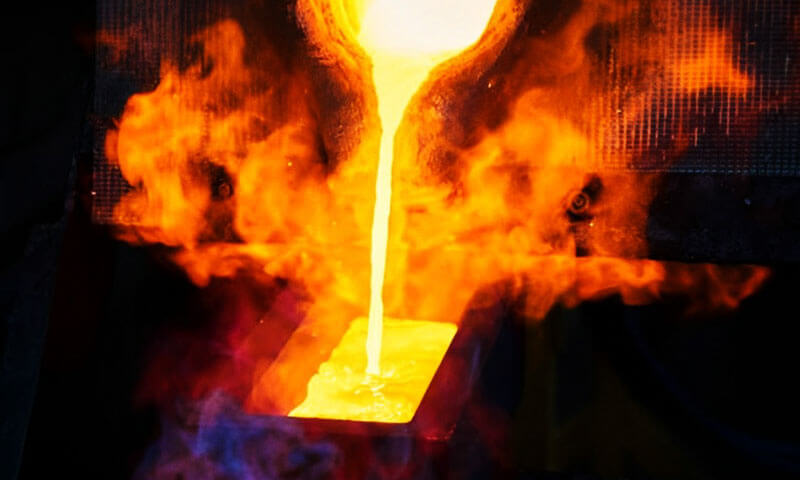
Melting range matters because it directly affects manufacturing control. In steelmaking, the success of melting and casting operations depends on selecting the correct temperature window.
የሙቀት መጠኑ በጣም ዝቅተኛ ከሆነ, the alloy may not flow or fill correctly; if it is too high, thermal damage, ኦክሳይድ, and process instability become more likely.

In fabrication and welding
በጠፋው ጊዜ, the heat-affected zone can approach the solidus, so melting-range data help engineers set appropriate heat input and avoid excessive distortion or local melting.
Stainless steel is widely used because it can be welded and fabricated successfully, but the grade matters.
Nickel-containing grades generally offer better formability and weldability, while ferritic and martensitic grades behave differently under heat.
In casting and furnace work
Casting operations depend on accurate temperature control. A stainless steel grade that melts at 1375-1400 ° ሴ behaves differently in the melt shop than one that melts at 1480–1530 °C.
That difference affects furnace setpoints, Suddheat, መፍሰስ ልምምድ, ሻጋታ መሙላት, and defect risk.
For stainless grades, the goal is not simply to reach a very high temperature; it is to stay inside the thermal window that gives clean melting and sound solidification.
In hot working and forging
Hot working requires a balance: the metal must be hot enough to deform, but not so hot that local melting or grain damage begins.
Stainless grades used in hot service are selected not just for melting range, but also for oxidation resistance, creep behavior, and structural stability at temperature.
Outokumpu notes that many stainless grades can operate across a broad temperature span, but ferritic and duplex grades in particular have upper service limits that reflect embrittlement concerns rather than simply melting temperature.
In high-temperature design
This is where many misconceptions arise. Melting point is not the same as service limit.
ለምሳሌ, 304 እና 310 can share the same melting range, but their maximum service temperatures in air are different: 304 is commonly used up to about 870 ° ሴ, እያለ 310 is used up to about 1050 ° ሴ.
በሌላ አነጋገር, the melting range sets a hard upper boundary, but it does not determine the full-temperature performance envelope.
7. Standard Testing Methods for Stainless Steel Melting Point
Accurate measurement of stainless steel’s melting range follows strict international standards to ensure data credibility and consistency across laboratories and manufacturing facilities.
- ልዩነት ቅኝት ካሎሪሜትሪ (DSC) – ASTM E793The most precise laboratory method,
DSC measures heat flow differences between a stainless steel sample and a reference material as temperature increases, identifying solidus and liquidus peaks with ±1°C accuracy. Used for high-precision material characterization and quality control. - ቴርሞግራሜትሪክ ትንታኔ (Tag) – ASTM E1131Combined with DSC, TGA monitors mass changes during heating to confirm melting events and eliminate interference from oxidation or decomposition.
- Visual Melting Test – ASTM E1773A industrial-scale test where a small stainless steel sample is heated in a controlled furnace, with visual observation of initial melting (ጠንካራ) and full liquefaction (ፈሳሽ). Used for routine manufacturing quality checks.
- የቫኩም ኢንዳክሽን መቅለጥ (ቪም) ቁጥጥርFor high-purity stainless steel production, real-time temperature monitoring during vacuum melting records the exact melting range for batch consistency.
All tests are conducted at 1 atm pressure, with samples in annealed, homogeneous condition to avoid structural bias.
8. Melting Point Compared with Other Metals
| ብረት | Typical melting point (° ሴ) | Typical melting point (°ኤፍ) |
| አሉሚኒየም | 660 | 1220 |
| መዳብ | 1084 | 1983 |
| ብር | 960.8 | 1761.8 |
| ወርቅ | 1063 | 1945.4 |
| መራ | 327.5 | 621.5 |
| ኒኬል | 1453 | 2647.4 |
| ብረት | 1538 | 2800.4 |
| ቲታኒየም | 1660 | 3020 |
| አይዝጌ ብረት 304 | 1400-140 | 2552-2642 |
| አይዝጌ ብረት 316 | 1375-1400 | 2507–2552 |
9. ማጠቃለያ
The melting point of stainless steel is best understood as a የመለኪያ ክልል, not a single fixed temperature.
That range depends on the grade and family, so austenitic, duplex, ፌሪቲክ, ማርቴንሲቲክ, and precipitation-hardening stainless steels do not all behave the same way in the furnace.
Common grades such as 304, 316, 2205, 2507, 904ኤል, 410, እና 430 each have distinct solidus-liquidus behavior that must be checked by grade, not guessed from the word “stainless” alone.
ለኢንጂነሮች እና ለቁጥሮች, the key lesson is straightforward: melting range matters most for casting, ብየዳ, and hot working, እያለ service performance depends on much more than melting behavior.
Oxidation resistance, ክሬፕ ጥንካሬ, ደረጃ መረጋጋት, and chemistry determine how a stainless steel performs at elevated temperature.
That is why grades with similar melting ranges can still have very different service-temperature limits and application profiles.
በተግባራዊ ሁኔታ, the most reliable approach is to select stainless steel by exact grade, verify the የመለኪያ ክልል, and then evaluate the full thermal and mechanical duty of the application.
That is the difference between using melting-point data as a rough fact and using it as an engineering tool.
የሚጠየቁ ጥያቄዎች
Does stainless steel have one fixed melting point?
አይ. Stainless steel melts over a range between the solidus and liquidus temperatures because it is an alloy, ንጹህ ብረት አይደለም.
What is the melting range of 304 አይዝጌ ብረት?
ስለ 1400-1450 ° ሴ.
What is the melting range of 316 አይዝጌ ብረት?
ስለ 1375-1400 ° ሴ.
Why do stainless steel grades melt at different temperatures?
Because alloying elements such as chromium, ኒኬል, ሞሊብዲነም, ካርቦን, and nitrogen shift phase stability and the solidus-liquidus range.
Does a higher melting range mean better stainless steel?
የግድ አይደለም።. Melting range tells you about processing and thermal limits, but it does not by itself determine oxidation resistance, ክሬፕ ጥንካሬ, or corrosion performance.