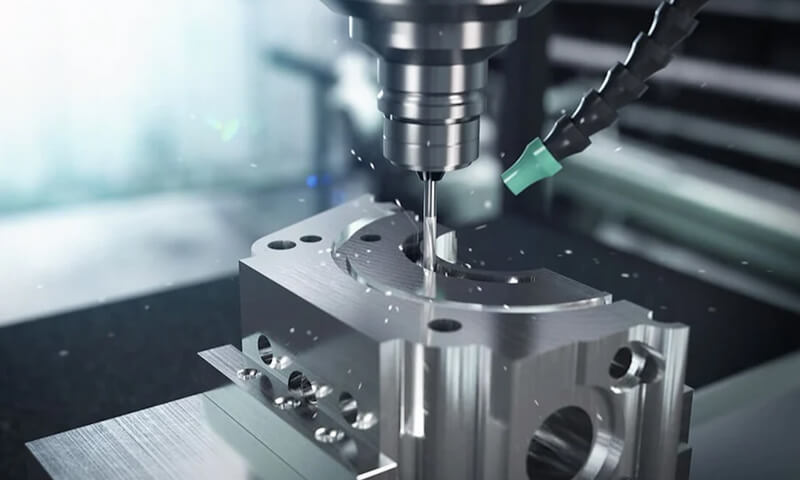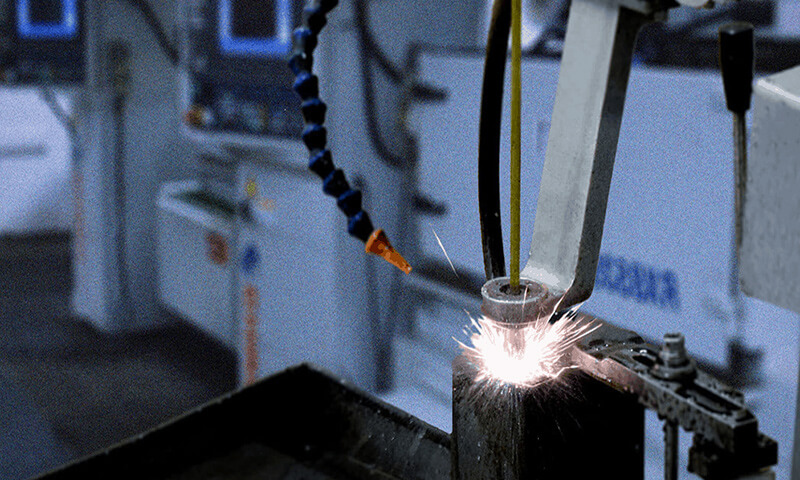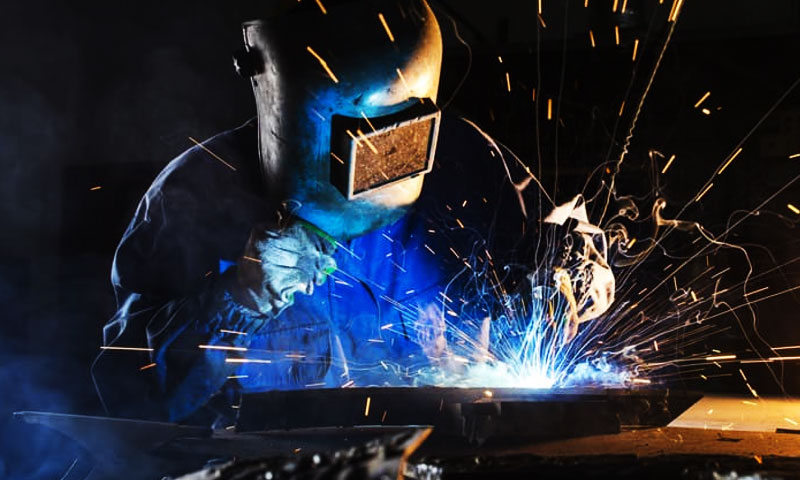
1. መግቢያ
“Sheet metal” commonly refers to metal stock from roughly 0.2 ሚሜ ወደ 6 ሚ.ሜ ውፍረት (የኢንዱስትሪ ትርጓሜዎች ይለያያሉ).
Welding at this scale is a balancing act: deliver sufficient energy for a sound joint while minimizing distortion, burn-through and metallurgical damage.
Good outcomes require appropriate process selection (spot, ቅስት, ግጭት, ሌዘር, ብራዙ), control of heat input, correct joint design and robust inspection.
2. ሉህ ብረት ብረት አለ?
Sheet metal welding is the set of joining technologies used to create structural, functional or cosmetic joints in thin metal stock — typically from ≈0.2 mm up to ~6 mm thickness in industrial practice.
At this scale the goals are different from heavy-section welding: you must produce a sound joint while minimizing heat input, avoiding burn-through, controlling distortion, and preserving surface finish ለመጨረሻ ስብሰባ ወይም የሚታዩ ፓነሎች.
አጭር ትርጓሜ
ሉህ-ብረት ሽርሽር ቁጥጥር የሚደረግበት የአከባቢ ኃይል ኃይል ነው (ሙቀት, ግጭት ወይም የብቃት) የተገቢው ሁኔታ የሚሟገቱ ሁለት ወይም ከዚያ በላይ የንብረት ክፍሎች እንዲዙር ወይም ለማስታረቅ ጥንካሬ, ድካም, መበስበስ እና መዋቢያ መስፈርቶች, ተቀባይነት ባላቸው ገደቦች ውስጥ የመረበሽ እና እንደገና የሚጠቀሙበት.
የሚጨምርበት ነገር (ሂደቶች)
ሉህ-ብረት ዌልዌንግ አንድ ቴክኖሎጂ አይደለም, ግን ለመግባባት የመረጡ ዘዴዎች ቤተሰቦች, ውፍረት, የጋራ ጂኦሜትሪ እና የምርት መጠን:
- ማበላሸት - የወላጅነት ብረት ብረት እና ብዙውን ጊዜ ማጣሪያዎችን ይጨምራል (ለምሳሌ., Gmaw / sd, GTAW/TIG, ሌዘር, ፕላዝማ).
- የመቋቋም ችሎታ - በይነገጽ ላይ በኤሌክትሪክ መቋቋሚያ ሙቀትን ያመነጫል (ለምሳሌ., ዋልታ).
- ጠንካራ-ግዛት ዌልዲንግ - ያለማቋረጥ ይቀላቀላል (ለምሳሌ., ግጭት ጩኸት (FSW)).
- ብራዙንግ እና ሽያጭ - የመመዝገቢያውን ብረት ሳያቀላቀል ቀጫጭን አባላትን ለመቀላቀል አነስተኛ የመለዋወጫ ማጣሪያ ብረት.
- ሜካኒካዊ ማጣሪያ (ሪልስ, ክሊኒክ) እና ማጣቀሻዎች አንዳንድ ጊዜ ከ Walding ጋር በማጣመር ያገለግላሉ.
3. የሸክላ ብረት ብረት - ጥልቀት
ሉህ-ብረት ውርደት የሙቀት አቅርቦትን ለመቆጣጠር የመረጡት አነስተኛ ቤተሰብን የሚመርጡ እና የመቀላቀል ቴክኖሎጂዎችን ይጠቀማል, መዛባት, ውበት እና ዑደት ጊዜ.
ጋዝ ሜታል አርክ ብየዳ (GMAW / ME)
GMAW በቀጣይነት የሚመግብ የሽያጭ ኤሌክትሮድ እና የሥራ ክፍያው ውስጥ ባለው መካከል የኤሌክትሪክ ቅስት ይፈጥራል.
ቅስት ጋሻ-ጋዝ አከባቢን ያጣራል, የሙቀት ኃይል ኃይልን ወደ ሽቦው ሕብረቁምፊ እና ወደ የስራ ቦታው ወለል የሚያስተላልፍ የፕላዝማ ዓምድ ማምረት.
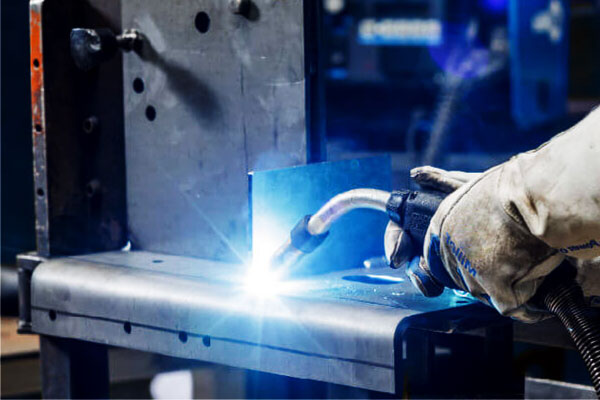
የብረት ሽቦው ከአውሮፕላን ወደ ዌልደር ገንዳዎች በአሁን በተወሰኑ ሁነሮች ይተላለፋል, የሽቦ ዲያሜትር, ሽቦ ኬሚስትሪ, የጋዝ ጥንቅር እና አርክ ተለዋዋጭነት:
- የአጭር-ወረዳ ማስተላለፍ: ቀለጠችው ሕገወጥ የሰዎች ማዘዋወር ወንጀል በአጭሩ እና ወቅታዊ ነጠብጣቦችን ያነጋግራል; በአንድ ጠብታዎች ኃይል ዝቅተኛ ነው, giving limited penetration and minimal heat input — ideal for very thin sheet.
- Globular transfer: ሰፋ ያለ, gravity-influenced droplets form and fall; this mode is unstable and produces spatter.
- Spray transfer: high-current, continuous transfer of fine droplets across the arc; high deposition and deep penetration but higher heat input (better suited to thicker sections).
- Pulsed spray: a controlled peak-and-base current waveform that produces single-droplet transfer per pulse — combines low average heat input with spray-like droplet detachment for good finish on thin-to-medium sheet.
Electromagnetic forces (pinch effect) and surface tension govern droplet formation and detachment.
The weld pool dynamics (fluid flow, Marangoni convection influenced by sulfur/oxygen, and electromagnetic stirring) control bead shape and dilution.
የጋዝ ማጠናከሪያ የጋዝ ማጠናከሪያ ተረጋጋ, የብረት ሽግግር ሁኔታ እና ዘልቆ ማቋቋም (ለምሳሌ., Co ros Droplate መጠንን እና ስፓተርን ያስነሳል; የአርጋን-ኦክስጂን ድብልቅ በታችኛው ኢንዛይኖች ውስጥ የመረጫ ማስተላለፍን የሚያረጋጉ).
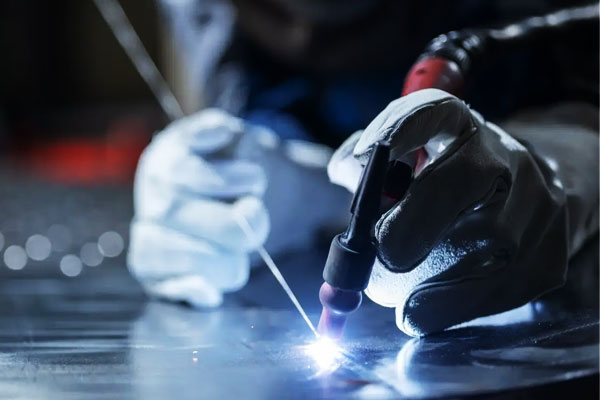
ጋዝ የተንግስተን አርክ ብየዳ (GTAW / TIG)
Gtaw ይጠቀማል ሀ የማይበላው tungsten electrode የተረጋጋ ቅስት ለማቆየት.
ቅስት የተረጋገጠ እና ከመሠረቱ ብረት ጋር የሚነካ ነው, ሙቀትን በ ionsed ጋዝ በኩል ማስተላለፍ (ፕላዝማ).
ኤሌክትሮድ ስላልተፈጸመ, መሙያ ብረት (ጥቅም ላይ የሚውል ከሆነ) ወደ ዋልድ ገንዳ ውስጥ በእጅ ወይም በራስ-ሰር ይመገባል.
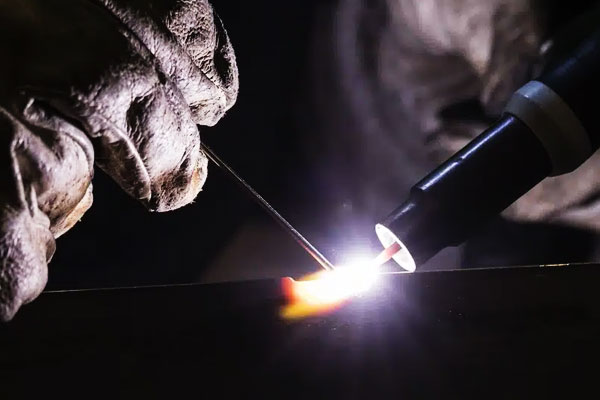
ቁልፍ አካላዊ ገጽታዎች:
- ARC አምድ እና የሙቀት ማተኮር: ትግር መርከቦች ጠባብ እና በጣም የሚቆጣጠሩ ናቸው; በአሁኑ ወይም በቶርሽር አንግል ውስጥ ትናንሽ ለውጦች በአከባቢው የሙቀት ግቤት ላይ ቀጥተኛ ተፅእኖ አላቸው.
- ጋሻ እና አርቢ ኬሚስትሪ: የማይነቃነቅ ጋዝ (በተለምዶ አርጎን) ኦክሳይድ ይከላከላል; ለአሉሚኒየም አሲ ትይይ,
ተለዋጭ ግትርነት ኦክሳይድ-ጽዳት የሚፈጥር ነው (ኤሌክትሮፖሊሺንግ) effect during electrode-positive half-cycle and penetration during electrode-negative half-cycle—this is critical to break the tenacious aluminium oxide skin. - Thermal conduction and radiative cooling: because the electrode is cooler and heat flows into the workpiece, TIG produces a predictable fusion zone with fine control over puddle size.
- Arc initiation and stability: high-frequency or lift-start systems enable controlled arc initiation without contamination; electrode selection (thoriated, ceriated, lanthanated) tailors electron emission and arc stability for different current ranges.
TIG allows precise thermal control and minimal molten pool turbulence, making it excellent for thin sheet and cosmetic welds where arc stability and cleanliness dominate performance.
የመቋቋም ችሎታ ያለው ቦታ (RSW)
Resistance spot welding is a Joule-heating process: high current is forced through the contacting sheet stack while compressive electrode force maintains intimate contact.
Local resistance at the contact interface (and to a lesser extent the bulk sheet resistance) converts electrical energy into heat rapidly, causing local melting and formation of a weld nugget.
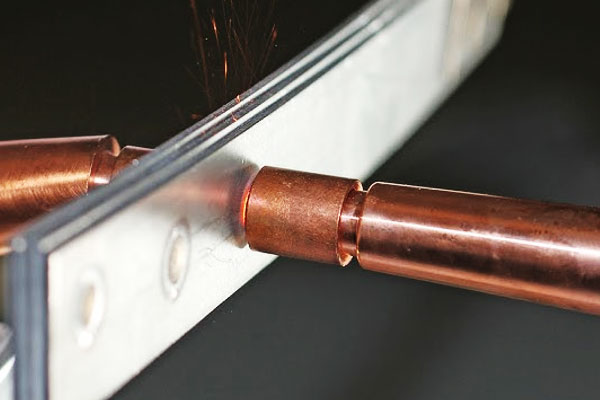
Important mechanistic points:
- Contact resistance vs bulk resistance: initial interface resistance dominates heating; as materials soften and molten metal forms, resistance changes dynamically — process control must account for this transition.
- Electrode force and heat distribution: compressive force squeezes out oxides and reduces contact resistance; it also controls nugget geometry by constraining molten metal and preventing expulsion.
- Thermal diffusion and cooling: after current is cut, the hold time and electrode cooling extract heat and solidify the nugget; electrode cooling (water-cooled copper electrodes) is critical to control nugget size and repeatability.
- Material and coating effects: ሽፋኖች (galvanizing, ኦርጋኒክ ሽፋኖች) change contact resistance and may vaporize, affecting heat localisation and electrode life — schedules must be adjusted accordingly.
RSW is fundamentally an electro-thermal-mechanical process where electrical, thermal and mechanical variables interact on millisecond timescales to produce a metallurgical bond.
ግጭት ጩኸት (FSW)
FSW is a solid-state, thermo-mechanical joining process. A rotating, profiled tool (shoulder + ፒን) is plunged into the joint and traversed along it.
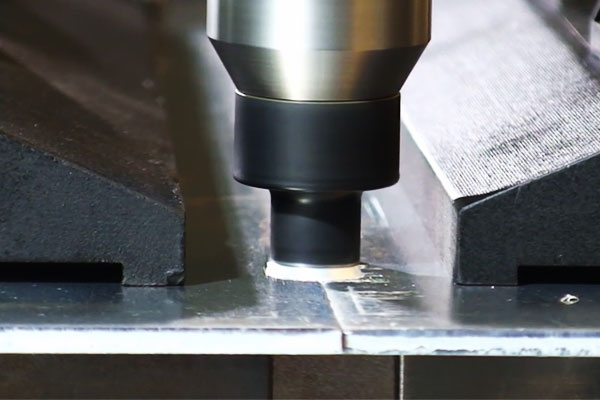
Mechanisms at work include:
- Frictional heating: the rotating shoulder and pin generate heat by friction at the tool–workpiece interface, raising temperature locally to a plastically flowable but sub-melting state.
- Material plasticized flow and stirring: the pin’s geometry forces material from the leading edge to flow around the pin and consolidate in the wake, closing voids and breaking up initial oxide films—resulting in a fine-grained dynamically recrystallized “stir zone”.
- Mechanical forging action: the shoulder exerts forge pressure, consolidating the stirred material and producing a defect-free joint with no fusion-related porosity.
- Microstructural evolution: severe plastic deformation and dynamic recrystallization refine grains and often produce superior mechanical properties compared with fusion welds.
Because FSW avoids melting, it eliminates solidification defects (ለምሳሌ., porosity, ትኩስ መሰባበር) and produces low distortion; ቢሆንም, successful welding requires rigid backing and careful control of tool geometry and process kinematics.
የሌዘር ምደባ (Lbw) & የዲሽር ጨረር-አርክ ዋልድ
Laser welding transmits energy in a highly collimated beam that couples into the surface, producing two primary conduction modes:
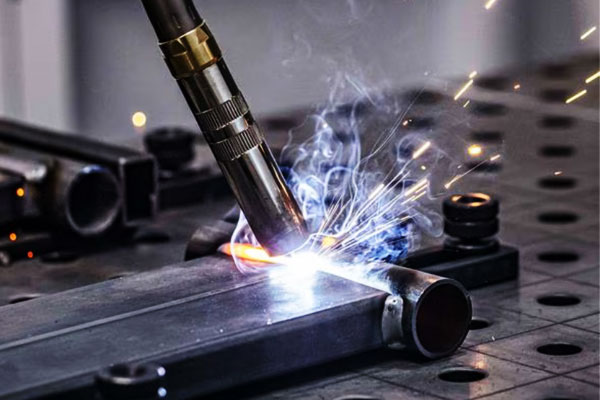
- Conduction mode: at lower power density the laser heats the surface and melts material by conduction; penetration is shallow and heat-affected zone (HAZ) is modest.
- Keyhole mode: at high power densities the beam vaporizes a column of metal creating a vapour-filled cavity (ቁልፍ ቀዳዳ). Intense absorption at the keyhole walls causes deep penetration as the keyhole is sustained; recoil pressure and fluid dynamics around the keyhole govern molten pool flow and stability.
Key physical factors include absorption (ቁሳቁስ, የመሬት ላይ ሁኔታ), ነጸብራቅ (highly reflective metals like Al and Cu reduce coupling), and keyhole stability (ለጋራ የአካል ብቃት እንቅስቃሴ እና ለክበቶች መኖር).
የዲሽር ጨረር-አርክ ዌይድድድድድድድድድ ከ ARC ጋር ያለ ሌዘር (ብዙውን ጊዜ ማይግ) - ቅስት ክፍተቱን ያሻሽላል, ሻንጣው ጥልቅ ክፍተትን እና ጠባብ hol ን በሚያሰጥበት ጊዜ መገጣጠሚያውን እና አቅርቦትን አጫጭር.
ቅስት የተዘበራረቀ የብረት ማገዶን ስለሚጨምር ቅስት የተዘበራረቀ የብረት ብረት ተገኝነት ስለሚጨምር እና ለአነስተኛ ክፍተቶች ስሜቶች እንደሚቀንስ ነው, የሌዘር መቆጣጠሪያ ሲቆጣጠር እና የሚዛመድ ነው.
የፕላዝማ አርክ ብየዳ (PAW)
ፓው የፕላዝማ ጋዝ በማስገደድ የተረጋገጠ የፕላዝማ አውሮፕላን ያስወጣል (አርጎን, የሃይድሮጂን ድብልቅ) በ Tungren ኤሌክትሮድ ዙሪያ በጥሩ ደንብ በኩል.
አለመግባባቱ የጋዝ ሙቀት እና ጣውላን ያስነሳል, ትኩረት ያተኮረ ነው, በሁለቱም ውስጥ ጥቅም ላይ ሊውል የሚችል ከፍተኛ የኃይል ፍሰት ቅስት:
- የተላለፈ ሁኔታ: ARC ከሥራው እና የሙቀት ማስተላለፍ ጋር ተያይዞ ተተክቷል; ለጠጣ ጠለፋ ተስማሚ.
- ያልተሸሸጉ (አብራሪ) ሁኔታ: ARC ለተለየ ቅድመ-ማሞቂያ ወይም የእሳት ጾታ ተግባሮች ውስጥ ARC በ ARCEDED እና አንፀባራቂ መካከል ከፍተኛ ነው.
የፕላዝማ ጃት ከፍተኛ የኃይል ፍሰት እና የላሚኒር ከተለመደው ትውልድ በተሻለ ቁጥጥር የተረጋጋ ዘለታ ይፈጥራል;
ጋዝ ኬሚስትሪ (H₂ ተጨማሪ) ሊከሰት የሚችል ሃይድሮጂን በሚመጣው allods ውስጥ hydrogen የመጫኛ ወጪን እና ቅባትን ይጨምራል.
የ "አይ" የጆሮክ ጂኦሜትሪ እና የጋዝ ፍሰት ቁጥጥር ለ ARC ቅርፅ ወሳኝ ልኬቶች ናቸው, ዋልታ እና ዋልድ ገንዳ ባህሪ.
ኦክስ-ነዳጅ, ብራዙንግ እና ሽያጭ (ለቀንሹ መለኪያ, መዋቅራዊ ያልሆነ)
እነዚህ ናቸው ካፒላሪሪ እና የሙቀት-ተኮርቀንት የመቀላቀል ዘዴዎች ከመግባት ይልቅ:
- ኦክስ-ነዳጅ (ነበልባል) ዌልስ / ብራድ: አንድ የእቃ ማጠቢያ ነበልባል (ኦ₂ + የነዳጅ ነዳጅ) አጠናክራል የተካሄደ ሙቀት.
የጫማውን allode ን በብሬስ ውስጥ (ከመሬት በታች በሆነ የመመዝገቢያ ነጥብ ጋር) የመሠረታዊ ብረቶችን ሳያመጣ ወደ መገጣጠሚያ ማጽዳት በመገጣጠም ፍሰትን ይፈስሳል.
Flame chemistry and flux manage oxide dissolution and wetting. Oxy-fuel welding (fusion) melts parent material and filler—rare for sheet work because of coarse heat control. - ብራዙ: relies on እርጥብ—the molten filler must flow over and adhere to the base metal surfaces, displacing oxides; fluxes or controlled atmospheres remove oxides and promote wetting.
Capillary action controls filler distribution; joint clearance is critical (typical brazing clearance 0.05–0.15 mm). - መሸጥ: similar to brazing but at lower temperatures (<450 ° ሴ); surface tension and solidification control joint integrity in electronics and light assemblies.
Because base metals are not melted, brazing and soldering produce minimal distortion and are well suited to dissimilar metal joining; success depends on metallurgy of filler, flux chemistry and strict cleanliness and clearance control.
4. ቁሳዊ ልምዶች እና የማይታወቅ
Welding sheet metal is as much about material behaviour as it is about process selection.
Different alloys respond very differently to heating, ማፍሰስ, solidification and cooling:
thermal conductivity controls how heat spreads, alloy chemistry controls cracking susceptibility and post-weld properties, and surface condition controls arc stability and porosity.
| Material group | ብየዳነት (ሉህ) | Typical processes | Key concerns / ተጽዕኖዎች | Typical filler & መከላከያ |
| የካርቦን ዕጢዎች / ዝቅተኛ-ማጭበርበሮች | Good → Conditional | GMAW (short-circuit/pulse), GTAW, RSW | HAZ hardening on higher C or thick sections; መዛባት; hydrogen-induced cold cracking if moisture/contaminants present | Er70s-6 (ME); Ar/CO₂ mixes; preheat/postheat for higher CE steels |
| አይዝጌ ብረቶች (ኦስቲኒቲክ) | በጣም ጥሩ | GTAW, pulsed GMAW, ሌዘር | ስሜታዊነት (የካርቦድ ዝናብ) if overheated → corrosion; narrow HAZ; distortion control | ER308L / Er316l (low-C filler), 100% አር (TIG), Ar blends (ME) |
| አይዝጌ ብረቶች (ferritic/ martensitic) | ፈታኝ | TIG, MIG with preheat | ማርቴንሲቲክ: HAZ hardening and cracking risk; ፌሪቲክ: የእህል እድገት & ብረት | ማርቴንሲቲክ: matching filler + post-weld tempering; control preheat (100-300 ° ሴ) |
አሉሚኒየም & ቅይጥ |
Good — process sensitive | TIG (ኤሲ), pulsed MIG (spool-gun), ሌዘር, FSW | ከፍተኛ የሙቀት መቆጣጠሪያ; tenacious oxide (አል ₃) needs removal; porosity and hot-cracking risk in some alloys | Al fillers: ER4043 (እና, good fluidity), ER5356 (ኤም.ጂ, ከፍ ያለ ጥንካሬ); 100% Ar or Ar/He |
| መዳብ, ናስ, ነሐስ | Moderate → Special handling | TIG, ሌዘር, ብራዙ (preferred for thin) | Very high conductivity (ኩ) → heat loss; brass releases Zn fumes; risk of burn-through and vaporization | መዳብ: Cu-Si filler; ናስ: brazing filler; argon shielding; good ventilation |
| Galvanized / coated steels | Condition-dependent | MIG/TIG with local strip, RSW (with controls), laser+extraction | Zinc vaporizes → porosity, spatter and toxic fumes (metal-fume fever); electrode life reduction in RSW | Strip coating at weld area or use local extraction; PPE and fume control mandatory |
5. የጋራ ንድፍ, ተስማሚ እና ጠርዝ ዝግጅት
Good joint design reduces heat input demands and improves quality.
- Lap joints are common in spot welding and MIG for sheet; beware of trapped water or corrosion pockets.
- Butt joints on thin sheet require excellent edge preparation (ካሬ, close gap) for laser or TIG. Root gap typically 0–0.5 mm for laser; TIG may tolerate more.
- Fillet welds: For strength and stiffness, limit throat size to avoid burn-through. Typical fillet leg for 1 mm sheet is ~1–2 mm but must be carefully controlled.
- Edge bevels: Not usually needed for thin sheet; ጥቅም ላይ የሚውል ከሆነ, keep bevel shallow to avoid excess filler and heat.
- መቻቻል: For laser and FSW, fit-up tolerances are tight (±0.1 mm or better). For MIG/TIG on very thin materials, ክፍተቶች <0.5 mm are common to avoid burn-through.
6. የሙቀት ግቤት, የመርከብ ቁጥጥር እና ማስተናቀር ስልቶች
Thin sheet warps easily—control strategies include:
- Lower heat input: pulse welding, higher travel speed, short-circuit transfer in GMAW, pulsed MIG/TIG.
- Intermittent stitching: weld segments with gaps to relieve stress; final pass fills gaps.
- Balanced welding sequence: weld symmetrical locations and backstep technique.
- Strong fixturing and tacks: clamps and spot tacks before full weld reduce movement.
- Heat sinks and backing bars: copper backing dissipates heat and prevents burn-through.
- Pre-bending/over-control: intentionally pre-distort then weld to end up flat after release.
7. ጉድለቶች, ሥር መንስኤዎች እና አስፈፃሚዎች
| ጉድለት | Symptoms | Root Causes | Countermeasures |
| Burn-through | Hole in sheet, local melt-out | Excess heat input, slow travel, thin section | Reduce current/heat, increase travel speed, backing bar, stitch welding |
| Porosity | Pits / gas holes in weld | Contaminants, እርጥበት, poor shielding | Clean surfaces, dry wire/filler, improve gas coverage, purge back side |
| Lack of fusion | Unfused toes or root | Low heat input, bad fit-up | Increase energy, reduce travel speed, correct joint prep |
| መሰንጠቅ (hot/cold) | Cracks in HAZ or weld | High restraint, ሃይድሮጂን, ፈጣን ማቀዝቀዝ | Low-H consumables, pre/post-heat, peening or stress relief |
| Excessive spatter | Spatter around bead (ME) | Incorrect transfer mode / ጋዝ | Switch to pulsed or short-circuit, adjust gas mix |
| Undercut | Groove at weld toe | Excessive voltage or travel speed | Reduce voltage, slow travel, adjust torch angle |
| የወለል ብክለት / ቀለም መቀየር | ኦክሳይድ, poor appearance | Inadequate shielding or contamination | Improve shielding, clean prior to welding |
| Spot weld failure | Shallow or no nugget, expulsion | Incorrect electrode force, current or time | Adjust squeeze force and current schedule, replace electrodes |
8. ምርመራ, የሙከራ እና የጥራት ማረጋገጫ
Quality practices for sheet welding:
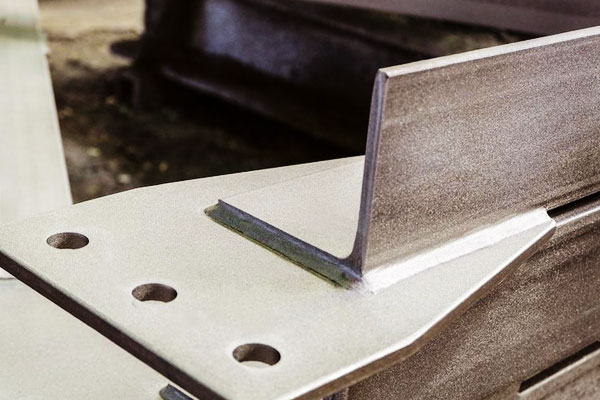
- የእይታ ምርመራ: weld profile, undercut, የሚረጭ, surface discontinuities.
- Dye penetrant (PT): sensitive surface crack detection.
- አልትራሳውንድ (ዩቲ): can detect subsurface defects for thicker sheet or multi-layer.
- Cross-tension test / peel test: used to qualify spot weld strength.
- ሜካኒካል ሙከራዎች: ጥንካሬ, ማጠፍ, and microhardness tests on representative coupons.
- ልኬት: measure flatness and distortion; correct with fixtures or rework.
- Process control documents: WPS, PQR and welder qualifications per applicable standards.
9. ለመልቀቅ የግድግዳ ወረቀቶች ተግባራዊ ምክሮች
ከመጀመርዎ በፊት የዝግጅት ማጣሪያ ዝርዝር
- Identify material & ቁጣ. Confirm alloy (ለምሳሌ., 304L vs 304), thickness and any coatings. If unknown, sample and test.
- Clean the joint. Remove oil/grease, ቆሻሻ, mill scale and heavy oxides. For aluminium remove oxides mechanically or rely on AC TIG oxide cleaning. For galvanized, strip the zinc from the immediate weld area if possible.
- Fit-up & tack. Use tack welds every 25–50 mm for thin panels; smaller spacing (10–25 mm) for long seams or thin, flexible parts. Ensure clamps hold parts flat and aligned.
- Dry filler & የፍጆታ ዕቃዎች. Keep filler wire and rods sealed/dry; bake electrodes if required by spec.
- Plan heat control. Identify where backing bars, heat sinks or stitch welding will be used. Prepare fixtures and thermal clamps.
- Fume control & PPE. Local exhaust for galvanized, ናስ, አይስማ; respirators where required. Eye, hand and body protection appropriate to process.
ሂደት & ግቤት Inurys (የመነሻ ህጎች)
These are starting points—always validate on a coupon that reproduces stack-up, coating and clamping.
GMAW / ME (thin steel 0.8–1.5 mm)
- ሽቦ: 0.8 mm ER70S-6.
- Transfer: short-circuit for ≤1.5 mm; pulsed for higher quality.
- የአሁኑ: 60–140 A (start low, increase carefully).
- ቮልቴጅ: 16–22 V.
- Travel speed: 200–600 mm/min.
- Shield gas: 75% Ar/25% CO₂ (ኢኮኖሚያዊ) ወይም 98% Ar/2% O₂ (better wetting).
GTAW / TIG (thin stainless & አሉሚኒየም)
- የማይዝግ (1.0 ሚ.ሜ): DCEN 35–90 A; Ar flow 8–15 L/min.
- አሉሚኒየም (0.8-2.0 ሚሜ): AC 60–160 A; pulse & balance control helpful; use torch starts (HF or lift) to protect electrode.
- ቱንግስተን: 1.6–2.4 mm lanthanated/ceriated for DC, thoriated or lanthanated for AC.
የመቋቋም ችሎታ ያለው ቦታ (0.8 + 0.8 mm mild steel)
- Electrode force: 3–6 kN.
- Weld current: 7–12 kA (ማሽን & electrode dependent).
- Weld time: 200–600 ms (depending on mains frequency and schedule).
- Maintain electrodes: dress faces regularly; monitor nugget size via destructive/non-destructive sampling.
ሌዘር ብየዳ (1.0 mm stainless butt)
- ኃይል: 1–4 kW depending on travel speed.
- ፍጥነት: 1–5 m/min for thin sheet.
- Focus spot: 0.2-0.6 ሚሜ; ensure excellent edge quality and tight fit-up.
- Back purge: argon 5–15 L/min for stainless to prevent oxidation.
FSW (aluminium panels)
- Tool rpm: 800–2000 rpm; traverse 100–500 mm/min (tradeoff speed vs heat).
- Use robust backing plate; tool design critical for thin sheet to avoid plunge defects.
መዛወር እና ማቃጠልን መቆጣጠር
- Use low heat input methods: TIG, pulsed MIG, laser or FSW when distortion or visual appearance is critical.
- Stitch/skip welding: weld 10–30 mm, skip 10–30 mm, then return to fill gaps—this limits local heat buildup.
- Balance sequence: weld symmetrically about the part and alternate sides. For seams, backstep in short segments to control shrinkage.
- መጨናነቅ & backing: rigid clamps and copper backing bars dissipate heat and prevent burn-through; sacrificial backing sheet is effective for very thin parts.
- Pre-bend and over-compensate: intentionally slightly distort opposite to predicted warpage so the part relaxes into spec after welding.
- Use heat sinks: temporary copper blocks or water-cooled fixtures under critical areas reduce HAZ and warpage.
ታንኬክ, ማስተካከያ እና አሰቃቂ ምክሮች
- Minimal tack size: use small tacks—just enough to hold part—then finish with full welds. For thin sheet use tack lengths of 3–6 mm.
- Tack order: place tacks to minimize gaps; do not over-tack as excessive tacks equal excessive local heating.
- Fixture heating: if parts frequently distort, consider actively water-cooled fixtures or ceramic pads to control thermal flow.
- Quick change pallets: for production, design fixtures that guarantee repeatable fit-up and minimize cycle time.
መቆኖች, መሳሪያ ማድረግ & ጥገና
- Electrode & tip care: for MIG/TIG keep contact tips and nozzles clean; replace worn tips—worn tips cause erratic wire feed and inconsistent arcs.
- Wire selection: match wire chemistry to base metal and finish; maintain dry spools.
- Electrode dressing (RSW): dress copper electrodes to correct face geometry; worn electrodes reduce contact and increase current requirement.
- Torch angle & stick-out: maintain consistent stick-out for MIG (~10–20 mm typical) and proper torch angle (10--20 °) to control penetration and bead shape.
10. የሂደት ምርጫ ማትሪክስ: መቼ የትኛውን ዘዴ መጠቀም እንዳለበት
| የማገጃ ሂደት | Sheet Thickness Range | የቁሳቁስ ተስማሚነት | ቁልፍ ጥቅሞች | የተለመዱ መተግበሪያዎች |
|---|---|---|---|---|
| GMAW / ME | 0.8 – 12 ሚ.ሜ | የካርቦን ብረት, አይዝጌ ብረት, አሉሚኒየም | ፈጣን, easy automation, moderate heat input | አውቶሞቲቭ ፓነሎች, industrial enclosures, መዋቅራዊ ክፈፎች |
| GTAW / TIG | 0.5 – 6 ሚ.ሜ | አይዝጌ ብረት, አሉሚኒየም, የመዳብ ቅይጥ | ትክክለኛ, clean welds, minimal spatter | ኤሮስፔስ, high-quality assemblies, decorative panels |
| የመቋቋም ችሎታ ያለው ቦታ (RSW) | 0.5 – 3 ሚ.ሜ | የካርቦን ብረት, አይዝጌ ብረት | በጣም ፈጣን, ሊደገም የሚችል, አነስተኛ ማዛባት | Automotive body panels, appliance manufacturing |
| ግጭት ጩኸት (FSW) | 1 – 12 ሚ.ሜ | አሉሚኒየም, መዳብ, ማግኒዥየም | Solid-state weld, ከፍተኛ ጥንካሬ, low distortion | Aircraft fuselage panels, የመርከብ ጉዞ, የኤሮስፔስ አካላት |
| የሌዘር ምደባ (Lbw) & ድቅል | 0.3 – 6 ሚ.ሜ | አይዝጌ ብረት, አሉሚኒየም, high-strength steel | ጥልቅ ዘልቆ መግባት, ዝቅተኛ የሙቀት ልማት ግብዓት, ከፍተኛ ፍጥነት | አውቶሞቲቭ, የሕክምና መሳሪያዎች, precision assemblies |
| የፕላዝማ አርክ ብየዳ (PAW) | 0.5 – 6 ሚ.ሜ | አይዝጌ ብረት, የኒኬል ቅይጥ, ቲታኒየም | ከፍተኛ ጥራት ያለው, controlled arc, narrow HAZ | ኤሮስፔስ, ኑክሌር, ከፍተኛ አፈጻጸም አካላት |
| ኦክስ-ነዳጅ, ብራዙ, መሸጥ | 0.1 – 3 ሚ.ሜ | መዳብ, ናስ, thin steel, የተሸፈኑ ብረቶች | Low heat, የማይቀላቀሉ ብረትን መቀላቀል, አነስተኛ ማዛባት | HVAC, ኤሌክትሮኒክስ, የጌጣጌጥ ዕቃዎች |
11. ማጠቃለያ
Welding sheet metal successfully requires matching process capability to the material, joint and production needs.
The key decisions are about የሙቀት አስተዳደር, joint fit-up, እና የሂደት ቁጥጥር. For high volumes with simple lap joints, resistance spot welding is most economical.
For cosmetic seams and repair work, TIG is preferred. የላቀ, low-distortion production, ሌዘር ወይም FSW may be the right choice. Always validate with representative coupons, control welding variables, and implement inspection and QA.
የሚጠየቁ ጥያቄዎች
በጣም ጥሩው ሉህ ምንድነው??
With proper technique (ሌዘር, TIG or pulsed MIG), sheets down to 0.3-0.5 ሚሜ can be welded without burn-through. Resistance spot welding works well for lap joints at ~0.6 mm per sheet.
በተገቢው የጆሮ ታዋቂ ስብሰባዎች ውስጥ የማይዛባውን እንዴት መቀነስ እችላለሁ??
Minimize heat input (higher travel speed, pulsed modes), use balanced welding sequences, strong fixturing and stitch welding. Use backing bars and clamps to act as heat sinks.
ቼዶክ ብረት ብረትን አደርጋለሁ (ለምሳሌ., ብረት ወደ አልሚኒየም)?
Direct fusion welding of steel to aluminium is problematic due to brittle intermetallics. Preferred options are ብራዙ, mechanical fastening, ወይም solid-state joining (friction welding or friction stir technique) with transition layers.
መከለያዎች እንደገለጹት መከላከል?
Coatings complicate welding: zinc vaporises and can cause porosity and toxic fumes. Remove coating at the weld area or use processes tolerant of coatings (laser with extraction) and always use fume extraction and PPE.
When should I choose FSW over fusion welding?
ተጠቀም FSW for aluminium alloys where you need minimal distortion, እጅግ በጣም ጥሩ ሜካኒካል ባህሪዎች, and no filler. FSW requires access for the rotating tool along the joint.