

1. መግቢያ
ነሐስ ንጹህ ብረት አይደለም; በመዳብ ላይ የተመሰረተ ቅይጥ ቤተሰብ ነው, በተለምዶ ከመዳብ እና ከቆርቆሮ ጋር የተያያዘ, ምንም እንኳን ዘመናዊ ነሐስ ሌሎች ቅይጥ ክፍሎችን ሊያካትት ይችላል.
ምክንያቱም ነሐስ ቅይጥ ነው, በአጠቃላይ ያደርጋል አይደለም በአንድ ትክክለኛ የሙቀት መጠን ይቀልጡ.
ይልቁንም, በ a ላይ ይቀልጣል ክልል መካከል ጠንካራ እና ፈሳሽ የሙቀት መጠኖች: ከጠንካራው በታች ሙሉ በሙሉ ጠንካራ ነው, ከፈሳሹ በላይ ሙሉ በሙሉ ፈሳሽ ነው, እና በሁለቱ መካከል በከፊል የቀለጠ ሁኔታ ውስጥ አለ.
ይህ ልዩነት በብረታ ብረት ውስጥ መሠረታዊ ነው, መውሰድ, እና ብየዳ.
2. በእውነቱ ነሐስ ምንድነው??
በቴክኒካዊ አጠቃቀም, "ነሐስ" ብዙ ሰዎች ከሚያስቡት በላይ ሰፊ ቃል ነው.
በጣም የታወቀው ነሐስ ነው ቆርቆሮ ነሐስ, ነገር ግን የኢንዱስትሪ የነሐስ ውህዶችም ያካትታሉ የእርሳስ ቆርቆሮ ነሐስ, የአሉሚኒኒየም ብሮዝስ, የሲሊኮን ነሐስ, እና ሌሎች በመዳብ ላይ የተመሰረቱ ልዩነቶች.
እነዚህ የነሐስ ቤተሰቦች በጥንካሬያቸው ይለያያሉ።, የመልበስ ባህሪ, የዝገት መቋቋም, የማሽን ችሎታ, እና የሙቀት ባህሪ.
ለዚህም ነው “የነሐስ መቅለጥ” የሚለውን ጥያቄ “ዘይት የሚፈላበትን” የመጠየቅ ያህል ነው። መልሱ በየትኛው ነሐስ ላይ እንደፈለጉ ይወሰናል.
የተለያዩ ቅይጥ ተጨማሪዎች የማቅለጫውን ክልል በተለያዩ አቅጣጫዎች ያንቀሳቅሳሉ, ስለዚህ አግባብነት ያለው መረጃ ሁልጊዜ ከአጠቃላይ የነሐስ መለያ ሳይሆን ከትክክለኛው ደረጃ ወይም ዝርዝር ውስጥ መምጣት አለበት።.
ይህ ለጋራ የነሐስ ውህዶች በውሂብ ሉህ ዋጋዎች ውስጥ ባለው ትልቅ ስርጭት የተደገፈ ሀሳብ ነው።.
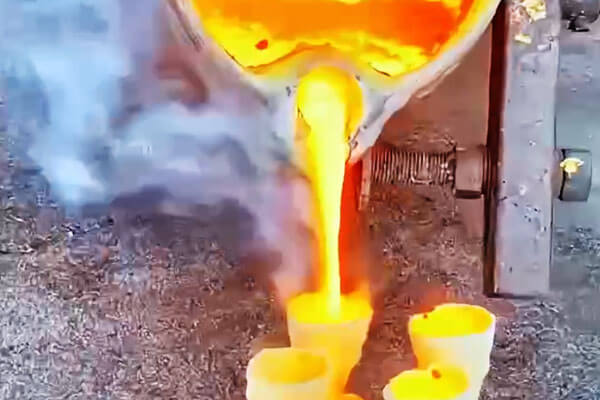
3. የማቅለጫ ክልል vs. መቅለጥ ነጥብ
ለንጹህ ብረቶች, "የማቅለጫ ነጥብ" አብዛኛውን ጊዜ ነጠላ ሙቀት ማለት ነው. እንደ ነሐስ ያሉ ውህዶች, የበለጠ ትክክለኛው ቃል ነው። የመለኪያ ክልል.
በጠጣር እና በፈሳሽ መካከል ያለው ልዩነት በንድፈ ሐሳብ ብቻ አይደለም: በምድጃ ውስጥ የነሐስ ባህሪ ላይ ተጽዕኖ ያሳድራል።, ሻጋታዎች, እና ከፍተኛ የሙቀት አገልግሎት አገልግሎት.
በከፊል-ጠንካራ ክፍተት ውስጥ, ቅይጥ ብስባሽ ሊሆን ይችላል, እና የፍሰት ባህሪው በከፍተኛ ሁኔታ ይለወጣል.
ይህ በተለይ በመጣል ውስጥ በጣም አስፈላጊ ነው. ቅይጥ ማቅለጥ የሚጀምርበት የሙቀት መጠን በከፊል ፈሳሽ መጀመሩን ይወስናል, ፈሳሹ ሙሉ በሙሉ መቅለጥን ሲያመለክት.
ያንን የጊዜ ልዩነት መረዳቱ ለምን ነሐስ ቀላል ወይም ከባድ እንደሆነ ለማብራራት ይረዳል, የእህል መዋቅር, እና የሂደቱ ቁጥጥር.
4. የተለመዱ የነሐስ ቤተሰቦች የተለመዱ የሟሟ ክልሎች
ከዚህ በታች የምንጭ የተረጋገጠ ሠንጠረዥ ነው። ተወካይ የነሐስ ደረጃዎች. ምክንያቱም ነሐስ ቅይጥ ቤተሰብ ነው, ትክክለኛው የምህንድስና ቃል ነው የመለኪያ ክልል, አንድ ሁለንተናዊ የማቅለጫ ነጥብ አይደለም.
| የነሐስ ቤተሰብ | የውክልና ደረጃ | የማቅለጫ ክልል |
| Tin ነሐስ | C91300 | 818.3° ሴ እስከ 888.9 ° ሴ; 1505°ፋ እስከ 1632°ፋ; 1091.45 K ወደ 1162.05 ኬ |
| ከፍተኛ-እርሳስ ቆርቆሮ ነሐስ | C93200 | 854.4° ሴ እስከ 976.7 ° ሴ; 1570°F እስከ 1790°F; 1127.59 K ወደ 1249.82 ኬ |
| ዝቅተኛ የሲሊኮን ነሐስ ቢ | ሲ 65100 | 1030° ሴ እስከ 1060 ° ሴ; 1890°F እስከ 1940°F; 1303.15 K ወደ 1333.15 ኬ |
| ከፍተኛ-ሲሊኮን ነሐስ ኤ | C65500 | 970° ሴ እስከ 1025 ° ሴ; 1778°F እስከ 1877°F; 1243.15 K ወደ 1298.15 ኬ |
| ኒኬል-አልሙኒየም ነሐስ | C63000 | 1035.0° ሴ እስከ 1054.4 ° ሴ; 1895°F እስከ 1930°ፋ; 1308.15 K ወደ 1327.59 ኬ |
| ማንጋኒዝ ነሐስ | C86100 | 900° ሴ እስከ 940 ° ሴ; 1652°F እስከ 1724°F; 1173.15 K ወደ 1213.15 ኬ |
| ማንጋኒዝ ነሐስ | C86300 | 885° ሴ እስከ 923 ° ሴ; 1625°F እስከ 1693°ፋ; 1158.15 K ወደ 1196.15 ኬ |
| አሉሚኒየም ነሐስ | ሲ95400 | 1025° ሴ እስከ 1040 ° ሴ; 1877°F እስከ 1904°F; 1298.15 K ወደ 1313.15 ኬ |
| የኒኬል የአሉሚኒየም ነሐስ | C95500 | 1037.8° ሴ እስከ 1054.4 ° ሴ; 1900°F እስከ 1930°ፋ; 1310.93 K ወደ 1327.59 ኬ |
| የአሉሚኒየም-ሲሊኮን ነሐስ | ሲ95600 | 982.2° ሴ እስከ 1004.4 ° ሴ; 1800°F እስከ 1840°F; 1255.37 K ወደ 1277.59 ኬ |
| የኒኬል የአሉሚኒየም ነሐስ | ሲ95800 | 1043.3° ሴ እስከ 1060 ° ሴ; 1910°F እስከ 1940°F; 1316.48 K ወደ 1333.15 ኬ |
የሠንጠረዡን ጥብቅ ንባብ የጋራ የኢንዱስትሪ ነሐስ በግምት ይሸፍናል 818° ሴ እስከ 1060 ° ሴ, የታችኛው ጫፍ በተለምዶ በቆርቆሮ ነሐስ እና ከፍተኛው በሲሊኮን ይወከላል, አሉሚኒየም, እና ኒኬል-አልሙኒየም ነሐስ.
በውሂብ ሉሆች መካከል ከ1-3 ዲግሪ ያላቸው ትናንሽ ልዩነቶች መደበኛ ናቸው እና አብዛኛውን ጊዜ ከእውነተኛ የቁሳቁስ ልዩነት ይልቅ ማጠጋጋትን ያንፀባርቃሉ.
5. የነሐስ መቅለጥን የሚነኩ ዋና ዋና ነገሮች
ነሐስ አንድ ነጠላ የለውም, ሁለንተናዊ የማቅለጫ ነጥብ. እንደ መዳብ ላይ የተመሰረተ ቅይጥ ቤተሰብ, የማቅለጥ ባህሪው የሚተዳደረው በቅንብር ነው።, የንጽሕና ደረጃ, ውጫዊ ግፊት, እና አካላዊ ቅርጽ እንኳን.
በተግባራዊ ብረታ ብረት ውስጥ, እነዚህ ተለዋዋጮች የማቅለጫውን ክልል ብቻ ሳይሆን ይወስናሉ።, ነገር ግን በማሞቂያው ወቅት የሙቀቱ መረጋጋት, መውሰድ, እና ጠንካራነት.
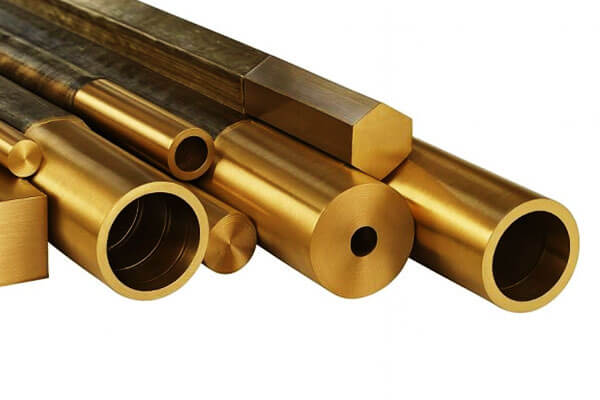
ቅይጥ ቅንብር እና ኤለመንት ተመጣጣኝ
ከሁሉም ተለዋዋጮች መካከል, ቅይጥ ቅንብር በጣም ወሳኝ ነው. በባህላዊ የነሐስ ስርዓቶች, ቲን የሙቀት ባህሪን በእጅጉ የሚጎዳው ቁልፍ አካል ነው።.
የቆርቆሮ ይዘት እየጨመረ ሲሄድ, የማቅለጫው ክልል በአጠቃላይ ወደ ታች ይቀየራል, በተለይም በፈሳሽ በኩል.
በተግባራዊ ሁኔታ, በቆርቆሮ ውስጥ መጠነኛ መጨመር ለሙሉ ማቅለጥ የሚያስፈልገውን የሙቀት መጠን በከፍተኛ ሁኔታ ሊቀንስ ይችላል.
ሌሎች ቅይጥ ንጥረ ነገሮችም ጠቃሚ ሚና ይጫወታሉ.
እንደ አሉሚኒየም, ብረት, እና ኒኬል የሙቀት መረጋጋትን የመጨመር አዝማሚያ እና የማቅለጫውን መጠን ከፍ ሊያደርግ ይችላል, እንደ ንጥረ ነገሮች ሳለ መምራት, ዚንክ, እና bismuth ብዙውን ጊዜ የጠንካራውን የሙቀት መጠን ይቀንሱ.
ይህ የግለሰባዊ አካል ባህሪ ጉዳይ ብቻ አይደለም።; በድብልቅ ንጥረ ነገሮች መካከል ያለው መስተጋብር ወደ መፈጠር ሊያመራ ይችላል ኢንተርሜታል ውህዶች, የምዕራፍ ሽግግሮችን የሚቀይር እና ሰፋ ያለ ወይም የበለጠ ውስብስብ የሆነ የማቅለጥ ክፍተትን ሊያመጣ ይችላል።.
በዚህ ምክንያት, ነሐስ አንድ ቋሚ የማቅለጫ ነጥብ ያለው እንደ ነጠላ ቁሳቁስ በፍፁም መታከም የለበትም.
በኬሚስትሪ ውስጥ ትንሽ ለውጥ በማቅለጥ አፈፃፀም ላይ ሊለካ የሚችል ለውጥ ሊያመጣ ይችላል።, የመውሰድ ባህሪ, እና ከፍተኛ የሙቀት መጠን መረጋጋት.
የንጽሕና ይዘት እና የብረታ ብረት ንጽሕና
የነሐስ ንፅህና በማቅለጥ ባህሪው ላይ ቀጥተኛ ተጽእኖ ይኖረዋል.
የኢንዱስትሪ ነሐስ ብዙውን ጊዜ እንደ ቆሻሻ ያሉ ቆሻሻዎችን ይይዛል ብረት, ድኝ, እና አንቲሞኒ, በተለይ እንደገና ጥቅም ላይ የዋለ ቁሳቁስ ሲሳተፍ.
በትንሽ መጠን ቢገኝም, እነዚህ ቆሻሻዎች የአሉሚኒየም ደረጃን አወቃቀር ሊለውጡ ይችላሉ.
በተለይም, ሰልፈር እና አንቲሞኒ ሊፈጠሩ ይችላሉ ዝቅተኛ-የሚቀልጥ eutectic ውህዶች.
እነዚህ ውህዶች ብዙውን ጊዜ በእህል ድንበሮች ላይ ያተኩራሉ, የሙቀትን ተመሳሳይነት የሚያዳክሙ እና የጠንካራውን የሙቀት መጠን የሚቀንሱበት.
በውጤቱም, ቅይጥ ከተጠበቀው ጊዜ ቀደም ብሎ ማለስለስ ወይም በከፊል ማቅለጥ ሊጀምር ይችላል.
በአንዳንድ ሁኔታዎች, የሟሟው ክልል የሙቀት ቁጥጥርን እና የምርት ጥራት ላይ ተጽዕኖ ለማድረግ ወደ ታች መቀየር ይችላል።.
በተቃራኒው, ከፍተኛ-ንፅህና, በደንብ ዲኦክሳይድ የተደረገ ነሐስ በአጠቃላይ ይበልጥ የተረጋጋ እና ሊገመት የሚችል የማቅለጫ ክልል ያሳያል.
ከተቆጣጠረው የመጀመሪያ ደረጃ የነሐስ ንጥረ ነገር ብዙውን ጊዜ ከተደባለቀ ወይም እንደገና ጥቅም ላይ ከዋለ መኖ ከሚመረተው ነሐስ የበለጠ በአስተማማኝ ሁኔታ የሚሰራበት አንዱ ምክንያት ይህ ነው።.
ውስጥ ትክክለኛነት መውሰድ እና ከፍተኛ አፈፃፀም ማመልከቻዎች, ስለዚህ የብረታ ብረት ንፅህና ልክ እንደ የስም ቅይጥ ስያሜ አስፈላጊ ነው።.
ውጫዊ ግፊት እና ማቅለጥ ሁኔታዎች
በዙሪያው ያለው ግፊት በሚቀልጥበት ጊዜ የነሐስ ባህሪ ላይ ተጽዕኖ ያሳድራል።, ምንም እንኳን ይህ ውጤት በተለመደው የኢንዱስትሪ ምርት ውስጥ አብዛኛውን ጊዜ ሁለተኛ ደረጃ ቢሆንም.
በአጠቃላይ, የማቅለጥ ሙቀት እና ግፊት ተያያዥነት አላቸው, እና የግፊት ለውጦች የደረጃ ለውጥ የሚከሰተውን የሙቀት መጠን ሊቀይሩ ይችላሉ።.
ስር የቫኩም ማቅለጥ ሁኔታዎች, የነሐስ ፈሳሽ የሙቀት መጠን በትንሹ ሊቀንስ ይችላል።.
ለዚህ በከፊል ነው የቫኩም ሂደቶች በትክክለኛ ቀረጻ እና በብረታ ብረት ቁጥጥር ውስጥ በስፋት ጥቅም ላይ የሚውሉት: ኦክሳይድን ለመቀነስ ይረዳሉ, የማቅለጫውን ጥራት ማሻሻል, እና ለማቅለጥ የሚያስፈልገውን ኃይል ሊቀንስ ይችላል.
በተግባር, የቫኩም አከባቢዎች የቀለጠውን ብረት ንፅህና ማሻሻልም ይችላሉ።, ብዙውን ጊዜ ከትንሽ የሙቀት ለውጥ እራሱ የበለጠ አስፈላጊ ነው.
ስር ከፍተኛ ግፊት ሁኔታዎች, በተቃራኒው ዝንባሌ ይታያል: የማቅለጫው ነጥብ በመጠኑ ከፍ ሊል ይችላል.
ቢሆንም, በተለመደው የኢንዱስትሪ ምርት ውስጥ, ይህ ተጽእኖ ብዙውን ጊዜ ትንሽ ነው እና የሂደቱን ንድፍ አይቆጣጠርም.
ለአብዛኛዎቹ የነሐስ ፋውንዴሪ ሥራዎች, ስብጥር እና ንጽህና ቁጥጥር ብቻ ግፊት ይልቅ እጅግ በጣም አስፈላጊ ይቆያል.
የቁስ አካላዊ ቅርፅ
ነሐስ በሁሉም አካላዊ ሁኔታ ውስጥ አንድ አይነት ባህሪ የለውም. የእሱ የሙቀት ምላሽ እንደ ሲሰራ ይለወጣል ዱቄት, ቀጭን ፎይል, ወይም የጅምላ ቁሳቁስ.
የነሐስ ዱቄት በተለምዶ ከጅምላ ነሐስ የበለጠ በቀላሉ ይቀልጣል ምክንያቱም ቅንጣቶቹ በጣም ትልቅ የገጽታ-ድምጽ ሬሾ እና ከፍተኛ የገጽታ ኃይል ስላላቸው።.
ይህ የሚታየውን የማቅለጥ ሙቀት መጠን እንዲቀንስ እና የሙቀት ለውጥን ሊያፋጥን ይችላል።.
በዚህ ምክንያት, የዱቄት ብረታ ብረት እና የመለጠጥ ሂደቶች ብዙውን ጊዜ ከተለመደው መውሰድ ይልቅ በተለያዩ የሙቀት ግምቶች ላይ ይመረኮዛሉ.
የነሐስ ቀጭን ፎይል እንዲሁም የተለወጠ የማቅለጥ ባህሪን ሊያሳይ ይችላል።. በጣም በትንሽ ውፍረት, ማይክሮስትራክቸራል ውጥረት, የገጽታ ውጤቶች, እና የተቀነሰ የሙቀት መጠን በደረጃ ሽግግር ባህሪያት ላይ ተጽእኖ ሊያሳድር ይችላል.
በአንዳንድ ሁኔታዎች, ቅይጥ በጅምላ መልክ ከተመሳሳይ ነሐስ ያነሰ ውጤታማ በሆነ የሙቀት መጠን እንዲለሰልስ ወይም እንደሚቀልጥ ይታያል.
እነዚህ ልዩነቶች በከፍተኛ ምርት ውስጥ በጣም ተዛማጅ ናቸው.
በCast ingot ውስጥ አስቀድሞ የሚሠራ የነሐስ ደረጃ በዱቄት ማቀነባበሪያ ውስጥ የተለየ ባህሪ ሊኖረው ይችላል።, ማሽኮርመም, ወይም ማይክሮ-ልኬት የሙቀት መተግበሪያዎች.
የቁሱ አካላዊ ቅርጽ ስለዚህ የእቃ ማሸጊያ ዝርዝር ብቻ አይደለም; እሱ የሙቀት እኩልታ ትክክለኛ አካል ነው።.
የምህንድስና እስማማቶች
ከምህንድስና አንፃር, የነሐስ መቅለጥ ባህሪ እንደ ሀ የስርዓት ንብረት, ቋሚ ቁጥር አይደለም.
ቅይጥ ኬሚስትሪ የመነሻ መስመርን ይገልፃል. ቆሻሻዎች የሂደቱን ባህሪ ይለውጣሉ. ግፊት በልዩ ሁኔታዎች የሙቀት ሽግግር ላይ ተጽዕኖ ያሳድራል።. አካላዊ ቅርፅ ሙቀትን እንዴት እንደሚስብ እና እንደሚከፋፈል ይለውጣል.
ለዚህም ነው ፋውንዴሽን, ትክክለኝነት መጣል ሱቆች, እና የቁሳቁስ መሐንዲሶች ሁል ጊዜ ነሐስ በእውነተኛው አገልግሎት ወይም ሂደት ሁኔታ መገምገም አለባቸው.
ተመሳሳዩ “ነሐስ” ንጹህ የመጀመሪያ ደረጃ ቅይጥ እንደሆነ ላይ በመመስረት በማቅለጥ ክልል ውስጥ ትርጉም ያለው ልዩነቶችን ያሳያል።, እንደገና ጥቅም ላይ የዋለ መኖ, አንድ ዱቄት, ወይም ቀጭን-ክፍል አካል.
ትክክለኛው የሙቀት መቆጣጠሪያ ስለ ሁለቱም ቅንብር እና ሂደት አውድ ሙሉ ግንዛቤ ላይ ይወሰናል.
6. ለምንድነው የማቅለጫው ክልል በውሰድ እና በማምረት ውስጥ አስፈላጊ የሆነው
በመውሰድ ላይ, የ solidus-liquidus ክፍተት ቅይጥ ሻጋታውን እንዴት እንደሚሞላ ላይ ተጽዕኖ ያሳድራል።, በማጠናከሪያ ጊዜ እንዴት እንደሚቀንስ, እና እንደ porosity ወይም ያልተሟላ ሙሌት ላሉ ጉድለቶች ምን ያህል የተጋለጠ ነው።.
ጠንካራ-ፈሳሽ ሽግግር ለሂደቱ ዲዛይን ማዕከላዊ ነው, ወደ ቁሳዊ ሳይንስ ንድፈ ሐሳብ ብቻ አይደለም.
ለመሠረት ሥራ, ትክክለኛውን የነሐስ ደረጃ ማወቅ በጣም አስፈላጊ ነው ምክንያቱም ሁለቱም "ነሐስ" የሚባሉት ሁለት ውህዶች በማቅለጥ ውስጥ በጣም የተለያየ ባህሪ ሊኖራቸው ይችላል..
ዝቅተኛ ቆርቆሮ ነሐስ ከ 900 ዲግሪ ሴንቲግሬድ በታች በደንብ ማቅለጥ ሊጀምር ይችላል, የአሉሚኒየም ነሐስ ከ 1000 ዲግሪ ሴንቲግሬድ በላይ እስከሚሆን ድረስ በከፊል ጠንካራ ሆኖ ሊቆይ ይችላል።.
ይህ ልዩነት የእቶን ቅንብሮችን ይለውጣል, የሻጋታ ስልት, እና የጥራት ቁጥጥር መስፈርቶች.
ለዚህም ነው ነሐስ በምህንድስና ዶክመንቶች ውስጥ በአጋጣሚ ለመጠቅለል ቁሳቁስ ያልሆነው. የሂደት ወረቀት በቀላሉ “ነሐስ” የሚል ከሆነ,” ያልተሟላ ነው።.
ትክክለኛው ዝርዝር የአሎይ ስያሜውን መለየት አለበት, ምክንያቱም የሙቀት ክልል, ሜካኒካዊ ምላሽ, እና የአገልግሎት ባህሪ ሁሉም በዚያ ትክክለኛ ክፍል ይወሰናል.
ይህ በተጠቀሱት የውሂብ ሉህ ዋጋዎች ክልል የተደገፈ የምህንድስና መደምደሚያ ነው።.
7. ተግባራዊ ምርጫ መመሪያ
ስጋትህ ከሆነ መውሰድ, በጣም አስፈላጊው እርምጃ በአጠቃላይ “የነሐስ መቅለጥ ነጥብ” ላይ ከመተማመን ይልቅ ቅይጥ-ተኮር ጠንካራ እና ፈሳሽ እሴቶችን ማማከር ነው።
የነሐስ ቤተሰብ ብዙ የተለመዱ ቅይጥ ስርዓቶችን ያካትታል, እና አንድ ሁለንተናዊ የሙቀት ቁጥር አይጋሩም.
ስጋትህ ከሆነ በአገልግሎት ውስጥ አፈጻጸም, ብዙ የነሐስ ውህዶች የዝገት መቋቋምን ስለሚያጣምሩ ነሐስ በሰፊው ጥቅም ላይ እንደሚውል ልብ ይበሉ, የመቋቋም ችሎታ ይለብሱ, ዝቅተኛ ግጭት, እና ጥሩ ductility.
እነዚያ ጥቅማጥቅሞች ነሐስ በትከሻዎች ውስጥ ለምን የተለመዱ እንደሆኑ ያብራራሉ, ጊርስ, ፒስተን ቀለበቶች, ቫልቮች, እና መለዋወጫዎች.
ስጋትህ ከሆነ የቁሳቁሶች ንጽጽር, ነሐስ በአጠቃላይ ከብረት በታች ባለው የሙቀት መጠን ይቀልጣል, የመዳብ ቅይጥ በብዙ የኢንዱስትሪ መቼቶች ውስጥ ለመጣል ቀላል የሆነው አንዱ ምክንያት ነው።.
በተመሳሳይ ጊዜ, ትክክለኛው የነሐስ ደረጃ አሁንም በጣም አስፈላጊ ነው, በነሐስ ቤተሰቦች ውስጥ የሚሰራጨው የሙቀት መጠን በሂደት ዲዛይን ላይ ተጽዕኖ ለማሳደር ሰፊ ስለሆነ.
8. ማጠቃለያ
የነሐስ መቅለጥ ነጥብ እንደ ሀ የመለኪያ ክልል, አንድ ሙቀት አይደለም.
ነሐስ በመዳብ ላይ የተመሰረተ ቅይጥ ቤተሰብ ነው, እና የሱ ጠጣር እና ፈሳሽ ሙቀቶች እንደ ስብጥር በእጅጉ ይለያያሉ።.
ተወካይ የኢንዱስትሪ ነሐስ ከ 850 ዲግሪ ሴንቲግሬድ በታች ማቅለጥ እና ሙሉ በሙሉ ከ 1000 ዲግሪ ሴንቲግሬድ በላይ ሊፈስ ይችላል., ቅይጥ ቆርቆሮ ነሐስ እንደሆነ ላይ በመመስረት, አሉሚኒየም ነሐስ, ሲሊኮን ነሐስ, ወይም ሌላ የነሐስ ቤተሰብ.
ለምህንድስና ሥራ, ትክክለኛው ጥያቄ “የነሐስ መቅለጥ ምንድነው??"ግን" የትኛውን የነሐስ ቅይጥ እየተጠቀምን ነው, እና የሱ ጠንካራ እና ፈሳሽ ሙቀቶች ምንድ ናቸው?”
ይህ ለመወሰድ የሚያስፈልገው ትክክለኛነት ደረጃ ነው።, የሙቀት ሕክምና, እና ከፍተኛ ሙቀት ያለው ንድፍ.

