1. መግቢያ
የጠፋ ሰም (ኢን ment ስትሜንት) መውሰድ ትክክለኛ የመስዋዕት ንድፎችን - በተለምዶ ሰም - በሴራሚክ ዛጎል በኩል ወደ ብረት ክፍሎች ይለውጣል.
ዋና ጥንካሬዎች ናቸው: ምርጥ ላዩን አጨራረስ, ከፍተኛ ልኬት ትክክለኛነት, እና ውስብስብ ጂኦሜትሪ እና ከፍተኛ አፈፃፀም ውህዶች የመጣል ችሎታ.
የሂደት ልዩነቶች (የሰም ደረጃዎች, የሼል ኬሚስትሪ እና ዋና ዘዴዎች) መሐንዲሶች ዋጋ ከታማኝነት ጋር ይገበያዩ እና ለማይዝግ ብረት የሚሰሩ መንገዶችን ይምረጡ, የመዳብ ቅይጥ, IRRONS, እና - በልዩ ጥንቃቄዎች - ቲታኒየም እና ኒኬል ሱፐርሎይዶች.
2. የጠፋው ሰም የጦር መሣሪያ ሂደት
የተለመደ ቅደም ተከተል (ከፍተኛ ደረጃ):

- ስርዓተ-ጥለት: ሰም መስራት (ወይም castable resin) ንድፍ(ኤስ) - ነጠላ ቁራጭ ወይም ዛፍ / ዘለላ.
- ስብሰባ: ዘለላ ለመፍጠር ንድፎችን ከሯጮች/ጌቲንግ ጋር ያያይዙ.
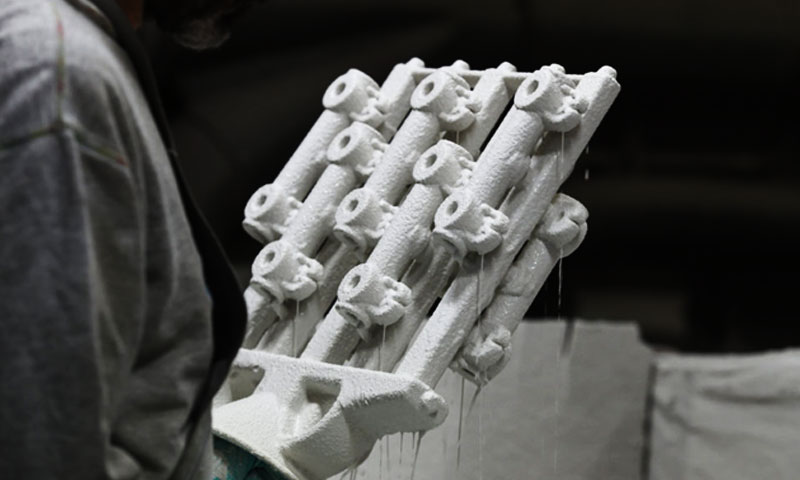
- ኢንቨስት ያድርጉ / የሼል ግንባታ: በ binder slurry ውስጥ ማጥለቅለቅ + ስቴኮኮ; ሼል ለመገንባት ይድገሙት.
- ፈውስ / ደረቅ: ጄል እና በከፊል የደረቁ ቅርፊቶች በልብስ መካከል; የመጨረሻ ማድረቅ.
- ዴቫክስ: ሰም አስወግድ (በእንፋሎት ወይም በማቅለጥ).
- አድኖ / ማጉደል: ኦርጋኒክን ለማቃጠል እና ዛጎልን ለማረጋጋት መወጣጫ.
- አፍስሱ: ማቅለጥ እና ብረትን ወደ ቀድሞው በማሞቅ ቅርፊት ውስጥ አፍስሱ.
- Shoukout & ማጽዳት: ዛጎሉን ያስወግዱ, በሮች ይቁረጡ, ንፁህ.
- ድህረ-ሂደት: የሙቀት ሕክምና, ሂፕ (አስፈላጊ ከሆነ), ማሽነሪ, ላዩን ማጠናቀቅ, ምርመራ.
3. የንድፍ እቃዎች: ዝቅተኛ -, መካከለኛ-, እና ከፍተኛ ሙቀት ያላቸው ሰምዎች
| የሰም አይነት | የተለመደው የሟሟ ክልል (° ሴ) | የመጀመሪያ ደረጃ አጠቃቀም | ጥቅሞች | ገደቦች |
| ዝቅተኛ የሙቀት መጠን ሰም | ~ 45-80 ° ሴ | ጌጣጌጥ, ጥሩ ምሳሌዎች, ትንሽ ትክክለኛነት ቅጦች | ቀላል መርፌ/አነስተኛ ሃይል ሰም; ጥሩ አጨራረስ | ለስላሳ - የስርዓተ-ጥለት መንሸራተት; ለትልቅ / ውስብስብ ዛፎች የተገደበ |
| መካከለኛ-ሙቀት ሰም | ~ 80-120 ° ሴ | አጠቃላይ ምህንድስና: ቫልቭ ክፍሎች, ፓምፕ አካላት | ለመሳሪያነት ጥሩ ልኬት መረጋጋት እና ዘላቂነት | ከፍ ያለ የሰም ጉልበት ያስፈልገዋል; ሚዛናዊ ባህሪዎች |
| ከፍተኛ ሙቀት ሰም / ከፍተኛ የማቅለጫ ንድፍ ቁሶች | >120 ° ሴ (ለልዩ ድብልቆች እስከ ~ 200 ° ሴ) | ትልቅ, ከባድ ቅጦች; ረጅም ዑደት ማምረት; ያነሰ የስርዓተ-ጥለት መዛባት | የተሻለ ሙቀት-ጥንካሬ እና ልኬት ታማኝነት; የተቀነሰ የስርዓተ-ጥለት መዛባት | የበለጠ አስቸጋሪ ሰም/ማቃጠል; ከፍተኛ የኃይል እና የመሳሪያ ውጥረት |
ማስታወሻዎች & መመሪያ
- ሰም በክፍል መጠን ይምረጡ, የመሳሪያ ህይወት እና የሚጠበቀው የሼል / የግንባታ ቅደም ተከተል. ዝቅተኛ የሙቀት መጠን ያለው ሰም ለጥሩ ዝርዝር እና ለዝቅተኛ መጠን ጥሩ ነው ነገር ግን ለረጅም ዑደቶች ወይም ለሞቃታማ የሱቅ ቦታዎች ይሠቃያል.
መካከለኛ የሙቀት መጠን ለምህንድስና መጣል የስራ ፈረስ ነው።. ከፍተኛ ሙቀት ሰም (እና የምህንድስና ንድፍ ፖሊመሮች) አያያዝ ወይም ረጅም ዛጎል የአደጋ መዛባት በሚፈጥርበት ጊዜ ጥቅም ላይ ይውላሉ. - የስርዓተ-ጥለት ተጨማሪዎች: የፕላስቲክ ሰሪዎች, ማረጋጊያዎች, ፍሰት ማሻሻያዎች እና ማቅለሚያዎች በመርፌ ባህሪ ላይ ተጽዕኖ ያሳድራሉ, የዲሰም ቅሪት እና የተቃጠለ ጋዝ ዝግመተ ለውጥ-በፋውንዴሪ የተፈቀዱ ቀመሮችን ይግለጹ.
4. ስርዓተ-ጥለት ማምረት: መሳሪያ ማድረግ, መርፌ ሰም, እና ተጨማሪ ቅጦች
- መርፌ መቅረጽ: ብረት/አሉሚኒየም ለሰም ይሞታል - በከፍታ ዝቅተኛ ዋጋ ከከፍተኛ ጥራት ጋር. የመሳሪያዎች ዋጋ መለኪያ ውስብስብነት ይወሰናል.
- 3D የታተመ castable ሰም/ሬንጅ ቅጦች: SLA, Dlp, ቁስ-ጀቲንግ ወይም castable የሰም ማተሚያዎች ለፕሮቶታይፕ እና ለአነስተኛ ሩጫዎች መሣርያዎችን ያስወግዳሉ.
ዘመናዊ የ castable resins ሰም በንጽህና እና በመርፌ የሰም ወለል ጥራት ላይ ይጠጋል. - የስርዓተ-ጥለት ዛፍ እና የጌቲንግ ንድፍ: በብቃት ለማፍሰስ እና ለመመገብ በማዕከላዊ ስፔል ላይ ንድፎችን ያዘጋጁ; ለተቀነሰ ምግብ የመሥዋዕት መወጣጫዎችን ያካትቱ.
ለትላልቅ ስብስቦች ለጌቲንግ እና ለምግብ ሚዛን ማስመሰል ይጠቀሙ.
5. የሼል ስርዓቶች: ሲሊካ-ሶል, የውሃ-መስታወት, እና ድብልቅ ቅርፊቶች
የሼል ስርዓት የወለል ታማኝነትን የሚወስን ብቸኛው በጣም አስፈላጊ ተለዋዋጭ ነው, የሙቀት መቋቋም, የመተላለፊያ / የመተንፈስ, የቫኩም ተኳሃኝነት እና ቅይጥ ተስማሚነት በጠፋ ሰም መጣል.
በዘመናዊ ሱቆች ውስጥ ሶስት ተግባራዊ ቤተሰቦች ጥቅም ላይ ይውላሉ:
- ሲሊካ-ሶል (ኮሎሎላይል-ሲሊካ) ዛጎሎች - ፕሪሚየም, ከፍተኛ-ታማኝነት መንገድ.
- የውሃ-መስታወት (ሶዲየም-ሲሊኬት) ዛጎሎች - ኢኮኖሚያዊ, ለትልቅ ጠንካራ መንገድ / የብረት / የብረት ሥራ.
- ድብልቅ ቅርፊቶች - ቅጣትን ያጣምሩ, በኬሚካል መቋቋም የሚችል ውስጠኛ ሽፋን (ሲሊካ-ሶል ወይም ዚርኮን) ወጪን እና አፈፃፀሙን ለማመጣጠን ከውኃ መስታወት ውጫዊ ካፖርት ጋር.
የሲሊካ-ሶል ቅርፊቶች (ኮሎላይሊ ሲሊኮ)
ምን እንደሆነ እና እንዴት እንደሚሰራ
የሲሊካ-ሶል ቅርፊቶች ሀ የንዑስ ማይክሮን የሲሊካ ቅንጣቶች ኮሎይድ እገዳ እንደ ማያያዣው.
የመጀመሪያዎቹ ሽፋኖች (በጣም ጥሩ ማጠቢያ) ዝርዝር መረጃን የሚመዘግብ አልትራፊን ስቱካን ለመሸከም ኮሎይድ ይጠቀሙ; ተከታይ ሽፋኖች ውፍረት ይገነባሉ እና በማድረቅ እና ከፍተኛ ሙቀት ባለው ተኩስ ይጠናከራሉ (ማሽኮርመም) ጥቅጥቅ ያለ ምርት ይፈጥራል, ጠንካራ ቅርፊቶች.

ቁልፍ ባህሪያት:
- የገጽታ ታማኝነት: ምርጥ የሚገኝ - እንደ-cast Ra በተለምዶ ~ 0.6-3 µm በጥሩ መታጠብ.
- የሙቀት መረጋጋት / ማጉደል: ዛጎሎች በ ላይ ሊዋሃዱ ይችላሉ 600-1000 ° ሴ (የሱቅ ልምምድ እንደ ስቱኮ ይለያያል). ከፍተኛ ሙቀት መጨመር የቅርፊቱ ጥንካሬ እና የሙቀት ድንጋጤ የመቋቋም ችሎታ ይጨምራል.
- የቫኩም/የማይገባ ተኳኋኝነት:በጣም ጥሩ - የሲሊካ-ሶል ዛጎሎች ከቫኩም እና ከማይነቃነቅ-ከባቢ አየር መፍሰስ ጋር ተኳሃኝ ናቸው እና ለቲታኒየም የተለመደው ምርጫ ናቸው, ኒኬል እና ኮባልት ሱፐርአሎይ.
- የመተላለፊያ ቁጥጥር: ከፍተኛ ዋጋ ላለው የቁጥጥር አየር ማናፈሻን ለመስጠት በስቱኮ ደረጃ አሰጣጥ እና በመተኮስ ማስተካከል ይቻላል, ጥብቅ castings.
- የብክለት ስሜት:ከፍተኛ - የኮሎይድ መረጋጋት በአዮኒክ ብክለት ተበሳጭቷል (ጨው, የብረት ቅጣቶች) እና ኦርጋኒክ; የእፅዋት ንፅህና እና ንፅህና አስፈላጊ ናቸው።.
- የተለመደ የመጀመሪያ-ኮት ስቱኮ: ንዑስ-10 µm የተዋሃደ ሲሊካ, ዚርኮን ወይም ዚርኮኒያ ምላሽ ለሚሰጡ መገናኛዎች.
- የተለመዱ አጠቃቀም ጉዳዮች: የኤሮስፔስ ተርባይን ክፍሎች, Superales, በቫኩም የፈሰሰው ቲታኒየም, የሕክምና ተከላዎች, ትክክለኛነት ትናንሽ ክፍሎች.
የውሃ-መስታወት ዛጎሎች (ሶዲየም-ሲሊኬት)
ምን እንደሆነ እና እንዴት እንደሚሰራ
የውሃ-መስታወት ዛጎሎች አንድን ይጠቀማሉ የውሃ ሶዲየም (ወይም ፖታስየም) የሲሊቲክ መፍትሄ እንደ ማያያዣ.
ኮትስ ጄል ወደ ሲሊካ መሰል አውታረመረብ በ CO₂ ጋዞች ወይም የኬሚካል ማጠንከሪያዎች (አሲድ ጨዎችን), ከተመረቀ የማጣቀሻ ስቱኮ ጋር ሲጣመር ጠንካራ የሴራሚክ ዛጎል ማምረት.

ቁልፍ ባህሪያት:
- የገጽታ ታማኝነት: ለአጠቃላይ ምህንድስና ጥሩ - እንደ-cast Ra በተለምዶ ~ 2.5-8 µm በማጠብ እና ስቱካ ላይ በመመስረት.
- ማጉደል: ብዙውን ጊዜ በ ~ 400-700 ° ሴ; ዛጎሎች ከሲሊካ-ሶል ስርዓቶች ጋር ተመሳሳይ በሆነ መጠን አልተጣበቁም.
- የቫኩም ተኳኋኝነት:ውስን - ለቫኩም/የማይገባ ማፍሰስ ወይም በጣም ምላሽ ለሚሰጡ alloys ተስማሚ አይደለም።.
- አለመረጋጋት / ማሽከርከር: በአጠቃላይ ለአረብ ብረቶች / ብረቶች ጥሩ ነው; የመለጠጥ ችሎታ ከተመቻቹ የሲሊካ-ሶል ዛጎሎች የበለጠ ሸካራነት ይኖረዋል.
- የመፈወስ ዘዴ:የ CO₂ ጋዝ ማመንጨት (ፈጣን ጄልሽን) ወይም አሲድ ማጠንከሪያዎች - ፈጣን, በሱቅ ወለል ላይ ጠንካራ ስብስብ.
- የብክለት ስሜት: መጠነኛ - የአዮኒክ ብክለት መቼቱን እና ጄል ተመሳሳይነትን ይነካል ፣ ግን የውሃ-መስታወት ከሲሊካ-ሶል የበለጠ ታጋሽ ነው.
- የተለመደ የመጀመሪያ-ኮት ስቱኮ: ጥሩ የተዋሃደ ሲሊካ; zircon ለተሻሻለ የገጽታ መከላከያ መጠቀም ይቻላል.
- የተለመዱ አጠቃቀም ጉዳዮች: የቫልቭ አካላት, የፓምፕ መጎተት, ትልቅ የብረት / የብረት ክፍሎች, የባህር ሃርድዌር, አጠቃላይ የኢንዱስትሪ castings.
ድብልቅ ቅርፊቶች (ሲሊካ-ሶል ወይም ዚርኮን ውስጠኛ ሽፋን + የውሃ-መስታወት ውጫዊ ሽፋኖች)
ምን እንደሆነ እና እንዴት እንደሚሰራ
የጋራ ኢኮኖሚያዊ ስምምነት: ሀ ፕሪሚየም የውስጥ ካፖርት (ሲሊካ-ሶል ወይም ዚርኮን / ዚርኮኒያ ማጠቢያ) ዝርዝርን ለመያዝ እና በኬሚካል ተከላካይ ማገጃ ለመፍጠር በመጀመሪያ ይተገበራል።, ከዚያ የውሃ-መስታወት ውጫዊ ሽፋኖች በአነስተኛ ወጪ የጅምላ ጥንካሬን ለመስጠት የተገነቡ ናቸው.
ቁልፍ ባህሪያት:
- የገጽታ ታማኝነት & የኬሚካል መከላከያ: የውስጥ ሲሊካ-ሶል/ዚርኮን የሲሊካ-ሶል ወለል ጥራትን ይሰጣል እና በብረት በይነገጽ ላይ የብረት-ሼል ምላሽን ለመከላከል ይረዳል.
- ወጪ & አያያዝ: የውጪ ውሃ መስታወት ካባዎች አጠቃላይ የሲሊካ-ሶል አጠቃቀምን ይቀንሳሉ እና ዛጎሉ ለአያያዝ እና ለትላልቅ መጠኖች የበለጠ ጠንካራ ያደርገዋል።.
- የቫኩም ተኳኋኝነት: የተሻሻለ vs ንጹህ ውሃ-መስታወት (ለውስጣዊ ካፖርት ምስጋና ይግባው) ግን አሁንም እንደ ሙሉ የሲሊካ-ሶል ዛጎሎች ተስማሚ አይደለም - ከባቢ አየር ውስጥ መቅለጥ/ማፍሰስ ከተቆጣጠሩ ለብዙ አይዝጌ እና አንዳንድ ኒኬል ውህዶች ጠቃሚ ነው.
- የተለመዱ አጠቃቀሞች: የቫልቭ አካላት ከፍተኛ ጥራት ያላቸው እርጥብ ቦታዎች, አንዳንድ የቫኩም ተኳኋኝነት የሚያስፈልገው መካከለኛ ዋጋ ያለው ተርባይን ክፍሎች, ወጪ እና አፈጻጸም ሚዛናዊ መሆን ያለባቸው መተግበሪያዎች.
6. ዋና ቴክኖሎጂዎች
- የሚሟሟ ኮሮች (ለመሟሟት የተሰሩ ሰም ወይም ፖሊመር ኮርሶች): የውስጥ ምንባቦችን ማምረት (ማቀዝቀዝ ሰርጦች); በሞቀ ውሃ ወይም በሟሟ ይወገዳል.
- የቢንደር-ማመንጫዎች የሴራሚክ ማዕከሎች (ሲሊካ, አሉሚኒየም, ዚሮረስ): ለ superalloys በከፍተኛ ሙቀት ላይ የተረጋጋ; የሼል-ኮር ተኳኋኝነትን ይጠይቃል.
- 3D-የታተሙ ኮሮች: binder-jet ወይም SLA ceramic cores ያለ መሳሪያ ውስብስብ የውስጥ ጂኦሜትሪ ያነቃል።.
የኮርሶች ንድፍ ዋና ድጋፍን ግምት ውስጥ ማስገባት አለበት, ማሽከርከር, የሙቀት መስፋፋት እና የኬሚካል ተኳሃኝነት ከቀለጠ ብረት ጋር.
7. ዴቫክስ, አድኖ & ሼል መተኮስ - ተግባራዊ መርሃግብሮች እና የቁጥጥር ነጥቦች

ዴቫክስ
- የእንፋሎት / autoclave dewax: ለተለመደው የሰም ዛፎች የተለመደ. የተለመደው የወለል ሙቀት 100-120 ° ሴ; በሰም መጠን እና በዛፉ መጠን ላይ በመመርኮዝ ከደቂቃ እስከ ሰአታት ያሽከርክሩ.
- የሙቀት መበስበስ / ማቅለጫ ማቅለጥ: ለአንዳንድ ፖሊመሮች ጥቅም ላይ ይውላል-የሟሟ መልሶ ማግኛ እና መቆጣጠሪያዎችን ይጠቀሙ.
አድኖ / የማቃጠል መርሃ ግብር (የተለመደ የምህንድስና ምሳሌ)
- ራምፕ: የእርጥበት/ሰም ቀሪዎችን ለማስወገድ በ100-200 ዲግሪ ሴንቲ ግሬድ ፍጥነት ይቀንሱ (≤3-5°C/ደቂቃ የሚመከር ለወፍራም ዛጎሎች የእንፋሎት እብጠትን ለማስወገድ ነው።).
- ያዝ 1: 150-250 ° ሴ (1-4 ሰዓታት) ዝቅተኛ-የፈላ ኦርጋኒክ ለማባረር.
- ራምፕ 2: ~ 3 ° ሴ / ደቂቃ እስከ 350-500 ° ሴ.
- የመጨረሻ ማቆየት።: 4-8 ሰአታት በ 350-700 ° ሴ እንደ ሼል ስርዓት እና ቅይጥ. የሲሊካ-ሶል ዛጎሎች ወደ 600-1000 ዲግሪ ሴንቲ ግሬድ ሊተኮሱ ይችላሉ ለሽምግልና / ጥንካሬ; የውሃ-ብርጭቆ ቅርፊቶች በ 400-700 ዲግሪ ሴንቲግሬድ ውስጥ በተለምዶ ይረጋጋሉ.
- ቁልፍ መቆጣጠሪያዎች: የፍጥነት መጠን, የኦክስጅን አቅርቦት (ምላሽ ለሚሰጡ የብረት ቅርፊቶች ከመጠን በላይ ኦክሳይድን ያስወግዱ), እና በማፍሰስ ጊዜ የጋዝ ዝግመተ ለውጥን ለማስወገድ ኦርጋኒክን ሙሉ በሙሉ ማስወገድ.
ከመፍሰሱ በፊት ሼል አስቀድመው ይሞቁ: የሙቀት ድንጋጤን ለመቀነስ እና የብረት ፍሰትን ለማሻሻል እንደ ቅይጥ ላይ በመመስረት ሼል እስከ 200-800 ° ሴ ድረስ ይሞቅ.; ለምሳሌ., አይዝጌ ፍሰቶች ብዙውን ጊዜ 200-450 ° ሴ ቅድመ ሙቀት; ሱፐርሎይዶች በሼል ላይ በመመስረት ከፍ ያለ ያስፈልጋቸዋል.
8. ማፍሰስ: ማቅለጥ ልምምድ, vacuum / iner አማራጮች እና መፍሰስ መለኪያዎች
- የማቃጠያ ምድጃዎች: ማነሳሳት ወይም መቋቋም; ለጽዳት ማጽዳት / ማጣራት እና መፍሰስ.
- ለሙቀት (ዓይነተኛ):
-
- የአሉሚኒየም ቅይጥ: 650-720 ° ሴ
- የመዳብ ቅይጥ: 1000-1200 ° ሴ
- ብረቶች: 1450-1650 ° ሴ
- ኒኬል ሱፐርalloys: 1400-1600+ ° ሴ (allod ጥገኛ ጥገኛ)
- ቫክዩም እና የማይነቃነቅ ማፍሰስ: ለቲታኒየም እና ከፍተኛ ምላሽ ሰጪ ውህዶች አስገዳጅ; ቫክዩም ኦክሳይድ እና የብረት-ሼል ምላሽን ይቀንሳል.
- ለፋሽን: የስበት ኃይል አፈሳ እና ታች-ማፍሰስ ladle vs ቫኩም ታግዘዋል - ብጥብጥ እና የተቀላቀሉ ጋዞችን ለመቀነስ ይምረጡ. ለማካተት ቁጥጥር በጌት ውስጥ ማጣሪያዎችን ይጠቀሙ.
9. በተለምዶ የሚጣሉ ቁሳቁሶች & ልዩ ግምት
- አይዝጌ ብረቶች (300/400, duplex): ከሁለቱም የውሃ መስታወት ጋር ጥሩ & ሲሊካ-ሶል; የሼል መስፋፋትን እና የመጨረሻውን ቅድመ-ሙቀትን ይቆጣጠሩ.
- ካርቦን & ዝቅተኛ ቅይጥ ብረቶች, ብረት ብረት: ከውሃ-ብርጭቆ ቅርፊቶች ጋር በደንብ ተስማሚ; በከፍተኛ የፍሳሽ ሃይሎች ላይ የመጠን እና የሼል መሸርሸርን ይመልከቱ.
- የመዳብ ቅይጥ (ነሐስ, ከእኛ ጋር): የተለመደ; የሼል ማጠብን ለማስወገድ ከፍተኛ ሙቀትን ይቆጣጠሩ.
- የአሉሚኒየም ቅይጥ: የሚቻል ነገር ግን በሌሎች የመውሰድ ዘዴዎች ብዙ ጊዜ ርካሽ; የአየር ማናፈሻ / የመተንፈስ ችሎታን ያረጋግጡ.
- ቲታኒየም & እናንተ alloys: ምላሽ ሰጪ - የሲሊካ-ሶል ቅርፊቶችን ይመርጣሉ, zircon / alumina የመጀመሪያ ሽፋኖች, ቫኩም ይቀልጣል, እና የማይነቃነቅ ከባቢ አየር. መከላከያ ካፖርት እና ልዩ ቁጥጥር ካልተደረገ በስተቀር የውሃ መስታወትን ያስወግዱ.
- ኒኬል & ኮባልት ሱፐርአሎይ: የሲሊካ-ሶል ቅርፊቶችን ይጠቀሙ, ከፍተኛ የሙቀት መጠን መተኮስ እና የቫኩም/የማይነቃነቅ አያያዝ በሚያስፈልግበት ጊዜ.
10. የተለመደ ልኬት, የገጽታ እና የመቻቻል ችሎታዎች
- ልኬት መቻቻል (የተለመደ እንደ-cast): የስም ልኬት ± 0.1-0.3%. (ለምሳሌ., ± 0.1-0.3 ሚሜ በርቷል 100 mm ባህሪ).
- የገጽታ አጨራረስ (ራ አስ-መውሰድ): ሲሊካ-ሶል ~ 0.6-3.2 µm; የውሃ ብርጭቆ ~ 2.5-8 µm.
- የመስመር shrinkage አበል: ~ 1.2-1.8% (ቅይጥ & ፋውንዴሽን በትክክል ይግለጹ).
- ቢያንስ ተግባራዊ የግድግዳ ውፍረት: ጌጣጌጥ / ጥቃቅን ክፍሎች: <0.5 ሚ.ሜ; የምህንድስና ክፍሎች: 1.0-1.5 ሚሜ የተለመደ; መዋቅራዊ ወፍራም ክፍሎች የተለመዱ.
- ተደጋጋሚነት: ጥሩ የመሠረተ ልማት ልምምድ በወሳኝ ዳታሞች ላይ ± 0.05-0.15% ሩጫ-ለማሄድ ያስገኛል.
11. የተለመዱ ጉድለቶች, የስር መንስኤዎች እና መፍትሄዎች
| ጉድለት | ምልክቶች | የተለመደው የስር መንስኤ | መፍትሔ |
| ጋዝ porosity | ሉላዊ ቀዳዳዎች | የሟሟ H₂ ወይም የታሰሩ የሰም ጋዞች | የፍሳሽ ማስወገጃ አሻሽል, ማጣሪያዎች; የመቆጣጠሪያ ሰም / ማቃጠል; የቫኩም ማፍሰስ |
| የመቀነስ porosity | በሞቃት ቦታዎች ላይ ያልተለመዱ ክፍተቶች | ደካማ አመጋገብ; በቂ ያልሆነ መነሳት | እንደገና መሥራት, ብርድ ብርድን ይጨምሩ, risers ይጠቀሙ, የመቆያ ግፊትን ያጠናክሩ |
| ትኩስ እንባ / ስንጥቆች | በማጠናከሪያ ጊዜ ስንጥቆች | ከፍተኛ እገዳ, ሹል ሽግግሮች | ሙላዎችን ይጨምሩ, ክፍል መቀየር, መጋጠሚያን ቀይር, ቅዝቃዜን ተጠቀም |
| የሼል መሰንጠቅ | ሼል ይሰብራል ቅድመ-ማፍሰስ | ፈጣን ማድረቅ, ወፍራም ካፖርት, ደካማ ፈውስ | ቀስ ብሎ ማድረቂያ መወጣጫዎች, ቀጫጭን ቀሚሶች, የተሻሻለ የ CO₂ የፈውስ ቁጥጥር |
የብረት ዘልቆ መግባት / መታጠብ |
ሻካራ ወለል, ብረት ወደ ሼል | ደካማ የመጀመሪያ ሽፋን, ከፍተኛ ሙቀት | የመጀመሪያውን ሽፋን አሻሽል (ጥሩ ስቱኮ / ዚርኮን), ከፍተኛ ሙቀትን ይቀንሱ, viscosity ይጨምሩ |
| ማካተት / Slab | በመውሰዱ ውስጥ ብረት ያልሆኑ | ማቅለጥ ብክለት, ደካማ ማጣሪያ | ንጹህ ማቅለጥ, የሴራሚክ ማጣሪያዎችን ይጠቀሙ, ስኪሚንግ ልምምድ |
| የልኬት መዛባት | ከመቻቻል ውጪ | የስርዓተ-ጥለት መንሸራተት, የሙቀት መጨመር | ከፍተኛ ሙቀት ያለው ሰም ይጠቀሙ, የቁጥጥር ስርዓተ-ጥለት ማከማቻ ሙቀት, የተሻሻለ የሼል ጥብቅነት |
12. የድህረ-ቀረጻ ሂደቶች
- Shoukout & የሴራሚክ ማስወገድ: ሜካኒካል ወይም ኬሚካላዊ ዘዴዎች.
- የሙቀት ሕክምና: የመፍትሄ ሕክምና, እርጅና (T6), anneal - ቅይጥ ጥገኛ. የተለመደው የመፍትሄ ሙቀት: አል alloys ~ 520-540 ° ሴ; ከፍተኛ ብረቶች.
- ትኩስ ኢ.ሲ.ሲ. (ሂፕ): ለድካም ስሜት ለሚነኩ ክፍሎች ውስጣዊ መጨናነቅን ይቀንሳል; የተለመዱ የ HIP ዑደቶች በቅይጥ ላይ ይወሰናሉ (ለምሳሌ., 100-200 MPa እና 450-900 ° ሴ).
- ማሽነሪ & ማጠናቀቅ: ወሳኝ ቦርዶች, የታሸገ ፊቶችን ወደ መቻቻል ማሽን; ማበጠር, እንደአስፈላጊነቱ ማለፊያ ወይም ሽፋን ይተገበራል.
- ኤንዲቲ & ሙከራ: ሃይድሮስቲክ, ግፊት, የማፍሰሻ ሙከራዎች, ኤክስሬይ/ሲቲ, አልትራሳውንድ, ማቅለሚያ-ፔንታንት, ሜካኒካል ሙከራ በእያንዳንዱ ዝርዝር.
13. የሂደት ቁጥጥር, ምርመራ & ብቃት
- የQC መለኪያዎችን ይግዙ: ለስላሳ ጠጣር, viscosity, ጄል ጊዜ, የምድጃ ኩርባዎች, dewax ምዝግብ ማስታወሻዎች, የተቃጠለ ራምፕ ገበታዎች, ማቅለጥ ኬሚስትሪ እና ምዝግብ ማስታወሻዎች.
- ናሙና ኩፖኖች: ጥንካሬ, ጥንካሬ & ሜታሎግራፊ ኩፖኖች ለተወካይ ጥቃቅን ግንባታ እና ሜካኒካል ንብረቶች በጌት ውስጥ ይጣላሉ.
- የኤንዲቲ ናሙና: ራዲዮግራፊ እና የሲቲ ስካን ወሳኝ አካላት; ለ porosity ተቀባይነት ደረጃዎችን ይግለጹ (vol% ወይም ከፍተኛ ጉድለት መጠን).
- የስታቲስቲክስ ሂደት ቁጥጥር (SPC): ወሳኝ በሆኑ ግብዓቶች ላይ ይተግብሩ (ጠጣር ማጠብ, shell ል ውፍረት, ሃይድሮጅን ማቅለጥ) እና ውጤቶች (የመጠን ልዩነት, porosity ይቆጠራል).
14. የተለመዱ የተሳሳቱ አመለካከቶች & ማብራሪያዎች
“የጠፋ የሰም ቀረጻ ከፍተኛ ትክክለኛነት ላላቸው ክፍሎች ብቻ ነው”
ሐሰት. በውሃ መስታወት ላይ የተመሰረተ የጠፋ ሰም መጣል ለመካከለኛ ትክክለኛነት ክፍሎች ወጪ ቆጣቢ ነው። (± 0.3-0.5 ሚሜ) - - 40% የአውቶሞቲቭ የጠፋ ሰም ቀረጻዎች ይህንን ተለዋጭ ይጠቀማሉ.
“ዝቅተኛ የሙቀት መጠን ሰም ከመካከለኛ-ሙቀት ሰም ያነሰ ነው”
በአውድ ላይ የተመሰረተ. ዝቅተኛ የሙቀት መጠን ሰም ርካሽ እና ለዝቅተኛ ትክክለኛነት ተስማሚ ነው, ከፍተኛ መጠን ያላቸው ክፍሎች (ለምሳሌ., ሃርድዌር) - መካከለኛ የሙቀት መጠን ሰም ለጠንካራ መቻቻል ብቻ አስፈላጊ ነው.
"ሲሊካ ሶል ሁልጊዜ ከውሃ ብርጭቆ የተሻለ ነው"
ሐሰት. የውሃ ብርጭቆ ለመካከለኛ ትክክለኛነት ከ50-70% ርካሽ እና ፈጣን ነው - ሲሊካ ሶል ± 0.1 ሚሜ መቻቻል ለሚፈልጉ የአየር ጠባይ/የሕክምና ክፍሎች ብቻ የተረጋገጠ ነው።.
"የጠፋው የሰም ቀረጻ ከፍተኛ የፍሳሽ መጠን አለው"
ሐሰት. የሲሊካ ሶል የጠፋ ሰም የመውሰድ መጠን ከ2-5% (ከሞት መጣል ጋር ሊወዳደር ይችላል።) የውሃ ብርጭቆ 5-10% (አሁንም ከአሸዋ መጣል 10-15% ያነሰ).
"3D ማተም የጠፋውን የሰም መጣል ጊዜ ያለፈበት ያደርገዋል"
ሐሰት. AM ለፕሮቶታይፕ/ዝቅተኛ ድምጽ ተስማሚ ነው።, ነገር ግን የጠፋ ሰም መውሰድ ከ5-10x ርካሽ ነው ከመካከለኛ እስከ ከፍተኛ መጠን (>1,000 ክፍሎች) እና ትላልቅ ክፍሎችን ይቆጣጠራል (እስከ 500 ኪግ).
15. ማጠቃለያ
የጠፋው ሰም የመውሰድ ሂደት ውስብስብ ለማምረት ዋና ዘዴ ሆኖ ይቆያል, ከፍተኛ ጥራት ያላቸው የብረት ክፍሎች.
ትክክለኛውን ሲጣመሩ የስርዓተ-ጥለት ቁሳቁስ, የሼል ኬሚስትሪ እና ማቅለጥ / የከባቢ አየር ልምምድ በሥርዓት ሂደት ቁጥጥር, የጠፋ-ሰም መጣል በአስተማማኝ ሁኔታ አስቸጋሪ ወይም በሌላ መንገድ የማይቻል ክፍሎችን ይፈጥራል.
ዘመናዊ ማሻሻያዎች (3D የታተሙ ቅጦች, ድብልቅ ቅርፊቶች, ቫክዩም ማፍሰስ እና HIP) ሂደቱን ወደ አዲስ ውህዶች እና አፕሊኬሽኖች ያራዝሙ - ነገር ግን ጥንቃቄ የተሞላበት ዝርዝር አስፈላጊነትንም ያሳድጋሉ።, ሙከራ እና QA.
የሚጠየቁ ጥያቄዎች
ለቲታኒየም የትኛውን shel ል ስርዓት መምረጥ አለብኝ??
ሲሊካ-ሶል (ከዚርኮን / ከአሉሚኒየም የመጀመሪያ ሽፋን ጋር) + ቫክዩም / የማይነቃነቅ ማቅለጥ እና ማፍሰስ. የውሃ-መስታወት ያለ ሰፊ ማገጃ እርምጃዎች በአጠቃላይ ተስማሚ አይደለም.
ከጠፋ-ሰም መጣል ጋር ባህሪያት እንዴት ጥሩ ሊሆኑ ይችላሉ።?
ባህሪያት <0.5 ሚ.ሜ የሚቻል ነው (ጌጣጌጥ / ትክክለኛነት); በምህንድስና ክፍሎች ውስጥ ዓላማው ≥1 ሚሜ በፈተናዎች ካልተረጋገጠ በስተቀር ለጥንካሬ.
እኔ መጠበቅ የምችለው የተለመደ የወለል አጨራረስ?
ሲሊካ-ሶል: ~ 0.6–3.2 µm ራ; የውሃ መስታወት: ~ 2.5-8 μm RA. ጥሩ ማጠቢያዎች እና የሰም ንጣፎችን ማፅዳት አጨራረስን ያሻሽላል.
HIP መቼ ይመከራል?
ለድካም-ወሳኝ, ጫና ያለው, ወይም የአውሮፕላኑ ክፍሎች የውስጥ ንክኪነት መቀነስ አለባቸው - HIP የድካም ህይወትን በእጅጉ ያሻሽላል.
በሰም ከመጠቀም ይልቅ 3D የታተሙ ንድፎችን መጠቀም እችላለሁ??
አዎ - ሊጣሉ የሚችሉ ሙጫዎች እና የታተመ ሰም ለፕሮቶታይፕ/ዝቅተኛ ጥራዞች የመገልገያ ጊዜን እና ወጪን ይቀንሳል. የሬዚን ሰም ባህሪያት እና የሼል ተኳኋኝነት መረጋገጡን ያረጋግጡ.