1. መግቢያ
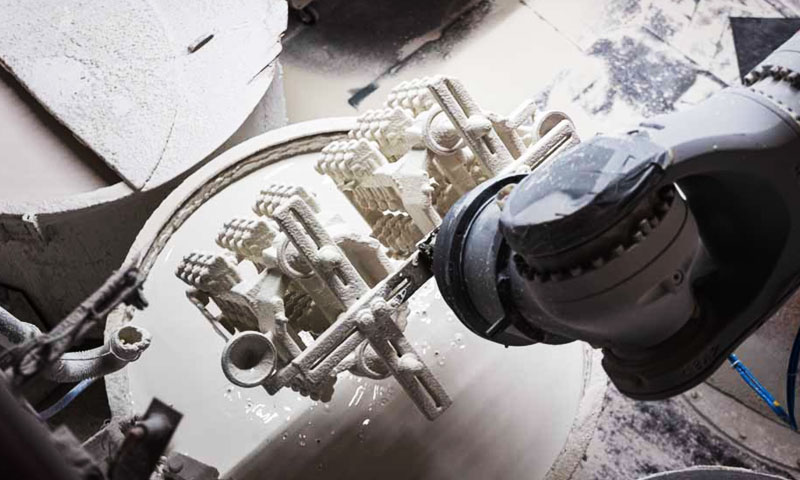
የጠፋ-ሰም ጣውላ (ተብሎም ይጠራል ኢንቨስትመንት መውሰድ ወይም ትክክለኛ መጣል) በሳል የሆነ የብረታ ብረት ስራ ዘዴ ሲሆን ይህም የመስዋዕት ንድፍ -በተለምዶ ከሰም - ሼል ለመመስረት በተከታታይ የማጣቀሻ ንብርብሮች የተሸፈነ ነው..
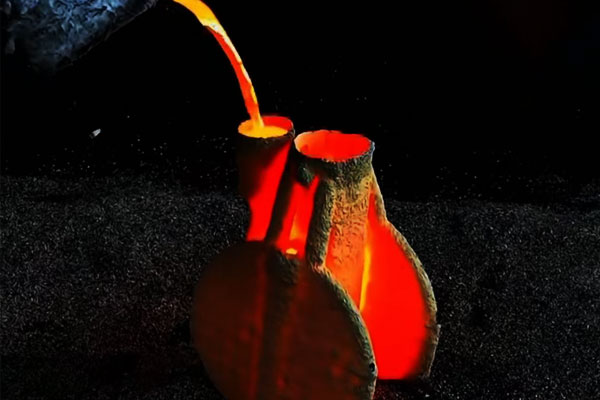
ሰም ከተወገደ በኋላ (ዴቫክስ) ዛጎሉ ተቃጥሏል እና ቀልጦ የተሠራ ብረት በሰም በተተወው ጉድጓድ ውስጥ ይፈስሳል. ብረቱ ካጠናከረ በኋላ የተጠናቀቀውን ክፍል ለማሳየት ቅርፊቱ ተሰብሯል.
ዋናው መርህ አሮጌ ቢሆንም, ዘመናዊ ኢንቬስትመንት መውሰድ የላቀ የሼል ስርዓቶችን ያጣምራል። (ሲሊካ-ሶል, ዚርኮን ማጠቢያዎች), የተሻሻሉ ማያያዣዎች, እና ዲጂታል ጥለት ምርት (ስቴሪዮሊቶግራፊ, የቁስ ጄቲንግ) ከሌሎች ሂደቶች ጋር አስቸጋሪ ወይም የማይቻል ችሎታዎችን ለማቅረብ.
2. ጥቅሞቹን የሚያጎሉ የሂደት ልዩነቶች
መሰረታዊ የጠፋ ሰም የመውሰድ የስራ ሂደት - ስርዓተ-ጥለት → ባለብዙ ሽፋን ሴራሚክ ሼል → dewax → ማቃጠል/መተኮስ → ማፍሰስ → መንቀጥቀጥ - በሱቆች ውስጥ ተመሳሳይ ነው.
ዘመናዊ ኢንቨስትመንትን የሚለየው እና ጥቅሞቹን ያራዝመዋል የሂደት ልዩነቶች እና ከቅይጥ ጋር ለማጣመር የተመረጡ ቁሳቁሶች / ቴክኒኮች ጥምረት, መጠን, መቻቻል እና ኢኮኖሚክስ.
ከታች የተተኮረ ነው, የምህንድስና-ደረጃ ዳሰሳ የዋና ልዩነቶች, አስፈላጊ የሆኑት ለምንድን ነው?, አቅምን እንዴት እንደሚቀይሩ, እና እያንዳንዱን መቼ መጠቀም እንዳለቦት ላይ ተግባራዊ መመሪያ.
የሼል ስርዓት ተለዋጮች: ሲሊካ-ሶል, የውሃ መስታወት, እና የተዳቀሉ
ሲሊካ-ሶል (ኮሎላይሊ ሲሊኮ) ዛጎሎች
- ምን: Colloidal SiO₂ ማሰሪያ refractory ስቱካን ተንጠልጣይ.
- ለምን ጥቅሞችን ይጨምራል: የላቀ ላዩን ታማኝነት ይሰጣል, ጥሩ የሙቀት ድንጋጤ መቋቋም, ለአየር ማናፈሻ ከፍተኛ የመተላለፊያ ችሎታ, እና ከቫኩም ወይም የማይነቃነቅ ከባቢ አየር መፍሰስ እና ከፍተኛ ሙቀት ካላቸው ውህዶች ጋር በጣም ጥሩ ተኳሃኝነት (Ni supearles, የ).
- መቼ መጠቀም: ወሳኝ የአየር ክፍሎች, Superales, ቲታኒየም (ከዚርኮን / ከአሉሚኒየም የመጀመሪያ ሽፋን ጋር), የሕክምና ተከላዎች.
- የተለመደው የሼል መተኮስ: 600-1000 ° ሴ (በስቱካ ቅልቅል እና ቅይጥ ላይ ይወሰናል).
- ግብይቶች: ከፍተኛ የቁሳቁስ እና የማቀነባበሪያ ዋጋ; ለ ionic ብክለት ስሜትን የሚነካ (የኮሎይድ መረጋጋት).

የውሃ-መስታወት (ሶዲየም ሲን) ዛጎሎች
- ምን: የአልካላይን የሲሊቲክ ማያያዣ (ርካሽ, የቆየ ቴክኖሎጂ).
- ለምን ይረዳል: ዝቅተኛ የቁሳቁስ ዋጋ, ለብዙ አይዝጌ እና የካርቦን ብረት ቀረጻዎች ጠንካራ; ቀላል የእፅዋት አያያዝ.
- መቼ መጠቀም: ያነሰ ወሳኝ የማይዝግ ወይም ብረት ክፍሎች, ወጪ ነጂ የሆነበት እና እጅግ በጣም ጥሩ የሆነ የገጽታ አጨራረስ አያስፈልግም.
- ገደቦች: ዝቅተኛ የቫኩም ተኳኋኝነት እና ምላሽ ለሚሰጡ/ከፍተኛ ሙቀት ውህዶች ዝቅተኛ መቻቻል; ጥቅጥቅ ያለ ወለል አጨራረስ.

ድብልቅ ቅርፊቶች (የሲሊካ-ሶል ውስጠኛ ሽፋን + የውሃ-መስታወት ውጫዊ ሽፋኖች)
- ምን: ለጅምላ ጥንካሬ ጥሩ የሲሊካ-ሶል ማጠቢያን በርካሽ የውሃ መስታወት ውጫዊ ካፖርት ያዋህዱ.
- ለምን ጥቅሞችን ይጨምራል: የወጪ/የአፈጻጸም ሚዛንን ያሳካል - አስፈላጊ በሆነበት ቦታ ላይ ጥሩ ታማኝነት, የተቀነሰ የሼል ዋጋ እና የተሻሻለ አያያዝ.
- መቼ መጠቀም: ጥሩ አጨራረስ የሚያስፈልጋቸው መካከለኛ ዋጋ ያላቸው ክፍሎች ግን ከዋጋ ትብነት ጋር.
የስርዓተ-ጥለት ምርት ልዩነቶች: ሰም, የታተመ ሰም, እና ሊጣሉ የሚችሉ ሙጫዎች
የተለመዱ የሰም ቅጦች (መርፌ ሻጋታ ሰም)
- ለምን: ዝቅተኛ አሃድ ዋጋ በድምጽ እና በጣም ጥሩ የገጽታ አጨራረስ.
- ምርጥ መቼ: ጥራዞች ለሰም ሟች መሣሪያን ያረጋግጣሉ እና ክፍሎቹ ሊደገሙ የሚችሉ ናቸው።.
3D-የታተመ castable ሰም / የፎቶፖሊመር ቅጦች (SLA / Dlp / ቁሳቁስ-ጄቲንግ)
- ለምን ጥቅሞችን ይጨምራል: ለፕሮቶታይፕ እና ለአጭር ሩጫዎች ጠንካራ መሳሪያዎችን ያስወግዳል, እጅግ ውስብስብ የሆነ የውስጥ ጂኦሜትሪ ያስችላል, ፈጣን ድግግሞሽ, እና ታካሚ-ተኮር የሕክምና ክፍሎች.
- ተግባራዊ: ዘመናዊ ሙጫዎች በንጽህና መበስበስን ለማዳከም እና በመርፌ ሰም ላይ ተመጣጣኝ ታማኝነትን ያመጣሉ; የስርዓተ ጥለት ዋጋ በአንድ ቁራጭ ከፍ ያለ ነው ነገር ግን የመገልገያ እርሳስ ጊዜ ወደ ዜሮ ቅርብ ነው።.
- መቼ መጠቀም: ምሳሌዎች, አነስተኛ መጠን ያለው ምርት, ተስማሚ የውስጥ ምንባቦች, ቶፖሎጂ-የተመቻቹ ክፍሎች.
ስርዓተ-ጥለት ቅይጥ / ባለብዙ-ቁሳዊ ቅጦች
- ምን: የኢንጂነሪንግ ሰም ድብልቅ ወይም ባለብዙ ክፍል ቅጦች (የሚሟሟ ኮሮች መደገፍ) የመጠን መረጋጋትን ለማሻሻል ወይም ዋናውን ማስወገድን ቀላል ለማድረግ.
- መያዣ ይጠቀሙ: ትክክለኛነት ቀጭን ግድግዳዎች, በማከማቻ/በአያያዝ ጊዜ ዝቅተኛ የሙቀት መዛባት የሚያስፈልጋቸው ረጅም ቀጭን ክፍሎች ወይም ቅጦች.
ዋና የቴክኖሎጂ ልዩነቶች: የሚሟሟ ኮሮች, የሴራሚክ ኮርሞች, የታተሙ ኮሮች
የሚሟሟ ፖሊመር ኮሮች (በውሃ ውስጥ የሚሟሟ ወይም የሰም ኮሮች)
- ጥቅም: በኋላ ላይ የሚሟሟ ውስብስብ የውስጥ ምንባቦችን ይፍጠሩ - ቻናሎችን ወይም የውስጥ ሃይድሮሊክን ያለ ስብሰባ ለማቀዝቀዝ ተስማሚ.
- ገደብ: የሂደቱን ደረጃዎች እና ውስብስብ አያያዝን ይጨምራል.
የሴራሚክ ማዕከሎች (ግትር, ማያያዣ-ተኩስ)
- ጥቅም: ከፍ ባለ የሙቀት መጠን የላቀ ልኬት መረጋጋት; ለሱፐርአሎይ ተርባይን መተላለፊያዎች እና ለጠንካራ የአገልግሎት ክፍሎች ጥቅም ላይ ይውላል.
- ቁልፍ ነጥብ: ምላሾችን ለማስወገድ ዋና ቁሳቁስ እና ዛጎል በሙቀት ኬሚካል ተኳሃኝ መሆን አለባቸው.
3D-የታተሙ ኮሮች (binder-ጄት ወይም SLA ኮሮች)
- ለምን ይህ ጥቅማ ጥቅሞችን ይጨምራል: ከተለመዱት ኮርሞች ጋር የማይቻሉ ወይም ኢኮኖሚያዊ ያልሆኑ ውስጣዊ ጂኦሜትሪዎችን ያመርታሉ; ለተወሳሰቡ ዲዛይኖች የእርሳስ ጊዜን ይቀንሱ.
Dewax / ማቃጠል እና የከባቢ አየር ልዩነቶች
የእንፋሎት ሰም + ቁጥጥር የሚደረግበት ማቃጠል (ኦክሳይድ)
- ዓይነተኛ: ለአረብ ብረቶች እና ለብዙ ውህዶች መደበኛ; ወጪ ቆጣቢ.
- አደጋ: ምላሽ ለሚሰጡ ብረቶች ኦክሳይድ እና ካርቦን ማንሳት.
የቫኩም/የማይነቃነቅ የከባቢ አየር ማቃጠል & የቫኩም ማቅለጥ / ማፍሰስ
- ለምን ጥቅሞችን ይጨምራል: ምላሽ ለሚሰጡ alloys አስፈላጊ (ቲታኒየም) እና በሱፐር አሎይ ውስጥ ኦክሳይድን / ማካተትን ለመቀነስ; የብረት-ሼል ኬሚካዊ ግብረመልሶችን ይቀንሳል እና ንጽሕናን ያሻሽላል.
- መቼ እንደሚገለጥ: ቲታኒየም, ከፍተኛ ቅይጥ ኒኬል ክፍሎች, እና የቫኩም ጥብቅ አካላት.
በግፊት የታገዘ ሰም መፍታት / autoclave dewax
- ጥቅም: ለተወሳሰቡ ኮርሞች እና ቀጭን ባህሪያት የበለጠ የተሟላ ሰም ማስወገድ; በተቃጠለ ጊዜ የታሸገ ሰም እና ጋዝ ዝግመተ ለውጥን ይቀንሳል.
የሼል መተኮስ & የሙቀት መገለጫ ልዩነቶች
ዝቅተኛ-ሙቀት መተኮስ ከፍተኛ-ሙቀት ሲንተሪንግ
- ለምን አስፈላጊ ነው።: ከፍተኛ የሙቀት መጠን መተኮስ ዛጎሉን ያጠናል, ለስላሳ ሙቀት መጨመር እና ለከፍተኛ ሙቀት መጨመር የሙቀት ድንጋጤ መቋቋምን ያሻሽላል, ግን ጉልበት እና ጊዜ ይጨምራል.
- የተለመዱ ምርጫዎች: 600-1000 ° ሴ ለሲሊካ-ሶል ዛጎሎች; እንደ ውህድ አፍስሱ የሙቀት መጠን እና አስፈላጊው የመተላለፊያ ሁኔታ ላይ በመመስረት ያስተካክሉ.
ቁጥጥር የሚደረግበት መወጣጫ / የመኖርያ ስልቶች
- ጥቅም: የሼል መሰንጠቅን ይቀንሱ, ኦርጋኒክን ሙሉ በሙሉ ያስወግዱ, እና ሼል permeability ያስተዳድሩ. ቀጭን ዛጎሎች እና ትልቅ ውስብስብ ክፍሎች ወሳኝ.
3. ጂኦሜትሪክ & የጠፋ-ሰም መጣል ንድፍ ጥቅሞች
ቁልፍ ነጥብ: የኢንቬስትሜንት መጣል ቅርጾችን እና ባህሪያትን በመፍጠሩ አስቸጋሪ ወይም የማይቻል ነው, ማሽነሪ, መሞት ወይም የአሸዋ መጣል.
- ውስብስብ ውጫዊ ጂኦሜትሪ: ጥልቅ undercuts, ቀጭን ክንፎች, ውስጣዊ ጉድጓዶች, እና የተዋሃዱ አለቆች / የጎድን አጥንቶች በአንድ ቁራጭ ሊጣሉ ይችላሉ.
- የውስጥ ምንባቦች & ተስማሚ የውስጥ ባህሪያት: ከሚሟሟ ኮሮች ጋር, የሼል-ኮር ቴክኖሎጂ ወይም የታተሙ የፉጊ ኮር, ውስብስብ ውስጣዊ ሰርጦች (ማቀዝቀዝ, ቅባት, ክብደት መቀነስ) የሚቻል ነው.
- ከመለያየት መስመሮች እና ረቂቅ ገደቦች ነፃነት: ረቂቅ ማዕዘኖች አሁንም ስርዓተ-ጥለት ለማስወገድ ይረዳሉ, ከሌሎች ብዙ ዘዴዎች ጋር ሲወዳደር ጥሩ ባህሪዎች በትንሹ ረቂቅ ሊመረቱ ይችላሉ።.
- ቀጭን ክፍሎች: እንደ ቅይጥ እና የሼል ስርዓት ላይ በመመስረት, የግድግዳ ውፍረት እስከ ~ 0.5-1.0 ሚሜ ድረስ ለትንሽ ትክክለኛ ክፍሎች ሊደረስበት ይችላል; የተለመደው የምህንድስና ልምምድ ለታማኝ አፈፃፀም ከ1-3 ሚሜ ይጠቀማል.
ዲዛይን አንድነት: ያለበለዚያ የበርካታ ክፍሎችን መገጣጠም የሚያስፈልጋቸው ክፍሎች ብዙውን ጊዜ ወደ አንድ ኢንቬስትመንት መውሰድ ሊዋሃዱ ይችላሉ።, የመሰብሰቢያ ወጪን እና እምቅ የፍሳሽ መንገዶችን መቀነስ.
4. ልኬት ትክክለኛነት & ወለል-ጨርስ ጥቅሞች
የጠፋ ሰም መጣል ለዚያ ያህል ይመረጣል ያለ ሁለተኛ ደረጃ ሥራ የሚሰጠውን የሚያስችለውን alloys በተመለከተ.
በጣም ግልፅ ከሚባሉት ጥቅሞች መካከል ሁለቱ ናቸው። ጥብቅ ልኬት ቁጥጥር እና በጣም ጥሩ እንደ-ካስት ወለል አጨራረስ.

የተለመዱ የአፈጻጸም ቁጥሮች
እነዚህ ተግባራዊ ናቸው, የሱቅ-ደረጃ ክልሎች. ትክክለኛው አቅም በክፍል መጠን ይወሰናል, ቅይጥ, የሼል ስርዓት (ሲሊካ-ሶል vs ውሃ-መስታወት), የንድፍ ጥራት እና የመሠረት ልምምድ.
ልኬት መቻቻል (ዓይነተኛ, እንደ ጣውላ):
- የስም ልኬት ± 0.1-0.3%. ለትክክለኛ ኢንቨስትመንት (የተለመደ የምህንድስና ዒላማ).
- ለምሳሌ: ለ 100 ሚሜ ስም ባህሪ, መጠበቅ ± 0.1-0.3 ሚሜ እንደ ጣውላ.
- አነስ ያሉ ባህሪያት / ጌጣጌጥ / ትክክለኛነት ክፍሎች: እስከ መቻቻል ± 0.02-0.05 ሚሜ በጥሩ ቅጦች እና በሲሊካ-ሶል ዛጎሎች ይቻላል.
- ትልቅ ባህሪያት (>300 ሚ.ሜ): ፍጹም መቻቻል በሙቀት ብዛት ምክንያት ዘና ይበሉ - የላይኛውን ጫፍ ይጠብቁ % ክልል ወይም ትልቅ አበል.
ተደጋጋሚነት / አሂድ-ለማሄድ ልዩነት:
- በደንብ ቁጥጥር የሚደረግባቸው ፋውንዴሽን መያዝ ይችላሉ። ± 0.05-0.15% በስርዓተ-ጥለት ጊዜ በወሳኝ ዳታሞች ላይ የሂደት ተደጋጋሚነት, የሼል እና የእቶን መቆጣጠሪያ ጥብቅ ናቸው.
መስመራዊ መቀነስ (የተለመደ አበል):
- በግምት. 1.2-1.8% መስመራዊ shrinkage በተለምዶ ብረቶች እና Ni-base alloys ጥቅም ላይ ይውላል; እሴቶቹ በቅይጥ እና በስርዓተ-ጥለት ቁሳቁስ ላይ ይወሰናሉ - ፋብሪካው ለመሳሪያው ትክክለኛ ቅነሳን ይገልጻል.
የመሬት መንቀጥቀጥ (እንደ-Cast Ra):
- የሲሊካ-ሶል ቅርፊቶች (ጥሩ ማጠቢያ):≈ 0.6–1.6 µm ራ (ምርጥ ተግባራዊ እንደ-ካስት አጨራረስ).
- ሲሊካ-ሶል የተለመደ ምህንድስና:≈ 1.6-3.2 µm ራ ለአጠቃላይ ምህንድስና ዛጎሎች.
- የውሃ-መስታወት ዛጎሎች / ጥቅጥቅ ያለ ስቱኮ:≈ 2.5-8 µm ራ.
- የተጣራ ሰም ይሞታል + ጥሩ ስቴኮኮ + በጥንቃቄ መተኮስ: የንዑስ ማይክሮን ማጠናቀቂያዎች በጌጣጌጥ / ኦፕቲካል ክፍሎች ላይ ሊገኙ ይችላሉ.
ቅፅ & የአቀማመጥ መቻቻል (እንደ ጣውላ):
- ለወሳኝ ባህሪያት የተለመዱ የአቀማመጥ መቻቻል (ጉድጓዶች, አለቆች) ናቸው። ± 0.2-0.5 ሚሜ ለማሽን ካልተገለጸ በስተቀር.
ለምን የጠፋ-ሰም መውሰድ እነዚህን ቁጥሮች ያሳካል?
- ትክክለኛነት ጥለት ታማኝነት: በመርፌ የሚቀረጽ ሰም ወይም ዘመናዊ የ castable resins የመሳሪያውን ዝርዝር በጣም ዝቅተኛ በሆነ የገጽታ መዛባት ያባዛሉ.
- ጥሩ ማጠቢያ ኮት: የመጀመሪያ-ኮት refractory (በጣም ጥቃቅን ቅንጣቶች, ብዙ ጊዜ ዚርኮን ወይም ንዑስ-10 µm የተዋሃደ ሲሊካ በሲሊካ-ሶል ውስጥ) የወለል ንጣፍን ይመዘግባል እና ጥቃቅን ባህሪያትን ይሞላል.
- ቀጭን, ወጥ ቅርፊት ግንኙነት: በሼል እና በስርዓተ-ጥለት መካከል የቅርብ ግንኙነት (እና ቁጥጥር የሚደረግበት የሼል ጥንካሬ) በሰም / በማቃጠል እና በማፍሰስ ጊዜ መዛባትን ይቀንሳል.
- ቁጥጥር የሚደረግበት የሙቀት መጠን: ዛጎሎች ከአሸዋ ሻጋታዎች አንፃር ቀጫጭን ናቸው ስለዚህ በምድሪቱ ላይ ያሉ የሙቀት ደረጃዎች ያነሱ ናቸው።, ጥሩ "ቀዝቃዛ" ንብርብር ማምረት እና አነስተኛ ባህሪያትን ማዛባት.
- ዝቅተኛ ስርዓተ-ጥለት አያያዝ መዛባት: ዘመናዊ የሰም ፎርሙላዎች እና AM resins የስርዓተ-ጥለት መንሸራተትን ይቀንሳሉ እና ከመተኮሱ በፊት ይቀንሳል.
5. ቁሳቁስ & የጠፋ-ሰም መውሰድ የብረታ ብረት ጥቅሞች
የጠፋ ሰም መውሰዱ ቁጥጥር የሚደረግባቸው የብረት ውጤቶች ጋር ሰፊ የሆነ ቅይጥ ይደግፋል:
- ቅይጥ ተኳሃኝነት: አይዝጌ ብረቶች, የመሳሪያ ብረቶች, የኒኬል-ቢትስ ሱሰኛ (ኢንኮኔል, ረኔ), የ COSBAT ALLOS, ቲታኒየም (ከተገቢው ሽፋኖች እና ከቫኩም / የማይነቃነቅ ማቅለጥ ጋር), መዳብ ቅይጥ, እና ልዩ የማይዝግ / duplex alloys.
- ቁጥጥር የሚደረግበት ማጠናከሪያ & የተቆራረጠ የማይክሮ: ቀጫጭን የሼል ግድግዳዎች እና ከማጣቀሻዎች ጋር መቀራረብ በ ላይ ላይ ያለውን የሙቀት መጠን ይቀንሳሉ እና በላዩ ላይ ጥሩ የዴንዶሪቲክ መዋቅሮችን ለማምረት ይረዳሉ. (ቀጭን ቆዳ) እና ሊገመት የሚችል ውስጣዊ ጥቃቅን መዋቅር.
- የጸዳ ብረት: በዘመናዊ የሼል እና የማቅለጥ ልምዶች የመዋዕለ ንዋይ ማፍሰስ የመደመር ወጥመድን ይቀንሳል. አሸዋ መጣል; የሲሊካ-ሶል ዛጎሎች በተለይ የሴራሚክ ማካተትን ይቀንሳሉ.
- የቫኩም/የማይገባ ማፍሰስ ተኳኋኝነት: እንደ ታይታኒየም እና አንዳንድ ሱፐርalloys ያሉ ምላሽ ለሚሰጡ ውህዶች አስፈላጊ, ኦክሳይድ እና ማካተትን መቀነስ.
- የአካባቢ ሙቀት-ማከም ተኳኋኝነት: የአቅራቢያ ቅርጽ ያላቸው ክፍሎች በሙቀት ሊታከሙ ወይም የተረፈውን ብስባሽነት ለመዝጋት እና መዋቅርን በሚፈልጉበት ጊዜ ተመሳሳይነት ሊኖራቸው ይችላል..
ውጤት: ከፍተኛ የሜካኒካዊ አፈፃፀም ያላቸው ክፍሎች, ሊተነበይ የሚችል የድካም ሕይወት (porosity ሲቆጣጠር), እና ጥሩ የዝገት መቋቋም.
6. የቅርቡ-የተጣራ ቅርጽ እና የማሽን/ማቀነባበር ቁጠባዎች (ኢኮኖሚያዊ ጥቅም)
ምክንያቱም የጠፋ-ሰም መጣል የመጨረሻውን ጂኦሜትሪ በቅርበት ያባዛል, ብዙውን ጊዜ የሁለተኛ ደረጃ ሂደትን ይቀንሳል:
- ቅርብ-የተጣራ ቅርፅ: ለማሽን አነስተኛ ክምችት - ብዙውን ጊዜ የማሽን ጊዜን ይቀንሳል, የመሳሪያ ማልበስ እና መቧጠጥ.
- የማሽን ቅነሳ: እንደ ውስብስብነት ይወሰናል, የማሽን ስራዎችን በትልቅ ክፍልፋይ መቀነስ ይቻላል; ለብዙ አካላት ኢንቬስትመንት መውሰድ የማሽን ሰአታትን በመክፈል ይቀንሳል 50% ወይም ሙሉ በሙሉ ከተሰራው ክፍል ጋር ሲነጻጸር (ጉዳይ ጥገኛ).
- ቁሳዊ ቁጠባ: ያነሰ የቢሌት ቁሳቁስ በማሽን ተወስዷል, የቁሳቁስ ወጪን እና ቆሻሻን መቀነስ (በተለይም እንደ ኢንኮኔል ወይም ቲታኒየም ላሉ ውድ ውህዶች በጣም አስፈላጊ ነው).
- የባለቤትነት ጠቅላላ ወጪ: ለመካከለኛ እስከ ዝቅተኛ ጥራዞች ውስብስብ ቅርጾች, የመዋዕለ ንዋይ ማፍሰስ ብዙውን ጊዜ ዝቅተኛውን ጠቅላላ ወጪ ያቀርባል (መሳሪያ ማድረግ + በክፍል + ድህረ-ማቀነባበር).
ኢኮኖሚያዊ ማስታወሻ: እረፍት vs. መሞት ወይም ማፍለቅ በድምጽ መጠን ይወሰናል, ቅይጥ, ውስብስብነት እና መቻቻል.
ኢንቬስትመንት መውሰድ አብዛኛውን ጊዜ በጣም ማራኪ ነው።: ውስብስብ ጂኦሜትሪ, ከመካከለኛ እስከ ዝቅተኛ የምርት መጠኖች, ከፍተኛ ዋጋ ያላቸው ውህዶች, ወይም በቅርበት-የተጣራ ቅርጽ ውድ ማሽነሪዎችን ሲያድን.
7. ትንሽ ጥቅል, ፈጣን ድግግሞሽ & የመሳሪያዎች ተለዋዋጭነት (የመምራት ጊዜ ጥቅሞች)
- ዝቅተኛ መጠን ያለው ጥቅም: መሳሪያ ማድረግ (ሰም ይሞታል, 3D የታተሙ ቅጦች) ለሞት መቅዳት ከከባድ መሳሪያዎች ርካሽ እና ፈጣን ነው - ለፕሮቶታይፕ እና ለትናንሽ ሩጫዎች ማራኪ.
- AM ጥለት ውህደት: 3D-የታተመ castable ሰም/ሬንጅ ቅጦች ውድ የሃርድዌር መሳሪያዎችን ሙሉ በሙሉ ያስወግዳሉ, ፈጣን ድግግሞሽ እና የአንድ ጊዜ ምርትን ማንቃት.
- ሊለካ የሚችል ምርት: ተመሳሳይ የስራ ፍሰት በሺዎች በሚቆጠሩ ክፍሎች አማካኝነት ነጠላ ፕሮቶታይፕዎችን ያገለግላል, የስርዓተ-ጥለት ምርትን ፍሰት በመቀየር ብቻ.
- የተቀነሰ NPI ጊዜ: ዲዛይነሮች ጂኦሜትሪ በፍጥነት መድገም እና የአምራች ክፍሎችን በብረታ ብረትነት የሚወክሉ የ cast ፕሮቶታይፖችን መሞከር ይችላሉ። (ከብዙ ፈጣን ፕሮቶታይፕ ፕላስቲኮች በተለየ).
አንድምታ: ለአጭር ጊዜ-ለገበያ ውስብስብ ክፍሎች እና አነስተኛ መጠን ያለው ምርት ያለ ውድ ሞት.
8. የመተግበሪያ ጥቅሞች - የጠፋ ሰም የሚያበራበት
የጠፋ-ሰም መጣል ጥቅሞች በተለይ በእነዚህ መስኮች ላይ ጥቅም ላይ ይውላሉ:

- ኤሮስፔስ & የጋዝ ተርባይኖች: ነጠብጣቦች, ቫኒዎች, ውስብስብ መኖሪያ ቤቶች - የሱፐር አሎይዶች እና ትክክለኛ ወለል ማጠናቀቅ የሚያስፈልጉበት.
- የሕክምና ተከላዎች & መሳሪያዎች: የታይታኒየም እና የቀዶ ጥገና የማይዝግ ክፍሎች በጣም ጥሩ የገጽታ አጨራረስ እና ባዮኬሚካላዊነት.
- ዘይት & ጋዝ / ፔትሮኬሚካል: ዝገት የሚቋቋም ቫልቭ አካላት, አስመጪዎች, ውስብስብ መገጣጠሚያዎች.
- ትክክለኛ ፓምፖች, turbomachinery & ሃይድሮሊክ: ጥብቅ መቻቻል እና ውስብስብ የፍሳሽ መንገዶች.
- ጌጣጌጥ & ጌጣጌጥ ሃርድዌር: ምርጥ ገጽ እና ዝርዝር ታማኝነት.
- ስነ ጥበብ & ቅርጻቅርጽ: ከፍተኛ ላዩን ታማኝነት ጋር ብጁ አንድ-ጠፍቷል.
9. አካባቢያዊ & የዘላቂነት ጥቅሞች
ኢንቬስትመንት መውሰድ ከአንዳንድ አማራጮች አንጻር ለአካባቢ ተስማሚ ሊሆን ይችላል።:
- የቁሳቁስ ቅልጥፍና: ከኔትዎርክ አጠገብ ያለው ቅርጽ የቆሻሻ መጣያ እና የማሽን ቆሻሻን ይቀንሳል - ከፍተኛ ዋጋ ባላቸው ብረቶች አስፈላጊ ነው.
- መልሶ ጥቅም ላይ ማዋል: ሰም እና refractory ቆሻሻ ሊታከም/እንደገና ጥቅም ላይ ሊውል ይችላል።; የብረት ስፕሩስ እና መወጣጫዎች እንደገና ጥቅም ላይ ሊውሉ የሚችሉ ናቸው።.
- ለአነስተኛ/መካከለኛ ሩጫዎች የኢነርጂ አሻራ: ለዝቅተኛ መጠን ትልቅ ኃይል-ተኮር ፎርጅ ወይም የሞተ ማምረትን ያስወግዳል.
- የመሰብሰብ አቅም መቀነስ & ተዛማጅ የሕይወት ዑደት ተጽእኖዎች: ነጠላ-ክፍል ቀረጻዎች ባለብዙ ክፍል ስብሰባዎችን ይተካሉ።, ማያያዣዎችን ዝቅ ማድረግ, ማህተሞች እና ተያያዥ ጥገናዎች.
10. ገደቦች & የመዋዕለ ንዋይ ማፍሰስ የተሻለ ላይሆን ይችላል።
ሚዛናዊ ለመሆን: ኢንቬስትሜንት መውሰድ መድኃኒት አይደለም።.
- ቀላል ክፍሎች ከፍተኛ መጠን: ሙት መውሰድ ወይም ማተም በአንድ ክፍል በትላልቅ መጠኖች ርካሽ ሊሆን ይችላል።.
- በጣም ትልቅ ክፍሎች: የአሸዋ መጣል ወይም ሼል መቅረጽ የበለጠ ኢኮኖሚያዊ ሊሆን ይችላል.
- በጣም ቀጭን ሉህ የሚመስሉ ክፍሎች: ማህተም ወይም ሉህ ማዘጋጀት የተሻለ ነው.
- የፍፁም ዝቅተኛው ክፍል ዋጋ ነጂው በሚሆንበት ጊዜ እና ጥብቅ መቻቻል / ወለል ማጠናቀቅ አያስፈልግም, ቀላል ሂደቶች ሊያሸንፉ ይችላሉ.
11. ማጠቃለያ
የጠፋ ሰም (ኢን ment ስትሜንት) መውሰድ ልዩ የሆነ ጥምረት ያቀርባል ንድፍ ነፃነት, ትክክለኛነት, የቁሳቁስ ሁለገብነት እና የቅርቡ-የተጣራ ቅርጽ ኢኮኖሚ.
ውስብስብ ጂኦሜትሪ በሚሆንበት ጊዜ የመምረጫ ዘዴ ነው, ከፍተኛ ዋጋ ያላቸው ውህዶች, ጥሩ ወለል ማጠናቀቅ እና ጥብቅ መቻቻል አስፈላጊ ነው።.
ዘመናዊ ማሻሻያዎች-colloidal silica shells, የቫኩም ማፍሰስ, ተጨማሪ ስርዓተ-ጥለት - የሂደቱን ተደራሽነት ይበልጥ ወደሚፈልጉ መተግበሪያዎች አስፍተዋል።.
በተገቢው የሂደት ቁጥጥር እና ለመቅረጽ ዲዛይን ሲተገበር, የኢንቬስትሜንት መውሰድ አስተማማኝ ያቀርባል, በጠቅላላው የስርዓት ወጪ እና አፈፃፀም ውስጥ ብዙ ጊዜ አማራጮችን የሚበልጡ ከፍተኛ-አቋም ክፍሎች.
የሚጠየቁ ጥያቄዎች
ከኢንቨስትመንት ቀረጻ ጋር ባህሪያት ምን ያህል ጥሩ ሊሆኑ ይችላሉ።?
እስከ ንኡስ ሚሊሜትር ዝርዝር ድረስ ጥሩ ባህሪያት ሊኖሩ ይችላሉ; ተግባራዊ ዝቅተኛዎች በቅልቅል ላይ ይወሰናሉ, የሼል ስርዓት እና የስርዓተ-ጥለት ቁሳቁስ.
ለአነስተኛ ጌጣጌጥ / ትክክለኛነት ክፍሎች ባህሪያት <0.5 ሚሜ ጥቅም ላይ ይውላሉ; ለምህንድስና ክፍሎች, ዲዛይነሮች ጥንካሬን ለማረጋገጥ ብዙውን ጊዜ ≥1 ሚሜ ያነጣጠሩ ናቸው።.
ምን ላዩን አጨራረስ መጠበቅ እችላለሁ?
የተለመደ እንደ-cast Ra ነው። ~ 0.6-3.2 µm በማጠብ እና በሼል አጨራረስ ላይ በመመስረት; ሲሊካ-ሶል ምርጡን ውጤት ይሰጣል. የመጨረሻውን ማቅለሚያ ወይም ማሽነሪ ይህን የበለጠ ሊያሻሽለው ይችላል.
የኢንቨስትመንት ቀረጻ ለቲታኒየም እና ለኒኬል ሱፐርአሎይ ተስማሚ ነው።?
አዎ. የሲሊካ-ሶል እና ተስማሚ ማገጃ ማጠቢያዎችን ይጠቀሙ (ዚሮረስ) እና የብረት-ሼል ምላሽን እና ኦክሳይድን ለማስወገድ ቫክዩም/ኢነርት ለቲታኒየም እና ሱፐርአሎይ ይቀልጣል.
መቼ ነው HIP ን ግምት ውስጥ ማስገባት ያለብኝ??
ለድካም-ወሳኝ አፕሊኬሽኖች ወይም መቼ porosity መወገድ አለበት, ሂፕ (ትኩስ-isostatic በመጫን) ከመጣል በኋላ የውስጥ ክፍተቶችን ለመዝጋት እና የሜካኒካዊ ባህሪያትን ለማሻሻል መደበኛ መፍትሄ ነው.
ኢንቬስትመንቱ ውድ ነው።?
የአንድ ክፍል የሼል ዋጋ እና የጉልበት ሥራ ከአሸዋ መጣል የበለጠ ሊሆን ይችላል, ግን ጠቅላላ ወጪ (ማሽንን ጨምሮ, መሰብሰብ እና ጥራጊ) ብዙውን ጊዜ ውስብስብነት ዝቅተኛ ነው, መካከለኛ መጠን ወይም ከፍተኛ ዋጋ ያላቸው ክፍሎች.