አስፈፃሚ ማጠቃለያ
A356 and A380 are both important aluminum casting alloys, but they solve different engineering problems.
A356 belongs to the Al-Si-Mg family and normally earns its place in አሸዋ መጣል እና ቋሚ ሻጋታ መጣል when designers want better heat-treatability, ከፍ ያለ ትብብር, and stronger structural performance after aging.
A380 belongs to the Al-Si-Cu family and dominates ከፍተኛ ግፊት ይሞታል because it fills complex thin-wall geometries well and delivers strong as-cast properties with excellent production efficiency.
From a design standpoint, the comparison is not about which alloy is “better” in the abstract. It is about which alloy better matches the part, the process, and the production volume.
A356 usually wins when the application needs stronger heat-treated performance and better corrosion behavior. A380 usually wins when the part needs intricate geometry, ቀጭን ግድግዳዎች, and high-volume die-cast economics.
1. What are A356 and A380 Aluminum Alloy?
A356 is a cast አልሙኒኒየም alloy built around silicon and magnesium. It is widely associated with structural castings because it responds well to heat treatment and can deliver a strong balance of strength and ductility in T6-type conditions.
A380 is a silicon-copper die-casting alloy that has become the workhorse of high-pressure aluminum die casting because it combines good fluidity, የግፊት ጥብቅነት, and cost-effective manufacturing at scale.

በቀላል አነጋገር, A356 is often the alloy engineers choose when the part must carry load and survive service stress. A380 is often the alloy engineers choose when the part must be produced efficiently in large quantities with fine detail and stable repeatability.
That difference in manufacturing intent drives almost every other comparison between the two alloys.
2. Alloy chemistry and metallurgical identity
The chemistry of each alloy explains much of its behavior.
That chemistry difference matters. Magnesium makes A356 respond well to solution treatment and artificial aging, which is why designers often associate A356 with T6-type property upgrades.
Copper makes A380 stronger in the as-cast state, but it also tends to reduce corrosion resistance relative to lower-copper aluminum casting alloys.
Composition snapshot
| ንጥረ ነገር / ባህሪ | A356 | A380 |
| ሲሊኮን (እና) | 6.5–7.5% | 7.5–9.5% |
| ማግኒዥየም (ኤም.ጂ) | 0.25–0.45% | ~ 0.1-0.3% |
| መዳብ (ኩ) | ≤ 0.20% | 3.0-4.0% |
| ብረት (ፌ) | ≤ 0.20% | up to about 1.0–1.3% |
| Main metallurgy role | Heat-treatable Al-Si-Mg casting alloy | High-pressure die-casting Al-Si-Cu alloy |
| Typical process fit | የአሸዋ መጣል, ቋሚ ሻጋታ መጣል | ከፍተኛ ግፊት ይሞታል |
3. Physical properties comparison
The physical-property gap between A356 and A380 is not dramatic, but it is still meaningful.
| Physical Property | A356 | A380 | ለምን አስፈላጊ ነው። |
| ጥግግት | ~2.6–2.68 g/cm³ | ~2.71 g/cm³ | A380 is slightly heavier, largely because of its higher copper content. |
| የማቅለጫ ክልል | ~570–610 °C | ~540–595 °C | A380’s lower melting range suits die-casting production. |
| የሙቀት መቆጣጠሪያ | ~150 W/m·K | ~96–113 W/m·K | A356 generally transfers heat better, which helps in thermal and structural applications. |
የመለጠጥ ሞጁሎች |
~70–72 GPa | ~71 GPa | Both alloys offer similar stiffness on a modulus basis. |
| የሙቀት መስፋፋት | ~21 µm/m·K | ~21.8 µm/m·°C | Both expand measurably with heat; tolerance design must account for this. |
4. Mechanical properties comparison
Mechanical properties depend on temper, casting quality, and process route, so the cleanest comparison uses representative typical conditions.
For A356, a common benchmark is A356-T6. For A380, a common benchmark is the typical as-cast die-cast condition.
| ሜካኒካል ንብረት | A356-T6 | A380 Typical Die Cast | Interpretation |
| የመጨረሻው የመሸከም አቅም | ~270 MPa | ~324 MPa | A380 often starts stronger in the as-cast state. |
| ጥንካሬን ይስጡ | ~ 200 MPA | ~159 MPa | A356-T6 usually resists permanent deformation better. |
| ማራዘም | ~6% | ~3.5% | A356-T6 typically offers better ductility. |
| የብራይኔል ጥንካሬ | ~80 HB | ~80 HB | Hardness can be similar even when ductility differs. |
| Fatigue behavior | Stronger when well heat treated | Good for die-cast service, but porosity-sensitive | Process quality strongly affects service life. |
5. Casting behavior and process route
The biggest practical difference between A356 and A380 is not just chemistry; ነው። how each alloy wants to be cast.
A356 is most at home in አሸዋ መጣል እና ቋሚ ሻጋታ መጣል, where designers can take advantage of its heat-treatability and structural performance.
A380, በተቃራኒው, is one of the most common ከፍተኛ ግፊት ይሞታል alloys because it fills intricate shapes well and supports high-volume production efficiently.
The Aluminum Association’s casting standards cover A356 in the sand and permanent mold family, while die-casting references identify A380 as a leading aluminum die-casting alloy.

A356: better suited to structural castings
A356 works especially well when the part needs a strong balance of castability, የሙቀት አያያዝ ምላሽ, and mechanical performance after aging.
በተግባር, foundries use it for sand castings and permanent mold castings when they need a more structural component rather than a pure high-volume die-cast part.
The alloy’s A356-T6 condition is a good example of this design logic: the material is solution heat-treated and artificially aged to reach its useful mechanical property range.
From a process standpoint, that means A356 tolerates a casting route that may be slower but gives engineers more room to optimize final properties.
It is often a better choice when the part will undergo heat treatment, when ductility matters, or when the casting must support higher service loads after finishing.
A380: built for die casting efficiency
A380 is optimized for ከፍተኛ ግፊት መውሰድ መሞት, where molten aluminum is forced into a steel die under pressure.
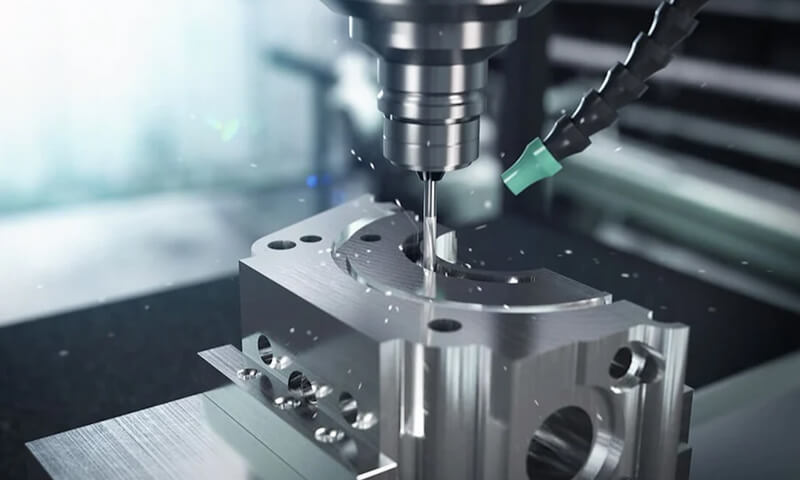
That process is normally used for high-volume production and is especially effective for precisely formed parts that require minimal machining and finishing.
A380 is widely used in that environment because it offers a good balance of casting ability and properties and remains economical in mass production.
This makes A380 a strong choice for parts with thin walls, detailed geometry, and stable repeat production requirements.
በሌላ አነጋገር, A380 is often selected when manufacturing efficiency is as important as the part’s final geometry.
6. የዝገት መቋቋም, የማሽን ችሎታ, እና ላዩን ማጠናቀቅ
A356 and A380 differ not only in strength and casting route, but also in how they behave after casting.
In practical engineering terms, this section often determines the final cost, ዘላቂነት, and appearance of the part.
A356 usually offers the advantage in የዝገት መቋቋም እና post-heat-treatment flexibility, while A380 often has the edge in die-cast productivity እና as-cast surface quality because it is designed for high-pressure die casting.
የዝገት መቋቋም
A356 generally has stronger corrosion performance because it contains very little copper.
In common reference material, A356 is described as having ጥሩ የዝገት መቋቋም, በተለይም በከባቢ አየር እና በባህር ውስጥ, and its naturally forming oxide layer provides an additional protective barrier.
That is one reason engineers often prefer A356 for structural parts that may see humid, ከቤት ውጭ, or mildly corrosive service.
A380 behaves differently. Because it contains more copper, it usually provides only መጠነኛ የቆሻሻ መጣያ መቋቋም in comparison with A356.
That does not make A380 a poor material; it simply means designers should be more careful when the part will face moisture, ጨው, or aggressive atmospheres.
In those cases, ሽፋኖች, ማተም, or controlled environments often become part of the design strategy.
የማሽን ችሎታ
Machinability depends on the final condition of the part, the quality of the casting, and the amount of secondary finishing required.
በአጠቃላይ, A380 is widely favored in die-cast production because it supports efficient net-shape manufacturing, which reduces the amount of machining needed after casting.
That is one of the main economic advantages of A380 in high-volume work.
Die-casting references emphasize that A380 is well suited to complex shapes and dimensional consistency, both of which reduce downstream processing.
A356 often needs more machining than A380 simply because it is frequently used in sand casting or permanent mold casting, where the as-cast surface and dimensional precision are usually less refined than in high-pressure die casting.
In return, A356 gives engineers more freedom to pursue better structural performance and heat treatment.
So the machining trade-off is usually not about absolute ease; it is about how much post-processing the chosen casting route naturally requires.
የገጽታ አጨራረስ
Surface finish is one of the clearest visible differences between the two alloys in production.
- A380 usually produces a smoother as-cast surface because high-pressure die casting forces the metal into a steel die under pressure, which gives better replication of the die surface and stronger dimensional consistency.
- A356 typically shows a more process-dependent surface finish because sand casting and permanent mold casting can leave a rougher or less uniform as-cast texture, depending on tooling and mold quality.
That difference matters in two ways. አንደኛ, it affects the amount of finishing work needed before assembly. ሁለተኛ, it affects appearance when the component remains visible in the final product.
A380 often reduces the need for secondary cosmetic finishing, while A356 often benefits more from machining, ማፈንዳት, ሽፋን, or anodizing if appearance is important.
A356 is also commonly described as suitable for anodizing, which can improve both surface durability and appearance.
7. የተለመዱ መተግበሪያዎች: A356 vs A380 Aluminum Alloy
A356 and A380 aluminum often appear in very different product families because each alloy excels in a different manufacturing and service environment.
A356 cast aluminum alloy is usually selected for high-integrity structural castings that benefit from heat treatment, ductility, እና ጥሩ የዝገት መቋቋም.
A380 cast aluminum alloy is usually selected for high-volume die-cast parts that need complex geometry, dimensional consistency, and efficient production economics.

Where A356 aluminum is most often used
A356 aluminum appears most often in applications where the casting must combine light weight, ጥንካሬ, እና ዘላቂነት.
እሱ በሰፊው ጥቅም ላይ ይውላል automotive suspension parts such as control arms and knuckles, as well as ጎማዎች, መጭመቂያ ቤቶች, ፓምፕ አካላት, እና የቫልቭ ሂሳቦች.
In more demanding sectors, it is also used for ኤርሮስስ ቅንፎች, መኖሪያ ቤቶች, and secondary structural components, along with የባህር ውስጥ እቃዎች እና industrial machine parts.
These uses reflect A356’s reputation as a common gravity-casting alloy with good fluidity, የዝገት መቋቋም, ብየዳ, and heat-treatability.
Where A380 aluminum is most often used
A380 aluminum is most common in high-pressure die-cast products where production efficiency and shape complexity dominate.
It is widely used for የማስተላለፊያ ቤቶች, ዘይት ፓስሎች, valve covers, engine-related housings, gearbox መያዣዎች, መጭመቂያ ክፍሎች, and pump bodies.
It also appears in የኤሌክትሪክ ቤቶች, power-tool bodies, control panels, የመብራት እቃዎች, and consumer-product enclosures because it produces good cast detail and a smooth as-cast finish.
8. አጠቃላይ ንፅፅር: A356 vs A380 Aluminum Alloy
| ልኬት | A356 Aluminum Alloy | A380 አሉሚኒየም ቅይጥ |
| Alloy system | Al-Si-Mg (heat-treatable casting alloy) | Al-Si-Cu (የሚሞት ቅይጥ) |
| Typical casting processes | የአሸዋ መጣል, ቋሚ ሻጋታ መጣል | ከፍተኛ ግፊት ይሞታል (ኤች.ፒ.ዲ.ሲ) |
| Chemical characteristics | Low Cu, moderate Mg → supports heat treatment | High Cu, low Mg → enhances fluidity and as-cast strength |
| ጥግግት | ~2.60–2.68 g/cm³ | ~2.70–2.75 g/cm³ |
| የማቅለጫ ክልል | ~570–610 °C | ~540–595 °C |
ፈሳሽነት (መቋቋሚያ) |
ጥሩ, suitable for moderate complexity | በጣም ጥሩ, ideal for thin-wall and complex geometries |
| Shrinkage behavior | Higher shrinkage → requires feeding design | Lower shrinkage → better dimensional predictability |
| Porosity tendency | Lower gas entrapment in gravity casting | Higher risk of gas porosity in die casting |
| Heat treatment capability | በጣም ጥሩ (T6 widely used) | Limited in practice (usually as-cast) |
| የመጨረሻው የመሸከም አቅም | ~ 250-300 MPa (T6) | ~300–330 MPa (እንደ ጣውላ) |
| ጥንካሬን ይስጡ | ~ 170-220 MPa (T6) | ~140–170 MPa |
| ማራዘም (ductility) | ~ 5-10% (ጥሩ ductility) | ~1–4% (ዝቅተኛ ትብብር) |
ድካም የመቋቋም ችሎታ |
የተሻለ (especially after heat treatment) | መጠነኛ; affected by porosity |
| ጥንካሬ | ~70–90 HB | ~75–90 HB |
| የዝገት መቋቋም | ጥሩ (low copper content) | መጠነኛ (higher copper reduces resistance) |
| የሙቀት መቆጣጠሪያ | ከፍ ያለ (~140–160 W/m·K) | ዝቅ (~90–110 W/m·K) |
| የማሽን ችሎታ | ጥሩ, but more machining often required | ጥሩ; less machining due to near-net-shape casting |
| የገጽታ አጨራረስ (እንደ ጣውላ) | መጠነኛ; depends on mold quality | በጣም ጥሩ; smooth die-cast surfaces |
| ልኬት ትክክለኛነት | መጠነኛ | ከፍተኛ (tight tolerances achievable) |
| ብየዳነት | ጥሩ | ደካማ ወደ መካከለኛ |
Pressure tightness |
Good after proper casting and treatment | Good in die casting, but porosity may affect sealing |
| ሽፋን / anodizing response | ጥሩ; suitable for anodizing | Limited anodizing quality due to Cu content |
| Tooling cost | ዝቅ (sand/permanent mold) | ከፍተኛ (die-casting tooling) |
| Unit production cost | Higher for large volumes | Lower at high volumes |
| Production volume suitability | ዝቅተኛ ወደ መካከለኛ ድምጽ | Medium to very high volume |
| የንድፍ ተለዋዋጭነት | High for thick/structural parts | High for thin-wall, ውስብስብ ቅርጾች |
| የተለመደው ክፍል መጠን | Medium to large castings | Small to medium precision parts |
የተለመዱ ኢንዱስትሪዎች |
አውቶሞቲቭ (መዋቅራዊ), ኤሮስፔስ, የባህር ውስጥ, የኢንዱስትሪ መሳሪያዎች | አውቶሞቲቭ (መኖሪያ ቤቶች), ኤሌክትሮኒክስ, የፍጆታ እቃዎች, የኢንዱስትሪ |
| የተለመዱ ትግበራዎች | መንኮራኩሮች, የእገዳ ክፍሎች, የፓምፕ መጎተት, መዋቅራዊ ቅንፎች | የማርሽ ሳጥኖች, engine covers, የኤሌክትሮኒክስ መኖሪያ ቤቶች, ማቀፊያዎች |
| Performance focus | Structural integrity and durability | Manufacturability and production efficiency |
9. ማጠቃለያ
A356 and A380 are not competing versions of the same alloy so much as two optimized answers to two different manufacturing problems.
A356 gives engineers a heat-treatable cast alloy with strong structural potential, better ductility, and good corrosion behavior.
A380 gives manufacturers a proven high-pressure die-casting alloy with excellent fluidity, good pressure tightness, and efficient high-volume output.
If the part needs to carry load, tolerate post-cast heat treatment, or perform well in a harsher environment, A356 often deserves the first look.
If the part needs to fill quickly, reproduce accurately, and scale economically in die casting, A380 often becomes the smarter choice.
In professional alloy selection, that is the real answer: match the alloy to the process, the geometry, and the service requirement, not just to a single property number.