
Tekstielmasjinerie werk onder veeleisende omstandighede. Komponente kan blootgestel word aan voortdurende heen-en-weer beweging, hoë rotasiespoed, vibrasie, wrywing, herhaalde laai, stof, vesels, smeermiddels, en gereelde produksiesiklusse.
Selfs 'n relatief klein meganiese komponent kan dus 'n beduidende uitwerking op masjienakkuraatheid hê, bedryfstabiliteit, en produksiedoeltreffendheid.
Wanneer 'n oorspronklike komponent onbeskikbaar raak, die einde van sy dienslewe bereik, of vereis verandering vir 'n nuwe masjienontwerp, 'n standaard vervangingsonderdeel is nie altyd voldoende nie.
Vervaardigers van tekstieltoerusting, onderhoudsmaatskappye, en masjinerie-integreerders vereis dikwels pasgemaakte tekstielmasjinerie onderdele vervaardig volgens spesifieke tekeninge, monsters, materiaal, verdraagsaamheid, en prestasievereistes.
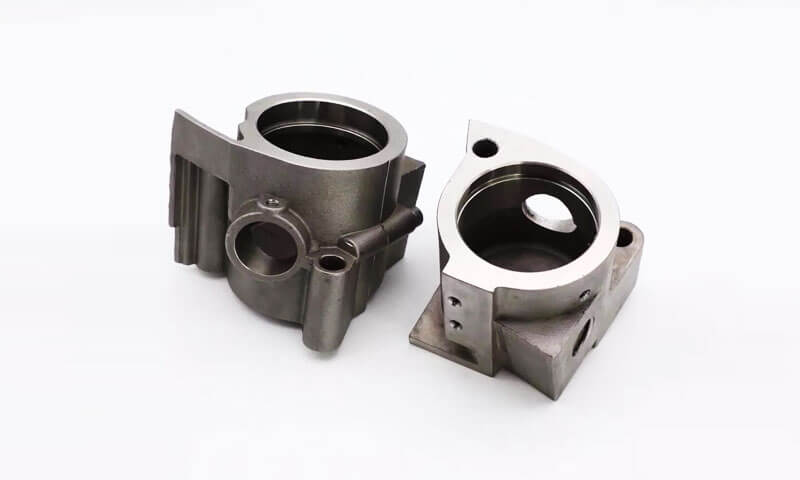
Vir komplekse metaalkomponente, kombineer presisie giet en CNC bewerking bied 'n effektiewe manier om geometriese kompleksiteit te balanseer, Dimensionele akkuraatheid, materiaal prestasie, en produksiekoste.
Hierdie geïntegreerde benadering is veral geskik vir komponente soos hakies, huise, houers, laerstutte, masjienbasisse, nokke, hefbome, rame, en ander pasgemaakte tekstielmasjinerie-komponente.
1. Wat is tekstielmasjinerie-onderdele?
Tekstielmasjinerie onderdele is presisie-gemanipuleerde komponente wat gebruik word om vervang verslete, beskadig, verouderd, of herontwerpte onderdele in tekstielproduksietoerusting.
Hulle is noodsaaklik vir die handhawing van masjienprestasie, produksie kontinuïteit, Dimensionele akkuraatheid, en langtermyn bedryfsbetroubaarheid.
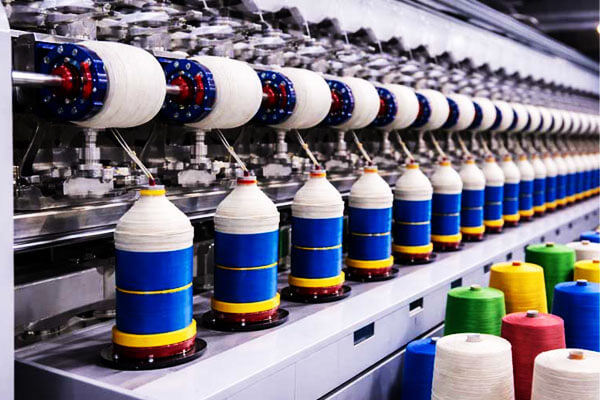
Anders as generiese industriële komponente, tekstielmasjinerie-onderdele is ontwerp rondom die spesifieke meganiese stelsels en bedryfstoestande van tekstieltoerusting.
Afhangende van die toepassing, hulle kan aan voortdurende wederkerende beweging onderwerp word, hoëspoed rotasie, vibrasie, wrywing, impak, herhaalde laai, tekstielvesels, stof, smeermiddels, en temperatuurskommelings.
Selfs 'n relatief klein komponent kan dus 'n direkte invloed op masjiensinchronisasie hê, stof kwaliteit, produksie doeltreffendheid, en toerusting dienslewe.
Om hierdie rede, 'n tekstielmasjinerieonderdeel is nie bloot 'n vervangende metaalkomponent nie.
Dit moet weergee die kritieke dimensies, meganiese koppelvlakke, materiaal eienskappe, en funksionele meetkunde vereis deur die oorspronklike masjien.
Watter funksies voer tekstielmasjinerie-onderdele uit?
Tekstielmasjinerie bestaan uit talle onderling gekoppelde meganiese stelsels, en elke onderdeel verrig 'n spesifieke funksie binne die algehele masjien.
Sommige komponente bied strukturele ondersteuning, terwyl ander beweging oordra, belyning handhaaf, gidsgare of stof, of beheer herhalende meganiese bewegings.
Algemene funksies sluit in:
- Strukturele ondersteuning: Masjienbasisse, hakies, rame, monteer plate, en ondersteuningskomponente bied styfheid en handhaaf die posisie van meganiese samestellings.
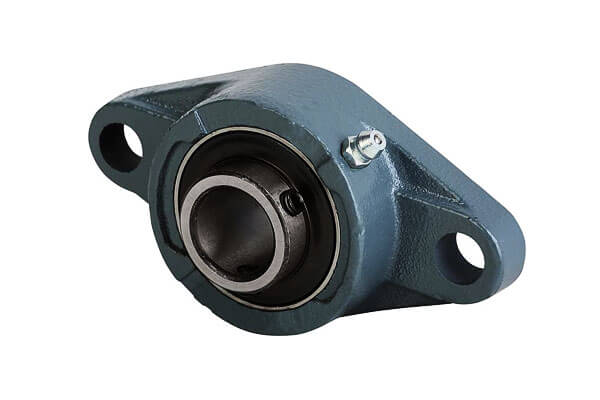
- Rotasie-ondersteuning: Beheerhuise, dra sitplekke, en verwante komponente ondersteun asse en handhaaf akkurate rotasiebelyning.
- Kragoordrag: Rathuise, nokke, hefbome, asse, katrolle, en verbindende komponente dra meganiese beweging oor of transformeer.
- Materiële leiding: Rollers, gidse, drukvoete, houers, en soortgelyke komponente beheer die beweging van gare, draad, of stof.
- Bewegingsbeheer: Kameras, wip arms, skakels, en ander meganiese komponente koördineer herhalende bewegings.
- Beskerming en omhulsel: Behuisings, deksels, eindplate, en beskermende strukture beskerm interne meganismes teen kontaminasie en meganiese skade.
- Posisionering en montering: Monteer hakies, komponente op te spoor, ondersteun, en basisse verseker akkurate installasie en belyning.
Omdat hierdie funksies wesenlik verskil, tekstielmasjinerie onderdele kan wissel van relatief klein presisiekomponente tot groot strukturele gietstukke.
Algemene tipes tekstielmasjinerie-onderdele
Die spesifieke komponente wat benodig word, hang af van die tipe, model, en meganiese konfigurasie van die tekstieltoerusting.
| Tekstielmasjinerie | Tipiese onderdele |
| Industriële naaimasjiene | Drukvoete, drukvoethouers, hakies, hefbome, gidse, ondersteun, huise |
| Spinmasjiene | Spilsteune, Beheerhuise, hakies, dryfkomponente, masjienbasisse |
| Weefmasjiene | Kameras, wip arms, Beheerhuise, hakies, gids komponente, ondersteun |
| Breimasjiene | Behuisings, hakies, gidse, monteer komponente, meganiese skakels |
Wikkelmasjiene |
Rollers, laerstutte, hakies, asse, huise |
| Verdraai masjiene | Lei komponente, rollers, ondersteun, monteerhakies, dryfkomponente |
| Verf Masjinerie | Asse, huise, hakies, deksels, ondersteun, monteer komponente |
| Tekstiel Afwerking Masjinerie | Spanning rollers, roller ondersteun, Beheerhuise, rame, hakies |
Onder hierdie komponente, Beheerhuise, hakies, masjienbasisse, huise, ondersteun, nokke, houers, en strukturele komponente is veral geskik vir pasgemaakte gietwerk gevolg deur CNC-bewerking omdat hulle dikwels komplekse geometrieë kombineer met presisie-bewerkte funksionele oppervlaktes.
2. Materiaal vir pasgemaakte tekstielmasjinerie-onderdele
Materiaalkeuse is 'n fundamentele deel van die ontwerp en vervaardiging van betroubare tekstielmasjinerieonderdele.
Tekstieltoerusting werk dikwels deurlopend teen hoë spoed, met komponente wat aan wrywing blootgestel is, vibrasie, sikliese laai, impak, vog, chemikalieë, en veselbesmetting.
Dus, die materiaal moet gekies word volgens die werklike bedryfstoestande en funksionele vereistes van die komponent, eerder as uitsluitlik op koste of nominale sterkte gebaseer.

Vir pasgemaakte tekstielmasjinerie onderdele, Hierdie kan verskillende ingenieursmateriale volgens komponentgeometrie evalueer, gietvereistes, bewerking vereistes, las toestande, dra meganismes, blootstelling aan korrosie, en verwagte dienslewe.
| Materiaal | Sleuteleienskappe | Tipiese toepassings |
| Vlekvrye staal (304, 316, 316L) | Uitstekende korrosieweerstand; goeie sterkte. | Rollers, gidse, pompe, kleedke, verf masjinerie. |
| Vlekvrye staal (17-4Ph) | Hoë krag; hitte behandelbaar; Goeie korrosieweerstand. | Hoë-lading komponente, ratte, asse. |
| Koolstofstaal (Aisi 1045, 4140) | Goeie krag; verhardbaar. | Ratte, asse, spindels, Strukturele dele. |
| Legeringsstaal (4140, 4340) | Hoë krag; uitstekende taaiheid; verhardbaar. | Swaardiens ratte, asse, kameravolgelinge. |
| Gereedskapstaal (D2, O1, S7) | Hoë hardheid; slytasiebestand. | Snygereedskap, skei, vormingsgereedskap. |
Brons (C90500, C93200) |
Goeie slytasie weerstand; lae wrywing; korrosiebestand. | Bosings, rigting, gidse. |
| Brons (C36000, C26 000) | Goeie bewerkbaarheid; korrosiebestand. | Toebehore, kleedke, klein hardeware. |
| Gietyster (Grys, Duktiele) | Goeie dempvermoë; slytasiebestand. | Masjienbasisse, huise, groot ratte. |
| Aluminium (6061-T6) | Liggewig; Goeie bewerkbaarheid. | Liggewig komponente, huise. |
| Ingenieurswese Plastiek (Pek, Nylon, Ptfe) | Lae wrywing; chemiese weerstand; liggewig. | Rigting, seëls, gidse, nie-metaalkomponente. |
3. Presisiegietwerk vir tekstielmasjinerie-onderdele
Presisiegietwerk is 'n belangrike vervaardigingsroete vir tekstielmasjinerieonderdele wat komplekse meetkunde kombineer, veeleisende materiaalvereistes, en relatief streng dimensionele spesifikasies.
Onder presisie giet tegnologie, Beleggingsgooi is veral waardevol omdat dit ingewikkelde geometrieë kan reproduseer met relatief klein bewerkingstoelaes terwyl dit 'n wye reeks ingenieurslegerings akkommodeer.
Waarom presisiegietwerk ideaal is vir tekstielmasjinerie-komponente
Beleggingsbepaling bied 'n effektiewe balans tussen meetkundige vryheid, materiaal buigsaamheid, dimensionele beheer, en produksiedoeltreffendheid.
| Voordeel | Ingenieursbelang vir tekstielmasjinerie |
| Komplekse meetkunde | Maak ingewikkelde kontoere moontlik, ribbes, base, uitsparings, Dun dele, en geselekteerde interne gange wat as 'n byna-net vorm geproduseer moet word. |
| Byna-net-vorm produksie | Verminder die hoeveelheid materiaal wat tydens daaropvolgende CNC-bewerking verwyder word, veral vir komplekse of onreëlmatige komponente. |
| Goeie oppervlak kwaliteit | Beleggingsgietwerk kan relatief gladde as gegote oppervlaktes verskaf, afwerkingsvereistes te verminder en 'n goeie grondslag vir presisiebewerking te verskaf. |
Dimensionele akkuraatheid |
Behoorlik ontwerpte beleggingsgietprosesse kan strenger dimensionele beheer bereik as baie konvensionele sandgietprosesse, alhoewel werklike toleransies afhang van legering, meetkunde, gereedskap, en prosesbeheer. |
| Breë legeringsversoenbaarheid | Geskik vir baie vlekvrye staal, koolstof- en legeringsstaal, Gereedskapstaal, en koper-gebaseerde legerings, onderhewig aan die geselekteerde proses en gietery vermoë. |
| Verminder materiaalafval | Byna-net-vorm produksie kan masjineringsvoorraad en grondstofverbruik aansienlik verminder in vergelyking met die bewerking van 'n komplekse onderdeel van blok- of staafvoorraad. |
Geïntegreerde funksionele kenmerke |
Kenmerke soos base, monteringsnokke, versterkende ribbes, en komplekse eksterne profiele kan dikwels direk in die gietstuk ingewerk word. |
| Produksie buigsaamheid | Veral aantreklik vir prototipes, vervangingskomponente, en klein tot medium produksielopies waar toegewyde hoëvolume gereedskap nie geregverdig is nie. |
| Goeie basis vir CNC-bewerking | Bewerkingstoelaes kan strategies op laer sitplekke geplaas word, borings, monteervlakke, drade, en ander kritieke funksionele oppervlaktes. |
Dit is belangrik om te onderskei presisie giet vermoë van gewaarborgde finale-onderdeel toleransie. Beleggingsgietwerk kan uitstekende dimensionele konsekwentheid bied,
maar die werklike resultaat word beïnvloed deur waspatroon akkuraatheid, keramiek-dop gedrag, legering krimping, Termiese gradiënte, Giet meetkunde, hittebehandeling, en daaropvolgende bewerking.
Kritiese afmetings moet dus normaalweg bereik word deur 'n kombinasie van beheerde giettoelaes en CNC-afwerking.
Waarom Near-Net-Shape-gietwerk vir tekstielmasjinerie belangrik is
'n Tekstielmasjinerie-komponent kan 'n relatief groot algehele volume hê, maar slegs 'n klein aantal oppervlaktes wat eintlik presiese bewerking vereis.
Om die hele komponent van 'n soliede knuppel te bewerk, kan dus ondoeltreffend wees.
Byvoorbeeld, oorweeg 'n pasgemaakte behuising met veelvuldige versterkingsribbe, monteerbase, geboë uitwendige oppervlaktes, en verskeie presisie borings.
Om die volledige geometrie van 'n soliede blok te vervaardig sal aansienlike materiaalverwydering en lang bewerkingsiklusse vereis.
Beleggingsgietwerk verander die vervaardigingstrategie:
Rou legering → Byna-net-vorm giet → Hittebehandeling → CNC bewerking van kritieke areas → Voltooide komponent
Dit kan bewerkingstyd verminder, gereedskapslytasie, materiaalverbruik, en vervaardigingskompleksiteit.
Die voordeel word meer betekenisvol wanneer die komponent 'n komplekse driedimensionele profiel het of wanneer produksie oor verskeie groepe herhaal word.
Beleggingsgietproses vir tekstielmasjinerie-onderdele
Die beleggingsgietproses begin met die skepping van 'n hoogs akkurate patroon en eindig met inspeksie van die voltooide gietwerk.
Elke stadium beïnvloed die dimensionele en metallurgiese kwaliteit van die finale komponent.
| Verhoog | Prosesseer | Sleutel Ingenieursoorweging |
| 1 | Patroonproduksie | Was- of polimeerpatroon word vervaardig met behulp van presisiegereedskap volgens die komponentgeometrie. |
| 2 | Kernvoorbereiding en montering | Keramiek of oplosbare kerns kan ingebring word waar interne holtes of gange vereis word. |
| 3 | Boomsamestelling | Individuele patrone word aan 'n loper en hekstelsel geheg om 'n gietboom te vorm. |
| 4 | Keramiek dop gebou | Herhaalde suspensiebedekking en pleisterwerk skep 'n vuurvaste dop om die patroon. |
5 |
Ontwater | Was word verwyder, wat die negatiewe holte van die komponent binne die keramiekdop verlaat. |
| 6 | Skulpvuur | Die dop word verhit om sterkte te ontwikkel en oorblywende patroonmateriaal te verwyder. |
| 7 | Allooi smelt | Die geselekteerde legering word onder gekontroleerde metallurgiese toestande gesmelt. |
| 8 | Skink | Gesmelte metaal word in die voorverhitte keramiekdop ingebring onder gekontroleerde giettoestande. |
9 |
Verharding en verkoeling | Beheerde stolling help om defekte te verminder en dimensionele stabiliteit te handhaaf. |
| 10 | Uitklophou | Die keramiekdop word na afkoeling verwyder. |
| 11 | Afsny en afwerking | Hekke en hardlopers word verwyder; oppervlaktes kan gemaal of geblaas word. |
| 12 | Hittebehandeling | Die gietstuk ontvang die gespesifiseerde termiese behandeling om die vereiste meganiese en metallurgiese eienskappe te verkry. |
| 13 | Inspeksie | Dimensioneel, visueel, metallurgiese, en nie-vernietigende ondersoeke word uitgevoer soos vereis. |
Die presiese temperature, dop struktuur, giettoestande, en hittebehandelingsiklusse is allooi- en meetkunde-afhanklik.
Hulle moet dus volgens die spesifieke materiaalspesifikasie gevestig word eerder as om een universele temperatuurreeks op elke projek toe te pas.
4. CNC-bewerking vir tekstielmasjinerie-komponente
Terwyl presisie giet die basiese meetkunde verskaf, CNC-bewerking bepaal die akkuraatheid wat benodig word vir funksionele oppervlaktes en koppelvlakke.
Tekstielmasjinerie bevat gereeld roterende asse, rigting, rollers, ratte, gidse, huise, koppelings, en ander komponente wat met beheerde klarings en belyning moet werk.
Selfs relatief klein dimensionele afwykings kan vibrasie beïnvloed, wrywing, lewe dra, garing hantering, of masjienstabiliteit.
CNC-bewerking dien dus as die kritieke presisie-afwerking stadium van die vervaardigingsproses.

Waarom CNC-bewerking noodsaaklik is
Moderne CNC-bewerking bied hoë herhaalbaarheid en beheerde dimensionele akkuraatheid oor komplekse komponentgeometrieë.
| Voordeel vir CNC-bewerking | Belangrikheid vir tekstielmasjinerie |
| Hoë dimensionele akkuraatheid | Maak kritieke borings moontlik, asse, dra sitplekke, en montage-koppelvlakke om aan gespesifiseerde toleransies te voldoen. |
| Uitstekende herhaalbaarheid | Help om konsekwente afmetings oor produksiegroepe en vervangingsonderdeelprogramme te handhaaf. |
| Beheerde oppervlakafwerking | Gepaste bewerking kan wrywing verminder, verbeter verseëling, en beskerm sensitiewe kontakoppervlaktes. |
| Komplekse meetkunde vermoë | Multi-as bewerking kan driedimensionele kontoere produseer, skuins oppervlaktes, gleuwe, sakke, en saamgestelde kenmerke. |
Materiële buigsaamheid |
CNC-toerusting kan 'n wye reeks staal verwerk, vlekvrye staal, gietysters, aluminiumlegerings, koperlegerings, en ingenieursplastiek. |
| Doeltreffende aanpassing | CNC-programme kan vir verskillende afmetings en konfigurasies aangepas word sonder om die vervaardigingsproses heeltemal te herontwerp. |
| Prototipe geskiktheid | CNC-bewerking kan vinnige ontwikkeling en dimensionele validering ondersteun voor groter produksielopies. |
| Integrasie met gietwerk | Byna-net-vorm gietstukke kan slegs gemasjineer word waar presisie funksioneel nodig is. |
Die presiese haalbare toleransie word deur die masjiengereedskap bepaal, sny gereedskap, werkhouding, materiële toestand, komponent meetkunde, termiese stabiliteit, meetstelsel, en tekenvereistes.
Dus, waardes soos ±0,005 mm moet as behandel word projekspesifieke vermoëns eerder as universele waarborge.
Algemene CNC-bewerkingsoperasies vir tekstielmasjinerie-komponente
Verskillende tekstielmasjineriekomponente benodig verskillende CNC-prosesse afhangende van hul geometrie, dimensionele toleransies, oppervlakafwerking vereistes, en funksionele koppelvlakke.
| CNC-bewerkingsproses | Primêre gemasjineerde kenmerke | Sleutel kwaliteit vereistes | Tipiese vermoë / Oorweging |
| CNC draai | Uitwendige diameters, interne borings, skouers, groewe, taps, drade, eindvlakke | Deursnee toleransie, konsentrisiteit, silindrisiteit, uithardloop, oppervlak ruwheid | Tipies geskik vir hoë-akkuraatheid silindriese kenmerke; finale toleransie hang af van die masjien, materiaal, meetkunde, gereedskap, en inspeksie |
| CNC Milling | Plat oppervlaktes, sakke, gleuwe, ribbes, kontoere, monteervlakke, sleutelpaaie | Platheid, loodregtigheid, posisionele akkuraatheid, profiel akkuraatheid, oppervlakafwerking | Geskik vir prismatiese en komplekse profielkomponente; multi-as bewerking kan opstellingsfoute verminder |
| Presisie Boring / Room | Laer borings, belyningsgate, opspoor van boorgate, presisie interne diameters | Boor deursnee, rondheid, silindrisiteit, koaksialiteit, posisionele akkuraatheid | Veral belangrik waar laers, asse, of paringskomponente moet akkurate belyning handhaaf |
CNC boor |
Bevestigingsgate, gate opspoor, smeergange, vloeistof gange | Gat deursnee, posisionele verdraagsaamheid, diepte, loodregtigheid, gat kwaliteit | Boor kan gevolg word deur vervelig, ruim, nader, of afkanting waar hoër akkuraatheid vereis word |
| Draadbewerking | Interne en eksterne drade, verbinding koppelvlakke, skroefdraadgate | Toonhoogte akkuraatheid, majeur/klein deursnee, draad profiel, konsentrisiteit, betrokkenheid kwaliteit | CNC afluister, draad maal, of draai kan volgens materiaal gekies word, draad grootte, presiesheid, en produksievolume |
| CNC slyp | Dra sitplekke, joernale, presisie diameters, seël oppervlaktes | Streng dimensionele toleransie, rondheid, silindrisiteit, oppervlak ruwheid, uithardloop | Word gebruik na draai of hittebehandeling wanneer hoër dimensionele en oppervlakvereistes nie ekonomies deur konvensionele bewerking bereik kan word nie |
Multi-as CNC-bewerking |
Saamgestelde kontoere, hoekige gate, komplekse oppervlaktes, diep holtes, veelvuldige ruimtelike kenmerke | Profiel akkuraatheid, posisionele verhouding tussen kenmerke, oppervlakafwerking, opstel konsekwentheid | Verminder die aantal opstellings en kan meetkundige konsekwentheid vir komplekse komponente verbeter |
| Sleutelpad / Slotbewerking | Sleutels, aksiale gleuwe, dryf groewe | Breedte, diepte, posisie, parallelisme, pas met paringsleutel | Kritiek vir betroubare wringkragoordrag en akkurate komponentsamestelling |
| Oppervlakafwerking / Fyn bewerking | Funksionele kontakoppervlaktes en geselekteerde eksterne oppervlaktes | Oppervlak ruwheid, braam verwydering, rand toestand, Dimensionele stabiliteit | Afwerking moet gespesifiseer word volgens die werklike wrywing, dra, verseëlend, of garingkontakvereistes eerder as om eenvormige gladheid te maksimeer |
5. Van gietwerk tot voltooide deel: Ons vervaardigingsproses
Om 'n betroubare tekstielmasjinerie-onderdeel te vervaardig verg meer as om 'n komponent te vervaardig wat ooreenstem met die afmetings van 'n oorspronklike monster.
Die volledige proses moet 'n beheerde verhouding tussen ontwerp, materiaal, gietstuk, hittebehandeling, bewerking, oppervlak toestand, en finale inspeksie.
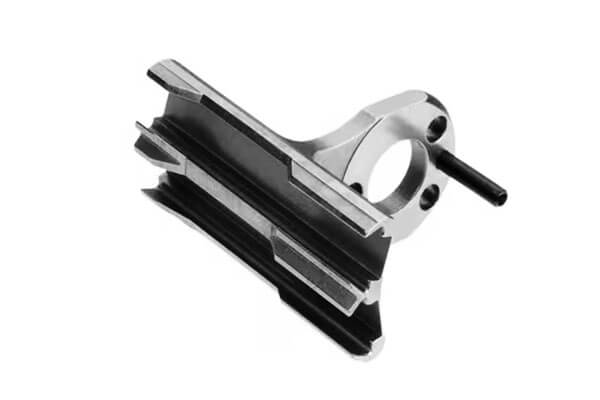
Vir persoonlike tekstiel masjinerie komponente, DEZE kan presisiegietwerk en CNC-bewerking in 'n enkele vervaardigingswerkvloei integreer.
Hierdie benadering laat toe dat die gietproses geoptimaliseer word vir meetkunde en materiaalprestasie, terwyl CNC-bewerking gereserveer word vir oppervlaktes waar dimensionele akkuraatheid en funksionele toleransies noodsaaklik is.
Die tipiese werkvloei kan opgesom word as:
Tegniese Oorsig → DFM-analise → Materiaalkeuse → Patroon & Gereedskap → Presisiegietwerk → Hittebehandeling → CNC-bewerking → Oppervlakafwerking → Inspeksie → Verpakking
Prosesvloei-oorsig
| Verhoog | Stap | Doel | Kritiese kontroles |
| Ontwerp & Ingenieurswese | 1. Kliënt spesifikasie | Definieer deel meetkunde, materiaal, verdraagsaamheid, en hoeveelheid. | Akkurate vereistes vaslegging. |
| 2. DFM analise | Optimaliseer ontwerp vir vervaardiging. | Verminder defekte; koste tot die minimum beperk. | |
| 3. CAD-modellering | 3D model van die onderdeel. | Ontwerp vir gietbaarheid en bewerkbaarheid. | |
| Gietstuk | 4. Patroonproduksie | Wasinspuiting in presisiematrys. | Dimensionele akkuraatheid. |
| 5. Skulpgebou | 6–10 lae keramiekmis. | Dop sterkte; deurlaatbaarheid. | |
| 6. Skink | Gesmelte metaal in dop. | Temperatuur; spoed; verkoeling. | |
| 7. Hittebehandeling | Oplossing uitgloei, normaliseer, stresverligting. | Meganiese eienskappe. | |
Bewerking |
8. CNC -bewerking | Draai, maalwerk, boor, maal. | Verdraagsaamheid; oppervlakafwerking. |
| 9. Ontbraam | Verwyder skerp kante en brame. | Veiligheid; funksionaliteit. | |
| Afwerking | 10. Oppervlakbehandeling | Passivering, poleer, laag, plee. | Korrosieweerstand; estetika. |
| Inspeksie | 11. Kwaliteit inspeksie | CMM, Ndt, hardheid, Dimensionele inspeksie. | Verseker nakoming. |
| 12. Verpakking | Beskerm voltooide dele. | Skadevoorkoming. |
6. Ingenieursoorwegings vir tekstielmasjinerie-onderdele
| Oorweging | Belangrikheid | Ontwerp/Vervaardigingsaksie |
| Dra weerstand | Kritiek vir dele in kontak met bewegende garings, stowwe, of media. | Kies harde legerings (gereedskapstaal, 17-4Ph); oppervlak verharding; karbiedbedekkings. |
| Korrosieweerstand | Kleur- en afwerkingsprosesse gebruik aggressiewe chemikalieë. | Gebruik vlekvrye staal (316L) of spesiale legerings; passivering; elektropolering. |
| Hitte weerstand | Hitte-instelling, droogmaak, en kalanderprosesse. | Kies legerings met goeie hoë-temperatuur sterkte (dupleks, Inklok). |
Dimensionele stabiliteit |
Onderdele moet afmetings onder termiese en meganiese spanning handhaaf. | Hittebehandeling; stresverligting; stabiele legerings. |
| Oppervlakafwerking | Gladde oppervlaktes verminder wrywing en voorkom dat die draad breek. | CNC afwerking; poleer; elektropolering. |
| Moegheidsweerstand | Sikliese laai in hoëspoedmasjinerie. | Ontwerp vir moegheid; kies taai legerings; geskietpeen. |
| Uitruilbaarheid | Onderdele moet by bestaande masjinerie pas. | Presisie toleransies; kwaliteit beheer. |
7. Kwaliteitskontrole en inspeksie
Gehaltestandaarde
| Standaard | Omvang | Vereistes |
| ISO 9001 | Kwaliteitbestuurstelsel. | Prosesbeheer; naspeurbaarheid. |
| ISO 9001:2015 | Algemene kwaliteit. | Deurlopende verbetering; kliënt fokus. |
| ASTM Standaarde | Materiaal spesifikasies. | Chemiese samestelling; Meganiese eienskappe. |
| EN Standaarde | Europese kwaliteit. | Dimensioneel; meganies. |
Inspeksiemetodes
| Metode | Doel | Tipiese Aanvaardingskriteria |
| CMM (Koördinaat meetmasjien) | Dimensionele inspeksie. | ±0,01–0,05 mm (soos gespesifiseer). |
| Visuele inspeksie | Oppervlakte defekte. | Geen sigbare skrape nie, putte, of krake. |
| Kleurstof penetrant (PT) | Oppervlak krake. | Geen krake of poreusheid nie. |
| Radiografie (X-straal) | Interne defekte. | Geen leemtes nie, insluitings, of porositeit. |
| Hardheid toets | Meganiese eiendom verifikasie. | Soos per materiaal spesifikasie. |
| Trektoetsing | Meganiese eiendom verifikasie. | Soos per materiaal spesifikasie. |
| Oppervlak ruwheid | Oppervlakafwerking meting. | Ra ≤1,6 µm (of soos gespesifiseer). |
8. Waarom presisiegietwerk met CNC-bewerking kombineer?
Vir pasgemaakte tekstielmasjinerie onderdele, die werklike vervaardigingsuitdaging is selde net “Kan hierdie deel gegiet word?' of “Kan hierdie deel gemasjineer word?'
Die belangriker vraag is:
Watter vervaardigingsproses moet elke kenmerk van die komponent skep om die beste kombinasie van werkverrigting te bereik, presiesheid, materiaal doeltreffendheid, en totale koste?
Dit is waar die kombinasie van presisie giet en CNC bewerking word besonder kragtig.
Presisiegietwerk is uiters doeltreffend om komplekse driedimensionele meetkunde en naby-net-vorm strukture te skep.
CNC -bewerking, daarenteen, presteer in die vestiging van kritieke dimensies, geometriese toleransies, drade, laer pas, borings, en funksionele oppervlakafwerkings.
Eerder as om enige tegnologie onafhanklik te gebruik, 'n geïntegreerde benadering gee aan elke proses die werk wat dit die beste doen:
Presisiegietwerk skep die strukturele geometrie → hittebehandeling ontwikkel materiaal eienskappe → CNC-bewerking vestig funksionele presisie → inspeksie verifieer die voltooide komponent.
Dit is nie bloot 'n tweestap-produksiemetode nie. Dit is 'n ontwerp-tot-vervaardiging strategie wat die doeltreffendheid en betroubaarheid van pasgemaakte tekstielmasjineriekomponente aansienlik kan verbeter.
Die kernbeginsel: "Gooi die vorm, Masjien die funksie"
Die fundamentele voordeel van die kombinasie van die twee tegnologieë kan in een beginsel saamgevat word:
Gooi wat meetkundig kompleks is; masjien wat funksioneel krities is.
'n Tekstiel masjinerie behuising, byvoorbeeld, kan ribbes bevat, base, geboë mure, versterkende strukture, en onreëlmatige eksterne kontoere.
Om al hierdie kenmerke van 'n soliede blok deur CNC-bewerking te vervaardig, sal aansienlike materiaalverwydering en veelvuldige bewerkingsoperasies vereis.
Beleggingsgietwerk kan die meeste van hierdie meetkunde direk produseer.
Die CNC-proses kan dan konsentreer op die oppervlaktes wat werklik masjienprestasie bepaal:
- Laer borings
- Skag sitplekke
- Monteer gesigte
- Presisie gate
- Drade
- Seël oppervlaktes
- Belyning datum
- Rat- en koppelingskoppelvlakke
Hierdie verdeling van vervaardigingsverantwoordelikheid vermy om een tegnologie te dwing om 'n taak te verrig waarvoor 'n ander tegnologie beter geskik is.
Drie vervaardigingstrategieë vergelyk
Die verskil word duideliker wanneer drie benaderings vergelyk word.
| Kriterium | Slegs presisiegietwerk | Slegs CNC-bewerking | Presisie giet + CNC -bewerking |
| Komplekse meetkunde | Uitmuntend | Goed - Uitstekend | Uitmuntend |
| Tipiese dimensionele beheer | Ongeveer. ±0,1–0,3 mm* | Ongeveer. ±0,005–0,01 mm* | Ongeveer. ±0,005–0,01 mm Op bewerkte funksies* |
| Tipiese bereikbare oppervlakafwerking | Ongeveer. Ra 1,6–6,3 µm* | Ongeveer. Ra 0,4–1,6 µm* | Ongeveer. Ra 0,4–1,6 µm op voltooide oppervlaktes* |
| Materiaalbenutting | Hoog | Lae -Moderaat | Hoog |
| Materiaalafval | Laag | Hoog | Laag |
| Komplekse rolverdeling kenmerke | Uitmuntend | Duur om te produseer | Uitmuntend |
| Presisie funksionele koppelvlakke | Beperk | Uitmuntend | Uitmuntend |
| Lae-volume geskiktheid | Gereedskap-afhanklik | Goed | Goed |
| Medium-volume geskiktheid | Goed | Dikwels minder ekonomies vir komplekse dele | Uitmuntend |
| Hoë-volume geskiktheid | Uitmuntend | Dikwels duur vir komplekse geometrieë | Uitmuntend |
| Allooi buigsaamheid | Breed | Breed | Breed |
| Algehele vervaardigingsbuigsaamheid | Hoog | Hoog | Baie hoog |
*Werklike toleransies en oppervlakafwerkings hang af van legering, meetkunde, gietmetode, masjien vermoë, gereedskap, hittebehandeling, inspeksie vereistes, en produksietoestande.
Hierdie syfers moet dus as aanduidend eerder as universele spesifikasies hanteer word.
Die belangrikste waarneming is dat die gekombineerde proses nie bloot die voordele van giet en bewerking byvoeg nie.
Dit laat toe dat die beperkings van elke proses deur die ander vergoed word.
Presisiegietwerk los die meetkundeprobleem op
Een van die grootste sterkpunte van beleggingsgietwerk is die vermoë om ingewikkelde geometrieë te reproduseer sonder om dieselfde hoeveelheid subtraktiewe bewerking te vereis as wat nodig sou wees wanneer jy vanaf blok begin..
Dit is veral waardevol vir tekstielmasjineriekomponente wat bevat:
- Geïntegreerde ribbes
- Geboë oppervlaktes
- Monteer base
- Onreëlmatige kontoere
- Uitsparings
- Komplekse oorgange
- Interne holtes
- Veelvuldige strukturele kenmerke
In plaas daarvan om met 'n groot blok metaal te begin en materiaal geleidelik te verwyder, gietwerk begin baie nader aan die vereiste finale meetkunde.
Dit skep 'n naby-net-vorm vervaardiging voordeel.
Die gevolg is nie net 'n korter bewerkingsiklus nie.
Dit kan ook grondstofverbruik verminder, snygereedskap dra, masjien besetting, en die aantal bewerkingsoperasies wat benodig word.
CNC-bewerking los die presisieprobleem op
Gietwerk alleen kan nie ekonomies die streng dimensionele beheer lewer wat vir elke funksionele koppelvlak vereis word nie.
Tekstielmasjinerie bevat dikwels presisieverwantskappe wat masjienwerking direk beïnvloed.
Voorbeelde hiervan:
Laer sitplek → as deursnee → konsentrisiteit → uitloop → belyning
'n Klein afwyking in een van hierdie parameters kan vibrasie beïnvloed, laerlading, wrywing, en dienslewe.
CNC-bewerking bied die vermoë om hierdie kritieke kenmerke selektief te verfyn.
In plaas daarvan om uiters streng toleransies op die hele gietstuk op te lê - wat die vervaardigingskompleksiteit sal verhoog - fokus die proses akkuraatheid waar dit werklike funksionele waarde skep.
Dit lei tot 'n belangrike ingenieursbeginsel:
Presisie moet gekonsentreer word waar funksie dit vereis, nie onnodig oor die hele komponent versprei word nie.
Die kern wegneemete
Presisiegietwerk en CNC-bewerking is nie mededingende tegnologieë nie - dit is komplementêre stadiums van presisievervaardiging.
Presisiegietwerk verskaf vorm, strukturele kompleksiteit, materiaal doeltreffendheid, en naby-net-vorm produksie.
CNC-bewerking bied dimensionele akkuraatheid, meetkundige beheer, fyn oppervlakafwerking, en funksionele koppelvlakke.
Wanneer die twee saam ontwerp is, die resultaat is 'n vervaardigingsoplossing wat kan bereik:
Komplekse meetkunde + presisie koppelvlakke + doeltreffende materiaalbenutting + beheerde kwaliteit + mededingende totale koste.
Vir pasgemaakte tekstielmasjinerie onderdele, daardie kombinasie is dikwels die mees praktiese pad van 'n tekening - of selfs 'n verouderde fisiese monster - na 'n produksiegereed, dimensioneel konsekwent, funksioneel betroubare afgewerkte komponent.
9. Pasgemaakte tekstielmasjinerie-onderdele-oplossings van DEZE
DEZE Foundry spesialiseer in pasgemaakte tekstielmasjinerie onderdele, bied geïntegreerde oplossings van presisie giet tot CNC bewerking en afwerking.
| Vermoë | Besonderheid |
| Materiaal | Vlekvrye staal (304, 316, 316L, 17-4Ph), koolstofstaal, legeringsstaal, brons, brons, aluminium, gereedskapstaal. |
| Gietstuk | Beleggingsgooi (verlore was); sand gietstuk. |
| CNC -bewerking | 3-, 4-, en 5-as CNC frees; CNC draai; maal; boor; draad. |
| Verdraagsaamheid | ±0,005 mm (bewerking); ±0,1 mm (gietstuk). |
| Oppervlakafwerkings | As-cast, gemasjineer, gepoleer, elektropoleer, gepassiveerde, poeier bedek, geplateer. |
| Gedeeltelike gewig | 0.01 kg aan 1000 kg. |
| Deel afmetings | Op na 6000 mm. |
| Kwaliteit | ISO 9001:2015 gesertifiseer; 100% inspeksie. |
| Lei tyd | 4–8 weke vir casting; 1–3 weke vir bewerking (afhangende van kompleksiteit). |
10. Konklusie
Pasgemaakte tekstielmasjinerieonderdele vereis 'n vervaardigingstrategie wat balanseer Dimensionele presisie, materiaal prestasie, geometriese kompleksiteit, diensbetroubaarheid, en kostedoeltreffendheid.
Presisie giet bied die vermoë om komplekse naby-net-vorm geometrieë te skep, terwyl materiaalafval en bewerkingsvereistes verminder word.
CNC -bewerking bepaal die dimensionele akkuraatheid, geometriese toleransies, drade, borings, laer pas, seël oppervlaktes, en ander funksionele kenmerke wat benodig word vir betroubare masjienwerking.
Die kombinasie skep 'n vervaardigingsfilosofie wat opgesom kan word as:
Gooi die kompleksiteit uit. Masjien die akkuraatheid. Inspekteer die funksie.
Vir tekstielmasjinerievervaardigers en onderhoudspanne, hierdie benadering bied meer as 'n vervangingsonderdeel.
Dit bied 'n pad na herhaalbaar, toepassingspesifieke komponente wat ontwerp is rondom die werklike vereistes van die masjien.
Of die vereiste 'n enkele verouderde komponent is, 'n pasgemaakte OEM-onderdeel, of 'n langtermyn-produksieprogram, die kombinasie van presisie giet,
CNC -bewerking, ingenieursanalise, en kwaliteitbeheer bied 'n sterk grondslag vir betroubare vervaardiging van tekstielmasjinerieonderdele.
Vrae
Kan jy verouderde tekstiel masjinerie onderdele vervaardig?
Ja. Verouderde komponente kan moontlik van 'n bestaande monster gereproduseer word, tekening, of dimensionele data.
'n Tipiese proses is:
Voorbeeldinspeksie → Omgekeerde ingenieurswese → CAD-rekonstruksie → Materiaalkeuse → Giet-/CNC-prosesontwikkeling → Produksie → Inspeksie
Dit kan veral nuttig wees wanneer die oorspronklike OEM-komponent nie meer beskikbaar is nie.
Kan jy klein hoeveelhede vervaardig?
Ja. Pasgemaakte vervaardiging kan prototipe ondersteun, vervanging, en klein-batch vereistes.
Die optimale proses hang af van komponentgeometrie, materiaal, verdraagsaamheid, hoeveelheid, gereedskapvereistes, en verwagte toekomstige vraag.
Vir sommige lae-volume dele, CNC-bewerking kan verkieslik wees; vir komplekse komponente met herhaalde aanvraag, presisiegietwerk gevolg deur CNC-bewerking kan beter langtermynekonomie bied.
Kan die oorspronklike komponent tydens reproduksie verbeter word?
Potensieel, ja.
Wanneer 'n komponent herhaalde mislukkings ervaar het, 'n pasgemaakte vervaardigingsprojek kan die oorspronklike materiaal evalueer, meetkunde, verdraagsaamheid, oppervlak toestand, en bedryfsomgewing.
Waar tegnies toepaslik, verbeterings kan insluit:
- Alternatiewe materiaalkeuse
- Gewysigde hittebehandeling
- Verbeterde oppervlakafwerking
- Hersiene bewerkingstoleransies
- Beter filetgeometrie
- Verbeterde slytasieweerstand
- Verbeterde weerstand teen korrosie
Enige wysiging moet, nietemin, geëvalueer word teen die masjien se funksionele vereistes en verenigbaarheid met die bestaande samestelling.
Hoe begin ek 'n pasgemaakte tekstielmasjinerie-onderdeleprojek met DEZE?
Die proses kan begin met 'n tekening, 3D model, fisiese monster, of basiese komponentinligting
Die ingenieurspan kan dan die komponent se geometrie evalueer, materiaal, vervaardigingsroete, verdraagsaamheid, en inspeksievereistes voordat 'n toepaslike produksie-oplossing aanbeveel word.
Vir komplekse komponente, die voorkeurroete mag wees:
Tegniese oorsig → DFM → Presisiegietwerk → Hittebehandeling → CNC-bewerking → Inspeksie → Aflewering
Dit bied 'n gestruktureerde pad van 'n bestaande tekstielmasjinerie-komponent na 'n pasgemaakte, produksie-gereed onderdeel.

