
1. 介绍
纯物质的平衡熔点 钛 (的) 在 1 气氛是 1668.0 °C (≈ 1941.15 k, 3034.4 °f).
这个数字是一个重要的参考, 但对于工程和生产来说这只是起点: 钛在 ≈ 时表现出 α→β 同素异形转变 882 °C;
合金和杂质产生固相线/液相线范围而不是单个点; 钛在高温下的极端化学反应性迫使制造商在真空或惰性环境中熔化和处理它.
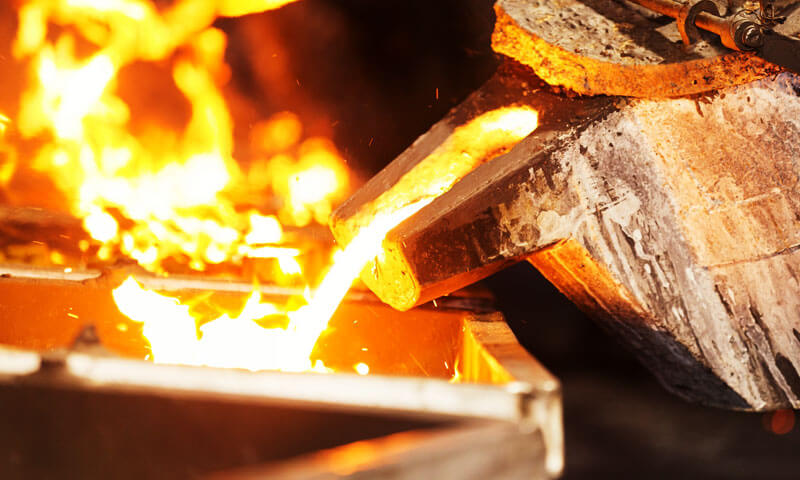
本文用热力学术语解释了熔点, 显示合金化和污染如何改变熔化/凝固行为, 提供实用的熔化能量估算,并描述生产清洁能源所需的工业熔化技术和过程控制, 高性能钛及钛合金制品.
2. 纯钛的物理熔点
| 数量 | 价值 |
| 熔点 (钛也, 1 ATM) | 1668.0 °C |
| 熔点 (开尔文) | 1941.15 k (1668.0 + 273.15) |
| 熔点 (华氏) | 3034.4 °f (1668.0 × 9/5 + 32) |
| 同素异形转变 (a→b) | ~882℃ (≈ 1155 k) — 熔化以下的重要固态变化 |
3. 熔化热力学和动力学
- 热力学定义: 熔化是一级相变,此时固相和液相的吉布斯自由能相等.
对于固定压力下的纯元素,这是一个明确定义的温度 (熔点). - 潜热: 能量以熔化潜热的形式被吸收,打破晶序; 在相变过程中温度不会升高,直到熔化完成.
- 动力学和过冷度: 在凝固过程中,液体可以保持在平衡熔化以下 (液体) 温度 - 过冷度 - 改变成核率和微观结构 (粒度, 形态学).
实践, 冷却速度, 成核位置和合金成分决定凝固路径和最终微观结构. - 异质成核与均质成核: 真实系统通过异质成核凝固 (关于杂质, 模具壁, 或孕育剂), 因此工艺清洁度和模具设计会影响有效的凝固行为.
4. 与熔化相关的同素异形性和相行为
- 一个 ↔ β变换: 钛在固态时有两种晶体结构: 六方密堆积 (α-钛) 低温稳定,体心立方 (β-钛) 稳定高于 β-转变 (纯钛约为 882 °C).
这种同素异形变化远低于熔点,但会影响加热和冷却过程中的机械行为和微观结构演变. - 含义: α 和 β 相的存在意味着许多钛合金被设计为利用 α, a+b, 或 β 相场以获得所需的强度, 韧性和加工响应.
β转变控制锻造/热处理窗口,并影响合金在焊接或重熔等过程中接近熔化时的表现.
5. 如何合金化, 杂质和压力影响熔化/凝固
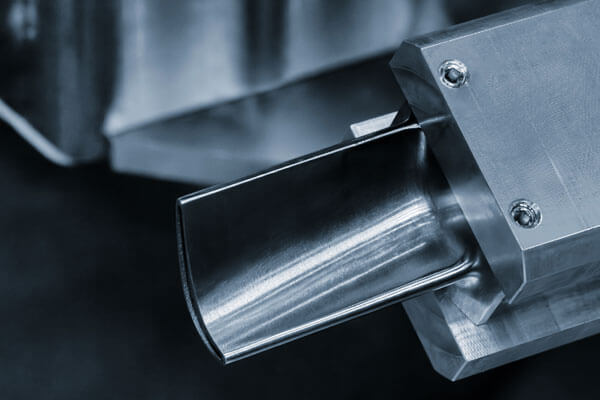
- 合金: 大多数工程钛零件都是合金 (ti-6al-4V, Ti-6Al-2Sn-4Zr-2Mo, ETC。). 这些合金显示 固体→液体 温度区间; 一些合金添加剂会提高或降低液相线并扩大凝固范围.
更宽的冷冻范围增加了对收缩缺陷的敏感性,并使凝固过程中的补缩变得更加困难. 始终使用合金特定的固相线/液相线数据作为过程设定点. - 插页式广告 & 流浪元素: 氧, 氮和氢不是简单的“熔点改变者”,但它们强烈影响机械性能 (氧气和氮气提高强度但脆化).
微量污染物 (铁, al, v, c, ETC。) 影响相形成和熔化行为. 少量的低熔点污染物会造成局部熔化异常. - 压力: 升高压力会稍微提高熔点 (克拉佩龙关系). 钛的工业熔化是在接近大气或真空/惰性气体下进行的;
凝固时施加的压力 (例如。, 在压力铸造中) 不会显着改变基本熔化温度,但会影响缺陷形成.
6. 常见钛合金的熔化范围
下面是干净的, 以工程为中心的表格显示 典型熔化 (固体→液体) 常用钛合金的范围.
值为 近似典型范围 用于工艺规划和合金比较 — 总是验证 带有合金供应商的分析证书或热分析 (DSC / 冷却曲线) 特定批次的精确熔体/加工设定点.
| 合金 (通用名 / 年级) | 融化范围 (°C) | 融化范围 (°f) | 融化范围 (k) | 典型注释 |
| 纯钛 (的) | 1668.0 | 3034.4 | 1941.15 | Elemental reference (single-point melting). |
| ti-6al-4V (年级 5) | 1604 - 1660 | 2919.2 - 3020.0 | 1877.15 - 1933.15 | Most widely used α+β alloy; common solidus→liquidus used for processing. |
| Ti-6al-4v 伊莱 (年级 23) | 1604 - 1660 | 2919.2 - 3020.0 | 1877.15 - 1933.15 | ELI variant with tighter control on interstitials; similar melting range. |
| TI-3AL-2.5V (年级 9) | 1590 - 1640 | 2894.0 - 2984.0 | 1863.15 - 1913.15 | α+β alloy with somewhat lower liquidus than Ti-6Al-4V. |
| Ti-5Al-2.5Sn (年级 6) | 1585 - 1600 | 2885.0 - 2912.0 | 1858.15 - 1873.15 | Near-α alloy; often cited with a narrow melting span. |
Ti-6Al-2Sn-4Zr-2Mo (Of-6-2-4-2 / 钛6242) |
1680 - 1705 | 3056.0 - 3101.0 | 1953.15 - 1978.15 | High-temperature α+β alloy used in aerospace; higher liquidus than Ti-6Al-4V. |
| Ti-6Al-2Sn-4Zr-6Mo (β-stabilized variant) | 1690 - 1720 | 3074.0 - 3128.0 | 1963.15 - 1993.15 | Strong β-stabilized chemistry — expect higher melting window. |
| Ti-15V-3Cr-3Al-3Sn (Ti-15-3) | 1575 - 1640 | 2867.0 - 2984.0 | 1848.15 - 1913.15 | β-titanium family — lower solidus in some compositions; used where high strength is needed. |
| Ti-10V-2Fe-3Al (Ti-10-2-3) | 1530 - 1600 | 2786.0 - 2912.0 | 1803.15 - 1873.15 | β-type alloy with relatively low solidus for certain compositions. |
| Ti-8Al-1Mo-1V (Ti-811) | 1580 - 1645 | 2876.0 - 2993.0 | 1853.15 - 1918.15 | α+β alloy used in structural applications; melting range can vary with chemistry. |
7. 钛的工业熔化和重熔方法
Because titanium is chemically reactive at elevated temperatures, its melting and remelting require special technologies and atmospheres to avoid contamination and embrittlement.
常用工业方法
- 真空弧删除 (我们的): consumable electrode remelting under vacuum; widely used to refine chemistry and remove inclusions in high-quality ingots.
- 电子束 (EB) 融化: performed under high vacuum; offers extremely clean melts and is used for high-purity ingots and additive-manufacturing feedstock production.
- Plasma Arc Melting / Plasma Hearth: vacuum or controlled atmosphere plasma systems are used for alloy production and reclamation.
- Induction skull melting (ISM, skull melting): uses an induced current to melt the metal inside a water-cooled copper coil; 薄薄的固体金属“壳”形成并保护熔体免受坩埚污染——对于包括钛在内的活性金属非常有用.
- 冷炉熔化 / 用于海绵钛和废料的自耗电极 EB 或 VAR: 允许去除高密度夹杂物并控制杂质元素.
- 粉体生产 (气体雾化) 调幅用: 用于粉末冶金和增材制造, 在惰性气氛中进行重熔和气体雾化以生产球形, 低氧粉末.
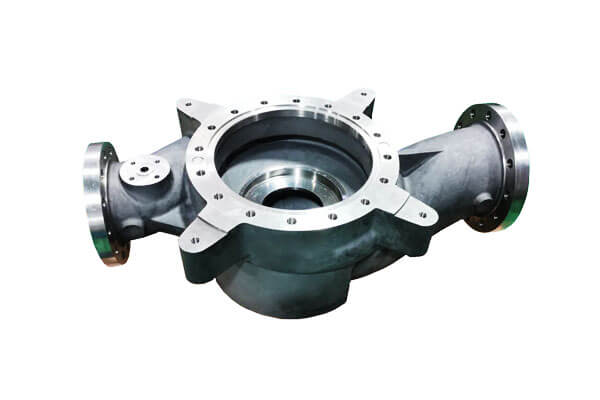
- 投资铸造: 需要陶瓷模具 (耐2000℃+) 和1700-1750℃的熔融钛. 高熔点增加了模具成本和周期时间, 将铸造限制为小, 复杂的组件.
为什么选择真空/惰性气氛?
- 钛与氧反应迅速, 高温下的氮气和氢气; 这些反应产生氧/氮稳定相 (脆), 互惠, 和严重污染.
Melting in vacuum or high-purity argon prevents these reactions and preserves mechanical properties.
8. 处理挑战和缓解措施
反应性和污染
- Oxidation and nitridation: at melting temperatures titanium forms thick, adherent oxides and nitrides; these compounds reduce ductility and increase inclusion count.
减轻: melt under vacuum/inert gas; use skull melting or protective fluxes in specialized processes. - Hydrogen uptake: causes porosity and embrittlement (hydride formation). 减轻: dry charge materials, 真空熔炼, and controlling furnace atmosphere.
- Tramp elements (铁, 铜, al, ETC。): uncontrolled scrap can introduce elements that form brittle intermetallics or change melting range — use strict scrap control and analytical checks (直读光谱仪).
安全问题
- Molten titanium fires: molten titanium reacts violently with oxygen and can burn; water contact can produce explosive steam reactions.
Special training and strict procedures are required for handling, pouring and emergency response. - Dust explosions: titanium powder is pyrophoric; handling metal powders requires explosion-proof equipment, grounding, and specific PPE.
- Fume hazards: high-temperature processing can evolve hazardous fumes (oxide and alloy element vapors); use fume extraction and gas monitoring.
9. 熔化和凝固的测量和质量控制
- Thermal analysis (DSC/DTA): differential scanning calorimetry and thermal arrest analysis measure solidus and liquidus of alloys precisely and support control of melt and casting setpoints.
- Pyrometry & 热电偶: use appropriate sensors; correct for emissivity and surface oxides when using pyrometers. Thermocouples must be protected (refractory sleeves) and calibrated.
- 化学分析: 直读光谱仪 (optical emission spectrometry) and LECO/O/N/H analyzers are essential to track oxygen, nitrogen and hydrogen content and overall chemistry.
- 非破坏性测试: X射线, ultrasonic and metallography to check for inclusions, porosity and segregation.
对于关键部件, microstructure and mechanical testing follow standards (ASTM, AMS, ISO). - 进程日志记录: record furnace vacuum levels, melt temperature profiles, power input and argon purity to maintain traceability and repeatability.
10. 与其他金属和合金的比较分析
The data are representative industrial values suitable for technical comparison and process selection.
| 材料 | Typical Melting Point / 范围 (°C) | 熔点 / 范围 (°f) | 熔点 / 范围 (k) | Key Characteristics and Industrial Implications |
| Pure Titanium (的) | 1668 | 3034 | 1941 | High melting point combined with low density; excellent strength-to-weight ratio; requires vacuum or inert atmosphere due to high reactivity at elevated temperatures. |
| 钛合金 (例如。, ti-6al-4V) | 1600–1660 | 2910–3020 | 1873–1933 | Slightly lower melting range than pure Ti; superior high-temperature strength and corrosion resistance; widely used in aerospace and medical fields. |
| 碳钢 | 1370–1540 | 2500–2800 | 1643–1813 | Lower melting point; good castability and weldability; heavier and less corrosion-resistant than titanium. |
| 不锈钢 (304 / 316) | 1375–1450 | 2507–2642 | 1648–1723 | Moderate melting range; 优异的耐腐蚀性; significantly higher density increases structural weight. |
铝 (纯的) |
660 | 1220 | 933 | Very low melting point; excellent castability and thermal conductivity; unsuitable for high-temperature structural applications. |
| 铝合金 (例如。, ADC12) | 560–610 | 1040–1130 | 833–883 | Narrow melting range ideal for die casting; low energy cost; limited high-temperature strength. |
| 铜 | 1085 | 1985 | 1358 | High melting point among non-ferrous metals; excellent electrical and thermal conductivity; heavy and costly for large structures. |
| 基于镍的超级合金 | 1300–1450 | 2370–2640 | 1573–1723 | Designed for extreme temperatures; superior creep and oxidation resistance; difficult and expensive to process. |
| 镁合金 | 595–650 | 1100–1200 | 868–923 | 极低的密度; 低熔点; flammability risks during melting require strict process control. |
11. 对设计的实际影响, 加工和回收
- 设计: melting point places titanium in high-temperature structural applications, but design must account for costs and joining limitations (welding vs mechanical fastening).
- 加工: 融化, 铸件, welding and additive manufacture all require controlled atmospheres and careful material control.
For cast parts, vacuum investment casting or centrifugal casting in inert atmosphere is used when needed. - 回收: titanium scrap recycling is practical but requires segregation and reprocessing (我们的, EB) to remove tramp elements and control oxygen/nitrogen levels.
12. 结论
The melting point of titanium (1668.0 °C (≈ 1941.15 k, 3034.4 °f) for pure titanium) is a fundamental property rooted in its atomic structure and strong metallic bonding, shaping its role as a high-performance engineering material.
纯度, 合金元素, and pressure modify its melting behavior, enabling the design of titanium alloys tailored to diverse applications—from biocompatible medical implants to high-temperature aerospace components.
While titanium’s high melting point poses processing challenges (requiring specialized melting and welding technologies), it also enables service in environments where lightweight metals (铝, 镁) fail.
Accurate melting point measurement (via DSC, laser flash, or electrical resistance methods) and a clear understanding of influencing factors are critical for optimizing titanium processing, ensuring material integrity, and maximizing performance.
常见问题解答
合金化会显着改变钛的熔点吗?
是的. Titanium alloys show solidus/liquidus ranges rather than a single melting point.
Some alloys melt slightly below or above the element depending on composition. Use alloy-specific data for processing.
钛有磁性吗?
不. Pure titanium and the common titanium alloys are not ferromagnetic; they are weakly paramagnetic (very low positive magnetic susceptibility), so they are only negligibly attracted to a magnetic field.
钛会生锈吗?
No — titanium does not “rust” in the iron-oxide sense. Titanium resists corrosion because it rapidly forms a thin, 依附者, self-healing titanium-oxide (二氧化钛) passive film that protects the metal from further oxidation.
为什么钛必须在真空或惰性气体中熔化?
Because molten titanium reacts vigorously with oxygen, nitrogen and hydrogen. Those reactions form brittle compounds and inclusions that degrade mechanical properties.
航空级钛材首选哪些熔炼方法?
High-purity aerospace titanium is typically produced by 我们的 (vacuum arc remelting) 或者 EB (电子束) 融化 to control chemistry and inclusions.
For additive manufacturing feedstock, EB melting and gas atomization in controlled atmospheres are common.
熔化钛需要多少能量?
A rough theoretical estimate (ideal, no losses) 是 ≈1.15 MJ per kg to heat 1 kg from 25 °C to liquid at 1668 °C (using cp ≈ 520 J·kg⁻¹·K⁻¹ and latent heat ≈ 297 kJ·kg⁻1).
Real energy consumption is higher because of losses and equipment inefficiencies.

