
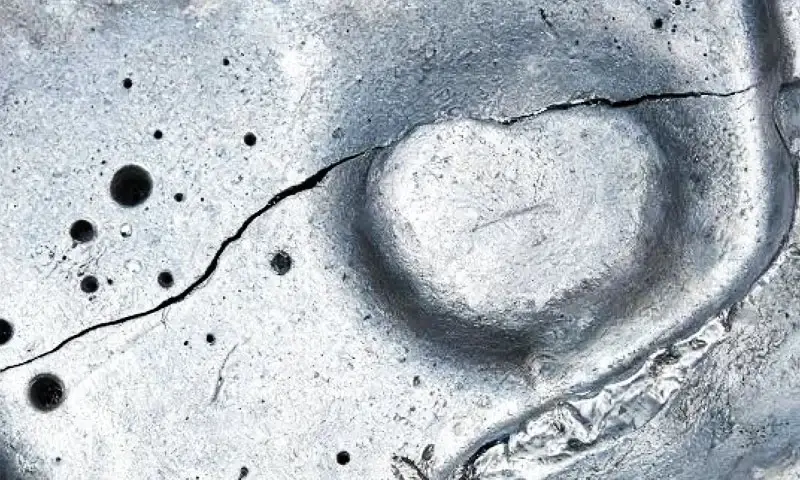
长期被叫去调查铸件裂纹, 我总是做的第一件事就是停止关于“如何修复裂缝”的对话,并将其转向一个更基本的问题: 是哪一种裂纹?
因为热撕裂和冷裂纹不是同一问题的变体. 它们在不同的温度下形成, 通过不同的机制, 在不同的地点, 具有不同的形态, 他们需要不同的——有时是相反的——纠正措施.
将热裂纹视为冷裂纹的车间将不断增加冷铸件并降低浇注温度,并想知道为什么缺陷仍然存在.
将冷裂纹视为热撕裂的车间将不断调整浇口,而从不解决实际打开铸件的残余应力.
本文是对两种缺陷类型的系统处理: 机制, 形态学, 原因, 预防措施, 以及在采取任何纠正措施之前应进行的鉴别诊断.
1. What Are Casting Cracks?
铸件 裂纹是由于拉伸应力超过金属在凝固或随后冷却过程中承受变形的能力而引起的断裂.
两种主要类型之间最重要的区别是 当裂纹形成时.
热撕 发生在凝固快结束时或凝固后不久, 当铸件仍处于高温且强度和延展性非常有限时.
在这个阶段, 形成了坚固的树突骨架, 但液态金属薄膜仍保留在枝晶之间.
如果收缩受到限制并且剩余液体无法充分供给正在形成的分离, 裂纹主要沿晶界萌生和扩展. 这称为晶间裂纹.
冷裂 铸件冷却至弹性状态后发展.
在这个阶段, 金属是完全固态的, 但不均匀的冷却和受限的收缩会产生残余拉应力. 当这些应力超过合金的极限强度时, 铸件断裂.
与热撕不同, 冷裂纹通常通过晶粒而不是沿着晶界传播, 一种称为穿晶裂纹的机制.
了解这种差异对于准确识别缺陷和纠正流程至关重要.
虽然这两种缺陷都涉及拉应力, 热撕裂主要与脆弱的半固态阶段有关, 而冷裂则与凝固铸件的残余应力有关.
| 特征 | 热撕裂 | 冷裂 |
| 形成阶段 | 凝固结束或凝固后不久 | 冷却后进入弹性状态 |
| 传播路径 | 沿着晶界 (粒间) | 透粒 (穿粒的) |
| 断裂面 | 氧化, 一般无金属光泽 | 比较干净, 有金属光泽或轻微氧化 |
| 裂纹形状 | 不规律的, 通常表面宽而内部窄 | 宽度比较均匀, 直线或锯齿形 |
| 典型位置 | 热点, 角落, 和突然的断面变化 | 承受高拉应力的区域 |
| 可检测性 | 可能在外部可见或保持在内部 | 通常肉眼可见 |
区分这些缺陷的关键是结合裂纹形貌, 断裂面特征, 和金相证据,而不是仅仅依赖外观.
这种区别还决定了纠正措施是否应侧重于凝固和补缩,还是侧重于冷却条件和残余应力控制.
2. 热撕裂: 原因, 特征, and Formation Mechanism
热撕裂是在凝固的最后阶段或凝固后不久出现的高温裂纹缺陷, 当铸件的强度和延展性非常有限时.
在铸钢中尤为常见, 可延展的铸铁, 以及某些铝合金铸件.
根本原因是 半固态铸件的约束收缩. 当金属凝固时, 连接的树突骨架开始形成,而液态金属保留在树突臂之间.
如果该骨架不能自由收缩并且剩余液体不能充分供给显影分离, 晶界可能会打开并形成热撕裂.
了解树突结构之间的关系, 液体喂养, 热应力, 模具限制对于防止这种缺陷至关重要.
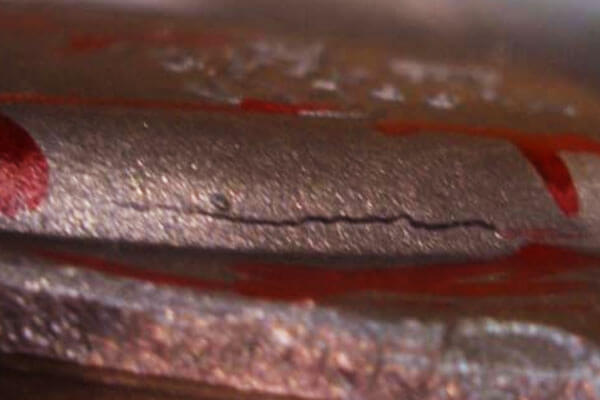
Formation Mechanism: The Solidification Skeleton and Liquid Film
当熔融金属进入模具时, 它主要通过模具壁传递热量. 因此,凝固通常从铸件表面开始并向内进行.
在凝固的后期阶段, 树突生长并逐渐连接形成连续的坚固骨架. 在此刻, 铸件开始进行固态收缩.
然而, 结构尚未完全坚固: 残留液态金属薄膜保留在互连的枝晶之间.
这些液膜很重要,因为它们为液态金属提供了补偿局部分离和收缩的最后机会.
如果树突骨架可以自由收缩, 它可以承受由此产生的应变而不会破裂.
然而, 沙模, 内核, 相邻的铸造部分, 和其他刚性结构可以限制这种运动. 由此产生的拉应力作用在弱半固体网络上.
当拉应力或外加应变超过材料在该温度下的极限强度和变形能力时, 树突沿着其边界分离并形成热撕裂.
在凝固几乎完全但剩余液膜已变薄且连接不良的区域,风险特别高.
Why Some Hot Tears Heal and Others Remain
热撕裂的一个重要因素是液态金属能否供给发展中的分离.
枝晶之间的小开口不会自动成为永久性铸造缺陷.
如果树枝状网络逐渐分离并且附近残留有足够的液态金属, 液体可以流入开口并补偿分离. 因此,缺陷可能会在最终凝固之前愈合.
然而, 如果开口发展得太快, 剩余液体无法到达受影响区域, 或者喂食通道已经断开, 分离无法修复.
凝固后裂纹仍然存在,成为永久性热撕裂缺陷.
这解释了为什么 补缩不仅是控制收缩的问题,也是防止热撕裂的重要组成部分.
适当的立管设计, 液体供给路径, 和凝固控制都会影响在金属完全凝固之前是否可以补偿开口.
Which Alloys Are Most Susceptible to Hot Tearing?
合金的凝固范围和凝固方式对热裂敏感性有显着影响.
| 合金凝固行为 | 热撕裂倾向 | 冶金解释 |
| 冷冻范围广 | 高的 | 该合金在相对较宽的温度范围内保持脆弱的半固态 |
| 糊状或海绵状凝固 | 高的 | 形成弱的树枝状网络,同时固体颗粒之间保留液膜 |
| 冷冻范围窄 | 相对较低 | 易损半固体区间较短 |
| 近恒温凝固的共晶成分 | 一般较低 | 凝固发生在很窄的温度区间内, 减少脆弱状态的持续时间 |
具有宽凝固范围的合金, 树突骨架可能在相对较长的时间内保持脆弱. 在此期间, 即使适度的收缩应变也会导致晶界分离.
相比之下, 凝固范围窄的合金通常能更快地通过脆弱的半固态阶段.
在近似恒定温度下凝固的共晶组合物通常在这些凝固行为中具有最低的热撕裂倾向.
这种冶金差异对铸造工艺设计有直接影响.
具有不同凝固范围的合金可能需要不同的加料安排, 门控配置, 和霉菌抑制控制, 即使是在同一家铸造厂生产的.
Thermal Stress and Contraction Stress: The Two Main Driving Forces
热撕裂与两种相互作用的压力源有关: 凝固结构内的热应力和外部约束引起的收缩应力.
热应力 由于铸件的不同区域以不同的速率冷却和凝固而发展.
较热区域中的固体颗粒骨架可能会受到周围已经变得坚硬的部分的限制. 这会产生局部拉伸应力并导致外部或表面下热撕裂.
收缩应力 当铸件在凝固和冷却过程中不能自由收缩时的结果.
凝固铸件的外壳经历线性收缩, 但其运动可能会受到限制:
- 砂芯和砂芯支撑.
- 型壁和型砂的机械强度.
- 铸件表面与模具之间的摩擦力.
- 不同铸件部分之间的刚性连接.
- 干扰正常收缩的浇口和立管系统.
这些约束在铸壳内产生拉应力. 热点特别容易受到影响,因为它们仍然很热且很弱,而周围部分已经凝固.
尖角和突变的截面过渡进一步集中应力, 使它们成为热撕裂引发的常见位置.
实践, 热撕裂通常是由热梯度的综合影响造成的, 收缩应变, 液体喂养不足, 以及模具的溃散性不足.
Hot Tearing Morphology and Characteristics
热裂纹具有独特的宏观和微观特征,有助于将其与冷裂纹区分开来.
他们的典型特征包括:
- 不规则形状: 裂纹遵循曲线, 绕组, 和不平坦的道路, 通常具有可变宽度.
- 撕裂的外观: 骨折可能看起来部分连接, 表面不规则而不是干净的分离.
- 开口不均匀: 外部热撕裂通常在铸件表面相对较宽,而向内部较窄.
- 断裂面氧化: 断口一般缺乏金属光泽,因为裂纹是在高温下形成的,并且其暴露的表面发生氧化.
- 晶间传播: 裂纹主要沿着晶界.
- 树突特征: 内部热撕裂可能会在断裂表面显示树枝状结构.
在铸钢件中, 断口表面常呈深色或近乎黑色. 在铝合金铸件中, 它通常呈深灰色.
External hot tears
铸件表面可见外部热撕裂. 它们通常发生在:
- 尖角和内角.
- 壁厚突然变化.
- 局部慢凝固区域.
- 具有高机械约束或应力集中的区域.
它们的特征外观是相对较宽的表面开口,向内部变窄. 在严重的情况下, 裂纹可能延伸穿过整个铸件横截面.
Internal hot tears
内部热撕裂通常发生在最后凝固的区域, 例如孤立的热点和重型区域.
它们的形状非常不规则, 并且它们的断裂表面可能包含树枝状特征.
这些缺陷不一定延伸到铸件表面, 使得它们难以通过目视检查来识别.
对于关键铸件, 影像学测试 (RT), 超声测试 (UT), 或可能需要破坏性切片和金相检查, 取决于缺陷的大小, 方向, 和位置.
| 类型 | 典型位置 | 能见度 | 合适的检查 |
| 外热撕裂 | 表面, 角落, 和部分过渡 | 通常可见 | 目视检查和表面无损检测 |
| 内部热撕裂 | 最后巩固内部区域 | 一般不可见 | RT, UT, 或切片和金相 |
Main Causes of Hot Tearing in Foundry Production
虽然其根本机制是在低强度凝固区间抑制收缩, 多种生产因素会增加风险.
Casting Structure and Geometry
- 不均匀的壁厚会造成冷却速率和收缩的差异.
- 尖锐的内角集中拉应力.
- 过多的分支和复杂的连接会产生多个受限的收缩路径.
- 外框架和肋可能会阻止铸件自由收缩.
- 在轮式铸件中, 可以考虑弯曲辐条以提高收缩灵活性.
设计目标是避免截面厚度突变和结构刚度过大.
Gating and Riser System
浇注系统和冒口系统应提供有效的填充和补缩,而不会不必要地限制铸件收缩.
立管距离砂箱杆太近,或布置得使它们之间的沙子变得高度压实且机械强度高,可能会限制局部收缩.
浇口位置不当也会在需要独立收缩的部分之间形成刚性连接.
冒口尺寸需要仔细优化. 立管尺寸过小可能会导致进料能力不足, 而过大或位置不当的立管可能会产生额外的热点和机械约束.
Alloy Composition and Melt Quality
某些合金元素和杂质可以通过影响凝固范围来增加热撕裂敏感性, 晶界特性, 和高温延展性.
在铸钢和铸铁中, 过量的硫和磷尤其不可取.
这些元素可能会在凝固过程中促进低熔点成分或削弱晶界.
熔体清洁度差也会加剧裂纹. 氧化物夹杂物和其他非金属污染物可能会干扰冶金完整性并降低凝固结构的可靠性.
因此,应根据合金和生产要求采用适当的精炼和熔化处理方法.
Premature Shakeout
过早从模具中取出铸件可能会导致铸件快速且不均匀的冷却.
这会增加热梯度并可能加剧裂纹, 特别是在截面厚度差异显着的大型铸件或部件中.
模具应提供足够的热保护,直到铸件具有足够的强度以进行安全落砂和搬运.
How to Prevent Hot Tearing
有效预防需要铸件设计协调控制, 合金质量, 饲养条件, 和模具行为.
Improve Casting Geometry
保持合理均匀的壁厚,并在拐角和截面过渡处使用大圆角.
避免过多的肋骨交叉和限制收缩的刚性结构连接. 适用于轮式铸件, 弯曲的辐条可能有助于在设计允许的情况下适应收缩.
Improve Melt Quality
使用合适的精炼和熔融处理程序来控制氧化物夹杂物和溶解气体.
保留硫磺, 磷, 以及规定成分限度内的其他有害杂质.
适当的化学控制有助于保持可靠凝固所需的高温延展性和冶金一致性.
Optimize Gating, 喂养, 和固化
确定浇口和冒口的位置和尺寸,以确保最后凝固区域的充足进料,同时避免不必要的机械约束.
促进合适的凝固顺序并减少铸造部分之间的过大温差.
同时凝固对于某些几何形状可能是有益的,因为它有助于减少冷却和收缩的差异. 然而, 不应该乱用.
需要定向凝固和有效冒口补缩的铸件需要支持其特定凝固要求的工艺设计.
Control Mold Residence Time and Improve Collapsibility
砂型具有隔热作用, 使厚切片和薄切片在冷却过程中达到更均匀的温度.
适当的模具停留时间有助于减少温差和相关的热应力.
模具和型芯的溃散性同样重要. 当铸件具有足够的强度后, 去除烧瓶重量, 松开夹紧装置, 或释放选定的模具限制可以减少收缩阻力.
适用于大型铸件, 浇注后部分去除型砂或芯砂也可能有助于减少收缩阻力并促进更均匀的冷却, 只要铸件具有足够的结构稳定性.
Control Shakeout and Handling
避免过早落砂和突然冷却. 洗牌期间, 打扫, 和运输, 防止影响, 挤压, 和过度的机械负载.
这些预防措施对于大型企业尤其重要, 复杂的, 或相对脆的铸件.
Apply Stress-Relief Heat Treatment When Required
具有高残余应力的铸件可能需要进行去应力热处理,以降低随后出现冷裂的风险.
浇口和冒口拆除或焊接修复后可能需要进行额外处理, 取决于材料规格和组件要求.
区分这种治疗的目的很重要: 应力消除主要解决凝固铸件中的残余应力.
它无法修复现有的热撕裂或取代纠正原始凝固和进料问题的需要.
3. 冷裂: 原因, 特征, and Formation Mechanism
冷裂是金属完全凝固并冷却至弹性状态后产生的铸造缺陷. 冷却时, 铸造合同的不同部分有不同的费率.
如果这种收缩受到铸造结构的限制, 砂型, 内核, 或门控系统, 残余拉应力产生.
当局部应力超过合金的极限强度时, 铸件断裂.
与热撕不同, 它沿着半固态结构中的晶界发展, 冷裂纹通常会扩展 透过谷物 (穿晶裂纹).
因此,它与残余应力密切相关。, 冷却不均匀, 结构约束, 以及材料韧性不足.
冷裂纹特别容易发生在受到拉应力的区域, 尤其是在尖角处, 部分过渡, 刚性结构连接, 以及收缩受到机械限制的区域.
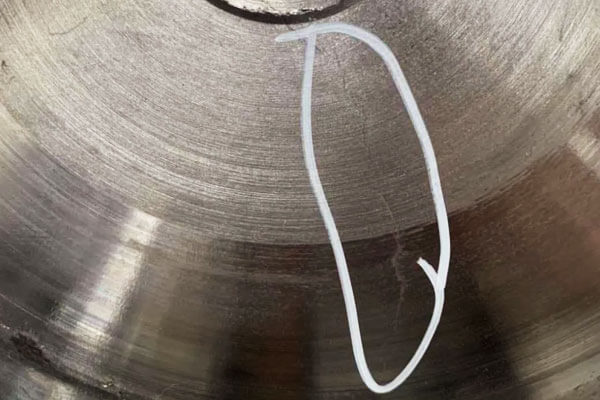
Formation Mechanism and Typical Characteristics
固化后, 铸件继续失去热量并发生热收缩. 然而, 不同部分很少以完全相同的速度冷却.
薄截面通常比厚截面冷却得更快, 而核心, 模具壁, 刚性连接可能会阻止某些区域自由收缩.
这些差异产生内部拉应力. 如果铸件具有足够的延展性和韧性, 它可以容纳一些由此产生的应变.
然而, 当累积应力超过材料强度时, 裂纹在固体金属中产生并扩展.
冷裂纹的典型特征包括:
- 裂纹形状: 比较窄, 宽度相当均匀. 裂纹路径通常是直的或锯齿形的,而不是高度弯曲和不规则的.
- 传播方向: 一般为穿粒状, 延伸穿过单个晶粒而不是沿着晶界.
- 断裂面: 比较干净, 常呈现金属光泽或轻微氧化.
- 裂纹深度: 可能延伸穿过铸件的大部分,甚至穿过整个横截面.
- 典型位置: 高拉应力区域, 特别是在尖角周围, 断面突变, 刚性连接, 和核心限制区.
冷裂纹的断裂面通常比热裂纹的断裂面更光滑、更干净.
然而, 其外观会随合金成分的不同而变化, 冷却条件, 以及检查前经过的时间.
关键的冶金区别是裂纹扩展路径. 热泪沿着晶界流动,因为半固体结构沿这些边界含有残留的液膜.
完全凝固后出现冷裂纹, 当金属变成连续的固体结构并在过度的拉伸应力下通过晶粒断裂时.
Main Causes of Cold Cracking
当铸造应力超过凝固合金的强度时就会出现冷裂纹. 所以, 任何增加残余应力或降低材料强度和韧性的因素都会增加风险.
Casting Structure and Geometric Restraint
壁厚不均匀是铸造应力的常见来源. 薄的部分比厚的部分冷却和收缩得更快, 产生温差和不均匀收缩.
当铸造结构阻止这些部分独立收缩时, 内部拉应力增加.
刚性铸造结构特别容易受到损坏,因为它们的几何形状限制了正常收缩.
一个典型的例子是 均匀壁, 具有大内部砂芯的薄壁箱型铸件.
虽然壁厚可能比较一致, 大型芯可机械抑制铸件壁向内收缩.
这会产生暂时的收缩应力. 如果产生的拉应力超过合金的强度, 可能会出现冷裂纹.
尖角, 突然的部分过渡, 刚性连接通过将应力集中在局部区域而进一步增加风险.
Improper Gating and Riser Design
浇口和冒口布置会影响冷却均匀性和铸件收缩的自由度.
适用于壁厚不均匀的铸件, 将内浇口放置在较重的部分可能会进一步延迟该区域的冷却.
这增加了厚截面和薄截面之间的温差, 在随后的冷却过程中可能会加剧热应力.
浇口布置还可以产生直接的机械约束. 因为内浇口通常比它所连接的铸造部分薄, 它可能会先凝固.
随着主铸件持续收缩, 凝固的浇口可以限制其运动.
拉应力可能会集中在铸件壁上, 特别是在两个内浇口之间的区域, 增加冷裂的可能性.
因此,冒口和其他连接件的位置应能够提供有效的补缩,而不会不必要地限制铸件的收缩.
Excessive Mold and Core Strength
型砂和芯砂必须提供足够的强度,以在浇注和凝固过程中保持型腔几何形状.
然而, 过高的热强度或干强度会阻止铸件收缩时模具和型芯的屈服.
如果砂系热溃性差, 铸件在冷却过程中保持机械约束. 由此产生的拉伸应力可能会变得足够高以引发冷裂纹.
这对于大型铸件尤其重要, 复杂的核心组件, 和具有广泛内表面的组件.
铸造厂必须平衡模具稳定性和足够的塌陷性,而不是在不考虑收缩行为的情况下最大化砂子强度.
Unfavorable Chemical Composition and Material Brittleness
合金成分直接影响强度, 延性, 和铸件的韧性.
在铸钢件中, 过量的碳和合金元素含量会增加淬透性并在某些冷却条件下促进脆性组织.
这可能会降低铸件适应收缩应变的能力.
磷是另一种重要的有害元素. 当钢中磷的质量分数超过 0.05% (哦(p) > 0.05%), 冷脆性增加, 使材料更容易发生脆性断裂和冷裂纹.
灰口铸铁, 过量的石墨化抑制元素会促进碳化物形成并增加与收缩相关的应力. 由此导致的韧性降低会进一步增加开裂敏感性.
因此,化学成分应保持在指定的材料等级范围内, 特别注意影响脆性和低温机械性能的元素.
Premature Shakeout and Improper Cleaning
Shakeout timing has a direct influence on cooling stress and casting integrity.
If a casting is removed from the mold too early, it may experience rapid and uneven cooling.
The temperature difference between thick and thin sections can increase, producing additional thermal stress before the casting has developed sufficient resistance to cracking.
Cleaning operations can introduce further mechanical loads. Removing sand at excessively high temperatures, striking the casting during shakeout, or applying impact and squeezing forces during cleaning and transportation may initiate cracks or extend existing ones.
For large or structurally complex castings, shakeout temperature and handling procedures should be controlled according to the alloy, casting mass, 和截面厚度.
How to Prevent Cold Cracking
Effective cold-cracking prevention focuses on reducing residual tensile stress, improving material toughness, and allowing the casting to contract freely during cooling.
Design for Uniform Cooling and Lower Stress Concentration
Maintain reasonably uniform wall thickness and use generous fillets at internal corners and section transitions.
Avoid excessively rigid structures and complicated junctions that restrict normal contraction.
可能, adjust the geometry to reduce local stress concentration and allow different sections to contract more freely.
Optimize Gating and Riser Placement
Avoid placing ingates in heavy sections when this arrangement unnecessarily delays local cooling.
Arrange gates and risers to support filling and feeding without creating rigid connections that restrain contraction.
Particular attention should be paid to thin gates that may solidify early and restrict the subsequent shrinkage of the main casting.
Improve Mold and Core Collapsibility
Control the hot strength and dry strength of molding and core sands. The mold system must maintain dimensional stability during pouring while providing sufficient collapsibility during cooling.
适用于大型铸件, selected molding sand or core sand may be removed after pouring when the casting has adequate strength. This can reduce mechanical restraint and help the casting contract more uniformly.
Control Alloy Chemical Composition
Keep carbon and alloying elements within the specified composition range. 在铸钢件中, pay particular attention to phosphorus control.
A phosphorus mass fraction exceeding 0.05% should be avoided where the applicable material specification requires lower limits.
For gray cast iron, control graphitization-inhibiting elements to avoid excessive carbide formation and deterioration of toughness.
Control Shakeout and Cleaning Conditions
Do not remove castings from the mold prematurely. Allow sufficient cooling time to reduce temperature differences and residual stress before shakeout.
避免在过高温度下清洗铸件并防止冲击, 挤压, 或除砂过程中的粗暴操作, 切割, 和运输.
Apply Stress-Relief Heat Treatment When Necessary
残余应力较高的铸件应根据其材质牌号和技术要求进行适当的去应力热处理.
这对于大型, 死板的, 和尺寸敏感元件.
闸门和冒口切割或焊接修复后可能还需要额外的应力消除, 取决于铸造规格和修复程序.
应力消除有助于减少残余拉应力, 但它应该补充而不是取代铸造几何形状的改进, 模具溃散性, 合金成分, 和冷却控制.
4. Differential Diagnosis: The Checklist I Use
选择纠正措施之前, 铸造缺陷调查的首要任务是确定裂纹是热裂纹还是冷裂纹.
Although both defects may appear as fractures on the casting surface, their formation mechanisms are fundamentally different.
Treating them as the same defect can lead to ineffective adjustments—for example, changing the pouring temperature when the actual problem is excessive residual stress, or modifying the mold when the root cause is inadequate feeding during final solidification.
In a defect review meeting, I use the following five-step checklist. No single feature should be treated as conclusive.
The diagnosis should combine crack morphology, fracture-surface condition, propagation path, 地点, and the production timeline.
步 1: Examine the Crack Shape
Start with the external morphology, including the crack’s direction, 宽度, and overall profile.
- 热撕: Usually irregular, tortuous, and uneven in width. The opening may be relatively wide at the casting surface and narrow toward the interior. Branching or discontinuous features may also appear.
- 冷裂: Generally has a more uniform width and follows a relatively straight or zigzag path. It may extend across a substantial portion of the casting section.
Crack shape provides a useful initial indication, but it is not sufficient for final identification.
Casting geometry, 合金成分, and the direction of crack propagation can all influence the visible appearance.
步 2: Examine the Fracture Surface
The fracture surface often provides stronger evidence than the external crack shape. Carefully inspect its color, oxidation condition, 和金属光泽.
- 热撕: Typically produces a dark, oxidized fracture surface with little or no metallic luster.
This appearance is associated with crack formation at high temperatures, 当暴露的金属与周围的大气发生反应时. - 冷裂: 通常呈现较干净的断口,具有金属光泽, 特别是当铸件冷却后形成裂纹时.
如果裂纹长时间暴露,仍可能发生一些氧化.
必须根据铸件的处理和储存历史来解释断裂表面.
长时间暴露的冷裂纹可能会被氧化, 而根据合金和气氛的不同,热撕裂可能会表现出不同的表面特征.
步 3: Determine the Crack Propagation Path
当外部证据不确定时, 金相检查有助于区分两种机制.
- 热撕: 通常在凝固的最后阶段沿着晶界传播.
内部断裂表面可能保留树枝状特征, indicating separation within the semi-solid structure. - 冷裂: Generally propagates through the grains rather than along grain boundaries.
Metallographic examination may reveal a transgranular fracture path associated with tensile stress after solidification.
For internal cracks, dendritic features on the fracture surface are particularly useful evidence of hot tearing.
然而, sample preparation and fracture-surface contamination can affect interpretation, so metallographic findings should be considered alongside other inspection results.
步 4: Check the Crack Location
The crack location helps identify the conditions that may have generated the stress, but it does not independently confirm the defect type.
Locations commonly associated with hot tearing include:
- Hot spots and last-to-solidify regions.
- Sharp corners and abrupt changes in wall thickness.
- Rigid structural connections that restrict solidification shrinkage.
- Areas with inadequate feeding or poor liquid-metal supply during final solidification.
Locations commonly associated with cold cracking include:
- Regions exposed to high residual tensile stress.
- Areas between two ingates or near rigid gating connections.
- Thin-wall castings with large cores that restrict contraction.
- Heavy-to-thin section transitions where cooling rates differ significantly.
An important distinction is that corners, 部分过渡, and rigid connections can be susceptible to both defects.
The decisive question is whether the fracture developed while the metal was still semi-solid or after it had fully solidified.
步 5: Establish When the Crack Formed
The time when a crack is discovered is not necessarily the time when it formed. Review the entire production history, from solidification and shakeout to cleaning, 贮存, 和加工.
- 热撕: Often becomes visible during shakeout or initial inspection because the fracture formed during the final stages of solidification. Its oxidized surface provides additional evidence of high-temperature formation.
- 冷裂: May develop during cooling after solidification and become visible during shakeout, 打扫, 贮存, 或加工. A relatively clean fracture surface can support this diagnosis.
Do not automatically classify a crack discovered after machining as a cold crack. Machining may simply expose a pre-existing internal hot tear.
必要时, compare the defect location with machining records and use radiographic testing, 超声测试, or sectioning to determine whether the crack existed before machining.
5. 结论
Casting cracks are primarily related to tensile stress, but their formation mechanisms depend on the solidification and cooling stages.
Hot tearing develops when a semi-solid dendritic structure cannot withstand contraction strain and the remaining liquid cannot adequately feed the developing separation.
Cold cracking occurs after solidification when residual tensile stress exceeds the strength of the solidified metal.
For foundries, effective prevention starts with correct defect identification. Hot-tearing control should focus on solidification behavior, 饲养条件, 合金成分, 铸造几何形状, and mold collapsibility.
Cold-cracking prevention requires particular attention to cooling uniformity, 结构约束, shakeout timing, material toughness, and stress-relief treatment.
在 这项技术, casting quality control involves evaluating material composition, 部件几何形状, mold and core design, 凝固行为, and post-casting processes as an integrated system.
By identifying the actual cracking mechanism and correcting its underlying process causes, manufacturers can reduce scrap rates, improve casting reliability, and deliver components that meet demanding dimensional and mechanical requirements.
常见问题解答
What is the difference between a hot tear and a cold crack in castings?
Hot tears form at the end of solidification, propagate along grain boundaries, and have an oxidized, irregular fracture surface.
Cold cracks form after the casting cools to the elastic state, propagate through the grains, and have a clean, uniform-width fracture with metallic luster.
哪些合金最容易发生热撕裂?
Alloys with a wide freezing range and mushy or spongy solidification are most prone.
Narrow freezing range alloys are less prone, and eutectic composition alloys that solidify at a constant temperature are the least prone.
模具和型芯设计如何减少裂纹?
Improving mold and core collapsibility (yielding) reduces the restraint on contraction.
Removing flask weights early, loosening clamps, and digging out sand after pouring for large castings all reduce contraction stress.
热泪可以自愈吗?
是的, 在某些情况下. If the dendrite skeleton is pulled apart slowly and enough liquid metal flows into the opening to feed it, the tear heals. If the opening cannot be fed, the tear remains as a defect.

