1. Вступ
Often referred to as the “mother of all machine tools,” the lathe has been a cornerstone of manufacturing for centuries.
Its ability to shape materials with precision has revolutionized industries ranging from automotive to aerospace.
This blog will delve into the fundamentals of lathes, exploring their types, операції, and diverse applications in modern manufacturing.
2. Що таке токарний верстат?
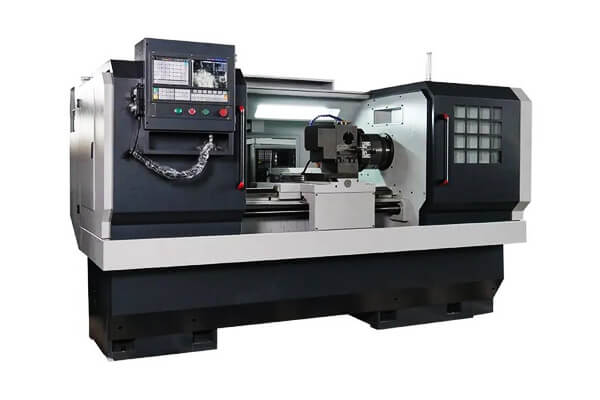
A lathe is a versatile machine tool used to shape various materials, включаючи метали, пластмаса, і деревина, by rotating the workpiece against cutting tools.
It is known as the “mother of all machine tools” due to its fundamental role in machining and its ability to perform multiple operations with precision.
Basic Functionality
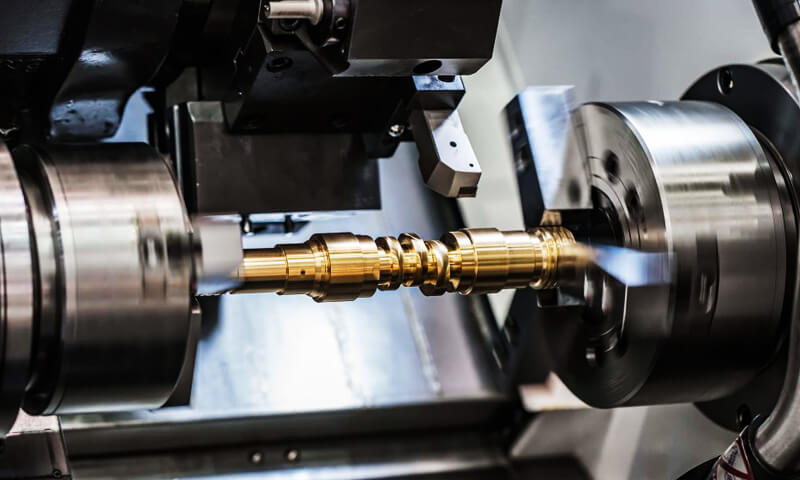
The primary function of a lathe is to rotate a workpiece along its axis while stationary or moving tools cut, пісок, дриль, or deform the material to achieve the desired shape.
The rotational movement ensures symmetry and accuracy in cylindrical and conical parts.
Key Features of a Lathe
- Rotational Precision: Allows for the creation of uniform shapes, such as cylinders, cones, і нитки.
- Адаптивність: Capable of handling tasks ranging from simple cuts to intricate designs.
- Tool Compatibility: Works with a wide array of cutting, свердління, and shaping tools for various applications.
Historical Perspective
The lathe’s origins date back to ancient Egypt, where simple woodturning lathes were powered manually.
Over centuries, lathes evolved with advancements in power sources, точність, і автоматизації.
Сьогодні, ЧПУ (Комп'ютерний числовий контроль) lathes represent the cutting edge, offering unparalleled accuracy and efficiency.
3. How Does a Lathe Work?
A lathe operates on the principle of rotating a workpiece around a central axis while applying cutting tools to shape the material.
The process is based on precise control over the movement and interaction between the rotating workpiece and stationary cutting tools.
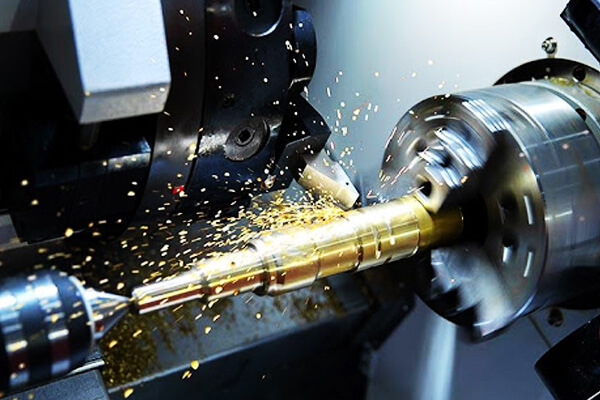
Here’s an in-depth look at how a lathe functions:
Basic Operation
- Workpiece Setup:
-
- The material to be machined, known as the workpiece, is securely clamped into a device called a chuck or held between centers (points) on the headstock and tailstock.
This ensures that the workpiece remains stable during rotation.
- The material to be machined, known as the workpiece, is securely clamped into a device called a chuck or held between centers (points) on the headstock and tailstock.
- Rotation:
-
- The headstock houses the main spindle, which rotates the workpiece. Power is supplied by an electric motor connected to the spindle via gears or belts.
The speed of rotation can be adjusted depending on the type of operation and material being worked on.
- The headstock houses the main spindle, which rotates the workpiece. Power is supplied by an electric motor connected to the spindle via gears or belts.
- Tool Engagement:
-
- Cutting tools are mounted on the carriage, which moves along the bed of the lathe. The toolpost holds the cutting tool in position relative to the workpiece.
У міру обертання заготовки, the cutting tool is brought into contact with it to remove material.
- Cutting tools are mounted on the carriage, which moves along the bed of the lathe. The toolpost holds the cutting tool in position relative to the workpiece.
- Видалення матеріалу:
-
- The cutting action occurs as the tool scrapes off layers of material from the surface of the rotating workpiece.
The depth and angle of the cut are controlled by the operator or automated system, allowing for precise shaping according to design specifications.
- The cutting action occurs as the tool scrapes off layers of material from the surface of the rotating workpiece.
- Movement Control:
-
- The carriage and cross-slide enable the cutting tool to move parallel (longitudinally) and perpendicular (crosswise) to the axis of rotation.
These movements allow for various operations like turning, облицювання, різьблення, свердління, і накатка.
- The carriage and cross-slide enable the cutting tool to move parallel (longitudinally) and perpendicular (crosswise) to the axis of rotation.
- Застосування охолоджуючої рідини:
-
- Під час механічної обробки, coolant or lubricant may be applied to reduce heat and friction, продовжити термін служби інструменту, and improve the finish quality of the machined surface.
Advanced Features in CNC Lathes
In Computer Numerical Control (ЧПУ) вершники, the entire process is automated using pre-programmed software instructions. Key features include:
- Automated Tool Changers: Allow for quick changes between different cutting tools without stopping the machine.
- Multi-axis Machining: Enables simultaneous movement along multiple axes for complex geometries.
- Живий інструмент: Incorporates powered spindles within the turret, allowing for milling and drilling operations alongside traditional turning.
- Precision and Repeatability: CNC systems ensure high accuracy and consistency across identical parts, зменшення людських помилок і підвищення продуктивності.
4. Types of Lathes
Lathes are available in various designs, each tailored to meet specific machining needs.
The choice of a lathe depends on the precision, обсяг, and complexity of the parts being produced.
Below is a detailed look at the main types of lathes and their unique characteristics:
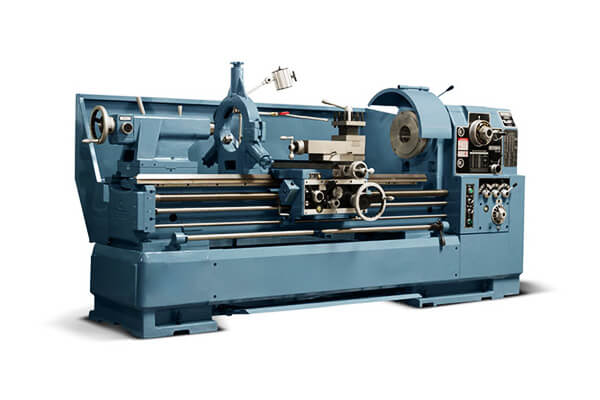
Engine Lathe
- Особливості: Engine lathes are among the most versatile and widely used types of lathes.
They are equipped with manual controls that allow operators to adjust speed, годувати, and depth of cut for a wide range of machining tasks. - Заявки: Commonly used for turning, облицювання, різьблення, and drilling operations, making it a go-to machine in repair shops, educational institutions, and small-scale production units.
- Можливості: Engine lathes can handle various materials, включаючи метали, пластмаса, і композити. They are suitable for machining both simple and moderately complex parts.
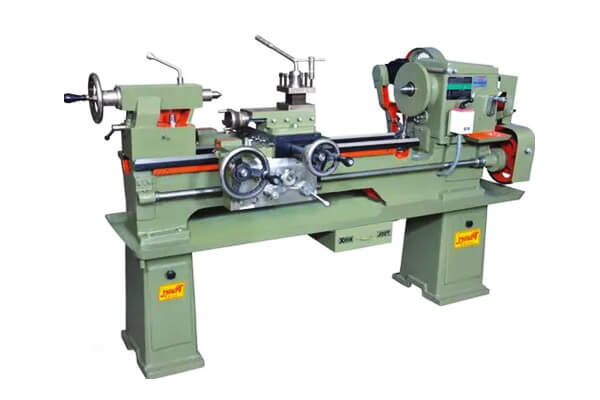
Turret Lathe
- Особливості: Turret lathes are equipped with a multi-tool turret head that allows for quick tool changes without the need to stop the machine.
This feature increases efficiency, especially in multi-step machining processes. - Заявки: Ideal for repetitive manufacturing tasks, particularly in medium to high-volume production environments.
- Переваги: By minimizing downtime between operations, turret lathes significantly boost productivity.
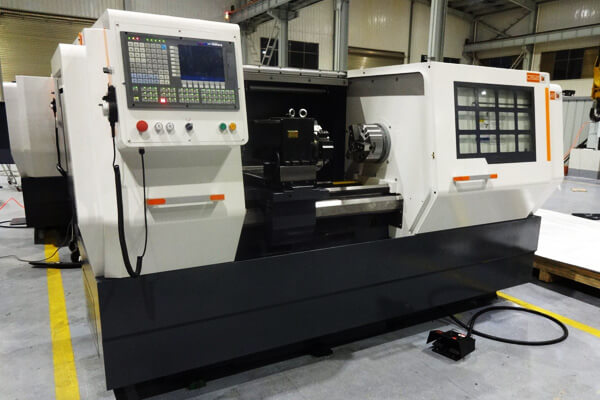
CNC Lathe (Комп'ютерний числовий контроль)
- Особливості: CNC lathes represent the pinnacle of automation and precision in machining.
They operate using computer-aided design (Кот) і автоматизоване виробництво (Кулачок) programs to execute intricate machining operations with minimal human intervention. - Заявки: Широко використовується в таких галузях, як авіакосмічна промисловість, медичний, and automotive for producing high-precision components with complex geometries.
- Переваги: CNC lathes deliver exceptional repeatability, точність, і ефективність, making them suitable for mass production and prototyping.
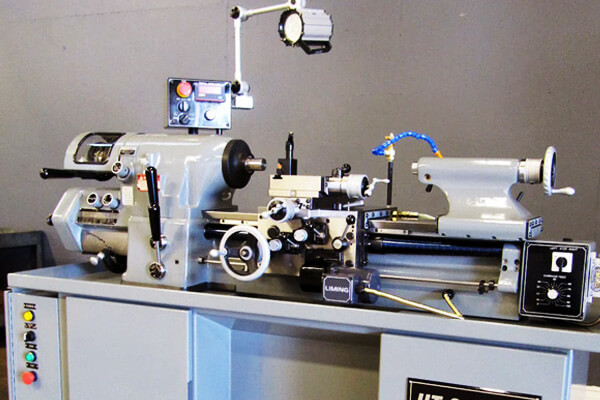
Toolroom Lathe
- Особливості: Toolroom lathes are designed for precision and control, offering higher accuracy than standard lathes.
They are typically used for producing small quantities of parts or for toolmaking. - Заявки: Common in workshops where prototype development or repair work is performed. These lathes excel in crafting intricate components that require tight tolerances.
- Переваги: Their fine control and adaptability make them invaluable for low-volume, Завдання з високою точністю.
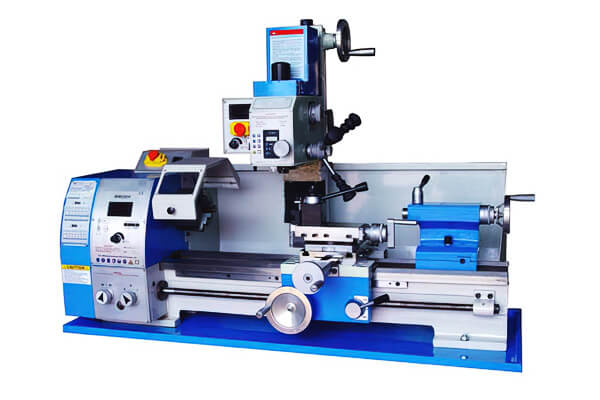
Special-Purpose Lathes
Special-purpose lathes are designed for niche applications, ensuring optimal performance for specific tasks. Some notable types include:
- Woodworking Lathes: Used to shape wood for applications like furniture making, скульптура, та декоративні роботи.
- Вертикальні токарні верстати: Built for machining large and heavy parts, such as industrial gears or engine housings, with a vertical workpiece orientation.
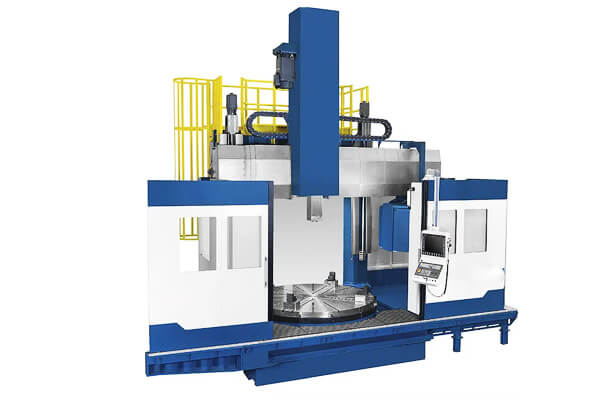
- Automatic Lathes: Fully automated and capable of high-speed, repetitive operations, often used in industries requiring mass production of small parts.
- Переваги: Each type is optimized for its intended use, offering efficiency and precision in specialized applications.
Comparison of Lathe Types
| Lathe Type | Ключова функція | Найкраще | Приклади |
|---|---|---|---|
| Engine Lathe | Manual versatility | General machining tasks | Replacement parts, small repairs |
| Turret Lathe | Multi-tool turret | Medium to high-volume production | Автомобільні кріплення, втулки |
| CNC Lathe | Automation and precision | Mass production and complex geometries | Медичні імпланти, Аерокосмічні частини |
| Toolroom Lathe | Enhanced control and accuracy | Prototype and low-volume production | Custom dies, precision tools |
| Special-Purpose Lathes | Specific task-oriented design | Unique or large-scale manufacturing | Furniture components, Турбінні корпуси |
5. Key Components of a Lathe
Understanding the key components of a lathe is essential for effectively operating and maintaining this versatile machine tool.
Each part plays a crucial role in ensuring precise and efficient machining operations. Внизу, we detail the main components that make up a typical lathe:
Ліжко
- Функціонування: The bed serves as the foundation of the lathe, supporting all other components and ensuring stability during operation.
- Структура: It is typically made from cast iron or similar heavy materials to provide a rigid base. The bed features precision-ground ways (guideways) along which the carriage moves.
Headstock
- Функціонування: The headstock houses the spindle, motor, and drive mechanism responsible for rotating the workpiece.
- Компоненти:
-
- Шпиндель: A precisely machined shaft that holds and rotates the workpiece. It can be driven by an electric motor through gears or belts.
- Chuck or Collet: Devices used to clamp the workpiece securely.
Chucks have jaws that can be adjusted to hold different diameters, while collets are fixed-diameter clamps for specific sizes. - Speed Control Mechanism: Allows adjustment of the spindle speed to suit different materials and operations.
Tailstock
- Функціонування: Provides support at the opposite end of the workpiece from the headstock, especially for longer pieces.
- Компоненти:
-
- Live Center: A rotating point that supports the end of the workpiece without hindering its rotation.
- Dead Center: A stationary point that supports the workpiece but does not rotate.
- Quill: A sleeve that allows the tailstock center to move in and out, facilitating alignment with the workpiece.
Carriage
- Функціонування: Holds the cutting tools and facilitates their movement along the length and across the diameter of the workpiece.
- Компоненти:
-
- Сідло: Supports the cross-slide and ensures it moves parallel to the axis of the workpiece.
- Cross-slide: Moves perpendicular to the workpiece, allowing side-to-side adjustments of the cutting tool.
- Toolpost: Secures the cutting tool in place.
- Apron: Contains the gearing and mechanisms that control the movement of the carriage.
Chuck
- Функціонування: Clamps the workpiece to the spindle for secure rotation.
- Типи:
-
- Three-jaw Chuck: Automatically centers the workpiece between three movable jaws.
- Four-jaw Chuck: Offers independent adjustment of each jaw, providing flexibility for irregular shapes.
- Collet Chuck: Used for holding smaller diameter workpieces with high precision.
Lead Screw and Feed Rod
- Функціонування: These threaded rods drive the carriage and cross-slide for automatic feed during operations like threading or turning.
- Lead Screw: Specifically used for threading operations, providing precise pitch control.
- Feed Rod: Drives the carriage for general-purpose feeding motions.
Система охолодження
- Функціонування: Delivers coolant or lubricant to the cutting area to reduce heat and friction, prolonging tool life and improving surface finish.
- Компоненти: Includes a pump, nozzle, and reservoir for coolant storage.
Control Panel
- Функціонування: Houses the controls and indicators necessary for operating the lathe, including power switches, speed selectors, and emergency stop buttons.
- Особливості: In CNC lathes, this panel also includes a computer interface for programming and monitoring automated operations.
6. Common Lathe Operations
Lathes are versatile machines capable of performing various machining operations on different materials.
These operations serve diverse purposes, from shaping a workpiece to enhancing its functionality or appearance.
Below are the most common lathe operations, along with their applications and benefits:
Обертання
- Визначення: Turning involves reducing the diameter of a workpiece by removing material as it rotates against a stationary cutting tool.
- Мета: To create cylindrical shapes or achieve a uniform diameter along the length of a part.
- Заявки: Used to manufacture shafts, шпильки, and spindles.
- Приклад: Crafting a precision axle for an industrial machine.
Облицювання
- Визначення: Facing is the process of creating a flat surface perpendicular to the axis of the workpiece.
- Мета: To produce smooth ends on cylindrical workpieces or prepare the part for subsequent operations like drilling or threading.
- Заявки: Common in preparing workpieces for assembly or aesthetic purposes.
- Приклад: Flattening the end of a pipe or rod.
Нарізка різьби
- Визначення: Threading creates helical grooves on a workpiece, enabling it to screw into or receive other components.
- Типи: Внутрішня різьба (inside holes) and external threads (on shafts or rods).
- Заявки: Used in bolts, гвинти, and threaded pipes.
- Приклад: Producing a custom screw for mechanical equipment.
Свердління
- Визначення: Drilling involves using a drill bit to create a hole along the workpiece’s axis.
- Мета: To prepare holes for bolts, гвинти, or pins in assembly.
- Заявки: Frequently used in the automotive and aerospace industries for precise hole placement.
- Приклад: Creating mounting holes in a machine part.
Нудно
- Визначення: Boring enlarges and refines pre-existing holes in a workpiece using a single-point cutting tool.
- Мета: To achieve a specific diameter or enhance the finish of internal holes.
- Заявки: Common in precision engineering and pipe fitting.
- Приклад: Enlarging a hole in a cylindrical component to fit a bearing.
Нарізка пазів
- Визначення: Grooving creates narrow cavities or slots on the surface of a workpiece.
- Мета: To allow parts to fit together or improve functionality, such as housing O-rings or retaining clips.
- Заявки: Used in hydraulic systems and seals.
- Приклад: Adding a groove for an O-ring in a hydraulic cylinder.
Parting
- Визначення: Parting separates a finished part from the rest of the workpiece using a thin cutting tool.
- Мета: To cut off a machined part from the remaining material.
- Заявки: Suitable for manufacturing discrete components from rods or bars.
- Приклад: Cutting a machined ring from a metal rod.
Накатка
- Визначення: Knurling involves pressing a patterned tool into a rotating workpiece to create a textured surface.
- Мета: To enhance grip or aesthetics.
- Заявки: Common in tool handles, ручки, і гвинти.
- Приклад: Adding a grip pattern to a screwdriver handle.
Spherical Turning
- Визначення: Spherical turning shapes a rounded surface, creating spheres or hemispheres on a workpiece.
- Мета: To produce components with a curved or ball-like geometry.
- Заявки: Used in ball bearings, декоративні предмети, and specialized engineering components.
- Приклад: Crafting a ball joint for automotive suspension systems.
Taper Turning
- Визначення: Taper turning creates a conical shape on the workpiece by gradually reducing its diameter along its length.
- Мета: To create tapered components for specific fittings or assemblies.
- Заявки: Common in shafts, фурнітура, та інструменти.
- Приклад: Producing a drill bit with a tapered shank.
Summary Table of Lathe Operations
| Операція | Мета | Заявки | Приклад |
|---|---|---|---|
| Обертання | Reduce diameter | Вали, шпинделі | Axles for industrial machines |
| Облицювання | Create flat surfaces | Preparing ends for assembly | Flattening pipe ends |
| Нарізка різьби | Add helical grooves | Болти, гвинти, труби | Custom screws |
| Свердління | Create holes | Mounting or assembly holes | Machine part holes |
| Нудно | Enlarge/refine pre-existing holes | Підшипники, точна інженерія | Hydraulic cylinder bores |
| Нарізка пазів | Add slots or cavities | Пломби, O-ring housings | Hydraulic cylinder grooves |
| Parting | Separate finished parts | Rod or bar manufacturing | Cutting metal rings |
| Накатка | Add textured patterns | Ручки, ручки, гвинти | Screwdriver grips |
| Spherical Turning | Create rounded surfaces | Підшипники, ball joints | Automotive suspension components |
| Taper Turning | Create conical shapes | Вали, фурнітура | Tapered drill bits |
7. How Do Manual and Automated Lathes Differ?
When comparing manual and automated lathes, it’s important to understand how each type operates, their respective advantages, and the contexts in which they excel.
The differences between these two categories of lathes span across operation methods, точність, продуктивність, і адаптивність.
Let’s explore these distinctions in detail.
Спосіб роботи
Manual Lathes:
- Hands-On Control: Operators manually adjust settings, control tool movements, and monitor the machining process. This requires a high level of skill and experience.
- Гнучкість: Manual lathes offer greater flexibility for one-off projects or custom jobs where adjustments are frequently made during the operation.
- Зміни інструментів: Changing tools on a manual lathe typically involves stopping the machine and making adjustments by hand, which can be time-consuming.
Automated Lathes (ЧПУ):
- Computer-Controlled Operations: ЧПУ (Комп'ютерний числовий контроль) lathes use pre-programmed software instructions to automate the machining process.
Після налаштування, the machine runs with minimal human intervention. - Precision Tool Handling: Many CNC lathes feature automatic tool changers that switch tools seamlessly during operation, maintaining efficiency without halting production.
- Повторюваність: Programs can be saved and reused, ensuring consistent results for identical parts over multiple runs.
Точність та точність
Manual Lathes:
- Dependent on Operator Skill: The accuracy of manual lathes heavily relies on the operator’s expertise.
While skilled operators can achieve high precision, there is always potential for human error. - Adjustments: Fine adjustments require careful calibration and can vary from one operation to another.
Automated Lathes:
- Висока точність: CNC lathes can maintain extremely tight tolerances, often within ±0.0005 inches (±0.0127 millimeters).
This level of precision is crucial for industries like aerospace and medical device manufacturing. - Консистенція: Automated processes ensure that each part produced is virtually identical, reducing variability and improving quality control.
Productivity and Efficiency
Manual Lathes:
- Slower Production Rates: Due to the need for manual setup and tool changes, manual lathes generally have slower production rates compared to automated counterparts.
- Operator Fatigue: Extended periods of operation can lead to operator fatigue, potentially affecting both speed and accuracy.
Automated Lathes:
- Faster Turnaround Times: CNC lathes can significantly reduce cycle times, increasing throughput and efficiency.
Наприклад, a CNC lathe might complete a task in half the time it would take a manual lathe. - Операція без нагляду: Capable of running continuously without constant supervision, allowing for extended production hours including overnight and weekends.
Вартість міркувань
Manual Lathes:
- Lower Initial Investment: Generally less expensive to purchase and set up, making them suitable for small workshops or businesses with limited budgets.
- Витрати на оплату праці: Higher labor costs due to the need for skilled operators and more time-intensive operations.
Automated Lathes:
- Більш висока початкова вартість: CNC lathes come with a higher upfront cost due to advanced technology and software requirements.
- Довгострокові заощадження: Lower labor costs and increased productivity can lead to significant long-term savings, especially for large-scale production.
Adaptability and Learning Curve
Manual Lathes:
- Easier to Learn: Operators can quickly learn basic operations, making manual lathes accessible to beginners.
- Налаштування: Better suited for unique or small-batch projects where frequent adjustments are necessary.
Automated Lathes:
- Steeper Learning Curve: Requires training in programming and software operation, but once mastered, offers unparalleled versatility.
- Complex Projects: Ideal for complex geometries and repetitive tasks that demand high precision and consistency.
8. Materials Processed on a Lathe
Lathes are highly versatile machines that can process a wide range of materials, включаючи метали, пластмаса, and even wood.
The ability to machine different materials with precision makes lathes essential for various industries, Від аерокосмічного до медичних пристроїв.
Below is an overview of the most common materials processed on a lathe, highlighting their characteristics and typical applications.
Метали
Metals are one of the most commonly machined materials on a lathe due to their strength, міцність, і універсальність.
Lathes can effectively process various metal types, each with unique properties that influence machining techniques and tool selection.
- Сталь: Сталь, включаючи вуглецеву сталь, легована сталь, і нержавіюча сталь, is widely used in industrial applications.
Steel is highly durable and can be machined with high precision. Нержавіюча сталь, відомий своєю стійкістю до корозії, is often used in medical and food industries.
-
- Заявки: Вали, деталі машин, Автомобільні компоненти, інструменти.
- Обробка міркувань: Steel requires high cutting speeds, but tool wear can be a concern due to its hardness.
- Алюміній: Алюміній - це легкий, корозійний, and relatively soft, making it ideal for high-speed machining.
It is often used in industries like aerospace, автомобільний, та електроніка.
-
- Заявки: Компоненти літака, Автомобільні деталі, електричні корпуси.
- Обробка міркувань: Aluminum requires less cutting force and is easier to machine compared to harder metals.
- Латунь: Латунь - це сплав міді та цинку, known for its machinability and resistance to corrosion. It’s a popular choice for precision parts.
-
- Заявки: Фурнітура, клапани, Музичні інструменти, ювелірні вироби.
- Обробка міркувань: Brass produces minimal chip buildup, making it easier to machine with fine finishes.
- Титан: Titanium alloys are known for their high strength-to-weight ratio and excellent corrosion resistance.
Though challenging to machine, titanium is critical in industries like aerospace and medical device manufacturing.
-
- Заявки: Aircraft parts, Медичні імплантати, і високопродуктивні компоненти.
- Обробка міркувань: Titanium requires slower cutting speeds and specialized tools due to its hardness.
- Мідь: Copper is an excellent conductor of electricity and heat, що робить його ідеальним для електричних компонентів. It is also corrosion-resistant, особливо в морських умовах.
-
- Заявки: Електричні роз'єми, Теплообмінники, труби.
- Обробка міркувань: Copper can be machined at higher speeds and provides a smooth finish.
Пластмаса
Plastics are widely used in CNC turning due to their ease of machining and diverse range of properties.
They are often used for prototypes, малотиражні прогони, and parts where lightweight and corrosion resistance are essential.
- Полікарбонат (ПК): Known for its toughness, optical clarity, and high impact resistance, polycarbonate is used in applications where strength and transparency are required.
-
- Заявки: Lenses, Автомобільні деталі, safety equipment.
- Обробка міркувань: Polycarbonate can be sensitive to heat, so low speeds and high cooling are required.
- Акрилові (ПММА): Acrylic is transparent, легкий, and has good weather resistance, making it suitable for outdoor and decorative applications.
-
- Заявки: Display cases, вивіски, Автомобільні деталі.
- Обробка міркувань: Acrylic is easy to machine but can crack or chip if not handled carefully.
- Нейлон: Nylon is strong, стійкий до стирання, and has low friction properties, making it ideal for producing gears and bearings.
-
- Заявки: Шестерні, втулки, підшипники.
- Обробка міркувань: Nylon machines well with a smooth finish, but care must be taken to prevent it from overheating.
- Поліпропілен (пп): Polypropylene is known for its chemical resistance and is commonly used in applications requiring plastic parts resistant to harsh chemicals.
-
- Заявки: Хімічні резервуари, Медичні пристрої, Автомобільні деталі.
- Обробка міркувань: Polypropylene is easy to machine but requires sharp tools to prevent deformation.
Деревина
Woodworking lathes are used to shape and finish wood into intricate designs.
Though more common in carpentry, some precision lathes are capable of handling wood, particularly for decorative pieces or small production runs.
- Hardwood: Hardwoods like oak, maple, and walnut are dense and durable, often used in furniture and cabinetry.
-
- Заявки: Меблі, decorative pieces, Музичні інструменти.
- Обробка міркувань: Hardwoods require slower speeds and proper tooling to avoid splintering.
- Softwood: Softwoods like pine and cedar are easier to machine and are often used for larger items like furniture frames.
-
- Заявки: Меблі, home construction, and moldings.
- Обробка міркувань: Softer and more prone to tear-out, softwood requires careful tool selection.
Композити
Composite materials combine different materials to achieve specific properties such as high strength, легкий, or heat resistance.
While challenging to machine, composites are often used in advanced applications.
- Вуглецеве волокно: Known for its strength and lightweight, carbon fiber is used in aerospace, автомобільний, та спортивні товари.
-
- Заявки: Аерокосмічні частини, високопродуктивні автомобільні компоненти, та спортивне обладнання.
- Обробка міркувань: Carbon fiber requires specialized tools, and care must be taken to avoid damaging the fibers during machining.
- Скловолокно: Fiberglass is widely used in industries where strength-to-weight ratio is important. It can be machined similarly to plastic but is more abrasive on tools.
-
- Заявки: Marine parts, будівельні матеріали, Автомобільні деталі.
- Обробка міркувань: Fiberglass can create a lot of dust and requires a vacuum or air system to keep the workspace clear.
Зведена таблиця: Materials Processed on a Lathe
| Матеріал | Властивості | Заявки | Обробка міркувань |
|---|---|---|---|
| Сталь | Сильний, довговічний, корозійний | Вали, деталі машин, автомобільний | Requires high cutting speeds, prone to tool wear |
| Алюміній | Легкий, корозійний | Аерокосмічний, автомобільний, електричний | Easily machined, less cutting force needed |
| Латунь | Відмінна обробка, корозійний | Фурнітура, ювелірні вироби | Minimal chip buildup, гладка обробка |
| Титан | Високоміцна, корозійний | Аерокосмічний, Медичні імплантати | Slower cutting speeds, and specialized tools needed |
| Мідь | Відмінна провідність | Електричні роз'єми, Теплообмінники | Гладке покриття, високошвидкісна обробка |
| Полікарбонат | Жорсткий, ударостійкий, clear | Lenses, Автомобільні деталі | Sensitive to heat, requires cooling |
| Акрилові | Прозорий, легкий, weather-resistant | Вивіски, display cases | Can crack or chip, careful handling required |
| Нейлон | Сильний, Низьке тертя, стійкий до стирання | Шестерні, підшипники, втулки | Гладке покриття, prevents overheating |
| Поліпропілен | Chemical-resistant | Танки, Медичні пристрої | Sharp tools are required to prevent deformation |
| Деревина (Hardwood) | Щільний, довговічний, fine texture | Меблі, decorative pieces | Slower speeds, tool selection critical |
| Вуглецеве волокно | Легкий, високоміцні | Аерокосмічний, автомобільний, sports | Requires specialized tools, delicate fibers |
| Скловолокно | Сильний, легкий | Marine parts, автомобільний | Creates dust, and requires an air system |
9. Advantages of Using a Lathe
Lathes are indispensable tools in manufacturing and machining, offering a wide range of benefits that cater to diverse industries.
From precision engineering to artistic woodturning, lathes provide unmatched versatility and efficiency.
Внизу, we explore the key advantages of using a lathe:
Точність та точність
- Тісні допуски: Токарні верстати, especially CNC (Комп'ютерний числовий контроль) моделі, can achieve extremely tight tolerances, often within ±0.0005 inches (±0.0127 millimeters).
This level of accuracy is crucial for industries such as aerospace, автомобільний, та виробництво медичних приладів. - Послідовні результати: Automated processes ensure that each part produced is virtually identical, reducing variability and improving quality control.
For repetitive tasks, this consistency is invaluable.
Універсальність
- Wide Range of Operations: Lathes can perform a multitude of operations including turning, облицювання, свердління, різьблення, накатка, і багато.
This versatility makes them suitable for various materials like metals, пластмаса, і деревина. - Customizable Tooling: With interchangeable tooling systems, operators can quickly adapt lathes for different jobs, enhancing their flexibility and efficiency.
Efficiency and Productivity
- Висока швидкість виробництва: CNC lathes significantly reduce cycle times, increasing throughput and efficiency.
Наприклад, a CNC lathe might complete a task in half the time it would take a manual lathe, leading to higher production rates. - Операція без нагляду: Many automated lathes can run continuously without constant supervision, allowing for extended production hours including overnight and weekends.
This capability maximizes machine uptime and productivity.
Економічна ефективність
- Reduced Labor Costs: Automation reduces the need for continuous operator oversight, lowering labor costs over time.
While the initial investment in CNC technology may be higher, long-term savings from increased productivity and lower operational costs can offset these expenses. - Мінімізація матеріальних відходів: Precise cutting and efficient material removal minimize waste, contributing to cost savings and environmental sustainability.
Безпека
- Безпека оператора: Modern lathes come equipped with safety features such as emergency stop buttons, protective shields, and automatic feed mechanisms.
These enhancements protect operators from potential hazards associated with high-speed machining operations. - Remote Monitoring: Some advanced lathes offer remote monitoring capabilities, allowing operators to oversee operations from a safe distance or even another location.
Surface Finish Quality
- Superior Finishes: The controlled environment and precise movements of a lathe result in superior surface finishes.
Fine adjustments and stable setups contribute to achieving smooth, polished surfaces on machined parts. - Reduced Post-Machining Work: High-quality finishes often eliminate the need for extensive post-machining work like sanding or polishing, економія часу та ресурсів.
Адаптивність
- Small Batch and Prototyping: Manual lathes excel in small batch production and prototyping, where flexibility and customization are essential.
Operators can easily make adjustments to accommodate unique or one-off projects. - Large-Scale Manufacturing: Automated lathes are perfect for large-scale manufacturing, handling high volumes of identical parts with consistent quality and speed.
Innovation and Customization
- Складні геометрії: Advanced lathes support multi-axis machining, enabling the creation of complex geometries and intricate designs.
This capability is particularly beneficial for industries requiring custom components or innovative product development. - Toolroom Applications: Toolroom lathes facilitate the creation of molds, штамп, та інші прецизійні компоненти, serving specialized manufacturing needs.
10. Applications of Lathes
Lathes are one of the most versatile and fundamental machine tools, used in a wide array of applications across various industries.
Here are some key applications where lathes play a crucial role:
Виробництво та інженерія:
- Turning Operations: Lathes are used to reduce the diameter of cylindrical workpieces, create contours, and produce symmetrical shapes.
-
- Заявки: Вали, осі, втулки, шпильки, and any cylindrical or conical components.
- Нарізка різьби: Cutting internal and external threads on parts.
-
- Заявки: Болти, гвинти, горіхи, threaded rods, and components requiring screw threads.
- Облицювання: Creating flat surfaces perpendicular to the workpiece’s axis.
-
- Заявки: Фланці, шайби, and any part requiring a flat face.
- Parting: Cutting off a portion of the workpiece.
-
- Заявки: Producing individual parts from longer stock.
- Нудно: Enlarging existing holes or creating precise internal dimensions.
-
- Заявки: Engine cylinders, підшипники, втулки.
Автомобільна промисловість:
- Machining Engine Components: Lathes are used to machine pistons, циліндри, колінчасті вали, і розподільні вали.
-
- Заявки: Блоки двигуна, Тіла клапана, шатуни.
- Brake Components: Turning brake rotors or drums to ensure even wear and restore braking performance.
- Transmission Parts: Gear cutting, spline cutting, and machining of gear shafts.
Аерокосмічний:
- Прецизійні деталі: Lathes are critical for producing highly precise components where weight, міцність, and tolerances are crucial.
-
- Заявки: Турбінні леза, компоненти шасі, кріплення, і деталі двигуна.
- Composite Machining: For shaping composite materials used in aircraft structures.
Виробництво медичних приладів:
- Хірургічні інструменти: Lathes produce intricate parts with high precision for surgical tools.
-
- Заявки: Скальпелі, щипці, and other surgical instruments.
- Імплантати: Creating precise, biocompatible parts for medical implants.
-
- Заявки: Bone screws, зубні імплантати, prosthetic components.
Plastic and Polymer Machining:
- Прототипування: Rapidly producing prototypes from plastic stock.
- Production of Plastic Parts: For applications where plastics are preferred for their properties or cost-effectiveness.
-
- Заявки: Корпуси, фурнітура, insulators, and components for consumer electronics.
Restoration and Repair:
- Antique Restoration: Turning parts to replace or repair damaged components in antique machinery or furniture.
- Automotive and Machinery Repair: Creating custom parts or repairing worn components.
Custom Fabrication:
- Specialty Parts: Fabricating unique or hard-to-find parts for custom machinery or equipment.
- Artisanal Production: Small-batch production of custom items like handles, ручки, or decorative pieces.
Нафтогазова промисловість:
- Компоненти клапана: Turning and threading parts for valves used in pipelines and refineries.
- Drilling Equipment: Producing drill bits, муфти, and other drilling components.
Електроніка:
- Turning Insulators: Creating insulators for electrical components.
- Machining Connectors: Precision machining of connectors for electronic devices.
11. Lathe vs. Other Machining Tools
When comparing lathes to other machining tools, it’s important to understand the unique capabilities and limitations of each.
Each tool has its strengths, making them suitable for different applications within manufacturing and machining.
Внизу, we delve into a detailed comparison between lathes and other common machining tools such as milling machines, м'ясорубки, бурильні преси, and CNC routers.
Токарні верстати
- Первинна функція: Rotate the workpiece around an axis while applying cutting tools.
- Операції: Обертання, облицювання, свердління, різьблення, накатка.
- Сильні сторони:
-
- Точність: Capable of achieving extremely tight tolerances, especially with CNC models.
- Універсальність: Handles a wide range of operations on cylindrical or symmetrical parts.
- Ефективність: High-speed production and unattended operation in automated setups.
- Заявки: Ideal for machining cylindrical components like shafts, болти, і втулки.
Milling Machines
- Первинна функція: Using rotary cutters to remove material from a workpiece by advancing a cutter into one or several workpieces.
- Операції: Planning, прорізування, контурна пластика, and complex shape creation.
- Сильні сторони:
-
- Складні форми: Excellent for creating intricate and non-cylindrical shapes.
- Багатоосьова здатність: Advanced models can operate on multiple axes, allowing for highly complex geometries.
- Універсальність: Підходить для різних матеріалів, включаючи метали, пластмаса, і композити.
- Заявки: Commonly used for producing molds, штамп, and machine parts requiring precise dimensions and shapes.
шліфувальні машини
- Первинна функція: Removing material through abrasive cutting to achieve very fine finishes and tight tolerances.
- Операції: Surface grinding, циліндричне шліфування, безцентрове шліфування.
- Сильні сторони:
-
- Поверхнева обробка: Produces exceptionally smooth surfaces with minimal roughness.
- Висока точність: Can achieve accuracies down to micrometers.
- Тверді матеріали: Effective for working with hardened steels and other tough materials.
- Заявки: Finishing operations, precision sizing, and hard material processing.
Свердлильні преси
- Первинна функція: Drilling holes into workpieces using a stationary drill bit.
- Операції: Свердління, постукування, countersinking.
- Сильні сторони:
-
- Швидкість: Quick and efficient for repetitive drilling tasks.
- Точність: Ensures consistent hole placement and depth.
- Простота використання: Relatively simple operation, suitable for both manual and semi-automated setups.
- Заявки: Ideal for drilling holes in metal, деревина, пластиковий, та композиційні матеріали.
Маршрутизатори з ЧПУ
- Первинна функція: Cutting softer materials like wood, пластиковий, and aluminum using computer-controlled movements.
- Операції: Різання, різьблення, гравіювання.
- Сильні сторони:
-
- Універсальність матеріалу: Works well with a variety of soft materials.
- Автоматизація: Fully automated processes reduce labor costs and increase productivity.
- Налаштування: Easily programmable for custom designs and patterns.
- Заявки: Furniture making, вивіски, декоративні предмети, and small-scale manufacturing.
Таблиця порівняння
| Tool Type | Первинна функція | Key Operations | Сильні сторони | Заявки |
|---|---|---|---|---|
| Lathe | Rotating workpiece | Обертання, облицювання, свердління | Точність, універсальність, ефективність | Циліндричні компоненти, вали, болти |
| Фрезерний верстат | Rotary cutting into workpiece | Planning, прорізування, контурна пластика | Complex shapes, multi-axis capability | Форми, штамп, деталі машин |
| Grinder | Abrasive cutting for fine finishes | Шліфування, полірування | Оздоблення поверхні, висока точність, hard materials | Закінчення, precision sizing |
| Drill Press | Stationary drill bit for drilling holes | Свердління, постукування | Швидкість, точність, зручність використання | Метал, деревина, пластиковий, composite drilling |
| Фрезерний вертер з ЧПУ | Cutting soft materials | Різання, різьблення, гравіювання | Матеріальна універсальність, автоматизація, налаштування | Меблі, вивіски, декоративні предмети |
12. How Accurate is a Lathe?
The accuracy of a lathe can vary significantly based on several factors:
- Machine Quality: High-end lathes with precision components and construction can achieve tolerances as tight as 0.0001 дюймів (2.5 мікрометри) or even better.
Lower-end models might not be as precise. - Інструментарія: The quality of the cutting tools, тримачі інструменту, and work-holding devices (like chucks) greatly affects accuracy.
Precision ground tools and high-quality tool holders contribute to better tolerances. - Налаштування: Proper setup including workpiece alignment, tool setting, and machine leveling is crucial. Errors in the setup can lead to inaccuracies.
- Operator Skill: The experience and skill of the operator in setting up, operating, and adjusting the lathe play a significant role in achieving accuracy.
- Machine Maintenance: Regular maintenance ensures that all moving parts operate smoothly and accurately, reducing the chance of wear-related inaccuracies.
- Вимірювання та перевірка: Using precision measuring tools like micrometers, супорта, and dial indicators during the process helps in maintaining accuracy.
13. What Are the Essential Accessories and Attachments for Lathes?
- Tool Post: Holds cutting tools securely. Quick-change tool posts are popular for efficiency.
- Lathe Chuck: For holding workpieces. There are various types like 3-jaw self-centering, 4-jaw independent, and collet chucks.
- Live Center and Dead Center: Used in the tailstock to support the workpiece.
- Faceplate: For mounting irregularly shaped workpieces.
- Steady Rest: Supports long workpieces to prevent flexing.
- Follow Rest: Moves with the carriage to support slender workpieces.
- Розточувальні бруски: For internal cutting operations like enlarging holes.
- Turning Tools: Various shapes and sizes for different turning operations.
- Threading Dies and Taps: For cutting threads.
- Digital Readout (DRO): Enhances precision by displaying exact positions.
- Система охолодження: For lubrication and cooling during cutting.
- Lathe Dogs: Used with a faceplate for turning irregular shapes.
- Інструмент для накатки: Creates a textured surface on the workpiece.
- Lathe Bed Extensions: For accommodating longer workpieces.
14. What Are the Essential Maintenance Practices for a Lathe?
- Прибирання: Regularly remove chips, пил, and debris from the machine, including the ways, lead screws, і тримачі інструментів.
- Змащування: Lubricate moving parts as per the manufacturer’s schedule to reduce friction and wear.
- Вирівнювання: Check and adjust the alignment of the headstock, tailstock, and carriage periodically.
- Check for Wear: Inspect belts, шестерні, підшипники, and slides for signs of wear or damage.
- Технічне обслуговування інструментів: Sharpen or replace cutting tools as needed to ensure clean cuts.
- Калібрування: Verify and recalibrate the machine’s scales or digital readouts for accuracy.
- Electrical Inspections: Ensure all electrical components are in good condition, checking for loose connections or damaged cables.
- Система охолодження: Clean and maintain the coolant system to prevent contamination and ensure proper cooling.
- Safety Checks: Regularly test emergency stops, guards, and other safety features.
15. What Are the Common Problems and Solutions in Lathe Operations?
- Вібрація:
-
- Рішення: Check for loose components, ensure proper tool and workpiece clamping, balance the workpiece, and adjust cutting speeds and feeds.
- Погана обробка поверхні:
-
- Рішення: Sharpen or replace cutting tools, adjust cutting parameters, ensure proper tool alignment, and check for tool wear.
- Excessive Tool Wear:
-
- Рішення: Use appropriate tool materials, adjust speeds and feeds, ensure proper coolant use, and consider tool coatings.
- Inaccurate Cuts:
-
- Рішення: Verify machine setup, check for wear in guideways or lead screws, ensure proper tool height, and use precision measuring tools.
- Балаканина:
-
- Рішення: Reduce feed rate, check for tool rigidity, ensure the workpiece is securely clamped, and adjust cutting depth.
- Overheating:
-
- Рішення: Use coolant effectively, reduce cutting speed, ensure proper chip evacuation, and consider using coolant through the tool.
16. How to Choose the Right Lathe?
- Size and Capacity: Consider the largest diameter and length of workpieces you’ll machine.
- Type of Work: Decide if you need a manual, ЧПУ, or specialized lathe like a turret or vertical lathe based on your operations.
- Вимоги до точності: Higher precision might require a higher quality lathe with better components and construction.
- Бюджет: Balance between cost and the features you need.
- космос: Ensure your workspace can accommodate the lathe, considering not just its footprint but also room for operation and maintenance.
- потужність: Check the motor’s horsepower to ensure it can handle your material types and sizes.
- Accessories and Tooling: Consider what attachments and tooling are available or included with the lathe.
- After-Sales Support: Look for manufacturers with good customer service, warranty, and availability of parts.
- Operator Skill: Consider the skill level of the users; CNC lathes might require more training but offer automation.
17. What Are Alternative Technologies to Lathe?
- CNC Mills with 4th or 5th Axis: Can perform some lathe-like operations by rotating the workpiece.
- Виробництво добавок (3D друк): For creating complex shapes without the need for extensive material removal.
- Електрична обробка розряду (EDM): For cutting hard materials or intricate shapes that are difficult with traditional lathes.
- Різання струменем води: Can cut through materials with high precision, particularly useful for non-metallic materials or when heat distortion is a concern.
- Лазерне різання: For cutting, гравіювання, or marking with high precision and minimal material waste.
- Abrasive Flow Machining (AFM): For deburring, полірування, and surface finishing complex internal geometries.
- Холодне формування: Techniques like cold heading or cold forging can produce parts without removing material, often faster than lathe turning.
18. Висновок
From its ancient origins to its role in modern technological advancements, the lathe’s evolution reflects the ingenuity and adaptability of manufacturing.
Its ability to shape materials with precision has made it a cornerstone of industries worldwide.
The lathe’s versatility, coupled with emerging technologies, ensures its continued importance in manufacturing.
While alternative technologies may offer specialized solutions, the lathe remains unmatched in its ability to produce symmetrical, високоточні компоненти.
Its fundamental role in the production of critical parts and products across various industries makes it an indispensable tool in modern manufacturing.
19. DEZE Lathe Services
DEZE offers high-quality CNC lathe services for metal and plastic parts. With advanced CNC lathes, we provide precise machining for prototypes, малотиражні прогони, and mass production.
Our services include turning, різьблення, свердління, and handling materials like steel, алюміній, латунь, і пластмаси.
We deliver competitive pricing, fast lead times, and exceptional accuracy, ensuring your parts meet the highest standards.
Зв’яжіться з нами today to discover how our lathe services can meet your manufacturing needs.