1. Вступ
Жорсткість — це фундаментальна властивість у матеріалознавстві та інженерії, яка визначає, як матеріал або конструкція чинить опір деформації під дією прикладених сил.
Будь то будівництво хмарочосів, проектування легких аерокосмічних компонентів, або розробка точних медичних імплантатів,
жорсткість має вирішальне значення для забезпечення довговічності, безпека, і оптимальна продуктивність.
У цій статті розглядається концепція жорсткості, досліджуючи його види, фактори впливу, методи тестування, та програми, з практичними порадами для інженерів і дизайнерів.
2. Що таке жорсткість?
Жорсткість — це фундаментальна властивість, яка кількісно визначає стійкість матеріалу або конструкції до деформації під дією зовнішньої сили.
Він відіграє вирішальну роль у інженерії та матеріалознавстві, диктування поведінки конструкцій під різними навантаженнями та забезпечення їх цілісності та продуктивності.
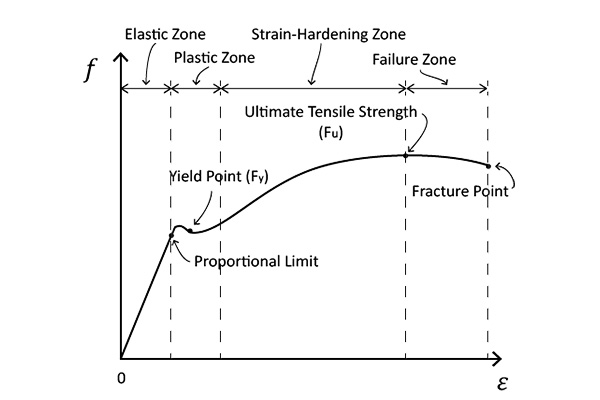
Диференціювання жорсткості від пов'язаних термінів
- Міцність: Тоді як жорсткість вимірює здатність протистояти деформації, Міцність означає максимальне навантаження, яке може витримати матеріал до того, як він зруйнується або остаточно деформується.
Матеріал може бути жорстким, але не обов’язково міцним, і навпаки. - Еластичність: Еластичність описує здатність матеріалу повернутися до його первісної форми після деформування.
Усі еластичні матеріали демонструють певну ступінь жорсткості, але жорсткість конкретно стосується величини сили, необхідної для спричиненого переміщення. - Твердість: Твердість стосується стійкості матеріалу до локалізованого поверхневого відступу або подряпин.
Хоча пов'язаний, твердість безпосередньо не вимірює загальну стійкість матеріалу до деформації під навантаженням.
Математичне зображення жорсткості
Математично, жорсткість (k) визначається як співвідношення прикладної сили (F) до отриманого переміщення (р.): k = f/d
Цей взаємозв'язок показує, що більш висока жорсткість означає, що для досягнення певної кількості переміщення потрібно більше сили.
На практиці, Більш жорсткий матеріал або структура буде деформовано менше під тим же навантаженням, ніж менш жорсткий.
3. Типи жорсткості
Жорсткість, критична властивість у матеріалі та структурному дизайні, відноситься до стійкості матеріалу або конструкції до деформації під дією прикладених сил.
Різні типи жорсткості стосуються того, як матеріали та конструкції реагують на різні умови навантаження.
Нижче наведено основні типи жорсткості:
Осьова жорсткість
Осьова жорсткість відноситься до реакції матеріалу на сили, які діють уздовж його довжини, при розтягуванні або стисненні.
Цей тип жорсткості відіграє вирішальну роль у таких компонентах, як колонки, балки, стрижнів, і вали які повинні зберігати свою довжину та протистояти подовженню або стисненню під навантаженням.
Формула:
Осьова жорсткість (k_a) виражається як:
- k_a = EA/L
Де:
-
- E – модуль Юнга,
- А — площа поперечного перерізу,
- L - довжина матеріалу.
- Заявки:
-
- Колони та конструктивні елементи: Осьова жорсткість гарантує, що стовпці можуть підтримувати вертикальні навантаження без надмірної деформації.
- Натягані кабелі: У мостах, Кабелі підвіски потребують високої осьової жорсткості, щоб підтримувати свою структурну цілісність під силами розтягування.
Обертальна жорсткість
Нартаційна жорсткість вимірює стійкість матеріалу до кутового відхилення або обертання, коли піддається крутний момент або a миттєво.
Цей тип жорсткості життєво важливий для компонентів, які обертаються або відчувають обертальні навантаження, наприклад вали, муфти, підшипники, і суглоби в механічних зборах.
Формула:
Обертальна жорсткість (k_r) часто виражається як:
- k_r = m/i
Де:
-
- М: є застосованим крутним моментом,
- то: - кутова відхилення.
- Заявки:
-
- Вали їзди: В транспортних засобах, Обертальна жорсткість забезпечує точну передачу потужності без надмірного скручування.
- Підшипники та коробки передач: Висока обертальна жорсткість є важливою в механічних системах для плавного та керованого руху.
Бічна жорсткість
Бічна жорсткість - це опір матеріалу силам, які викликають деформацію перпендикулярно до його головної осі.
Цей тип жорсткості є вирішальним для опору бічні сили або поперечні сили які можуть деформувати або дестабілізувати конструкцію.
- Заявки:
-
- Будівлі та мости: Бічна жорсткість гарантує, що конструкції можуть протистояти вітру, сейсмічні, та інші бічні сили без надмірного коливання або нахилу.
- Мости: Збереження бічної стійкості запобігає деформації або виходу з ладу під час динамічних навантажень, таких як рух або сильний вітер.
- Приклад: У високих будівлях, бічна жорсткість забезпечується зрізні стіни, які запобігають горизонтальному зсуву внаслідок вітру або сейсмічної активності.
Вигин жорсткості
Жорсткість на вигин відноситься до стійкості матеріалу до деформації під згинальні моменти або сили, які намагаються зігнути матеріал.
Це особливо важливо в елементах конструкції, які піддаються вигину, наприклад балки, консольні, і плити.
Формула:
Жорсткість на вигин (k_b) зазвичай виражається як:
- k_b = EI/L^3
Де:
-
- E – модуль Юнга,
- Я є другий момент інерції поперечного перерізу (міра його опору вигину),
- L - довжина балки або конструкції.
- Заявки:
-
- Балки в каркасах будівель: Балки повинні витримувати згинання, щоб уникнути прогину або руйнування під навантаженнями, наприклад підлоги, дахи, або машини.
- Консольні: У консольних конструкціях (як мости чи навіси), Жорстке згинання є життєво важливим для підтримки стабільності та запобігання надмірному прогину.
Стрижність зсуву
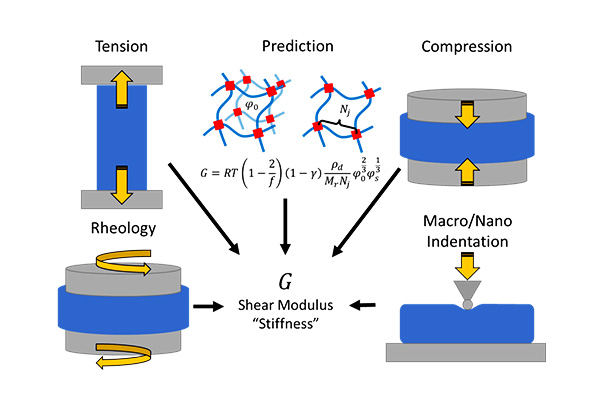
Жорсткість на зсув означає опір матеріалу зсувні сили, які діють паралельно поверхні та викликають ковзання або деформацію шарів матеріалу.
Це особливо важливо для компонентів, які піддаються впливу напруги зсуву, наприклад зрізні стіни і структурні зв'язки.
Формула:
Жорсткість на зсув (k_s) виражається як:
- k_s = GA/L
Де:
-
- G - це модуль зсуву (властивість матеріалу, що вказує на його стійкість до зсуву),
- А — площа поперечного перерізу,
- L - довжина або товщина.
- Заявки:
-
- Зсувні стіни: Вони використовуються в будівлях і мостах, щоб протистояти бічним силам і запобігати руйнуванню конструкції.
- Структурні зв'язки: У механічних вузлах, Жорсткість до зсуву життєво важлива для того, щоб деталі залишалися надійно з’єднаними в умовах навантаження.
4. Фактори, що впливають на жорсткість
На жорсткість матеріалу або конструкції впливає кілька факторів, і розуміння цього може допомогти у виборі або проектуванні матеріалів для конкретних застосувань:
Матеріальні властивості:
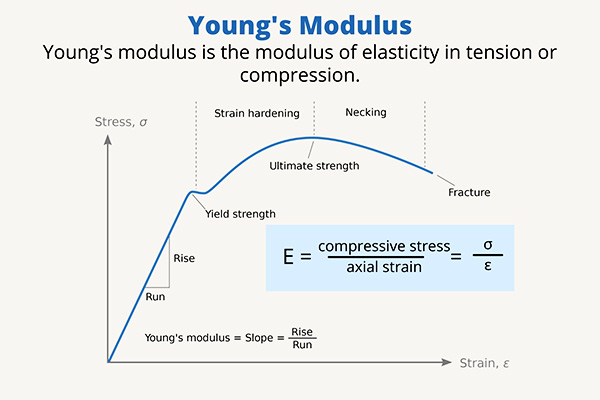
- Модуль пружності (Модуль Янга, Е): Це основний визначник жорсткості матеріалу. Матеріали з вищим модулем Юнга більш жорсткі. Наприклад, сталь має вищий модуль, ніж алюміній.
- Модуль зсуву (Г): Для зсувних навантажень, Модуль зсуву відіграє вирішальну роль у визначенні жорсткості зсуву.
- Співвідношення Пуассона: Хоча менш безпосередньо пов'язаний, Співвідношення Пуассона впливає на те, як матеріал деформує в напрямках, перпендикулярно до прикладеного навантаження.
- Мікроструктура: Внутрішня структура матеріалу, включаючи розмір зерна, Фазовий розподіл, та наявність дефектів, може впливати на жорсткість.
Менші розміри зерна часто збільшують жорсткість через зміцнення грану.
Геометрія:
- Область поперечного перерізу: Більша площа поперечного перерізу збільшує осьову жорсткість, але безпосередньо не впливає.
- Момент інерції (Я): За згинання, Другий момент району (або момент інерції) поперечного перерізу є ключовим.
Збільшення цього значення (Змінюючи форму або розмір перерізу) значно збільшує жорсткість згинання. - Полярний момент інерції (J): Для кручення, полярний момент інерції поперечного перерізу визначає жорсткість на кручення.
- Довжина: Більша довжина зменшує осьову жорсткість і жорсткість на вигин, але іноді може збільшити жорсткість на кручення, якщо конструкція правильно спроектована.
- Форма: Форма поперечного перерізу (Напр., Двотавр, трубка, суцільний прямокутник) впливає на те, як структура розподіляє напругу, таким чином впливаючи на жорсткість.
Умови підтримки:
- Граничні умови: Те, як конструкція підтримується або обмежується, може різко змінити її ефективну жорсткість.
Фіксовані опори підвищують жорсткість порівняно з просто підтримуваними або закріпленими кінцями. - Зв'язки: Жорсткість з'єднань або з'єднань також може впливати на загальну жорсткість вузла або конструкції.
Температура:
- Теплове розширення: Зміни температури можуть спричинити теплове розширення або звуження, що може змінити розміри і, таким чином, жорсткість матеріалів.
- Модуль матеріалу: Деякі матеріали, особливо полімери, Дивіться значну зміну їх модуля з температурою, впливає на жорсткість.
Тип навантаження та швидкість:
- Статичний проти. Динамічні навантаження: Динамічні навантаження можуть призвести до різної ефективної жорсткості через швидкість завантаження, демпфірування, та інерційні ефекти.
- Частота: На високих частотах, Динамічна жорсткість може відрізнятися від статичної жорсткості через резонансні або демпфірні ефекти.
Анізотропія:
- Матеріальна спрямованість: В таких матеріалах, як композити, деревина, або деякі метали, Жорсткість може змінюватись залежно від напрямку через вирівнювання волокон, зерна, або інші структурні елементи.
Наявність концентраторів стресу:
- Виїмка, Дірки, і тріщини: Вони можуть зменшити ефективну жорсткість шляхом концентрації стресу та сприяння деформації або відмови в цих точках.
Вік та вплив навколишнього середовища:
- Старіння: З часом, Матеріали можуть змінювати охоплення, що може вплинути на їх жорсткість.
- Фактори навколишнього середовища: Вплив таких елементів, як волога, УФ -світло, хімічні речовини, або екстремальні температури можуть змінити властивості матеріалу, включаючи жорсткість.
Складені структури:
- Складання та орієнтація: В композитних матеріалах, Розташування та орієнтація посилюючих волокон або шарів можуть суттєво вплинути на жорсткість спрямованості.
- Матриця та посилення: Властивості обох матриці (Напр., полімер) і підсилюючі матеріали (Напр., вуглецеві волокна) сприяти загальній жорсткості.
Виготовлення та обробка:
- Виробничі дефекти: Недолікості, введені під час виробництва, можуть зменшити жорсткість.
- Термічна обробка: Це може змінити мікроструктуру, таким чином змінюючи жорсткість матеріалу.
Швидкість напруги:
- Залежність від швидкості: Деякі матеріали виявляють поведінку, залежну від швидкості, де їх жорсткість змінюється зі швидкістю, з якою вони деформовані.
5. Важливість жорсткості в інженерних додатках
Жорсткість є критичною властивістю в галузі інженерії, оскільки вона безпосередньо впливає на продуктивність, міцність, та безпека матеріалів та конструкцій.
Розуміння та оптимізація жорсткості є фундаментальними для інженерів, щоб гарантувати, що конструкції можуть протистояти зовнішнім силам без надмірної деформації.
Нижче наведено основні інженерні програми, де жорсткість відіграє вирішальну роль:
Будівництво: Мости, Хмарочоси, і структурна стабільність
У цивільному будівництві, Жорсткість має важливе значення для підтримки стабільності та безпеки таких конструкцій, як мости, будівлі, і хмарочоси.
Конструкційні елементи повинні бути розроблені таким чином, щоб протистояти різноманітним силам, включаючи вітер, транспортні навантаження, і сейсмічна активність.
- Будівництво мостів: Мости повинні зберігати свою структурну цілісність за динамічних навантажень, як транспортні засоби, вітер, і температурні коливання.
Бічна жорсткість має вирішальне значення, щоб запобігти хитанню та забезпечити, щоб міст не деформувався надмірно під вітровими навантаженнями. - Хмарочоси: Висотні будівлі повинні протистояти бічним силам (вітер, землетруси) зводячи до мінімуму прогин.
Бічна жорстка ядра будівлі та її зсувні стіни мають вирішальне значення для того, щоб вона залишалася стабільною та безпечною для мешканців.
Приклад: З Бурдж Халіфа, найвища будівля у світі, Використовує вдосконалені матеріали та ретельно розроблена жорстка конструкція для протистояння силам вітру та ваги будівлі.
Механічні системи: Вали, Пружини, і передачі
В машинобудуванні, жорсткість відіграє значну роль у таких компонентах вали, пружини, і шестерні.
Здатність цих компонентів підтримувати свою форму та протистояти деформації під навантаженням є життєво важливою для функціональності та ефективності системи.
- Вали: Нартаційна жорсткість забезпечує вали, що обертаються без надмірного відхилення або згинання, що може призвести до відмови або неефективності передачі електроенергії.
- Пружини: У таких пристроях, як амортизатори або системи підвіски, жорсткість визначає, яку силу може витримати пружина перед деформацією, що впливає на комфорт і безпеку їзди.
- Шестерні: Жорсткість обертання в передачах забезпечує точну передачу потужності без спотворень, підтримання точності механічних систем.
Приклад: Системи підвіски автомобіля покладайтеся на високу жорстку пружину, щоб поглинати удари від дороги, забезпечення плавної їзди та збереження стійкості автомобіля.
Аерокосмічний та автомобільний: Підвищення продуктивності та безпеки
В аерокосмічній та автомобільній промисловості, жорсткість безпосередньо впливає на продуктивність, безпека, і економічність палива.
Баланс між легка конструкція і достатня жорсткість має вирішальне значення для досягнення високопродуктивних та енергоефективних транспортних засобів і літаків.
- Літак: Літаки та космічні кораблі повинні зберігати цілісність конструкції як під статичними, так і під динамічними навантаженнями.
В літаках, жорсткість крил на вигині, фюзеляж, і шасі необхідні для уникнення небажаних деформацій під час польоту. - Автомобільний: В автомобілях, особливо у високопродуктивних та електричних автомобілях, жорстке шасі сприяє кращій керованості, комфорт їзди, і ударостійкість.
Жорстка рама зменшує вібрацію та покращує загальні враження від водіння.
Приклад: Формула 1 автомобілі розроблені з надзвичайно жорстким шасі з вуглецевого волокна для мінімізації прогину
і покращити керованість, зберігаючи оптимальний баланс ваги та міцності.
Медичні пристрої: Забезпечення довговічності та точності протезування та імплантатів
У сфері медичної техніки, Жорсткість є важливою властивістю для забезпечення міцність і точність медичних приладів, таких як протезування, імплантати, і Хірургічні інструменти.
- Протезування: Протези кінцівок повинні імітувати жорсткість натуральної кістки, щоб забезпечити належну функціональність і комфорт.
Матеріали також мають бути достатньо жорсткими, щоб витримувати щоденне зношування без надмірної деформації. - Імплантати: Для імплантатів, таких як заміна суглобів, Підтримання жорсткості матеріалу імплантату має важливе значення для стабільності, міцність, а також уникнення зносу або виходу з ладу під час механічних впливів.
Приклад: Зубні імплантати повинні мати жорсткість, подібну до жорсткості природних зубів, щоб гарантувати, що вони можуть без збоїв витримувати зусилля, пов’язані з жуванням і відкушуванням.
Відновлювана енергія: Вітрові турбіни та сонячні споруди
Жорсткість також відіграє значну роль у технологіях відновлюваної енергії, особливо в вітрові турбіни і сонячні електростанції.
У цих додатках, Жорсткість впливає на здатність компонентів протистояти таким силам, як вітер або коливання температури, зберігаючи ефективність.
- Вітрові турбіни: Лопаті вітряних турбін повинні бути достатньо жорсткими, щоб протистояти вигину під сильними вітровими навантаженнями, але достатньо гнучкими, щоб оптимізувати захоплення енергії.
Жорсткість також має вирішальне значення для вежі та фундаменту для підтримки всієї конструкції. - Панелі сонячних батарей: Сонячні панелі повинні підтримувати свою форму та вирівнювання, щоб максимізувати виробництво енергії.
Рами та системи кріплення повинні бути достатньо жорсткими, щоб запобігти деформації, спричиненій вітровими або сніговими навантаженнями.
Електроніка та споживча продукція: Мініатюризація та продуктивність
У електроніка і споживчі товари, Жорсткість життєво важлива як для функціональності, так і для довговічності.
Багато сучасних пристроїв мініатюрні, і збереження жорсткості є ключовим для забезпечення того, щоб вони продовжували ефективно функціонувати в умовах навантаження або зносу.
- Смартфони та планшети: У портативних пристроях, жорсткість важлива для збереження структурної цілісності при зменшенні ваги.
Матеріали, які використовуються в корпусі пристрою, мають бути достатньо жорсткими, щоб запобігти згинанню або поломці під час щоденного використання, наприклад падіння або тиск.
-
- Приклад: Алюмінієва та високоміцна пластмаса зазвичай використовуються для корпусу електроніки, оскільки вони врівноважують жорсткість з легкістю.
- Споживча техніка: Домашні предмети, такі як пральні машини, холодильник, і пилососні очищувачі покладаються на компоненти, які повинні протистояти повторному використанню без деформування.
Наприклад, двигуни, ущільнювачі, і всі кожухи потребують адекватної жорсткості для забезпечення довгострокової довговічності.
-
- Приклад: Вакуумні очищувачі виготовляються з жорстких матеріалів для захисту внутрішніх компонентів від зовнішніх ударів.
6. Жорсткість діаграми металевого матеріалу
Нижче наведено діаграму, що показує жорсткість деяких загальних металевих матеріалів:
| Модуль еластичності | Модуль зсуву | ||||
| Металевий сплав | GPA | 10^6 psi | GPA | 10^6 psi | Співвідношення Пуассона |
| Алюміній | 69 | 10 | 25 | 3.6 | 0.33 |
| Латунь | 97 | 14 | 37 | 5.4 | 0.34 |
| Мідь | 110 | 16 | 46 | 6.7 | 0.34 |
| Магній | 45 | 6.5 | 17 | 2.5 | 0.29 |
| Нікель | 207 | 30 | 76 | 11.0 | 0.31 |
| Сталь | 207 | 30 | 83 | 12.0 | 0.30 |
| Титан | 107 | 15.5 | 45 | 6.5 | 0.34 |
| Вольфрам | 407 | 59 | 160 | 23.2 | 0.28 |
7. Тестування та вимірювання жорсткості
Тестування та вимірювання жорсткості є важливим для оцінки продуктивності та структурної цілісності матеріалів та компонентів.
Інженери використовують різні методи, щоб визначити, наскільки жорстким є матеріал і чи може він витримати сили, з якими він зіткнеться під час використання.
Нижче наведено загальні методи та інструменти, що використовуються для тестування та вимірювання жорсткості.
Випробування на розтяг
Випробування на розтяг є одним із найпоширеніших методів визначення жорсткості матеріалу, особливо для матеріалів, що піддаються осьовим силам.
Цей тест передбачає розтягування зразка матеріалу для його вимірювання стрес-деформаційна поведінка.
- Процедура:
Зразок матеріалу піддають a сила розтягування застосовується з постійною швидкістю. Оскільки матеріал розтягується, вимірюється його подовження, і записується відповідна сила.
Жорсткість визначається з Модуль Юнга, що є відношенням напруги розтягу до деформації розтягу в пружній області поведінки матеріалу. - Результати:
З крива напруження-деформації отримані в результаті тесту, надають ключову інформацію про жорсткість матеріалу, міцність, і еластичність.
Нахил початкового, лінійна частина кривої представляє матеріал Модуль Юнга, що прямо вказує на його жорсткість. - Заявки:
Випробування на розтяг зазвичай використовується в метал, пластиковий, і композиційні матеріали промисловості для оцінки жорсткості матеріалів для конструкцій.
Тестування на стиснення
Випробування на стиск використовується для вимірювання жорсткості матеріалів, що піддаються стискаючим зусиллям.
Цей тест особливо корисний для крихкі матеріали як бетон, кераміка, і деякі метали.
- Процедура:
Зразок поміщають між двома пластинами, а стискаюча сила прикладена вздовж осі зразка.
Матеріал деформація вимірюється при збільшенні навантаження.
Жорсткість визначається модуль пружності під стисненням, аналогічно випробуванню на розтяг. - Результати:
З крива напруження-деформації отримані в результаті випробування на стиск надають дані про здатність матеріалу чинити опір деформації під дією сил стиску.
Це критично важливо для оцінювання конструктивні елементи які зазнають стиснення, наприклад, колони та балки в будівлях і мостах. - Заявки:
Цей тест зазвичай використовується в цивільне будівництво, будівництво, і матеріалознавство для оцінки бетон, цегла, кладка, і сталь при стискаючому навантаженні.
Випробування на згин (Тест на вигин)
Випробування на згин, або випробування на вигин, використовується для вимірювання жорсткості матеріалів на вигин, особливо балки, плити, і тарілки.
Це особливо актуально для матеріалів, які будуть вигинатися під навантаженням, наприклад сталеві балки або пластикові панелі.
- Процедура:
Зразок розташовують на двох опорах, і в центрі зразка прикладається сила.
З прогин в центрі вимірюється, і модуль вигину (також відомий як модуль пружності при вигині) розраховується на основі прикладеної сили та прогину.
Результати:
Жорсткість на вигин кількісно визначається модуль пружності при вигині.
- Заявки:
Випробування на згин широко використовується для пластикові матеріали, композити, і деревина,
а також для металеві балки і архітектурні компоненти які повинні зберігати форму під дією згинальних сил.
Випробування на вібрацію
Випробування на вібрацію вимірюють жорсткість на основі власної частоти матеріалу або конструкції.
Принцип цього методу такий більш жорсткі матеріали як правило, мають вищі власні частоти.
- Процедура:
Випробуваний зразок піддається вібрації (наприклад удар молотком або шейкер), і його відповідь фіксується за допомогою датчиків.
З власна частота визначається, і жорсткість виводиться з частотної характеристики за допомогою аналітичних або чисельних методів. - Результати:
З резонансна частота можна використовувати для розрахунку динамічна жорсткість конструкції або матеріалу.
Цей метод особливо корисний для оцінки великі конструкції, компоненти машини, і компоненти, що піддаються динамічному навантаженню. - Заявки:
Випробування на вібрацію зазвичай використовується в аерокосмічний, автомобільний,
і будівельні галузі щоб гарантувати, що компоненти можуть протистояти динамічним силам без збою або надмірної вібрації.
Випробування на зсув
Випробування на зсув вимірюють стійкість матеріалу до поперечні сили і використовується для оцінки жорсткість на зсув таких матеріалів, як метали, пластмаса, і клеї.
- Процедура:
Матеріал піддається a сила зсуву, зазвичай використовуючи a апарат для випробувань на зсув такі як a реометр або зрізна рама.
Вимірюється сила, необхідна для певного переміщення, і матеріал модуль зсуву розраховується. - Результати:
Результати випробувань надають інформацію про здатність матеріалу протистояти деформації під напругою зсуву.
Це має вирішальне значення для матеріалів, які використовуються в з'єднання або клейові зв'язки які відчуватимуть зусилля зсуву. - Заявки:
Випробування на зсув є важливими в таких галузях, як будівництво (для зсувних стін), автомобільний, і клейове склеювання.
Кореляція цифрових зображень (ДВЗ-синдром)
Кореляція цифрових зображень (ДВЗ-синдром) є a безконтактний оптичний метод, що використовується для вимірювання деформації матеріалів і конструкцій.
Він передбачає зйомку високошвидкісних фотографій або відеозйомку зразка під час тестування та аналізу зображень для кількісного визначення деформації.
- Процедура:
Поверхня зразка позначена випадковим малюнком.
Так як матеріал деформується під навантаженням, a система камер знімає зображення, а комп’ютерна система аналізує зміщення в кожній точці на поверхні. - Результати:
DIC надає дані про зсув і деформацію повного поля, пропонуючи детальне розуміння того, як змінюється жорсткість матеріалу під навантаженням. - Заявки:
DIC зазвичай використовується в дослідження і розвитку для передові матеріали, біоматеріали, і складні структурні системи, які потребують детального аналізу деформації.
8. Збалансування жорсткості з іншими властивостями
В інженерії та матеріалознавстві, досягнення оптимального балансу між жорсткістю та іншими властивостями матеріалу
має вирішальне значення для розробки компонентів, які відповідають певним характеристикам, безпека, та вимоги до вартості.
Жорсткість vs. Гнучкість
У той час як жорсткість відноситься до стійкості матеріалу до деформації, гнучкість є зворотним — він описує здатність матеріалу згинатися або розтягуватися під навантаженням.
У деяких додатках, гнучкість більш бажана, ніж жорсткість, особливо в ситуаціях, коли матеріал повинен поглинати удар або пристосовуватись до руху.
- Приклад: У автомобільний підвісні системи, матеріали з достатньою гнучкістю дозволяють системі поглинати дорожні коливання та забезпечувати плавність руху.
З іншого боку, у структурних компонентах, таких як балки або опори, надмірна гнучкість може призвести до невдача або надмірна деформація, що небажано.
Компроміс: Матеріали з високою жорсткістю (наприклад сталь) часто менш гнучкі, при цьому матеріали подобаються гумовий або пластмаса може проявляти більшу гнучкість, але меншу жорсткість.
Інженери повинні визначити правильний баланс для кожної програми.
Наприклад, в проектуванні робототехнічна зброя, баланс між жорсткістю та гнучкістю необхідний для забезпечення точних рухів без надмірної жорсткості.
Міцність проти. Жорсткість
Жорсткість і міцність є спорідненими, але різними властивостями.
Міцність відноситься до здатності матеріалу витримувати прикладену силу без пошкоджень, в той час жорсткість описує здатність матеріалу чинити опір деформації під дією прикладеної сили.
У деяких випадках, досягнення високого рівня жорсткості може призвести до зниження міцності, і навпаки.
- Приклад: Титан це матеріал, відомий як міцністю, так і жорсткістю, що робить його ідеальним для аерокосмічного застосування, де обидві характеристики є критичними.
Однак, занадто жорсткі матеріали, наприклад крихка кераміка, може тріснути або вийти з ладу під сильним навантаженням, незважаючи на те, що вони стійкі до деформації.
Компроміс: Матеріали з високою жорсткістю часто демонструють вищу міцність, але врівноважуючи це з міцність (здатність поглинати енергію до відмови) є важливим.
Інженери часто підбирають матеріали виходячи з необхідних співвідношення сили до ваги для застосування.
Жорсткість vs. Пластичність
Пластичність відноситься до здатності матеріалу деформуватися під навантаженням без руйнування, зазвичай шляхом розтягування або подовження.
Пластичні матеріали, як мідь або алюміній, може сприймати значні навантаження без розтріскування, що робить їх ідеальними для застосувань, де очікується деформація.
- Приклад: У автомобільні аварійні конструкції, важливий баланс між жорсткістю та пластичністю.
Конструкція повинна бути досить жорсткою, щоб поглинати і розподіляти удар, але також досить пластичний, щоб безпечно деформуватися та зменшити ризик травмування пасажирів.
Компроміс: Матеріали з високою жорсткістю, як сталь, мають тенденцію бути менш пластичними, що робить їх більш схильними до руйнування під сильним навантаженням.
Пластичні матеріали, наприклад алюмінієві сплави, забезпечують кращі можливості деформації, але можуть знадобитися більш товсті компоненти для досягнення аналогічної жорсткості.
Жорсткість проти. Жорсткість
Жорсткість це здатність матеріалу поглинати енергію та пластично деформуватися перед тим, як руйнуватися.
На відміну від жорсткості, який протистоїть деформації, міцність дозволяє матеріалу витримувати значні удари або навантаження без руйнування.
- Приклад: Такі матеріали високовуглецевої сталі мають відмінну міцність, що є критичним у конструкційних застосуваннях, де необхідна стійкість до ударів.
Однак, вони можуть не мати такої ж жорсткості, як композити використовується в легких додатках.
Компроміс: У таких додатках, як спортивний інвентар або захисне спорядження, Інженери повинні збалансувати жорсткість і міцність, щоб гарантувати, що матеріал може поглинати удари, зберігаючи структурну цілісність.
Занадто велика жорсткість може призвести до крихкого руйнування, в той час як занадто висока міцність може призвести до надмірної деформації під навантаженням.
Жорсткість vs. Втома
Стійкість до втоми означає здатність матеріалу витримувати повторювані цикли навантаження та розвантаження без пошкоджень..
У деяких додатках, матеріал може бути одночасно жорстким і стійким до втоми, наприклад компоненти літака або високопродуктивна техніка.
- Приклад: Титанові сплави використовуються в аерокосмічній та медичній сферах, оскільки вони поєднують високу жорсткість із відмінною стійкістю до втоми.
З іншого боку, матеріали, як чавун може демонструвати високу жорсткість, але низьку стійкість до втоми, що робить їх непридатними для додатків з динамічним навантаженням.
Компроміс: Дуже жорсткі матеріали можуть бути більш чутливими до втоми, якщо вони крихкі або схильні до розтріскування під час циклічних навантажень..
Композити, які часто використовуються в аерокосмічній галузі, запропонувати хороший баланс опору жорсткості та втоми шляхом поєднання жорсткості з гнучкістю в певних орієнтаціях.
Жорсткість vs. Теплові властивості
Теплові властивості матеріалів, наприклад Теплове розширення і Теплопровідність, також відіграють роль у балансуванні жорсткості.
Теплове розширення означає, як матеріал змінюється в розмірі під впливом температурних змін.
Якщо матеріал з високою жорсткістю також має високе теплове розширення, він може відчувати небажані навантаження під час впливу температурних коливань.
- Приклад: У таких додатках, як електроніка або компоненти двигуна, важливо збалансувати жорсткість матеріалів з їх термічна стабільність.
Такі матеріали кераміка і композити мають низьке теплове розширення і високу жорсткість, що робить їх ідеальними для застосування при високих температурах.
Компроміс: Дуже жорсткий матеріал зі значним температурним розширенням може постраждати термічний стрес, які можуть спричинити розтріскування або деформацію.
Навпаки, матеріали низької жорсткості може легко деформуватися під дією теплового навантаження, але вони часто відчувають менший термічний стрес.
9. Як створити гарну жорсткість?
Проектування для гарної жорсткості є фундаментальною частиною інженерії, особливо коли йдеться про забезпечення продуктивності, безпека, довговічність компонентів і конструкцій.
Жорсткість відіграє вирішальну роль у тому, як матеріал або конструкція чинить опір деформації під дією навантажень.
Незалежно від того, чи проектуєте ви a міст, a механічна частина, або an автомобільний компонент, досягнення правильного балансу жорсткості має вирішальне значення.
У цьому розділі, ми досліджуємо ключові міркування та стратегії проектування для оптимальної жорсткості.
Зрозумійте вимоги програми
Першим кроком у проектуванні для гарної жорсткості є чітке розуміння конкретних вимог застосування.
Жорсткість потреби можуть різко відрізнятися залежно від передбачуваного використання, середовище, та умови завантаження.
Наприклад, a високопродуктивний автомобіль Компонент може потребувати матеріалу, який врівноважує як жорсткість, так і зменшення ваги,
Поки конструктивна балка Для будівлі необхідно віддати перевагу жорсткості, щоб уникнути надмірного прогину або вигину.
- Приклад: У аерокосмічний заявки, легкі матеріали з високою жорсткістю часто необхідні, щоб витримувати високі навантаження при мінімізації ваги.
Навпаки, для мости або багатоповерхівки, сталь або залізобетонні з більш високими значеннями жорсткості є кращим через його здатність протистояти великим силам і підтримувати стабільність.
Шляхом визначення основних цілей ефективності, таких як несуча здатність, динамічний відгук, і запаси міцності — ви можете визначити оптимальну жорсткість, необхідну для вашої конструкції.
Виберіть правильний матеріал
Матеріал, обраний для конструкції, відіграватиме вирішальну роль у визначенні жорсткості кінцевого продукту.
З модуль пружності (або Модуль Янга) це основна властивість матеріалу, яка впливає на жорсткість.
Матеріали з a високий модуль пружності, наприклад сталь, титан, і певний композити, забезпечують високу жорсткість, тоді як ті, що мають нижчий модуль,
як гумовий або пластмаса, більш гнучкі, але менш жорсткі.
При підборі матеріалів, розглянути:
- Механічні властивості: Оцініть жорсткість матеріалу, міцність, втома, та інші відповідні властивості.
- Розгляд ваги: У таких додатках, як автомобілів або аерокосмічний, матеріали з високим співвідношенням жорсткості до ваги,
наприклад алюміній і композити з вуглецевого волокна, часто віддається перевага для зменшення загальної ваги конструкції. - Вартість і доступність: Матеріали високої жорсткості, як титан або передові композити може бути дорогим, тому враховуйте компроміси на основі бюджету проекту.
Оптимізація геометрії та дизайну
Геометрія компонента, наприклад його форма, розмір, і площа поперечного перерізу — істотно впливає на його жорсткість.
Інженери використовують кілька стратегій для оптимізації конструкції для досягнення максимальної жорсткості, забезпечуючи при цьому функціональність і економічну ефективність.
- Момент інерції: З другий момент площі (також відомий як площа момент інерції) є критичним фактором жорсткості на вигин.
Наприклад, a промінь з більшою площею поперечного перерізу або a посилена форма (Напр., Двотаврового або коробчатого перетину) матиме вищий момент інерції і, отже, більшу жорсткість. - Оптимізація форми: Конічні балки, порожнисті конструкції, і ребристі конструкції можна використовувати для забезпечення жорсткості там, де це найбільше потрібно, без додавання зайвої ваги матеріалу.
- Співвідношення довжини до діаметра: Для таких компонентів, як колонки або вали, зменшення відношення довжини до діаметра може збільшити жорсткість.
Коротше, більш товсті елементи зазвичай забезпечують кращий опір вигину та деформації. - Використання підкріплень: Ребра підсилення або внутрішні опори в конструкції може значно збільшити жорсткість.
Наприклад, композитні панелі які використовуються в аерокосмічній галузі, часто розроблені з внутрішніми ребрами для підтримки жорсткості при низькій вазі.
Граничні умови адреси та навантаження
Спосіб підтримки або фіксації конструкції на місці (граничні умови) і види навантажень, які він відчуватиме (статичний, динамічний, або циклічний) відіграють важливу роль у визначенні жорсткості системи.
- Стаціонарні опори: Споруди с фіксований або затиснутий опори менш імовірно відхиляються порівняно з тими, які просто спираються або вільні з одного кінця.
Розміщення опор і обмежень впливає на те, як матеріал буде деформуватися під навантаженням. - Розподіл навантаження: Рівномірно розподілені навантаження призводять до менших згинальних моментів і прогинів, тоді як зосереджені навантаження можуть викликати більш локалізовану деформацію.
При проектуванні на жорсткість, важливо врахувати спосіб застосування навантаження та розподілити його максимально рівномірно, щоб мінімізувати деформацію. - Динамічні навантаження: Якщо компонент переживає вібрації або циклічне завантаження, забезпечення того, щоб структура залишалася жорсткою, уникаючи резонансу або втоми, є критичним.
Це часто передбачає використання матеріалів з хорошою стійкістю до втоми та проектування для відповідного демпфування.
Включіть фактори безпеки та міркування щодо мінливості
При проектуванні на жорсткість, інженери також повинні враховувати такі фактори, як мінливість матеріалу, зміни середовища (Напр., температура, вологість), і запаси міцності.
Механічні властивості матеріалів можуть незначно відрізнятися, і зовнішні умови можуть впливати на їх поведінку під навантаженням.
- Фактори безпеки: Часто звертаються інженери фактори безпеки для врахування невизначеності умов навантаження, міцність матеріалу, і потенціал невдачі.
Наприклад, у аерокосмічний або цивільне будівництво, Конструкції часто створюються таким чином, щоб бути значно жорсткішими, ніж мінімальні вимоги, щоб забезпечити продуктивність за несподіваних обставин. - Вплив на навколишнє середовище: Розглянемо, як змінюється в температура, вологість, або вплив хімічних речовин може вплинути на жорсткість матеріалу.
Теплове розширення це приклад, коли зміни температури можуть впливати на жорсткість матеріалу, тому ці фактори повинні бути включені в проект.
Використовуйте інструменти моделювання та оптимізації
Сучасні інженерні засоби, такі як Аналіз кінцевих елементів (FEA) дозволяють дизайнерам моделювати та перевіряти, як різні матеріали та геометрії поводитимуться за різних умов навантаження.
Ці інструменти можуть надати безцінну інформацію про:
- Розподіл напруги
- Візерунки прогину
- Режими відмови
Використання ЗЕД, інженери можуть швидко повторювати концепції дизайну, щоб оптимізувати жорсткість, забезпечуючи при цьому інші важливі фактори, наприклад вартість, вага, і виконання, також розглядаються.
Додатково, алгоритми оптимізації можуть запропонувати зміни геометрії, Вибір матеріалу, та умови навантаження, які забезпечать найкращі показники жорсткості для заданих обмежень.
11. Розглянемо ZDEZE Machining Services
DEZE надає експертні послуги механічної обробки відповідно до вимог жорсткості ваших конструкцій.
З передовими технологіями та точною інженерією, ZDEZE гарантує, що ваші компоненти досягнуть ідеального балансу жорсткості, міцність, і функціональність.
12. Висновок
Жорсткість — це більше, ніж просто властивість матеріалу — це критичний фактор при проектуванні сейфа, довговічний, і високопродуктивні системи.
Розуміючи жорсткість і використовуючи передові матеріали та конструкції, інженери можуть створювати оптимізовані рішення для широкого діапазону застосувань.
Готовий втілити ваш проект у життя? Зверніться до цього сьогодні для експертних рішень для обробки, розроблених для задоволення ваших потреб у жорсткості.