
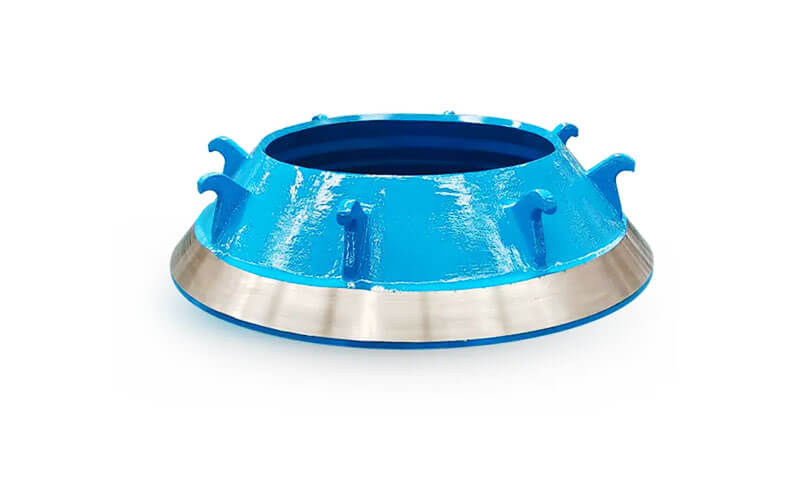
У видобутку корисних копалин, будівництво, автомобілебудування, сільське господарство, енергія, і важка техніка, сталь рідко просять виконати лише одну роботу.
Він повинен нести навантаження, поглинати удар, пережити повторний контакт, протистояти ерозії часток, і підтримувати стабільність розмірів протягом тривалих циклів експлуатації.
У тих середовищах, Опір зносу не є другорядною ознакою. Це основна економічна та інженерна вимога.
Сталевий компонент, який надто швидко зношується, не тільки виходить з ладу рано.
Це підвищує вартість обслуговування, скорочує час безвідмовної роботи обладнання, підвищує попит на запаси запасних частин, і часто стає прихованою причиною втрати прибутковості виробничої лінії чи машини.
Тому зносостійка сталь стала однією з найбільш стратегічно важливих категорій матеріалів у промисловому машинобудуванні.
Зносостійкість – не розпливчастий маркетинговий термін. Це вимірна властивість матеріалів, сформована хімією, твердість, мікроструктура, міцність, термічна обробка, і інженерія поверхні.
1. Що насправді означає зносостійкість сталі
Зносостійкість сталі - це здатність сталі протистояти втраті матеріалу, пошкодження поверхні, або функціональне погіршення, викликане тертям, стирання, вплив, ковзний контакт, ерозія частинок, або хіміко-механічного впливу
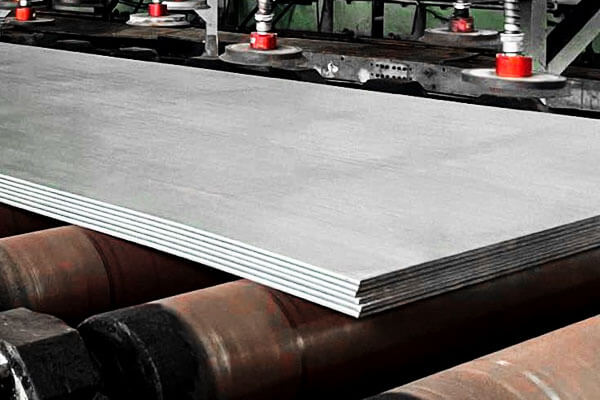
Матеріал з високою зносостійкістю може:
- втрачати масу повільніше,
- довше зберігають геометрію поверхні,
- стійкість до подряпин і канавок,
- затримка зародження тріщин,
- і зберегти форму, пломбування, або несучої функції з часом.
Отже, зносостійкість є властивістю системи, не просто показник твердості. Сталь може бути дуже твердою, але працювати погано, якщо вона занадто крихка.
Інша сталь може бути дуже міцною, але занадто швидко зношуватися, якщо поверхня надто м’яка.
Найкраще зношування досягається завдяки правильному балансу твердість, міцність, загартовувальна поведінка, і мікроструктурна стабільність
Основні фактори, що контролюють зносостійкість
| Фактор | Вплив на зносостійкість |
| Вміст вуглецю | Високий вміст вуглецю може збільшити твердість і зносостійкість |
| Легуючі елементи | Хром, молібден, ванадій, марганець, нікель, і бор може покращити загартуваність і зносостійкість |
| Твердість поверхні | Вища твердість поверхні зазвичай підвищує стійкість до подряпин і проникнення |
| Міцність серцевини | Запобігає крихкому руйнуванню під ударом або циклічним навантаженням |
| Термічна обробка | Удосконалює мікроструктуру та може значно подовжити термін служби |
| Захист поверхні | Покриття, карбюризація, азотування, і накладки можуть продовжити термін служби |
| Контактний механізм | Зносостійкість залежить від того, чи піддається деталь стиранню, вплив, адгезія, ерозія, або знос за рахунок корозії |
2. Шість типових промислових режимів зносу сталі та механізми руйнування
Зношування промислової сталі не є одноразовим процесом втрати на тертя.
За різними формами наголосу, діючі ЗМІ, і характеристики відмови, він розділений на шість класичних режимів класифікації.
Точна ідентифікація типів зносу є передумовою цілеспрямованого вибору зносостійкої сталі та контролю несправностей.
Абразивний знос
Абразивний знос є найпоширенішим промисловим способом зносу (облік понад 60% відмов, пов’язаних із зносом, у гірничій промисловості та будівництві), спричинене стисненням твердих твердих частинок, дряпання, і різання сталевої поверхні.
Тверді частинки, такі як рудний гравій, пісок, і металеве сміття спричиняють безперервний вплив мікрорізу на сталеві компоненти, призводить до поступового відшарування матеріалу поверхні та втрати товщини.
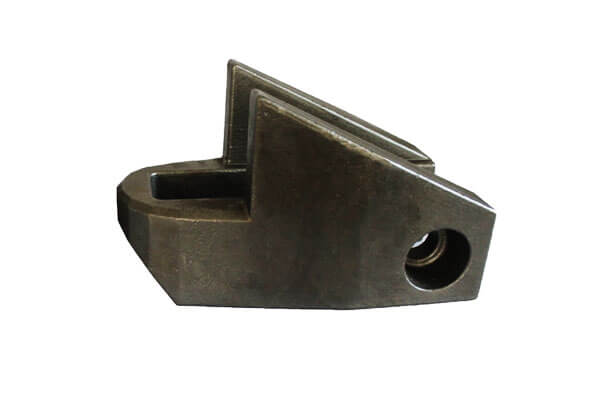
Широко зустрічається у вкладишах дробарок, Руточні інструменти, гірничошліфувальне обладнання, та інженерних машин, що зношуються.
Два підтипи:
- Стирання при низьких навантаженнях: Частинки котяться або ковзають з низьким напруженням стиску (Напр., конвеєрні стрічки).
- Сильне стирання: Частинки подрібнюються між поверхнями, спричиняючи серйозне подолання (Напр., вкладиші кульових млинів).
Клейовий знос (Знущання)
Адгезивний знос виникає, коли дві поверхні ковзання під високим тиском спричиняють локальне зварювання та перенесення матеріалу через надмірне тепло від тертя та адгезію поверхні.
Мікрозварні точки розриваються під час постійного відносного руху, що призводить до подряпин на поверхні, розшарування матеріалу, і помилка відповідності компонентів.
Цей режим поширений у циліндропоршневих системах двигунів, зубчасті передачі, і сильно навантажені опорні поверхні.
Стратегії профілактики: Використовуйте різнорідні матеріали (Напр., сталь проти чавуну), застосовувати тверді мастила (MoS₂, графіт), і підтримувати належне змащення, щоб запобігти виходу з ладу граничного змащення.
Ерозійний знос
Ерозійний знос спричинений високошвидкісним ударом частинок або рідини.
Високошвидкісний газ, рідкий, або тверді змішані середовища постійно бомбардують сталеву поверхню, викликаючи втомне відколювання та мікроабляцію.
Це помітно в компонентах аерокосмічних турбін, гірничі трубопроводи, лопаті вентилятора, і обладнання для доставки рідини, що працює в умовах високої швидкості.
Ключові параметри:
- Швидкість частинок: Швидкість ерозії ∝ (швидкість)^n, де n = 2-3 для пластичних металів.
- Кут удару: Пік ерозії відбувається при 20-40° для пластичних матеріалів (сталі) і близько 90° для крихких матеріалів (кераміка).
Втома Знос
При тривалих змінних навантаженнях, циклічна вібрація, і повторні стресові впливи, всередині та на поверхні сталі поступово утворюються мікротріщини.
З безперервним розповсюдженням тріщин, відбувається відшаровування матеріалу поверхні та руйнування конструкції.
Цей режим зношування домінує в металоконструкціях мостів, вали механічної трансмісії, несучі компоненти, і обладнання, що піддається циклічному навантаженню.
Критичний інженерний параметр: З межа втоми (межа витривалості) являє собою максимальну амплітуду напруги, нижче якої сталь теоретично може витримувати нескінченні цикли без втомного руйнування.
Для більшості зносостійких сталей, це приблизно 40-60% від межі міцності на розрив.
Втома від тертя
На відміну від чистого втомного зносу, цей режим виникає внаслідок періодичного сухого тертя і зворотно-поступального руху.
Тривале циклічне тертя створює концентроване поверхневе напруження, викликаючи щільні мікротріщини та прогресуючу втрату матеріалу.
Він дуже поширений у лезах сільськогосподарської техніки, промислові трансмісії, і механічні пари тертя з частим зворотно-поступальним рухом.
Корозійний знос
Це сполучений режим відмови, що поєднує хімічну корозію та механічне зношування.
Сталеві поверхні піддаються окисленню, кислотно-лужна корозія, та електрохімічна ерозія в корозійних середовищах, утворення пухких корозійних шарів.
Ці крихкі корозійні шари швидко стираються механічним тертям, піддаючи свіжу сталеву матрицю безперервній корозії та циркуляції зношування.
Типові сценарії включають резервуари для зберігання хімікатів, трубопроводи для корозійної рідини, і морські сталеві установки.
Синергічний ефект: Часто спостерігається поєднання корозії та зносу більше, ніж сума окремих ефектів.
Корозійна дія послаблює поверхневий шар, прискорення зносу, під час носіння викриває свіжий, незахищений метал, прискорення корозії.
Цей коефіцієнт синергії може досягати 3-10 × в агресивних середовищах.
3. Шість основних переваг зносостійкої сталі
Високоякісна зносостійка сталь стала незамінним універсальним матеріалом для сучасного промислового виробництва, з комплексними перевагами в продуктивності, які точно вирішують різні больові точки, пов’язані з поломкою промислового обладнання:
| Перевага | Технічна база | Промислова вигода |
| 1. Надвисока твердість поверхні | 400-750 HBW; матриця карбіду сплаву | Зменшує швидкість лінійного зносу на 50-80%; продовжує термін служби компонентів. |
| 2. Чудова комплексна міцність | Висока міцність на розрив + конструкційна жорсткість | Забезпечує легкий дизайн (тонші зрізи); зменшує витрату сировини та власну вагу обладнання. |
| 3. Відмінна ударна в'язкість | Здатність сприймати динамічне навантаження (20-50 Дж Шарпі) | Стійкий до крихкого руйнування під впливом ударів і вібрації; підходить для змішаних умов ударного зносу. |
| 4. Рівномірна структурна продуктивність | Послідовна металографічна структура по всьому розрізу | Відсутність локальних слабких зон; забезпечує передбачуваність, постійний термін служби партії. |
| 5. Хороша оброблюваність & зварюваність | Підтримує звичайне різання, свердління, зварювання | Сумісний зі стандартною промисловою обробкою; не вимагає спеціальних інструментів. |
| 6. Подвійна стійкість до високих температур & корозія | Модифікація сплаву Cr, У, Mo | Зберігає продуктивність при високій температурі, вологий, та корозійні ЗМІ. |
4. Три систематичні технічні шляхи покращення зносостійкості сталі
Для подальшої оптимізації зносостійкості звичайної сталі та відповідності вимогам екстремальних промислових умов праці, промислове виробництво приймає три зрілі та ефективні системи технічної оптимізації з матеріального джерела, внутрішня структура, і захист поверхні.
Оптимізація хімічного складу сплаву
Оптимізуйте основний вміст вуглецю, щоб збалансувати твердість і міцність; додати кількісний хром, молібден, ванадій та інші легуючі мікроелементи з утворенням високостабільних карбідів сплаву,
покращити зернисту структуру сталі, усунення внутрішніх забруднень, і налаштувати спеціальну зносостійку леговану сталь для абразиву, сценарії удару або корозійного зносу.
| Стратегія | Механізм | Приклади оцінок | Покращення зносу |
| Коригування вуглецю | Збільшити цементит (Fe₃C) дріб | 0.45% C → 0.60% C | +30-50% абразивна стійкість |
| Додавання хрому | Утворює карбіди Cr; підвищує прогартовуваність | 1-2% Cr | +40-60% зносу (високий стрес) |
| Додавання молібдену | Очищає зерна; утворює карбіди Mo₂C | 0.2-0,5% пн | +20-30% баланс міцності та зносу |
| Додавання ванадію | Утворює V₄C₃ (надзвичайно важко, ~2800 HV) | 0.05-0,15% V | +50-100% у високоабразивних середовищах |
| Додавання бору | Підвищує прогартовуваність без втрати міцності | 0.001-0,005% Б | Дозволяє тонші ділянки, менша вартість сплаву |
Точне термічне зміцнення
Прийняти наукові процеси термічної обробки, включаючи загартування, загартовування, науглерожування і азотування.
Градієнт посилює поверхневу твердість сталевих компонентів, зберігаючи при цьому високу міцність внутрішньої матриці,
реалізуючи ідеальне поєднання твердої поверхні для стійкості до зношування та міцного сердечника для стійкості до ударів, а також фундаментальне покращення комплексних протизносних і противтомних характеристик.
| Обробка | Параметр | Мікроструктура | Твердість (HRC) | Посилення зносостійкості |
| Гасіння + загартовування (Q&Т) | 850° C + 200Температура -600°C | Загартований мартенсит | 35-55 | Базовий рівень (1×) |
| Науглерожування + гасіння | 930° C, 2-4 год | Справа: мартенсит + карбіди; ядро: ферит/перліт | 58-63 (справа) | 3-5× покращення |
| Азотування | 520° C, 40-100 год | Справа: нітриди заліза + нітриди сплавів | 65-75 | 5-8× покращення |
| Загартовування | 850° C + 200°C загасити | Тонкий мартенсит (зниження внутрішньої напруги) | 50-60 | 1.5-2× покращення |
Технологія бар'єрного захисту поверхні
Застосовуйте технології фізичної та хімічної модифікації поверхні, такі як покриття сплавом, термічне напилення, цинкування і пасивація.
На поверхні сталі утворюється щільний захисний шар для ізоляції частинок зовнішнього тертя, корозійні середовища та окисне середовище,
уникнення прямого контакту між сталевою матрицею та джерелами стирання, і значно подовжує термін служби компонентів.
| технології | Матеріал покриття | Товщина (мкм) | Твердість (HV) | Посилення зносостійкості |
| Термічне напилення (HVOF) | WC‑Co, Cr₃C₂‑NiCr | 50-300 | 1,000-1400 | До 20× (абразивний) |
| PVD / CVD покриття | Жерстя, TiAlN, CRN | 2-10 | 2,000-3500 | До 10× (клей) |
| Лазерне облицювання | Інструментальна сталь, карбідна суміш | 500-2000 | 600-1200 | До 15× (ударно-абразивний) |
| Електричний | Твердий хром | 50-250 | 800-1000 | До 8× (знос з низьким навантаженням) |
5. Типи зносостійкої сталі та стратегії щодо матеріалів
Залежно від умов експлуатації використовуються різні сімейства сталі.
| Тип сталі / Стратегія | Логіка основного матеріалу | Типова твердість / Профіль міцності | Основна міцність на знос | Оптимальні програми |
| Загартований і загартований Лепка сталь | Міцність створюється за допомогою легування, гарту та відпуску; мета важка, високоміцний недорогоцінний метал | Висока міцність на розрив, від середньої до високої твердості, сильна в'язкість | Добре підходить для комбінованого впливу + служба зносу | Вали, осі, важкі частини машин, структурні компоненти зносу |
| Загартована сталь | Жорсткий зовнішній шар із міцним ядром, зазвичай досягається науглерожуванням або подібними методами збагачення поверхні | Дуже важкий випадок, жорстке ядро | Відмінно підходить для ковзного контакту та контактної втоми | Шестерні, кулачки, частини трансмісії, компоненти прецизійного приводу |
| Азотована сталь | Азот дифундує в поверхню, щоб створити жорсткий шар, стабільний шар зносу з мінімальною деформацією | Дуже тверда поверхня, помірна міцність ядра | Сильна стійкість до зносу клею, fretting, і помірне стирання | Прецизійні вали, штамп, форми, гідравлічні частини, компоненти високої точності |
Високовуглецева зносостійка сталь |
Підвищений вміст вуглецю підвищує потенціал твердості та зносостійкості | Високий потенціал твердості, нижча в'язкість, ніж у низьковуглецевих сталей | Хороша стійкість до стирання та поверхневих порізів | Лайнери, пластини, падає, частини дробарки, інструменти для контакту з грунтом |
| Високолегована зносостійка сталь | Пакет Alloy розроблено спеціально для підвищення зносостійкості, Загартовування, і мікроструктурна стабільність | Висока твердість, інженерна міцність, відмінна прогартовуваність | Міцний в умовах сильного стирання та змішаного зносу | Гірничодобувне обладнання, надміцні вкладиші, промислові зношувані частини |
| Інструментальна сталь | Розрахований на дуже високу твердість, стабільність розмірів, і носійне опір | Дуже висока твердість, в'язкість від середньої до високої в залежності від класу | Відмінно піддається зрізу, формування, і висококонтактний одяг | Вмирає, удари руками, форми, інструменти для формування, ріжучі компоненти |
| Бейнітний / Мікролегована зносостійка сталь | Контрольована мікроструктура забезпечує баланс зносостійкості та міцності | Від середньої до високої твердості, Хороша міцність | Хороша втомна і ударна зносостійкість | Автомобільні компоненти, техніка, конструктивні частини, що зношуються |
Сталева система з твердим наплавленням |
На базову сталь нанесено наплавлену поверхню з високою зносостійкістю | Залежить від базової сталі та складу накладки | Чудово підходить для екстремального зносу поверхні | Відра, дробарки, клапани, падає, накладки |
| З покриттям / Поверхнево-технічна сталь | Зносостійкість покращується за рахунок покриття, термальний спрей, карбюризація, азотування, або композитні шари | Залежить від лікування | Можна пристосувати до конкретних механізмів зносу | Прецизійні деталі, служба корозійного зносу, високоцінні компоненти |
| Нержавіюча зносостійка сталь | Стійкість до корозії зберігається, а зносостійкість покращується шляхом вибору сорту або обробки | Від середньої до високої міцності; характеристики зносу залежать від класу | Корисна у вологому стані, хімічний, або гігієнічне середовище | Харчове обладнання, Морські частини, Хімічна обробка, насос, клапани |
6. Сценарії промислового застосування зносостійкої сталі в повному сегменті
Завдяки чудовій комплексній продуктивності, зносостійка сталь стала основним основним матеріалом для ключових несучих і зносостійких компонентів майже у всіх галузях важкої промисловості:
Видобуток і збагачення корисних копалин
- вкладиші дробарки,
- опори для шліфувальних мас,
- пластини жолоба,
- вкладиші бункера,
- ковші екскаватора,
- та обладнання для скринінгу.
Будівництво та землерийні роботи
- ковші навантажувача,
- бульдозерні відвали,
- знос країв,
- ріжучі компоненти,
- та структурні частини, піддані впливу сміття.
Автомобільний і транспортний
- шестерні,
- компоненти приводу,
- частини, пов'язані з гальмами,
- підлоги кузова вантажівки,
- і високонавантажені механічні частини.
Сільське господарство
- леза плуга,
- компоненти комбайна,
- ґрунтообробні знаряддя,
- насіннєве обладнання,
- і зношуються деталі, що контактують із ґрунтом.
Енергетична та хімічна обробка
- трубопроводи,
- клапани,
- насос,
- системи обробки гною,
- і високотемпературні компоненти, де знос і корозія співіснують.
Важке виробництво
- напрямні,
- ролики,
- штамп,
- світильники,
- і компоненти машини в безперервній роботі.
7. Зносостійкість проти. Міцність: Критична відмінність
Однією з найпоширеніших помилок при виборі матеріалу є припущення, що міцна сталь автоматично стає зносостійкою.
В інженерній практиці, ці дві властивості пов’язані, але вони не однакові.
Міцність і знос - це різні проблеми збою
Міцність це здатність сталі протистояти постійній деформації або руйнуванню під дією навантаження.
Це об'ємна механічна властивість. Коли інженери говорять про міцність на розрив, Похідна сила, міцність на стиск, або втомна міцність, вони описують, як матеріал поводиться як структурний елемент.
Зносостійкість, навпаки, це властивість продуктивності поверхні. Він описує, наскільки добре матеріал протистоїть поступовій втраті поверхні, спричиненій тертям, стирання, адгезія, вплив, або ерозія.
Деталь може мати чудову міцність і при цьому швидко зношуватися, якщо її поверхня надто м’яка, занадто реактивний, або занадто погано підігнаний до середовища контакту.
Ця різниця має значення, оскільки багато промислових компонентів спочатку виходять з ладу на поверхні, не через масовий колапс.
Висока міцність не гарантує довговічності
Високоміцна сталь автоматично не є найкращим вибором для служби зносу.
Якщо сталь міцна, але недостатньо тверда на поверхні, він може локально деформуватися, жовчний, подряпина, або швидко втрачати матеріал під час повторного контакту.
Іншими словами, частина може бути структурно здоровою, але все ще втрачати функцію через пошкодження поверхні.
Це особливо важливо в:
- ковзні контактні системи,
- абразивні середовища,
- застосування контактної втоми,
- і ерозійне обладнання.
Сталь з високою міцністю на розрив може чудово витримувати навантаження, але якщо поверхня не призначена для зношування, частина все ще може вийти з ладу на початку експлуатації.
Зносостійкість часто потребує твердості, але однієї твердості недостатньо
Твердість є одним із найсильніших чинників зносостійкості, особливо в абразивних умовах і умовах, де переважають вдавлення.
Більш тверда поверхня протидіє порізам, дряпання, і проникнення ефективніше.
Однак, якщо твердість підштовхується занадто далеко без достатньої міцності, сталь може стати крихкою та вийти з ладу через розтріскування, чіп, або сколювання.
Тому найчастіше комбінують найкращі зносостійкі сталі:
- тверда поверхня,
- більш жорсткий інтер'єр,
- і стабільну мікроструктуру.
Метою є не максимальна твердість окремо. Метою є контрольована довговічність поверхні без шкоди структурній цілісності.
8. Майбутні тенденції в технології сталевої зносостійкості
Нанозміцнені зносостійкі сталі
Нанорозмірні опади (Напр., TiC, VC, NbC) очищено до 2–5 нм надвисока твердість без втрати пластичності.
Ці сталі досягають твердості >600 HV при збереженні значень впливу Шарпі >30 J, представляючи значний прорив у компромісі твердість-в’язкість.
Легкі зносостійкі сталі
Удосконалені високоміцні зносостійкі сталі зі зниженою щільністю (через додавання алюмінію) пропонують економію ваги на 10-20%, покращення паливної ефективності та операційної гнучкості мобільного обладнання.
Самозмащувальні зносостійкі сталі
Сталі з текстурованою поверхнею з додаванням твердих мастил (MoS₂, графіт) зменшити коефіцієнти тертя з 0,6-0,8 (сталь-сталь без мастила) до 0,1-0,2, значно зменшує знос клею та фретингу.
Розумний моніторинг стану
Інтегровані датчики, вбудовані в зносостійкі компоненти, дозволяють відстеження зносу в реальному часі, прогнозування залишкового терміну служби та завчасне планування технічного обслуговування — скорочення незапланованих простоїв до 50%.
9. Висновок
Зносостійкість сталі є основним показником ефективності, який визначає термін служби, стабільність роботи, та всебічної економічної вигоди промислового обладнання.
Різні режими промислового зношування висувають диференційовані вимоги до твердості сталі, міцність, міцність, і корозійна стійкість.
Високоякісна зносостійка сталь забезпечує точну стійкість до різних механічних і хімічних пошкоджень завдяки оптимізованому складу сплаву, стандартизована термічна обробка, і технології захисту поверхні.
У промисловому виробництві, науковий відбір і цілеспрямована оптимізація зносостійкості сталі можуть ефективно зменшити частоту обслуговування обладнання, уникнути втрат при зупинці виробництва, спричинених несправністю компонентів, і досягти довгострокового скорочення витрат і підвищення ефективності.
З постійним вдосконаленням промислового виробництва до високої точності, високе навантаження, і довговічність експлуатації, зносостійка сталь набуде все більшої популярності та застосування, забезпечення міцної матеріальної основи для якісного розвитку сучасних промислових систем.
Поширені запитання
Що таке зносостійкість сталі?
Це здатність сталі протистояти втраті матеріалу та пошкодженню поверхні внаслідок тертя, стирання, ерозія, вплив, або корозійний вплив.
Чи є нержавіюча сталь зносостійкою сталлю?
Деякі сорти нержавіючої сталі добре зношуються, але нержавіюча сталь в основному вибирається для стійкості до корозії.
Чому зносостійкість важлива економічно?
Оскільки це знижує частоту заміни, скорочує час простою, і покращує час безвідмовної роботи обладнання.
Яка сталь найкраща для шестерень?
Цементована легована сталь часто є сильним вибором, оскільки вона поєднує в собі стійку до зносу поверхню з міцним сердечником.
Чи можуть покриття покращити зносостійкість сталі?
Так. Твердий, азотування, карбюризація, та інші види обробки поверхні можуть значно збільшити термін служби.

