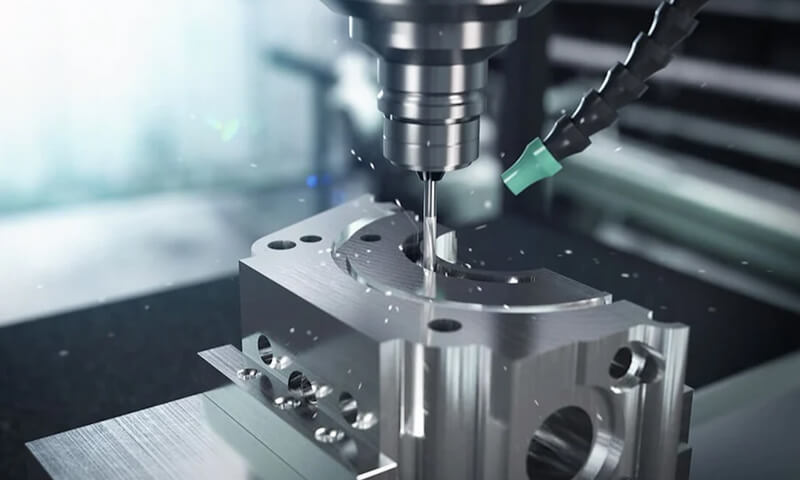
1. Вступ
Інструментальна сталь D2 давно визнана своєю винятковою зносостійкістю та стабільністю розмірів, що робить його основним продуктом холодної обробки.
Походить від прогресу в технології легування на початку 20 століття, D2 є високовуглецевим, сталь з високим вмістом хрому, яка встановлює еталон для інструментів, що працюють в умовах важкого зносу.
У цій статті розглядаються властивості, обробка, and applications of D2 tool steel, answering key questions about its suitability for various industries.
By exploring its chemical composition, physical and mechanical attributes, heat treatment protocols, and machining challenges,
We aim to provide a comprehensive understanding of why D2 remains a preferred choice for demanding tooling requirements.
2. Хімічний склад
D2 інструментальна сталь owes its exceptional wear resistance and dimensional stability to a carefully engineered alloy chemistry.
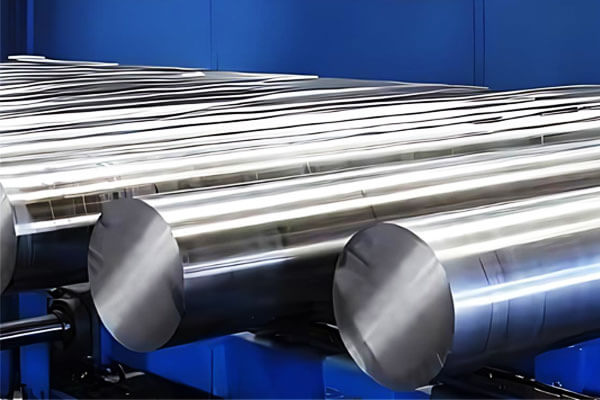
By combining high carbon content with strategic additions of chromium, молібден, і ванадій, metallurgists create a matrix rich in hard carbides that resist abrasion and retain cutting edges under heavy load.
Основні легуючі елементи та їх роль
| Елемент | Типовий зміст (%) | Metallurgical Role |
|---|---|---|
| Вуглець (C) | 1.40 - 1.60 | Forms cementite and complex chromium carbides; directly correlates with hardness and wear resistance |
| Хром (Cr) | 11.00 - 13.00 | Сприяє утворенню твердих карбідів M₇C₃ і M₂₃C₆; додає стійкість до корозії; підвищує загартовуваність |
| Молібден (Mo) | 0.70 - 1.40 | Очищає попередні карбіди; підвищує міцність і червону твердість; уповільнює ріст зерна під час аустенізації |
| Ванадій (V) | 0.30 - 1.10 | Створює надзвичайно тверді карбіди типу MC, які покращують утримання країв і протистоять мікротріщинам |
| Марганець (Мн) | ≤ 1.00 | Діє як розкислювач; сприяє зміцненню, але може зменшити в'язкість при надмірному додаванні |
| Кремнію (І) | ≤ 1.00 | Розкислювач; помірно сприяє міцності та сприяє морфології карбіду |
Характеристика карбідних фаз
Зносостійкість D2 залежить від a двокарбідна система:
Карбіди, багаті хромом (M₇C₃, M₂₃C₆)
- Ці карбіди хрому виглядають у вигляді блокових або кутастих виділень у загартованій мартенситній матриці.
- Вони становлять приблизно 30–40% мікроструктури за об’ємом, забезпечення об'ємної стійкості до абразивного зношування.
Карбіди МС, багаті ванадієм
- Нанорозмірні частинки МК (багатий ванадієм і вуглецем) рівномірно розподілити по сталі.
- Навіть a 5–10% об'ємна частка карбідів MC значно підвищує стійкість країв, перешкоджаючи утворенню тріщин.
3. Еквівалентні бренди та стандарти
Інструментальна сталь D2 відповідає декільком міжнародним специфікаціям. Нижче наведено основні еквіваленти до позначення ASTM:
| Стандарт/бренд | Позначення | Еквівалент | Регіон |
|---|---|---|---|
| AISI/SAE | D2 (США T30402) | - | США |
| ВІД | 1.2379 | D-2 | Німеччина/Європа |
| Він | SKD11 | D-2 | Японія/Азія |
| Брус | BS 1407M40 | D-2 | Великобританія |
| AFNOR | X210Cr12 | D-2 | Франція |
| ASTM | A681 | D-2 | Міжнародний |
4. Механічні властивості
Інструментальна сталь D2 врівноважує надзвичайну твердість із достатньою міцністю, дозволяючи йому витримувати високі зноси, протистоячи крихкому руйнуванню.

У таблиці нижче наведено основні механічні показники в стані загартування та відпуску (типово 60 HRC), з подальшим коротким обговоренням їх наслідків.
| Майно | Типове значення | одиниці | Нотатки |
|---|---|---|---|
| Сила на розрив (σₜ) | 2 000 - 2 200 | MPA | Висока межа міцності витримує великі навантаження під час холодної обробки. |
| Похідна сила (σᵧ 0.2%) | 1 850 - 2 000 | MPA | Мінімальна пластична деформація при високих силах стиску зберігає точність розмірів. |
| Твердість Роквелла С | 58 - 62 | HRC | Exceptional surface hardness ensures superior abrasion resistance. |
| Брінелл твердість (HBW) | 700 - 750 | HBW | Corresponds with HRC for cross-referencing in international standards. |
| Шарпі V-Notch Impact | 10 - 15 | Джоулі | Adequate energy absorption prevents catastrophic cracking in shearing and trimming applications. |
| Подовження на перерві | 2 - 3 | % | Limited ductility; design must account for low deformation capacity in hardened sections. |
| Modulus of Toughness | 20 - 25 | MJ/m³ | Area under stress-strain curve quantifies overall energy absorption before fracture. |
5. Фізичні властивості
Крім механічних характеристик, D2 tool steel exhibits a set of physical characteristics that influence heat flow, стабільність розмірів, and electromagnetic behavior in service.
Below is a summary of its key physical properties in the hardened (60 HRC) хвороба:
| Майно | Типове значення | одиниці | Нотатки & Наслідки |
|---|---|---|---|
| Щільність | 7.75 g/cm³ | Heavier than water, affecting die mass and handling. | |
| Модуль Янга (Модуль пружності) | 205 GPA | High stiffness ensures minimal elastic deflection under load. | |
| Співвідношення Пуассона | 0.28 | Indicates moderate lateral contraction when stretched. | |
| Теплопровідність | 20 З/м · k | Відносно низька теплопровідність сприяє збереженню тепла в поверхнях інструменту. | |
| Конкретна теплоємність | 460 J/кг · k | Енергія, необхідна для підвищення температури, актуальні для дизайну відпуску та гарту. | |
| Коефіцієнт теплового розширення | 11.5 мкм/м·K | Ефекти теплового розширення помірні, сприяння щільним зазорам матриці під час температурних циклів. | |
| Електричний опір | 0.70 мкОм·м | Вищий питомий опір, ніж у низьколегованих сталей, впливаючи на параметри EDM і поведінку електричного нагріву. | |
| Магнітна проникність (Відносне μᵣ) | 1.002 | Майже ідентичний вільному простору; підтверджує немагнітність D-2 (діамагнітний) у більшості програм. | |
| Твердість Роквелла С (Типовий, загартований/відпущений) | 60 HRC | Хоча механічна властивість, твердість впливає на контакт поверхні, тертя, і утворення тепла під час використання. |
6. Термічна обробка & Обробка
Оптимізація продуктивності інструментальної сталі D2 залежить від точної термообробки та ретельної обробки.
Контрольним відпалом, аустенітуючі, гасіння, загартовування, і додаткові кріогенні етапи,
виробники підбирають твердість сталі, міцність, and dimensional stability to demanding cold-working tasks.

Відпал і зняття напруги
Мета: Soften D2 for machining, зняти залишкові напруги, and spheroidize carbides.
- Процедура: Heat slowly to 800–820 °C, hold for 2– 4 години, then cool in the furnace at 20 °C/год до 650 ° C, з подальшим повітряним охолодженням.
- Результат: Досягає ~240 HBW, with uniformly spheroidized carbides that minimize tool wear on cutting edges and prevent chipping.
Before any hardening cycle, використовувати a pre-stress relief в 650 ° C для 1 hour to remove machining-induced stresses.
Загартовування (Аустенітізація та гартування)
Мета: Transform to martensite and dissolve sufficient carbides for maximum wear resistance.
Аустенітизація:
- Температура: 1 020–1 040 ° C
- Час замочування: 15– 30 хвилин (залежно від товщини профілю)
- Атмосфера: Controlled-atmosphere furnace or salt bath to prevent decarburization and oxidation.
Гасіння:
- ЗМІ: Warm oil (50–70 °C) or air for minimal distortion; salt bath quench (400–500 °C) for faster cooling and reduced stress.
- Контроль спотворень: Use fixtures or interrupted quench techniques, особливо для складних геометрій.
Результат: Yields ~62 HRC maximum and a martensitic matrix with fine, дисперсні карбіди.
Цикли загартування
Мета: Balance hardness and toughness, reduce brittleness, and relieve quench stresses.
- Низькотемпературний загартування (150–200 °C):
-
- Результат: Hardness remains 60–62 HRC, with modest toughness. Ideal for applications demanding extreme wear resistance and edge retention.
- Середньотемпературний загартування (500–550 °C):
-
- Результат: Hardness drops to 55–58 HRC while toughness increases by 20–30%. Best for tools exposed to impact or moderate shocks.
- Процедура: Виконувати two consecutive tempering cycles, проведення 2 годинник кожен, з подальшим повітряним охолодженням.
Кріогенне лікування
Мета: Convert retained austenite to martensite and refine carbide distribution.
- Обробка: Після гасіння, cool to –80 °C (dry ice/ethanol) для 2 годинник, then return to room temperature.
- Вигода: Increases hardness by 2–3 HRC and marginally improves wear resistance without notable loss in toughness.
Остаточне зняття напруги та випрямлення
Following tempering (and cryogenic treatment, якщо використовується), conduct a final stress relief в 150–200 °C для 1 година. This step stabilizes dimensions and minimizes the risk of warping during service.
7. Обробка & Виготовлення
D2 tool steel’s high carbide content and pre-hardened microstructure pose unique challenges during machining and fabrication.
By selecting appropriate tooling, optimizing cutting parameters, and following specialized welding and finishing practices,
manufacturers can produce accurate, high-quality parts while preserving D2’s wear-resistant properties.

Механічна обробка Загартований D2
Although annealed D2 (∼240 HBW) machines readily, many applications start with pre-hardened stock (50 ± 2 HRC). In this condition:
- Інструментарія:
-
- Твердосплавні вставки with TiC or TiCN coatings resist abrasion from hard chromium and vanadium carbides.
- Polycrystalline cubic boron nitride (PCBN) excels for high-volume roughing of hardened surfaces.
- Параметри різання:
-
- Швидкість: 60–90 m/min for carbide; 100–150 m/min for PCBN.
- Feed: 0.05–0.15 mm/rev to balance tool life and surface finish.
- Depth of cut: 0.5–2 мм; shallow passes reduce cutting forces and heat generation.
- Охолоджуюча рідина: Flood coolant or through-tool delivery minimizes built-up edge and keeps cutting zones below 200 ° C, preventing carbide pull-out.
Transitionally, adopting these recommendations enhances surface integrity and dimensional accuracy, critical for tight-tolerance tooling.
Зварювання та ремонт
Welding D2 demands careful control to avoid cracking and preserve the martensitic matrix:
- Pre-heat: Bring parts to 200–300 ° C to reduce thermal gradients.
- Міжпрохідна температура: Maintain 200–250 °C between passes to alleviate residual stresses.
- Filler Metals: Use low-alloy, high-hardness rod (Напр., AWS A5.28 ER410NiMo) compatible with D2’s chemistry.
- Післяопрез: Stress-relieve at 500 ° C для 2 годинник, then temper according to Section 5 to restore toughness and hardness.
These steps minimize hydrogen-induced cracking and ensure weld zones match base-metal performance.
Шліфування та електроерозійна обробка (EDM)
For intricate geometries and fine finishes, non-conventional methods excel:
- Шліфування:
-
- Wheel Selection: Use aluminum-oxide or cubic boron nitride wheels (46A60H–54A80H) with soft bonds to prevent glazing.
- Параметри: Light infeed (0.01–0.05 mm) and high wheel speed (30 РС) yield Ra ≤ 0.4 мкм.
- EDM:
-
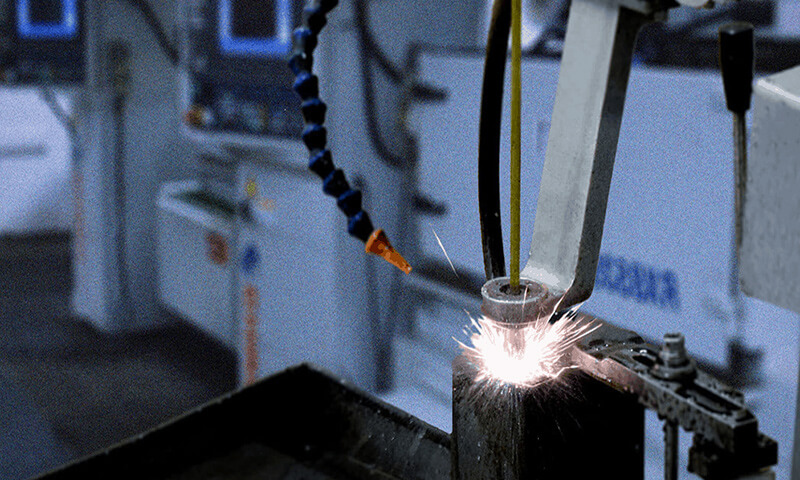
- Die Sinking or Wire EDM creates complex cavities without inducing mechanical stresses.
- Діелектрична рідина: Hydrocarbon oil with controlled flushing prevents re-deposition of carbides.
- Machining Rates: Typically 0.1–0.5 mm³/min, depending on electrode geometry and power settings.
Incorporating EDM and precision grinding allows D2 components to achieve near-net shapes and mirror finishes while maintaining the full hardness of the tool steel.
Оздоблення поверхні та покриття
To further extend tool life, consider these finishing options:
- Полірування: Final polish to Ra ≤ 0.2 µm reduces friction and debris adhesion.
- PVD Coatings: Нітрид титану (Жерстя) or aluminum titanium nitride (золото) layers add a hard, low-friction surface, increasing wear life by up to 50%.
- Азотування: Low-temperature gas nitriding (500 ° C) diffuses nitrogen to form a hardened case, enhancing surface hardness to HRC 70+ без спотворення розмірів сердечника.
8. Ключове застосування інструментальної сталі D2 для холодної обробки
Баланс зносостійкості та міцності D2 підходить:
- Холодна робота вмирає: Заглушка, формування, і перевищення операцій обрізки 1 мільйонів циклів.
- Ріжучі леза: Високошвидкісні зсувні ножі, що зберігають гострі краї під абразивним розчином.
- Набори пуансонів і матриць: Надійна робота штампованих компонентів для автомобільної та побутової промисловості.
- Зношуються деталі: Ролики, виштовхувачі, і втулки в середовищах з високим рівнем стирання.
- Вставки інструменту з присадками: Гібридні прес-форми, що поєднують D2 з конформними каналами охолодження.
9. Порівняння продуктивності: D2 проти. Інші інструментальні сталі
Інструментальна сталь D2 для холодної обробки широко відома своєю винятковою зносостійкістю та помірною міцністю.
Однак, у виборі інструментальної сталі для застосування у виробництві, дуже важливо порівнювати D2 з іншими популярними інструментальними сталями, щоб оцінити компроміси в продуктивності, міцність, і вартість.
У цьому розділі наводиться детальне порівняння D2 з A-2, М-2, і S-7, підкріплено даними та аналізом реальних випадків.
Порівняльна таблиця інструментальної сталі
| Майно / Тип сталі | D-2 | А-2 | М-2 | S-7 |
|---|---|---|---|---|
| Первинна сила | Зносостійкість | Жорсткість & стабільність розмірів | Червона твердість & продуктивність різання | Ударостійкість |
| Твердість (HRC) | 55–62 | 57–62 | 62–66 | 54–58 |
| Опір зносу | ★★★★☆ | ★★★☆☆ | ★★★★★ | ★★☆☆☆ |
| Жорсткість | ★★☆☆☆ | ★★★★☆ | ★★☆☆☆ | ★★★★★ |
| Обробка | ★★☆☆☆ | ★★★★☆ | ★☆☆☆☆ | ★★★☆☆ |
| Червона твердість | ★★☆☆☆ | ★★☆☆☆ | ★★★★★ | ★★☆☆☆ |
| Стабільність при термічній обробці | ★★★☆☆ | ★★★★☆ | ★★☆☆☆ | ★★★☆☆ |
| Найкращі програми | Заглушка, обрізка, удари руками | Формувальні плашки, інструментальні блоки | Високошвидкісні фрези, свердло | Стамески, ін'єкційні плашки, молотки |
| Рівень вартості | Середній | Середній | Високий | Середній |
10. Висновок
Інструментальна сталь D2 для холодної обробки виділяється своєю неперевершеною комбінацією зносостійкості, стабільність розмірів, і термічна стабільність.
Його універсальність у широкому діапазоні застосувань — від традиційних холодних штампів до нових технологій адитивного виробництва — робить його незамінним матеріалом у сучасному виробництві.
Розуміння нюансів хімічного складу D2, механічні властивості, і технології обробки надають можливості
інженерів і дизайнерів, щоб максимально використати його потенціал, забезпечення оптимальної продуктивності та ефективності своїх проектів.