1. Вступ
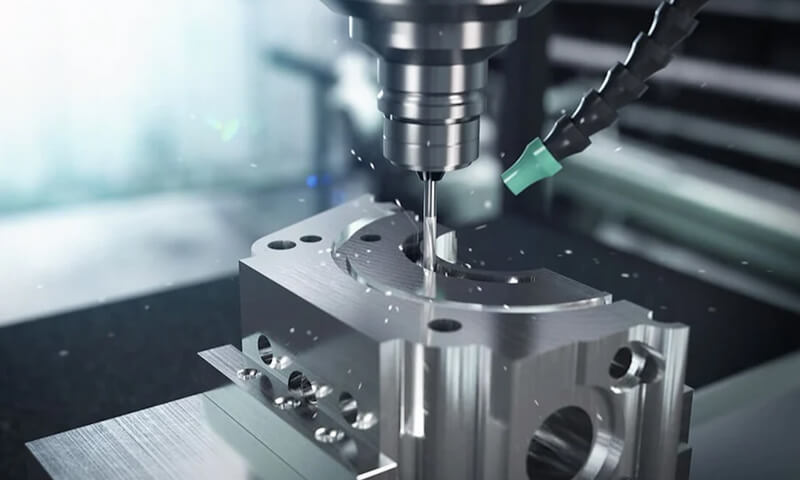
У сьогоднішньому виробничому ландшафті, ЧПУ (Комп'ютерний числовий контроль) machining stands as a pivotal technology that enables the production of highly precise and complex components.
Однак, the success of any CNC project heavily depends on selecting the right material.
The appropriate choice can significantly impact the performance, міцність, вартість, and overall efficiency of the final product.
This blog post aims to provide an in-depth guide to CNC machining materials, exploring their properties and how they influence the machining process.
2. Understanding Material Properties
Before exploring specific materials, it’s crucial to understand how material properties impact CNC machining.
Different materials behave differently under machining conditions, and choosing the right material is essential for achieving optimal results.

Here are the key material properties that influence CNC machining:
Твердість
Hardness is the ability of a material to resist indentation, дряпання, і носити.
Harder materials generally offer greater resistance to wear, making them ideal for parts that will experience abrasion or stress over time.
Однак, harder materials can be more challenging to machine due to their resistance to cutting tools.
- Ключові міркування: Materials like hardened steel, титан, and tool steels are known for their high hardness, which makes them ideal for heavy-duty applications.
З іншого боку, softer materials like aluminum or plastics are easier to machine, but they may wear down more quickly when used in high-stress environments. - Приклад: For CNC machining, матеріали, як H13 Інструментальна сталь (hardness around 45-50 HRC) are often used for molding or heavy-duty tooling,
в той час 6061 алюміній (with a Brinell hardness of about 95) is softer and more machinable.
Жорсткість
Toughness refers to a material’s ability to absorb energy and deform without fracturing.
It’s a combination of strength and ductility, making it a crucial property for parts exposed to high-impact or shock loads.
Tough materials perform better under conditions that involve sudden forces or mechanical shock, such as automotive or aerospace components.
- Ключові міркування: Materials that are both strong and tough can withstand impacts, вібрації, and high-stress conditions.
Метали як титан і вуглецева сталь are known for their toughness and are used in industries requiring reliable and durable parts, such as aerospace or heavy machinery. - Приклад: Титанові сплави (наприклад TI-6AL-4V) are highly tough, offering excellent strength-to-weight ratios while resisting cracking under stress.
Пластичність
Ductility is the ability of a material to undergo significant plastic deformation before breaking, usually through stretching or bending.
High ductility is important for parts that need to be shaped, bent or stretched during the manufacturing process or in use.
It’s especially critical when the material needs to absorb stress without failure.
- Ключові міркування: Ductile materials can be easily formed and manipulated without cracking.
For CNC machining, ductile materials are preferred for applications that require complex shapes or parts that need to bend or stretch without breaking. - Приклад: Мідь і алюміній are both highly ductile and can be easily shaped into intricate components like electrical connectors or thin-walled parts.
Міцність
Strength is the material’s ability to withstand an applied force without breaking or failing.
The greater the material’s strength, the more weight or pressure it can support without deformation.
For CNC machining, understanding strength is essential for selecting the right material for structural or load-bearing parts.
- Ключові міркування: Materials with higher tensile strength (the resistance to being stretched or pulled apart) are ideal for parts that will endure significant mechanical stress.
Наприклад, титан і вуглецева сталь are used for their exceptional strength in aerospace and automotive applications. - Приклад: 7075 алюміній, known for its high tensile strength of 83,000 павутина, is commonly used in aerospace, в той час нержавіюча сталь offers excellent strength and resistance to fatigue.
Корозійна стійкість
Corrosion resistance is the ability of a material to resist chemical degradation caused by environmental factors like moisture, соляна, або хімічні речовини.
Materials that exhibit excellent corrosion resistance are necessary for applications exposed to harsh environments, такі як морські, хімічний, or outdoor applications.
- Ключові міркування: Choosing materials with high corrosion resistance ensures the longevity and durability of the final product.
Нержавіюча сталь (особливо 316), титан, і алюміній are commonly chosen for their excellent corrosion resistance properties. - Приклад: 316 нержавіюча сталь is highly resistant to corrosion from chlorides and other chemicals, making it a top choice for marine environments and medical implants.
3. Factors to Consider When Choosing CNC Machining Materials
Choosing the right material for CNC machining is a balancing act, considering multiple factors that will affect both performance and cost. Here are the most critical factors to consider:
Міцність
Durability is the material’s ability to withstand wear, корозія, and fatigue over time.
In applications where components are exposed to harsh environmental conditions, durability is a primary concern.
Highly durable parts require less frequent replacements, reducing the total cost of ownership and ensuring long-term functionality.
- Ключові міркування: Look for materials that combine both strength and resistance to environmental factors like moisture, хімічні речовини, і екстремальних температур.
Нержавіюча сталь і титан are highly durable and resistant to corrosion, making them ideal for medical devices, Морські середовища, та аерокосмічні програми. - Приклад: Титанові сплави are commonly used in aerospace and medical industries for their ability to withstand harsh environments without degrading over time.
Нержавіюча сталь сплави як 316 are also highly durable and corrosion-resistant, making them ideal for equipment exposed to saltwater or chemicals.
Обробка
Machinability refers to how easily a material can be cut, фасонний, or finished during the CNC machining process.
Materials with high machinability require less energy to process, which can result in faster production times, longer tool life, and reduced overall machining costs.
- Ключові міркування: Materials that are too hard or abrasive can wear out cutting tools quickly, increasing the overall cost and machining time.
З іншого боку, softer materials tend to machine more easily but may wear down faster in service.
Алюміній і латунь are known for their excellent machinability, making them cost-effective and efficient for mass production.
Навпаки, більш тверді матеріали, як титан або Юнель require specialized tools and slower machining speeds. - Приклад: 6061 алюміній is widely used in CNC machining for its ease of machining and ability to produce precise parts quickly,
в той час титан demands more attention due to its tougher nature and higher tooling costs.
Теплові властивості
Thermal properties are crucial when selecting materials for applications exposed to high temperatures or significant temperature fluctuations.
These properties include thermal conductivity, Теплостійкість, and thermal expansion. Materials with poor thermal properties can distort, weaken, or fail under temperature changes.
- Ключові міркування: If your application requires components that will be exposed to heat, you’ll need a material with high thermal resistance and low thermal expansion.
Титан і Юнель are ideal for high-temperature environments, such as aerospace or turbine applications, where maintaining material integrity under extreme heat is critical.
Такі матеріали алюміній are good for heat dissipation due to their high thermal conductivity. - Приклад: Юнель is often chosen for its ability to withstand extremely high temperatures (up to 2,000°F) не втрачаючи своїх механічних властивостей.
Алюміній (як 6061) is often used for heat sinks and thermal management components because of its excellent thermal conductivity.
Вартість
Cost is often one of the most critical factors when selecting CNC machining materials, especially for large-scale production runs.
Такі матеріали алюміній і латунь are more cost-effective compared to specialty materials like титан або Юнель.
Однак, selecting a cheaper material may lead to compromises in performance or longevity, so it’s important to balance cost with the required performance standards.
- Ключові міркування: Consider not just the upfront material cost, but also factors like machining time, знос інструменту, and potential maintenance or replacement costs over the long term.
For low-cost, програми великого обсягу, алюміній і пластмаса наприклад акрил і нейлон are often used.
For high-performance parts, the additional cost of materials like титан may be justified. - Приклад: Алюміній 6061 is often chosen for its excellent balance between cost and performance, especially for structural and lightweight parts in industries like automotive and aerospace.
Титан, при цьому дорожче, is selected for its unique properties in demanding applications such as aerospace and medical implants.
Finish Requirements
The finish requirements of a part can significantly influence the material choice.
Materials that offer better surface finishes with minimal additional post-processing are preferred for applications where aesthetics
or functional surface properties (like smoothness, Корозійна стійкість, or conductivity) є критичними.
- Ключові міркування: For parts that require a high-quality finish, матеріали, як нержавіюча сталь або алюміній are easier to polish and anodize, забезпечення чистоти, visually appealing result.
Other materials, наприклад інструментальні сталі і Юнель, might require additional processing steps like grinding or polishing to achieve the desired finish. - Приклад: Алюміній 6061 is popular for its ability to take a high-quality finish, whether anodizing, порошкове покриття, or simple polishing.
Нержавіюча сталь, особливо 304 або 316, is often used in applications where a shiny,
aesthetically pleasing finish is required, such as kitchen appliances or architectural components.
Industry Application
Different materials are tailored for specific industries, depending on the performance requirements and environmental conditions.
Understanding the specific needs of the industry is critical when selecting CNC machining materials.
- Ключові міркування: Each industry may prioritize different material properties. Наприклад, аерокосмічний requires materials with high strength-to-weight ratios and heat resistance,
медичні програми demand biocompatibility and corrosion resistance, і Автомобільні деталі benefit from cost-effective, міцні матеріали. - Приклад: У аерокосмічний промисловість, матеріали, як титан і Юнель are favored for their high strength-to-weight ratio and resistance to high temperatures,
в той час Медичні імплантати often rely on нержавіюча сталь або титан due to their corrosion resistance and biocompatibility.
4. Common CNC Machining Materials
Let’s break down some of the most commonly used materials in CNC machining, класифіковані за типом:

Метали:
- Алюміній (Напр., 6061, 7075): Алюміній - це легкий, корозійний, і легко обробляється, making it one of the most popular choices.
Наприклад, 6061 aluminum has good strength, і хороша резистентність до корозії, and is often used in the aerospace and automotive industries.
З іншого боку, 7075 алюміній, with its higher strength-to-weight ratio, is preferred for high-performance applications like aircraft parts.
-
- Властивості: Міцність: 30-50 KSI (для 6061), Обробка: Відмінний
- Заявки: Аерокосмічний, автомобільний, споживчі товари.
- Нержавіюча сталь (Напр., 304, 316): Stainless steel is strong, довговічний, і стійкий до корозії, which makes it perfect for demanding environments like food processing, медичне обладнання, і морські програми.
Наприклад, 304 stainless steel is one of the most widely used grades due to its excellent corrosion resistance and relatively lower cost.
-
- Властивості: Міцність: 70-100 KSI, Корозійна стійкість: Відмінний
- Заявки: Медичний, харчова обробка, морський.
- Титан: Titanium alloys are known for their high strength-to-weight ratio and resistance to corrosion.
Titanium is commonly used in aerospace, медичний, and military applications where performance and reliability are critical.
-
- Властивості: Міцність: 130-160 KSI, Обробка: Важкий
- Заявки: Аерокосмічний, Медичні імплантати, військовий.
- Мідь & Латунь: Copper is excellent for electrical conductivity, while brass is known for its corrosion resistance.
These materials are commonly used for electrical and plumbing components.
-
- Властивості: Провідність: 58% IACS (Мідь), Міцність: 50-70 KSI (Латунь)
- Заявки: Електричні роз'єми, сантехнічні світильники.
- Вуглецева сталь: Carbon steel is strong, економічний, і універсальний. It’s commonly used for structural components and parts that don’t require extreme corrosion resistance.
-
- Властивості: Міцність: 50-70 KSI, Вартість: Низький
- Заявки: Автомобільний, будівництво, general manufacturing.
Пластмаса:
- Акрилові (ПММА): Acrylic is lightweight, прозорий, і легко обробляється, making it an ideal choice for applications like signage, освітлювальні прилади, і дисплеї.
-
- Властивості: Обробка: Відмінний, Ударний опір: Помірний
- Заявки: Displays, вивіски, optical lenses.
- Нейлон: Nylon is a tough, wear-resistant plastic often used for gears, втулки, and moving parts in machinery.
-
- Властивості: Міцність: 10-15 KSI, Опір зносу: Відмінний
- Заявки: Шестерні, підшипники, автомобільний.
- Паличка (Ацеталь): Delrin is a high-strength plastic known for its rigidity and precision. It’s often used for parts requiring tight tolerances, наприклад, передачі та підшипники.
-
- Властивості: Міцність: 20-25 KSI, Розмірна стабільність: Відмінний
- Заявки: Прецизійні деталі, шестерні, підшипники.
- Полікарбонат: Polycarbonate is known for its impact resistance and is used in applications requiring toughness, such as protective covers.
-
- Властивості: Ударний опір: Дуже високий, Прозорість: Відмінний
- Заявки: Protective covers, optical lenses.
Композити:
- Вуглецеве волокно: Carbon fiber is incredibly lightweight and strong, making it ideal for high-performance applications in industries like aerospace and sports equipment.
-
- Властивості: Міцність: 150-300 KSI, Вага: 30-50% легше, ніж алюміній
- Заявки: Аерокосмічний, автомобільний, спортивний інвентар.
- Скловолокно: Fiberglass offers strength and resistance to corrosion, commonly used for structural applications and parts exposed to harsh environments.
-
- Властивості: Міцність: 40-80 KSI, Міцність: Високий
- Заявки: Човни, Структурні компоненти.
5. Specialty CNC Machining Materials
Юнель
They are designed for high-temperature resistance, making them indispensable in aerospace and power generation sectors.
Юнель 718 can withstand temperatures up to 700°C, ensuring stability in extreme conditions.
Хастеллой
It is highly corrosion-resistant, particularly in aggressive chemical environments, and is frequently used in marine and chemical processing industries.
Hastelloy C-276 exhibits excellent resistance to pitting, Корозія щілини, and stress-corrosion cracking.
Кераміка
Ceramic materials are exceptionally hard and wear-resistant, suited for applications like cutting tools, підшипники, and semiconductor manufacturing.
Silicon nitride ceramics, наприклад, have a hardness of 15 GPA, providing outstanding durability and longevity.
Інструментальні сталі
Tool steels are specifically engineered for molds and dies, offering outstanding hardness and toughness for high-stress applications.
A2 tool steel, with a Rockwell hardness of HRC 60-62, ensures reliable performance in demanding manufacturing processes.
6. Додаткові фактори, які слід враховувати
Tolerances Required
Tight tolerances necessitate using materials that machine predictably and hold dimensions accurately.
Precision engineering often requires tolerances within ±0.001mm, which can be achieved reliably with materials like titanium and stainless steel.
Post-Machining Processes
Some materials benefit from or require post-machining processes such as heat treatment, покриття, або полірування.
These processes can enhance material properties or aesthetics. Наприклад, anodizing aluminum not only improves its corrosion resistance but also adds an attractive finish.
Екологічні умови
The operating environment of the component should be considered, including exposure to chemicals, волога, UV radiation, і температурні коливання.
Полікарбонат, наприклад, offers excellent UV resistance, making it suitable for outdoor applications.
7. How Material Selection Affects CNC Machining
Час обробки
Harder materials generally take longer to machine, potentially increasing production costs and lead times.
Наприклад, machining titanium can extend machining time by up to 30% Порівняно з алюмінієм, impacting overall efficiency.
Знос інструменту
More abrasive materials can accelerate tool wear, leading to higher maintenance costs and frequent tool replacement.
Using diamond-coated tools can extend tool life by up to 40%, скорочення простоїв і витрат.
Поверхнева обробка
Certain materials inherently produce better surface finishes, reducing the need for additional finishing steps and improving overall efficiency.
Паличка, наприклад, can achieve surface roughness values as low as Ra 0.8 мкм, minimizing post-processing requirements.
Ефективність витрат
Balancing material cost with production efficiency is crucial.
Expensive materials might justify their cost through improved performance or reduced machining times, while cheaper alternatives could lead to higher long-term expenses if they require more extensive processing.
Наприклад, choosing aluminum over titanium can reduce initial costs but may result in higher maintenance and replacement costs over time.

8. Висновок
Selecting the appropriate material for CNC machining is a critical decision that impacts every aspect of the project—from initial design to final performance.
By understanding the properties and considerations involved, manufacturers can choose materials that best meet the demands of their application while balancing cost and efficiency.
Choosing the right material not only enhances the quality and durability of the final product but also optimizes the entire manufacturing process.
Embrace the precision and potential of Обробка ЧПУ by making well-informed material selections, and elevate your projects to new heights.
DEZE - це професійна фабрика з ЧПК. If you have any CNC processing needs for any material, Будь ласка, не соромтеся Зв’яжіться з нами.