
Бронза, an alloy primarily composed of copper and tin, has been integral to human history for thousands of years.
Its superior strength, Корозійна стійкість, and versatility have made it invaluable across a variety of industries.
But why has this ancient material remained relevant in modern times? What is it about bronze that makes it so widely used, and how does it compare to other materials?
У цьому вичерпному посібнику, we’ll dive into the characteristics, оцінки, заявки, and proper care of bronze to explore
why it continues to be a go-to material for industries ranging from морський і аерокосмічний до ст і інженерія.
1. Що таке бронза?
Bronze is primarily an alloy of copper and tin, typically in a ratio of 90% мідь і 10% жерстя.
Однак, this alloy can also contain small amounts of other elements such as алюміній,
фосфор, марганець, кремнію, або берилій to enhance specific properties like strength, Корозійна стійкість, або зносостійкість.
This flexibility in composition gives bronze a wide range of desirable characteristics that vary based on the intended application.

Історичне значення
The introduction of bronze material during the Bronze Age (навколо 3300 до 1200 BCE) marked a pivotal point in human history.
The development of bronze tools and weapons not only transformed everyday life but also laid the foundation for later technological advancements.
Archaeological findings, such as bronze weapons, інструменти, і монети, highlight the material’s versatility and importance.
Bronze’s ability to resist corrosion and its ease of casting made it a revolutionary material in ancient civilizations.
Basic Composition
- Мідь: Забезпечує пластичність, міцність, і резистентність до корозії.
- олово: Enhances the твердість і плинність сплаву.
- Додаткові елементи: Легуючі елементи, такі як фосфор і алюміній are used to improve specific characteristics, як increased strength або Корозійна стійкість.
2. Properties of Bronze
Bronze is a highly versatile material, renowned for its mechanical properties, Корозійна стійкість, і відмінна обробка.
Механічні властивості
- Сила і твердість: Bronze alloys are notably stronger and harder than pure copper, which is one of the primary reasons for their widespread use in industrial applications.
Наприклад, бронза фосфору, which typically contains 0.1% до 0.35% фосфор, is renowned for its висока міцність на розрив (до 500 MPA) і втома.
This makes it ideal for heavy-duty applications, наприклад пружини, шестерні, і втулки.
Латунь і алюміній, while also strong, generally do not provide the same level of hardness and wear resistance,
which makes bronze the superior choice for many demanding environments. - Пластичність і пластичність: Bronze exhibits both пластичність і пластичність, meaning it can be easily shaped, кадати, and machined without cracking or breaking.
This property makes bronze ideal for creating intricate and detailed parts, наприклад декоративні предмети, електричні роз'єми, або art sculptures.
The ability to maintain structural integrity under pressure is one of the reasons bronze is commonly used in середовища високого стресу.
Корозійна стійкість
- Виняткова резистентність до корозії: One of bronze’s most valued properties is its резистентність до корозії, particularly in harsh environments like морська вода і moisture-rich умови.
На відміну від прасувати або сталь, which rust and degrade over time when exposed to oxygen and moisture, bronze naturally forms a protective патина over its surface.
This patina acts as a бар'єр to further corrosion, effectively preventing material degradation even when exposed to harsh conditions.
Bronze alloys with higher amounts of алюміній, як алюмінієва бронза, offer particularly чудова стійкість до корозії, especially in marine applications.
Наприклад, aluminum bronze is commonly used in морські гвинти, ship fittings,
і аерокосмічні компоненти due to its ability to withstand prolonged exposure to saltwater without significant wear or damage.
- Утворення патини: З часом, bronze develops a greenish-brown surface layer known as a патина, в основному складається з copper carbonate і copper oxide.
Not only does this patina give bronze its iconic aesthetic appearance, but it also protects the underlying metal from further corrosion.
Теплова та електрична провідність
- Теплопровідність: Bronze conducts heat well, but not as efficiently as чиста мідь.
While copper remains the preferred material for high-heat transfer applications (such as heat exchangers or radiators),
bronze’s moderate thermal conductivity still makes it a viable option for Тепловоліки and components where thermal regulation is important but extreme conductivity is not required.
Наприклад, бронзові сплави часто використовуються в marine engines або промислова техніка де Теплостійкість і термічна стабільність є важливими,
and where some degree of heat dissipation is required without the need for the exceptional conductivity of pure copper.
- Електропровідність: В той час бронза does not match мідь for electrical conductivity, it is still an effective conductor of electricity, особливо в low-voltage applications.
Bronze is often chosen for електричні контакти, з'єднувачі, і commutators, where moderate conductivity combined with high durability and corrosion resistance is needed.
Опір зносу
Bronze is renowned for its low friction properties і outstanding wear resistance, making it an ideal choice for applications where parts move against one another regularly.
З self-lubricating nature of bronze reduces wear and tear, extending the life of mechanical components.
- Заявки: Bronze is commonly used in підшипники, шестерні, клапани, і втулки, where high contact pressure and frequent movement occur.
Bearing bronze (SAE 660), наприклад, is widely used in автомобільний і промислова техніка because it reduces friction and wear between moving parts. - Низьке тертя: З Низьке тертя properties of bronze not only improve the performance of mechanical parts but also reduce the amount of heat generated due to friction,
що веде до better efficiency і longer operational lifespans of machinery components.
Other Notable Properties
- Sound Dampening: Бронзові сплави, особливо бронза фосфору, exhibit excellent sound-dampening qualities.
These alloys are often used in Музичні інструменти (наприклад guitar strings і drum cymbals) because of their ability to absorb and reflect sound in a controlled manner.
З high elasticity of these alloys allows for optimal performance in sound-producing applications. - Обробка: Bronze is easier to machine than many other metals, including steel and aluminum, завдяки його пластичність і пластичність.
Це може бути кадати, milled, і оброблений into complex shapes with a relatively low degree of difficulty.
This makes it an ideal choice for creating точні частини, art objects, і промислові компоненти that require complex geometry. - Неспажка: Unlike metals such as steel, which can produce sparks when struck, bronze is non-sparking,
making it a safer choice for applications in hazardous environments як нафтові вишки, хімічні рослини, і гірничі операції.
3. Types of Bronze Alloys
Bronze alloys come in various compositions, each tailored to meet specific needs across different industries.
Бронза фосфору (CuSn6 to CuSn12)
Склад: Primarily copper with 4-12% tin and 0.01-0.35% фосфор.
Властивості:
- Міцність і опір втомі: The addition of phosphorus increases the alloy’s strength and fatigue resistance.
- Корозійна стійкість: Offers excellent corrosion resistance, особливо в морському середовищі.
- Опір зносу: High wear resistance makes it suitable for components that experience significant friction.
- Обробка: Good machinability due to its fluidity during casting and ease of working.
Алюмінієва бронза (CuAl9Fe3Ni2)
Склад: Copper with 7-11% алюміній, до 3% прасувати, і до 2% нікель.
Властивості:
- Висока міцність: Exceptional tensile strength, sometimes exceeding 700 MPA.
- Корозійна стійкість: Outstanding resistance to corrosion, especially in seawater and acidic environments.
- Термостійкість: Can withstand higher temperatures than many other bronzes.
- Твердість: Increased hardness contributes to better wear resistance.
Кремнієва бронза (CuSi3)
Склад: Copper with 1.5-4% silicon and small amounts of manganese and iron.
Властивості:
- Корозійна стійкість: Excellent resistance to corrosion, particularly in saltwater.
- Міцність: Good mechanical strength with a tensile strength of around 480 MPA.
- Пластичність: High ductility allows for easy forming and machining.
- Немагнітний: Suitable for applications where magnetic interference is undesirable.
Beryllium Bronze (CuBe2)
Склад: Copper with 2-3% beryllium and sometimes small amounts of cobalt or nickel.
Властивості:
- Висока міцність: Extremely strong with tensile strengths reaching up to 1400 MPA.
- Провідність: Відмінна електро- і теплопровідність.
- Неспажка: Does not produce sparks when struck, making it safe for use in explosive environments.
- Втома: Чудова стійкість до втоми, ideal for components under cyclic loading.
Бронза підшипника (SAE 660)
Склад: Copper with 7-11% жерстя, plus small amounts of zinc, провід, і фосфор.
Властивості:
- Опір зносу: Optimized for minimal wear in bearing applications.
- Lubrication Retention: Good ability to retain lubricants, зменшення тертя.
- Обробка: Easy to machine into complex shapes.
Марганцева бронза (CuZn40Mn2Pb1)
Склад: Copper with approximately 40% цинк, 2% марганець, і 1% провід.
Властивості:
- Міцність: Висока міцність на розрив, часто навколо 550 MPA.
- Корозійна стійкість: Good resistance to corrosion in various environments.
- Опір зносу: Enhanced by the inclusion of manganese and lead.
- Обробка: Lead improves machinability, allowing for easier cutting and shaping.
Leaded Bronze (CuSn10Pb10)
Склад: Copper with about 10% tin and 10% провід.
Властивості:
- Обробка: Lead significantly enhances machinability, making it easier to cut and shape.
- Опір зносу: Lead also contributes to improved wear resistance in moving parts.
- Корозійна стійкість: Помірна стійкість до корозії, suitable for less aggressive environments.
4. Advantages and Disadvantages of Bronze
Like any material, bronze has its strengths and weaknesses. Its unique properties make it an excellent choice for specific applications, but it may not always be the ideal option for every situation.
Advantages of Bronze
Висока стійкість до корозії
Бронза високостійка до корозії, особливо в морська вода і moisture-rich environments.
The formation of a protective патина on its surface acts as a barrier that protects the material from further degradation.
This makes bronze a go-to material for Морські програми, включаючи гвинти, Морське обладнання, і ship fittings.
Key Fact: Бронзові сплави, particularly those with алюміній або фосфор, can last for decades in seawater without significant deterioration.
Довговічність і довговічність
Бронза відома своєю тривалий термін служби and ability to withstand wear and tear.
Its excellent втома і стійкість до стирання make it ideal for high-stress environments, including heavy-duty machinery, шестерні, підшипники, і втулки.
Приклад: SAE 660 bearing bronze зазвичай використовується в автомобільний і промислова техніка заявки
because it can operate under extreme loads and keep functioning smoothly over long periods.
Low Friction and Self-Lubricating
Bronze has low friction properties, which reduce wear on moving parts and minimize the need for lubrication.
This is particularly beneficial for components like підшипники і шестерні, where frictional forces are a concern.
Ключова перевага: Reduced maintenance costs due to the material’s self-lubricating ability.
Malleability and Machinability
Bronze is relatively easy to cast, машина, і forge. Its malleability allows it to be shaped into complex and detailed forms without cracking.
This makes it a preferred choice for спеціальні компоненти, точні частини, і навіть art sculptures.
Приклад: Bronze is a popular material in the creation of статуї і медалі, наприклад Oscar statuette,
because it can be easily molded into intricate shapes and retains fine details over time.
Естетична привабливість
The natural golden-brown hue of bronze, combined with its ability to form a green patina з часом, gives it a distinctive and appealing look.
This makes bronze not only a functional material but also a highly sought-after material for ст, скульптура, і декоративні предмети.
Приклад: Many famous works of art and monuments, наприклад The Thinker за Auguste Rodin, are cast in bronze due to their aesthetic and historical value.
Disadvantages of Bronze
Higher Cost Compared to Other Metals
Bronze material is typically more expensive than сталь і алюміній. The high cost is often associated with its мідь вміст, which fluctuates in price.
For projects with strict budget constraints, з cost of bronze might make it less attractive compared to other materials that offer similar mechanical properties at a lower cost.
Приклад: Bronze material components in техніка або споживчі товари might increase the overall production cost, especially in mass production settings.
Brittleness in Certain Forms
While bronze is generally strong and durable, it can become крихкий in certain alloy combinations, особливо в high-lead bronzes.
Крихкість can cause розтріскування under high stress or impact, which limits the material’s suitability for certain high-stress applications where shock resistance is critical.
Приклад: Leaded bronze alloys, though excellent for machinability, may be more prone to cracking under high-impact conditions compared to other more ductile materials.
Limited Strength in Extreme Conditions
Although bronze is strong and durable in most applications, it is not as strong as steel in high-load or high-temperature environments.
Steel alloys outperform bronze in terms of Сила на розрив і стійкість when exposed to extreme forces or temperatures.
Як результат, bronze material is not typically used in heavy industrial machinery that requires the utmost strength.
Приклад: For construction applications requiring high tensile strength and structural integrity, сталь або титан may be more suitable than bronze.
Sensitive to Acidic Environments
While bronze is resistant to corrosion in most environments, it can be susceptible to corrosion in acidic conditions.
When exposed to acids (Напр., sulfuric acid or hydrochloric acid), bronze material can experience degradation і піттінг, which can undermine its structural integrity.
Приклад: Bronze is not ideal for обладнання для хімічної обробки where exposure to strong acids is common.
У цих середовищах, матеріали, як нержавіюча сталь або титан може бути більш доречним.
Requires Proper Maintenance in Outdoor Environments
While bronze forms a protective patina over time, this layer must be maintained to ensure the material’s longevity.
In highly polluted або промисловий середовище, the patina may need regular cleaning or coating to maintain its protective properties.
На додаток, bronze can discolor or tarnish under certain environmental conditions, requiring regular care to retain its aesthetic qualities.
Приклад: У outdoor sculptures або архітектурні елементи, the patina may need to be cleaned or restored periodically to maintain the bronze’s appearance and prevent further deterioration.
Зведена таблиця: Advantages and Disadvantages of Bronze
| Переваги | Недоліки |
|---|---|
| Висока корозійна стійкість (особливо в солоній воді) | Higher cost compared to other metals |
| Durability and longevity in harsh environments | Can be brittle in certain forms |
| Low friction and self-lubricating properties | Limited strength in extreme conditions |
| Malleability and machinability | Sensitive to acidic environments |
| Aesthetic appeal and aesthetic longevity | Requires maintenance in outdoor environments |
5. Застосування бронзи
Bronze’s versatility stems from its unique combination of strength, міцність, Корозійна стійкість, та естетична привабливість.

Engineering and Manufacturing
Шестерні, Підшипники, and Valves
One of bronze’s most significant advantages lies in its wear resistance and low-friction properties.
Такі компоненти, як шестерні, підшипники, and valves benefit greatly from these attributes.
Наприклад, bronze bushings can endure high levels of stress while maintaining smooth operation, reducing wear on moving parts.
This makes bronze material indispensable in machinery where reliability and efficiency are paramount.
- Шестерні: Used in gearboxes, conveyor systems, і автомобільні трансмісії.
- Підшипники: Commonly found in rotating equipment like motors and pumps.
- Клапани: Ideal for regulating fluid flow in plumbing and industrial processes.
Precision Parts
The ease with which bronze can be machined into intricate shapes without losing structural integrity makes it perfect for precision components.
Items like bushings, шайби, and electrical connectors rely on bronze’s malleability and conductivity.
Додатково, its non-magnetic properties make it suitable for sensitive electronic devices.
- Bushings and Washers: Essential for reducing friction and wear in mechanical assemblies.
- Електричні роз'єми: Beneficial for their conductivity and resistance to corrosion.
Marine and Aerospace
Corrosion Resistance in Harsh Environments
Bronze’s exceptional resistance to corrosion, особливо в солоній воді, makes it ideal for marine and aerospace applications.
Whether submerged underwater or exposed to atmospheric elements, bronze components can maintain their integrity over extended periods.
This durability is critical in environments where maintenance access may be limited or costly.
- Морське обладнання: Пропелери, rudders, and fasteners for boats and ships.
- Аерокосмічні компоненти: Підшипники, дужки, and fasteners in aircraft.
Art and Sculptures
Aesthetic Appeal and Longevity
Artists and sculptors favor bronze material for its rich, golden color and the way it develops a protective patina over time.
This natural aging process enhances the artwork’s character and protects against further corrosion.
Більше, bronze’s durability ensures that sculptures can withstand outdoor conditions, preserving cultural heritage for generations.
- Statues and Monuments: Outdoor statues, commemorative monuments, and public art installations.
- Medals and Coins: Historically used for minting currency and awards, still favored for its prestige.
Other Applications
Музичні інструменти
Bronze’s resonant qualities make it an excellent choice for musical instruments. Cymbals, дзвіночки, and gongs crafted from bronze produce vibrant, clear sounds that resonate well.
The alloy’s hardness contributes to the instruments’ longevity and sound quality.
- Cymbals and Bells: Found in orchestras, bands, and percussion ensembles.
- Gongs: Used in traditional music and ceremonial events.
Decorative and Architectural Elements
Beyond functional uses, bronze adds elegance and sophistication to architectural designs.
Дверні ручки, light fixtures, and decorative panels benefit from the material’s visual appeal and resistance to environmental factors.
- Architectural Fixtures: Door hardware, window fittings, and ornamental details.
- Decorative Panels: Interior and exterior wall cladding, перила, and banisters.
6. Виготовлення та обробка бронзи
Crafting with bronze material is an intricate process that combines both artistic skill and technical precision.
Процеси лиття
Пісочний кастинг
Sand casting is one of the oldest and most widely used methods in bronze fabrication.
У цьому процесі, a mold is formed from sand, and molten bronze is poured into the mold to take shape.
This method is ideal for producing complex shapes and large parts. Its ability to create detailed sculptures
and industrial components has made it an essential technique across various industries, including art and manufacturing.
Інвестиційне кастинг
Також відоме як лиття за виплавленим воском, investment casting is a more precise and detailed method. The process starts by creating a pattern from wax, which is coated in a ceramic shell.
Once the shell is hardened, the wax is melted away, and molten bronze is poured into the cavity left behind.
This technique allows for the creation of intricate and complex designs, making it ideal for precision components in both artistic and industrial applications.
Техніка обробки
Обертання
Turning is a machining process in which a rotating workpiece is shaped by a cutting tool.
This technique is typically used for creating cylindrical shapes, such as shafts or rods, and for adding detailed features like grooves or threads.
Bronze’s malleability makes it well-suited for turning, allowing for the creation of detailed components with smooth finishes.

Фрезер
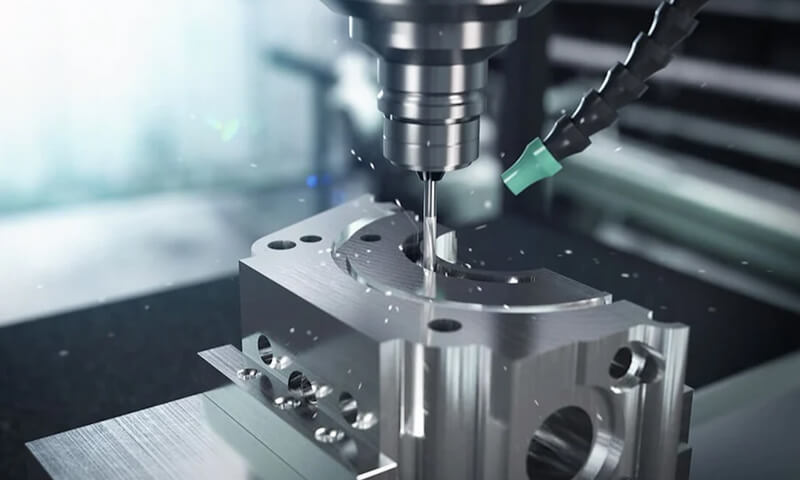
Milling involves rotating cutters to remove material from a workpiece. It is used for producing flat surfaces, кишені, and slots in bronze.
Milling machines can work with high precision, allowing manufacturers to create intricate patterns and specific dimensions required for complex parts.
Integration of Techniques
The fusion of casting and machining techniques provides the flexibility to create a wide range of bronze products.
Whether crafting an elaborate bronze material sculpture or producing high-performance mechanical components,
these processes are essential for ensuring that each piece is made with the right balance of precision and durability.
7. How Bronze Compares to Other Materials
Bronze material is often compared to other metals like brass, мідь, алюміній, and steel because it shares several properties with them,
yet also exhibits unique characteristics that make it suitable for specific applications.
Бронза проти. Латунь
Bronze and brass are both сплави на основі міді, but they differ significantly in composition, властивості, та програми.
- Склад:
-
- Бронза is primarily composed of copper and tin, but it can also contain small amounts of other elements like алюміній, фосфор, марганець, і кремнію.
- Латунь is primarily composed of copper and цинк, with zinc content typically ranging from 5% до 45%.
- Корозійна стійкість:
-
- Бронза has superior corrosion resistance, особливо в Морські середовища, because the жерстя content makes it less prone to corrosion by saltwater.
- Латунь is also resistant to corrosion, but it is more susceptible to знецинкування, a process where zinc leaches out in certain conditions, leaving behind a porous structure.
- Сила та довговічність:
-
- Бронза tends to have higher Сила на розрив і Опір зносу, making it a better option for high-stress applications such as підшипники, шестерні, і Морське обладнання.
- Латунь, while more malleable and easier to form, є м'якше and less durable compared to bronze, which limits its use in heavy-duty applications.
Мідь проти. Бронза
Copper and bronze are both copper-based materials, але додавання жерстя (та інші легуючі елементи) significantly changes the properties of bronze.
- Сила і твердість:
-
- Бронза є важче і сильніше than pure copper, which makes it more suitable for applications that require структурна цілісність і Опір зносу.
- Мідь is more ductile and придатний, meaning it can be easily shaped and deformed without breaking.
Однак, це так м'якше than bronze and is not as suitable for heavy-duty applications.
- Корозійна стійкість:
-
- Мідь має Хороша резистентність до корозії but is more prone to окислення при вплиді в ефір, формування a green patina (copper oxide).
- Бронза resists corrosion better than copper, особливо в морська вода і промислове середовище.
The tin in bronze creates a protective oxide layer that enhances its durability.
Алюміній проти. Бронза
Bronze and aluminum are both widely used in промисловий і consumer заявки, but they have distinct differences in terms of міцність, вага, і Корозійна стійкість.
- Вага:
-
- Алюміній is much легший ніж бронза. This makes aluminum an ideal choice for applications where вага є критичним фактором, наприклад аерокосмічний, автомобільний, і транспортування.
- Бронза, while heavier than aluminum, пропозиція greater strength and is preferred in високостресовий заявки.
- Корозійна стійкість:
-
- Алюміній has excellent Корозійна стійкість due to the formation of an oxide layer on its surface, що робить його ідеальним для використання в морський і відкритий середовище.
- Бронза is also highly resistant to corrosion, особливо в морська вода,
and often outperforms aluminum in applications that require extended durability in marine environments.
- Strength and Wear Resistance:
-
- Бронза має начальника Опір зносу і міцність Порівняно з алюмінієм.
This makes it a better choice for підшипник і компоненти техніки that need to withstand significant wear. - Алюміній is generally softer and more susceptible to стирання ніж бронза, though it still performs well in many applications requiring lighter materials.
- Бронза має начальника Опір зносу і міцність Порівняно з алюмінієм.
Бронза проти. Сталь
Steel is one of the most commonly used materials in engineering and construction, but bronze offers distinct advantages in specific applications.
- Міцність і міцність:
-
- Сталь типово сильніше і жорсткіше ніж бронза, particularly in terms of Сила на розрив.
Steel alloys like вуглецева сталь і нержавіюча сталь can withstand higher loads and stress, making them the material of choice for structural and heavy-duty applications. - Бронза material has lower strength than steel but compensates with superior Корозійна стійкість і Опір зносу, particularly in saltwater and marine conditions.
- Сталь типово сильніше і жорсткіше ніж бронза, particularly in terms of Сила на розрив.
- Корозійна стійкість:
-
- Сталь is prone to іржа when exposed to moisture, requiring coatings or treatments like оцинкування або нержавіюча сталь alloys for enhanced resistance.
- Бронза naturally resists corrosion, особливо в Морські середовища, making it an ideal choice for underwater і морський заявки.
- Обробка:
-
- Сталь is tougher to machine compared to bronze, which is more easily cast and worked into intricate shapes.
- Бронза has excellent обробка and can be кадати і milled into detailed components without the risk of cracking, making it an attractive choice for точні частини.
Comparison Summary Table
| Матеріал | Міцність | Корозійна стійкість | Обробка | Вартість | Заявки |
|---|---|---|---|---|---|
| Бронза | Від середнього до високого | Високий (особливо в морських умовах) | Відмінний | Помірний | Підшипники, втулки, Морське обладнання, ст |
| Латунь | Помірний | Помірний | Відмінний | Низький | Музичні інструменти, сантехніка, декоративні предмети |
| Мідь | Від низького до середнього | Помірний | Відмінний | Помірний | Електропроводка, сантехніка, монети |
| Алюміній | Від низького до середнього | Високий (особливо в морських умовах) | Добрий | Низький | Аерокосмічний, автомобільний, транспортування, будівництво |
| Сталь | Високий | Низький (requires coatings) | Moderate to Difficult | Низький | Структурні компоненти, техніка, важка техніка |
8. Висновок
Bronze is a unique and versatile material that combines strength, Корозійна стійкість, Опір зносу, і оброблюваність.
Whether you consider bronze material for its practical engineering applications or its aesthetic qualities,
its wide range of properties ensures that it remains a highly valuable material across various industries.
Поширення
Q: Is bronze more expensive than brass?
A: Так, bronze typically costs more due to its superior strength, Корозійна стійкість, and the complexity of production processes.
Q: Is bronze better than steel for bearings?
A: Bronze is preferred in many bearings because of its low friction, Опір зносу, and self-lubricating properties, making it a better option for many machinery applications.
Q: Can bronze rust?
A: Bronze does not rust in the traditional sense but develops a protective patina that shields it from corrosion.
Q: What is the best way to clean bronze?
A: To clean bronze, gently wipe it with a soft cloth and mild soap mixed with water. Avoid abrasive cleaners that can damage the surface.
For restoring its original luster, consider professional polishing services or specialized products designed for bronze care.