1. Вступ
4140 сталь — низьколегована хромомолібденова сталь.
Він пропонує чудове поєднання міцності, міцність, і носійне опір, що робить його ідеальним кандидатом для вимогливих промислових застосувань.
Ця стаття досліджує 4140 легована сталь з багатьох технічних точок зору, включаючи його хімічний склад, механічна поведінка, реакція на термічну обробку, обробка, корозійні показники, і загального використання.
2. Хімічний склад 4140 Лепка сталь
Унікальне виконання 4140 легована сталь походить від його ретельно контрольованого хімічного складу:
| Елемент | Вага % | Роль у властивостях сталі |
|---|---|---|
| Вуглець (C) | 0.38–0,43 | Підвищує міцність і загартовуваність |
| Хром (Cr) | 0.8–1,1 | Покращує твердість, Опір зносу, і корозії |
| Марганець (Мн) | 0.75–1,0 | Підвищує міцність і розкислення |
| Молібден (Mo) | 0.15–0,25 | Підвищує опір повзучості та глибину затвердіння |
| Кремнію (І) | 0.15–0,35 | Збільшує силу, трохи покращує міцність |
| Фосфор (С) | ≤ 0.035 | Зазвичай мінімізують для зменшення крихкості |
| Сірка (S) | ≤ 0.04 | Додано для обробки, але може зменшити міцність |
У порівнянні з аналогічними сплавами типу 4130 (нижчий вуглець) і 4340 (вищий нікель), 4140 врівноважує міцність і оброблюваність, що робить його практичним і економічно ефективним рішенням для багатьох будівельних застосувань.

3. Фізичні властивості 4140 Сталь
| Майно | Значення | Одиниця | Нотатки |
|---|---|---|---|
| Щільність | 7.85 | g/cm³ | Характерно для низьколегованих сталей |
| Модуль еластичності (Е) | ~205 | GPA | Жорсткість при розтягуванні і стисненні |
| Модуль зсуву (Г) | ~80 | GPA | Корисно для торсійних застосувань |
| Співвідношення Пуассона | 0.27–0.30 | - | Відношення поперечної деформації до осьової деформації |
| Теплопровідність | 42.6 | З/м · k | В 100 ° C; дещо зменшується при підвищенні температури |
| Конкретна теплоємність | 475 | J/кг · k | Приблизно при кімнатній температурі |
| Електричний опір | 205 | nΩ·м (наноомметри) | Вище, ніж чисте залізо; низька електропровідність в порівнянні з міддю |
| Коефіцієнт теплового розширення | ~12,0 | мкм/м·K (20–100 ° C) | Важливо при проектуванні для термоциклування або стабільності розмірів |
| Точка плавлення | 1416–1471 | ° C | Вужчий асортимент за рахунок легуючих елементів |
4. Механічні властивості 4140 Сталь
Aisi 4140 це універсальна хромомолібденова легована сталь, відома своєю чудовою механічною міцністю, міцність, і стійкість до втоми.
Ці 4140 Властивості сталі можуть істотно відрізнятися в залежності від умов їх термічної обробки (Напр., відпалений, нормалізовано, гаситься, або загартований).
Таблиця механічних властивостей
| Майно | Відпалений | гасять & Загартований (Q&Т) | Одиниця | Нотатки |
|---|---|---|---|---|
| Похідна сила | ~655 МПа | До 1,600 MPA | MPA (мегапаскалі) | Q&T значно покращує міцність |
| ~95 ksi | ~232 ksi | KSI (імператорський) | ||
| Сила на розрив | 850–1000 МПа | 1,000–1100 МПа | MPA | Типовий діапазон після різних термічних обробок |
| 123–145 ksi | 145–160 ksi | KSI | ||
| Подовження на перерві | 25–30% | 12–18% | % | Більш висока пластичність у відпаленому стані |
| Зменшення площі | ~50% | ~45% | % | Показник пластичності та пластичності |
| Твердість (Роквелл Ч) | 18–28 HRC | До 50–55 HRC | HRC | Дуже добре реагує на загартування і відпустку |
| Міцність за Шарпі V-подібним вирізом | >54 J (відпалений) | 20–35 Дж (Q&Т при високій твердості) | Джоулі | Продуктивність при ударних навантаженнях |
| Сила втоми (Межа витривалості) | ~420 МПа | До 700 MPA | MPA | Залежить від обробки поверхні та циклів завантаження |
| Модуль еластичності (Е) | ~205 ГПа | - | GPA | Жорсткість залишається незмінною в різних умовах |
5. Поведінка термічної обробки 4140 Лепка сталь
Aisi 4140 легована сталь дуже чутлива до різноманітних процесів термічної обробки, що дозволяє досягти широкого спектру механічних властивостей, адаптованих до конкретних інженерних застосувань.
Вміст хрому та молібдену покращує його загартовуваність, завдяки чому він особливо добре підходить для операцій загартування та відпустки.
Загальні процеси термічної обробки
| Обробка | Типовий діапазон температур (° C) | Мета |
|---|---|---|
| Відпал | 760–790°C | Уточнює структура зерна, розм'якшує сталь, покращує обробку |
| Нормалізація | 870–900°C | Підвищує однорідність, уточнює структуру, покращує механічну консистенцію |
| Гасіння | ~845–875°C, з подальшим загартовуванням масло/вода/полімер | Утворює мартенситну структуру для високої твердості та міцності |
| Загартовування | 400–650°C (після гасіння) | Регулює жорсткість, знімає внутрішню напругу, покращує пластичність & міцність |
| Загартування | Гасити до 260–400°С, тримати до перетворення | Утворює бейнітну структуру, зменшує спотворення, врівноважує міцність і міцність |
6. Оброблюваність і виготовлення 4140 Сталь
Обробка
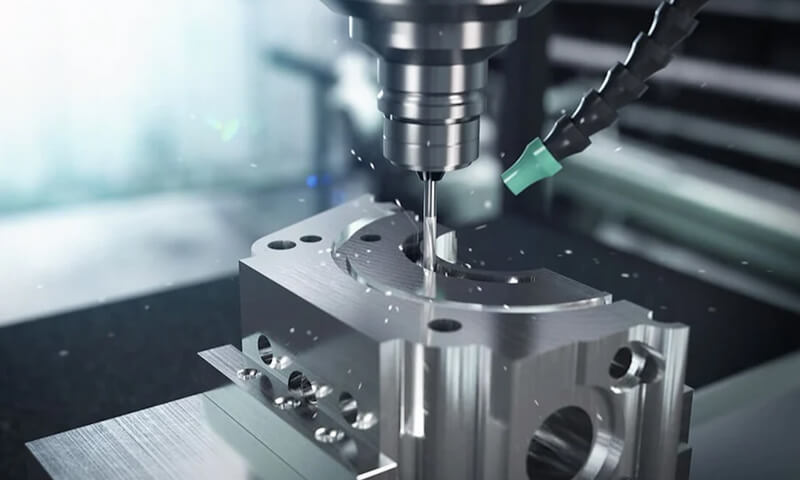
Матеріал 4140 сталь демонструє помірну оброблюваність у відпаленому стані та стає складнішою із збільшенням твердості.
У відпаленому стані (зазвичай близько 18–22 HRC), його можна обробити за допомогою швидкорізальної сталі або твердосплавних інструментів, забезпечує хорошу обробку поверхні та прийнятний термін служби інструменту.
Однак, коли сталь загартована та відпущена до вищих рівнів твердості (наприклад 30–50 HRC), його оброблюваність знижується.

На цьому етапі, твердосплавний інструмент, менші швидкості різання, і жорсткі налаштування машини стають необхідними, щоб уникнути зносу інструменту та деформації деталей.
Для Токарна обробка з ЧПУ, фрезер, або бурових робіт, використання належних методів охолодження, зокрема охолоджуючої рідини, допомагає розсіювати тепло та покращувати відведення стружки.
Свердлити сильніше 4140 для секцій часто потрібні кобальтові або твердосплавні інструменти, при нарізанні різьблення загартовані частини можуть отримати переваги від фрезерування різьблення або формування мітчиків, а не звичайних різальних мітчиків.
Зварювання
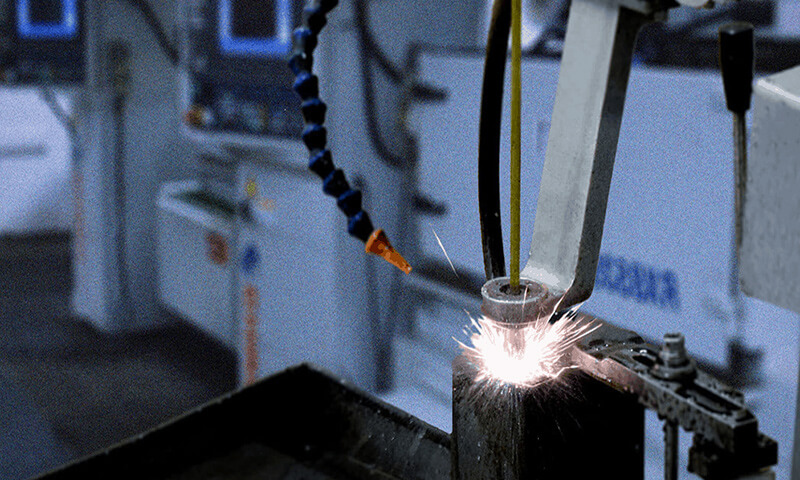
Зварювання 4140 сталь вимагає обережності через її високу загартовуваність і ризик розтріскування.
Щоб зменшити ці ризики, настійно рекомендується попереднє нагрівання заготовки — як правило, до 200–400 °C залежно від товщини.
Підтримка міжпрохідної температури на рівні 200–300 °C допомагає запобігти термічному удару та розтріскуванню, спричиненому воднем..
Після зварювання, зняття напруги компонента при приблизно 600–650°C допомагає відновити пластичність і зменшити залишкові напруги.
Low-hydrogen electrodes such as E8018-B2 or ER80S-D2 are typically used for filler material to ensure compatibility and reduce porosity.
У критичних додатках, післяопрез (Pwht) is necessary to maintain the integrity and toughness of the welded zone.
Холодне та гаряче формування
4140 alloy steel can be cold worked in its annealed condition, although its higher strength compared to low-carbon steels limits its ductility.
Cold forming processes such as drawing and swaging are possible but require higher forces and may induce residual stresses that necessitate subsequent heat treatment.
Hot working, including forging and hot rolling, is more favorable for steel 4140.
The ideal forging temperature range is between 900°C and 1200°C, with the material typically finished above 850°C.
After hot forming, нормалізація або відпал рекомендується для покращення зернистої структури та підготовки сталі до остаточної механічної обробки або термічної обробки.
7. Стійкість до корозії 4140 Сталь
В той час 4140 легована сталь відрізняється механічною міцністю, йому не вистачає властивої стійкості до корозії.
У вологому або морському середовищі, він легко окислюється, якщо його не захистити. Щоб протистояти цьому, обробка поверхні, наприклад:
- Азотування для поверхневого зміцнення та стійкості до окислення
- Чорне оксидне покриття для легкого захисту від корозії
- Гальваніка або фарбування в середовищах з високою вологістю
8. Загальні форми та стандарти
4140 легована сталь доступна в широкому спектрі комерційних форм для різноманітних промислових застосувань.
Його наявність у різних формах, у поєднанні з чудовими механічними властивостями та універсальністю термічної обробки, робить його популярним вибором як для стандартних, так і для виготовлених на замовлення компонентів.
Поширені форми 4140 Сталь
Виробники та виробники можуть отримати 4140 сталь у численних формах, залежно від цільового використання та необхідної обробки:

- Круглі бруски: Зазвичай використовується для валів, шпильки, шестерні, і кріплення, круглі прутки є однією з найпоширеніших форм сталі 4140 завдяки їх універсальності в механічній і термічній обробці.
- Плоскі бруски та плити: Ідеально підходить для інструментів, зношуються компоненти, та структурні частини, які вимагають великих поверхонь контакту.
Ці форми також придатні для полум'яного різання або обробки водоструменем. - Ковані кільця та диски: Використовується у високоміцних обертових машинах, таких як кільця підшипників, муфти, і фланці.
- Порожнисті прутки та труби: Переважний у застосуваннях, що вимагають зниження ваги при збереженні міцності, такі як гідравлічні циліндри та деталі, що перебувають під тиском.
- Блоки та заготовки: Підходить для обробки на замовлення та великих кованих компонентів. Вони зазвичай використовуються у штампах і важкому промисловому обладнанні.
Галузеві стандарти та позначення для 4140 Сталь
| Стандартна організація | Позначення | Регіон/Країна | Опис |
|---|---|---|---|
| ASTM | ASTM A29 | США | Загальні технічні умови на прутки гарячого штампування з вуглецевих і легованих сталей |
| ASTM | ASTM A322 | США | Технічні умови для прутків із легованої сталі, які використовуються в механічних додатках |
| ASTM | ASTM A519 | США | Технічні умови для безшовних механічних труб з вуглецевої та легованої сталі |
SAE |
SAE 4140 | США | Хромомолібденова низьколегована сталь для автомобільної та інженерної промисловості |
| Aisi | Aisi 4140 | США | Зазвичай використовуване позначення відповідає SAE 4140 |
| У / ВІД | 1.7225 / 42CrMo4 | Європа / Німеччина | Європейський еквівалент під EN 10083 для загартування і відпустки сталей |
| Він | SCM440 | Японія | Японський еквівалент для високоміцної легованої сталі |
| GB | 42CrMo | Китай | Китайський еквівалент з аналогічними механічними властивостями |
9. Застосування 4140 Лепка сталь
Сталь 4140 є основним матеріалом для застосувань, що потребують міцності, міцність, і зносостійкість при втомному та ударному навантаженні:
- Автомобільний: шестерні, колінчасті вали, тяги, осі
- Аерокосмічний: компоненти шасі, приводи
- Нафта & Газовий: хомути бура, частини гідророзриву
- Виробництво: оправки, штамп, форми, тримачі інструменту
Кейс з дослідження: У порівняльному тесті на втому, сталь 4140 Q&Демонструється T-редуктор 10x тривалість життя аналогічної конструкції з м'якої сталі, підкреслюючи його довгострокову цінність.
10. Переваги та обмеження 4140 Лепка сталь
Переваги:
- Високий міцність до ваги співвідношення для структурних застосувань
- Відмінний Опір зносу після затвердіння
- Універсальна термообробка відповідь
- Легко доступний у різних формах і стандартах
Обмеження:
- Не підходить для Корозійне середовище без захисту поверхні
- Вимагає ретельне зварювання практики, щоб уникнути розтріскування
- Вища вартість і складність, ніж звичайна вуглецева сталь
11. Висновок
4140 легована сталь пропонує переконливе поєднання механічної міцності, міцність, і носійне опір, що робить його незамінним у критично важливих інженерних додатках.
При належній термічній обробці та захисті, він забезпечує винятковий термін служби в складних умовах експлуатації.
Чи для аерокосмічного простору, енергія, або інструментальних компонентів, матеріал 4140 сталь залишається одним із найбільш надійних і ефективних матеріалів у сучасному виробництві.
Інженери, які розуміють його поведінку та вимоги до обробки, можуть повністю використовувати його потенціал.
Це є ідеальним вибором для ваших виробничих потреб, якщо вам потрібна якісна 4140 сталевих деталей.