1. Увођење
Дацромет премаз, власнички систем заштите од корозије на бази цинк-алуминијума, је први пут развила америчка компанија Диамонд Схамроцк 1970-их као алтернативу без олова и еколошки прихватљиву алтернативу традиционалној галванизацији и топлом цинковању.
За разлику од конвенционалних премаза који се за заштиту ослањају на континуирани метални слој, Дацромет користи а ламеларна цинк-алуминијум пахуљаста структура уграђен у органско-неорганско хибридно везиво,
пружа врхунску отпорност на корозију, стабилност на високим температурама, и компатибилност са различитим подлогама (челик, ливено гвожђе, Алуминијумске легуре).
2. Шта је Дацромет Цоатинг?
Дацромет је комерцијално име које се обично користи за описивање класе цинк-пахуљица, неоргански конверзиони премази нанети на челик да обезбеди танке, конформан, заштита од корозије високих перформанси без ризика од кртости водоником који може пратити галванизацију.
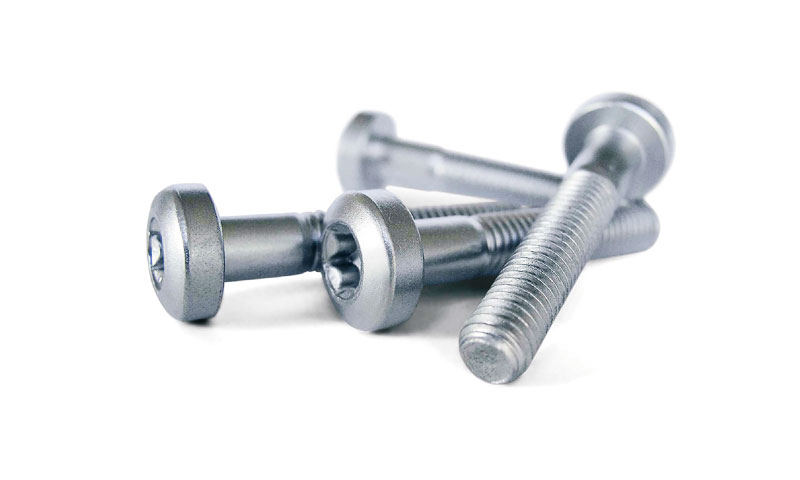
Систем се широко користи на причвршћивачима, штанцани и обликовани делови, и компоненте које захтевају предвидљиво понашање трења и дуг радни век у корозивним срединама.

Основни концепт — шта је премаз
- А цинк-пахуљица систем: цинк у микронској скали (а често и цинк/алуминијум) пахуљице дисперговане у неорганском везиву формирају густу, слојевита баријера на подлози.
- Неорганско везиво / излечена матрица: везиво очвршћава у матрицу налик керамици која закључава љуспице на месту и везује се за челик.
- Пасивација & завршни премаз: након очвршћавања површина цинка се хемијски пасивира (традиционално хромат; савремени системи користе хемије са тривалентним хромом или без хрома) и опциони органски заптивач/завршни премаз се наноси за контролу изгледа и коефицијента трења (ЦОФ).
Кључни технички атрибути
- Танак, конформни филм — обично у опсегу микрометара са ниским двоцифреним бројем (обично ~6–15 µм), који чува геометрију навоја и чврсте толеранције.
- Високе перформансе корозије — комбинује заштиту баријером са локалним жртвовањем (цинка) анодно дејство; савремени системи постижу продужено радно време у сланом спреју и цикличним тестовима када су правилно наведени.
- Низак ризик од водоничне кртости — јер то није процес електролитичког таложења, погодан је за челике високе чврстоће где галванизација може бити проблематична.
- Контролисано понашање трења — пројектовани завршни премази дају поновљив ЦОФ за вијчане спојеве, олакшавање контроле момента и затезања у монтажи.
- Конформан на сложеним облицима и нитима — добра покривеност на формираним, штанцане или навојне компоненте.
3. Хемија премаза и микроструктура
Основне компоненте
- Цинк пахуљице (а понекад и алуминијумске љуспице): обезбеди катодну (жртвено) деловања и формирају примарну корозиону баријеру. Њихова љускава морфологија ствара кривудаву стазу за корозивне врсте.
- Неорганско везиво (силикатна/керамичка матрица): везује љуспице и пријања на челичну подлогу након очвршћавања.
Осушено везиво је типично налик керамици (неорганска/органосиликатна хемија), што даје стабилност димензија и отпорност на топлоту. - Пасивација конверзије: након очвршћавања наноси се танак слој пасивирања — традиционално хромат — да би се побољшала отпорност на корозију.
Модерни системи све више користе тровалентни хром или алтернативе без хрома за усклађеност са прописима. - Опциони завршни премаз / заптивање: органски заптивачи или танки полимерни завршни премази контролишу коефицијент трења (ЦОФ), изглед и додатна својства баријере.
Микроструктура и механизам заштите
- Очврсли филм је густа наслага ламелних љускица уграђених у везиво. Заштита од корозије произилази из:
-
- Ефекат баријере: љускава микроструктура ствара дугачку, кривудави пут дифузије за воду, кисеоник и хлориди.
- Катодска акција: изложене љуспице цинка првенствено кородирају, заштита локализованих дефеката челика.
- Хемијска пасивација: слој за конверзију и завршни премаз обезбеђују додатну инхибицију и смањују стварање беле рђе на површини цинка.
4. Типичан Дацромет процес
- Чишћење & предтретман: одмастити, алкално чист и (ако је потребно) кисељење за уклањање млинског каменца. Осветљеност и чистоћа директно утичу на пријањање.
- Исперите & сува: неутралише остатке и контролише сувоћу површине.
- Примена премаза: дип, спин, спреј или центрифугирање (зависи од геометрије дела и начина производње). За причвршћиваче, дип-спин је уобичајен; за велике штанце се може користити спреј или умакање.
- Лечење: термичко очвршћавање претвара везиво у коначни неоргански матрикс и консолидује структуру љуспица.
Типични третмани захтевају повишене температуре; прозори процеса су постављени да обезбеде правилно везивање без изобличења подлоге. - Пасивација: хромат или пасивизација без хрома примењена на површину цинка ради побољшања отпорности на корозију.
Старији системи су користили хексавалентни хром; савремена пракса фаворизује тровалентни хром или инхибиторе без хрома. - Топцоат / заптивач (опционо): органски премази или мазива се примењују да би се утврдио ЦОФ и побољшала завршна обрада или учинак корозије. Ови слојеви такође подешавају моменте монтаже на причвршћивачима.
- Сушење / коначно излечење & инспекција.
Типични параметри процеса (инжењерско вођење):
- Дебљина премаза: уобичајено ~6–15 µм за многе системе цинк-пахуљица; неке спецификације дозвољавају шири опсег (Нпр., 5–25 µм) у зависности од примене.
Танки филмови минимизирају промену геометрије на навојима и не скривају толеранције. - Лечење: температуре обично у 150–230 °Ц распону неколико минута (тачан циклус зависи од хемије и топлотног капацитета).
- Завршни премази/ЦОФ контрола: Формулисани завршни премази испоручују поновљиве коефицијенте трења у распонима прилагођеним спецификацијама затварача (типичан циљни ЦОФ 0,10–0,18 за многе склопове аутомобилских вијака).
(Белешке: горе наведени бројеви су типична упутства за процес и разликују се у зависности од добављача и породице производа. Технички документи произвођача премаза пружају тачне параметре за сваки производ.)
5. Типична својства и подаци о перформансама
Дебљина премаза и изглед
- Типична дебљина филма: ≈ 6–15 µм (танак, контролисан). Премази су конформни и изгледају мат/сатенски.
Отпорност на корозију
- Превлаке од цинк-љуспица су пројектоване за високу заштиту од корозије.
У неутралном сланом спреју (НСС/ИСО 9227) тестирање, савремени системи цинк-пахуљица (са одговарајућим пасивом и завршним премазом) обично демонстрирати стотине до хиљаде сати до појаве прве беле рђе
а знатно дуже до црвене (супстрат) корозија — перформансе у великој мери зависе од избора система и дефиниције теста. - Важно: перформансе варирају са дебљином филма, пасивна хемија и завршни премаз; стога се наведени сати у извештајима НСС морају читати у контексту тачног протокола испитивања и припреме узорка.
Ебритва водоника
- Кључна предност: премази цинк-љуспице не изазивају кртост водоником јер процес не користи електрохемијско таложење које генерише атомски водоник.
За челике високе чврстоће (≥ 1000-1200 МПа затезна), ово је главни разлог зашто су специфицирани премази од цинк-љуспице.
Механичко понашање
- Конформалност и флексибилност: неорганска матрица прихвата формирање и благу деформацију без катастрофалног пуцања, па су цинк-љуспице премази погодни за формиране или хладно обликоване делове.
- Адхезија: обично веома добро када су припрема површине и очвршћавање тачни; адхезија се процењује помоћу траке, тестови савијања и повлачења.
- Контрола трења: са пројектованим завршним премазима / мазива ЦОФ у серијама је поновљив, омогућавајући предвидљиве односе обртног момента/затезања за причвршћиваче.
Стабилност високог температура
За разлику од традиционалних галванизованих премаза од цинка који оксидирају и љуште се на температурама изнад 200°Ц, Дацромет премаз одржава стабилне перформансе у температурном опсегу од -50°Ц до 300°Ц:
- На 250°Ц, тврдоћа премаза се повећава са 3–4 Х на 5–6 Х (тест тврдоће оловке) без пуцања;
- После 1000 сати старења на 200°Ц, отпорност на корозију у сланом спреју се смањује за мање од 10%.
Ово својство чини премаз Дацромет погодним за примене на високим температурама, као што су делови мотора аутомобила и компоненте издувног система.
Електрична проводљивост: премази нису високо проводљиви; не користе се тамо где је потребан мали електрични отпор.
6. Кључне предности и позната ограничења
Предности
- Висока заштита од корозије са танким филмом (погодан за уске толеранције).
- Нема ризика од водоничне кртости — критично за причвршћиваче високе чврстоће.
- Конформна покривеност на сложеним облицима и нитима.
- Поновљиви коефицијент трења (са контролисаним завршним премазом) — поједностављује дизајн вијчаних спојева.
- Добре перформансе формирања — може се применити пре неких операција формирања ако се посматрају процесни прозори.
- Компатибилност са аутоматизацијом (дип, спреј, спин линије).
Ограничења / разматрања
- Трошак: Системи цинк-љуспице су обично скупљи од једноставног галванизованог цинка или боје. Међутим, они могу бити исплативи када се узму у обзир трошкови трајања и гаранције.
- Излагање температури: осушени филмови су стабилни, али екстремно топлотно излагање (изнад препоручене сервисне темп) може утицати на завршне премазе и неке пасиве.
- Електрична проводљивост: ако је потребан електрични контакт, цинк-пахуљица можда није прикладна без посебног дизајна.
- Осетљивост процеса: правилна припрема површине, примена и лечење су од суштинског значаја — лоша контрола драстично смањује перформансе.
- Регулаторна ограничења историјски везана за хексавалентни хром: савремени системи користе тровалентни хром или пасивизацију без хрома, али спецификација мора експлицитно да захтева усаглашене пасиве.
7. Кључне примене Дацромет премаза
Дацромет премаз је широко прихваћен у индустријама где Висока отпорност на корозију, прецизност димензија, и механичку поузданост су критични.
Танак је, неорганска структура цинк-алуминијум пахуљица и процес без кртости водоника чине га посебно погодним за челичне компоненте високе чврстоће и тешка радна окружења.

Аутомобилска индустрија
Аутомобилски сектор је један од највећих корисника Дацромет премаза због строгих захтева за издржљивост и безбедност.
- Причвршћивачи високе чврстоће (вијци, лудило, студс, перилице), посебно оцена 8.8, 10.9, и 12.9 причвршћивачи
- Компоненте шасије и вешања, укључујући носаче и стезаљке изложене соли на путу
- Хардвер кочионог система, где су отпорност на корозију и конзистентни коефицијенти трења битни
- Причвршћивачи издувног система, користи од термичке стабилности и отпорности на оксидацију
Причвршћивачи обложени дакрометом се обично постижу ≥720–1000 сати неутралне отпорности на слани спреј без црвене рђе, испуњавање ОЕМ спецификација.
Изградња и инфраструктура
У грађевинарству и нискоградњи, Дацромет премази су одабрани за дуготрајну издржљивост на отвореном.
- Структурни вијци и анкер причвршћивачи
- Компоненте моста и аутопута
- Унапред конструисани челични конектори за зграде
- Причвршћивачи за железницу и окови за колосеке
Танки филм премаза обезбеђује прецизну контролу преднапрезања у вијчаним спојевима, истовремено пружајући робусну заштиту од корозије у влажним условима, обалски, и индустријска окружења.
Енергија ветра и обновљива енергија
Системи обновљивих извора енергије захтевају продужени радни век уз минимално одржавање.
- Вијци торња ветрогенератора
- Причвршћивачи за спајање ножева
- Хардвер система скретања и нагиба
Дацромет премази издржавају циклична корозија, температурне флуктуације, и вибрације, што их чини погодним за ветроелектране на мору и на копну.
Индустријске машине и опрема
У индустријским применама, компоненте се често суочавају са влагом, хемикалије, и механичко напрезање.
- Механички причвршћивачи и окови
- Компоненте хидрауличних и пнеуматских система
- Опрема за пољопривредне машине
- Системи за руковање материјалом и транспортне траке
Отпорност премаза на корозију и хабање доприноси продуженим сервисним интервалима и смањењу времена застоја.
Поморске и обалне апликације
Иако није замена за тешке бродске премазе, Дацромет пружа ефикасну заштиту за челичне компоненте у околини која се налази у близини мора.
- Причвршћивачи за обалне конструкције
- Опрема за бродску помоћну опрему
- Компоненте инфраструктуре лука и пристаништа
Његова вишеслојна баријерна структура успорава улазак хлорида, значајно побољшавајући перформансе корозије у атмосферама оптерећеним сољу.
Електрична и енергетска опрема
Дацрометова неорганска природа и термичка стабилност чине га погодним за апликације везане за енергију.
- Хардвер за пренос и дистрибуцију енергије
- Електрична кућишта и системи за монтажу
- Причвршћивачи опреме за нафту и гас (делови који не држе притисак)
Премаз одржава перформансе на повишеним температурама где се органски премази могу деградирати.
8. Уобичајени режими кварова и решавање проблема
- Лоша адхезија / љуштење: обично од недовољног чишћења, остаци уља или погрешно очвршћавање. Лек: ревидирати припрему површине, повећати енергију лечења, и валидирати тестове адхезије.
- Смањене перформансе корозије: узроковано танким премазом, погрешно пасивизирати, или неадекватан завршни премаз — одговорите строжом контролом процеса и преквалификацијом.
- Недоследан ЦОФ / оптерећења стезаљке: недоследност завршног премаза/мазива или контаминација. Лек: пређите на квалификовано мазиво и контролишите дозу примене.
- Формирање беле рђе у служби: може одражавати недовољну пасивизацију или систем који није усклађен са окружењем; размотрите робуснији пасивни/завршни премаз или дебљи систем.
- Забринутост због водоничне кртости (наслеђе): ако је претходно коришћена галванизација, специфицирати испитивање водоничне кртости за материјале високе чврстоће чак и када се пређе на цинк-пахуљице.
9. Еколошки, здравље & регулаторна разматрања
- Хемија хрома: историјски су многи пасивисти користили хексавалентни хром. Хексавалентни хром је сада широко ограничен;
модерни ланци снабдевања користе тровалентне пасиве или пасиве без хрома да би испунили РоХС/РЕАЦХ и ОЕМ захтеве. Увек наведите усклађеност. - ВОЦ и отпад: растварачи завршних премаза и хемије за чишћење морају испуњавати локалне ВОЦ прописе; отпадни токови од чишћења и кисељења морају се третирати.
- Безбедност радника: обезбедити вентилацију и ЛЗО за руковање прахом, операције прскања и сушења.
- Крај живота: премаз је неоргански и не отежава значајно рециклажу челика, али процеси рециклаже морају да обрађују заосталу органску материју.
10. Компаративна анализа са традиционалним технологијама површинске обраде
Следећа табела упоређује Дацромет премаз са неколико широко коришћених традиционалних технологија површинске обраде.
Поређење се фокусира на перформансе корозије, карактеристике процеса, димензионални утицај, и погодност за челичне компоненте високе чврстоће — кључни фактори у индустријском доношењу одлука.
| Перформансе / Атрибут | Дацромет Цоатинг | Елецтроплатед Зинц | Топло-поцинчавање | галванизирани тврди хром |
| Типична дебљина премаза | 5–10 μм | 5–15 μм | 50–100 μм | 10–30 μм |
| Отпорност на корозију (НСС) | 720–1.000+ х (нема црвене рђе) | 96–240 ч (са пасивизацијом) | 1,000–2.000 ч | 200–400 ч |
| Механизам заштите од корозије | Жртвова цинк-алуминијум + вишеслојна баријера | Жртвована заштита цинка | Дебели цинк жртвени слој | Само заштита баријере |
| Ризик од водоничне кртости | Ниједан | Високо (захтева печење од крхкости) | Ниједан | Умерен |
| Димензионална тачност | Одличан (танак, униформни филм) | Добри | Сиромашан (дебео премаз утиче на толеранције) | Добри |
| Тхреад Фит & Конзистентност обртног момента | Одличан | Умерен | Сиромашан (нагомилавање нити уобичајено) | Добро, али велико трење |
Површинска тврдоћа |
Умерен | Низак | Ниско–умерено | Веома високо (800–1.000 ХВ) |
| Топлотни отпор | До ~300°Ц | Ограничен (<120° Ц) | До ~450°Ц | До ~400°Ц |
| Утицај на животну средину | Доступне су верзије без хрома; ниске отпадне воде | Проблеми са отпадним водама и тешким металима | Висока потрошња енергије | Забрињава хексавалентни хром |
| Потребна је накнадна обрада | Ниједан | Пасивација, печење | Често је потребно поновно сечење навоја | Често је потребно брушење или полирање |
| Типичне апликације | Причвршћивачи високе чврстоће, аутомотиве, снага ветра | Општи причвршћивачи, унутрашња/спољна употреба | Конструкциони челик, велике компоненте | Осовине отпорне на хабање, умире |
| Ниво трошкова | Средњи | Низак | Средњи | Високо |
Кључни инжењерски увиди
- Дацромет премаз нуди најбољу равнотежу отпорности на корозију, контролу димензија, и механичка сигурност за причвршћивачи високе чврстоће, посебно тамо где се мора избећи крхкост водоника.
- Галвански цинк је исплатив, али ограниченог трајања корозије и неприкладан за челике ултра високе чврстоће без стриктне накнадне обраде.
- Топло цинковање пружа одличну отпорност на корозију, али је некомпатибилан са прецизним деловима због превелике дебљине премаза.
- Тврди хром галванизиран одликује се отпорношћу на хабање, али нуди ограничену заштиту од корозије и изазива забринутост за животну средину и регулативу.
11. Оптимизација перформанси и трендови развоја
Технологије за оптимизацију перформанси
- Технологија композитног премаза: Нанесите органски завршни премаз од 2–5 μм (акрил, флуороугљеник) на површини премаза Дацромет ради побољшања УВ отпорности и отпорности на огреботине; Отпорност композитног премаза на слани спреј може се проширити на 3000 сати;
- Наномодификација: Додајте наносилицијум или графен премазу да бисте побољшали заштиту баријере и механичка својства; Дацромет премаз модификован графеном има отпорност на корозију 20-30% већу од традиционалних премаза;
- Прилагођавање боја: Развити обојене Дацромет премазе (црн, сива, плава) додавањем пигмената, задовољавање естетских захтева робе широке потрошње и аутомобилских делова.
Трендови будућег развоја
- Греен Цоатинг Инноватион: Развијте Дацромет премазе без хрома користећи инхибиторе корозије као што су соли церијума и молибдат, даље смањење утицаја на животну средину;
- Технологија очвршћавања на ниским температурама: Оптимизујте формулу везива да смањите температуру очвршћавања на 150–200°Ц, смањење потрошње енергије и проширење примене на подлоге осетљиве на топлоту (Нпр., Алуминијумске легуре);
- Интелигентни процес премазивања: Интегришите онлајн системе за праћење дебљине и контролу температуре очвршћавања да бисте постигли следљивост квалитета целог процеса;
- Проширење поља апликације: Проширите Дацромет премаз на нова енергетска возила (Нпр., причвршћивачи за батерије, компоненте мотора) и опрему за обновљиву енергију (Нпр., вијци ветрогенератора), вођен захтевом за високом отпорношћу на корозију и зеленом производњом.
12. Закључак
Дацромет премаз, као револуционарна технологија заштите од корозије на бази цинк-алуминијума,
је фундаментално променио ограничења традиционалног галванизације и топлог цинковања у смислу заштите животне средине, стабилност на високим температурама, и спречавање водоничне кртости.
Његова јединствена ламеларна структура и двоструки заштитни механизам (катодне + баријера) обезбеђују врхунску отпорност на корозију за критичне компоненте у аутомобилској индустрији, ваздухопловство, и поморске индустрије, уз поштовање глобалних трендова зелене производње.
Упркос ограничењима као што су ниска површинска тврдоћа и слаба УВ отпорност, сталне иновације у композитним премазима, наномодификација, а технологије очвршћавања на ниским температурама континуирано проширују обим примене.
Како индустрије настављају да теже високим перформансама, заштите животне средине, и економичност, Дацромет премаз ће остати основна технологија површинске обраде, играјући незаменљиву улогу у развоју напредне производње.