
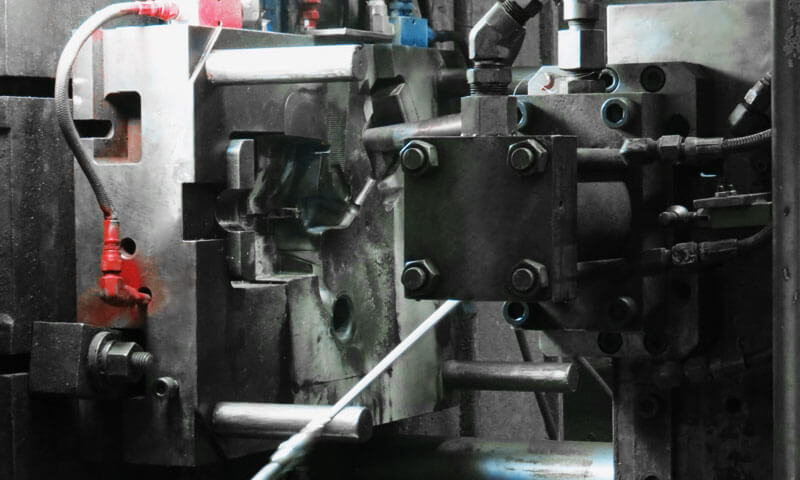
AISI H13 широко признана стандартной инструментальной сталью для горячей обработки. литье под давлением приложения.
Его сочетание горячей силы, прочность, износостойкость, и устойчивость к термической усталости делают его распространенным выбором для литья под давлением алюминия..
AISI H13 соответствует 1.2344 / X40CrMoV5-1 / СКД61, в зависимости от применяемой системы обозначения.
Однако, широко распространенная и запутанная промышленная проблема сохраняется: стандартные формы для литья под давлением H13 часто подвергаются преждевременному сетчатому растрескиванию. (проверка тепла) задолго до достижения расчетного срока службы.
Многие предприятия по литью под давлением сталкиваются с серьезными поверхностными растрескиваниями уже после тысяч выстрелов., что приводит к незапланированным простоям, бракованные отливки, частый ремонт пресс-формы, и стремительно растущие затраты на производство.
В этом углубленном промышленном исследовании рассматривается типичное преждевременное растрескивание от термической усталости в алюминиевой форме для литья под давлением H13..
Основано на реальных производственных данных, металлографические испытания, и аудит процессов, В этой статье раскрываются скрытые причины раннего растрескивания плесени H13., разрушает распространенные заблуждения о применении материала H13, и обеспечивает действенное, проверенные стратегии оптимизации.
1. Предыстория дела & Обзор отказов
Условия производства
- Приложение: Массовое производство автомобильных алюминиевых компонентов головки блока цилиндров.
- Материал плесени: Стандарт AISI H13 (ОТ 1.2344) инструментальная сталь горячей обработки
- Указанный диапазон твердости: СПЧ 44–48 (отраслевой стандарт для алюминиевых форм для литья под давлением)
- Температура плавления алюминия: 680°С–700°С
- Ожидаемый срок службы исходной пресс-формы: 80,000–100 000 выстрелов
- Фактический цикл отказов: Сильное сетчатое растрескивание произошло уже после 5,000 циклы формования
Основная проблема клиента
Производственная группа столкнулась с критической операционной дилеммой: H13 — это золотой стандарт для алюминиевых форм для литья под давлением с доказанной промышленной надежностью..
Несмотря на принятие стандарта закупок стали H13 и основных протоколов обработки, форма подверглась сильному преждевременному растрескиванию, принуждение к немедленной остановке производства.
Основная путаница возникла из-за всеобщего непонимания в отрасли.: Использование стандартной стали H13 не гарантирует стандартный срок службы формы..
Явление макросбоя & Визуальный осмотр
Комплексная проверка вышедшей из строя формы на месте выявила типичные характеристики термической усталости с четко выраженными региональными правилами распределения.:
- Плотный, равномерная сетчатая сеть трещин покрыла поверхность полости формы, с глубиной трещин от 0.5 мм до 1.0 мм
- Трещины сильно сконцентрировались в двух зонах высокого напряжения.: зона подачи литника/литника и сложные положения вставки стержня с резкими геометрическими переходами
- Локальное распространение трещин привело к незначительному отслаиванию поверхности и расслоению материала., приводит к адгезии алюминия и дефектам поверхности отливки
- Отсутствие макроскопической деформации формы., хрупкий перелом, или наблюдался износ, истирание, исключение механических перегрузок или видов разрушения при абразивном износе
Предварительная диагностика неисправностей: Классическое малоцикловое термическое усталостное растрескивание, вызванное повторяющимися быстрыми циклами нагрева и закалки., наиболее распространенный вид преждевременного выхода из строя алюминиевых форм для литья под давлением..

2. Многомерный анализ первопричин
Чтобы исключить субъективное суждение, команда проекта провела систематические испытания, включая определение твердости, металлографический анализ микроструктуры, и полный аудит производственного процесса.
Были выявлены четыре взаимосвязанные коренные причины., коллективно вызывая раннее растрескивание формы.
Чрезмерно высокая твердость формы (Первичный структурный дефект)
Результат теста
Фактическая измеренная твердость поверхности формы СПЧ 50–52, значительно превышает спроектированный оптимальный диапазон HRC 44–48 для алюминиевых форм H13 для литья под давлением..
Технический анализ
Инструментальная сталь H13 подчиняется обратной зависимости между твердостью и вязкостью в условиях циклической термической нагрузки..
Более высокая твердость повышает износостойкость поверхности, но резко снижает вязкость разрушения и способность снимать термические напряжения..
Литье алюминия под давлением предполагает экстремальные циклические колебания температуры.: поверхность формы мгновенно нагревается до 650–680 °C при впрыске расплавленного алюминия и быстро охлаждается за счет циркулирующей охлаждающей воды..
Чрезмерно твердая сталь H13 имеет плохую пластичность., неспособен снять циклическое тепловое расширение и напряжение сжатия за счет микропластической деформации..
Накопленные концентрированные термические напряжения быстро приводят к образованию микротрещин на поверхности полости., которые после тысяч циклов расширяются в плотные сетчатые трещины..
Промышленная проверка подтверждает: HRC 44–48 — единственное оптимальное окно твердости для алюминиевых форм для литья под давлением H13., балансировка сопротивления термической усталости, прочность, и износостойкость. Твердость, превышающая HRC 50 непосредственно ускоряет преждевременное термическое растрескивание.
Недостаточный отпуск & Чрезмерный остаточный аустенит
Результат металлографического испытания
Обнаружено обнаружение микроструктуры 15% сохраненное содержание аустенита, значительно превышающий квалифицированный порог менее 5% для стандартных форм H13.
Технический анализ
Остаточный аустенит — нестабильная остаточная микроструктура, образующаяся при неполной закалке и отпуске стали Н13..
Во время повторяющихся термических циклов литья под давлением (300циклическое колебание °C–700 °C), метастабильный остаточный аустенит подвергается вторичному фазовому превращению в мартенсит.
Этот фазовый переход приводит к необратимому объемному расширению и внутреннему структурному напряжению внутри матрицы формы..
Непрерывное самогенерируемое структурное напряжение накладывается на внешнее термическое напряжение., формирование композиционной концентрации напряжений на поверхности формы.
Это значительно ускоряет зарождение и распространение микротрещин., становится скрытой основной причиной раннего выхода из строя пресс-формы.
Недостаточное время отпуска и несоответствующая температура отпуска являются прямыми причинами чрезмерного остаточного аустенита..
Недостаточный предварительный нагрев формы & Экстремальный тепловой удар
Результат аудита процесса
Фактическая температура предварительного нагрева пресс-формы на заводе составляла всего 150°С, намного ниже стандартного диапазона предварительного нагрева 200–250 °C для алюминиевых форм для литья под давлением..
Технический анализ
Недостаточный предварительный нагрев создает чрезвычайную разницу температур. (более 500°С) между полостью холодной формы и высокотемпературным расплавленным алюминием при температуре 680°C во время первой партии циклов впрыска. Сильный мгновенный термический удар создает мощное кратковременное растягивающее напряжение на поверхности формы..
Многократные циклы небуферизованного термического удара приводят к необратимым микроповреждениям поверхности полости., образование зародышей микротрещин.
Эти первоначальные микродефекты непрерывно расширяются при последующих циклических термических нагрузках., со временем перерастает в макроскопическое сетчатое растрескивание.
Необоснованная конструкция канала охлаждения & Неравномерное рассеивание тепла
Результат проверки структуры пресс-формы
Каналы охлаждающей воды вблизи зоны высокотемпературных ворот отличались чрезмерно большим расстоянием и редкой планировкой., что приводит к неравномерной эффективности охлаждения в полости формы..
Технический анализ
Равномерное охлаждение пресс-формы является основой сбалансированного распределения температурных напряжений..
Редкие каналы охлаждения возле ворот приводят к медленному локальному рассеиванию тепла и резкому градиенту температуры поверхности между охлаждаемыми и неохлаждаемыми зонами..
Неравномерное распределение температуры вызывает асинхронное тепловое расширение и сжатие в разных областях формы., создание постоянной локализованной концентрации термического напряжения.
Длительная несбалансированная циркуляция напряжений ускоряет рост усталостных трещин., особенно в высокотемпературных зонах ворот и сердцевины.
3. Целевые инженерные решения & Оптимизация процесса
На основе четырех проверенных коренных причин, команда реализовала индивидуальную точную оптимизацию, охватывающую термическую обработку, характеристики предварительного нагрева, структура пресс-формы, и текущее обслуживание, устранение всех причин сбоев.
Оптимизация процесса термообработки H13 (Основное улучшение)
Пересмотрен протокол закалки и отпуска для корректировки твердости и устранения остаточных нестабильных микроструктур.:
- Температура закалки снижена с 1050°C до 1020°C, чтобы избежать чрезмерного упрочнения матрицы.
- Температура отпуска увеличена с 540°C до 570°C для повышения стабильности и прочности микроструктуры.
- Циклы отпуска обновлены с 2 раз, чтобы 3 несколько раз полный отпуск для полного разложения остаточного аустенита
- Целевая контролируемая твердость зафиксирована на уровне HRC 44–48.
Эффект оптимизации: Значительно улучшена прочность матрицы пресс-формы; содержание остаточного аустенита снижено до уровня ниже 5%; структурное внутреннее напряжение полностью снято.
Стандартизация предварительного нагрева пресс-формы & Производство при постоянной температуре
Установлены стандартизированные спецификации термического предварительного нагрева и поддержания производственной температуры.:
- Единый стандарт предварительного подогрева: 250Предварительный нагрев при постоянной температуре °C с сохранением тепла в течение 2 часов перед производством
- Контроль температуры производства в режиме реального времени: Поддерживайте постоянную температуру в полости формы на уровне 200–300 °C на протяжении всего массового производства.
Эффект оптимизации: Устранен первоначальный экстремальный тепловой шок; снижение амплитуды циклических термических напряжений более чем на 40%; исключено возникновение микротрещин от температурного воздействия.
Изменение схемы расположения каналов охлаждения для равномерного рассеивания тепла
Оптимизирована система охлаждения пресс-формы, ориентированная на зоны с высоким уровнем теплового разрушения.:
- Добавлены плотные вспомогательные каналы охлаждающей воды возле ворот и сложных основных зон.
- Отрегулированное расстояние между каналами и глубина заглубления для устранения локальных мертвых зон накопления тепла.
- Сбалансированная скорость охлаждения по всей поверхности полости для достижения синхронного отвода тепла.
Эффект оптимизации: Минимальный градиент температуры поверхности формы; устранена локализованная концентрация термических напряжений; достигнуто равномерное тепловое расширение и сжатие матрицы формы.
Добавьте регулярное закаливание для снятия стресса
Разработаны протоколы периодического обслуживания пресс-форм для производства с длительным циклом.:
- Каждый раз проводите отпуск для снятия напряжений при температуре 560°C. 20,000 циклы формования
- Устранение накопленных циклических термических усталостных напряжений и остаточных структурных напряжений.
- Заблаговременно устраните микроусталостные повреждения внутри матрицы формы.
Эффект оптимизации: Блокирование распространения усталостных трещин; увеличенный срок непрерывной службы пресс-формы; снижение риска долгосрочного отказа.
4. Окончательные результаты улучшения & Проверка данных
После реализации всех систематических оптимизаций, та же партия форм Н13 запущена в серийное производство при идентичных условиях литья ГБЦ из алюминия.
Окончательные результаты улучшения были впечатляющими и поддающимися количественному измерению.:
- Срок службы оригинальной формы: 5,000 циклы (преждевременное растрескивание)
- Оптимизированный срок службы пресс-формы: 80,000–100 000 циклов
- Увеличение продолжительности жизни в несколько раз: 15–увеличение в 20 раз
- Нулевое сетчатое растрескивание, поверхностное шелушение, или нарушения адгезии алюминия произошли во время длительного непрерывного производства
- Выход отливки увеличился на 12% со стабильным качеством поверхности изделия
- Частота ремонта пресс-форм и потери от простоев сокращены более чем 85%
5. Основные выводы из кейса & Сводная таблица оптимизации
Этот классический случай преждевременного растрескивания пресс-формы H13 опровергает распространенное в отрасли заблуждение о том, что «стандартный выбор материала означает квалифицированную производительность»..
Сталь H13 является оптимальным выбором для алюминиевых форм для литья под давлением., но его превосходные характеристики могут быть достигнуты только за счет точного управления процессом и стандартизированного обслуживания..
Все триггеры сбоев и соответствующие эффекты улучшения сведены в таблице ниже для промышленного использования.:
| Основная причина преждевременного растрескивания | Целевые меры по улучшению | Эффект базовой оптимизации |
| Чрезмерная твердость (СПЧ 50–52) | Более низкая температура закалки, повысить температуру отпуска, замок HRC 44–48 | Повышение прочности матрицы пресс-формы и способности снимать термические напряжения. |
| Недостаточный отпуск / 15% сохранил аустенит | Обновите до 3 полный цикл отпуска | Уменьшите остаточный аустенит ниже 5%, устранить стресс структурно-фазового превращения |
| Недостаточный предварительный нагрев (150°С) | Стандартизировать предварительный нагрев до 250°C + 200–300°C постоянная температура производства | Устранение сильного термического удара и начального образования микротрещин. |
Нерациональное расположение каналов охлаждения. |
Уплотнение охлаждающих каналов в зонах повышенного нагрева., баланс рассеивания тепла | Уменьшите градиент температуры поверхности и локализованную концентрацию термических напряжений. |
| Накопленное циклическое усталостное напряжение | Регулярный отпуск для снятия напряжения при температуре 560°C каждый раз. 20,000 циклы | Снимите остаточное усталостное напряжение, блокировать распространение трещины |
6. Заключение
Преждевременное термическое усталостное сетчатое растрескивание форм для литья под давлением H13 является типичным явлением. отказ, вызванный процессом а не материальный провал.
Этот реальный промышленный случай полностью подтверждает, что превосходные характеристики стали H13 можно раскрыть только посредством стандартизированной термообработки., научный контроль температуры, оптимизированный конструктивный дизайн, и периодическое обслуживание.
Для производителей литья под давлением, Слепая надежда на «стандартный выбор материала» без согласования стандартизированного процесса неизбежно приведет к короткому сроку службы пресс-формы., высокие проценты брака, и высокие затраты на производство.
Строго контролируя показатели твердости, устранение нестабильных микроструктур, избегать термического шока, балансировка охлаждающего стресса, и снятие циклического усталостного напряжения,
предприятия могут максимизировать ценность пресс-форм H13, добиться долгосрочного стабильного массового производства, и значительно сократить общие производственные затраты.
Часто задаваемые вопросы
Почему стандартная сталь H13 все еще преждевременно трескается при литье алюминия под давлением?
Стандартизация материалов не равна стандартизации процессов.
Наиболее раннее растрескивание формы H13 связано с нестандартной термической обработкой. (избыточная твердость, недостаточный отпуск), недостаточный предварительный нагрев, необоснованная конструкция охлаждения, и отсутствие средств для снятия стресса, а не дефекты качества материала.
Какова наилучшая твердость алюминиевых форм для литья под давлением H13??
Оптимальный диапазон твердости строго HRC 44–48..
Твердость выше HRC 50 жертвует прочностью и сопротивлением термической усталости; твердость ниже HRC 44 снижает износостойкость поверхности и точность формования.
Как остаточный аустенит вызывает растрескивание формы?
Избыточный остаточный аустенит подвергается фазовому превращению при циклическом литье под давлением при высоких температурах., вызывая объемное расширение и внутреннее структурное напряжение.
Наложение внешних термических напряжений, ускоряет зарождение и быстрое распространение микротрещин.
Как существенно продлить срок службы формы для литья под давлением H13?
Принять стандартизированную термическую обработку для контроля твердости и микроструктуры., внедрить высокотемпературный предварительный нагрев перед производством, оптимизировать равномерность охлаждения, и проводить регулярную закалку для снятия напряжения.
Такая систематическая оптимизация может продлить срок службы пресс-формы в 15–20 раз..
Необходим ли предварительный нагрев формы для ежедневного производства литья под давлением??
Абсолютно необходимо. Низкотемпературные формы вызывают сильный тепловой удар при контакте с расплавленным алюминием., образуя необратимые микроусталостные повреждения, что является одной из основных скрытых причин раннего сетчатого растрескивания..

