1. Введение
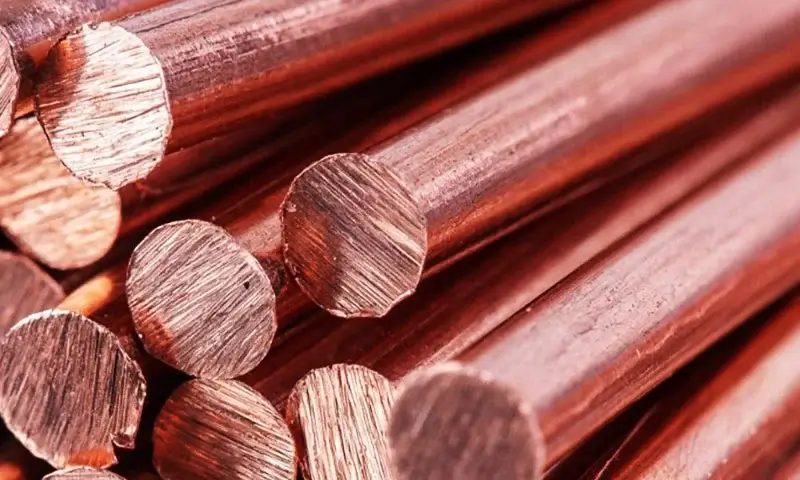
UNS C95500 — одна из наиболее важных никель-алюминиевых бронз в современном машиностроении, поскольку она сочетает в себе высокую прочность, отличная устойчивость к коррозии, хорошие характеристики износа, и высокая надежность обслуживания в суровых условиях.
Он широко используется в морской технике., Компоненты клапана, подшипники, втулки, шестерни, части самолета, и другие области применения, где обычных медных сплавов уже недостаточно..
Сплав также примечателен тем, что сохраняет полезную прочность при повышенных температурах и хорошо работает в морской воде и других агрессивных средах..
Что делает C95500 особенно интересным, так это то, что это не «одноцелевой» сплав..
Это системный сплав: его значение выглядит по-разному в зависимости от того, оптимизирует ли инженер коррозию., носить, герметичность под давлением, структурная нагрузка, или температурная стабильность.
2. Что такое никель-алюминиевая бронза UNS C95500?
UNS C95500 — это литой никель-алюминий бронза в семействе медь-алюминий-железо-никель.
Он специально разработан для требовательного обслуживания, где сила, износостойкость, коррозионная стойкость, и прочность должны быть сбалансированы в одном сплаве, а не оптимизированы отдельно.
На практике, это помещает C95500 в группу высокопроизводительных конструкционных бронз, используемых в морской технике., Компоненты клапана, втулки, шестерни, и другие детали для тяжелых условий эксплуатации.
В отличие от латуней свободной обработки или бронз общего назначения., C95500 выбран не для удобства..
Он выбран потому, что его металлургическая конструкция обеспечивает устойчивость к нагрузкам в агрессивных средах., особенно там, где морская вода, скользящий износ, и длительный срок службы – все это входит в техническое задание.
Идентичность сплава
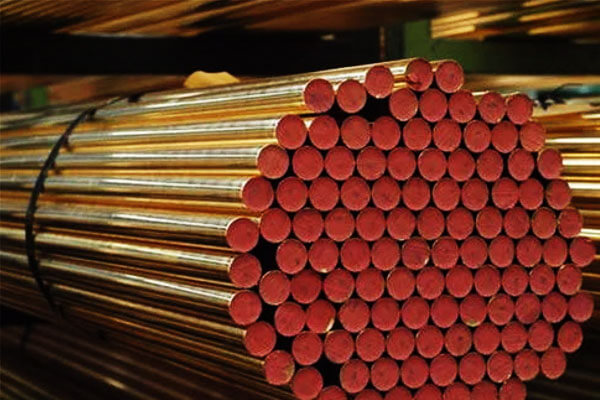
C95500 принадлежит к C95000–C95999 семейство медно-алюминиево-железных и медно-алюминиево-железо-никелевых сплавов..
Эта семейная классификация имеет значение, поскольку она отличает никель-алюминиевые бронзы от обычных латуней и оловянных бронз.:
Система сплавов построена вокруг алюминия как основного упрочняющего элемента., с добавлением железа и никеля для повышения прочности, контроль структуры, и производительность обслуживания.
По спецификации, C95500 - это литая алюминиевая бронза а не деформируемый сплав.
Это означает, что его типичная инженерная роль заключается в обеспечении сложной формы и высоких характеристик в литом или термообработанном состоянии., вместо того, чтобы полагаться на прокатку или волочение для достижения свойств.
Химический состав
Химический состав согласно ASTM B505/B505M-23.
| Элемент | C95500 Состав |
| Cu | 78.0% мин. |
| Фе | 3.0–5,0% |
| В | 3.0–5,5% |
| Ал | 10.0–11,5% |
| Мин. | до 3.5% |
| Всего именованных элементов | 99.5% мин. |
3. Физические свойства UNS C95500
| Физический / Функциональное свойство | Метрическая единица | Имперский отряд |
| Плотность | 7.53 г/см³ | 0.272 фунт/дюйм³ |
| Удельный вес | 7.53 | 7.53 |
| Электропроводность | 8% МАКО | 8% МАКО |
| Теплопроводность | 41.9 Вт/м·К | 24.2 БТЕ/кв. фут/час/°F |
| Коэффициент теплового расширения | 15.5 × 10⁻⁶ /° C. | 9 × 10⁻⁶ /°F |
| Удельная теплоемкость | 419 Дж/кг·К | 0.1 БТЕ/фунт·°F |
| Модуль упругости | 110 ГПа | 16,000 кси |
| коэффициент Пуассона | 0.32 | 0.32 |
| Магнитная проницаемость, Ассоциация | 1.32 | 1.32 |
| Магнитная проницаемость, TQ50 закал | 1.2 | 1.2 |
| Температура плавления, жидкость | 1054°С | 1930°Ф |
| Температура плавления, солидус | 1038°С | 1900°Ф |
4. Механические свойства UNS C95500
UNS C95500 — это высокопрочная никель-алюминиевая бронза чьи механические характеристики обычно оцениваются в двух опубликованных условиях: стандарт непрерывнолитый C95500 состояние и термообработанный C95500HT состояние.
Приведенные ниже значения представляют собой репрезентативные свойства при комнатной температуре, указанные для форм продукции ASTM B505/B505M-23..
Механические свойства непрерывнолитого сплава C95500
| Свойство | Метрическая единица | Имперский отряд |
| Предел прочности, мин. | 655 МПа | 95 кси |
| Предел текучести при 0.5% расширение, мин. | 290 МПа | 42 кси |
| Удлинение в 2 в. (50 мм), мин. | 10% | 10% |
| Твердость по Бринеллю, типичный | 208 HBW | 208 HBW |
Механические свойства термообработанного C95500HT
| Свойство | Метрическая единица | Имперский отряд |
| Предел прочности, мин. | 758 МПа | 110 кси |
| Предел текучести при 0.5% расширение, мин. | 427 МПа | 62 кси |
| Удлинение в 2 в. (50 мм), мин. | 8% | 8% |
| Твердость по Бринеллю, типичный | 228 HBW | 228 HBW |
5. Коррозионная стойкость
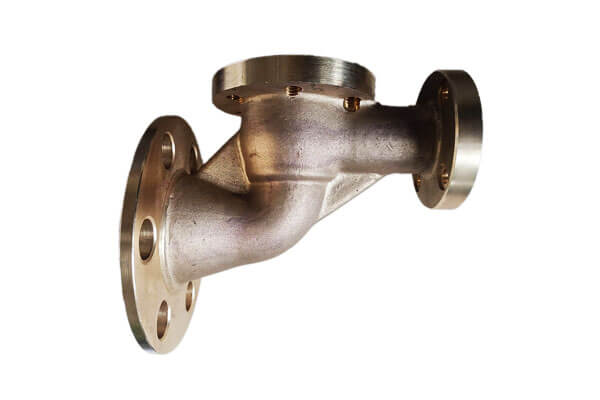
История коррозии является одной из основных причин такого широкого использования C95500.. Сплав неоднократно идентифицирован как имеющий отличная устойчивость к коррозии, в том числе в морская вода и морская среда.
Он также используется для оборудования, работающего с морской водой., кислые шахтные воды, неокисляющие кислоты, Промышленные процессовые жидкости, приложения для очистки сточных вод, и морское оборудование.
Причина, по которой это важно, не просто в том, что «он не ржавеет». Скорее, C95500 предлагает необычайно ценную комбинацию: коррозионная стойкость плюс износостойкость плюс прочность.
В морской воде, многие материалы выходят из строя из-за общей коррозии, кавитация, эрозия, или раздражает. C95500 привлекателен тем, что он устраняет сразу несколько таких видов сбоев.,
поэтому он появляется в компонентах насоса и клапана., втулки, валы, обслуживание, связанное с винтом, и сильно нагруженная морская техника.
Это многомеханическое сопротивление является основой репутации сплава..
В требовательном обслуживании, самые ценные материалы – это не те, которые обладают одним изолированным свойством., но те, которые остаются стабильными при нескольких механизмах отказа. C95500 — хрестоматийный пример этого принципа..
6. Производственная перспектива
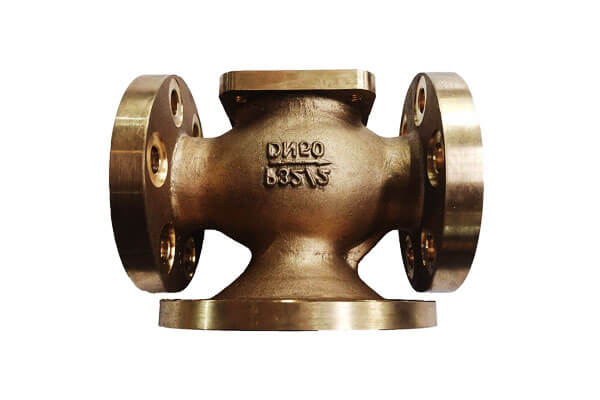
Кастинг: Прочный сплав, Но не прощающий
UNS C95500 по сути представляет собой литейный сплав., и его поведение в процессе отражает эту идентичность.
Опубликованные данные о литье описывают его как имеющий низкий выход литья., высокая склонность к окалине, средняя текучесть, средняя склонность к газовыделению, и высокая усадка при затвердевании.
Эта комбинация рассказывает очень ясную инженерную историю.: C95500 может производить высокопроизводительные отливки., но это требует дисциплинированной практики плавки, Звукоизоляция и подъемная конструкция, и тщательный контроль окисления и подачи.
C95500 очень универсален в практике литья., но это не прощает.
Он хорошо работает по песок, оболочка, керамический, инвестиции, Постоянная плесень, непрерывный, и центробежное литье, однако каждый из этих маршрутов требует тщательного контроля за кормлением., управление оксидами, и поведение при затвердевании.
Короткий диапазон заморозки позволяет производить звуковые отливки., но только тогда, когда литейный завод активно предотвращает окалину, дефекты усадки, и вопросы, связанные с газом.
Именно поэтому C95500 считается литейной бронзой премиум-класса, а не легкой..
Обработка: Полностью обрабатываемый, Но не свободная резка
C95500 поддается механической обработке, но это не медный сплав, подвергаемый механической обработке..
Опубликованный рейтинг обрабатываемости составляет 50, что помещает его в категорию средней обрабатываемости, а не в категорию легкорежущих..
Сплав имеет тенденцию производить закрученная стружка, и опубликованное инженерное руководство предупреждает, что это может привести к заклиниванию инструмента и созданию дефектов поверхности из-за частичной сварки и разрыва., особенно при обработке отверстий.
По этой причине, сухая резка, контроль чипа, и стратегия инструментов имеют гораздо большее значение, чем в свободном латунном производстве..
Полезным нюансом обработки является то, что когда уже выполнена тяжелая механическая обработка, а низкотемпературное снятие напряжения около 350°C в течение не менее одного часа рекомендуется перед окончательной обработкой.
Речь идет не только об облегчении резки сплава.; Речь идет о снижении риска деформации, вызванной остаточными напряжениями, и улучшении окончательной стабильности размеров..
Другими словами, C95500 можно эффективно обрабатывать, но к нему следует относиться как к конструкционной бронзе, требующей технологической дисциплины, не как мягкая магазинная латунь.
Сварка: Возможно в конкретных методах, Но не всегда легко
На сварочные характеристики никель-алюминиевой бронзы сильно влияет защитная оксидная пленка, богатая алюминием, которая естественным образом образуется на поверхности..
Из-за этого оксидного слоя, пайка, пайнг, и ацетилено-кислородную сварку обычно не рекомендуют в качестве основных путей соединения этих сплавов.
Более подходящие процессы сварки, указанные в руководстве по проектированию, следующие: ТИГ/ГТАВ, МИГ/GMAW, ММА, электронно-лучевая сварка, и сварка трением.
Опубликованные данные о производстве C95500 также классифицируют кислородно-ацетиленовая сварка не рекомендуется, пока дуговая сварка в защитном газе и дуговая сварка металла с покрытием указаны как подходящие.
Это различие важно: C95500 не является сплавом, который можно сваривать где угодно., но он также не несвариваемый.
Его можно успешно соединить, если выбрать процесс с оксидным поведением., тепловая мощность, и совместный дизайн в виду.
Для критических частей, Квалификация процедуры сварки и правильный контроль зон термического влияния имеют важное значение, поскольку баланс свойств сплава тесно связан с его микроструктурой..
Термическая обработка: Главный рычаг повышения производительности
Термическая обработка является одной из наиболее важных причин, по которой C95500 так широко используется в требовательных сервисах..
Сплав можно обрабатывать в цикл закалки и отпуска это увеличивает доказательственная сила, Конечная прочность на растяжение, воздействие сила, и твердость, лишь немного улучшая пластичность.
Для литой никель-алюминиевой бронзы типа CuAl10Fe5Ni5, в опубликованном руководстве описывается нагрев до 900–950 ° C., держу около один час, Утоивание воды, а затем закалка при 600–650°C в течение примерно двух часов.
Эта последовательность значительно увеличивает силу, сохраняя при этом полезную выносливость..
В том же руководстве также отмечается важное практическое ограничение.: сложные формы могут деформироваться во время цикла нагрева и закалки., Итак, часть геометрии, мощность печи, и толщина сечения должны быть учтены до выбора термообработки..
Другими словами, термическая обработка – мощный инструмент повышения производительности, но это не бесплатно. Это улучшает механическую оболочку сплава только тогда, когда конструкция компонента может выдерживать термический цикл..
7. Преимущества и недостатки UNS C95500
Основные преимущества
Высокая прочность с полезной пластичностью.
Отличная устойчивость к морской воде и агрессивным средам..
Сильный износ и защита от истирания.
Хорошая способность работать при повышенных температурах.
Не подготовка и немагнитный
Основные недостатки
Высокая первоначальная стоимость
Возможна обработка, но непросто.
Литье технически сложно..
Сварка чувствительна к процессу.
Электропроводность низкая.
8. Применение UNS C95500
Морской и оффшорное оборудование
C95500 является одним из наиболее распространенных материалов для морской эксплуатации, поскольку он сочетает в себе стойкость к коррозии в морской воде., сила, и износостойкость.
Он используется в системы трубопроводов и клапанов морской воды, морское оборудование, компоненты, связанные с гребным винтом, люки, муфты, печати, и другое судовое оборудование.
Пригодность этого семейства сплавов для работы с морской водой является основной причиной его многолетней репутации в военно-морской и морской технике..
Клапан, Насос, и компоненты управления потоком
Сплав широко используется для корпуса клапанов, клапан сиденья, направляющие клапанов, Компоненты клапана, жидкость насоса заканчивается, железы, гайки сальника, и уплотнительные фланцы.
Эти приложения выигрывают от сочетания коррозионной стойкости., износостойкость, и механическая прочность, особенно там, где вода, технологические жидкости, или умеренно агрессивные химические вещества присутствуют.
Подшипники, Втулки, и изнашиваемые детали
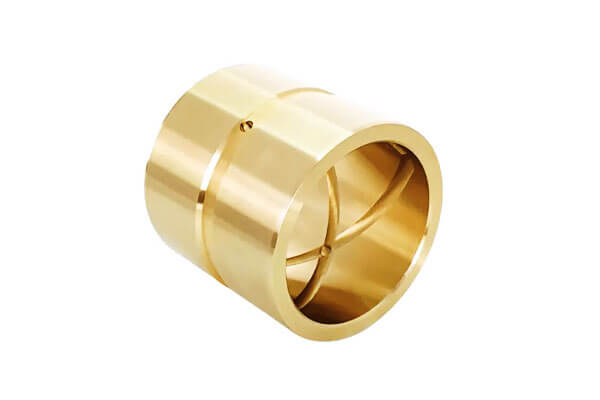
C95500 часто выбирают для подшипники, втулки, носить тарелки, направляющие поршня, и детали машин потому что он хорошо работает при скользящем контакте и тяжелых нагрузках.
Его износостойкость и прочность делают его пригодным для случаев повреждения поверхности., раздражающий, или абразивный износ вызывает беспокойство.
Шестерни и детали силовой передачи
Сплав используется в шестерни, черви, червячные колеса, и соответствующие компоненты трансмиссии.
Для этих деталей требуется материал, способный выдерживать контактные напряжения., сохранять стабильность размеров, и сопротивляться износу в течение длительных интервалов обслуживания. Механический баланс C95500 делает его практичным выбором для таких задач..
Промышленное технологическое и эксплуатационное оборудование
Сплав используется в травильное оборудование, приложения для очистки сточных вод, направляющие горячей мельницы, и промышленное оборудование.
Эти области применения отражают способность сплава выдерживать воздействие агрессивных сред., механическая загрузка, и повторный цикл обслуживания.
В промышленных условиях, эта комбинация может сократить интервалы технического обслуживания и повысить надежность..
Электрическое и специальное оборудование
Хотя C95500 не является электропроводящим сплавом., оно до сих пор появляется в некоторых электрическое оборудование и специальные компоненты, где структурная надежность, коррозионная стойкость, и поведение при износе более важны, чем проводимость.
Он также используется в клавиши фортепиано и музыкальные инструменты, где механическая стабильность и технологичность сплава полезны.
9. Заключение
США C95500 Никель-алюминиевая бронза — это ценный конструкционный сплав, поскольку он сочетает в себе свойства, которые часто трудно получить вместе.:
высокая прочность, отличная устойчивость к коррозии, сильная износостойкость, хорошая прочность, и работоспособность в широком диапазоне температур.
Его химический состав тщательно настроен, его поведение при кастинге требовательно, но выполнимо, а его реакция на термообработку дает разработчикам дополнительный рычаг производительности, когда это необходимо..
В практическом плане, C95500 лучше всего понимать как сплав, предназначенный для тяжелых условий эксплуатации..
Это наиболее убедительно там, где виды отказов смешаны и неумолимы – морская вода., движущийся груз, скользящий контакт, режим работы под давлением, и длительный срок механического обслуживания.
Вот почему она остается одной из самых уважаемых никель-алюминиевых бронз в инженерной практике..
Часто задаваемые вопросы
C95500 — литейный сплав или деформируемый сплав??
C95500 в основном используется в качестве кастинг сплав, с опубликованными ссылками, посвященными непрерывному литью, песчаный актерский состав, центробежное литье, и прецизионные литые формы.
Подходит ли C95500 для морской воды??
Да. Он неоднократно идентифицирован как имеющий отличная устойчивость к коррозии, включая устойчивость к соленой воде, что является одной из основных причин, по которой он используется в морском оборудовании и системах клапанов..
Можно ли подвергать C95500 термической обработке??
Да. В опубликованном руководстве по проектированию показаны характеристики C95500 как в отлитом состоянии, так и после термообработки., при термообработке прочность еще больше увеличивается.
Легко ли обрабатывать C95500??
Это обрабатывается, но не свободная обработка. Его степень обрабатываемости составляет 50, так что это сплав средней обрабатываемости, а не легкорежущий.
В чем главное преимущество С95500 перед обычными бронзами??
Его главным преимуществом является сочетание высокая прочность, отличная устойчивость к коррозии, и износостойкость, особенно в суровых морских или промышленных условиях.