1. Aféierung
An der haitegen schnelle Fabrikatiounslandschaft, D'Materialwahl spillt eng wesentlech Roll fir d'Produktqualitéit ze garantéieren, Zouverlässegkeet, an Leeschtung.
Eng kritesch Klassifikatioun déi den Test vun der Zäit stoungen ass AN klauen.
Dëse standardiséierte Gradéierungssystem garantéiert Konsistenz a Kloerheet iwwer d'Produktiounsprozesser, wat vital ass an Industrien wéi Automotive, Baulibatiounen, an schwéier Maschinnen.
Duerch d'Evolutioun ze verstoen, Nomenclature, an Uwendungen vun EN Stol,
Ingenieuren an Hiersteller kënnen d'Materialwahl optimiséieren, Reduzéiert d'Produktiounskäschte, a verbesseren d'allgemeng Leeschtung.
Dësen Artikel bitt eng ëmfaassend Exploratioun vum EN Stol - vu sengen historesche Wuerzelen op seng modern Uwendungen an zukünfteg Trends -
Empowering Fachleit mat den Abléck déi néideg sinn fir informéiert Entscheedungen am Materialingenieur ze treffen.
2. Historeschen Hannergrond an Evolutioun
EN Stol huet seng Originen an den Erausfuerderunge vum Zweete Weltkrich. Während där Period, Hiersteller konfrontéiert Duercherneen wéinst der Onmass vu Stol Spezifikatioune am Gebrauch.
Fir d'Produktioun ze streamline an d'Qualitéit ze verbesseren, de British Standards Institute (BSI) geformt engem Standard Grupp vun 58 stahl in 1941 ënner britesche Standard BS970.
Dës Initiativ, ursprénglech Stahl mat "EN" bezeechent (historesch steet fir "Noutnummer"), Setzt e Benchmark fir Materialuniformitéit a Qualitéit wärend der kritescher Krichsproduktioun.
Am Zäitoflaf, wéi d'Technologie fortgeschratt an d'industriell Bedierfnesser evoluéiert hunn, BS970 erweidert bedeitend.
Dei ze 1955, de Standard abegraff bal 200 Stahlgraden an zousätzlech Bréifbezeechnungen agefouert fir d'Materialien weider ze klassifizéieren.
Obwuel vill vun der Original 58 Klassen sinn iwwerflësseg ginn, vill EN Stahlgrade bleiwen haut am Gebrauch,
merci fir kontinuéierlech Updates a Verfeinerungen déi mat modernen Fabrikatiounspraktiken ausriichten.
Dës Evolutioun beliicht d'Adaptabilitéit vum System an d'dauerhaft Relevanz an der Stolindustrie.
3. EN Steel Nomenclature an Benennungsregelen verstoen
Fir d'Virdeeler vum EN Stol ze profitéieren, et ass entscheedend seng eenzegaarteg Nomenklatur ze verstoen.
EN Stahlgrade bidden präzis Informatioun iwwer d'Eegeschafte vun engem Material, doduerch effektiv Kommunikatioun iwwer d'Versuergungskette erliichtert.
Basis Benennungskonventiounen
EN Stolklasser sinn nummeréiert baséiert op Kuelestoffgehalt. Zum Beispill, EN 1 representéiert den niddregsten Kuelestoffgehalt, heiansdo EN 55 weist den héchsten un. Am Allgemengen:
- Low Carbon (EN 1-3): Bekannt fir exzellent Veraarbechtung a Formbarkeet, ideal fir Bau a Päif Uwendungen.
- Mëttelméisseg Kuelestoff (EN 5-16): Bitt verstäerkte Kraaft, mécht dës Stol gëeegent fir Schmieden, Automotive Komponenten, a grouss strukturell Deeler.
- Héich Carbon (EN 19-36): Bitt héich zouzedrécken Resistenz an tensile Kraaft, haaptsächlech an Tools a Laaschtapplikatioune benotzt.
Détailléiert Benennung System
Modern EN Stolklasser verfollegen typesch e Format vun dräi Zuelen gefollegt vun engem Bréif an zwou Zuelen (Z.B., 230M07 oder 080A15). Dësen detailléierte System vermëttelt:
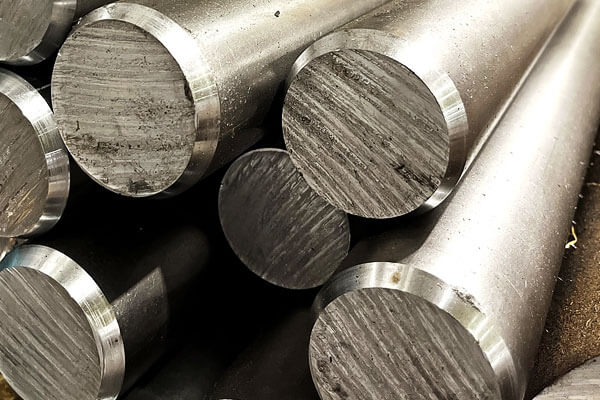
- 000 zu 199: Kuelestoff Mangan Stol, wou d'Zuel Mangan Inhalt weist (multiplizéiert mat 100).
- 200 zu 240: Fräi schneiden Stol, mat der zweeter an drëtter Ziffer, déi de Schwefelgehalt representéieren (multiplizéiert mat 100).
- 250 zu 299: Silicon Mangan Stol.
- 300 zu 499: STAINLESS Stol an Hëtzt-resistent géint Stol.
- 500 zu 999: Reservéiert fir Legierungsstahl.
Bréiwer Bezeechnungen
Den zousätzleche Bréif an der EN-Bezeechnung gëtt weider Informatioun:
- A K): Bedeit datt de Stol geliwwert gëtt no senger chemescher Zesummesetzung.
- H: Bedeit datt de Stol härtbar ass.
- M: Bedeit datt d'Material produzéiert gëtt fir spezifesch mechanesch Eegeschaften z'erreechen.
- S: Spezifizéiert Edelsteng.
Heiansdo, en anere Bréif wéi "T" gëtt bäigefüügt fir e spezifescht Temperament oder Wärmebehandlungsbedingung unzeginn.
Zum Beispill, EN 1A beschreift fräi Schneiden Stol wéi 11SMn30, heiansdo EN3B bezitt sech normalerweis op niddereg Kuelestoffstahl-Äquivalenten wéi 1018 oder S235.
4. Klassifikatioun an Eegeschafte vun EN Steels
An dëser Sektioun, mir analyséieren wéi EN Stähle klasséiert sinn op Basis vun hirer Zesummesetzung an entdecken d'Eegeschafte déi all Kategorie fir spezifesch Uwendungen gëeegent maachen.
Material Kategorien Baséiert op EN Zuelen
EN Stähle gi breet kategoriséiert no hirem Kuelestoffgehalt an Legierungselementer.
Dës Klassifikatioun beaflosst direkt hir mechanesch Verhalen, Filaktioun, a Leeschtung ënner verschiddene Konditiounen.
Low Carbon Steels (EN 1-3):
- Charakteristiken: Dës Stole enthalen minimale Kuelestoffgehalt, wat hir Duktilitéit a Liichtegkeet vun der Form verbessert.
- Uwendungen: Vill am Bau benotzt, Pipsen, an allgemeng Zweck Fabrikatioun, wou héich Formbarkeet a Schweessbarkeet essentiell sinn.
- Haaptun ze: EN1 ass bekannt fir seng exzellent Veraarbechtbarkeet, mécht et ideal fir Uwendungen déi präzis Formen mat minimaler Verformung erfuerderen.
Mëttel Kuelestoff Steels (EN 5-16):
- Charakteristiken: Dës Stähle schloen e Gläichgewiicht tëscht Stäerkt an Duktilitéit.
Si bidden méi héich Spann- a Rendementstäerkten wéi niddereg Kuelestol, mécht se gëeegent fir Uwendungen, déi erweidert Laaschtkapazitéit erfuerderen. - Uwendungen: Allgemeng an Autosdeeler benotzt, verpassen, a grouss strukturell Komponente wou verbessert Kraaft néideg ass ouni Affer formability.
- Haaptun ze: Graden wéi EN8 oder EN10 ginn dacks fir Gears a Wellen gewielt wéinst hire robuste mechanesche Properties.
Héich Carbon Steels (EN 19-36):
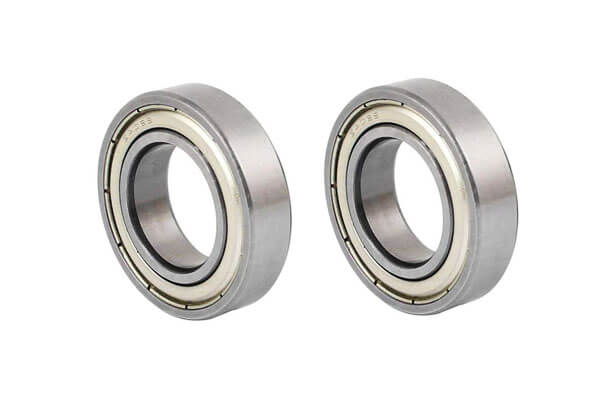
- Charakteristiken: Mat erhéicht Kuelestoffgehalt, dës Stähle bidden bedeitend Hardness, héich zouzedrécken Resistenz, an aussergewéinlech tensile Kraaft.
- Uwendungen: Ideal fir Tools, opzedeelen Instrumenter, a Komponenten déi schwéier Laascht droen, wou d'Haltbarkeet an d'Resistenz géint Abrasioun kritesch sinn.
- Haaptun ze: EN25 gëtt dacks an der Fabrikatioun vun héichstäerkt Schneidinstrumenter a Stierwen benotzt.
Fréijoer Steels (EN 40-45):
- Charakteristiken: Speziell konstruéiert fir héich Elastizitéit a Middegkeetsbeständegkeet ze liwweren, Fréijoersstahlen weisen exzellent Energieabsorptioun an Erhuelungsfäegkeeten.
- Uwendungen: Wichteg bei der Produktioun vu mechanesche Quellen, Suspension Systemer, an aner Komponenten déi widderholl Flexioun a Widderstandsfäegkeet erfuerderen.
- Haaptun ze: EN41 gëtt wäit an den Autos- an Industriesektore benotzt fir seng konsequent Fréijoersleistung.
Edelsteng (EN 56-58):
- Charakteristiken: Dës Qualitéiten enthalen bedeitend Quantitéite vu Chrom a
dacks aner Elementer fir eng super Korrosiounsbeständegkeet ze bidden, wärend gutt mechanesch Eegeschafte behalen. - Uwendungen: Beschäftegt an der chemescher Veraarbechtung, Marine, a medezinesch Industrien, wou souwuel d'Haltbarkeet wéi d'Resistenz géint d'Ëmweltdegradatioun wichteg sinn.
- Haaptun ze: EN 57, vergläichbar mat traditionell 18/8 Edelstol, balancéiert corrosion Resistenz mat Kraaft fir laangfristeg Zouverlässegkeet.
Impakt vun Legierungselementer op Eegeschaften
D'Eegeschafte vun EN-Stahle ginn net eleng vun hirem Kuelestoffgehalt diktéiert, awer och vun der Präsenz an dem Undeel vu verschiddene Legierungselementer:
- Manganese: Verbessert Zähegkeet an Härtbarkeet, spillt eng entscheedend Roll bei der Verbesserung vun der Stäerkt vun nidderegen bis mëttlere Kuelestoffstahl.
- Chrogium: Schlëssel fir exzellent Oxidatiouns- a Korrosiounsbeständegkeet z'erreechen, besonnesch an STAINLESS Stol Qualitéiten.
- Silicon: Oft bäigefüügt fir d'Gastbarkeet a Kraaft a Silizium-Mangan-Stahl ze verbesseren.
- Zousätzlech Elementer (Z.B., Nickel, moybdsum): An e puer STAINLESS an durchgang Stol, dës Elementer stäerken weider corrosion Resistenz an allgemeng Leeschtung.
Dës Legierungselementer funktionnéieren synergistesch fir de Mooss ze personaliséieren mechanesch Eegeschafte, Korrosioun Resistenz, a Formabilitéit aus EN Stahlen, garantéiert datt all Grad spezifesch Uwendungsufuerderunge entsprécht.
Immobilie Impakt an Uwendungen
EN-Stahle si konstruéiert fir verschidden Industriefuerderungen ze erfëllen. Hei sinn e puer Beispiller vu wéi Variatiounen an der Zesummesetzung d'Leeschtung beaflossen:
- Kraaft an Duktilitéit:
Niddereg Kuelestoff Stol (EN 1-3) bitt exzellent Duktilitéit a Liichtegkeet ze bilden, mécht se déi ideal Wiel fir grouss-Skala strukturell Uwendungen.
Konversely, héich Kuelestoff Stol (EN 19-36) liwwert eng super Hardness a Verschleißbeständegkeet, wat kritesch ass fir Tools a Maschinnekomponenten, déi schwéier Laascht ënnerworf sinn. - Korrosioun Resistenz:
Edelstahl Qualitéiten (EN 56-58) eng robust Korrosiounsbeständegkeet weisen, mécht se onverzichtbar an Ëmfeld déi chemesch aggressiv sinn oder u Feuchtigkeit ausgesat sinn.
Dëst garantéiert d'Längegkeet an Uwendungen rangéiert vu Marine Hardware bis medizinesch Geräter. - Middegkeet a Verschleiung Leeschtung:
Fréijoer Stol (EN 40-45) si speziell entwéckelt fir zyklesch Luede a repetitive Stress ze handhaben.
Hir Fäegkeet Energie ze absorbéieren an ze befreien ouni wesentlech Degradatioun mécht se e Favorit an Automotive an Industrieapplikatiounen.
Schlësselknäppchen
- Standardiséierung:
EN Stol Klassifikatioun bitt e standardiséierte System deen d'Kommunikatioun an d'Konsistenz iwwer d'Fabrikanten verbessert, assuréieren zouverlässeg Leeschtung am Finale Produit. - Personaliséierung:
Andeems Dir d'Variatiounen am Kuelestoffgehalt an Legierungselementer verstoen, Ingenieuren kënnen de passenden EN Stahlgrad fir Uwendungen auswielen
déi spezifesch mechanesch Eegeschafte verlaangen, vun héijer Duktilitéit bis aussergewéinlech Verschleißbeständegkeet. - Käschte a Performance Optimisatioun:
Den detailléierte EN System erlaabt d'Fabrikanten d'Performance Ufuerderungen ze balanséieren
mat Käschten Iwwerleeungen, wielt niddereg, mëttel, oder héich Kuelestoffgraden baséiert op den operationelle Fuerderunge vun der Endverbrauchsapplikatioun.
5. Virdeeler an Aschränkungen vun EN Steel Graden
EN Stahlgraden bidden e standardiséierte a versatile Kader deen d'modern Fabrikatioun wesentlech fortgeschratt huet.
Duerch d'Kategoriséierung vu Stol baséiert op Kuelestoffgehalt an Legierungselementer, den EN System garantéiert konsequent Qualitéit a prévisibel Leeschtung iwwer verschidden Uwendungen.
Wéi och ëmmer, wéi all Material System, EN Stähle presentéieren souwuel Virdeeler wéi Aschränkungen, déi d'Ingenieuren suergfälteg berécksiichtegt wann se Material fir hir Projeten auswielen.
Virdeeler vun EN Steel Grades
Standardiséierung a Konsistenz
- Uniformitéit iwwer Hiersteller:
EN Stolqualitéiten bidden eng gemeinsam Sprooch a Spezifizéierung déi Stahleigenschaften a verschiddene Fournisseuren standardiséiert.
Dës Uniformitéit verbessert d'Kommunikatioun, vereinfacht Beschaffung, a garantéiert datt Material déi selwecht Leeschtung Critèren treffen, onofhängeg vun Urspronk. - Verbesserte Qualitéitskontroll:
Standardiséierter Qualitéiten erméiglechen rigoréis Qualitéitskontrollprozesser.
Hiersteller kënnen op etabléiert Normen wéi BS970 vertrauen, Iso, an AECMA, déi d'Produktioun rationaliséieren an de Risiko vu Materialverännerlechkeet reduzéieren.
Date vun Industrie Ëmfroen weisen datt d'Standardiséierung d'Produktiounsfehler ëm bis zu reduzéiert 15%.
Mooss Material Properties
- Villsäitegkeet an Leeschtung:
D'EN Klassifikatioun System trennt Stol an ënnerschiddleche Kategorien-niddereg, mëttel, an héich Kuelestoff Stol, zesumme mat spezialiséierte Qualitéite wéi Fréijoer an Edelstahl.
Dës Differenzéierung erlaabt Ingenieuren Materialien ze wielen déi den optimale Gläichgewiicht tëscht Duktilitéit ubidden, Staang, an droen Resistenz.
Zum Beispill, niddereg Kuelestoff Stol (EN 1-3) excel an Uwendungen déi héich Formbarkeet erfuerderen, iwwerdeems héich Kuelestoff Stol (EN 19-36) liwweren super Hardness fir Tools a Laaschtstrukturen. - Personnaliséierbar Legierungskompositioune:
Andeems Dir d'Legierungselementer wéi Mangan feinstemmt, Chrogium, an Silizium, Hiersteller kënnen gewënschte Leeschtungsresultater erreechen.
Dës Personnalisatioun verbessert Eegeschafte wéi Korrosiounsbeständegkeet a Middegkeet, erméiglecht präzis Materialauswiel fir spezifesch industriell Uwendungen.
Käschte Effizienz a Produktioun Optimisatioun
- Material a Prozess Effizienz:
Standardiséierung an EN Stahlgraden streamlines Materialsourcing a Veraarbechtung. Hiersteller erreechen Käschtespueren andeems se Offall reduzéieren an d'Produktiounstechniken optimiséieren.
Zum Beispill, d'Benotzung vun mëttel Kuelestoff Stol (EN 5-16) An automotive Uwendungen
gouf gewisen fir d'Gesamtproduktiounskäschte ëm ongeféier 10-15% ze senken wéinst enger verbesserter Veraarbechtung a reduzéierter Schrottraten. - Prévisibel Leeschtung:
Déi gutt definéiert Eegeschafte vun EN-Stahlen hëllefen d'Fabrikanten d'Performance virauszesoen, wat am Tour de Besoin fir extensiv Testen a Rework miniméiert.
Dës Prévisibilitéit beschleunegt Produktentwécklungszyklen a senkt Fuerschungs- an Entwécklungskäschte.
Aschränkungen vun EN Steel Graden
Obsoleszenz an Entwécklungsnormen
- Veroudert Graden:
Puer EN Stol Qualitéiten, a fréiere Joerzéngte entwéckelt, sinn duerch Fortschrëtter an der Material Wëssenschaft obsolet ginn.
Wärend vill eeler Graden nach ëmmer d'Benotzung gesinn, si kënnen net voll de modernen Ufuerderunge fir méi héich Leeschtung treffen, besonnesch an High-Tech Industrien. - Kontinuéierlech Standard Updates:
Déi dynamesch Natur vun der moderner Fabrikatioun erfuerdert heefeg Updates vun de Standarden.
Hiersteller stellen dacks Erausfuerderunge fir sech un nei EN Normen unzepassen, wat zu Kompatibilitéitsprobleemer mat legacy Systemer féieren kann.
Trade-Offs tëscht mechanesche Properties a Manufacturability
- Balancéiert Kraaft an Duktilitéit:
Iwwerdeems héich Kuelestoff Stol (EN 19-36) bitt excellent hardness an zouzedrécken Resistenz, si offréieren dacks Duktilitéit an Zähegkeet.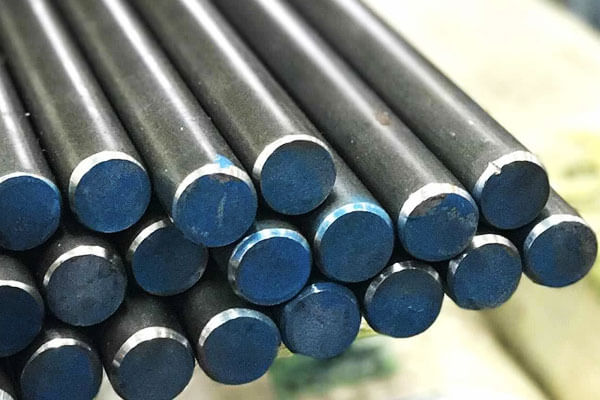
EN36 Legierung Stol Ronn Bar D'Ingenieure mussen dës Ofwäichunge balancéieren, wat d'Materialwahl komplizéiere kann fir Uwendungen déi souwuel héich Kraaft a bedeitend Verformungsfäegkeeten erfuerderen.
- Uewerfläch Finish an Machinability:
Eng qualitativ héichwäerteg Uewerflächefinanzéierung a Goss oder geschmiedete Komponenten z'erreechen kann zousätzlech Veraarbechtungsschrëtt erfuerderen.
An e puer Fäll, déi grof Kornstruktur vu Gossstahl féiert zu engem méi rauem Ofschloss, dee weider Bearbechtung oder Polieren erfuerdert, doduerch d'Produktiounskäschte an d'Leadzäiten erhéijen.
Aschränkungen am Material Personnalisatioun
- Standardiséierte Kompositioune:
Obwuel d'EN System Produktioun streamlines, seng standardiséierte Kompositioune kënnen d'Fäegkeet limitéieren fir Eegeschafte fir Nischapplikatiounen ze personaliséieren.
Firmen, déi héich spezialiséiert Legierungen entwéckelen wëllen, kënnen déi fixe Beräicher an EN-Graden begrenzt fannen. - Balance Käschten a Leeschtung:
Wärend standardiséierte Qualitéiten d'Käschteeffizienz verbesseren, den Austausch tëscht Leeschtung a Bezuelbarkeet bleift eng Erausfuerderung.
Ingenieuren mussen heiansdo Alternativ betruechten, méi fortgeschratt Legierungen déi super Leeschtung bidden awer zu méi héije Käschte.
6. Zukunft Trends an Entwécklungen an EN Steel
D'Zukunft vum EN Stol entwéckelt sech séier wéi d'Industriefuerderungen an technologesch Fortschrëtter Innovatioun féieren.
Fuerscher an Hiersteller entdecken aktiv nei Approche fir d'Performance ze verbesseren, Nohaltegkeet, an Adaptabilitéit vun EN Stol Qualitéiten.
Ënner derbäi, mir ënnersicht Schlëssel Trends an entstanen Entwécklungen, datt d'Zukunft vun EN Stol Form wäert.
Fortschrëtter am Alloy Design
Modern Fuerschung am Legierungsdesign konzentréiert sech op d'Optimiséierung vun EN Stahlkompositioune fir eng super Leeschtung ze erreechen.
Ingenieuren entdecken nano-strukturéiert Legierungen an an Hybrid Kompositioune déi d'Kraaft verbesseren, DUTTILITÉIT, an korrosion Resistenz.
Zum Beispill, Integratioun vun Nano-Skala Ausfäll kann d'Kornstruktur verfeineren, schlussendlech erhéijen d'Müdlechkeetsdauer an d'Verschleiung reduzéieren.
Dës innovativ Legierungsdesign verspriechen d'Fähigkeiten vun EN Stol iwwer déi aktuell Aschränkungen ze drécken, mécht se nach méi gëeegent fir héich-Performance Uwendungen.
Digital an AI Integratioun
D'Fabrikatioun ëmfaasst digital Transformatioun, an den EN Stolsecteur ass keng Ausnahm.
Hiersteller benotzen ëmmer méi AI-driven Prozessoptimiséierung fir d'Produktiounsparameter an Echtzäit ze feinjustéieren, reduzéieren Mängel a verbesseren Material Konsistenz.
Ganz nachelesch, digital Zwilling Technologie erlaabt Firmen virtuell Modeller vum Casting Prozess ze kreéieren.
Dës Modeller hëllefen d'Leeschtungsresultater ënner verschiddene Betribsbedéngungen virauszesoen, erlaabt proaktiv Upassungen a verbessert Qualitéitskontroll.
Als Resultat vun, d'Produktioun vun EN Stol gëtt méi efficace an zouverlässeg, schlussendlech d'Käschte reduzéieren an d'Kompetitivitéit erhéijen.
Global Standardiséierung a Regulatiounsharmoniséierung
International Standardiséierungsefforte sinn amgaang fir sécherzestellen datt EN Stolqualitéite mat modernen Fabrikatiounsufuerderunge alignéieren.
Globale Kierper schaffen fir EN Stahl Spezifikatioune mat zäitgenëssesche Standarden ze harmoniséieren, wéi déi vun ISO an ASTM gesat.
Dës Harmoniséierung verbessert den grenziwwerschreidenden Handel, erliichtert Versuergungsketten Integratioun, a garantéiert datt d'Materialien streng Sécherheets- a Leeschtungskriterien entspriechen.
Wéi Reguléierungsorganer sech un nei Technologien an Ëmweltnormen upassen, den EN Stolsystem wäert sech weider entwéckelen, garantéiert datt et relevant an zouverlässeg bleift.
Nohaltegkeet an Ëmwelt Impakt
Nohaltegkeet ass eng wuessend Prioritéit an der Stolindustrie.
Hiersteller investéieren an Energieeffizient Produktiounstechniken an ëmweltfrëndlech Prozesser fir de Kuelestoffofdrock ze reduzéieren verbonne mat der Stolproduktioun.
Recycling Initiativen an de Gebrauch vun Alternativ, erneierbar Energiequellen transforméieren d'Produktiounspraxis.
Als Resultat vun, EN Stol Hiersteller kënnen bedeitend Reduktiounen am Energieverbrauch an Offall Generatioun erreechen,
alignéiert mat globalen Nohaltegkeetsziler an appelléiert op ëmweltbewosst Mäert.
Prozess Innovatiounen an Hybrid Fabrikatioun
Lafend Innovatiounen an der Gusstechnologie a Prozessintegratioun sinn agestallt fir d'Produktioun vun EN Stol revolutionéieren.
Hybrid Fabrikatioun, déi traditionell Methoden kombinéiert mat Zouschungsfaart (3Dloen), erméiglecht d'Schafung vu komplexe Geometrie mat bal net-net Form Präzisioun.
Dës Hybrid Approche miniméiert sekundär Veraarbechtung, reduzéiert Material Offall, an erlaabt séier Prototyping.
Aast sinn, Fortschrëtter an héich-Präzisioun Lous an digital Kontroll Systemer wäert allgemeng Prozess Konsequenz verbesseren,
garantéiert datt EN Stol Komponenten ëmmer méi streng Leeschtung Ufuerderunge treffen.
Maart Evolutioun an Zukunft Uwendungen
Wéi d'Industrie weiderhin héich performant Materialien fir den Automotive verlaangen, Aerospace, an industriell Uwendungen, de Maart fir EN Stol gëtt virgesinn fir stänneg ze wuessen.
Mat Innovatiounen féieren Verbesserungen a béid Materialeigenschaften an der Fabrikatiounseffizienz,
EN Stol wäert erweidert Uwendungen an opkomende Sekteuren wéi erneierbar Energien a Smart Infrastruktur fannen.
Firmen déi an fortgeschratt Technologien an Nohaltegkeetspraktiken investéiere wäerte méiglecherweis de Maart féieren, nei Benchmarks fir Leeschtung an Ëmweltverantwortung setzen.
7. Conclusioun
EN Stol bleift e Grondsteen vun der moderner Fabrikatioun, eng standardiséierter a villsäiteg Materialléisung ubitt déi verschidden industriell Uwendungen ausdehnt.
Dës am-Déift Analyse huet seng historesch Evolutioun exploréiert, Nomenclature, Material Eegeschafte,
an Uwendungen, ënnersträicht déi kritesch Roll EN Stol spillt an Qualitéitskontroll a Produktioun Effizienz.
Duerch dës Schlësselaspekter ze verstoen, Ingenieuren an Hiersteller kënnen informéiert Entscheedungen treffen, déi d'Performance a Käschteneffizienz optimiséieren.
Mir invitéieren Industriefachleit fir déi lescht Innovatiounen am EN Stol z'entdecken a säi vollt Potenzial ze profitéieren fir operationell Exzellenz ze féieren.
Ëmfaasst fortgeschratt Materialien a modern Standarden fir sécherzestellen datt Är Produkter déi héchst Leeschtungskriterien entspriechen.
Kontakt Experten am Feld haut fir ze léieren wéi EN Stol Är Fabrikatiounsprozesser erhéijen.