1. Aféierung
Threads sinn déi onbesonnte Helden déi garantéieren datt Deeler zesummen an enger breet Palette vun Industrien bleiwen, vun Automobile bis Loftfaart.
Si bidden sécher, justierbar Verbindungen tëscht Komponente, mécht se onverzichtbar an der Fabrikatioun.
An dësem Post, mir wäerten déi verschidden Aarte vu thread verfügbar an déi geometresch Parameteren entdecken déi hir Funktionalitéit definéieren.
Andeems Dir an dës Aspekter verdéiwen, mir zielen Iech mat dem Wësse wat néideg ass fir informéiert Entscheedungen ze treffen beim Design oder Auswiel vun threaded Befestigungen.
2. Wat sinn Threads?
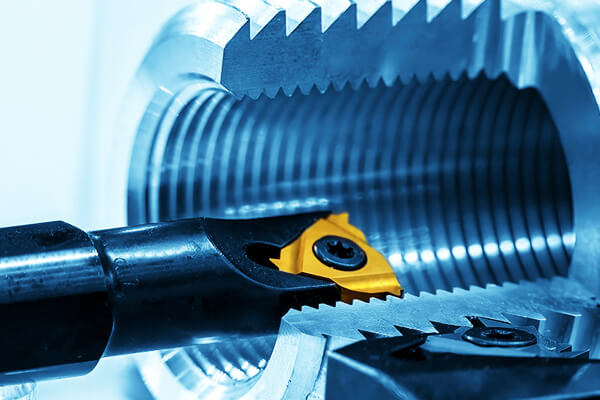
An der Mechanesch Ingenieur, e Fuedem ass en spiralesche Gruef oder Groove ronderëm eng zylindresch oder konesch Uewerfläch gewéckelt.
Threads si wesentlech fir Befestigungen wéi Schrauwen ze kreéieren, Bolzen, an Nëss, a sinn och integral zu Flëssegkeetskontrollsystemer wéi Ventile a Päifen.
Déi primär Funktioun vu thread ass eng mechanesch Verbindung tëscht zwee Deeler ze kreéieren, erlaabt datt se sécher zesumme passen.

Thread Pitch:
Thread Pitch ass d'Distanz tëscht entspriechende Punkten op ugrenzend Threads. Et beaflosst direkt d'Kraaft a Stabilitéit vum Gelenk.
Eng méi fein Pitch (méi kleng Distanz tëscht thread) Resultater an enger enker, méi staark Gelenker, mä kann och d'Assemblée méi schwéier maachen.
Op der anerer Säit, e gréissere Pitch ass méi einfach ze montéieren awer kann d'Kraaft vum Gelenk kompromittéieren.
Wichtegkeet vun Thread Design:
Thread Design ass net nëmmen eng funktionell Verbindung ze kreéieren - et geet drëm fir de richtege Gläichgewiicht tëscht Stäerkt ze garantéieren, Liichtegkeet vun Fabrikatioun, an Leeschtung ënner Laascht.
D'Wiel vum Fuedemtyp a seng geometresch Parameteren, wéi Pitch an Déift, kann d'Leeschtung vum Fuedem an verschiddenen Uwendungen wesentlech beaflossen.
3. Zorte vu Threads
Extern Threads
Extern thread bilden op der baussenzeger Uewerfläch vun Deeler, wéi Schrauwen a Bolzen. Dës thread engagéieren mat internen thread fir sécher Verbindungen ze kreéieren.
Allgemeng Beispiller enthalen ISO metresch thread an Unified National (AN) Diskussioun, déi vill an internationalen an nordamerikanesche Kontexter benotzt ginn, respektiv.
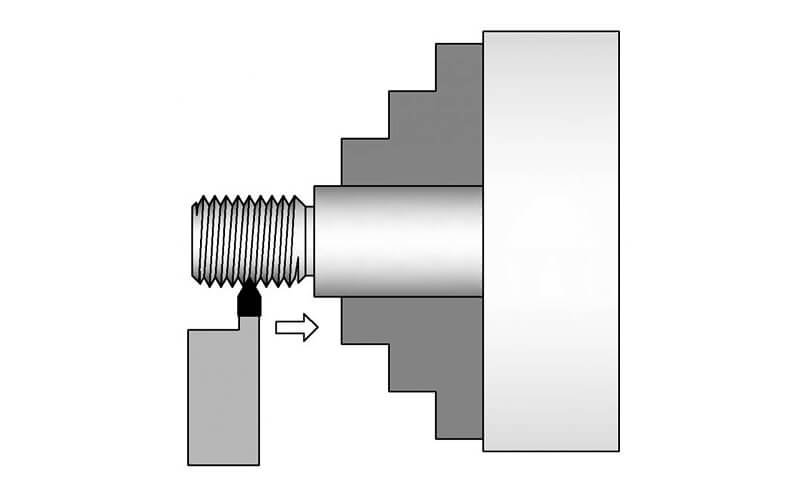
- ISO Metresch Threads: Benotzt weltwäit, ISO Threads kommen a verschiddene Gréissten, aus M1.6 ze M100.
All Gréisst spezifizéiert den Duerchmiesser an den Terrain, garantéiert Kompatibilitéit vu verschiddene Hiersteller. - Vereenegt National Threads: Haaptsächlech an Nordamerika benotzt, UNO thread hunn spezifesch Duerchmiesser an Terrainen, rangéiert vun #0-80 UNC zu 4-40 UNF.
Déi Geldstrof (UNF) a grober (UNC) Varianten këmmere sech op verschidden Uwendungsbedierfnesser.
Intern Threads
Intern Fuedem bilden bannent Lächer oder Komponenten wéi Nëss an Inserts. Si schaffen a Verbindung mat externe Fuedem fir stabil Verbindungen ze bilden.
Getappt Lächer a threaded Inserts illustréieren dës Zort Fuedem, suergt fir staark an zouverlässeg Befestigungsléisungen.
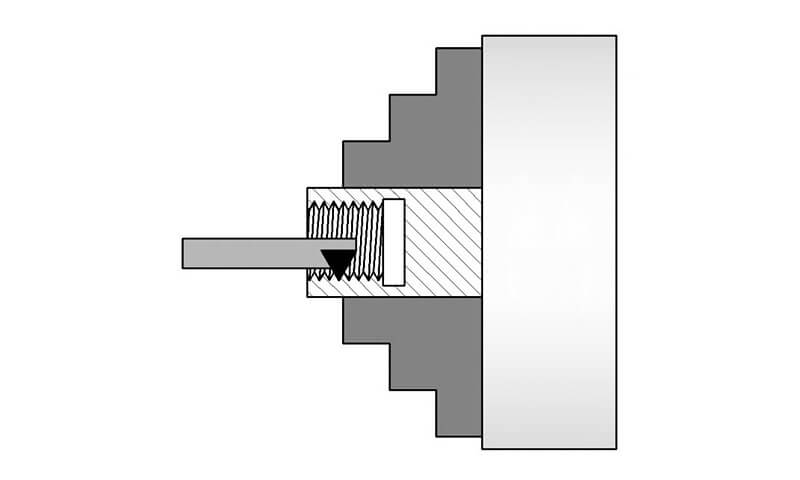
- Getappt Lächer: Ideal fir Uwendungen déi präzis Ausrichtung an héich Kraaft erfuerderen.
E Standard M6 getappt Lach kann bis zu 5,000 N vun tensile Kraaft, mécht et gëeegent fir schwéier-Pflicht Maschinnen. - Threaded Inserts: Oft benotzt a mëll Materialien wéi Plastik oder Aluminium.
Inserts kënnen d'Haltbarkeet an d'Zouverlässegkeet vun der Verbindung erhéijen, eng robust Léisung fir widderholl Montage an Demontage ubitt.
Aarte vu Thread Forms
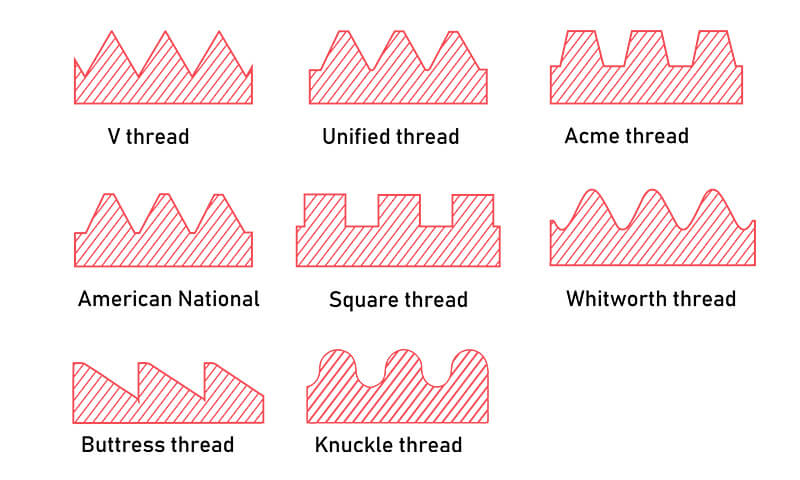
- V-Thread: Déi meescht üblech Fuedemform, charakteriséiert duerch säi V-förmleche Profil. Et gëtt wäit an allgemeng Zwecker Befestigungen benotzt wéinst senger Robustheet an der Einfachheet vun der Fabrikatioun.
V-Threads hunn normalerweis e Wénkel vun 60 °, bitt equilibréiert Last Verdeelung an einfach Produktioun. - Square an Acme Threads: Entworf fir Muecht Transmissioun Uwendungen, wou se sech an der effizient Ëmgank mat schwéiere Lasten exceléieren.
Hir quadratesch an trapezoidal Profiler minimiséieren de Verschleiwen an d'Laaschtkapazitéit maximéieren.
Square thread kënnen Effizienz bis zu 95%, mécht se ideal fir Bläi Schrauwen an jackscrews. - Buttress Threads: Optimiséiert fir Uwendungen déi héich axial Lasten an enger Richtung erfuerderen, wéi Pressen a Viséier.
Hiren asymmetreschen Design erlaabt eng besser Resistenz géint axial Kräften. Buttress thread kënnen ënnerstëtzen bis zu 70% méi Belaaschtung am Verglach zu V-Threads an unidirektionalen Uwendungen. - Knuckle Threads: Benotzt an Uwendungen wou e Sigel néideg ass, wéi pneumatesch Armaturen. Hir gerundet Form gëtt en natierlechen Dichtungseffekt, verhënnert Leck.
Knuckle Threads kënnen d'Leckraten ëm bis zu reduzéieren 80%, verbessert flësseg a gas-dicht Verbindungen. - Worm Threads: Benotzt a Wuerm Gears fir Kraaftiwwerdroung, bitt e kompakten an effiziente Wee fir Bewegung a richtege Wénkel ze transferéieren.
Worm thread kënnen Reduktiounsverhältnisser bis zu 1:100, mécht se wäertvoll an gearboxes a Lenkung Mechanismen. - Single a Multi-Start Threads: Single-Start thread hunn eng kontinuéierlech Helix, wärend Multi-Start Threads multiple Starten hunn, erlaabt méi séier Engagement awer potenziell manner Kraaft.
Multi-Start Threads kënnen den Threadingprozess bis zu beschleunegen 50%, d'Versammlungseffizienz verbesseren.
4. Geometresch Parameter vun Threads
D'geometresch Parameter vun de thread ze verstoen ass wesentlech fir Präzisioun an der Fabrikatioun z'erreechen. Hei ass e méi no bei de Schlësselparameter:

baussenzegen Duerchmiesser (Major thread Duerchmiesser)
Dëst ass de gréissten Duerchmiesser vum Fuedem, Definitioun vun der passende Gréisst. Fir extern thread, et ass de baussenzegen Duerchmiesser; fir intern thread, et ass déi bannescht.
De groussen Duerchmiesser garantéiert adäquate Passung a Funktioun, mat Toleranzen dacks a Mikron spezifizéiert fir d'Genauegkeet z'erhalen.
- Haaptun ze: E M10 Bolt huet e groussen Duerchmiesser vun 10mm, suergt fir eng präzis Upassung an kompatiblen Nëss oder getippten Lächer.
Innen Duerchmiesser (Minor thread Duerchmiesser)
De klengsten Duerchmiesser vum Fuedem beaflosst d'Materialdicke an de Fuedemengagement. Fir extern thread, et ass den bannenzegen Duerchmiesser; fir intern thread, et ass de baussenzege.
De klengen Duerchmiesser spillt eng kritesch Roll bei der Bestëmmung vun der Kraaft an der Haltbarkeet vum Fuedem.
- Impakt op Kraaft: E méi groussen Duerchmiesser erhéicht d'Materialdicke, Verbesserung vun der Fuedemstäerkt.
Zum Beispill, an m10 x 1.5 Fuedem huet e klengen Duerchmiesser vu ronn 8.376 mm, bäidroe fir méi héich Belaaschtungsfäegkeeten.
Pitch Duerchmiesser (Effektiv Duerchmiesser)
Den Duerchmiesser, bei deem de Fuedempitch gemooss gëtt, stellt den theoreteschen Kontaktpunkt tëscht de passenden Fuedem duer.
Dëse Parameter ass entscheedend fir eng korrekt Engagement a Lastverdeelung ze garantéieren.
- Bedeitung: Den Pitch Duerchmiesser beaflosst wéi gläichméisseg d'Belaaschtung iwwer d'Fiedemflanken verdeelt gëtt.
Zum Beispill, an m10 x 1.5 Fuedem huet en Duerchmiesser vu ronn 9,026 mm, Optimiséierung vun der Belaaschtungsverdeelung an der Reduzéierung vun der Stresskonzentratioun.
Loaz Steed
D'Distanz laanscht d'Achs vum Fuedem gereest vun engem eenzege Start an enger kompletter Revolutioun. A Multi-Start thread, Lead ass gläich wéi d'Zuel vun den Starten multiplizéiert mam Terrain.
Lead beaflosst d'Geschwindegkeet an d'Effizienz vum Fuedemengagement.
- Effizienz: Multi-Start thread mat enger méi grousser Leedung kënnen d'Montagezäit wesentlech reduzéieren.
Zum Beispill, engem duebel-Start M10 x 1.5 Fuedem huet e Virsprong vun 3 mm, erméiglecht méi séier Threading am Verglach zu engem Single-Start Thread.
Zänn Wénkel
De Wénkel tëscht de Säiten vun de Fuedem beaflosst d'Laaschtverdeelung an d'Fabrikabilitéit.
Gemeinsam Winkelen enthalen de 60 ° V-Gewënn, déi e Gläichgewiicht tëscht Kraaft a Liichtegkeet vun der Produktioun bitt.
- Effekt op Kraaft: E Wénkel vun 60° bitt eng optimal Lastverdeelung, Stress Konzentratioune minimiséieren a Fuedem Liewen maximéieren.
Aner Wénkel, wéi den 29° Acme Fuedem, këmmere fir spezifesch Uwendungen déi héich Effizienz erfuerderen.
Zousätzlech Parameteren
- Thread Déift: D'Distanz tëscht dem Kamäin (Spëtzt vum Fuedem) an d'Wurzel (ënnen vum Fuedem).
Déift beaflosst d'Kraaft, Middegkeet Resistenz, an Dichtung Leeschtung. Zum Beispill, d'Erhéijung vun der Fuedemdéift kann d'Versiegelungseigenschaften duerch bis zu verbesseren 30%. - Flank an Crest: D'Flank bezitt sech op d'Säite vum Fuedem, während de Kamm déi iewescht Uewerfläch ass.
Hir Geometrie beaflosst Reibung, wear Resistenz, an thread Engagement. Richteg Flankewinkel kënnen d'Reibung ëm bis zu reduzéieren 20%, operationell Effizienz verbesseren. - Root Radius: Déi ofgerënnt Fläch an der Basis vum Fuedem. E gréissere Radius verbessert d'Haltbarkeet andeems d'Stresskonzentratioune reduzéiert ginn. D'Erhéijung vum Wuerzelradius ëm souguer 0,1 mm kann de Fuedem Liewen bis zu verlängeren 25%.
5. Thread Standards
Thread Standards si entscheedend fir Kompatibilitéit an Austauschbarkeet a verschiddene Hiersteller a Regiounen ze garantéieren.
Si bidden en eenheetleche Set vu Spezifikatioune déi den Design guidéieren, Produktioun, an Uwendung vun thread.
Dës Sektioun verdaut an e puer vun de meescht unerkannten threadstandards, Highlight hir eenzegaarteg Features an Uwendungen.
Metresch Threads (Iso)
D'International Organisatioun fir Standardiséierung (Iso) huet metresch thread als de globale Standard fir fasteners etabléiert.
Dës Threads ginn duerch Duerchmiesser a Pitch spezifizéiert, mat Duerchmiesser rangéiert vun M1,6 ze M100 an Terrainen variéieren entspriechend.
ISO metresch Threads garantéieren Konsistenz an de Fabrikatiounsprozesser a erliichteren eng nahtlos Integratioun vu Komponenten vu verschiddene Fournisseuren.
- Wichteg sinn: D'Adoptioun vun ISO-Standarden fördert d'global Kompatibilitéit a reduzéiert de Risiko vu Mëssverständnis oder Mëssbrauch tëscht threaded Deeler.
Zum Beispill, an m10 x 1.5 Fuedem ass universell unerkannt, suergt konsequent Qualitéit a Leeschtung. - Uwendungen: ISO metresch Threads ginn extensiv an der Autosindustrie benotzt, Aerospace, Maschinnen, an Bauindustrie.
Hir verbreet Notzung garantéiert datt Ingenieuren op standardiséierte Dimensiounen fir zouverlässeg Verbindunge kënne vertrauen.
Britesch Standard Threads
Britesch Standard Threads enthalen verschidden Aarte fir spezifesch Uwendungen entworf, besonnesch an Sanitär an hydraulesch Systemer. Zwee prominent Aarte enthalen:
- BSPP (Britesch Standard Pipe Parallel): BSPP thread hunn parallel Flanken, liwwert e leckbeständeg Dichtung duerch Dichtungen oder Dichtungsverbindungen.
Si ginn allgemeng an hydraulesche Systemer benotzt, wou Zouverlässegkeet an Haltbarkeet wichteg sinn.
-
- Uwendungen: BSPP Threads si verbreet an europäesche Sanitärsystemer, bitt zouverlässeg Verbindungen a Waasser- a Gasleitungen. Hiren Design garantéiert minimal Ënnerhalt a laangfristeg Integritéit.
- BSPT (British Standard Pipe Tapered): BSPT Threads benotzen e konischten Design fir e méi enk Dichtung z'erreechen ouni zousätzlech Dichtungsmaterialien.
Si excel an Héichdrockapplikatiounen, d'Integritéit ënner extreme Konditiounen erhalen.
-
- Uwendungen: BSPT thread dominéieren Nordamerikanesch Päif Armaturen, suergt fir sécher Dichtungen an industriellen Uwendungen wéi Ueleg- a Gasleitungen.
Unified Thread Standard (Uts)
Haaptsächlech an Nordamerika benotzt, den Unified Thread Standard (Uts) bitt eng Rei vu Spezifikatioune optimiséiert fir amerikanesch Fabrikatiounspraktiken.
UTS Threads ënnerscheede sech liicht vun ISO Normen, besonnesch a punkto Pitch Serien an Toleranzen.
Gemeinsam Beispiller enthalen UNC (Vereenegt National Grof) an UNF (Vereenegt National Geldstrof).
- Differenzen: UTS thread wéi 1/4-20 UNC bitt eenzegaarteg Virdeeler fir Nordamerikanesch Industrien. Den Ënnerscheed am Pitch an Duerchmiesser garantéiert Kompatibilitéit mat lokalen Maschinnen an Tools.
- Uwendungen: UTS thread gi wäit an der Autosindustrie benotzt, Baulibatiounen, an Fabrikatioun Secteuren an Nordamerika.
Hir Spezifikatioune këmmere sech op d'Ingenieurpraktiken vun der Regioun, garantéiert zouverlässeg an efficace Verbindungen.
Aner Thread Standards
Verschidde aner Fuedemnormen këmmere sech op spezialiséiert Uwendungen, eng optimal Leeschtung an Nischenmäert assuréieren:
- BSP (Britesch Standard Pipe): BSP thread gi wäit an europäesche Sanitärsystemer benotzt, déi zouverlässeg Verbindungen a Waasser- a Gasleitungen ubidden.
Si kommen an zwou Formen: BSP parallel (BSPP) an BSP tapered (BSPT), All passend fir verschidden Uwendungen.
-
- Spezialisatioun: BSP thread adresséieren déi eenzegaarteg Ufuerderunge vu Sanitärsystemer, garantéiert zouverlässeg Verbindungen a minimale Leckage.
- NPT (National Pipe Thread): NPT thread dominéieren Nordamerikanesch Päif Armaturen, sécher Seals an industriell Uwendungen assuréieren.
Si sinn direkt verfügbar (NPSM) an verspéiten (NPT) Versiounen, jidderee fir spezifesch Dichtungsbedürfnisser entworf.
-
- Uwendungen: NPT Threads si wesentlech an Ueleg- a Gasleitungen, chemesch Veraarbechtungsanlagen, an HVAC Systemer, wou zouverlässeg Versiegelung kritesch ass.
- Whitworth Threads (BSW): Ursprénglech am UK entwéckelt, Whitworth Threads sinn elo manner heefeg awer nach ëmmer a bestëmmte Legacy Uwendungen benotzt.
Si hunn e charakteristesche Wénkel vun 55 °, ënnerscheeden vum 60 ° Wénkel vun ISO an UTS thread.
-
- Legacy Benotzung: BSW Threads ginn an eeler Maschinnen an Ausrüstung fonnt, Erhalen Kompatibilitéit mat historeschen Designen.
- Hien (Japanesch Industriestandard): A Japan benotzt, d'JIS thread Standards gi fir eng Rei vun Uwendungen benotzt, dorënner Schrauwen, Bolzen, a piping Systemer.
- Iwwuerten (Däitsch Institut fir Standardiséierung): Déi däitsch Norm fir thread, dacks an automobile a mechanesch Ingenieur Uwendungen benotzt.
- ACME Threads: Allgemeng benotzt fir Kraaftübertragungssystemer, ACME thread hunn e trapezoidal Profil, wat hinnen erlaabt schwéier axial Lasten an linear Bewegungsapplikatiounen ze droen,
wéi an Bläi Schrauwen a Maschinnen Tools. - Trapezfäegkeeten: Ähnlech wéi ACME Threads, trapezoidal thread gi fir Kraaftübertragung an an héich-Laascht Uwendungen benotzt.
Dës Fuedem hunn e gréissere Pitch a flaach Wénkel wéi traditionell V-Threads, wat se méi gëeegent fir méi schwéier Zyklen mécht.
Iwwergang tëscht Standarden
Wann Dir mat Komponenten aus verschiddene Regiounen oder Industrien schafft, et ass essentiell ze verstoen wéi een tëscht Fuedemnormen ëmgeet.
Adapter an Konversioun Charts kënnen hëllefen de Gruef ze iwwerbrécken, garantéiert eng nahtlos Integratioun vun Deeler.
Ingenieuren mussen och Faktore wéi Materialkompatibilitéit berücksichtegen, Laaschtkapazitéit, an Ëmweltbedéngungen wann Dir Threads fir Cross-Standard Uwendungen auswielen.
6. Wéi Thread Design Afloss Performance
Den Design vu Threads beaflosst hir Leeschtung op verschidde Weeër wesentlech:
Last Verdeelung
Thread Geometrie bestëmmt wéi tensile, Schéier- a Torsiounslaascht gi gehandhabt, garantéiert datt d'Fiedem d'Belaaschtunge kënne widderstoen, déi während der Benotzung opgefouert ginn.
Richteg Lastverdeelung miniméiert Stresskonzentratioune, verlängert thread Liewen.
- Optimisatioun: D'Ingenieure kënnen d'Laaschtverdeelung optimiséieren andeems Parameteren wéi Pitch an Zännwinkel ugepasst ginn.
Zum Beispill, mat enger méi feiner Pitch kann d'Laascht méi gläichméisseg verdeelen, reduzéieren de Risiko vun thread Echec.
Haltbarkeet
Faktore wéi Pitch, flank Wénkel, an Déift droen zu der Liewensdauer vun engem Fuedem ënner Stress bäi, d'Zouverlässegkeet mat der Zäit ze verbesseren.
Robust Fuedem Designen widderstoen widderholl Luede an Ausluede Zyklen ouni Kompromëss Integritéit.
- Verbesserte Liewensdauer: D'Erhéijung vun de Fuedemdéift an de Rootradius kann d'Haltbarkeet vu bis zu erhéijen 40%, mécht d'Fiedem méi resistent géint Verschleiung.
Dichtung an Dichtheet
Richteg Fuedemgeometrie garantéiert effektiv Dichtungseigenschaften, besonnesch kritesch a flësseg a gasdichten Uwendungen, Verhënnerung vu Leckage an erhalen Integritéit.
Genau Fuedem Dimensiounen a Finishen spillen eng vital Roll fir e perfekte Sigel z'erreechen.
- Dichtungseffizienz: Knuckle thread benotzen oder eng Versiegelungsverbindung bäidroen kann d'Versiegelungsleistung ëm bis zu verbesseren 50%, garantéiert zouverlässeg Verbindungen an haarden Ëmfeld.
7. Conclusioun
D'Zorte vu thread an hir geometresch Parameteren ze verstoen ass fundamental fir Präzisiounsfabrikatioun.
Ingenieuren an Designer déi dës Konzepter begräifen kënne méi informéiert Entscheedungen treffen, féiert zu verbessert Produktleistung an Zouverlässegkeet.
Andeems Dir déi eenzegaarteg Ufuerderunge vun all Applikatioun berücksichtegt, Fachleit kënnen Threads auswielen oder designen déi den héchste Standarde vu Qualitéit an Effizienz entspriechen.
Dëst Wëssen ëmfaassend erlaabt eis eis Fabrikatiounsprozesser ze innovéieren an ze optimiséieren, garantéiert datt all threaded Komponent flawless a sengem virgesinnen Ëmfeld funktionnéiert.
Andeems Dir dës detailléiert Aspekter exploréiert, mir iwwergank fléissend vum Versteesdemech vun Grondprinzipien fir fortgeschratt Techniken an real-Welt Szenarie anzesetzen.
Dëse komplette Guide zielt fir wäertvoll Abléck ze bidden, hëllefen Ingenieuren an Hiersteller Exzellenz an hire Projeten z'erreechen.
DEZE bitt eng ëmfaassend Palette vu Servicer, dorënner Ingenieur Expertise, prototyping, a spezialiséiert Léisunge fir Lager, Befestigungen, an thread.
Dëst kann e Virdeel sinn fir Clienten déi no Enn-zu-Enn Ënnerstëtzung an hire Fabrikatiounsprojeten sichen.
Mir verpflichte Iech e One-Stop-Service a Fuedemléisung ze bidden deen Äre Projet passt. Wann Dir Bedierfnesser hutt, fillt Iech gratis Kontaktéiert eis!