Aféierung
Edelstol huet en ongewéinleche Ruff. Am Alldagssprooch, Leit beschreiwen et als "rustbeständeg," "propper," oder souguer "adel." An der Realitéit, Edelstol ass keng vun deene Saachen an engem absolute Sënn.
Et ass net immun géint Korrosioun, an et ass net thermodynamesch inert.
Nach an de Kichen, Chemeschen, Marine Systemer, medizinesch Geräter, an architektenst Strukturen, et mécht dacks vill besser wéi gewéinlech Kuelestol.
Also wat ass de richtege Geheimnis?
D'Äntwert ass net datt Edelstol aus "inaktiven" Metaller gemaach gëtt. Tatsächlech, seng Haaptbestanddeeler - Eisen, Chrogium, an Néckel - sinn all Metaller déi ganz einfach oxidéiere kënnen.
De richtege Grond Edelstol géint Korrosioun ass datt et net nëmmen op déi nobel Natur vu senge Metalle vertrauen.
Et hänkt op engem selbstbildend, Self-Reparatur passiv Film déi d'Legierung vu senger Ëmwelt schützt.
Dat ass de Kär vum Edelstol Korrosiounsbeständegkeet: kontrolléiert Uewerfläch Oxidatioun, net d'Feele vun Oxidatioun.
1. De "Paradox" opgedeckt vum Standard Elektroden Potenzial
Standard Elektrodenpotenzial ass e Basis thermodynamesche Parameter deen d'Tendenz vun engem Metall beschreift Elektronen an der Léisung ze verléieren.
An einfache Konditioune, et hëlleft unzeginn wéi chemesch aktiv e Metal ass. A K) méi negativ Standardpotenzial heescht datt d'Metall méi wahrscheinlech oxidéiert an dofir méi aktiv ass.
A K) méi positiv Potential heescht datt d'Metall thermodynamesch méi stabil ass a manner gär opléisen.
Wa mir d'Haaptmetallesch Bestanddeeler vun Edelstol ënnersichen -Chrogium, Eisen, an Nickel-a vergläicht se mat Waasserstoff als Referenzpunkt, eng interessant Widdersproch erschéngt.
| Metallsaach / Elektroden System | Standard Elektroden Potenzial (VR, 25° C) |
| Chrogium (Nt / Cr³⁺) | -0.74 |
| Eisen (Fe / Fe²⁺) | -0.44 |
| Nickel (An / In²⁺) | -0.23 |
| Waasserstoff (H⁺ / H₂) | 0.00 |
De Widdersproch ass direkt kloer: all dräi Haapt Komponente vun STAINLESS Stol hunn negativ Standard Elektroden Potentialer, dat heescht datt se op der aktiver Säit vun der elektrochemescher Serie leien an thermodynamesch geneigt sinn ze oxidéieren.
Chrom ass besonnesch bemierkenswäert well säi Potenzial méi negativ ass wéi Eisen an Néckel, dat heescht et ass déi aktiv vun deenen dräi.
Aus reng thermodynamescher Siicht, dat sinn guer net "edel" Metaller. Si sinn aktiv Metaller déi sollen, am Prinzip, corrode éischter liicht.
Awer Edelstol - eng Legierung aus dësen aktiven Elementer gebaut - weist aussergewéinlech Resistenz géint Rost a vill Forme vu Korrosioun.
Dat ass de Paradox: firwat verhält sech eng Legierung aus thermodynamesch aktive Metalle wéi e korrosionsbeständeg Material?
D'Äntwert läit net am thermodynamesche Adel. Et läit an der Legierung seng Fäegkeet fir e Schutzflächestaat ze bauen deen d'Korrosioun kinetesch kontrolléiert.
2. De richtege Geheimnis: Passivatioun an de Schutzfilm
D'Korrosiounsbeständegkeet vun Edelstol ass net e Resultat vun thermodynamesche Adel. Et ass e Resultat vun kinetesch Schutz.
An anere Wierder, Edelstol vermeit d'Oxidatioun net ganz; amplaz, et oxidéiert op eng héich kontrolléiert Manéier déi eng extrem effektiv Barrière op der Uewerfläch schaaft.
Dës Barrière gëtt genannt passiv Film, an et ass de richtege Grond datt Edelstol sech als korrosionsbeständeg Material behält.
Wat Passivatioun heescht
Wann Edelstahl u Sauerstoffhaltege Ëmfeld wéi Loft oder Waasser ausgesat ass, seng Uewerfläch reagéiert ganz séier fir eng ganz dënn Oxidschicht ze bilden.
Dës Reaktioun geschitt bal direkt no der Belaaschtung, an déi doraus resultéierend Film ass:
- extrem dënn, typesch nëmmen e puer Nanometer déck,
- dicht a kompakt,
- staark festhalen zum Substrat,
- chemesch stabil a ville Ëmfeld,
- an an, am wichtegsten, Self-Reparatur.
Dee leschte Punkt ass kritesch. Wann d'Uewerfläch kraazt oder lokal beschiedegt ass, dat ausgesat Metal kann erëm mat Sauerstoff reagéieren an de Schutzfilm opbauen.
Dëst bedeit datt d'Legierung net einfach eng Kéier "beschichtet" ass. Et hält kontinuéierlech säi Schutz duerch Uewerfläch Selbsterneierung.
Firwat de passive Film Wierker
De passive Film funktionnéiert well et de Metallsubstrat vum korrosive Ëmfeld trennt.
Wann d'Barrière op der Plaz ass, Sauerstoff, d'Waassermonn, Chorlungs-ugeglach, an aner aggressiv Arten hunn vill méi Schwieregkeeten der Basisdaten Metal erreechen.
Effektiv, de Film verwandelt Edelstol an e Material dat géint Korrosioun widderstoen net duerch komplett onreaktiv, awer duerch séier Formen vun engem Uewerflächenzoustand dee weider Reaktioun blockéiert.
Firwat ass dat anescht wéi normal Rust
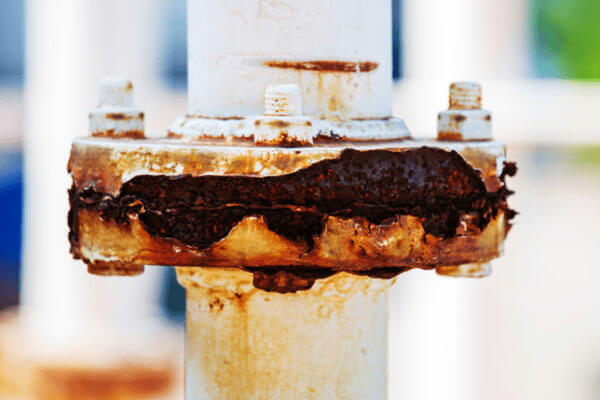
Dëse Mechanismus ass grondsätzlech anescht wéi d'Korrosiounsverhalen vum Einfache Kuelestol. Kuelestol formt Eisenrust, déi typesch porös ass, net adherent, an onbestänneg.
Rust schléisst d'Uewerfläch net; et beschleunegt dacks weider Attack andeems en neit Metall aussetzt an d'Feuchtigkeit behalen.
Duerchtkommen, de passive Film op Edelstol ass kompakt a schützend.
Et behält sech manner wéi e Korrosiounsprodukt dat Schued markéiert a méi wéi eng funktionell Uewerflächeschicht déi verhënnert datt de Schued ausbreet.
Passivatioun ass keen eemolegen Event
Et ass wichteg ze verstoen datt Passivatioun net permanent ass, statesch Beschichtung. Et ass en dynamesche Uewerflächbedingung. De passive Film kann geschwächt ginn duerch:
- niddereg Sauerstoff Disponibilitéit,
- Chorlungs-ugeglach,
- héich Temperatur,
- Splécken,
- Uewerfläch Kontaminatioun,
- an ongerecht Fabrikatioun Geschicht.
Wann de Film méi séier zerstéiert gëtt wéi et kann reforméieren, d'Legierung verléiert säin Edelstahlverhalen an där lokaler Regioun.
Dofir kann Edelstol brillant an engem Ëmfeld funktionnéieren an an engem aneren versoen. De passive Film ass mächteg, awer et hänkt vun de Konditiounen of, déi et ënnerstëtzen.
Déi richteg Bedeitung vum "Edelstahl"
D'Wuert "Edelstahl" kann täuschend sinn wa wuertwiertlech geholl gëtt. Edelstol ass kee Metall dat ni reagéiert.
Et ass e Metal dat reagéiert just genuch fir en héich schützende chromräiche Film ze kreéieren, a benotzt dann dee Film fir weider Korrosioun ze stoppen.
Dat ass de richtege Geheimnis:
STAINLESS Stol widderstoen corrosion well et seng chemesch Aktivitéit an Self-Schutz ëmgewandelt.
3. De Schlëssel Element: Chrogium (Nt)
Wann Passivatioun de Mechanismus hannert der Edelstahl Korrosiounsbeständegkeet ass, dann Chrom ass dat Element dat Passivatioun méiglech mécht.
Et ass déi eenzeg wichtegst Legierungszousaz am Edelstol well et d'Bildung vun engem Stall erméiglecht, Schutzmoossnamen, chromreichen Oxidfilm op der Uewerfläch.
Firwat Chrom wichteg ass
Wann Chrom Inhalt engem genuch Niveau erreecht-typesch ronderëm 12% oder méi héich-Edelstol kann de passive Film entwéckelen deen seng Korrosiounsbeständegkeet definéiert.
Dee Film ass net gewéinlech Rust. Et gëtt dominéiert vun Chromoxid, Cr₂O₃, déi vill méi dicht ass, méi stabil, a vill méi schützend wéi d'Eisenoxiden, déi op gewéinleche Kuelestol geformt ginn.
Chrom mécht net Edelstol "immun" géint Oxidatioun. Amplaz, et ännert d'Natur vun der Oxidatioun sou datt d'Uewerflächreaktioun schützend anstatt zerstéierend gëtt.
Chrom versus Eisenoxid
Den Ënnerscheed tëscht Chromoxid an Eisenrust ass fundamental.
| Oxid Typ | Struktur | Korrosiounsverhalen |
| Eisenoxid (rust) | Los, porös, flaach | Erlaabt Feuchtigkeit a Sauerstoff penetréieren; corrosion weider drënner |
| Chromoxid (passiv Film) | Dicht, adherent, Stroll | Blockéiert weider Zougang vu korrosive Arten a schützt de Substrat |
Eisenoxid tendéiert ze expandéieren, knacken, a spatzen ewech vun der Uewerfläch. Eemol fällt et of, frësch Metall gëtt ausgesat an de Korrosiounszyklus geet weider.
Chromoxid behält sech am Géigendeel: et klëmmt fest un d'Uewerfläch a bildt eng kontinuéierlech Barrière déi weider Attack widderstoen.
Selwer Reparatur ass déi wäertvollst Eegeschafte vum Chrom
Ee vun de bemierkenswäertsten Aspekter vum Chrom ass datt et de passive Film erlaabt selwer heelen.
Wann d'Uewerfläch gekraazt ass, ofgerappt, oder lokal beschiedegt, Chrom an der Basislegierung ka séier mat Sauerstoff reagéieren an d'Schutzoxidschicht nei opbauen.
Dofir kann Edelstol normale Verschleiung a klenge Uewerflächeschued iwwerliewen ouni direkt seng Korrosiounsbeständegkeet ze verléieren.
De passive Film ass keng fragil Beschichtung vu baussen applizéiert. Et ass eng aktiv, Self-Erneierung Uewerfläch Staat ënnerstëtzt vum Chrom an der Legierung selwer.
Chrom ass net nëmmen e Korrosiounselement
Chrom mécht méi wéi de passive Film ze bilden. Et dréit och zur allgemenger Héichtemperatur-Oxidatiounsresistenz vum Edelstol bäi an hëlleft dem allgemenge Verhalen vun der Legierungsfamill ze definéieren.
Wéi och ëmmer, seng wichtegst Funktioun bleift déi selwecht: et erstellt d'Uewerflächechemie déi d'Legierung "Edelstahl" mécht.
Ouni genuch Chrom, d'Legierung verléiert d'Fäegkeet fir e kontinuéierleche passive Film z'erhalen. Zu deem Zäitpunkt, et behält sech net méi wéi Edelstol am Ingenieurssënn.
De Chrombalance muss bewahrt ginn
Chrom ass nëmmen effektiv wann et an der Matrix an no der Uewerfläch verfügbar bleift.
Wann Chrom an ongewollte Verbindunge gebonnen ass - sou wéi Karbiden, déi um Kärgrenzen geformt sinn - kann d'Ëmgéigend Metall chrom-entlooss bleiwen.
An deem Zoustand, souguer eng Legierung mat héije nominalen Chromgehalt kann vulnérabel fir lokaliséiert Korrosioun ginn.
Dofir gëtt d'Edelstahlleistung net eleng vum Chromgehalt bestëmmt.
De Chrom muss och sinn richteg verdeelt a metallurgesch verfügbar Passivatioun z'ënnerstëtzen.
Déi méi déif Lektioun
Chrom ass de Schlëssel well et Edelstol e Wee gëtt fir sech selwer ze schützen.
Et erlaabt der Legierung e stabilt Oxid ze bilden dat dënn genuch ass fir onsichtbar ze sinn, awer staark genuch fir datt d'Basisdaten Metal séier korrodéiert.
Also déi richteg Roll vum Chrom ass net Edelstahl inert ze maachen. Et ass fir Edelstahl ze maachen, déi fäeg ass a bauen Self-Schutz Uewerfläch.
4. D'Ënnerstëtzungsroll vum Nickel (An)
Wann Chrom den Element ass, deen de passive Film méiglech mécht, Nickel ass dat Element dat Edelstol mécht méi villsäiteger a méi verzeien.
Chrom gëtt Edelstol seng Basis Korrosiounsbeständegkeet, awer Nickel erweidert d'Gamme vun Ëmfeld an deenen dës Resistenz effektiv bleift a stabiliséiert d'Mikrostruktur déi et ënnerstëtzt.
Nickel erweidert d'Korrosiounsbeständegkeet an d'Reduktiounsëmfeld
De chromräiche passive Film ass am meeschte stabil oxidéierend Ëmfeld wéi Loft, d'Waassermonn, Salpetersäure, an oxidéierend Salzléisungen.
An reduzéierend oder net-oxidéierend Säuren, Wéi och ëmmer, dee Film ass manner stabil a ka méi einfach opléisen oder zerbriechen. Dëst ass wou Néckel besonnesch wichteg gëtt.
Néckel ass méi nobel wéi Eisen a Chrom an elektrochemesche Begrëffer, an dat mécht et méi resistent géint Attack an vill reduzéieren Medien.
Wann Néckel op Edelstahl bäigefüügt gëtt, et verbessert d'Performance an Ëmfeld wou Chrom eleng net genuch ass.
A praktesche Begrëffer, Nickel hëlleft Edelstol géint e méi breet Spektrum vu chemesche Bedéngungen, net nëmmen oxidéierend.
Dëst ass ee vun de Grënn austenitesch Edelstahl wéi z 304 an an 316 sinn esou wäit benotzt.
Hir Korrosiounsverhalen baséiert net eleng op Chrom; et ass de kombinéierten Effekt vu Chrom an Néckel déi zesumme schaffen.
Nickel stabiliséiert d'austenitesch Struktur
Nickel spillt och eng entscheedend metallurgesch Roll: et ass eng austenit Stabilisator. A Stol wéi z 304, Nickel hëlleft der austenitescher Kristallstruktur bei Raumtemperatur ze konservéieren.
Dat ass wichteg aus zwee Grënn.
Éischten, der austenitic Struktur gëtt excellent DUTTILITÉIT, Zougankheet, a Formabilitéit, dofir kënnen dës Stähle gestempelt ginn, Beroun, déif gezeechent, an esou efficace fabrizéiert.
Zweeten, eng stabil an eenheetlech austenitic Matrixentgasung ënnerstëtzt eng méi gläichméisseg Verdeelung vun alloying Elementer, dorënner Chrom, wat hëlleft dem passive Film méi kontinuéierlech a manner Defekt-ufälleg ze bleiwen.
An dësem Sënn, Néckel erstellt net direkt de passive Film. Amplaz, et schaaft e metallurgescht Ëmfeld an deem de passive Film méi zouverlässeg bilden kann a méi konsequent Leeschtunge kann.
Nickel hëlleft Chromsegregatiounsproblemer ze reduzéieren
Eng stabil austenitesch Matrix hëlleft och de Risiko vu lokaler Chromsegregatioun bei Kärgrenzen ze reduzéieren.
Dat ass wichteg well onuniform Chromverdeelung kann de passive Film schwächen a lokal Korrosiounsempfindlechkeet kreéieren.
Andeems Dir eng méi homogen Struktur fördert, Néckel ënnerstëtzt indirekt Korrosiounsbeständegkeet.
D'Legierung ass net nëmme méi formbar a méi haart; et ass och besser positionéiert fir eng eenheetlech chromräich Uewerflächeschicht z'erhalen.
Nickel an Duplex Edelstahl
Nickel ass net nëmme wichteg a voll austenitesche Graden. An Duplex Edelstahl, kontrolléiert Néckelgehalt hëlleft dem Austenit-Ferrit Verhältnis ze balanséieren a kann d'Resistenz géint Stresskorrosiounsrëss verbesseren.
An dëser Famill, Nickel gëtt net einfach benotzt fir de Stol "méi austenitesch" ze maachen; et gëtt benotzt fir d'Phasebalance ze stëmmen sou datt d'Legierung Kraaft kombinéiere kann, Korrosioun Resistenz, an knacken Resistenz méi effektiv.
Also de Wäert vum Nickel am Edelstol ass méi breet wéi vill Leit unhuelen. Et ass net nëmmen e Korrosiounsbeständegkeetsverbesserer. Et ass och eng mikrostrukturelle Stabilisator an a Phase Balance Tool.
5. Doriwwer eraus Chrom an Néckel: Auxiliary Alloying Elements
Chrom an Néckel sinn d'Haaptpiliere vun der Edelstahl Korrosiounsbeständegkeet, mä si sinn net déi ganz Geschicht.
Verschidde sekundär Legierungselementer ginn bäigefüügt fir spezifesch Schwächen am passive Film ze léisen oder d'Verhalen vun der Legierung a schwieregen Ëmfeld ze verbesseren.
Moybdsum: Schutz géint Pitting a Spaltkorrosioun
Molybdän ass ee vun de wichtegsten Ënnerstëtzungselementer am Edelstol, virun allem an de Schouljoer wéi 316.
Seng wichtegst Roll ass d'Resistenz ze verbesseren Pitting Korrosioun an an crevice Korrosioun, besonnesch a chloridräiche Ëmfeld wéi Mierwaasser, Salz Spraydousen, a vill industriell Salle.
A praktesche Begrëffer, Molybdän hëlleft de passive Film ze stäerken a reduzéiert d'Liichtegkeet mat där Chloridionen penetréieren an se ofbriechen.
Dofir ginn Molybdän-tragend Graden dacks am Marine bevorzugt, Chemeschen, a Küstapplikatioune wou gewéinlech Chrom-Néckel Edelstahl kämpfe kënnen.
Titan an Niob: Stabiliséierung géint intergranulär Korrosioun
Titan an Niob ginn a stabiliséierter Edelstahl benotzt wéi z 321 an an 347.
Hiren Zweck ass ganz spezifesch: si verhënneren intergrantular Korrosioun duerch Kuelestoff ze bannen ier Chrom domat kombinéiere kann.
Dëst funktionnéiert well Titan an Niob eng méi staark Affinitéit fir Kuelestoff hunn wéi Chrom.
Amplaz vu Chromkarbiden op Kärgrenzen ze bilden, si bilden stabil Titankarbiden oder Niobkarbiden.
Dat bewahrt Chrom an der Matrix a verhënnert d'Verschmotzung no bei de Kärgrenzen.
Dëst ass eng metallurgesch Léisung fir e Korrosiounsproblem. D'Legierung ass sou entworf datt Kuelestoff vum Stabiliséierungselement "erfaang" gëtt anstatt Chrom aus dem passive System ze klauen.
Umtytsgen: d'Austenit stäerken an d'Pittresistenz verbesseren
Stickstoff huet e mächtege Dual Effekt am Edelstol.
Éischten, et hëlleft stabiliséieren der austenitesch Struktur, déi selwecht Aart vu Phasekontroll ënnerstëtzen, déi den Nickel ubitt.
Zweeten, et verbessert pitting corrosion Resistenz duerch d'Erhéijung vun der Resistenz vum passive Film op lokaliséierter Decompte.
Stickstoff ass besonnesch wäertvoll well et souwuel mechanesch Leeschtung a Korrosiounsleistung zur selwechter Zäit verbessert.
Et ass eng vun den effizientesten Legierungsergänzungen am modernen Edelstahl Design.
6. Passivitéit ass en dynamesche Staat, Net eng Permanent
Ee vun den heefegste Mëssverständnisser iwwer Edelstol ass datt säi Schutzfilm sech behält wéi eng fix Beschichtung permanent un der Uewerfläch befestegt.
An der Realitéit, dat ass net wéi d'Passivitéit funktionnéiert. De passive Staat ass dynamesch. Et gëtt kontinuéierlech geformt, beschiedegt, a reparéiert wéi d'Material mat senger Ëmwelt interagéiert.
Dës dynamesch Natur ass genau dat wat Edelstahl effektiv mécht, mä et erkläert och firwat et nach ënner de falsche Konditiounen versoen kann.
De passive Film ass ëmmer an engem Zoustand vu Gläichgewiicht
De chromreichen Oxidfilm op Edelstol ass extrem dënn an héich stabil, mee et ass net statesch. Et existéiert an engem delikate Gläichgewiicht tëscht Bildung an Decompte.
Wann d'Ëmwelt gënschteg ass, Sauerstoff am Ëmgéigend Medium hëlleft de Film intakt ze bleiwen oder séier no der Stéierung ze reforméieren.
Wann d'Ëmwelt ongënschteg ass, de Film kann méi séier beschiedegt ginn wéi et opbaue kann. An deem Fall, lokaliséiert Korrosioun kann ufänken och wann d'Legierung nach ëmmer nominell "Edelstahl" ass.
Dofir sollt Edelstol net als e permanent geschützt Material ugesi ginn.
Et ass méi korrekt ze soen datt et e Material ass dat kann behalen Passivitéit soulaang seng Ëmwelt erlaabt datt de passive Film stabil bleift.
De Film kann selwer reparéieren, awer nëmmen ënner de richtege Konditiounen
Ee vun de wäertvollste Feature vum Edelstol ass seng Fäegkeet fir sech selwer ze heelen.
Wann d'Uewerfläch gekraazt ass, ofgerappt, oder lokal gestéiert, Chrom an der Basislegierung ka séier mat Sauerstoff reagéieren an d'Schutzoxidschicht nei opbauen.
Wéi och ëmmer, dëst Self-Reparatur Verhalen hänkt op der Ëmwelt.
- An Sauerstoff-räich Ëmfeld, de Film Reformen einfach.
- An stagnéierten Spalten, Sauerstoff ka verbraucht ginn.
- An chlorid-räich Léisungen, de Film kann lokal zerbriechen.
- An héich reduzéieren Medien, déi passiv Layer kann net stabil bleiwen.
Also Passivitéit ass net nëmmen e Besëtz vum Metal eleng. Et ass e Besëtz vun der Metal-Ëmwelt System.
Passivitéit kann lokal falen och wann d'Masslegierung Toun ass
Eng Edelstahlkomponent kann insgesamt perfekt akzeptabel ausgesinn, während kleng Regiounen op der Uewerfläch scho Passivitéit verléieren.
Dës lokal Feeler kënnen ausgeléist ginn duerch:
- Chloridionen,
- niddereg Sauerstoff Konditiounen,
- Dépôten oder Splécken,
- Schweess Hëtzt Tint,
- Kontaminatioun,
- Uewerfläch roughness,
- oder Rescht Stress.
Eemol entsteet e klenge lokale Defekt am passive Film, et kann de Startpunkt fir Pitting ginn, crevice Korrosioun, oder intergranular Attack.
Dofir ass lokaliséiert Korrosioun esou e seriöse Problem fir Edelstol: d'Kraaft vun der Legierung ass reell, awer de Schutzstaat ass lokal a bedingt.
D'Ëmweltchemie beaflosst d'Passivitéit staark
D'Stabilitéit vum passive Film hänkt vun der Ëmgéigend Chimie of.
Faktore wéi pH, Chlor Konzentratioun, Sauerstoff Niveau, Zäitperei, a flësseg Bewegung all Afloss ob Passivitéit intakt bleift.
Zum Beispill:
- Sauerstoff ënnerstëtzt Film Reparatur,
- Chorlungs-ugeglach kann de Film destabiliséieren,
- héich Temperatur kann den Ofbau beschleunegen,
- stagnéiert Zonen kann repassivation verhënneren,
- an an sauer oder reduzéierend Konditiounen kann de Schutz schwächen.
Dofir kann en Edelstahl-Grad, dee gutt an engem Ëmfeld funktionnéiert, an engem aneren ausfalen. D'Legierung ännert sech net, mä d'Konditiounen Kontroll Passivitéit maachen.
Surface Conditioun ass sou wichteg wéi d'Kompositioun
Well Passivitéit ass en Uewerflächephenomen, den Zoustand vun der Uewerfläch ass kritesch wichteg.
Rauhness, Kontaminatioun, Weld Skala, Eisen Pickup, an Hëtzt Tint kann all mat passiv-Film Leeschtung Amëschung.
Eng propper, glat, richteg behandelt Edelstahl Uewerfläch ass vill méi wahrscheinlech fir Passivitéit z'erhalen wéi eng dreckeg, oxidéiert, oder kontaminéiert.
Dofir ass d'Fabrikatiounspraxis net trennbar vun der Korrosiounsleeschtung. Gutt Chimie ass net genuch wann d'Uewerfläch duerch eng schlecht Veraarbechtung beschiedegt gouf.
Passivitéit ass eng kinetesch Leeschtung
De Schlësselkonzept hei ass Kinetik. Edelstol ass net geschützt well Korrosioun onméiglech ass.
Et ass geschützt well de passive Staat séier genuch formt a sech séier genuch reparéiert fir d'Korrosioun ënner gëeegente Konditiounen z'erreechen.
Dat ass déi richteg Bedeitung vun der Korrosiounsbeständegkeet am Edelstol:
net Immunitéit, mee kontrolléiert Self-Schutz.
7. Conclusioun
D'Korrosiounsbeständegkeet vum Edelstol baséiert net op Adel am elektrochemesche Sënn.
Et baséiert op engem vill méi elegante Mechanismus: der Legierung d'Fähegkeet eng dënn ze schafen, dichten, adherent, an Self-heelen passiv Film, haaptsächlech ëm Chromoxid gebaut.
Chrom ass de wesentleche Filmformer. Nickel erweidert de benotzbaren Korrosiounsbeständegkeetsberäich a stabiliséiert d'austenitesch Struktur.
Moybdsum, umtytsgen, Titanium, niobium, a Kuelestoff Kontroll d'Detailer.
An d'Finale Resultat hänkt net nëmmen op Zesummesetzung, mä och op Hëtzt Behandlung, Schweess Qualitéit, an Uewerfläch Zoustand.
Also d'Geheimnis vum Edelstol ass net datt et ni korrodéiert.
D'Geheimnis ass datt et weess wéi se sech selwer schützen.