
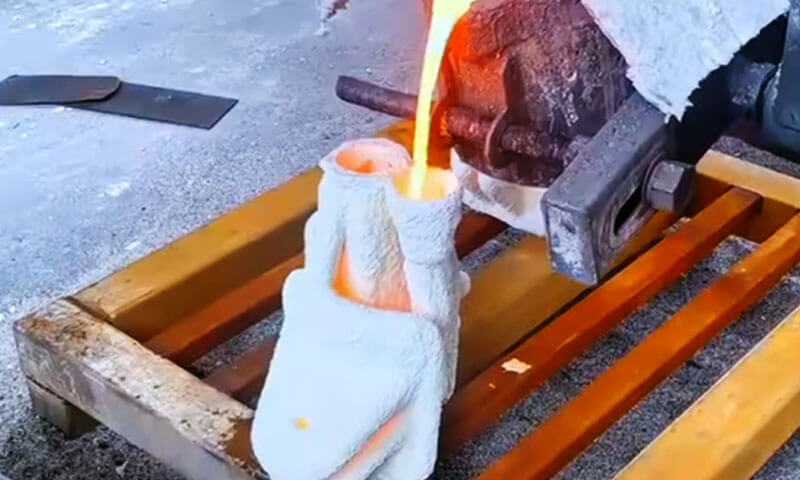
An Metal Casting, d'Gate System ass net nëmmen e Kanal fir geschmollte Metal an eng Ofdréck ze liwweren.
Et ass e suergfälteg entworf Flow-Kontrollsystem dat bestëmmt wéi geschmollte Metal an de Kavitéit erakënnt, wéi d'Schimmel fëllt, wéi Hëtzt verdeelt gëtt, wéi Gëftstoffer transportéiert ginn, a wéi d'Verstäerkung weidergeet.
Ënnert all gating System Parameteren, The gating Plaz (d'Positioun wou geschmollte Metal an de Gosshuelraum duerch d'Ingate erakënnt) ass ee vun de stäerkste Afloss Faktoren Goss Qualitéit Afloss.
Wéi och ëmmer, an der praktescher Produktioun, gating Location ass heiansdo haaptsächlech ausgewielt baséiert op Kamoudheet vun Ofdréck maachen, riser Arrangement, oder Muster Design, während hiren Impakt op Goss Mängel ënnerschat ass.
Beim Goss Mängel erschéngen, Ingenieuren ënnersichen dacks geschmollte Metallqualitéit, Reesen Zäitperei, fidderen Design, oder Schmelze Praktiken éischt.
Obwuel dës Faktoren wichteg sinn, vill Mängel sinn eigentlech duerch eng onpassend Metal Entrée Positioun verursaacht.
Eng einfach Upassung vun der Gateplaz kann d'Füllverhalen grondsätzlech änneren an d'Problemer léisen déi schwiereg schéngen duerch aner Methoden ze eliminéieren.
D'Gateplaz z'änneren kann effektiv Themen adresséieren wéi z:
- Turbulent Fëllung an Oxid Inklusioun
- Misruns an onkomplett Fëllung
- Kale gespaarten a Flossmarken
- Sand Erosioun a Sand Inklusiounen
- Schrumpfdefekter verursaacht duerch falsch Temperaturverdeelung
- Hot Tréine an intern Rëss
- Schlecht Uewerfläch Qualitéit
- Instabile Gosskonsistenz
Dësen Artikel analyséiert wéi d'Gate Location d'Goss Leeschtung beaflosst an erkläert d'Ingenieurprinzipien hannert der Optimiséierung vun der Metallentrée Positioun.
1. Firwat huet Gating Location sou e bedeitende Impakt op Casting Qualitéit?
An Zosbau Produktioun, der gating System déngt als "Transport Reseau" fir geschmollte Metal, kontrolléiert wéi flësseg Metal erakënnt, leeft duerch, a fëllt de Schimmelhuelraum.
Ënnert all gating Design Parameteren, The gating Plaz- déi genee Positioun wou geschmollte Metal an d'Gosshall erakënnt - huet e besonnesche groussen Afloss op d'Gossqualitéit well et den initialen Stroummuster bestëmmt, thermesch Verdeelung, an solidification Verhalen vum ganze Goss Prozess.
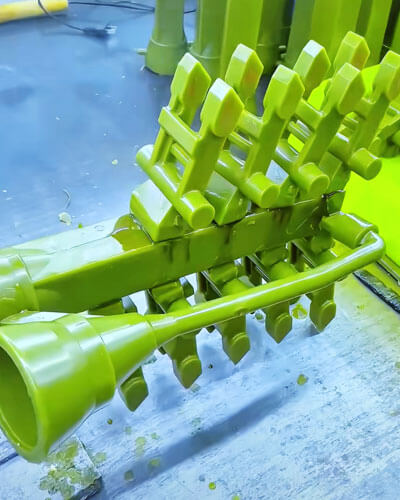
Gating Location bestëmmt de Flowmuster wärend der Schimmelfüllung
Den éischten an direkten Afloss vun der Gateplaz ass de Flowverhalen vu geschmollte Metall.
Wann geschmollte Metal an der Kavitéit vun enger ongeëmter Positioun erakënnt, et kann exzessiv Turbulenzen erliewen, héich Impakt Geschwindegkeet, oder ongënschteg Flux Weeër.
Zum Beispill, Top Füllung oder Säit Füllung an eng grouss oppe Kavitéit kann de Metallstroum falen a sprëtzen géint Schimmelflächen, doraus zu instabile Flux.
Turbulenten Flux erhéicht de Risiko vun:
- Oxidfilmbildung duerch widderholl Uewerflächebelaaschtung
- Loftschlag
- Schimmel Erosioun
- Sand Inklusioun
- Ongläiche Fëllung vu verschiddene Casting Regiounen
Am Kontrast, e gutt entworfene Gate-Plaz erlaabt geschmollte Metal fir glat anzeginn an eng kontrolléiert Füllsequenz ze verfollegen.
Bottom-up Fëllung ass dacks bevorzugt fir vill Stol Guss, well d'Metall graduell duerch d'Kavitéit eropgeet, d'Turbulenzen reduzéieren an d'Gëftstoffer erlaben no uewen an d'Steigerer oder Schlacksammler ze schwammen.
Duerfir, d'Gateplaz bestëmmt am Wesentlechen ob de Goss duerch eng gefëllt ass kontrolléiert Verréckelung Prozess oder an onkontrolléiert turbulenten Flux Prozess.
Gating Location Kontrollen Temperatur Verdeelung an Solidification Behuelen
Gossqualitéit gëtt net nëmmen festgeluecht ob d'Schimmel komplett gefëllt ass. D'Art a Weis wéi geschmollte Metall sech no der Füllung verstäerkt ass gläich wichteg.
D'Ingate Positioun beaflosst direkt d'thermesch Verdeelung am Guss.
Wann geschmollte Metal no bei engem décke Sektioun oder e kriteschen Hotspot erakënnt, et kann exzessiv Hëtzt an déi Regioun aféieren.
Dëst kann d'lokal Solidifikatioun verzögeren an déi virgesinn Solidifikatiounssequenz stéieren.
Typesch Konsequenzen enthalen:
- Schrumpf Huelraim
- Intern Porositéit
- Hot Flecken
- Thermesch Stress Konzentratioun
- Hot knacken
Zum Beispill, wann en Ingate direkt ënner engem grousse Riser gesat gëtt, d'Regioun kann ze laang iwwerméisseg waarm bleiwen.
Amplaz schrumpft ze fidderen effektiv, der riser an ingate kann eng vergréissert thermesch Zentrum schafen, d'Direktiounsstéierunge méi schwéier maachen.
Andeems Dir d'Gateplaz ugepasst, Ingenieuren kënnen d'Hëtzt Flux Wee kontrolléieren a suergen, datt:
- De Riser bleift déi lescht solidifying Regioun.
- D'Stärkung geet weider an d'Fütterungsquelle.
- Schrumpfdefekte sinn an eraushuelbare Beräicher konzentréiert anstatt kritesch Goss Sektiounen.
Dëst weist datt d'Gateplaz net nëmmen e Füllprobleem ass - et ass och e solidification Kontrollparameter.
Gating Location Afloss op d'Füllung vun dënnen a komplexe Sektiounen
Dënn Mauer a komplex-geformt Goss sinn héich empfindlech op d'Gate Plaz well geschmollte Metal Hëtzt séier verléiert wärend duerch schmuel Passagen fléisst.
Wann d'Ingate ze wäit vun dënnen Sektiounen läit, d'Metall muss eng laang Distanz reesen ier Dir dës Beräicher erreecht. Während dëser Rees:
- Temperatur geet erof.
- D'Flëssegkeet geet erof.
- Oxidschichten kënne bilden.
- D'Metallfront kann deelweis afréieren.
D'Resultat ass dacks:
- Vermësste
- Kal Schalt
- Onkomplett Fëllung
- Schlecht Uewerfläch Replikatioun
Zum Beispill, turbineblader, impellers, an dënn Rippen erfuerderen dacks Metall fir no bei den dënnen Sektiounen anzeginn oder duerch verdeelt Ingates.
Eng zentral Ingate Arrangement kann décke Gebidder erfollegräich ausfëllen, während d'dënn Blade Regiounen ënnerfëllt sinn.
Änneren vun der Gateplaz kann d'Flowdistanz verkierzen an e méi equilibréiert Füllmuster ubidden, suergen, datt schwéier Rubriken genuch waarm a propper geschmollte Metal kréien.
Gating Location Afloss Inclusioun Kontroll a Goss Propretéit
Schmelz Metal enthält natierlech bestëmmte Gëftstoffer, ganz agemaach:
- Oxiden
- Slagpartikelen
- Schimmelreaktiounsprodukter
- Refrakter Fragmenter
Dat éischt Metall, dat an d'Schimmel erakënnt ass dacks am mannsten propper, well et kann Oxidfilme droen, déi wärend dem Gießen geformt ginn oder Partikelen aus dem Gatesystem gesammelt ginn.
Wann d'Gate-Plaz riicht dësen initialen Metallfluss an kritesch Gossberäicher, intern Mängel kënnen optrieden.
Eng richteg gewielte Gateplaz hëlleft méi propper an dreckeg Metallstroum ze trennen duerch:
- Erlaabt Gëftstoffer natierlech eropzesetzen.
- Richteg Inklusiounen op net kritesch Regiounen.
- Reduktioun vun Turbulenzen déi Oxidfilmer a méi kleng Partikel brécht.
Dofir gi Bottom Füllsystemer wäit an qualitativ héichwäerteg Stahlguss applizéiert.
De méi glatteren Upward Flow erlaabt Inklusiounen no uewen ze migréieren anstatt an der Gussstruktur agespaart ze ginn.
2. Verbesserung vun der Uewerflächqualitéit andeems d'Metal Entrée Positioun geännert gëtt
Root Ursaach vun enger schlechter Surface Qualitéit an Dënn-Wall Castings
Dënnwandegt grousst Format Stahlguss si besonnesch vulnérabel fir Uewerflächedefekter wann d'Gateentrée schlecht positionéiert ass.
Wann geschmollte Stol vun enger héijer Héicht erakënnt oder duerch eng limitéiert Ouverture bei engem Riser, de Baach fällt fräi an d'Kavitéit, Turbulenzen verursaacht, Spritzen a Schimmel Mauer Erosioun.
De Spëtzekandidat vum Metallstroum oxidéiert séier an der Loft, Oxidfilmer bilden, déi an d'Gossfläch falen a siichtbar Ripples kreéieren, kal Ronn Linnen an trench-wëll Mängel.
Turbulent Floss erodéiert och Sand aus der Schimmelfläch, Sandinklusiounen produzéieren, déi an der Gusshaut agebonne sinn.
Dës Mängel degradéieren net nëmmen kosmetesch Erscheinung, awer erfuerderen och extensiv Schleifen a Schweißreparatur, bedeitend Produktiounskäschte a Leadzäit derbäi.
Waff: Anker Hawse Castings
Anchor Hawk Castings sinn typesch grouss dënnwandlech Komponenten mat Wanddicke vun nëmmen 20-30 mm a maximal Kontur Dimensiounen vun 3500-4500 mm, produzéiert an GS-45 Kuelestoff Stol.
D'Original gating Design agefouert Metal duerch eng Inlet Schnëtt direkt ënnert der bannenzeg kreesfërmeg Riser.
Trotz gudder Dimensiounskontroll a Wanddicke Konsistenz, Castings hunn schwéier Uewerflächeflussmarken ausgestallt, linear Uewerfläch Grooves a verspreet Sand Poren, verlaangt extensiv Weld Reparatur a Veraarbechtung.
Nodeem d'Gate-Inlet op den ënneschten externen Punkt vun der Gosshöhle verlagert gouf an e klenge Riser direkt vis-à-vis vum Entréespunkt bäigefüügt huet, Uewerfläch Qualitéit verbessert dramatesch.
Flowmarken goufen am Wesentlechen eliminéiert, Sand Inklusiounen goufen extrem rar, an Post-Goss Weld Reparatur war bal komplett éliminéiert.
Dëse Gatingprinzip ass zënterhier erfollegräich op verschidde hawse Casting Modeller mat konsequent stabiler Qualitéit applizéiert ginn.
Mechanismus
Ënnen Entrée Gate erlaabt roueg, laminar Upward Füllung vum Schimmelhuelraum. De Metallniveau klëmmt stänneg ouni fräie Fall, Spritzen oder Surface Turbulenzen.
Oxiden, Schlackpartikelen an ofgebaute Sandkären schwiewen no uewen mat der steigender Metallfront a accumuléieren op der Uewerfläch, wou se an Risers oder Bearbechtungszoustand ewechgeholl kënne ginn anstatt op funktionnelle Gossflächen agespaart ze ginn.
3. Onkomplett Füllproblemer an dënnen a komplexe Castings léisen

Erausfuerderung vun Ultra-Dënn Curved Blade Geometrien
Castings mat ultra-dënn, kromme a geometresch komplex Features wéi Turbinblades an Impellerblade gehéieren zu de schwieregste Stolguss fir erfollegräich ze produzéieren.
Mat Wanddecken esou kleng wéi 3-5 mm an net eenheetleche Querschnitt, de geschmollte Stol verléiert séier Hëtzt beim Fëllen a kann sech solidaréieren ier de Kavitéit komplett gefëllt ass, doraus zu falschen Defekter, Void a Randdiskontinuitéiten.
Dës Mängel si bal onméiglech ze reparéieren duerch Schweißen an dënnen Bladesektiounen, féiert zu voll Deel Ofleenung.
Konventionell Gate Approche, déi vun engem zentrale Hub fidderen, falen dacks well Metall laang Distanzen duerch dënn Sektiounen reest, ofkillt progressiv wéi et no baussen fléisst.
Méi Inlets op onpassend Plazen bäizefügen stellt dacks Sanderosioun an Inklusiounsprobleemer vir ouni de Misrun Thema ze léisen.
Waff: Héich-Head Hydro Turbine Impellers
Impellers fir High-head hydroelektresch Generatoren hunn emmer-förmleche Blades mat extrem dënnem, ongläiche Mauer Sektiounen a komplex kromme Iwwergäng, aus ZG20Mn niddereg-legéiert Stol gegoss.
Den initialen Gate-Design gëtt vun ënnen vum banneschten Hub gefüttert, resultéiert zu verbreet onkomplett Füllung iwwer verschidde Blades, mat Huelraim a fehlend Kanten vu variéierter Gravitéit.
Eng spéider Revisioun déi gläichzäiteg Ernierung vu béiden bannenzegen Hub an dem baussenzege Flange bäigefüügt huet, kombinéiert mat héijer Schichttemperatur, gescheitert de falsche Problem ze léisen an Sandinklusiounsdefekter op verschidde Bladeplazen agefouert.
Den Duerchbroch koum mat engem nei entworfene Gatesystem: en annular Leefer (horizontal Paart) gouf um Enn vun der Schimmel geluecht, mat individuellen Schlitzpaarten, déi no uewen an d'Basis vun all Blade fidderen.
Castings produzéiert mat dësem System ausgestallt voll geformt, defekt-gratis Blades op all Eenheet, mat staark reduzéierter Porositéit a Rëss. Déi konsequent Qualitéit huet laangfristeg Clientsvertrauen am Produkt etabléiert.
Mechanismus
Verdeelt Ënnen-Entrée Schlitzpaart garantéiert datt all dënnem Sektioun frësch kritt, waarm geschmollte Metal gläichzäiteg, minimiséieren Flux Distanz a killt Zäit ier d'Kavitéit gefëllt ass.
Dat eenheetlech erop Füllmuster vermeit Temperaturgradienten, déi virzäiteg Verstäerkung an dënnen Remote Sektiounen verursaachen, iwwerdeems déi breet, flaach Spaltgeometrie verhënnert Sanderosioun an Turbulenzen déi soss Inklusiounsfehler verursaachen.
4. Eliminéiert intern Rëss duerch d'Temperaturverdeelung balancéieren
Thermesch Superpositioun: Gating an Riser Interaktioun
Subsurface Microcracking a schwéier Sektioun Goss entstinn dacks vu schlecht positionéierte Gate-Inlets, déi mat Riser-induzéierten Hotspots zesummekommen.
Wann geschmollte Stol an d'Kavitéit direkt ënner engem grousse Riser kënnt, de lokaliséierte Wärmeinput vum Gatestroum iwwerlagert d'thermesch Mass vum Riser, eng anormal waarm Zone mat enger verlängerter Solidifikatiounszäit ze kreéieren.
Déi doraus resultéierend net-uniform Ofkillung generéiert héich thermesch tensile Stress wéi Ëmgéigend Material éischt solidifies, féiert zu der Bildung vu feinen internen Rëss just ënner der Uewerfläch.
Dës Mängel sinn dacks onsichtbar fir Surface Inspektioun a ginn nëmmen duerch Wénkelstrahl Ultraschall Tester no der Maschinn festgestallt.
Waff: Slag Pot Ophiewe Lug Sëtzer
En 21-Tonnen Bruttogewiicht Schlackpotguss am ZG230-450 Kuelestol gouf ursprénglech mat Top-Säit-Gate a grousse oppene Risers produzéiert.
Déi iewescht-Niveau Gate-Inlets goufen direkt ënner den Haapt Riser Pads op den Hebebunnsplazen positionéiert.
As-cast magnetesch Partikel a riichtstrahl-Ultraschallinspektioun vun de Luchsitze weisen keng Anomalien, awer Wénkelstrahl UT no der Maschinn huet vill linear Ënnerflächdefekter opgedeckt, rangéiert vun 5 mm un 50 mm Längt.
De Problem erschéngt konsequent iwwer verschidde Produktiounsunitéiten.
D'Léisung war déi iewescht Gate-Inlets ewech vun de Riser Hot Zonen ze verlageren fir thermesch Iwwerlagerung ze vermeiden.
Andeems de gating Hëtzt Input vun Riser Hëtzt Konzentratioun decoupling, der Ënnerfläch knacken Phänomen war komplett éliminéiert.
De revidéierte Prozess gouf duerno fir iwwer benotzt 150 Unitéiten mat konsequent stabil Qualitéit.
Mechanismus
D'Repositionéierung vun de Gate-Inlets verdeelt d'Wärmeinput méi gläichméisseg iwwer de Goss, verhënnert lokal Iwwerhëtzung bei schwéieren Sektiounen a Riserhals.
Eenheetlech Temperaturverdeelung reduzéiert thermesch Stressgradienten wärend der Verstäerkung an der Ofkillung, Eliminatioun vun der tensile Stress Konditiounen datt Ënnergrond waarm Rëss initiéiert.
5. Reduktioun vun intern Inklusioun Mängel: Schlag a Sand Entrapment
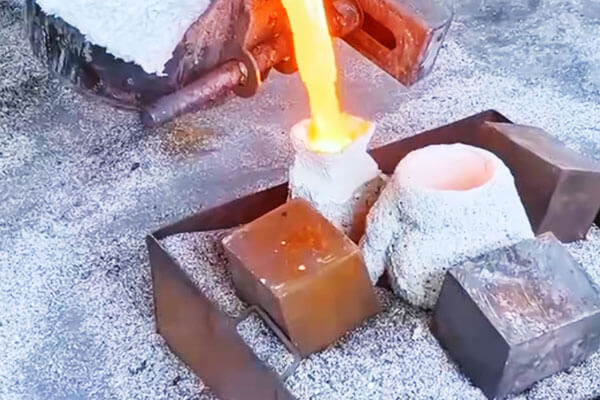
Inherent Nodeeler vu Step Gating Systemer
Schrëtt Gate - och Schichten Gate genannt - gouf eemol wäit benotzt fir grouss zylindresch Stol Guss wéi Huelwellen an Zylinderkierper, baséiert op der Virgab datt verschidde Inletniveauen d'Temperatur balanséieren an d'Füllung verbesseren.
Produktioun Erfahrung huet konsequent gewisen, Wéi och ëmmer, datt Schrëtt Gating dacks intern Schlacken a Sand Inklusioun Mängel verursaacht.
Observatioun vun aktuellen Schéissprozesser weist datt Uewer-Niveau-Inlets bal ëmmer virzäiteg ufänken ze fléissen wéi de Metallniveau eropgeet.
Dëst bewierkt datt kal Haut Metall a schwiewend Uewerflächeschlacken duerch d'Schimmelmauer ofgewäsch ginn an erëm an d'Massflëssegkeet agefouert ginn.
No der Zäit erreecht d'Metall den ieweschte Paartniveau, de Gate Kanal huet dacks gefruer zougemaach aus diskontinuéierlech fréi Flux, besiegt seng virgesinn Temperatur-equilibréiert Funktioun.
D'Resultat ass verbreet Ënnerfläch Inklusiounen déi sech während Ultraschallinspektioun a Finale Bearbechtung weisen.
Optimisatiounswee an Industriekonsens
Schmelzen hu progressiv d'Vertrauen op Schrëttgating reduzéiert well dës Feelermechanismus besser verstan ginn.
Wou geschichte Füllung onvermeidbar ass wéinst Deel Héicht, sequenziell Relais Gießen gëtt léiwer iwwer richteg Schrëttgating, mat vertikaler Distanz tëscht Inletniveauen esou kleng wéi méiglech gehal.
Dës praktesch Entdeckung entsprécht international bescht Praxis.
Senior Stol Guss Metallurgists ënnersträichen allgemeng datt déi propper Stol Guss duerch voll Bottom-up Füllung produzéiert ginn.
Vill Experten betruechten Gate-Inlets, déi op Risers plazéiert sinn, als grondsätzlech schlecht Praxis, well se zwangsleefeg Uewerflächekontaminanten an de Grossgoss aféieren.
Mechanismus
Een-Niveau ënnen Gate hält eng kontinuéierlech, roueg Rising Metal Front uechter Fëllung.
All schwiewend Schlacken, Oxiden a Sandpartikelen bleiwen op der ieweschter Uewerfläch a ginn a Risers gefaangen oder ewechgehäit.
Et gëtt kee Mechanismus fir d'Erhuelung vun Uewerflächekontaminanten an de Goss Kierper, resultéiert an wesentlech méi propper intern Struktur.
6. Kär Prinzipien fir Gating Inlet Location Optimization
Zesummegefaasst vu Joerzéngte vu Produktiounsoptimiséierungspraxis, sechs Beweis-baséiert Prinzipien Guide optimal gating innlopsposisjonering fir Stol castings:
Gitt op den niddregsten Punkt wann et méiglech ass
Ënnerentrée suergt fir berouegend erop Fëllung a gëtt Schlacken, Oxiden a Sandpartikelen déi maximal méiglech Flotatiounsdistanz fir op d'Uewerfläch ze klammen.
Dëst ass den eenzegen effektivsten Prinzip fir Uewerflächen- an intern Inklusiounsdefekter ze reduzéieren.
Füttern als éischt duerch dënn Sektiounen
D'Direktioun vum initialen Metallfloss duerch déi dënnste Sektiounen garantéiert datt se fëllen wärend de Stol nach ëmmer waarm ass, Präventioun vu falschen Defekter.
Et reduzéiert och thermesch Stress verursaacht duerch extrem Wanddicke Differenzen, well dënn Sektioune fir d'éischt verstäerken wärend déck Sektioune waarm bleiwen.
Miniméiert oder eliminéiert Schrëttpaart
Vermeiden Multi-Niveau Schrëtt Gating ausser absolut néideg vun Deel Geometrie.
Wou schichten Fëllung néideg ass, benotzen Relais-pour Logik mat kuerzen vertikalen Distanzen tëscht Niveauen kal Metal entrainment ze verhënneren.
Benotzen spezialiséiert gating Geometrie wou passend
Tapered In-Paart, Schlitzpaart a tangential Entrée Designs léisen all spezifesch Qualitéitsproblemer.
Slit Gates excel bei eenheetleche Fëllung vun dënnen grouss Fläch Sektiounen; tangential Entrée fördert centrifugal slag Trennung a reduzéiert Turbulenzen.
Halt déi dreckeg Féierungsfront ewech vu kritesche Beräicher
Dat éischt Metall, dat an d'Huelraum erakënnt, dréit déi héchst Belaaschtung vun Oxiden, Schlacken an erodéiertem Sand.
Design gating Weeër sou datt dëst kontaminéierte virun Metal cumuléiert an risers, machining Stock oder Net-kritesch Regiounen, net an funktionell oder héich-Stress Zonen vun der Goss.
Komplett Fëllung sou séier wéi d'Prozessqualitéit et erlaabt
Méi séier Fëllung reduzéiert den Temperaturverloscht wärend der Schimmelfüllung a reduzéiert de Risiko vu kale Schalten a Misrun, besonnesch fir dënnwandeg Guss.
Füllgeschwindegkeet muss ëmmer géint Turbulenzen an Erosiounsrisiko ausgeglach sinn.
7. Modern Optimisatioun: Kombinéiert Gating Location Design mat Simulatiounstechnologie
Traditionell Gossprozess Design hänkt staark op d'Erfahrung vun de Schmelzingenieuren of.
Erlieft Techniker kënnen dacks gëeegent gating Plazen bestëmmen baséiert op Goss Geometrie, Material Charakteristiken, a virdrun Produktioun Erfahrung.
Wéi och ëmmer, wéi Castings méi grouss ginn, méi komplex, a méi exigent a punkto intern Qualitéit, eleng op Trial-and-Feeler Methoden ze vertrauen ass net méi duer.
Modern Casting Optimisatioun kombinéiert ëmmer méi gating Standuert Design mat Computer Simulatioun Technologie.
Andeems Dir fortgeschratt Castingsimulatiounssoftware benotzt, Ingenieuren kënne geschmollte Metallverhalen viraussoen ier tatsächlech Produktioun, verschidde Gate Layouten evaluéieren, an z'identifizéieren déi optimal Metal Entrée Positioun mat wesentlech manner kierperlech Tester.
Dës Integratioun vun der Ingenieurserfahrung an der numerescher Analyse huet d'Gating-Design vun engem empiresche Prozess an eng méi wëssenschaftlech an date-driven Approche transforméiert..
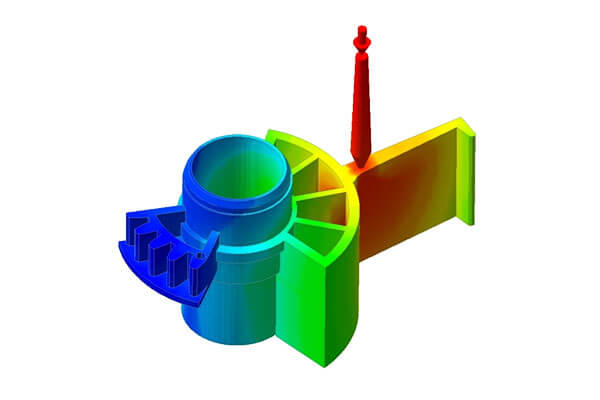
D'Roll vun der Casting Simulatioun an der Gating Location Optimisatioun
Casting Simulatiounstechnologie benotzt mathematesch Modeller fir déi kierperlech Prozesser ze reproduzéieren, déi während dem Casting optrieden, ganz agemaach:
- geschmollte Metal Flux
- Wärmetransfer tëscht Metall a Schimmel
- Solidifikatioun Sequenz
- Schrumpfbildung
- Stress Entwécklung
- Defekt Prognose
Virun der Fabrikatioun vun der Schimmel, Ingenieuren kënne verschidde virtuelle Gateschemae kreéieren an hir Leeschtung vergläichen.
Zum Beispill, e grousse Stol Guss kann mat e puer méiglech ingate Positiounen bewäert ginn:
- Top Fëllung
- Säit Fëllung
- Bottom Fëllung
- Multiple verdeelt Ingates
D'Simulatiounsresultater kënne verroden wéi all Design beaflosst:
- Fëllzäit
- Flow Geschwindegkeet
- Turbulenzen Niveau
- Temperatur Verdeelung
- Solidifikatioun Verhalen
Dëst erlaabt Ingenieuren déi gëeegent Gateplaz ze wielen ier se an Tooling a Produktioun investéieren.
Virauszesoen Metal Flow Behuelen virun Produktioun
Ee vun de wichtegste Virdeeler vun der Simulatioun ass d'Fäegkeet fir geschmollte Metallbewegung an der Schimmel ze visualiséieren.
An der konventioneller Casting Entwécklung, D'Ingenieuren entdecken dacks Füllproblemer nëmmen nodeems se Testgoss produzéiert hunn.
Wann Mängel erschéngen, d'Gate System muss geännert ginn, resultéieren an:
- Zousätzlech Tooling Käschten
- Méi laang Entwécklungszyklen
- Geklomm Schrott Tariffer
Mat Simulatiounstechnologie, Ingenieuren kënnen potenziell Probleemer während der Designstadium identifizéieren.
Zum Beispill, Simulatioun kann weisen ob e ausgewielt gating Standuert Ursaachen:
- Exzessiv Turbulenzen am Metal Entrée Punkt
- Direkten Impakt op Sandkären
- Onbalancéiert Fëllung tëscht verschiddene Sektiounen
- Loft Entrapment Beräicher
- Fréier Solidifikatioun an dënnen Regiounen
Andeems Dir d'Ingate Positioun am virtuelle Modell beweegt, Ingenieuren kënnen d'Füllsequenz optimiséieren ouni verschidde kierperlech Proben ze produzéieren.
Optimiséiere Gating Location fir Dënn-Wall a komplex Castings
Dënn-Mauer Goss representéieren eng vun de gréissten Erausfuerderungen am Gate Design well déi verfügbar Füllzäit extrem limitéiert ass.
Fir Komponente wéi z:
- Turbinblades
- Impellers
- Loftfaart Strukturen
- Komplex Edelstol Guss
kleng Differenzen am gating Standuert kann bestëmmen ob de Goss erfollegräich oder verworf ass.
Simulatioun hëlleft Ingenieuren analyséieren:
- Ob geschmollte Metal dënn Sektiounen erreecht virum Afréiere
- Ob verschidde Regiounen gläichzäiteg ausfëllen
- Ob Temperaturverloscht exzessiv gëtt
- Ob lokal Turbulenzen d'Gossfläch beschiedegt
Zum Beispill, an impeller Goss kann am Ufank eng zentrale hub ingate benotzen. D'Simulatioun kann weisen datt déi baussenzeg Blades méi kal Metal kréien a riskéiere vu falschen Runen.
Andeems Dir op verdeelt Peripherie-Ingaten ännert, d'Simulatioun kann e verbesserte Temperaturbalance a komplette Bladefüllung weisen.
Dës Approche reduzéiert d'Entwécklungszäit a verbessert d'Zouverlässegkeet vum Casting.
Kombinéiert Simulatioun mat Solidifikatiounsanalyse
Eng gutt Gateplaz muss net nëmmen eng komplett Füllung ubidden, awer och eng korrekt Verstäerkung ënnerstëtzen.
Simulatioun Software kann virauszesoen:
- Flësseg-zu-fest Iwwergank
- Hot Plaz Plazen
- Fudder Weeër
- Schrumpft Tendenz
Dës Informatioun ass essentiell well e Goss, deen erfollegräich fëllt, nach ëmmer ausfale kann wéinst internen Mängel wärend der Solidifikatioun.
Zum Beispill, Simulatioun kann verroden datt eng Ingate, déi no bei engem décke Sektioun plazéiert ass, exzessiv Hëtztakkumulatioun erstellt.
Obwuel d'Fëllung glat ass, den Thermalzentrum bleift vum Riser ewech agespaart, doraus zu schrumpft porosity.
Andeems Dir d'Entrée verlagert, Ingenieuren erreechen kënnen:
- Besser Directionnal Solidifikatioun
- Méi effektiv Riser Ernierung
- Reduzéiert intern Porositéit
Duerfir, gating Standuert Optimisatioun muss souwuel betruecht Fëllungsverhalen a Solidifikatiounsverhalen.
Virtuell Prozess Produktioun Reduzéiert Entwécklungskäschte
Ee vun de gréisste Virdeeler vun der Simulatiouns-baséierter Gateoptiméierung ass d'Ofhängegkeet vu kierperleche Versuch-a-Feeler ze reduzéieren.
Traditionell Entwécklung kann verlaangen:
- Design vum Gatesystem.
- Produzéiere Musteren a Schimmel.
- Casting Prouf Echantillon.
- Inspektioun vun Mängel.
- Ännere vum Gatesystem.
- Widderhuelen de Prozess.
Fir grouss Castings, all Prozess kann bedeitend Käschten an Zäit matmaachen.
Simulatioun erlaabt Ingenieuren verschidde virtuell Experimenter zu enger Ëmwandlung vun de Käschten auszeféieren.
D'Virdeeler enthalen:
- Méi séier Prozessentwécklung
- Niddereg Tooling Modifikatiounskäschte
- Reduzéiert Material Offall
- Verbesserte First-Pass Casting Erfollegsquote
Dëst ass besonnesch wäertvoll fir grouss Stol Guss, Investitioun Castings, a komplex industriell Komponenten.
Kombinéiert Ingenieurserfahrung mat Simulatiounsresultater
Och wann d'Simulatiounstechnologie mächteg analytesch Fäegkeeten ubitt, et ersetzt net komplett Casting Expertise.
Genau Simulatioun hänkt dovun of:
- Korrekt Material Eegeschafte
- Realistesch Grenzbedéngungen
- Genau Schimmelparameter
- Entspriechend Prozess Viraussetzunge
Erlieft Casting Ingenieuren sinn nach ëmmer verlaangt Simulatiounsresultater ze interpretéieren a praktesch Entscheedungen ze treffen.
Zum Beispill, Simulatioun kann eng theoretesch ideal ingate Positioun identifizéieren, mee Fabrikatioun Considératiounen kann Upassungen verlaangen wéinst:
- Schimmel Accessibilitéit
- Kär Ënnerstëtzung Aschränkungen
- Botzen Ufuerderunge
- Machining Erlaabnes
- Produktioun Effizienz
Déi effektivst Approche kombinéiert:
Ingenieur Erfahrung + Casting Theorie + Simulatioun Analyse
Dës Kombinatioun produzéiert praktesch an zouverlässeg Gate Léisungen.
8. Conclusioun
Gating Inlet Location ass vill méi beaflosst op Stol Gussqualitéit wéi allgemeng unerkannt ass.
Vill bestänneg Uewerfläch, intern a strukturell Mängel déi routinéiert u schlecht Stolqualitéit zougeschriwwen ginn, inadequater fidderen oder Bedreiwer Feeler staamt eigentlech aus schlecht gewielt Metal Entrée Positiounen.
Andeems Dir ännert wou geschmollte Stol an d'Schimmelhuel kënnt, Schmelzen kënnen schwéier Uewerflächeflussmarken léisen, eliminéiert Misrun an dënnen komplexe Sektiounen, zerstéieren ënnerierdesch waarm Rëss a schwéiere Sektiounen an drastesch reduzéieren intern Schlacken a Sand Inklusiounen - dacks ouni Erhéijung vun de Produktiounskäschte.
Den ënnerierdesche Mechanismus an all dëse Verbesserungen ass besser Kontroll vun der Füllhydrodynamik an der Solidifikatiounstemperaturverdeelung.
Roueg Bottom-up Fëllung, eenheetlech thermesch Verdeelung a proper Flotatioun vun Inklusiounen sinn déi natierlech Resultater vu korrekt positionéierte Gate-Inlets.
Als Stol Goss Qualitéit Ufuerderunge weider zouzedrécken, systematesch Optimiséierung vun der Gate-Entrée Location bleift ee vun den héchste Rendement Beräicher fir Prozessverbesserung, moossbare Gewënn am Rendement liwweren, Qualitéit an Produktioun Effizienz.

