
Aféierung
Waarm isostatesch dréckt, allgemeng verkierzt als Hipper, ass eng vun de wichtegste Postveraarbechtung an Verdichtungstechnologien an der moderner Materialientechnik.
Et gëtt benotzt fir d'intern Soundness ze verbesseren, mechanesch Zouverlässegkeet, a Service Leeschtung vun héichwäerteg Metal a Keramik Komponente vun kombinéiert héich Temperatur matbroderen héich, eenheetleche Gasdrock
Op den éischte Bléck, HIP ka schéngen als Nischofschlossschrëtt ze sinn. An der Praxis, et ass vill méi wéi dat.
Et ass eng kritesch erlaabt Technologie fir Raumfaart, medizinesch, Energie, Atken, Verteidegung, Automotiv, an héich-Enn industriell Uwendungen wou verstoppt porosity, intern Mängel, oder mikrostrukturell Onstabilitéit kann Leeschtung Kompromëss.
Hot isostatesch Pressen ass besonnesch wäertvoll wann konventionell Fabrikatioun schonn en Deel no der final Form produzéiert huet, awer déi intern Qualitéit muss nach op e méi héije Standard erhöht ginn.
1. Wat ass Hot Isostatic Pressing?
Waarm isostatesch dréckt, allgemeng bekannt als Hipper, ass eng Postveraarbechtungstechnik déi benotzt gëtt fir d'intern Qualitéit vu Goss ze verbesseren andeems se kombinéiert ginn héich Temperatur matbroderen eenheetlech héich Drock.
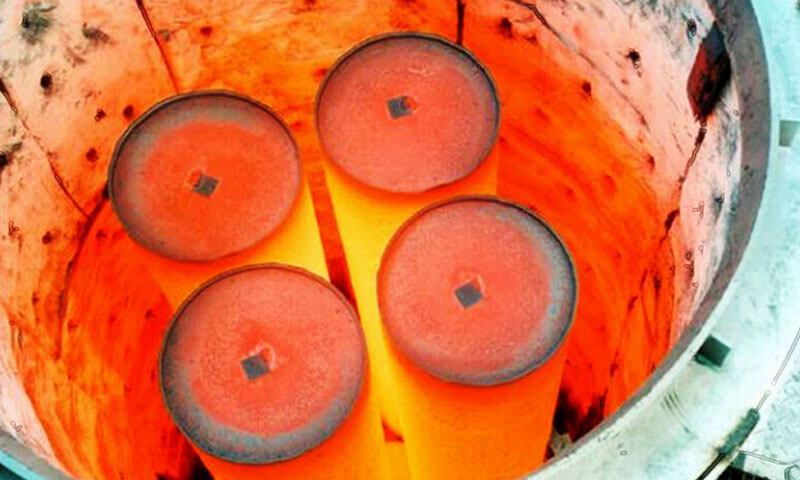
An engem typesche HIP Zyklus, d'Komponente ass an engem Héichdrockbehälter zougemaach an en Inertgas ausgesat, normalerweis Argon, bei Drock déi ronderëm erreechen kann 15,000 PSS oder méi.
Gläichzäiteg, den Deel gëtt op eng Temperatur no beim Solidus vun der Legierung erhëtzt, oft am Beräich vun 85% zu 95% vun der Solidustemperatur.

Ënner dëse Konditiounen, intern Mängel wéi Mikroporositéit, Schrumpfhuelraim, a kleng Void ginn graduell zesummegeklappt a gebonnen zou.
Déi applizéiert Hëtzt mécht d'Metall méi reaktiounsfäeger op Diffusioun a Plastiksfloss, wärend den isostateschen Drock d'intern Flächen vu Poren zesumme dréit.
Als Resultat vun, de Goss gëtt vill méi dichter a méi strukturell zouverlässeg.
Eng Schlëssel Feature vum HIP ass den isostatesch Natur vum Drock. Am Géigesaz zu Richtungspressen, déi Kraaft vun nëmmen enger Säit applizéiert a Geometrie verzerren kann, HIP applizéiert Drock gläich aus all Richtungen.
Dëst bedeit datt de Prozess intern Klangheet verbessert ouni déi extern Form oder Dimensiounsgenauegkeet vum Deel wesentlech z'änneren.
Fir komplex Investitioun Castings, dat ass besonnesch wäertvoll: d'Komponent hält seng präzis Geometrie wärend eng wäit méi robust intern Struktur kritt.
Fir Investitioun Castings mat komplexe Geometrien a knapper Dimensiounstoleranzen,
Dës Charakteristik mécht HIP eenzegaarteg gëeegent als Verdichtungsbehandlung déi intern Integritéit verbessert ouni d'Dimensiounspräzisioun ze kompromittéieren déi Investitiounsgoss ubitt.
2. Firwat Hot Isostatic Pressing Matters an Advanced Manufacturing
D'Wichtegkeet vum waarme isostatesche Pressen läit am Spalt tëscht Deelform an Deelqualitéit.
Modern Fabrikatioun produzéiert ëmmer méi komplex no-net-Form Komponente, awer komplex Form garantéiert net automatesch intern Integritéit.
Casting kann Schrumpfporositéit erstellen. Additiv Fabrikatioun kann Mangel u Fusiounsdefekter oder gefaange Poren hannerloossen. D'Pulvermetallurgie kann d'Reschtleegheet behalen. HIP adresséiert genee dës Themen.
Hot Isostatic Pressing wichteg well et kann:
- reduzéieren intern porosity,
- verbesseren Middegkeet Liewen,
- erhéijen d'Frakturresistenz,
- stabiliséiert mechanesch Eegeschaften,
- Erhéijung Vertrauen an kritesch Komponente,
- reduzéieren Oflehnung Tariffer an héich-Wäert Deeler.
Dëst ass besonnesch wichteg an Industrien wou d'Käschte vum Echec net op Ersatz limitéiert sinn. Echec kann Fliger Ausbroch bedeit, chirurgesch Risiko, Reaktergefor, oder Produktiounsstopp.
An esou Kontexter, Hot isostatesch Pressen ass dacks eng rational Zouverlässegkeet Investitioun anstatt en optionalen Upgrade.
3. Main Prozess Flow vun Hot Isostatic Drécken
E waarme isostatesche Presszyklus folgt normalerweis eng kloer Sequenz: den Deel ass gelueden, d'Schëff gëtt evakuéiert oder virbereet,
Inertgasdrock gëtt applizéiert, d'Temperatur eropgeet, den Deel gëtt bei Temperatur an Drock gehal, an da gëtt d'Schëff ofgekillt an entlaascht.
| Schrëtt | Wat geschitt | Firwat ass et wichteg |
| Lueden | Deeler ginn am HIP Schëff gesat. | Bereet d'Komponente fir kontrolléiert Verdichtung vir. |
| Evakuéierung / Atmosphär Virbereedung | D'Schëff ass fir Inertgasveraarbechtung virbereet. | Reduzéiert ongewollt Atmosphär a Kontaminatiounsrisiko. |
| Pressurization | Inertgasdrock gëtt uniform applizéiert. | Fuert Pore Zesummebroch aus all Richtungen. |
| Heen | Den Deel gëtt op d'Zielthermesch Fënster erhëtzt. | Senkt d'Ausbezuelkraaft an aktivéiert Diffusioun-assistéiert Heelung. |
| Holding | D'Temperatur an den Drock gi fir eng bestëmmte Zäit gehal. | Erlaabt Mängel méi komplett zouzemaachen. |
| Cillkéieren | Den Deel gëtt kontrolléiert ofgekillt. | Erhaalt déi gewënschte Mikrostruktur an Eegeschaften. |
| Insperenz | Dimensiouns- a metallurgesch Kontrollen folgen. | Bestätegt datt den HIP Zyklus d'Zilqualitéit erreecht huet. |
4. Materialien déi allgemeng duerch Hot Isostatic Press behandelt ginn
Hot Isostatic Pressing gëtt iwwer eng breet Palette vu Materialien benotzt, mee et ass besonnesch wichteg fir Goss Metaller, Pudder Metallurgy Deeler, an an Pudder-baséiert additiv Fabrikatioun Deeler.
| Material Klass | Firwat HIP Nëtzlech ass | Typesch Benotzung |
| Titanlegierungen | Verbessert Middegkeet Leeschtung a mécht intern Porositéit zou | Aerospace, medizinesch, Marine |
| Néckel-baséiert Superalolen | Verbessert Integritéit am Héichtemperaturdéngscht | Turbin an Energie Komponente |
| Edelsteng | Reduzéiert intern Mängel a verbessert Zouverlässegkeet | Industriell a corrosion-resistent géint Deeler |
| TOSTort Suns | Verbessert Dicht a Konsistenz | High-Performance Tooling |
Kobalt-baséiert Legierungen |
Reduzéiert Porositéit a verbessert Verschleißverlässegkeet | Medizinesch a Verschleiungsapplikatiounen |
| Aluminiumlegierungen | Kann lokal Verdichtung a kriteschen Deeler verbesseren | Raumfaart a Spezialkomponenten |
| Ceramics | Densifizéiert a verbessert d'Kraaft a bestëmmte Applikatiounen | Fortgeschratt technesch Keramik |
| Additive Fabrikatiounsmaterialien | Reduzéiert Mangel u Fusioun Porositéit an intern Void | Kritescher 3D-gedréckt Deeler |
5. Schlëssel Mängel Hot Isostatic Drécken kann Eliminéieren oder reduzéieren

Firwat Mängel Eliminatioun wichteg
An fortgeschratt Fabrikatioun, déi geféierlechst Mängel sinn dacks déi, déi net vu baussen ze gesinn sinn.
En Deel kann Toun kucken, nach enthalen intern Voids, microcracks, oder Schrumpf-Zesummenhang Schwächten datt Middegkeet Liewen reduzéieren, Drock Resistenz, a laangfristeg Zouverlässegkeet.
Hot Isostatic Pressing ass entwéckelt fir genau dëse Problem unzegoen andeems se héich Temperaturen an eenheetleche Gasdrock benotzen fir intern Mängel ze kollapsen oder ze heelen ouni déi extern Geometrie vum Deel z'änneren.
Intern Porositéit
Intern Porositéit ass ee vun den heefegsten a wichtegsten Ziler vum waarme isostatesche Pressen.
Et kann als kleng Gasporen optrieden, isoléiert Voids, oder Stärekéip vu feine Poren, déi während dem Goss oder der Pulverkonsolidéierung hannerlooss sinn.
Ënner HIP Konditiounen, dës Pore kënnen zesummebriechen wéi d'Ëmgéigend Material bei héijer Temperatur méi deforméierbar gëtt.
A kriteschen Komponenten, dës Verbesserung ass bedeitend well d'Porositéit als Stresskonzentrator wierkt an dacks den Ursprongspunkt fir d'Initiatioun vu Rëss gëtt.
Schrumpfhuelraim a Schrumpfporositéit
Schrumpfdefekte bilden sech wann d'Metall sech während der Verstäerkung kontraktéiert an déi lescht Gefrierregioun net adequat gefüttert gëtt.
Hot isostatesch Drock kann dës intern Void wesentlech reduzéieren, besonnesch wann se am Material zougemaach an isoléiert sinn.
Dëst ass ee Grond datt HIP sou wäertvoll ass fir Investitiounsgosser an aner no-net-Form Deeler: et hëlleft intern Integritéit ze recuperéieren, déi während der Solidifikatioun verluer gaangen ass.
Mikroporositéit
Mikroporositéit bezitt sech op ganz fein, verdeelt Porositéit déi vläicht net evident ass während der visueller Inspektioun awer kann nach ëmmer mechanesch Leeschtung beaflossen.
A ville Castings, Mikroporositéit ass méi schiedlech wéi e puer méi grouss Mängel well se verbreet ass a schwéier virauszesoen.
Heiss isostatesch Pressen ass besonnesch effektiv hei well d'Kombinatioun vun Hëtzt an Drock d'Material encouragéiert ze fléien an iwwer kleng intern Void ze verbannen, d'Eegeschaftsstreet reduzéieren an d'Strukturkonsistenz verbesseren.
Microcracks a fein intern Diskontinuitéiten
An e puer Materialien a Prozess routes, Hot isostatesch Drécken kann ganz fein intern Rëss reduzéieren oder zoumaachen, déi d'Uewerfläch net erreecht hunn.
Dëst ass besonnesch wichteg fir héichwäerteg Komponenten, wou souguer kleng Diskontinuitéiten d'Müdlechkeetsdauer verkierzen.
HIP ass keng universell Rëss-Reparaturmethod, mee fir zougemaach intern microcracks kann et héich efficace ginn.
Mängel HIP kann net voll léisen
Hot isostatesch Pressen ass mächteg, mee et huet Grenzen. Et ass am effektivsten op internen, zougemaach Mängel.
Wann e Defekt op d'Uewerfläch ass, den Drockgas kann an de Feeler erakommen a verhënnert voll Zoumaache.
Ähnlech, grouss oder matenee verbonne Mangel u Fusiounsdefekter an additiv fabrizéierten Deeler kënnen net sou gutt reagéieren wéi isoléiert Poren.
Aus dësem Grond, HIP soll als Verdichtung an Zouverlässegkeet-Erhéijung Schrëtt ugesi ginn, net als Ersatz fir Toun Casting oder Bauqualitéit.
6. Virdeeler an Aschränkungen vun Hot Isostatic Drécken
Reien
- mécht intern Porositéit zou
- verbessert Middegkeet Leeschtung
- erhéicht Zouverlässegkeet vu kriteschen Deeler
- verbessert Dicht a strukturell Soundness
- ënnerstëtzt fortgeschratt Fabrikatioun routes
- verbessert Vertrauen an no-net-Form Deeler
Ufrongnisseuren
- héich Käschten
- zousätzlech Veraarbechtung Zäit
- Chamber Gréisst Aschränkungen
- limitéiert Reparaturfäegkeet fir grouss Mängel
- kann post-HIP machining oder Inspektioun verlaangen
- Prozessparameter musse streng kontrolléiert ginn
7. Hot Isostatic Drécken a verschiddene Fabrikatioun routes
E Prozess mat verschiddene Rollen je wéi den Deel gemaach gouf
Hot Isostatic Pressing ass net un eng eenzeg Produktiounsroute gebonnen.
Dee selwechte Kärmechanismus - héich Temperatur plus eenheetlech Inertgasdrock - ka benotzt ginn fir ze verbesseren castings, Pudder-baséiert Deeler, an an additiv fabrizéiert Komponenten, awer de Grond fir HIP ze benotzen ännert sech vu Wee zu Wee.
An Castings, D'Haaptziel ass Pore Zoumaache an intern Soundness; an der additiv Fabrikatioun, et ass Mängelmitigatioun a Mikrostrukturhomogeniséierung; an Pudder-baséiert no-Netz-Form routes, et ass Verdichtung an Deelkonsolidéierung.
An Castings: e Verdichtungsschrëtt fir intern Soundness
Fir Goss Deeler, Hot isostatesch Pressen gëtt haaptsächlech benotzt fir intern Leer ze schloen, déi wärend der Verstäerkung erstallt ginn.
Dëst ass déi meescht etabléiert industriell Notzung vum Prozess, an et ass explizit vun ASTM A1080 / A1080M fir Stol Daach, Edelstol, an Zesummenhang durchgang castings.
D'Zil ass einfach: reduzéieren Schrumpf-Zesummenhang porosity, zoumaachen Gas Poren, a verbesseren déi intern Integritéit vun héichwäertege castings datt Drock iwwerlieft muss, Middegkeet, oder schwéieren Service.
An der Praxis, dëst mécht HIP besonnesch attraktiv fir kritesch Castings wou verstoppt Mängel soss Zouverlässegkeet limitéieren géif.
Well de Prozess schafft ënner eenheetlechen Drock bei héijer Temperatur, D'Form vum Deel ass erhale bleiwen, während déi intern Struktur méi dichter a méi zouverlässeg gëtt.
An additiv Fabrikatioun: eng Post-Build Reparatur an Leeschtung Upgrade
Fir Metal Additiv Fabrikatioun, HIP ass ee vun de wichtegste Post-Veraarbechtung Schrëtt ginn.
Rezent Rezensiounen beschreiwen et als en effektiven thermesche Post-Prozess fir d'Verdichtung vu LPBF-Metalle a fir Metallurgesch Mängel wéi Porositéit a Rëss ze reduzéieren oder ze eliminéieren.
De Schlësselunterscheed vu Castings ass datt AM Deeler dacks eng aner Defektpopulatioun enthalen.
Hot isostatesch Pressen kann héich effektiv sinn fir d'Porositéit ze reduzéieren an d'strukturell Zouverlässegkeet ze verbesseren,
awer d'Resultat hänkt vun der Defektart of, well e puer matenee verbonne Mangel u Fusiounsdefekter net sou einfach zoumaachen wéi isoléiert Poren.
Dofir ass HIP am AM am beschten als eng Leeschtung Restauratioun a Stabiliséierung Schrëtt, net nëmmen eng Verdichtungsschrëtt.
A Puddermetallurgie a bal net-Form routes
Hot isostatesch Pressen huet och eng grouss Roll a Pudder-baséiert a bal Net-Form Fabrikatiounsrouten.
Rezensiounen vu bal net-Form HIP beschreiwen et als eng Streck déi geformt Artikele vu Puder mat méi nidderegen mechanescher Aarbecht bilden,
iwwerdeems e puer vun der Energie Belaaschtung verbonne mat Schmelzen an héich-Temperatur sintering vermeit.
Dat mécht HIP strategesch nëtzlech wann d'Produktiounsziel ass eng dicht ze kréien, komplexen Deel mat limitéierter Downstream Bearbechtung.
An anere Wierder, Hot isostatesch Pressen ass net nëmmen e Korrekturprozess nom Goss oder AM. An Pudder-baséiert routes, et kann Deel vun der Kär Fabrikatioun Strategie selwer ginn.
Dofir ass HIP net nëmmen als Veraarbechtungstechnologie wichteg, mee als route-definéierende Prozess fir fortgeschratt bal net-Form Produktioun.
8. Conclusioun
Hot isostatesch Pressen ass eng héich-Barriär thermo-mechanesch gekoppelt fortgeschratt Fabrikatiounstechnologie gebaut op Héichdrockplastik Deformatioun an Héichtemperatur Atomdiffusiounsmechanismen.
Ënnerscheed vun der traditioneller Wärmebehandlung a Richtung Plastiksveraarbechtung, Hipper benotzt omnidirektionalen Inertgas isostateschen Drock fir permanent disconnected intern Void Mängel vu Castings ze eliminéieren,
gedréckt Deeler a Pudder eidel iwwerdeems original externen Dimensiounen erhalen an eenheetlech isotrop microstructure generéieren.
An absehbarer Zukunft, mat der Populariséierung vun intelligenter Simulatiounskontroll a Low-Energy Rapid Zyklus Technologie, waarm isostatesch Drock wäert graduell ëmfaassend Fabrikatiounskäschte reduzéieren,
seng Ofdeckung an zivilen héichpräzis Fabrikatiounsfelder ausbauen, a kontinuéierlech d'Aktualiséierung vun der globaler High-Dicht fortgeschratt Materialbildungstechnologie förderen.
Faqs
Wat ass de wesentlechen Ënnerscheed tëscht HIP a konventionell Wärmebehandlung?
Konventionell Hëtztbehandlung konzentréiert sech op Mikrostrukturoptimiséierung a Stressrelief;
HIP realiséiert kierperlech Zoumaache vun internen Void Mängel iwwer gekoppelt Temperatur an isostateschen Drock, voll Verdichtung vu Materialien z'erreechen.
Firwat gëtt Argon als primär Drockmedium ausgewielt?
Héich Puritéit Argon weist chemesch Inertheet, stabil kierperlech Eegeschaften an excellent Drock Transmissioun Leeschtung, Präventioun vun héich-Temperatur Oxidatioun a chemesche Reaktioune tëscht Gas an workpieces.
Kann Hot isostatesch pressen Reparatur Uewerfläch oppen Rëss?
Nee. Inertgas penetréiert oppe Splécken ënner héijen Drock a balancéiert extern Stress; Pre-Schweißdichtung ass erfuerderlech fir gekrackte Deeler virun der Veraarbechtung.
Wéi eng Industrien profitéieren am meeschte vun der HIP Technologie?
Aerospace Komponente Fabrikatioun a Metalladditiv Fabrikatioun sinn déi gréisste Applikatiounsmäert, gefollegt vun Ueleg & Gas Héichdrockventilproduktioun an High-End Pulvermetallurgie.
Wäert Hot isostatesch pressen der externen Gréisst vun Komponente änneren?
Nëmmen eenheetlech Mikro-Shrinkage drënner 0.3% geschitt ouni Verformung oder Verformung; Hiersteller kënne kleng Schrumpftoleranz reservéieren fir d'final Dimensiounsgenauegkeet ze garantéieren.

