Gitt an all Hardwaregeschäft, an Dir wäert Messing Armature fannen, d'Ventil, an dekorativen Hardware.
Frot de Verkeefer: Brass rust? D'Äntwert déi Dir wahrscheinlech héiert ass Nee, Messing rust net. Awer ass dat strikt wouer?
D'Äntwert, wéi mat de meeschte Materialwëssenschaftlech Froen, ass souwuel jo an nee - ofhängeg wéi Dir Rust definéiert a wat Dir vu Messing mengt.
Dësen Artikel gëtt eng ëmfaassend, multidimensional Untersuchung vu Messingkorrosioun.
Mir wäerten d'Metallurgie vu Messing entdecken, d'Chemie vu senger Korrosioun, den Ënnerscheed tëscht Rost an Zerstéierung, d'Ëmweltfaktoren déi d'Degradatioun beschleunegen, a praktesch Strategien fir Préventioun an Ënnerhalt.
1. Wat ass Rust? Eng chemesch Definitioun
Virun Äntwert ob Messing rusts, mir mussen definéieren rust.
D'Chemie vum Rust
Rust ass de gemeinsame Numm fir hydratiséiert Eisen(III) oxid (Fe₂O₃·nH₂O). Et formt wann Eisen (Fe) reagéiert mat Sauerstoff (O₂) a Waasser (H₂O) duerch en elektrochemesche Prozess:
| Reaktioun | Equatioun | Broessdatsch |
| Anodesch | Fe → Fe²⁺ + 2e⁻ | Eisen léist sech an der Anode op. |
| kathodesch | O₂ + 2H₂O + 4e⁻ → 4OH⁻ | Sauerstoff a Waasser verbrauchen Elektronen. |
| Allgemeng | 4Fe + 3O₂ + 6H₂O → 4Fe(Oh)₃ → 4 Fe(Oh)₃ → 2Fe₂O₃·3H₂O | Hydratéiert Eisenoxid (rust). |
Charakteristiken vun Rust
| Charakteristesch | Broessdatsch |
| Faarf | Rout-brong bis orange-brong (hydratiséiert); schwaarz oder giel an aner Oxiden. |
| Struktur | Flakky, porös, net adherent; schützt net ënnerierdesch Metal. |
| Vuesso | Erweidert op 3-7 × den ursprénglechen Eisenvolumen, verursaache Splitt a strukturelle Schued. |
| Néideg Elementer | Eisen (Fe), Sauerstoff (O₂), d'Waassermonn (H₂O) (oder Feuchtigkeit). |
Kritesch Punkt: Well Messing enthält kee bedeitende metallesche Eisen, et kann net Rust bilden.
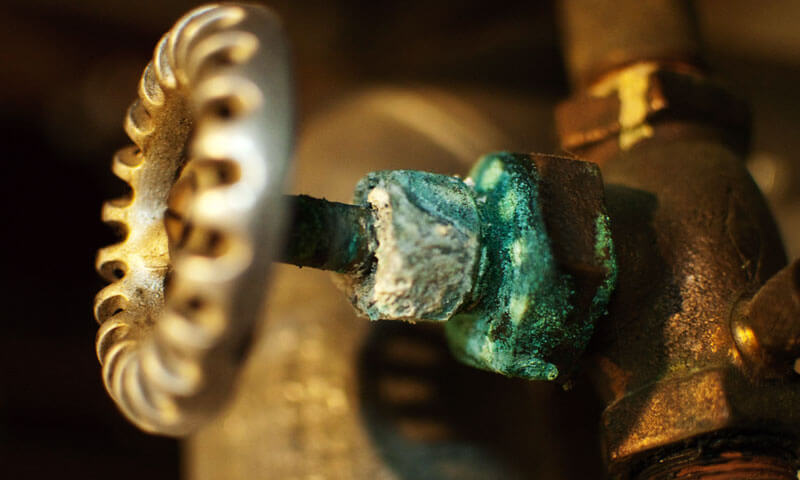
Déi routbrong oder gréngbrong Verfärbung déi op Messingflächen erscheint ass zerstéieren oder patinéieren, net Rust.
2. Wat ass Brass? Metallurgie a Kompositioun
Definitioun a Kompositioun
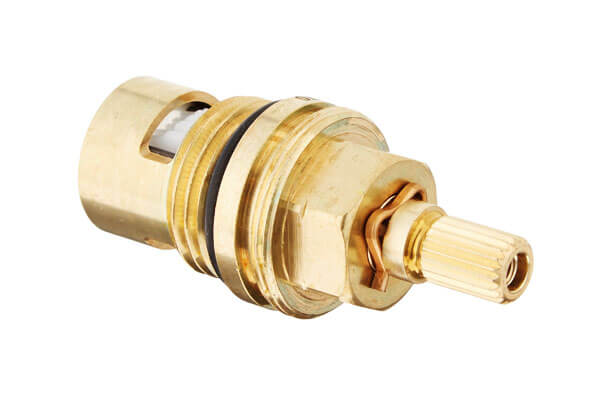
Bram Emmach ass e Kupfer-Zink (Cu-Zn) Legierung. Den Zinkgehalt rangéiert vun 5% iwwerbriechen 40%, mat zousätzlech Elementer wéi Bläi, tinn, Aluminium, Silicon, oder Arsen fir spezifesch Eegeschafte bäigefüügt.
| Tipps | Kupfer (%) | Zinc (%) | Aner Elementer | Schlëssel Eegeschafte |
| Alpha Brass | >65 | <35 | - | Dënsen Diskussioun, kal-schaffbar; Z.B., Cartouche Messing (70/30). |
| Alpha-Beta Messing | 55-65 | 35-45 | - | Méi staark, waarm schaffend; Z.B., Muntz Metal (60/40). |
| Beta Brass | <55 | >45 | - | Méi schwéier, méi brécheg; limitéiert Notzung. |
| Leed Messing | 57-62 | 33-40 | 1-3% Pb | Excellent Machinabilitéit; Z.B., C36000 (fräi ze schneiden). |
| Blech Messing | 70-80 | 15-25 | 1-5% Sn | Verbesserte Korrosiounsbeständegkeet; Z.B., Admiralitéit Messing. |
| Arsenesch Messing | 70-80 | 15-25 | 0.02-0,05% As | Widderstand géint Entzinkéierung. |
Kupfer-Zink Phase Diagram
Messing ass eng zolidd Léisung vu Zink a Kupfer. D'Zenk Zousatz stäerkt d'Legierung duerch zolidd Léisungshärt awer ännert och säi Korrosiounsverhalen wesentlech.
Schlëssel metallurgesch Punkten:
- Alpha Phase (FCC Struktur) - duktil, gutt corrosion Resistenz.
- Beta Phase (BCC Struktur) - méi schwéier, méi ufälleg fir Entzinkéierung.
- D'Phasebalance hänkt vum Zinkgehalt an der Temperatur of.
3. Wéi Messing tatsächlech korrodéiert
Obwuel Messing kann net Rust, et bleift chemesch aktiv an interagéiert kontinuéierlech mat sengem Ëmfeld.
Dës Interaktiounen féieren zu verschiddenen ënnerschiddleche Korrosiounsmechanismen, jidderee gëtt duerch verschidden elektrochemesch Prinzipien an Ëmweltbedéngungen regéiert.
Am Géigesaz zu Rust am Stol, Messing Korrosioun geet allgemeng duerch eng Sequenz vun Uewerflächentransformatiounen, Ufank mat mëll Oxidatioun an, ënner méi aggressiv Konditiounen, Entwéckelt sech zu lokaliséierten elektrochemeschen Attacken.
Éischt Surface Tarnishing: Déi éischt Stuf vun der Messing Oxidatioun
Déi fréizäitegst an allgemeng Ännerung, déi op Messing observéiert gëtt ass verschwannen.
Wann frësch fabrizéiert Messing u Loft ausgesat ass, Kupfer- an Zinkatome op der Uewerfläch reagéiere lues mat atmosphäresche Sauerstoff.
Ufank, dës Reaktioun bildt eng extrem dënn Schicht, déi haaptsächlech aus:
- Kupferoxid (Cu₂O an CuO)
- Zinc oxide (Zno Zno)
Dësen Oxidfilm ännert graduell d'Erscheinung vu Messing vu senger ursprénglecher hell gëllener Faarf op:
- Liicht giel
- Brong
- Donkel brong
- Gro
Den Taux vun der Tarnishing hänkt vu Faktoren of wéi z:
- Relativ Fiichtegkeet
- Zäitperei
- Loftverschmotzung
- Schwiewel-haltege Gase
- Fangerofdréck an Haut Ueleger
Géigesaz Stol Rust, dës dënn Oxidschicht ass kompakt, adherent, an allgemeng Schutzmoossnamen.
Anstatt d'Degradatioun ze beschleunegen, et handelt als Barrière déi weider Sauerstoffdiffusioun an déi ënnerierdesch Legierung reduzéiert.
Aus enger Ingenieursperspektiv, Tarnishing ass virun allem eng ästhetesch Ännerung an huet wéineg Impakt op d'strukturell Leeschtung vun Messing Komponente.
Patina Formatioun: Natur Schutzbeschichtung
Mat längerer Belaaschtung fir Outdoor-Ëmfeld, besonnesch déi mat Feuchtigkeit a Kuelendioxid, Messing mécht weider chemesch Reaktiounen, déi zu der Entwécklung vun engem féieren patina.
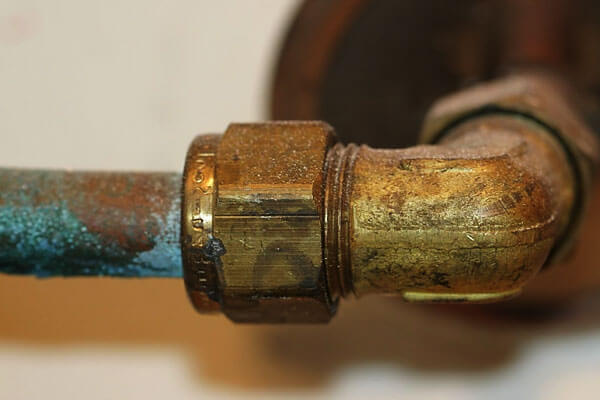
D'Patina besteet haaptsächlech aus stabile Korrosiounsprodukter wéi z:
- Kupferkarbonat
- Basis Kupferkarbonat
- Kupferhydroxid
- Kupfersulfat (an verschmotzten Atmosphären)
Je Ëmweltbedéngungen, d'Uewerfläch kann Faarwen entwéckelen, rangéiert vun donkelbrong bis charakteristesch gréng oder blo-gréng, déi op historesche Monumenter an architektonesch Feature gesi ginn.
Géigesaz Rust, déi porös ass a kontinuéierlech Korrosioun propagéiert, eng reife Patina ass dicht, chemesch stabil, an héich Schutzmoossnamen.
Et isoléiert déi ënnerierdesch Legierung vun der Atmosphär, däitlech verlangsamt spéider Korrosioun.
Dës natierlech Passivatioun erkläert firwat Joerhonnerte-al Messing Skulpturen, dekorativen Armature, a Patrimoine architektonesch Elementer behalen dacks excellent strukturell Integritéit trotz länger Outdoor Belaaschtung.
Dezincification: Déi bedeitendst Form vu Messing Korrosioun
Wärend Tarnishing a Patinabildung allgemeng gutt sinn, entzinkification ass en zerstéierende Korrosiounsmechanismus deen d'mechanesch Leeschtung vu Messing eescht behënnere kann.
Dezincification ass e selektiven Auslauchprozess an deem Zink, si méi elektrochemesch aktiv wéi Kupfer, léist sech léiwer aus der Legierung op wann se u bestëmmten Elektrolyte ausgesat ass, besonnesch chloridhaltegt Waasser.
Als Zénk gëtt ewechgeholl, de Rescht Material gëtt eng porös, Koffer-räiche Skelett mat staark reduzéierter Kraaft an Drocklagerfäegkeet.
Typesch Konditiounen déi Entzinkifikatioun förderen enthalen:
- Warm Drénkwaasser
- Seefakeefin
- Héich-chlorid Léisungen
- Stagnéiert Waassersystemer
- E bësse sauer Ëmfeld
Siichtbar Indikatoren enthalen:
- Rout oder rosa Verfärbung
- Wäiss Oflagerunge besteet aus Zinkkorrosiounsprodukter
- Uewerfläch Pitting
- Erhéicht Porositéit
- Leckage an Drockhaltege Komponenten
Fir kritesch Sanitär- a Marine Uwendungen, dezincification-resistent géint (RDA) Bram Emmach ass speziell konstruéiert mat kontrolléierten Legierungsergänzungen fir dëse selektive Korrosiounsmechanismus z'ënnerdrécken an d'Liewensdauer ze verlängeren.
Stress korrosion Cracking: E Hidden Failure Mechanismus
Aner wichteg, obwuel manner heefeg, Degradatiounsprozess ass Stress corrosion Rëss (Scomme SMC).
SCC geschitt wann dräi Konditioune gläichzäiteg existéieren:
- Eng ufälleg Messinglegierung
- Nohalteg Tensile Stress (entweder applizéiert oder Reschtoffall)
- E spezifescht korrosivt Ëmfeld, virun allem een deen Ammoniak oder Ammoniumverbindungen enthält
Anstatt eenheetleche Materialverloscht ze verursaachen, SCC féiert zu der Initiatioun an Ausbreedung vu feine Rëss, dacks laanscht Kärgrenzen.
Dës Rëss kënne mat wéineg sichtbar Uewerflächkorrosioun wuessen a kënne schlussendlech zu plötzlechen Resultat féieren, brécheg Fraktur.
Komponente a besonnesche Risiko enthalen:
- Ventil Stämme
- Kompressioun Armature
- Befestigungen
- Quellen
- Präzisioun machinéiert Deeler ënnerleien zu Reschtbearbeitungsspannungen
Stress-Relief Hëtzt Behandlung, adäquate Alliage Auswiel, a vermeiden ammoniakräiche Service Ëmfeld sinn efficace Strategien fir eng minimiséieren SCC Empfindlechkeet.
Uniform a lokaliséiert Korrosioun
An aggressiv chemeschen Ëmfeld, Brass kann och Erfahrung eenheetlech corrosion, wou d'Material lues a lues iwwer déi ganz beliicht Uewerfläch opgeléist gëtt, oder lokaliséiert Korrosioun, wou Attack an diskret Beräicher konzentréiert ass.
Staark Säuren, staark Alkalien, a bestëmmte industrielle Chemikalien kënnen d'Schutzoxidfilmer opléisen, féiert zu moossbare Metallverloscht mat der Zäit.
Géigesaz Rust, Wéi och ëmmer, dës Prozesser produzéiere keng expansiv Eisenoxid Skalen. Amplaz, d'Legierung gëtt lues a lues méi dënn oder entwéckelt sech lokal Grouwen, wärend de Gesamtmodus vun der Degradatioun grondsätzlech anescht bleift wéi d'Raschtverhalen vun Eisen a Stol.
Do do wor et och net, d'Evaluatioun vun der Messing Haltbarkeet erfuerdert seng spezifesch Korrosiounsmechanismen ze verstoen anstatt Konzepter ze benotzen, déi mat Eisenmaterialien verbonne sinn.
Galvanesch Korrosioun
Wann Messing mat engem méi noble Metal gekoppelt ass (Z.B., Edelstol, Kupfer) an engem konduktiven Ëmfeld, de Messing gëtt d'Anode a korrodéiert preferentiell.
| Koppel | Risiko Niveau | Präventiv Moossnam |
| Messing - Edelstol | Héichheet (Messing korrodéiert) | Benotzt isoléierend Wäschmaschinnen; vermeiden direkten Kontakt an naass Ëmfeld. |
| Messing - Kupfer | Wéineg bannen (ähnlech Potenzial) | Normalerweis akzeptabel. |
| Messing - Aluminium | Vill héich (Aluminium korrodéiert) | Isolatioun néideg. |
| Messing - Kuelestoff | Mëttelméisseg (Stahl korrodéiert) | Schützt Stol mat Beschichtung. |
4. Brass vs. Bronze: Corrosion Verglach
Messing a Bronze sinn dacks duercherneen. Hir Korrosiounsverhalen ënnerscheet sech wéinst dem primäre Legierungselement (Zink an Messing; Blech aus Bronze).
| Prowalange | Bram Emmach (Cu-Zn) | Bronze (Mat Sn) |
| Primärlegierungselement | Zinc | Tinn |
| Corrosion Mechanismus | Dezincification, allgemeng zerstéiert | Selektiv Zinn Ausleechung (seelen), Bronze Krankheet |
| Mierwaasser Resistenz | Aarm (Entzinkungsrisiko) | Explaz vun engem exzellenten (Zinn Bronze, Al Bronze) |
| Verschlechterung | Schnell; gréng / brong Patina | Méi lues; gréng / brong Patina |
| Stress corrosion | Ufälleg (ammoniak, mercuric Salzer) | Allgemeng resistent |
| Bimetallesch Korrosioun | Mëttelméisseg (Koppelen mat Edelmetaller) | Gutt (manner ufälleg fir galvanesch Attack) |
5. Ëmweltfaktoren déi Messingkorrosioun beaflossen
Obwuel Messing net rust, säi Korrosiounsverhalen ass héich ofhängeg vun der Ëmwelt an där se funktionnéiert.
D'Stabilitéit vum Schutzoxidfilm deen natierlech op Messing formt ka wesentlech beaflosst ginn fiichtegkeet, pollutanten, Zäitperei, Waasser Chimie, pH, a mechanesch Stress.
Fiichtegkeet a Feuchtigkeit
D'Feuchtigkeit ass ee vun den beaflosststen Faktoren, déi Messingkorrosioun beaflossen.
Waasser wierkt als Elektrolyt, Erlaabt elektrochemesch Reaktiounen tëscht der Legierungsfläch a senger Ëmgéigend Ëmfeld.
Wéi d'relativ Fiichtegkeet eropgeet, en dënnem Feuchtigkeitfilm entwéckelt sech no an no op der Messingoberfläche, Erliichtert Sauerstoffdiffusioun an ioneschen Transport.
An dréchen Loft, Oxidatioun geschitt lues a produzéiert typesch nëmmen eng dënn, kompakt Oxidfilm.
Wéi d'Fiichtegkeet eropgeet, Oxidatioun beschleunegt, doraus zu méi ausgeschwat Tarnishing an eventuell Patina Formatioun.
Ënner kontinuéierlech naass oder ënner Waasser Konditiounen, d'Schutzoxidschicht kann onbestänneg ginn, d'Wahrscheinlechkeet vu lokaliséierter Korrosioun erhéijen.
Den Afloss vun der Fiichtegkeet op Messing Korrosioun kann wéi follegt zesummegefaasst ginn:
| Relativ Fiichtegkeet / Gefor | Typesch Korrosiounsverhalen | Korrosioun Gravitéit |
| Ënner derbäi 30% RH | Minimal atmosphäresch Oxidatioun; Uewerfläch bleift hell fir verlängert Perioden | Ganz neschloss |
| 30-60% RH | Graduell Verschlechterung; stabile Oxidfilm entwéckelt | Niddereg bis moderéiert |
| uewen 60% RH | Méi séier Oxidatioun a Verfärbung; Pollutanten kënnen d'Korrosioun beschleunegen | Moderéiert bis héich |
| Kontinuéierlech Befeuchtung oder Tauche | Aktiv elektrochemesch Korrosioun; Risiko vun Entzinkéierung am stagnéierte Waasser | Vill héich |
Atmosphäresch Pollutanten
Loftverschmotzung kënnen d'Korrosiounsverhalen vu Messing dramatesch änneren andeems se mat senger natierlecher Schutzoxidschicht interagéieren.
Industriell Emissiounen, Marine Aerosolen, a chemesch Dämpfer beschleunegen dacks Uewerflächegradatioun duerch spezifesch elektrochemesch Mechanismen.
Déi bedeitendst atmosphäresch Verschmotzung, déi Messing beaflossen, enthalen Schwefelverbindungen, Chorlungs-ugeglach, ammoniak, an oxidéierend Gasen.
| Pollutant | Primär Effekt op Messing | Corrosion Mechanismus |
| Schwefeldioxid (SO₂) | Beschleunegt Verschlechterung an donkel Verfärbung | Bildung vu Kupfersulfiden (Cu₂S) |
| Chloridionen (Salz Spraydousen) | Pitting an Entzinkéierung | Zerfall vu passiven Oxidfilmer |
| Ammoniak (NH₃) | Stress corrosion Rëss | Getreidegrenzattack ënner Spannstress |
| Ozon (O₃) | Beschleunegt Oxidatioun | Erhéicht Oxidbildungsrate |
Schwefeldioxid (SO₂)
Schwefeldioxid, allgemeng an industriellen an urbanen Atmosphäre fonnt, reagéiert liicht mat Kupfer op der Messingoberfläche fir Kupfersulfiden ze bilden.
Dës Verbindunge produzéieren déi charakteristesch donkelbrong oder schwaarz Verschmotzung, déi dacks op Messing beobachtet gëtt, déi un verschmotzt Loft ausgesat ass.
Och wann dës Zerstéierung allgemeng iwwerflächlech ass, länger Belaaschtung kann allgemeng Oxidatiounsraten beschleunegen an d'ästhetesch Erscheinung vun dekorativen Komponenten reduzéieren.
Chloridhalteg Ëmfeld
Chloridionen gehéieren zu den aggressivsten Arten, déi Messing beaflossen.
Küstregiounen, Offshore Plattformen, desalination Planzen, an Marine Ausrüstung sinn kontinuéierlech ze Salz-Laden Loft ausgesat.
Chloriden destabiliséieren déi passiv Oxidschicht a förderen:
- Lokaliséiert Pitting
- Spuerkorrosioun
- Dezincification
- Galvanesch Korrosioun wann ënnerschiddlech Metaller präsent sinn
Fir dës Uwendungen, Marine Messing, Silikon Messing, oder dezincification-resistent géint (RDA) Messing ass normalerweis recommandéiert.
Ammoniak Belaaschtung
Och wann Ammoniak wéineg Effekt op onbetonte Messing huet, et gëtt héich zerstéierend wann se kombinéiert mat Rescht oder ugewandten Spannspannungen.
Ënner dëse Konditiounen, Ammoniak kann d'Grenze vu Getreide penetréieren an initiéieren Stress corrosion Rëss (Scomme SMC).
Dëst Phänomen ass besonnesch geféierlech well:
- Rëss kënnen entwéckelen ouni bedeitend Materialverloscht.
- Echec kann op eemol mat wéineg externen Warnung geschéien.
- Mechanesch Kraaft verschlechtert laang ier siichtbar Korrosioun erschéngt.
Komponente wéi Ventilstämm, Kompressioun Armature, Quellen, a Befestigungen erfuerderen virsiichteg Legierungsauswiel a Stressreliefbehandlung wann Ammoniakbelaaschtung erwaart gëtt.
Ozon a staark oxidéierend Atmosphär
Ozon ass en héich reaktiven Oxidatiounsmëttel deen den Taux vun der Oxidfilmbildung op Messingoberflächen erhéicht.
Wärend déi doraus resultéierend Oxidschicht ënner mëlle Bedéngungen schützend bleift, verlängert Belaaschtung fir héich Ozonkonzentratioune kann Verfärbung an Uewerflächalterung beschleunegen.
Zäitperei
Temperatur beaflosst direkt d'Korrosiounskinetik duerch d'Erhéijung vun der atomarer Diffusioun, chemesch Reaktiounsraten, an elektrochemesch Aktivitéit.
Am Allgemengen, all Temperaturerhéijung beschleunegt d'Oxidatioun a Korrosioun, obwuel de spezifesche Mechanismus hänkt vun der Legierung an Service Ëmfeld.
| Temperaturbereich | Typesch Korrosiounsverhalen |
| -10°C bis 40°C | Lues Oxidatioun; Schutzpatina entwéckelt sech lues a lues |
| 40°C bis 80°C | Korrosiounsreaktiounen beschleunegen; Oxidatioun kann zwee bis fënnef Mol méi séier optrieden wéi bei Ëmfeldtemperatur |
| Iwwer 80°C | Erhéicht Risiko vun Entzinkéierung, Oxid Verdickung, a waarm Waasser corrosion |
| Ënner -100 ° C | Extrem niddereg Korrosiounsraten; Messing behält exzellent Zähegkeet an Duktilitéit |
pH vun Waasserléisungen
D'Aciditéit oder d'Alkalinitéit vun engem wässerlechen Ëmfeld huet e groussen Afloss op Messing-Korrosioun, well de pH souwuel d'Stabilitéit vu Schutzoxidfilmen an d'elektrochemesch Opléisung vu Kupfer an Zink beaflosst..
| pH Beräich | Korrosioun Gravitéit | Dominant Mechanismus |
| Ënner derbäi 4 (Staark sauer) | Héichheet | Schnell Opléisung vu Kupfer an Zink |
| pH 4-8 (Neutral bis liicht sauer) | Mëttelméisseg | Verschlechtert mat Schutzoxidbildung |
| pH 8-12 (Mëll alkaline) | Wéineg bannen | Stabil Oxid- an Hydroxidfilme bidden Schutz |
| uewen 12 (Staark alkalesch) | Mëttelméisseg | Kupfer Opléisung an alkalesche komplexen Ëmfeld |
6. Corrosion Produkter op Messing: Wat erschéngt op der Uewerfläch?
D'Verfärbung, déi op Messingoberflächen erscheint, ass net Rust; et ass eng Mëschung aus Kupfer a Zinkverbindungen.
| Faarf | Primärverbindung | Formatioun Zoustand |
| Hell giel-gold | Clean Cu-Zn Legierung Uewerfläch | Frësch machinéiert oder poléiert. |
| rout-brong | Kupferoxid (Cu₂O) | Éischt Oxidatioun an der Loft. |
| Brong / donkel brong | Kupferoxid (CuO) + zinc oxide (Zno Zno) | Verlängert Belaaschtung fir Loft a Feuchtigkeit. |
| Gro / schwaarz | Kupfersulfid (Cu₂S) + Zinksulfid | Industriell Atmosphär (SO₂, H₂s). |
| Gréng / blo-gréng | Basis Kupferkarbonat (Cu₂CO₃(Oh)₂) | Laangfristeg atmosphäresch Belaaschtung (patina). |
| Blo-gréng | Kupferchlorid (CuCl₂) | Marine / chlorid Ëmfeld. |
| Wäiss / puderesch | Zinc oxide (Zno Zno) oder Zinkkarbonat | Präferenz Zinkkorrosioun (entzinkification). |
| Rosa / rout | Kupferreiche Rescht | Dezincification (Zink erausgeklomm, Kupferreschter). |
7. Verhënnerung vu Korrosioun am Messing
Alloy Auswiel
| Legowon | Korrosioun Resistenz | Gëeegent Ëmfeld |
| C87610 / C87850 (Silikon Messing) | Explaz vun engem exzellenten (dezincification-resistent géint) | Drénkwaasser, Marine, Chemeschen. |
| C87400 / C87500 (Silikon Messing) | Ganz gutt | Allgemeng industriell. |
| C68700 (arsenesch Admiralitéit Messing) | Gutt (waasserdicht) | Kondenser, Hëtztaustauschter. |
| C46400 (Marine Messing) | Mëttelméisseg (Entzinkungsrisiko) | Séisswaasser, Marine (mat Schutz). |
| C36000 (geleed Messing) | Aarm (niddereg corrosion Resistenz) | Indoor dréchen, machined Deeler nëmmen. |
Uewerfläch Behandlungen
| Behandlung | Zweck | Methmeter |
| Lackéieren | Verhënnert Verschmotzung | Klar Acryl- oder Polyurethanbeschichtung. |
| Passivatioun | Bildt eng Schutzoxidschicht | Salpetersäure Dip (10-25%, 40-60°C). |
| Chromate Konversioun | Verbessert Korrosiounsbeständegkeet | Chromsäurebehandlung (giel oder kloer). |
| Anodiséieren | Déck Oxidschicht fir Verschleiung / Korrosioun | Anodesch Oxidatioun (limitéiert Notzung op Messing). |
| Elektroplating | Dekorativ / Schutzschicht | Nickel, Chrogium, oder Goldplating. |
Beschichtungen an Inhibitoren
| Zoulechtéieren / inhibitor | D'Applikatioun | Effektivitéit |
| Kloer Lack | Dekorative Hardware | Gutt (2-5 Joer). |
| Benzotriazol (BTA) | Corrosion inhibitor fir Kupferlegierungen | Explaz vun engem exzellenten; bildt Schutzfilm. |
| Waasser-baséiert Sealer | Architektonescht Messing | Mëttelméisseg; erfuerdert nei Uwendung. |
| UeleP / Wäsch | Tool Fläch | Temporär; brauch nei Uwendung. |
8. Botzen an Ënnerhalt Brass
Och wann Messing héich resistent géint Rost ass a bitt exzellent laangfristeg Haltbarkeet, seng Erscheinung an d'Korrosiounsbeständegkeet kënne wesentlech duerch richteg Ënnerhalt beaflosst ginn.
Routine Botzen fir alldeeglech Ënnerhalt
Regelméisseg Botzen vun Messing Komponente ass den einfachsten an effektivste Wee fir de Service Liewen ze verlängeren.
Ewechzehuelen Stëbs, Fett, Fangerofdréck, Salzer, an industrielle Pollutanten hëlleft d'Verschmotzung vun der Oxidatioun ze beschleunegen oder lokaliséiert Korrosioun ze initiéieren.
Fir déi meescht Stot an industriell Uwendungen, e mëllen Tuch kombinéiert mat waarmem Waasser an enger mëller Seifeléisung ass genuch fir Uewerflächeschmutz ze läschen ouni de Schutzoxidfilm ze beschiedegen.
No Botzen, d'Uewerfläch soll ëmmer grëndlech mat propperem Waasser gespullt a komplett getrocknt ginn, fir datt d'Reschtfeuchtigkeit net d'Korrosioun fördert.
Routine Botzen ass besonnesch gutt fir:
- Dekorative Hardware
- Dier geréiert
- Sanitär Ariichtungen
- Musikalesch Instrumenter
- Präzisioun mechanesch Komponente
- Elektresch Hardware
Géigesaz aggressiv poléieren, sanft Botzen behält d'Integritéit vun der natierlecher Oxidschicht wärend en attraktiven Erscheinungsbild behalen.
Ewechzehuelen Tarnish
Wéi Brass Alter, D'Oxidatioun ännert lues a lues seng hell gëllen Faarf op Nuancen vu Braun, donkel Bronze, oder schwaarz.
Dës Verschmotzung ass typesch op d'Uewerfläch agespaart a weist keng strukturell Verschlechterung un.
Verschidde Reinigungsmethoden kënnen d'Verschmotzung effektiv ewechhuelen.
Mëll Bio Botzen Léisungen
Natierlech sauer Botzmëttel, wéi Esseg kombinéiert mat Salz oder Zitrounejus gemëscht mat Bakpulver, gi wäit benotzt fir moderéiert Verschmotzung ze läschen.
Déi mëll Säure léist d'Uewerflächoxidatioun op, während déi sanft abrasiv Handlung hëlleft den originelle metallesche Finish ze restauréieren.
Wéi och ëmmer, well dës Léisungen sauer sinn, si sollen net laang op der Messing Uewerfläch bleiwen.
No Behandlung, d'Komponente soll grëndlech mat propperem Waasser gespullt ginn an direkt gedréchent ginn fir all verbleiwen sauerreschter ze eliminéieren.
Dës Methoden sinn allgemeng gëeegent fir:
- Dekorative Messing Ornamenten
- Stot Ariichtungen
- Kichen Hardware
- Liicht gestéiert Accessoiren
Commercial Messing Polnesch
Fir schwéier verschmiert Messing, kommerziell Polierverbindunge bidden méi séier a méi konsequent Resultater.
Dës Produkter enthalen typesch fein abrasiv Partikelen a chemesch Botzmëttelen déi d'Oxidatioun ewechhuelen an de charakteristesche gëllene Glanz restauréieren.
Wärend Polieren verbessert d'Erscheinung staark, et läscht och en Deel vun der natierlech entwéckelt Oxid Layer an, An e puer Fäll, déi Schutzpatina.
Exzessiv oder heefeg poléieren kann Uewerflächeschutz graduell reduzéieren an d'Erscheinung vun antiken oder historesche Messingobjekter änneren.
Duerfir, kommerziell poléieren soll selektiv benotzt ginn anstatt als Routine Ënnerhalt.
Botzmëttelen ze vermeiden
Net all Botzchemikalien si fir Messing gëeegent.
Ee vun de wichtegste Virsiichtsmoossnamen ass ze vermeiden Ammoniak-baséiert Botzmëttelen, besonnesch fir betount oder tragend Messing Komponenten.
Ammoniak ass bekannt fir ze promoten Stress corrosion Rëss (Scomme SMC) an ufälleg Messing Legierungen.
Och relativ niddreg Konzentratioune kënnen d'Grenze vu Kären penetréieren an mikroskopesch Rëss initiéieren, wann se kombinéiert mat Rescht- oder ugewandte Spannspannungen.
Aus dësem Grond, Ammoniak-haltege Botzmëttelen sollen ni benotzt ginn op:
- Ventil Komponente
- Kompressioun Armature
- Quellen
- Befestigungen
- Cartouche Fäll
- Präzisioun mechanesch Deeler
Ähnlech, héich konzentréiert Säuren, staark Alkalien, abrasive Stol Woll, an aggressiv poléieren Handwierksgeschir soll vermeide ginn, ausser speziell fir industriell Restauratioun recommandéiert.
Schutzmoossnamen Uewerfläch Behandlungen
Botz alleng verhënnert net zukünfteg Oxidatioun.
Nodeems d'Uewerfläch gebotzt gouf, vill Messingkomponente profitéieren vun zousätzleche Schutzbehandlungen déi d'Metall vu Feuchtigkeit an Atmosphäresch Verschmotzung isoléieren.
Gemeinsam Schutzmethoden enthalen:
Wax Coatings
Mikrokristallin Wachs oder héichqualitativ Pastewachs bildt eng dënn hydrophobe Barrière iwwer d'Messing Uewerfläch.
Waxbeschichtungen bidden verschidde Virdeeler:
- Reduzéieren Sauerstoff Belaaschtung
- Entstinn Feuchtigkeit
- Lues Verschlechterung
- Erhaalen Uewerfläch Erscheinung
- Erhalen natierleche metallesche Glanz
Wax Schutz gëtt wäit benotzt fir dekorativ architektonesch Messing a Muséesartefakte.
Schutzmoossnamen Ueleger
Liicht Mineralöle ginn dacks op industrielle Messingkomponente wärend der Lagerung oder Transport ugewannt.
Ueleg Filmer schützen géint:
- Fiichtegkeet
- Fangerofdréck
- Temporär atmosphäresch Oxidatioun
Obwuel Uelegbeschichtungen periodesch Erneierung erfuerderen, si bidden eng preiswert Léisung fir kuerzfristeg Korrosiounsschutz.
Lackbeschichtungen
Kloer Lack bildt eng transparent Schutzbarriär déi den direkte Kontakt tëscht der Messing Uewerfläch an der Ëmgéigend verhënnert.
Lackbeschichtungen ginn allgemeng applizéiert:
- Dier Hardware
- Beliichtung Ariichtungen
- Dekorativ Trimm
- Musikalesch Instrumenter
Wann richteg gepflegt, Lack reduzéiert däitlech de Bedierfnes fir ze poléieren andeems d'Oxidatioun vun der éischter Plaz verhënnert gëtt.
Elektroplatéiert Beschichtungen
Fir exigent industriell Uwendungen, Messing ka mat Metaller wéi Nickel oder Chrom elektroplatéiert ginn.
Electroplating stellt:
- Verbesserte Korrosiounsbeständegkeet
- Méi héich Verschleißbeständegkeet
- Erweidert dekorativ Erscheinung
- Méi chemesch Stabilitéit
Elektresch Stecker sinn dacks mat Zinn plated, Sëlwer, oder Gold fir niddereg Kontaktresistenz z'erhalen wärend de ënnerierdesche Messingsubstrat schützt.
Erhaalen natierlech Patina
Net all Messing soll zu engem helle Finish poléiert ginn.
Fir vill architektonesch, historesch, an artistesch Uwendungen, déi natierlech entwéckelt Patina gëllt als ästhetesch wäertvoll a funktionell nëtzlech.
Déi gréng oder donkel Bronzefläch, déi op historesche Gebaier a Monumenter gesi gëtt, ass keen Zeeche vu Verschlechterung, awer eng stabil Schutzschicht déi weider Korrosioun verlangsamt.
Do do wor et och net, Konservatiounsspezialisten behalen allgemeng anstatt reife Patina ze läschen.
Fir architektonescht Messing ausgesat zu Outdoor Ëmfeld, Ënnerhalt besteet dacks aus periodeschen Botzen gefollegt vun der Uwendung vu Schutzwachs, erlaabt datt d'Patina sech natierlech weider entwéckelen.
9. Uwendungen Wou Messing Korrosioun Matters
| Industrie | Typesch Messing Komponenten | Corrosion Bedenken | Mitigéieren |
| PLURSLING | D'Ventil, Arméi, faucets | Dezincification; Bläi ausléisen | Benotzt DR Messing (C87610, C87850). |
| Marine | Propeller shafts, Mierwaasser Pompelen | Dezincification, Paéierung | Benotzt Marine Messing (C46400) oder Silicium Messing. |
| Elektell | Terminals, Stuerk, Schalter | Verschlechterung (erhéicht Kontaktresistenz) | Sëlwer oder Zinnbeschichtung. |
| Automotiv | Heikplazen, Heizkierper, Stuerk | Korrosioun vu Kältemëttel, Salzer | Benotzt arsenesch Messing; adäquate Kältemëttel Ënnerhalt. |
| Architektonesch | Gelänner, Dier Hardware, Iwwerdaach | Atmosphäresch Verschlechterung, patina | Lack oder erlaabt natierlech Patina. |
| Musikalesch Instrumenter | Trompetten, Trombonnen, saxophon | Verschlechterung (ästhetesch) | Regelméisseg Botzen; Lackbeschichtung. |
| Munitioun | Cartouche Fäll (C26000) | Saison knacken (ammoniak) | Stress Relief; kontrolléiert Stockage. |
| Konsument Hardware | Schleisen, Hënn, Schlësselen | Verschlechterung (kosmetesch) | Lack; regelméisseg poléieren. |
10. E Resumé Verglach: Brass vs Rust
| Kriteur | Rust op Eisen / Stol | Korrosioun op Messing |
| Chemesch Definitioun | Hydratéiert Eisenoxid (Fe₂O₃·nH₂O) | Kupfer an Zinkoxid, carbonates, Chorlungs-ugeglach, sulfiden. |
| Néideg Element | Eisen (Fe) | Kupfer (CU-) an Zénk (Zn). |
| Faarf | Rout-brong, orange-brong | Brong, schwaarz, gréng, blo-gréng, rout-rosa (entzinkification). |
| Struktur | Flakky, porös, net adherent | Oft anhalen (patina); kann puderesch sinn (entzinkification). |
| Volumen Erweiderung | 3-7× (verursacht Spatzen) | Minimal bis mëttelméisseg (Patina ass schützend). |
| Schutzmoossnamen Effekt | Keen (Rust beschleunegt d'Korrosioun) | Jo (Patina verlangsamt weider Korrosioun). |
| Präventioun | Faarwen, galvaniséieren, UeleP, Legierung | Wielt DR Legierung; lack; isoléieren. |
| Reparatur | Schrauwen / ewechhuelen; nei gemoolt | Polnesch; aktiv Korrosioun ewechzehuelen; reseal. |
11. Conclusioun
Esou, mécht Messing Rust? Déi wëssenschaftlech Äntwert ass eendeiteg: Nee. Messing rust net well Rost e Korrosiounsprodukt eenzegaarteg ass fir Eisen a Stol, wärend Messing eng Kupfer-Zinklegierung ass déi praktesch keen Eisen enthält.
Trotzdem, Messing ass net immun géint Ëmweltdegradatioun.
Während sengem Service Liewen, et erfëllt eng Vielfalt vu Korrosiounsprozesser - dorënner Oxidatioun, verschwannen, Patina Bildung, entzinkification, an an, ënner spezifesche Konditiounen, Stress corrosion Rëss.
Dës Mechanismen ënnerscheede sech grondsätzlech vun der Rustung vu Ferromaterialien a béid Chimie an der Ingenieurs Bedeitung.
Schlussendlech, den Ënnerscheed tëscht verstoen rust an an Messing Korrosioun ass wesentlech fir Ingenieuren, Designer, Hiersteller, an Enn Benotzer gläich.
Andeems Dir déi entspriechend Legierung auswielen, Betruecht der Betribssystemer Ëmfeld, an applizéiert gesond Ënnerhalt Praktiken,
Messing Komponente kënnen aussergewéinlech Zouverlässegkeet liwweren, exzellent Korrosion Resistenz, an eng aussergewéinlech laang Liewensdauer an enger breet Palette vun industriellen a kommerziellen Uwendungen.
Oft gestallte Froen
Brass Rust am Waasser?
Nee, Messing net rust (Form Eisenoxid). Wéi och ëmmer, Messing korrodéiert am Waasser, besonnesch stagnant oder sauer Waasser, wou Entzinkéierung ka geschéien.
Benotzt dezincification-resistent géint Brass fir Waasser Uwendungen.
Firwat gëtt meng Messing gréng?
Déi gréng Faarf ass eng Schutzpatina vu Basis Kupferkarbonat (Cu₂CO₃(Oh)₂) .
Et formt sech wann Messing iwwer eng laang Zäit u Feuchtigkeit a Kuelendioxid ausgesat ass. Et ass net schiedlech - et schützt tatsächlech d'Metall.
Brass Rust am Salzwaasser?
Messing rust net, awer et corrodéiert am Salzwaasser.
Héich-Zink Messing ass ufälleg fir Entzinkéierung a Pitting a Chlorëmfeld. Silicon Messing a Bronze si léiwer fir Marine Uwendungen.
Kann Messing Rust wéi Eisen?
Nee. Rust ass spezifesch fir Eisen a seng Legierungen (Stum, Zoss). Messing enthält keen Eisen (ausser als Spuer Gëftstoffer), also kann et net Rust bilden.
Wéi läschen ech gréng Korrosioun aus Messing?
Fir mëll gréng Patina, benotzen eng kommerziell Messing polnesche oder eng Mëschung aus Zitrounejus a Salz.
Fir schwéier oder pitted corrosion, berufflech Botzen a Stabiliséierung (mat BTA) kann néideg sinn.
Gëtt Messing schwaarz?
Jo. An industriellen Atmosphäre mat Schwefelverbindungen, Messing bildt e gro-schwaarze Kupfersulfidfilm. Dëst ass eng Form vu Verschmotzung, net Rust.