
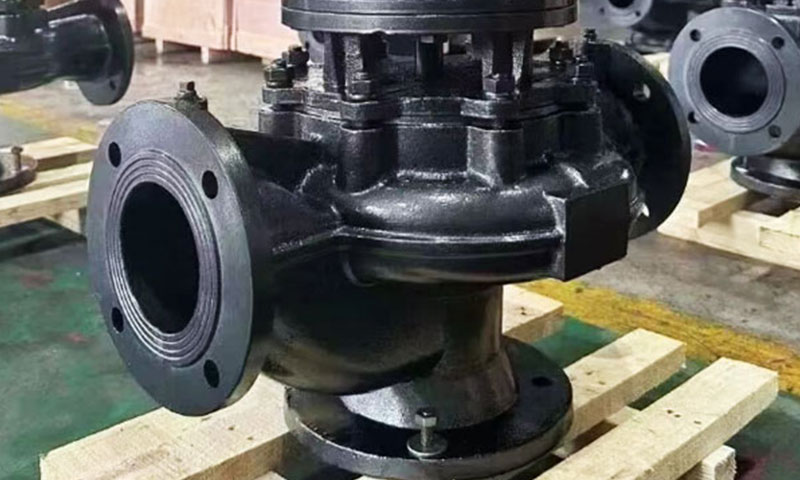
Pompelgehäuse sinn de strukturelle Réckgrat vun all Pompelsystem, den Impeller ëmschléissen an de Flëssegkeetsfloss riichten wärend den internen Drock widderstoen, korrosive Medien, a mechanesch Stress.
Wann dës Wunnengen erfuerderlech sinn fir aggressiv Flëssegkeeten ze handhaben, Héich Temperaturen, oder sanitär Konditiounen, Edelstol gëtt d'Material vun der Wiel, an an Investitiouns Casting entsteet als déi léifste Fabrikatiounsmethod fir komplex Geometrie mat aussergewéinlecher Präzisioun an Uewerflächqualitéit z'erreechen.
STAINLESS Stol Pompel Wunnengen produzéiert duerch Investitioun Goss bidden eng eenzegaarteg Kombinatioun vun corrosion Resistenz, mechanesch Stäerkt, dimensional Genauegkeet, an Design Fräiheet déi vun anere Fabrikatioun routes ongläiche ass.
Vu chemescher Veraarbechtung a Marine Uwendungen bis Liewensmëttel a pharmazeutesch Industrien, Investitiounsgegoss Edelstahl Pompelhäiser bidden zouverlässeg, laang Liewensdauer Léisunge fir déi exigent Flesseggassystem Uwendungen.
1. Wat ass e Edelstahl Pompelhaus?
A K) Edelstol Pompel Wunneng ass de primäre externe strukturelle Bestanddeel vun enger Pompelversammlung déi intern rotéierend Komponenten ëmschléisst a schützt wärend d'Bewegung vun der gepompelter Flëssegkeet kontrolléiert..
Et gëtt och allgemeng als a bezeechent Pompel casing, Pompel Kierper, oder, an Zentrifugal Pompel Designs, A K) volute casing.
Als ee vun de kriteschsten Drockhaltege Komponenten an engem Pompelsystem, d'Wunneng ass verantwortlech fir d'Strukturstabilitéit ënner kontinuéierleche Betribsbedingungen z'erhalen.
Et muss intern Flëssegkeetsdrock widderstoen, hydraulesch Impakt, Vibratioun, mechanesch Lasten, Temperaturvariatioune, a laangfristeg Belaaschtung fir potenziell aggressiv Medien.

Am Géigesaz zu einfache Schutzdeckelen, engem Pompel Wunneng direkt Afloss Pompel Effizienz, Zouverlässegkeet, an Service Liewen.
Seng intern Geometrie bestëmmt wéi effektiv kinetesch Energie generéiert vum Impeller an Drockenergie ëmgewandelt gëtt, während seng Material Charakteristiken Resistenz géint corrosion bestëmmen, Erosioun, a mechanesch Echec.
Edelstahl Pompelgehäuse gi wäit an usprochsvollen industriellen Ëmfeld benotzt well Edelstol exzellent Korrosiounsbeständegkeet mat héijer mechanescher Kraaft kombinéiert,
mécht et gëeegent fir Uwendungen mat Chemikalien, Mierwaasser, Liewensmëttel Produiten, pharmazeutesch, an héich Rengheet Flëssegkeeten.
Haaptfunktiounen vun engem Edelstahl Pompelhaus
| Funioun | Broessdatsch |
| Flow Richtung | Füügt Flëssegkeet vum Impeller an den Auslaascht mat minimalem Turbulenz. |
| Drock enthalen | Widderstand intern Drock generéiert vun der Pompel. |
| Impeller Ënnerstëtzung | Bitt e Montage-Interface fir den Impellerwelle a Lager. |
| Dichtungsfläch | Bitt Opriichte Fläch fir Seals, Dichtungen, a Verbindungen. |
| Strukturell Integritéit | Resistéiert extern Lasten, Vibratioun, an thermesch Expansioun. |
| Corrosion Schutz | Schützt intern Komponente vu korrosive Medien. |
Schlëssel Design Feature vun engem Pompelhaus
| D'Feature | Broessdatsch | Wichteg sinn |
| Volute Chamber | De spiralfërmege Passage deen d'Geschwindegkeet an den Drock ëmgewandelt. | Bestëmmt d'Effizienz an d'Performance vun der Pompel. |
| Sauginngang | Flësseg Entrée Punkt. | Muss glat sinn fir Turbulenzen ze minimiséieren. |
| Auslaaf aus | Flësseg Ausgangspunkt. | Drockhalteg; muss maximal Betribsdrock widderstoen. |
| Montéierung Féiss | Strukturell Ënnerstëtzer fir d'Pompel. | Muss steif sinn fir d'Ausrichtung z'erhalen. |
| Flange Verbindungen | Interfaces mat Piping. | Muss leckdicht a dimensionell korrekt sinn. |
| Lagerhaus | Ënnerstëtzung fir de Pompel Schacht. | Verlaangt präzis Ausrichtung. |
| Drain Plugs | Fir Ënnerhalt a Botzen. | Wichteg fir Hygiène an Ënnerhalt. |
2. Firwat Ass Investment Casting Ideal fir Edelstahl Pompelhaiser?
Edelstahl Pompelgehäuse si kritesch Komponenten déi direkt d'Effizienz vun der Pompel beaflossen, Zouverlässegkeet, an Service Liewen.
Hir Designen involvéieren dacks komplex intern Flowkanäl, kromme Volute Strukturen, Präzisioun Versiegelung Beräicher, an onregelméisseg extern Geometrien déi schwéier wirtschaftlech mat traditionelle Fabrikatiounsmethoden ze fabrizéieren.
Ënnert verschiddenen Fabrikatiounstechnologien, Investitiouns Casting (verluer Wax Goss) ass ee vun de gëeegentste Prozesser fir personaliséiert Edelstahl Pompelhäiser ze produzéieren.
Et bitt en exzellente Gläichgewiicht tëscht Designflexibilitéit, dimensional Genauegkeet, Material Leeschtung, an Produktioun Effizienz, mécht et wäit ugeholl fir héich performant industriell Pompel Uwendungen.

Komplex Geometrie Kapazitéit fir Hydraulesch Optimiséierung
Déi intern Geometrie vun engem Pompelhaus huet en direkten Impakt op d'hydraulesch Leeschtung.
Komponente wéi Volute Chambers, kromme Passagen, Inlet Channels, an Offlossquantitéiten erfuerderen glat a korrekt Formen fir Turbulenzen ze minimiséieren an d'Energieeffizienz ze verbesseren.
Investitiounsguss erlaabt d'Fabrikanten héich komplex Geometrien ze reproduzéieren déi schwéier oder deier wier ze erreechen duerch konventionell Maschinn oder geschweißt Fabrikatioun.
Well d'Wachsmuster gëtt direkt aus der entworf Geometrie geformt, Ingenieuren kënnen optimiséieren:
- Interne Flux Passagen
- Wanddicke Verdeelung
- Verstäerkung Strukturen
- Verbindung Configuratioun
- Kompakt Wunnengsdesign
Dës Designfräiheet erlaabt Pompelhersteller Wunnengen mat verbesserte hydraulesche Leeschtung z'entwéckelen, wärend strukturell Zouverlässegkeet behalen.
Near-Net-Shape Fabrikatioun Reduzéiert Material Offall
Edelstol ass e wäertvollt Ingenieursmaterial, an effizient Materialverbrauch ass eng wichteg Iwwerleeung bei der Komponentfabrikatioun.
Traditionell Bearbechtungsmethoden erfuerderen dacks d'Entfernung vu grousse Quantitéiten un Edelstahl aus massive Blöden, wat zu bedeitende Materialverschwendung an erhéicht Veraarbechtungskäschte resultéiert.
Beweegt Fabrikatioun kann MÉI Placke verlaangen, Formatioun Operatiounen, an zousätzlech Veraarbechtungsprozeduren.
Investitioun Guss produzéiert Komponente vill méi no un hir lescht Geometrie. D'Nop-Net-Form Charakteristiken reduzéieren:
- Matière première Konsum
- Machining Zäit
- Produktioun Schrëtt
- Fabrikatioun Käschten
Fir komplex Pompel Wunnengen, dëse Virdeel gëtt besonnesch bedeitendst well vill vun der Finale Form direkt während Goss generéiert ass.
Exzellent Dimensiounsgenauegkeet an Uewerflächqualitéit
Pompelgehäuse erfuerderen präzis Dimensiounskontroll well se mat multiple Komponenten integréiere mussen, dorënner impellers, Schëffster, mechanesch Seals, a piping Systemer.
Investitiounsguss bitt exzellent Dimensiounsgenauegkeet wéinst der héijer Präzisioun vu Waxmuster a Keramikformen. Dëst erlaabt Hiersteller ze erreechen:
- Genau Flange Dimensiounen
- Konsequent Wanddicke
- Präzis Dichtungsflächen
- Stabil Versammlungskompatibilitéit
Zousätzlech, Investitioun Goss produzéiert glat Fläch am Verglach mat konventionelle Sand Lous.
De verbesserte Uewerflächefinanz reduzéiert d'Bearbechtungsbedéngungen an ass besonnesch gutt fir Flëssegkeetskontaktflächen, wou Rauheet d'Floweffizienz an d'Kontaminatiounsbeständegkeet beaflosse kann..
Superior strukturell Integritéit am Verglach mat fabrizéierte Wunnengen
E Pompelgehäuse, dee produzéiert gëtt duerch Schweißen vu méi Sektiounen zesummen, kann Schweessnähte enthalen, déi potenziell Schwächen ënner zyklescher Belaaschtung ginn, Vibratioun, oder korrosive Konditiounen.
Investitioun Goss schaaft eng kontinuéierlech Metal Struktur ouni geschweißte Gelenker, Virdeeler ubidden wéi z:
- Verbessert Drockresistenz
- Reduzéiert Stress Konzentratioun
- Besser Middegkeet Leeschtung
- Méi eenheetlech mechanesch Eegeschaften
Fir Pompelen déi kontinuéierlech ënner usprochsvollen Bedéngungen funktionnéieren, wéi chemesch Veraarbechtungsausrüstung, Marine Systemer, an industriell Flëssegket Transport, dës strukturell Zouverlässegkeet ass extrem wäertvoll.
Ideal Kompatibilitéit mat Edelstahllegierungen
Edelstol Gusslegierungen hunn exzellent Kompatibilitéit mam Investitiounsgossprozess.
Eng breet Palette vun Edelstahl Qualitéiten kann duerch dës Method produzéiert ginn, erlaabt Ingenieuren Material ze wielen no spezifesche Servicebedéngungen.
Gemeinsam Gusslegierungen enthalen:
- Cf8 (Goss gläichwäerteg vun 304 Edelstol)
- Cf8m (Goss gläichwäerteg vun 316 Edelstol)
- CF3 an CF3M fir verbessert Weld corrosion Resistenz
- Duplex Edelstahl fir héich Kraaft a Korrosiounsbeständegkeet
- Super Duplex Edelstahl fir schwéier Ëmfeld
Dës Materialflexibilitéit erméiglecht et Pompelgehäuse fir verschidde Flëssegkeete personaliséiert ze ginn, Temperaturen, Drock, an corrosion Konditiounen.
Gëeegent fir Prototypen a Medium-to-High Volume Produktioun
Investitioun Guss ass héich flexibel an Produktioun Skala. Et ass gëeegent net nëmme fir Mass Produktioun mä och fir perséinlëche an niddereg-Volumen Ingenieur Komponente.
Fir Prototyp Entwécklung, Investitioun Goss erlaabt Hiersteller komplex Pompel Wunnengen Design virun grouss-Skala Produktioun ze validéieren.
Fir kommerziell Produktioun, et gëtt:
- Stabil Widderhuelbarkeet
- Konsequent Qualitéit
- Reduzéiert Assemblée Komplexitéit
- Effizient Produktioun vu komplexe Komponenten
Dëst mécht Investitiounsguss besonnesch gëeegent fir OEM Pompel Hiersteller an Industrieausrüstungslieferanten déi personaliséiert Léisunge erfuerderen.
3. Investitioun Casting Fabrikatioun Prozess fir STAINLESS Stol Pompel Wunnengen
Den Investitiounsgossprozess fir Edelstahl Pompelhäiser ass eng Präzisioun Fabrikatiounsmethod déi verschidde suergfälteg kontrolléiert Etappen involvéiert.
All Schrëtt, vun Muster Produktioun bis Finale Inspektioun, beaflosst direkt d'Dimensiounsgenauegkeet, Uewerflächqualitéit, a mechanesch Leeschtung vun der fäerdeg Komponent.
Eng typesch STAINLESS Stol Pompel Wunneng Investitioun Lous Prozess ëmfaasst Wax Muster Produktioun, Keramik Réibau Formatioun, dewaxing, metallen ofginn, Hëtztbehandlung, Fäerdeg, Maach, a Qualitéit Inspektioun.
Prozess Flow Iwwersiicht
| Etapp | Schrëtt | Schlëssel Detail |
| 1 | Muster Produktioun | Wax Sprëtz an Präzisioun stierwen replicating Pompel Wunneng Geometrie (dorënner Volute Chamber). |
| 2 | Kär Assemblée | Keramik oder soluble Wax Käre fir intern Flux Passage an Ënnersich. |
| 3 | Bam Assemblée | Multiple Waxmuster befestegt un zentrale Sprue. |
| 4 | Shell Gebai | 6- 10 Schichten vun Keramik Schläimhait (Silica sol) + stucco (Zirkon / Alumina). |
| 5 | Dewaxing | Dampautoklav schmëlzt Wax; Schuel bleift huel. |
| 6 | Shell brennen | Op 900-1100 °C gebrannt fir Keramik ze verstäerken an liichtflüchtege Substanzen ze entfernen. |
7 |
Edelstol Schmelzen | Induktioun Schmelzen bei 1550-1650°C. |
| 8 | Reesen | Geschmoltenem Stahl gegoss an virgehëtzt Schuel. |
| 9 | Cillkéieren & erausschloen | Kontrolléiert Ofkillung; Schuel geläscht duerch Schwéngung oder Waasserstrahl. |
| 10 | Ofschneiden & Fäerdeg | Gates a Risers geschnidden; Grinind, geschoss Blutungen, trommelen. |
| 11 | Hëtzt Behandlung | Léisung annealing (1040-1100°C) + Waasser ausléisen. |
| 12 | Insperenz & testen | Visuell, dimensional, Ndt (Röntgen, Faarf penetrant), hydrostatesch Drock Test. |
Qualitéitssécherung
| QA Element | Methmeter | Akzeptanz Critèrë |
| Chemesch Analyse | Spektrometrie | Entsprécht ASTM A351/A743 Spezifikatioune. |
| Mechanesch Testen | Tensile, Hannscht | Entsprécht Grad Ufuerderunge. |
| Ndt | Faarf penetrant (PT), radiographie (RTB) | Keng Rëss, porosity iwwerschratt Spezifizéierung. |
| Dimensioun Inspektioun | Cmm, gauges | Erfëllt Zeechnen Toleranzen. |
| Drock Testen | Hydrostatesch (1.5× bewäerten Drock) | Kee Leckage; keng Deformatioun. |
| Surface Finish | Visuell, Profilometer | Ra ≤6,3 µm (oder wéi spezifizéiert). |
4. Surface Behandlung a Finishing Optiounen
Surface Finishing spillt eng wichteg Roll bei der Verbesserung vun der Leeschtung, Haltbarkeet, an Optrëtt vun Mooss STAINLESS Stol Pompel Wunnengen.
Obwuel Investitioun Goss Komponente mat excellent Dimensioun Genauegkeet a relativ glat Fläch produzéiere kann, zousätzlech Veraarbechtungsprozesser sinn dacks erfuerderlech fir spezifesch Uwendungsufuerderungen z'erreechen, besonnesch fir Pompelen, déi a korrosiv funktionéieren, hygienesch, oder héich performant Ëmfeld.
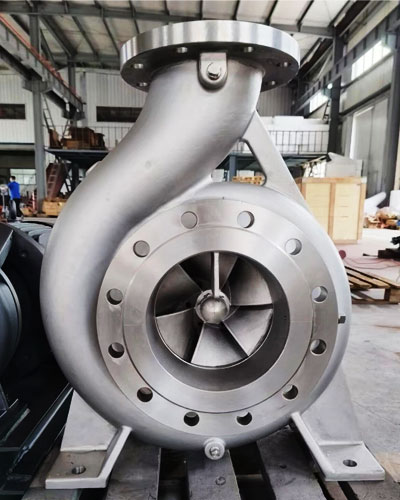
Machining a Präzisioun Surface Finishing
Investitioun Goss Pompel Wunnengen ënnerleien typesch Secondaire machining Operatiounen op kritesch funktionell Beräicher, dorënner flens Gesiichter, Dichtungsflächen, Lager Sëtzer, Schachtöffnungen, an Opriichte Schnëttplazen.
Cnc machining garantéiert präzis Dimensiounskontroll a verbessert d'Versiegelungsverlässegkeet tëscht dem Pompelhaus an aner Komponenten.
Fir Uwendungen mat Héichdrockoperatioun oder rotéierend Ausrüstung, D'Bearbeitungsgenauegkeet ass besonnesch wichteg, well souguer kleng Uewerfläch Onregelméissegkeeten d'Dichtungskompressioun beaflossen, Schacht Ausrichtung, an allgemeng Pompel Effizienz.
Gemeinsam Bearbechtungsprozesser enthalen:
- CNC Fräsen fir flaach Montageflächen a Flangeverbindungen
- CNC Dréien fir kreesfërmeg Ouverture a Präzisiounsboren
- Drilling an Ausspionéieren fir Bolzenlächer a threaded Verbindungen
- Schleifen oder Lapping fir héichpräzis Dichtungsflächen
D'Kombinatioun vun Investitiounsguss a Präzisiounsbearbechtung erlaabt d'Fabrikanten komplex Geometrien z'erreechen, wärend enk Toleranzen op kritesch Features behalen.
Elektropoléieren fir Korrosiounsbeständegkeet an Hygiène Uwendungen
Elektropoléieren gëtt wäit benotzt fir Edelstahl Pompelgehäiser an Industrien déi exzellent Uewerflächereinheet erfuerderen, wéi Liewensmëttelveraarbechtung, pharmazeutesch, biotechnologie, an semiconductor Fabrikatioun.
Wärend der Elektropoléierung, e kontrolléierten elektrochemesche Prozess läscht mikroskopesch Uewerflächonregelméissegkeeten a Verschmotzung vun der Edelstahl Uewerfläch.
D'Resultat ass méi glatter, méi passiv Uewerfläch mat reduzéiert roughness.
Schlëssel Virdeeler enthalen:
- Verbesserte Korrosiounsbeständegkeet duerch verstäerkte Chromoxid passiv Schichtbildung
- Reduzéiert bakteriell Adhäsioun a méi einfach Botzen
- Niddereg Risiko vu Produktkontaminatioun
- Verbesserte Resistenz géint chemesch Attacke
Fir sanitär Pompel Uwendungen, electropolishing kann Liewen Liewen bedeitend verlängeren an hëllefen streng Hygiène Standarden treffen.
Passivatioun Behandlung
Passivatioun ass eng chemesch Behandlung déi allgemeng op Edelstahl Pompelgehäuse applizéiert gëtt no Goss a Bearbechtung.
De Prozess läscht fräi Eisenpartikelen an Uewerflächekontaminanten, déi während der Fabrikatioun generéiert ginn, erlaabt datt déi natierlech chromräich Oxidschicht regeneréiert.
Eng richteg passivéiert Edelstahl Uewerfläch bitt:
- Besser Resistenz géint lokaliséierter Korrosioun
- Verbesserte Schutz an chlorid-haltege Ëmfeld
- Verstäerkte laangfristeg Zouverlässegkeet
Passivatioun ass besonnesch wäertvoll fir Graden wéi z 304, 316, an Duplex STAINLESS Stol benotzt am Marine, Chemeschen, an industriell Flëssegket Ëmgank Uwendungen.
Surface Coatings a spezialiséiert Behandlungen
Fir extrem aggressiv Betribssystemer Ëmfeld, zousätzlech Uewerflächebeschichtungen kënne applizéiert ginn fir d'Verschleißbeständegkeet weider ze verbesseren, Chatikprobiste, oder Reiwung Leeschtung.
Gemeinsam Optiounen enthalen:
| Uewerfläch Behandlung | Haaptfunktioun | Typesch Uwendungen |
| Keramik Beschichtung | Héich Temperatur a Verschleißbeständegkeet | Chemesch Pompelen, abrasive Medien |
| PTFE Beschichtung | Niddereg Reiwung a chemesch Resistenz | Korrosiv Flëssegkeet Uwendungen |
| PVD Beschichtung | Verstäerkte Hardness an Uewerfläch Haltbarkeet | Präzis industriell Komponenten |
| Geschoss Blutungen | Uewerfläch Botzen an eenheetlech Erscheinung | Allgemeng industriell Pompel Wunnengen |
| Poléieren | Verbessert Erscheinung a reduzéiert Rauhegkeet | Iessen, pharmazeuteschen Ausrüstung |
Déi optimal Uewerflächbehandlung hänkt vum gepompelten Medium of, Betribssystemer Temperatur, Drock Konditiounen, an Propretéit Ufuerderunge.
5. Edelstahl Qualitéiten fir Benotzerdefinéiert Pompel Wunnengen
D'Auswiel vun Edelstahl Grad ass eng vun de wichtegsten Ingenieursentscheedungen beim Design vun engem Benotzerdefinéiert STAINLESS Stol Pompel Wunneng.
Verschidde Pompelëmfeld setzen verschidden Ufuerderungen un d'Korrosiounsbeständegkeet, mechanesch Stäerkt, Temperaturfäegkeet, Schweessbarkeet, an Service Liewen.
E Pompelhaus dat fir Séisswaasserzirkulatioun benotzt gëtt huet komplett aner Materialfuerderunge wéi een am Mierwaasser funktionnéiert, chemesch Veraarbechtungsflëssegkeeten, oder héich-Drock industriell Systemer.
Fir Investitioun Goss Pompel Wunnengen, STAINLESS Stol Lous Qualitéiten sinn typesch spezifizéiert no ASTM A743, ASTM A744, ASTM A351, an aner relevant Casting Standarden.
| ASTM Casting Grad | Gläichwäerteg Wrought Grad | Microstruktur | Typesch Tensile Stäerkt (MPa MPa) | Schlëssel Charakteristiken | Typesch Pompel Wunnengen Uwendungen |
| Cf8 | 304 Edelstol | Austenitescht Edelstol | ≥485 | Allgemeng Zweck Korrosiounsbeständegkeet, gutt Zähegkeet, exzellent Zilbarkeet, wirtschaftlech Léisung fir moderéiert Ëmfeld | Waasser Pompelen, allgemeng industriell Flëssegket Ëmgank, Loft Systemer, mëll chemesch Uwendungen |
| Cf3 | 304L Edelstol | Low-carbon austenitesche Edelstol | ≥485 | Reduzéiert Kuelestoffgehalt miniméiert Karbidnidderschlag a verbessert d'Resistenz géint intergranulär Korrosioun nom Schweißen | Liewensmëttelveraarbechtungsausrüstung, sanitär Pompelen, geschweest Pompel Versammlungen |
| Cf8m | 316 Edelstol | Austenitescht Edelstol mat Molybdän | ≥485 | Verbesserte Resistenz géint Chloridkorrosioun, Paéierung, a vill chemesch Medien am Verglach mam CF8 | Marine Pompelen, chemesch Veraarbechtung Pompelen, pharmazeuteschen Ausrüstung |
| Cf3m | 316L Edelstol | Low-carbon austenitesche Edelstol mat Molybdän | ≥485 | Exzellent Schweißkorrosiounsbeständegkeet, héich Chlorresistenz, gëeegent fir aggressiv Ëmfeld | Offshore Systemer, desalination Planzen, chemesch Pompelen, hygienesch Uwendungen |
CN7M |
Legowon 20 | Ni-Cr-Mo-Cu austenitesch Legierung | ≥485 | Aussergewéinlech Resistenz géint Schwefelsäure, Phosphorsäure, an aner héich ätzend Chemikalien | Seier Veraarbechtung Equipement, petrochemesch Pompelen, chemesch Zirkulatiounssystemer |
| CD3MN | Duplexex 2205 Edelstol | Austenitesch-ferritesch Duplex Edelstol | ≥655 | Héich Stäerkt, excellent Chlorid Stress corrosion Rëss Resistenz, besser Verschleißbeständegkeet wéi austenitesch Qualitéiten | Mierwaasser Pompelen, desalination Equipement, Offshore Uwendungen |
| CE8MN | Super Duplex 2507 Edelstol | Super Duplex Edelstol | ≥760 | Extrem héich Kraaft, excellent Resistenz zu Pitting, crevice Korrosioun, an Chlorid SCC | Déift Mier Equipement, Offshore Plattformen, schwéier Marine Ëmfeld |
| CB7Cu-1 | 17-4PH stellless Stol | Nidderschlag-härtend Edelstol | ≥670 | Ganz héich mechanesch Kraaft, gutt corrosion Resistenz, excellent dimensional Stabilitéit no Hëtzt Behandlung | Héich-Drock Pompelen, industriell hydraulesch Systemer, Raumfaart- an Energieausrüstung |
6. Leeschtung Virdeeler vun Investitioun Goss STAINLESS Stol Pompel Wunnengen
Investitioun Goss Edelstahl Pompel Wunnengen kombinéieren déi super Eegeschafte vun Edelstahl Legierungen mat der Fabrikatioun Virdeeler vun Investitioun Lous Technologie.

Aussergewéinlech Korrosiounsbeständegkeet fir aggressiv Flëssegkeetsëmfeld
Ee vun de wichtegste Virdeeler vun Edelstahl Pompelhäiser ass hir exzellent Korrosiounsbeständegkeet.
De Chromgehalt am Edelstol bildt eng stabil passiv Oxidschicht op der Metalloberfläch, Schutz vun der Wunneng virun Oxidatioun a chemeschen Attack.
Ofhängeg vun der Legierungskompositioun, Investitioun Goss STAINLESS Stol Wunnengen kann eng breet Palette vun corrosive Medien widderstoen, ganz agemaach:
- Frësch Waasser a Mierwaasser
- Chloridhaltige Léisungen
- Säuren an alkalesch Flëssegkeeten
- Chemesch Veraarbechtung Flëssegkeeten
- Organesch a pharmazeutesch Flëssegkeeten
Gräifen wéi Cf8m (316 Edelstol) bitt verstäerkte Resistenz géint Pitting a Chlorkorrosioun wéinst Molybdän Zousatz,
iwwerdeems duplex an super duplex STAINLESS Stol bitt héichwäerteg Schutz an schwéieren Marine an Offshore Ëmfeld.
Héich mechanesch Kraaft a strukturell Zouverlässegkeet
Investitioun Goss Edelstahl Pompel Wunnengen déi excellent mechanesch Kraaft, erlaabt hinnen intern Drock ze widderstoen, Vibratioun, mechanesch Lasten, a widderholl Operatiounszyklen.
Déi inherent Kraaft vum Edelstol erlaabt d'Ingenieuren d'Wunnmauerdicke ze optimiséieren wärend d'strukturell Sécherheet behalen, Gewiicht reduzéieren an Ausrüstungseffizienz verbesseren.
Exzellent Drockintegritéit a Leckresistenz
Als Drock-haltege Komponent, eng Pompel Wunneng muss strukturell Integritéit uechter seng Operatioun Liewen erhalen.
Investitiounsgoss bitt Virdeeler iwwer fabrizéierten Designen well d'Gehäuse als kontinuéierlech Metallstruktur ouni geschweißten Nähte oder Gelenker produzéiert gëtt.
Dëst verbessert:
- Drock Resistenz
- Middegkeet Leeschtung
- Leck Präventioun
- Strukturell Konsequenz
Héich Qualitéit Investitioun Goss Edelstahl Pompel Wunnengen kann fir exigent Drock Uwendungen entworf ginn, dorënner Systemer verlaangen Drock Klassen bis Klasse 1500, ofhängeg vum Materialgrad, Design Configuratioun, an applicabel Normen.
D'Feele vu Schweißverbindunge eliminéiert potenziell Schwächen, déi duerch Schweessfehler verursaacht ginn, Rescht Stress, oder Hëtzt-betraff Zone corrosion.
Exzellent Temperaturresistenz an thermesch Stabilitéit
Vill industriell Pompelen funktionnéieren ënner extremen Temperaturbedéngungen, erfuerderlech Materialien déi mechanesch Eegeschafte wärend dem thermesche Vëlo behalen.
Austenitesch Edelstahl Pompelgehäuse bidden exzellente Tieftemperatur Zähegkeet an Héichtemperaturstabilitéit.
Gemeinsam Qualitéiten wéi CF8 an CF8M kënnen typesch iwwer eng breet Temperaturberäich operéieren, aus cryogene Konditiounen ronderëm -196°C bis erhéigen Temperaturen kommen 800° C, je Service Konditiounen.
Duplex STAINLESS Stol suergt excellent Leeschtung ënner mëttelméisseg héich Temperaturen iwwerdeems héich mechanesch Kraaft behalen.
D'thermesch Stabilitéit vun Edelstol hëlleft verhënneren:
- Rëss verursaacht duerch thermesch Stress
- Dimensioun Onstabilitéit
- Virzäiteg Material Degradatioun
Dëst mécht Edelstahl Pompelhäiser gëeegent fir Uwendungen mat waarme Flëssegkeeten, Damp Systemer, an Temperaturschwankungen.
Superior hygienesch Leeschtung an einfach Botzen
Fir Industrien déi strikt Propretéitsnormen erfuerderen, Edelstol bitt bedeitend Virdeeler wéinst senger glatterem, net-porös Uewerfläch.
Investitioun Goss STAINLESS Stol Pompel Wunnengen kann weider verbessert ginn duerch Ofschloss Prozesser wéi:
- Mechanesch poléieren
- Elektropolesch
- Passivatioun
Dës Behandlungen reduzéieren d'Uewerflächenrauheet, verbesseren cleanability, a miniméiert d'Akkumulation vu Verschmotzungen.
Mat electropolished Fläch erreechen roughness Wäerter ënnert Ra 0.8 μM, Edelstahl Pompelhäiser gi wäit benotzt an:
- Iessen a Gedrénks Veraarbechtung
- Pharmazeutesch Produktioun
- Biotechnologie Systemer
- Medizinesch Ausrüstung
D'Kombinatioun vu Korrosiounsbeständegkeet an hygienesche Uewerflächeigenschaften mécht Edelstol ee vun de bevorzugte Materialien fir sanitär Pompelapplikatiounen.
Komplex Design Flexibilitéit Duerch Investitioun Casting
E grousse Virdeel vum Investitiounsgoss ass seng Fäegkeet fir héich komplexe Geometrie vun der Pompelhaus ze produzéieren déi schwéier oder deier wier ze fabrizéieren duerch Maschinn oder Fabrikatioun.
De Prozess erlaabt Ingenieuren komplex Fonctiounen direkt an de Casting z'integréieren, ganz agemaach:
- Kromme Volute Passagen
- Optimiséiert hydraulesch Channels
- Integral Opriichte Strukturen
- Komplex Flangearrangementer
- Verstäerkung Rippen
Dësen Design Flexibilitéit verbessert hydraulesch Leeschtung iwwerdeems d'Zuel vun Fabrikatioun Operatiounen reduzéieren.
Fir Benotzerdefinéiert Pompel Wunnengen, Investitioun Goss gëtt méi Fräiheet der Wunneng Design no spezifesch Flux Ufuerderunge ze optimiséieren, Installatioun Aschränkungen, an Betribssystemer Konditiounen.
Héich Dimensioun Genauegkeet an Assemblée Kompatibilitéit
D'Pompelleistung hänkt staark vun der präzis Bezéiung tëscht dem Logement of, impeller, schacht, a Versiegelungskomponenten.
Investitioun Goss gëtt excellent Dimensioun Genauegkeet, typesch erreechen Goss Toleranzen am Beräich vun ongeféier ± 0.1-0,3 mm ofhängeg vun der Komponentgréisst an der Designkomplexitéit.
Dës Genauegkeet hëlleft erhalen:
- Korrekt Impeller Spillraum
- Richteg Schacht Ausrichtung
- Zouverlässeg Dichtungsleistung
- Reduzéiert Schwéngung
- Verbessert hydraulesch Effizienz
Am Verglach mat konventionelle Sandgoss, Investitioun Lous verlaangt manner korrekt machining a gëtt besser repeatability fir Präzisioun Pompel Komponente.
Exzellent Surface Finish a Reduzéiert Machining Ufuerderunge
Investitioun Goss Edelstahl Pompel Wunnengen erreechen natierlech glat Fläch wéi traditionell Sand Goss Komponente.
Typesch Uewerfläch roughness Wäerter enthalen:
- Als Goss Uewerfläch Finish: ongeféier 4 Ra 1,6-6,3 μm
- Electropolished Surface Finish: ënnendrënner Ra 0.8 μM
Eng méi glatter intern Uewerfläch bitt verschidde Leeschtungsvirdeeler:
- Reduzéiert Flëssegreibungsverloschter
- Verbessert Flow Effizienz
- Méi niddereg Turbulenzen
- Reduzéiert Kontaminatiounsopbau
Déi verbessert Uewerflächqualitéit reduzéiert och d'Quantitéit vun der Postveraarbechtung erfuerderlech, reduzéieren Haferzäit a Käschten.
Niddereg Ënnerhalt Ufuerderunge a verlängert Service Liewen
D'Korrosiounsbeständegkeet an d'strukturell Haltbarkeet vum Edelstol reduzéieren däitlech Ënnerhaltfuerderunge während der Operatioun.
Am Verglach mat Kuelestol oder Goss Alternativen, STAINLESS Stol Pompel Wunnengen verlaangen manner Interventiounen well se manner ufälleg fir:
- Rust Formatioun
- Chemesch Degradatioun
- Uewerfläch Verschlechterung
- Beschichtungsfehler
An exigent korrosive Ëmfeld, richteg ausgewielt STAINLESS Stol Pompel Wunnengen kann Service Liewen iwwerschratt ginn 30-60 Joer, jee no Operatiounsbedingungen an Ënnerhaltspraktiken.
Dëse laange Liewensdauer verbessert d'allgemeng Zouverlässegkeet vun Ausrüstung a reduzéiert d'Liewenszyklusskäschte.
7. Uwendungen vun STAINLESS Stol Pompel Wunnengen
| Industrie | Uwendungen | Legierung Grad | Schlëssel Ufuerderunge |
| Chemeschenverbriechen | Seier Transfer Pompelen, Reaktor fidderen Pompelen, chemesch Injektiounspompelen, Offallneutraliséierung. | CF-8M, CN-7M | Korrosiounsbeständeg géint aggressiv Chemikalien; Drock Integritéit. |
| Marine / Offshore | Mierwaasser Killpumpen, ballast Pompelen, bilge Pompelen, Feier Pompelen. | CF-8M, CD-3MN | Seawater corrosion Resistenz; Pitting an SCC Resistenz. |
| Iessen & Gedrénks | Sanitär Pompelen, CIP Pompelen, Mëllech Pompelen, Brauerei Pompelen. | CF-3 (304L) | FDA-konform; hygienesch; einfach ze botzen. |
| Pharmazeutesch | WFI Pompelen, steril Flëssegkeet Transfert, propper Zëmmer Pompelen. | CF-3M (316L) | Ultra-propper; steriliséierbar; net-porös; elektropoléiert. |
| D'Waassermonn & Ofwaasser | Waasserversuergung Pompelen, Ofwaasser Pompelen, Schlamm Pompelen, Bewässerung Pompelen. | CF-8, CF-8M | Corrosion Resistenz zu Waasser an Ofwaasser; laang Service Liewen. |
UeleP & Gas |
Pipeline Pompelen, Wellhead Pompelen, Sprëtz Pompelen, Raffinerie Pompelen. | CF-8M, CD-3MN | Héich Dräsch; sauere Gas Resistenz; Haltbarkeet. |
| Power Generatioun | Killwaasser Pompelen, Kessel Feed Pompelen, condensate Pompelen. | CF-8, CF-8M | Héich Temperatur; Drock Integritéit; Korrosioun Resistenz. |
| Rick & Pabeiernéieschäin | Bleech Pompelen, chemesch Erhuelung Pompelen, Stock Pompelen. | CN-7M, duplex | Chlordioxidresistenz; héich Stäerkt. |
| Desalung | Héichdrock Pompelen, Salzwaasser Pompelen, Mier Waasser ofgeroden Pompelen. | CD-3MN, CE-8MN | Extrem Chlorresistenz; héich Stäerkt. |
| Biergbau | Slurry Pompelen, dewatering Pompelen, chemesch Injektiounspompelen. | CF-8M, duplex | Abrasion Resistenz; Korrosioun Resistenz. |
8. STAINLESS Stol Pompel Wunneng vs Aner Fabrikatioun Methoden
D'Fabrikatiounsmethod, déi fir e Edelstahl Pompelhaus ausgewielt gëtt, beaflosst direkt seng mechanesch Leeschtung, dimensional Genauegkeet, Korrosioun Resistenz, Produktioun Käschten, an gëeegent fir komplex Pompel Design.
| Verglach Faktor | Investitiouns Casting | Cnc machining | Fabrikéiert Schweess | Sand Casting |
| Fabrikatioun Prinzip | Produzéiert Komponenten andeems geschmoltenem Edelstol a Keramikformen aus Waxmuster erstallt gëtt | Entfernt Material aus Edelstahlblocken oder Schmieden duerch Schneidinstrumenter | Formt Wunnengen aus Edelstahlplacken oder Sektiounen a verbënnt se duerch Schweißen | Gitt geschmollte Metall a Sandformen fir grouss Komponenten ze kreéieren |
| STabel | Exzellent Fäegkeet fir komplex Geometrien, intern Passagen, kromme Voluten, dënn Maueren, an integréiert Funktiounen | Limitéiert duerch Tool Accessibilitéit, machining Wénkel, a Material Ewechhuele Ufuerderunge | Mëttelméisseg; komplex Formen verlaangen MÉI fabrizéierten Deeler a Schweess Operatiounen | Gutt fir grouss an einfach Geometrien awer limitéiert fir fein Detailer |
| Volute an Hydraulesch Passage Qualitéit | Explaz vun engem exzellenten; glat hydraulesch Channels kann direkt Goss ginn, Turbulenzen reduzéieren an d'Effizienz vun der Pompel verbesseren | Ganz héich Genauegkeet awer erfuerdert extensiv Veraarbechtung vun internen Flowpassagen | Hänkt staark vun der Schweißgenauegkeet an der Postveraarbechtung of | Mëttelméisseg; méi rau intern Flächen kënnen zousätzlech Veraarbechtung erfuerderen |
Materiell Kompatibilitéit |
Ënnerstëtzt eng breet Palette vun Edelstahl, dorënner CF8, Cf8m, Cf3m, duplex, an super duplex | Kompatibel mat de meeschte STAINLESS Stol, mee machining Schwieregkeeten vergréissert fir haarde Alliagen | Kompatibel mat Edelstahl, mee Schweess kann corrosion Resistenz an microstructure Afloss | Gëeegent fir Edelstahl awer erfuerdert méi Bearbechtungsgeld |
| Dimensional Genauegkeet | Héich Genauegkeet, typesch ± 0,1-0,3 mm jee no Gréisst a Prozess Kontroll | Ganz héich Genauegkeet, dacks ± 0,01-0,05 mm | Méi niddereg Genauegkeet wéinst Schweißverformung an thermescher Verzerrung | Mëttelméisseg Genauegkeet mat gréissere Bearbechtungserlaabnes |
| Uewerfläch fäerdeg | Excellent as-cast Finish; typesch Ra 1,6-6,3 μm, mat poléieren Optiounen sinn | Excellent machined Finish, ofhängeg vun Tools a Parameteren | Verlaangt Schleifen, poléieren, oder machining no Schweess | Relativ rau Uewerfläch déi zousätzlech Bearbechtung erfuerdert |
| Material Benotzung | Héichheet; no-net-Form Prozess miniméiert Material Offall | Niddereg bis mëttel; grouss Quantitéiten u Material gi während der Bearbeitung geläscht | Mëttelméisseg; hänkt vum Ausschneiden a Formungsprozess of | Mëttelméisseg; erfuerdert méi grouss Casting Erlaabnes |
Mechanesch Integritéit |
Explaz vun engem exzellenten; homogen Struktur mat manner Gelenker a Stress Konzentratioun Beräicher | Excellent wann machinéiert aus héichwäerteg Schmieden oder Billeten | Reduzéiert a geschweißten Zonen wéinst Hëtztbetraffenen Beräicher a Reschtspannungen | Gutt awer kann Gossdefekter enthalen wann d'Prozesskontroll net genuch ass |
| Korrosioun Resistenz | Explaz vun engem exzellenten; Edelstahleigenschaften ginn ouni verschweißte Flächen erhale gelooss | Excellent wann Dir corrosion-resistent géint STAINLESS Stol Stock benotzt | Kann bei Schweesszonen reduzéiert ginn wann d'Schweißparameter an d'Postbehandlung falsch sinn | Gutt wann d'Legierungskompositioun a Gossqualitéit kontrolléiert ginn |
| Drock Resistenz | Explaz vun engem exzellenten; gëeegent fir héich Drock Pompelen an exigent Uwendungen | Excellent fir machined Wunnengen aus geschmied Materialien | Hänkt op Schweess Qualitéit an Inspektioun Prozeduren | Gutt fir mëttel- Drock Uwendungen |
| Produktioun Volume Gëeegent | Niddereg bis mëttel- a mëttel-Volumen Produktioun; wirtschaftlech fir personaliséiert Komponenten | Niddereg bis mëttlere Volumen; ideal fir Prototypen a Präzisiounsdeeler | Niddereg Volumen a Reparatur Uwendungen | Mëttelméisseg bis grouss Komponenten; gëeegent fir gréisser Produktioun leeft |
Tooling Käschte |
Mëttelméisseg; Wax Tooling a Keramik Schimmel erfuerderlech | Niddereg initial Tooling Käschten awer héich Bearbechtskäschte fir komplex Deeler | Niddereg Toolkäschte awer méi héich Aarbechtsfuerderunge | Relativ niddereg Tooling Käschten |
| Fabrikatioun Lead Time | Mëttelméisseg; méi kuerz wéi vill Multi-Schrëtt Fabrikatioun Prozesser fir komplex Deeler | Kuerz fir einfach Deeler awer laang fir komplex Geometrien | Kuerz initial Setup awer méi laang fir Montage a Veraarbechtung | Mëttelméisseg; hänkt vun der Schimmelpreparatioun of |
| Gewiicht Reduktiounspotenzial | Explaz vun engem exzellenten; erlaabt optimiséiert Mauer deck an integréiert Strukturen | Gutt awer limitéiert duerch machining Machbarkeet | Limitéiert well zousätzlech Verstäerkung dacks erfuerderlech ass | Mëttelméisseg |
| Typesch Pompel Uwendungen | Chemesch Pompelen, Marine Pompelen, pharmazeuteschen Pompelen, Liewensmëttel-Veraarbechtung Pompelen, héich performant Zentrifugalpompelen | Präzisioun Pompel Komponente, Prototypen, Reparatur Deeler, kleng-Volumen Wunnengen | Grouss industriell Pompelen, niddereg-Volumen Benotzerdefinéiert Equipement | Grouss Waasserpompelen, industriell Ausrüstung, schwéier-Pflicht Uwendungen |
9. Wielt DEZE fir Benotzerdefinéiert Investitioun Goss Edelstahl Pompel Wunnengen
DEZE Schmelz spezialiséiert op héichwäerteg Präzisiounsinvestitiounsguss fir Edelstahl Pompelhäiser a Komponenten.
Kontaktéiert eis fir Benotzerdefinéiert STAINLESS Stol Pompel Casing!
| Kapazitéit | Detailer |
| Material | CF-8 (304), CF-8M (316), CF-3 (304L), CF-3M (316L), CN-7M (Legowon 20), CD-3MN (2205 duplex), CE-8MN (2507 superduplex), CB7Cu-1 (17--4ph). |
| Deel Gewiicht | 0.1 kg zu 200 KG. |
| Dimensiounen | Wéi op 800 mm m ommimmer. |
| Toleranzen | ± 0,1-0,3 mm (CT4-CT6 pro ISO 8062). |
| Surface Finish | Ra 1,6-6,3 µm gegoss; elektropoléieren verfügbar. |
| Hëtzt Behandlung | Léisung annealing, Stress Relief. |
| Qualitéit | Iso 9001:2015 zertifizéiert; 100% NDT an Drock Testen. |
| Lead Zäit | 8- 12 Woche fir Tooling an éischt Artikelen; 2- 4 Woche fir widderhuelen Bestellungen. |
Firwat Partner mat DEZE Foundry?
- Intern Tooling: Wax Stierwen entworf a fabrizéiert am Haus.
- Prozess Simulatioun: Solidifikatiounssimulatioun fir defektfräi Goss.
- Automatiséiert Réibau: Konsequent Shellqualitéit a Permeabilitéit.
- Vakuum Schmelzen: Verfügbar fir héich Legierungsgraden.
- Voll Tracabilitéit: Material a Prozessdokumentatioun fir all Batch.
- Engineering Ënnerstëtzung: Material Auswiel an Design Optimisatioun Hëllef.
- Kompetitiv Präisser: Direkt vum Hiersteller; keng Mëttelstuf Markups.
10. Conclusioun
Edelstahl Pompelgehäuse si kritesch Drockhalteg Komponenten fir industriell Flëssegkeetssystemer, an Investitiounsgoss ass entstanen als déi kapabelst a kosteneffektivste Fabrikatiounsléisung fir héich performant personaliséiert Pompeldesignen.
Andeems Dir déi inherent Aschränkungen vum Sandgoss iwwerwannen, Schweißen a feste Bearbechtung, Investitioun Goss liwwert integréiert bal-Netz-Form Formatioun, dichte metallurgesch Struktur, präzis hydraulesch Geometrie an excellent corrosion Resistenz.
Duerch standardiséierte Prozesskontrolle, cibléiert Mängel Präventioun a berufflech Hëtzt Behandlung Optimisatioun, Investitioun-Goss Edelstahl Pompel Wunnengen erreechen prévisibel hydraulesch Leeschtung,
leck-fest Drock Grenzen a laang Service Liewen, voll erfëllt déi exigent Ufuerderunge vun der chemescher Veraarbechtung, Marine, Iessen & Gedrénks an Ueleg & Gas Uwendungen.
Wéi intelligent Lous Technologie a fortgeschratt Legierungsmaterialien weider viru kommen, Investitioun Goss wäert weider d'Grenze vun Pompel Wunneng Komplexitéit an Leeschtung, méi efficace erméiglechen, zouverlässeg an haltbar Pompelausrüstung an all industrielle Secteuren.
Faqs
Wat ass déi allgemeng Edelstahl-Grad fir Pompelhäiser?
CF-8M (316) ass den allgemengste Grad fir Pompelhäiser, bitt excellent corrosion Resistenz, gudd Strik, a moderéiert Käschten.
Fir Liewensmëttel a pharmazeutesch Uwendungen, CF-3M (316L) ass bevorzugt wéinst sengem nidderegen Kuelestoffgehalt fir Schweißbarkeet.
Kann Investitioun-Goss Pompel Wunnengen reparéiert ginn?
Kleng Gossdefekter kënne reparéiert ginn duerch Schweißen mat passenden Filler a Prozeduren.
Wéi och ëmmer, Guss mat grousse Mängel ginn typesch ofgerappt a nei gegoss. Waarm isostatesch dréckt (Hipper) kann intern Porositéit eliminéieren, awer kann net Uewerflächefehler reparéieren.
Wat ass den Ënnerscheed tëscht Volute an Diffusor Pompelgehäuse?
Volute Wunnengen hunn e spiralfërmege Passage, deen d'Geschwindegkeet graduell an den Drock konvertéiert.
Diffusergehäuse benotzen stationäre Leedschnouer fir méi effizient Drockkonversioun. Investitioun Guss kann souwuel Zorte produzéiere.
Sinn Investitioun-Goss Pompel Wunnengen gëeegent fir héich-Temperatur Uwendungen?
Jo. Austenitesch Grad (304, 316) kann bis zu 800-850°C benotzt ginn. Fir méi héich Temperaturen, Néckel-baséiert Superlegierungen bzw 310 Edelstahl kann néideg sinn.

