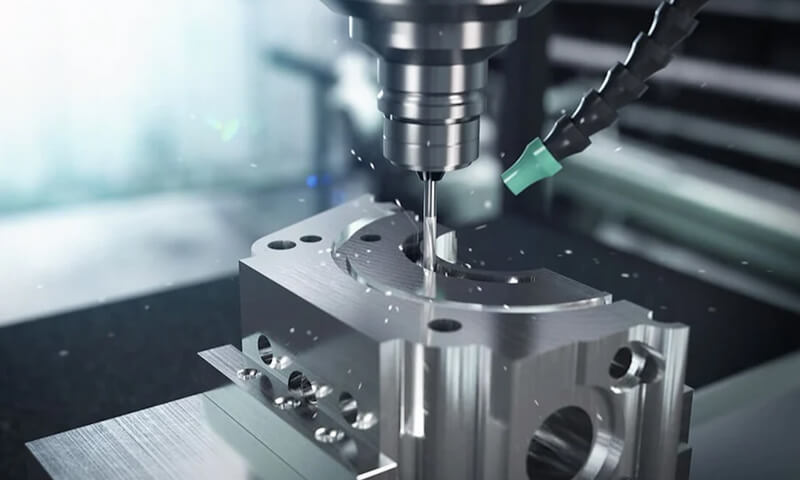
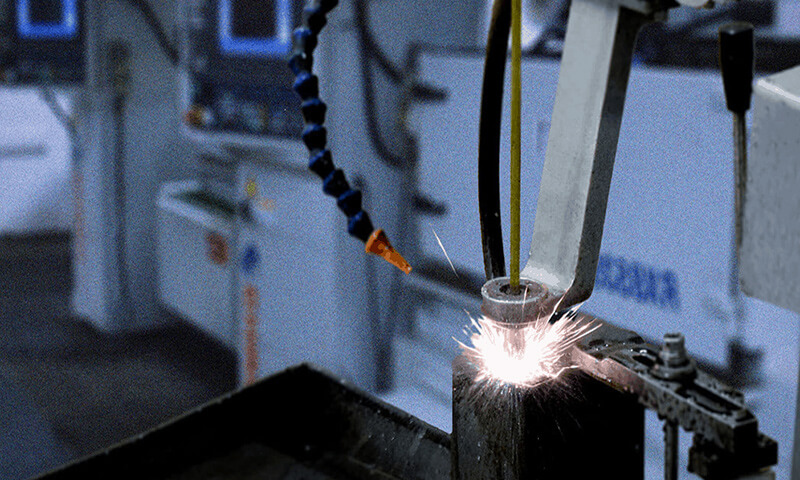
1. Aféierung
Astm A536 ass d'Standard Spezifizéierung fir duktil Eisenguss, vill an Industrien wéi Automobile benotzt, Baulibatiounen, hydraulesch, an Energie.
Bekannt fir seng bemierkenswäert Gläichgewiicht vu Kraaft, DUTTILITÉIT, a Käschte-Effektivitéit, ASTM A536 regéiert déi mechanesch Eegeschafte vu sphäroidalem Graphit Eisen (och bekannt als ductile Eisen oder Nodular Eisen), mécht et eng entscheedend Referenz am Ingenieursdesign an der Fabrikatioun.
2. Wat ass ASTM A536 Material?
ASTM A536 definéiert déi mechanesch Ufuerderunge - net déi chemesch Zesummesetzung - vun ductile Eisen castings.
Et garantéiert datt d'Material enthält sphäroidal graphite Knollen, déi et vu groe Eisen ënnerscheeden andeems se méi héich Schlagkraaft ubidden, Erlong, a Middegkeet Resistenz.
Dëse Standard kategoriséiert duktil Eisen a Graden op Basis vun der Spannkraaft, Rendung Kraaft, an Verlängerung.
D'Fäegkeet Matrixstrukturen ze personaliséieren (frritesch, pearpitic, oder gemëscht) mécht ASTM A536 Goss villsäiteg fir béid strukturell a mechanesch Uwendungen.

3. Mechanesch Eegeschaften a Graden
ASTM A536 kategoriséiert duktil Eisengoss duerch hir mechanesch Leeschtung - speziell tensil Stäerkt, Rendung Kraaft, an an Erlong.
Dës Eegeschafte entstinn aus der Kombinatioun vu sphäroidalen Grafitstrukturen a Matrixphasen am Eisen.
Standardgrade vun ASTM A536 Ductile Eisen
All ASTM A536 Grad gëtt benannt mat engem Dräi-Deel Format: Tensile Stäerkt-Ausbezuelen Kraaft- Erlong (%).
Zum Beispill, 40 Milliounen 65-45-12 heescht eng tensile Kraaft vun 65 KSI (448 MPa MPa), eng nozeginn Kraaft vun 45 KSI (310 MPa MPa), an an 12% Erlong.
| 40 Milliounen | Tensil Stäerkt (MPa MPa) | Rendung Kraaft (MPa MPa) | Erlong (%) | Typesch Matrix | Uwendungen |
| 60-40-18 | 414 | 276 | 18 | Ganz ferritesch | Pompelhollungen, Drockleitungen, Flesseggassystem Komponente |
| 65-45-12 | 448 | 310 | 12 | Ferritic-Pearlitic | Gearboxen, Maschinn Rummen, Bremskomponenten |
| 80-55-06 | 552 | 379 | 6 | Pearlitesch-Ferritesch | Crankshafts, Flywheels, schwéier-Pflicht mounts |
| 100-70-03 | 690 | 483 | 3 | Meeschtens Pearlitic | Héich-Laascht strukturell castings, ophiewe Waffen, hydraulesch |
| 120-90-02 | 827 | 621 | 2 | Pearlitesch / Gequetscht | Extrem Service: Biergbau, Impakt-ufälleg Deeler |
4. Mikrostruktur a Metallurgie
D'Markenzeeche vum duktile Eisen ënner ASTM A536 ass den spheroidal graphite microstructure, erreecht duerch d'Zousatz vu Magnesium oder Cerium wärend der Schmelz.
Dës Ronn nodular Struktur, éischter wéi Flakelgrafit a groem Eisen, verbessert mechanesch Leeschtung:
- Sphäroidal Graphit miniméiert Stress Konzentratioun an Rëss Initiatioun.
- Matrix Kontroll (ferrite vs. Berichter) gëtt duerch Legierung an Hëtztbehandlung erreecht.
- Graff Verfeinerung verbessert Middegkeet Resistenz a Kraaft Uniformitéit.
An niddereg-Kraaft Grad wéi 60-40-18, eng voll ferritesch Matrix gëtt héich Verlängerung an Impakt Zähegkeet.
A méi héijer Kraaftgrade wéi 100-70-03, eng haaptsächlech pearlitesch Matrix bitt Kraaft a Verschleißbeständegkeet.
5. Gemeinsam Casting Prozesser vun ASTM A536 Duktile Eisen
Duktilt Eisen entsprécht ASTM A536 gëtt an Ingenieursapplikatiounen geschätzt fir seng exzellent Kraaftbalance, DUTTILITÉIT, an machinability.
De Choix vun Casting Prozess direkt Impakt op mechanesch Leeschtung, dimensional Genauegkeet, Uewerfläch fäerdeg, a Käschte-Effizienz vum leschten Deel.
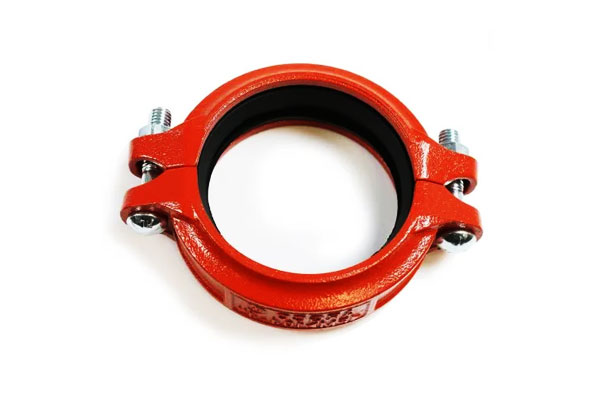
Sand Casting ductile Iron
Sand Casting ass déi traditionell a wäit benotzt Method fir duktil Eisenkomponenten ze produzéieren, besonnesch déi entspriechend ASTM A536.
Et beinhalt d'Bildung vun engem Schimmelhuelraum aus kompaktem Sand, an deem geschmollte Metal gegoss gëtt.
De Prozess ass héich adaptéierbar a wiertschaftlech fir souwuel einfach a komplex Formen an niddregen bis mëttelméissegen Volumen ze produzéieren.
Sandgoss ass besonnesch avantagéis fir grouss a schwéier Deeler déi keng ultrafein Uewerflächefinishen erfuerderen.
Wéinst sengem flexibelen Ofdréckdesign an niddrege Toolkäschte, Sandgoss bleift eng léifste Wiel an Industrien wéi Bau, Landwirtschaft, a schwéier Ausrüstung Fabrikatioun.
| D'Feature | Detailer |
| Schimmel Material | Silica Sand gemëscht mat engem Bindemittel (Z.B., Lehm, resin) |
| Uwendungen | Wunnengen, Kamerack, Pulleys, Pompkabknerkor, Gearboxen |
| Virdeeler | Käschte-effikass fir niddereg Volumen, villsäiteger Formen, grouss Gréisst Kapazitéit |
| Ufrongnisseuren | Moderéiert Surface Finish an Dimensiounstoleranz (Ra ~6,3-12,5 µm) |
Shell Molding Goss Duktile Eisen
Shell molding Goss ass eng raffinéiert Versioun vu Sandgoss déi en thermohärtend Harz-beschichtete feine Sand benotzt fir dënn ze bilden, schwéier Schuel Schimmel.
Dës Muschelen entstinn duerch Heizung vun engem Metallmuster, de Beschichtete Sand opdroen, an dann aushärt fir e präzis a steife Schimmelhuelraum ze bilden.
Dëse Prozess verbessert d'Dimensiounsgenauegkeet wesentlech, Uewerfläch fäerdeg, a Widderhuelbarkeet iwwer traditionell gréng Sandmethoden.
Shell Formen ass ideal fir mëttelgrouss Deeler mat moderéiert Komplexitéit a gëtt allgemeng an der Automobil- a Ventilindustrie benotzt, wou Dimensiounskonsistenz a reduzéierter Postveraarbechtung kritesch sinn.
| D'Feature | Detailer |
| Schimmel Material | Pre-beschichtete Harz Sand "Muschelen" erhëtzt a geheelt fir steife Schimmel ze bilden |
| Uwendungen | Kleng bis mëttelgrouss Deeler déi Präzisioun erfuerderen - Ventilkierper, manifolds |
| Virdeeler | Superior Finish (Ra ~3,2-6,3 µm), héich Wiederholbarkeet, uréiere gelooss |
| Ufrongnisseuren | Méi héich Tooling Käschte, manner gëeegent fir ganz grouss Deeler |
Ductile Iron Investment Casting (Lost Wax Casting)
Investitiouns Casting, och bekannt als verluer Wax Casting, ass eng Präzisioun Goss Method besonnesch gëeegent fir Komplex, detailléiert, an dënnwandeg duktil Eisenkomponenten.
E Waxmodell vum leschte Deel gëtt erstallt, a Keramikmaterial beschichtet fir eng Schimmel ze bilden, an da gëtt d'Wachs geschmolt. Déi doraus resultéierend Keramik Schuel ass mat geschmoltenem Metal gefëllt.

Dëse Prozess liwwert enk Toleranzen, excellent Uewerfläch fäerdeg, a minimale Materialoffall, mécht et héich gëeegent fir kleng Deeler déi komplizéiert Geometrie erfuerderen, besonnesch an der Raumfaart, medizinesch, a Verteidegungsindustrie.
Et erlaabt Ingenieuren verschidde Funktiounen an engem eenzege Casting ze kombinéieren, reduzéieren de Besoin fir Assemblée oder Secondaire machining.
| D'Feature | Detailer |
| Schimmel Typ | Keramik Schuel geformt ronderëm Waxmuster |
| Uwendungen | Medizinesch Komponenten, turbocharger impellers, automobile Klammeren |
| Virdeeler | Exzellent Dimensiounsgenauegkeet (± 0,1 mm), dënn Mauer Goss, minimal Bearbechtung |
| Ufrongnisseuren | Méi héich Produktiounskäschte, manner wirtschaftlech fir grouss Deeler |
Ductile Eisen Permanent Mould Casting (Gravity Die Casting)
Permanent Ofdréck Goss, och als Schwéierkraaft Stierfgoss bezeechent, benotzt haltbar Metallformen-typesch aus Goss oder Stol gemaach - dat ka vill Mol erëmbenotzt ginn.
Am Géigesaz zu Sand oder Schuelformen, dës Schimmel sinn net no all pour zerstéiert, mécht de Prozess ideal fir mëttel bis héich Produktiounsvolumen.
Geschmollte duktile Eisen gëtt reng duerch d'Schwéierkraaft an d'Schimmel gegoss, ouni Drockhëllef.
D'Resultat ass en Deel mat superior Dimensiounskonsistenz, Reespornergrooss, an e méi glatteren Finish wéi déi meescht Sand-Gossdeeler.
Obwuel méi limitéiert an geometrescher Komplexitéit, permanent Ofdréck Goss excels zu produzéiere symmetresch, mëttelméisseg komplex Deeler wéi Wunnengen, Kamerack, an Armaturen.
| D'Feature | Detailer |
| Schimmel Material | Stahl oder Eisen permanent Schimmel |
| Uwendungen | Automotive an industriell Deeler mat repetitive Geometrien |
| Virdeeler | Konsequent Qualitéit, Reespornergrooss, gutt Uewerfläch fäerdeg |
| Ufrongnisseuren | Méi héich Schimmelkäschte, limitéiert op méi einfach Deelgeometrien a Legierungen mat nidderegen Schmelzpunkt (ductile Eisen erfuerdert thermesch Gestioun) |
Zentrifugalgoss Duktile Eisen
Zentrifugalgoss ass e spezialiséierte Prozess dee benotzt gëtt fir ze fabrizéieren zylindresch oder ringfërmeg duktile Eisenkomponenten andeems geschmoltenem Metal an eng séier dréiende Schimmel gegoss gëtt.
D'Zentrifugalkraaft verdeelt dat geschmollte Metall no baussen, Eliminatioun vu Gastaschen an Inklusiounen, a produzéiere engem dichten, feinkornige Mikrostruktur.
Dës Method ass ideal fir Applikatiounen erfuerderlech excellent mechanesch Integritéit an Uniformitéit, wéi Päifen, droen Ärmelen, hydraulesch Zylinder, a schwéier-Verschleiung Deeler.
Zentrifugalgoss ass besonnesch gutt fir huel oder tubulär Komponenten ze produzéieren super Wanddicke Kontroll a minimale Mängel.
| D'Feature | Detailer |
| Uwendungen | Pipe Systemer, hydraulesch Ärmelen, liners |
| Virdeeler | Exzellent Dicht a mechanesch Eegeschaften (duerch d'Directionnal Verstäerkung), niddereg Inklusiounen |
| Ufrongnisseuren | Limitéiert op tubulär oder zylindresch Deeler, héich Ausrüstungskäschte |
Kontinuéierlech Goss Duktile Eisen (fir Bar Stock Production)
Kontinuéierlech Goss ass eng semi-kontinuéierlech Prozess wou geschmollte duktile Eisen gëtt an eng Bar verstäerkt, billet, oder Plack wéi et duerch eng Waassergekillte Schimmel leeft.
Dës Method gëtt haaptsächlech benotzt fir Matière première ze produzéieren, déi spéider a fäerdege Komponenten veraarbecht ginn.
Kontinuéierlech Goss vun ASTM A536 Eisen suergt eenheetlech Struktur, héich machinability, a konsequent chemesch Zesummesetzung iwwer d'ganz Längt vun der Bar.
Et gëtt allgemeng benotzt fir héich Qualitéit ze produzéieren ronn, Quadrat, a véiereckege Baren benotzt an Ausrüstung eidel, hydraulesch Armature, an allgemeng Zweck Ingenieurskomponenten.
Dëse Prozess reduzéiert den Offall wesentlech a verbessert den Duerchgang an de Schmelzen.
| D'Feature | Detailer |
| Uwendungen | Matière Stock fir bushings, Gears, Arméi |
| Virdeeler | Uniform Kärstruktur, gutt Machinabilitéit, Material Disponibilitéit |
| Ufrongnisseuren | Verlaangt spéider machining, net Net-Form kapabel |
Lost Foam Casting Duktile Eisen
Verluer Schaumgoss ass e fortgeschrattene Gossprozess deen traditionell Waxmuster ersetzt (benotzt an Investitioun Casting) matbroderen Polystyrol Schaum Muster, déi an der Schimmel gelooss ginn a verdampft wann geschmollte duktil Eisen eran gegoss gëtt.
De verdampte Schaum gëtt vum erakommen Metal verdrängt, doraus zu komplexen an héich detailléiert Goss ouni Trennlinnen oder Kären.
Dës Method ass ganz gëeegent fir komplex Komponente wéi Motorblocken, Zylinder Heads, an Pompel Wunnengen.
Lost Schaumgoss bitt exzellent Dimensiounsgenauegkeet a reduzéierter Montagebedürfnisser, mécht et ideal fir konsolidéiert Komponent Design am Automobil- an Industriesecteur.
| D'Feature | Detailer |
| Uwendungen | Moto blo Säiten, Transmissioun Wunnengen, komplexe Gebaier |
| Virdeeler | Keng Trennlinnen, héich dimensional Komplexitéit, reduzéiert Kären |
| Ufrongnisseuren | Spezialiséiert Tooling, méi laang Lead Zäit, verlaangt Vakuum Hëllef fir grouss Deeler |
6. Wärmebehandlung vun ASTM A536 Duktile Eisen
Hëtzt Behandlung ass e kritesche Schrëtt fir d'Mikrostruktur a mechanesch Eegeschafte vun duktile Eisengoss ze optimiséieren.
Och wa vill Qualitéite vun ASTM A536 am as-cast Zoustand benotzt ginn, Wärmebehandlung erlaabt d'Ingenieuren d'Häert ze feinstemmen, tensil Stäerkt, DUTTILITÉIT, an Zähegkeet spezifesch Applikatioun Ufuerderunge ze treffen.
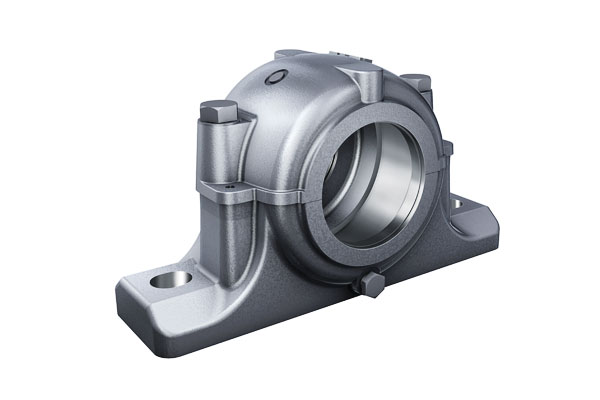
D'Reaktioun vum duktile Eisen op d'Hëtztbehandlung hänkt haaptsächlech vu senger of Matrixentgasung (Ferrit, Berichter, oder gemëscht) an den gewënschte mechanesche Resultat, wéi méi héich Verschleißbeständegkeet, verbessert machinability, oder erhéicht Impaktresistenz.
Gemeinsam Hëtzt Behandlung Prozesser
| Prozess | Zweck | Typesch Graden behandelt | Schlëssel Effekter |
| Annealing | Weich d'Material, verbesseren Duktilitéit | 60-40-18, 65-45-12 | Konvertéiert Perlit zu Ferrit; verbessert Machinabilitéit |
| Normaliséierung | Kornstruktur verfeineren, Erhéijung Kraaft | 80-55-06, 100-70-03 | Fördert eenheetlech pearlitesch Matrix; verbessert hardness |
| Klierren & Temperament | Maximal Kraaft an Zähegkeet | 100-70-03, 120-90-02 | Produzéiert temperéiert Martensit; erhéicht Verschleißbeständegkeet |
| Stress Erliichterung | Reduzéieren intern Casting Stress | All Grad | Verbessert d'dimensional Stabilitéit a reduzéiert d'Verrécklung |
| Ëstlech tremperéieren | Produzéiert austemperéiert duktile Eisen (ADI) | Spezial ADI Qualitéiten | Aussergewéinlech Kraaft, wear Resistenz, an Middegkeet Liewen |
Detailléiert Beschreiwung vu Schlësselbehandlungen
Annealing
Objektiv: Fir eng mëll ze produzéieren, duktil ferritesch Matrix.
Prozess: Hëtzt op ~870-900°C, halen fir e puer Stonnen, dann Uewen-cool lues.
Wëllffresseg: Verbessert d'Verlängerung (bis zu 18-20%) an Impakt Resistenz. Gemeinsam fir Deeler am Flëssegket Ëmgank, Drockleitungen, oder niddereg-Stress Komponente.
Normaliséierung
Objektiv: Fir eng fein pearlitesch Matrix z'erreechen fir méi héich Kraaft a moderéiert Duktilitéit.
Prozess: Hëtzt op ~870-950°C, kuerz halen, dann Loft cool.
Wëllffresseg: D'Kraaft an d'Härheet erhéijen, mat moderéierter Zähegkeet. Gemeinsam an Gears, Heavy-Duty Holings, an Ophiewe Waffen.
Futti an temperament
Objektiv: Fir héich Kraaft an Uewerflächehärkeet z'entwéckelen fir zouzedrécken Uwendungen.
Prozess: Quench an Ueleg oder Waasser vun ~870-950°C, dann Temperament bei ~400-600°C.
Wëllffresseg: Héich tensilil Stäerkt (wéi op 827 MPa MPa), gutt zouzedrécken Resistenz, awer reduzéiert elongation. Ideal fir Tools, Schëffster, an Biergbau Deeler.
Stress Erliichterung
Objektiv: Fir intern Spannungen aus der Veraarbechtung oder dem Goss ze reduzéieren ouni mechanesch Eegeschaften z'änneren.
Prozess: Hëtzt op ~550-650°C, halen, an Loft cool.
Wëllffresseg: Reduzéiert de Risiko vu Verzerrung oder Rëss beim Service.
Ëstlech tremperéieren (fir ADI - Austempered Ductile Iron)
Objektiv: Fir eng bainitisch Mikrostruktur ze produzéieren fir super Stäerkt a Middegkeet Liewen.
Prozess: Austenitiséieren (~900°C), ausléisen an e Salzbad (~260-400°C), halen fir zu Bainit ze transforméieren, dann Loft cool.
Wëllffresseg: Erreecht Spannstäerkten bis zu 1600 MPa mat Verlängerung vun 1-3%. Benotzt an héich performant Uwendungen wéi Eisebunnsdeeler, fueren Komponente, a militäresch Rüstung.
7. Uwendungen vun ASTM A536 Duktile Eisen
Automotive an Transport
- Crankshafts
- Lenknuckelen
- Suspension Waffen a Klammeren
- Brems- calipers an Drums
- Differenziell Wunnengen
Industriell Maschinnen an Ausrüstung
- Gearboxen a Wunnengen
- Machine Tool Base
- Schaften a Kupplungen
- Pompel casings an impellers
- Lagergehäuse
Landwirtschaft an Off-Highway Equipement
- Transmissioun Wunnengen
- Achsstützen an Hubs
- Gearbox Komponente
- Beaarbechten a Plow Deeler
Gemengerot an Utility Infrastruktur
- Waasser- a Kanalisatiounsleitungen
- Manhole Coveren
- Ventil Kierper a Flanges
- Feier hydrants

UeleP, Gas, a Petrochemesch Industrien
- Ventil Kierper a Sëtzer
- Pipe Armature a Kupplungen
- Pompelhollungen
- Flanged Gelenker an Ellbogen
Wand an Energie Secteuren
- Turbinnaben a Flanges
- Gearbox Komponente
- Lagergehäuse
Eisebunn an Heavy Transport
- Bremsscheiwen a Rieder
- Koppelen a Joch
- Bogie Komponenten
8. Virdeeler vun ASTM A536 Duktile Eisen
ASTM A536 duktile Eisen, och bekannt als nodular Goss oder sphäroidal graphite Eisen, bitt e markanten Gläichgewiicht vu Kraaft, DUTTILITÉIT, Zougankheet, a Custabilitéit.

Exzellent Kraaft-zu-Gewiicht Verhältnis
Duktil Eisen bitt mechanesch Kraaft vergläichbar mat ville Stol, awer mat enger méi niddereger Dicht a Käschten.
Dëst mécht et ideal fir strukturell Komponenten déi héich Belaaschtungskapazitéit erfuerderen ouni exzessiv Mass.
Superior Duktilitéit an Impakt Resistenz
Déi sphäroidal (nodular) GRAPHITE Struktur am ductile Eisen erlaabt et ënner Stress ouni Rëss ze deforméieren, et erméiglecht et mechanesch Schock an dynamesch Lasten méi effektiv ze absorbéieren wéi gro Eisen.
Erweidert Middegkeet Resistenz
ASTM A536 duktil Eisen hält seng Integritéit ënner zyklescher Belaaschtung, mécht et héich gëeegent fir Komponenten ënner Schwéngung oder Rotatiounsbewegung.
Exzellent Zilbarkeet
Ee vun den definéierendste Charakteristiken vun duktile Eisen ass seng Fäegkeet a komplexe Formen mat feinen Detailer gegoss ze ginn, wärend d'dimensional Stabilitéit behalen.. Dëst reduzéiert d'Maschinnzäit an d'Materialverschwendung.
Käschte-Effektivitéit
Am Verglach mat ville Kuelestoff oder Legierungsstahl, ductile Eisen bitt e kompetitive Virdeel wat d'Materialkäschte ugeet, Veraarbechtung Käschten, an total Liewenszyklus Ausgaben.
Gutt Korrosiounsbeständegkeet
Obwuel net esou korrosionsbeständeg wéi Edelstol, ASTM A536 duktil Eisen - besonnesch wann et legert oder beschichtet ass - funktionnéiert gutt a mëttelméisseg korrosive Ëmfeld.
Uewerfläch Behandlungen (Z.B., galvaniséieren, epoxy Beschichtung) verbesseren Resistenz
Machinabilitéit
Duktil Eisen kann effizient veraarbecht ginn wéinst der Präsenz vu Graphitknollen, déi beim Ausschneiden als Schmierstoff handelen. Dëst reduzéiert d'Verschleiung vum Tool a erhéicht d'Produktivitéit.
Thermesch a Schwéngungsdämpfung
Duktilt Eisen weist exzellente Schwéngungs- an akustesch Dämpfungseigenschaften duerch seng graphit Mikrostruktur, méi héich performant Stol an vill dynamesch Uwendungen.
Grad Villsäitegkeet
ASTM A536 deckt verschidde Graden (Z.B., 60-40-18, 80-55-06, 100-70-03), all ugepasst fir spezifesch mechanesch a Leeschtung Bedierfnesser-vun héich ductility zu ultra-héich Kraaft.
9. Verglach mat anere Standarden
| Ufank | Regioun | Typesch gläichwäerteg Graden | Schlëssel Differenzen |
| Astm A536 | Ira | 60-40-18, 65-45-12, et cl. | Schwéierpunkt nëmmen op mechanesch Eegeschaften |
| Iso 1083 | Glode Kont | GJS-400-15, GJS-500-7, GJS-700-2 | E bëssi verschidde Stäerktklassen |
| An 1563 | Europa | EN-GJS-400-15, EN-GJS-600-3, et cl. | Ähnlech wéi ISO, mat méi Grad Granularitéit |
| JIS G5502 | Japan | FCD 450, FCD 600, FCD 700 | Metresch Unitéiten, ähnlech Kraaftniveauen |
| ASTM A395 | Ira | 60-40-18 (Drockbewäert) | Kontrolléiert Chimie a maximal Brinell Hardness |
| ASTM A897 | Ira | Austemperéiert duktile Eisen (ADI) Qualitéiten | Méi héich Kraaft a Verschleißbeständegkeet |
10. Astm A536 Ductile Eisen vs Aner Materialien
| Prowalange | ASTM A536 Duktile Eisen | Giel Goss (Astm A48) | De Kolbel Stol (Aisi 1045) | Edelstol (Aisi 316) |
| Tensil Stäerkt (MPa MPa) | 414-700 | 150-300 | 570-740 | 515-620 |
| Rendung Kraaft (MPa MPa) | 275-500 | N / a (bréchege Echec) | 350-480 | 205-290 |
| Erlong (%) | 2-18 | <1 | 12-25 | 40-60 |
| Hannscht (Briinsell) | 140-250 | 150-220 | 160-210 | 150-190 |
| Middegkeet Resistenz | Gutt | Aarm | Gutt | Explaz vun engem exzellenten |
| Impakt Zähegkeet | Explaz vun engem exzellenten | Aarm | Gutt | Ganz gutt |
| Korrosioun Resistenz | Mëttelméisseg | Wéineg bannen | Wéineg bannen | Explaz vun engem exzellenten |
| Machinabilitéit | Ganz gutt | Explaz vun engem exzellenten | Gutt | Mëttelméisseg |
| Geigaktioun | Explaz vun engem exzellenten | Explaz vun engem exzellenten | Aarm | Aarm |
| Thermesch Verwaltungsgeschäfter (W / m · k) | ~35-50 | ~45-55 | ~45-50 | ~15 |
| Dicht (g / cm³) | 7.1 | 7.0 | 7.85 | 8.0 |
| Käschte (Material & Veraarbechtung) | Wéineg bannen | Ganz neschloss | Mëttelméisseg | Héichheet |
| Typesch Uwendungen | Gears, Pipees, Pompelhollungen | Manhole Coveren, Moto blo Säiten | Schëffster, Bolzen, strukturell Deeler | D'Ventil, Marine Fitters, Liewensmëttel-Schouljoer Deeler |
| WELDITIOUN | Mëttelméisseg (preheat néideg) | Aarm | Gutt | Gutt |
| Vibration Dambe | Explaz vun engem exzellenten | Explaz vun engem exzellenten | Aarm | Aarm |
Schlëssel Abléck:
- ASTM A536 Duktile Eisen bitt en exzellente Gläichgewiicht tëscht Kraaft, DUTTILITÉIT, Käschte, an castability-Maachen et ideal fir strukturell an dynamesch Komponente.
- Giel Goss ass méi bëlleg awer brécheg an net gëeegent fir dynamesch oder Impakt gelueden Uwendungen.
- De Kolbel Stol bitt méi héich Kraaft a Schweessbarkeet awer ass méi schwéier ze gossen a méi deier ze maschinen.
- Edelstol (Z.B., 316) exceléiert a Korrosiounsbeständegkeet an Duktilitéit awer kënnt mat wesentlech méi héije Material- a Veraarbechtungskäschte.
11. Conclusioun
ASTM A536 ass méi wéi nëmmen e Materialstandard - et ass eng strategesch Spezifizéierung fir Ingenieuren déi zouverlässeg mechanesch Leeschtung vu Gosskomponenten brauchen.
Seng duktil Natur, strukturell Kraaft, an adaptéierbar Eegeschafte maachen et onverzichtbar an der moderner Fabrikatioun.
Egal ob Dir dréiende Suspensiounsarme oder korrosionsbeständeg Pompelhäiser designt, ASTM A536 bitt d'Flexibilitéit an d'Versécherung erfuerderlech fir technesch ze treffen, wirtschaftlech, an Ëmwelt Ufuerderunge.
Duerch Duerchduechte Grad Auswiel, Hëtztbehandlung, an Veraarbechtung, Hiersteller kënnen optimal Leeschtung a verschiddenen industriellen Uwendungen erreechen.
Des: Präzisioun Casting Léisunge fir ASTM A536 Duktile Eisen
Des ass e vertrauenswürdege Schmelzpartner spezialiséiert op ASTM A536 duktile Eisen castings, bitt eng ëmfaassend Suite vu fortgeschratt Fabrikatiounsservicer ubitt fir déi exigent Bedierfnesser vun der moderner Industrie ze treffen.
Mat Joeren Expertise an der metallurgescher Ingenieur a Schmelztechnologie, Des liwwert héich performant duktil Eisen Komponenten déi mechanesch Kraaft kombinéieren, dimensional Präzisioun, a laangfristeg Zouverlässegkeet.
Eis Casting Capabilities fir ASTM A536 enthalen:
- Sand Casting: Ideal fir mëttel bis grouss Komponenten, garantéiert robust mechanesch Integritéit a Käschteneffizienz.
- Investitiouns Casting (Verluer Wax): Perfekt fir komplizéiert Geometrien déi héich Dimensiounsgenauegkeet a feine Uewerflächefinishen erfuerderen.
- Shell Molding: Eng Präzisiounsmethod gëeegent fir komplex duktil Eisendeeler mat enge Toleranzen a konsequent Widderhuelbarkeet.
- Zentrifugal Casting: Excellent fir zylindresch Deeler wéi Päif Armaturen, déngem, an bushings verlaangen dichten, defektfräi Mikrostrukturen.
- Permanent Schimmel Casting: Liwwert superieure mechanesch Eegeschaften a konsequent Qualitéit fir héich-Volumen Produktiounslaf.
Vun Automotive an Hydraulik fir kommunal Infrastruktur a schwéier Maschinnen, Des bitt voll Spektrum Léisungen - vu Musterdesign a metallurgescher Berodung bis Bearbechtung an Surface Finishing.
Mir halen strikt un ASTM A536 Standarden a kënne mechanesch Eegeschafte personaliséieren (Z.B., 60-40-18, 80-55-06, 100-70-03 Qualitéiten) baséiert op Client Spezifikatioune.
Firwat wielen DEZE?
- ISO-zertifizéiert Qualitéitssystemer
- Fortgeschratt Schmelzautomatiséierung
- Rapid Prototyping a kuerz Leadzäiten
- Benotzerdefinéiert Legierung a Grad passend
- Voll intern Testen an Inspektioun (Chemeschen, Mangitär, Ndt)
Partner mat DËS präzis ze profitéieren, héich Integritéit duktil Eisengoss déi Är Leeschtungs- an Haltbarkeetsfuerderunge entspriechen - op Zäit an op Spezifizéierung geliwwert.
Faqs
Wat ass den Ënnerscheed tëscht duktile Eisen a groe Eisen?
Ductile Eisen (Astm A536) enthält nodular (sphoroidal) Grafit, gëtt et super Zähegkeet, Erlong, a Middegkeet Resistenz. Am Kontrast, gro Eisen huet flake graphite, wat mécht et méi brécheg.
Duktil Eisen ass gëeegent fir Deeler ënner dynamesche Laaschten, wärend gro Eisen dacks benotzt gëtt wou Schwéngungsdämpfung méi kritesch ass.
Ass ASTM A536 duktil Eisen Schweessbar?
Jo, ductile Eisen kann webdeakled, mee et verlaangt adäquate preheating an Post-Schweiß Wärmebehandlung fir Rëss ze vermeiden.
Schweess ass méi einfach op niddereg-Kraaft Grad wéi 60-40-18 wéinst hirer méi héijer Duktilitéit.
Ass ASTM A536 Duktile Eisen Rust-ufälleg?
Jo, ASTM A536 duktil Eisen kann rusten well et Eisen enthält a keng inherent Korrosiounsbeständegkeet feelt.
Wéi och ëmmer, et kann sinn geschützt mat Beschichtungen wéi molen, Epoxy, oder galvanizing fir verbessert Leeschtung an ätzend Ëmfeld.
Ass ASTM A536 Duktil Eisen Magnéitesch?
Jo, ASTM A536 duktil Eisen ass magnetesch. Wéi déi meescht Eisenlegierungen, seng Eisenräich Zesummesetzung gëtt et magnetesch Eegeschaften, mécht et reaktiounsfäeger op Magnéitfeld.