

1. Aféierung
1.4006 as A martensitic STAINLESS Stol dat sëtzt am praktesche Mëttelfeld tëscht gewéinleche Kuelestol a méi korrosionsbeständeg Edelstahl Qualitéiten.
Et gëtt allgemeng identifizéiert als X12Cr13, a vill Fournisseur Referenze Kräiz-Link et mat Aisi 410 an an UNS S41000, obwuel e puer Kataloge virsiichteg sinn datt verwandte Bezeechnungen wéi 410S oder 410S21 net ëmmer exakt direkt Äquivalente sinn.
An anere Wierder, et ass e vertraute Grad mat enger kloer industrieller Identitéit, awer een deen nach ëmmer géint de spezifesche Standard an d'Liwwerkonditioun gepréift gëtt.
Wat mécht 1.4006 interessant ass net maximal corrosion Resistenz, awer seng Gläichgewiicht vun hardness, Staang, Machinabilitéit, polishability, a moderéiert Korrosiounsleistung.
Et ass ferromagnetesch, Hëtzt-behandelt, a kapabel vu gudde mechanesche Properties no Ausschlëss an Tempering, dofir erschéngt et ëmmer erëm a Pompelen, d'Ventil, Schëffster, Arméi, an allgemeng mechanesch-engineering Komponente.
2. Wat ass 1.4006 Edelstol?
1.4006 as A martensitic STAINLESS Stol Grad, allgemeng verbonne mat X12Cr13 an europäesche Bezeechnungssystemer.
Et ass e Chromlager Edelstol entworf fir eng praktesch Gläichgewiicht vun moderéiert Korrosioun Resistenz, gutt mechanesch Kraaft, magnetesch Äntwert, an Hëtzt-behandelbar härdenability.
An industrielle Begrëffer, et ass eng funktionell Ingenieurslegierung anstatt eng Premium Korrosiounslegierung.
Am Géigesaz zu austeniteschen Edelstahle wéi z 304 oder 316, 1.4006 erreecht seng Nëtzlechkeet net haaptsächlech duerch Korrosiounsbeständegkeet.
Amplaz, säi Wäert kënnt aus wéi et ka sinn gehärt duerch Hëtztbehandlung a benotzt an Komponenten déi Kraaft brauchen, wear Resistenz, a stabil Leeschtung an mëttelméisseg korrosive Service Ëmfeld.
Dat mécht et besonnesch relevant am mechanesche Ingenieur, Pompel Systemer, Valve Komponenten, Schëffster, Befestigungen, an aner Deeler wou d'Laaschtleeschtung esou wichteg ass wéi d'Ëmweltresistenz.
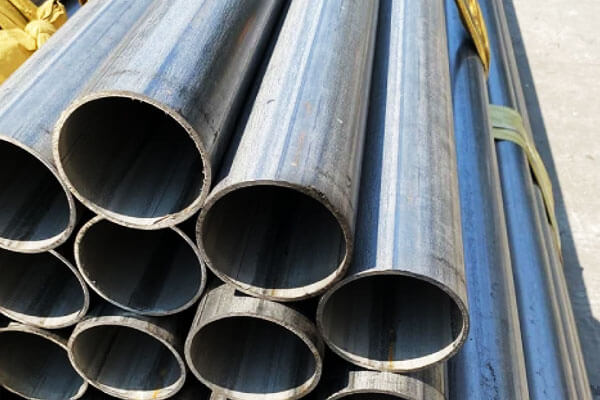
Metallurgesch Identitéit
D'definéierend Fonktioun vun 1.4006 ass et martensitic Struktur. Dëst bedeit datt d'Legierung duerch thermesch Veraarbechtung an eng Hard transforméiert ka ginn, staarken Zoustand.
Am Annealed Staat, et ass méi einfach ze Maschinn a Form; nom Ofkillen an Tempering, et gëtt däitlech méi staark a méi haart.
Dëst metallurgescht Verhalen ass wat et vu villen aneren Edelstahl ënnerscheet:
- Austenitesch Edelstahl sinn allgemeng méi korrosionsbeständeg a méi duktil, awer net einfach duerch Hëtztbehandlung gehärt.
- Ferritesch Edelstahl Offer gutt corrosion Resistenz an e puer Ëmfeld, awer manner härtbarkeet.
- Martensitesch Edelstahl, ganz agemaach 1.4006, ginn gewielt wann Kraaft an hardness sinn zentral Design Ufuerderunge.
Gläichwäerteg Grad
1.4006 gëtt weltwäit ënner verschiddenen Bezeechnungen unerkannt, Interoperabilitéit iwwer d'Industrie garantéieren:
| Ufank | Grad Bezeechnung |
| ENG / DIR | 1.4006, X12Cr13 |
| astm/aisi | 410, UNS S41000 |
| Hien | Sus410 |
| GB | 12Cr13 |
Schlëssel Charakteristiken
Magnéitescht Verhalen
1.4006 ass magnetesch, wat en direkt Resultat vu senger martensitescher Struktur ass.
Dëst kann nëtzlech sinn an Uwendungen wou magnetesch Äntwert akzeptabel oder souguer wënschenswäert ass, an et ënnerscheet och kloer de Grad vun austeniteschen Edelstahl.
Wärmebehandelbarkeet
Ee vun den Haaptgrënn firwat Ingenieuren wielen 1.4006 ass, datt et kann gehärt an temperéiert fir e personaliséierte Balance vu Kraaft an Zähegkeet z'erreechen.
Dëst erlaabt datt d'Finale Eegeschafte fir d'Funktioun vum Deel ugepasst ginn.
Moderéiert Korrosioun Resistenz
De Grad enthält Chrom, déi rostfrei Verhalen an eng passiv Oxidschicht ubitt.
Wéi och ëmmer, seng corrosion Resistenz ass moderéiert éischter wéi enestaende, sou ass et am beschten gëeegent fir mëll aggressiv Ëmfeld anstatt schwéieren Chlorid Belaaschtung.
Gutt machinability am mëll Staat
Virun Aushärtung, 1.4006 kann effizient machinéiert ginn. Dat mécht et attraktiv fir Präzisiounskomponenten, déi an engem relativ mëllen Zoustand fabrizéiert ginn an dann op endgülteg Eegeschafte mat Hëtzt behandelt ginn.
Wear-orientéiert Leeschtung
Well et kann gehärt ginn, 1.4006 funktionéiert gutt an Deeler ënnerleien zu Abrasioun, rutschen Kontakt, oder widderholl mechanesch Luede, besonnesch wou voller Korrosiounslegierung Leeschtung net erfuerderlech ass.
3. Chemesch Zesummesetzung vun 1.4006 Edelstol
D'Zesummesetzung ënnert spigelt déi allgemeng publizéiert EN / Industrie Gamme fir 1.4006 / X12Cr13.
Kleng Differenzen kënnen iwwer d'Dateblieder optrieden ofhängeg vun der Produktform an der geplangter Notzung, besonnesch fir Schwefelgehalt.
| Elements | Typesch Zesummesetzung Gamme (mass %) | Metallurgesch Roll |
| Karkbelaéierung (C ') | 0.08-0.15 | Ënnerstëtzt d'Bildung vu Martensit, Hannscht, a Kraaft no Hëtztbehandlung. |
| Silicon (An an) | ≤ 1.00 | Hëlleft d'Stahlfabrikatioun an d'Deoxidatioun; beaflosst och Stäerkt a Veraarbechtungsverhalen. |
| Manganese (MN-) | ≤ 1.00 zu 1.50 | Ënnerstëtzt d'Veraarbechtung an hëlleft d'waarm Aarbechtbarkeet ze kontrolléieren. |
| Phosphorrus (P) | ≤ 0.020 zu 0.040 | Niddereg gehal fir Zähegkeet an allgemeng Qualitéit ze erhaalen. |
Sulfur (S) |
≤ 0.015 zu 0.020, mat speziellen Zoulagen an e puer Produktarten | Afloss machinability; méi niddereg Schwefel ass léiwer fir Polierbarkeet an e puer Servicebedéngungen. |
| Chrogium (Nt) | 11.5–13.5 | Primär Edelstahlelement; stellt passivation a moderéiert corrosion Resistenz. |
| Nickel (An) | ≤ 0.5 zu 0.75 | Presentéiert nëmmen a klenge Quantitéiten; net genuch fir d'Legierung austenitesch ze maachen. |
| Eisen (Fe) | Esch Bapport | Basis Metal. |
Kompositioun Takeaway
1.4006 ass bewosst a schlank martensitic Edelstahl: genuch Chrom fir Edelstahl Verhalen, genuch Kuelestoff fir Härtbarkeet, awer net sou vill Néckel datt et en austenitesche Grad gëtt.
Dës Chimie ass wat der Legierung seng charakteristesch Gläichgewiicht vu moderéierter Korrosiounsbeständegkeet an Hëtztbehandelbarer Kraaft gëtt.
4. Kierperlech a mechanesch Eegeschafte vun 1.4006 Edelstol
D'Immobiliewäerter hei drënner si representativ publizéiert Zuelen. Si hänke staark vun der Liwwerung Zoustand of, besonnesch ob d'Material annealed oder quenched an temperéiert ass.
| Prowalange | Annealed / mëll Zoustand | Gespaant an temperéiert / QDT / QT 650 Zoustand | Weise gutt |
| Yield Kraaft (Rp0.2) | ≥D 450 MPa an Léisung-annealed Produit Daten | 552-655 MPa, talesch 480 MPa MPa; puer Produit Daten Lëscht ≥ 450 De Mindestlagerquote vun MPa | Wärmebehandlung erhéicht materiell Kraaft. |
| Tensil Stäerkt (RM) | 650-850 MPa an Léisung-annealed Produit Daten | ≥D 690 MPa MPa, typesch iwwer 720 MPa MPa | Kraaft Gamme variéiert mat Produit Form an Duerchmiesser. |
| Erlong | ≥D 15% | ≥D 20% an engem QDT Referenz | Duktilitéit hänkt vum thermeschen Zoustand a Produktgréisst of. |
| Reduktioun vun Beräich | ≥D 55% | ≥D 45% | Weist sënnvoll Duktilitéit trotz martensiteschen Charakter. |
| Hannscht | bis ongeféier 220 HB an engem annealed Daten Blat | ≤ 22 HRC am QDT Zoustand | Hardness klëmmt mat Aushärtung; genee Wäerter variéieren no Zoustand. |
| Impakt Zähegkeet | - | ≥D 27 J bei -29°C | Nëtzlech fir Komponenten déi e bëssen Tieftemperatur Zähegkeet erfuerderen. |
Elastizitéitsmodul |
215 GPa | 215 GPa | Wesentlech onverännert duerch Wärmebehandlung a Standarddatenblieder. |
| Dicht | 7.70 kg/dm³ | 7.70 kg/dm³ | Typesch Dicht fir martensitesch Edelstol. |
| Spezifesch Hëtzt | 460 J / kg · k | 460 J / kg · k | Standard kierperlech Eegeschafte Wäert bei 20 ° C. |
| Wärmeleitung | 30 W / m · k | 30 W / m · k | Nëtzlech fir gewësse Bearbeitungs- an Wärmetransferverhalen. |
| Elektresch Resistivitéit | 0.60 Ω·mm²/m | 0.60 Ω·mm²/m | Typesch martensitesch Edelstol Niveau. |
| Magnetizabilitéit | Gëeegent / ferromagnetesch | Gëeegent / ferromagnetesch | Eng definéierend Charakteristik vun dësem Grad. |
| Recommandéiert Service Temperatur | bis zu ongeféier 400 °C an engem Ingenieursdatenblat | evitéieren ongeféier 425-525 ° C wéinst 475 Verbrannt Risiko | Service Temperatur hänkt op der exakt Applikatioun an Norm. |
5. Hëtztbehandlung, Streag. Fënner, a Schweess
1.4006 as A Hëtzt-behandelt martensitic STAINLESS Stol, an déi eenzeg Tatsaach definéiert de gréissten Deel vu sengem Veraarbechtungsverhalen.
Seng lescht Eegeschafte sinn net beim Kaf fixéiert; si ginn duerch d'thermesch Streck entwéckelt, déi vum Produzent oder Hiersteller gewielt gëtt.
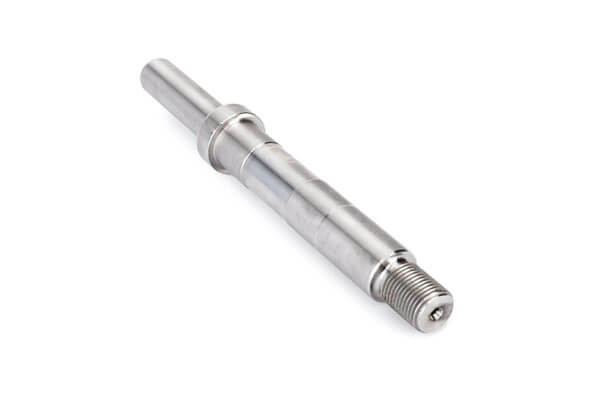
Hëtzt Behandlung
Eng typesch Prozess Kette fir 1.4006 ass am Prinzip einfach awer sensibel an der Ausféierung. De Stol gëtt als éischt austenitiséiert, dann geläscht, an endlech temperéiert.
Datasheets allgemeng Plaz annealing ëm 745-825 ° C, quenching ëm 950-1000 ° C, an an Temperaturen am Beräich vun 680-780 ° C, obwuel de genauen Zyklus op Produktform hänkt, Sektioun Gréisst, an déi néideg Propriétéit Gläichgewiicht.
De Schlësselpunkt ass datt d'Legierung staark op d'Hëtztbehandlung reagéiert, sou datt de gewielten Zyklus direkt d'Häert bestëmmt, DUTTILITÉIT, an Impakt Verhalen.
Eng nëtzlech Ingenieursinterpretatioun ass dat 1.4006 ass net e "Fix-Eegeschaft" Edelstol. Et ass eng Propriétéit-adjustable STAINLESS Stol.
Dat mécht et gëeegent fir Komponenten déi an engem méi mëllen Zoustand musse beaarbecht ginn an dann an eng méi haart ëmgewandelt ginn, méi staark Finale Deel.
An engem quenched an temperéierten Zoustand, publizéiert Wäerter weisen däitlech méi héich nozeginn an tensile Kraaft wéi an der mëll Versuergung Staaten, confirméiert datt den thermesche Zyklus Deel vun der Designstrategie ass, net nëmmen e Schlussschrëtt.
Zosbau
Zosbau 1.4006 ass méiglech, awer et ass net déi üblech Iwwerschrëftroute fir dëse Grad. D'Legierung gëtt méi heefeg als Bar oder geschmiedegt Produkt begéint fir a mechanesch Komponenten ze bearbeen.
Wann Casting benotzt gëtt, déi selwecht martensitic Edelstahl Logik gëllt nach: chemesch Homogenitéit, solidification Kontroll, an Post-Goss Hëtzt Behandlung sinn kritesch.
Well 1.4006 ass geduecht fir nëtzlech Kraaft duerch martensitesch Transformatioun z'entwéckelen, Gossprodukter musse suergfälteg verwaltet ginn fir grober Struktur ze vermeiden, Segregatioun, oder Propriétéit Streuung.
Dofir, an der Praxis, gegoss martensitesch Edelstahl si meeschtens reservéiert fir Komponentformen, wou d'Gosseffizienz d'Virdeeler vu geschmiedem Lager iwwerweegt.
Hot schaffen
Hot schaffen ass e praktesche Wee fir ze formen 1.4006 virun der Finale Bearbechtung oder Hëtztbehandlung.
Dateblieder fir vergläichbar Produktformen weisen datt waarme Formungsfenster typesch gutt iwwer dem Glühungsbereich zentréiert sinn an ënner dem Punkt wou Skalabildung an Eegentumsdegradatioun problematesch ginn.
An engem martensitic 1.4006 Produkt Dateblatt, der waarm Formatioun Beräich gëtt als 1100°C bis 800°C, wat konsequent ass mat der Bedierfnes fir funktionéierbar Plastizitéit z'erhalen wärend an enger kontrolléierter thermescher Fënster bleift.
Aus enger Fabrikatioun Perspektiv, waarm Aarbecht ass nëtzlech well et erlaabt datt d'Kornstruktur raffinéiert gëtt an d'Deelgeometrie virum Härt etabléiert ginn.
Wéi och ëmmer, et muss méi suergfälteg gehandhabt ginn wéi austenitesch Edelstahl waarm Aarbecht, well martensitesch Stahle méi empfindlech op thermesch Geschicht a spéider Bréchheet sinn, wann de Prozess net mat der korrekter Tempering passt.
Kal schaffen
1.4006 kann och kal geschafft ginn, awer d'Äntwert vun der Legierung ass net identesch mat der austenitescher Edelstahl.
Well et martensitesch an Hëtztbehandlungsfäeg ass, Kale Aarbecht gëtt dacks manner als primär Verstäerkungsroute benotzt a méi als Formen oder Ofschlossoperatioun virun der leschter Wärmebehandlung.
Wou kal Deformatioun agefouert gëtt, et kann Stäerkt an hardness erhéijen, awer et erhéicht och d'Formatiounskräften a kann d'Duktilitéit reduzéieren wann de Prozess ze wäit gedréckt gëtt.
Aus deem Grond, Kälteaarbecht ass am beschten als kontrolléierte Gestaltungsschrëtt behandelt anstatt d'Haaptmethod vun der Immobilieentwécklung.
Maach
Maach ass ee vun de stäerkste praktesch Stäerkten vun 1.4006 Edelstol.
Verschidde Fournisseuren beschreiwen et als Grad gëeegent fir mechanesch Ingenieursdeeler präzis well et effizient an engem mëllen Zoustand beaarbecht ka ginn an duerno méi spéit gehärt gëtt..
Dëst ass wäertvoll an shafts, Ventil Deeler, Arméi, an aner ëmgedréint oder gemoolt Komponenten wou knapp Toleranzen wichteg sinn.
En zweete Virdeel ass datt d'Legierung dacks a Liwwerungsstaaten verfügbar ass, déi d'Maschinn virun der leschter Wärmebehandlung ënnerstëtzen.
An industrielle Begrëffer, dëst bedeit datt d'Fabrikatiounsroute fir Käschteeffizienz organiséiert ka ginn: rau Maschinn éischt, fäerdeg Hëtzt behandelen zweet, an dann nëmme minimale Veraarbechtung ausféieren wann néideg.
De richtege Virdeel ass net nëmmen d'Maschinnbarkeet, Mee Fabrikatioun Sequenz Kontroll.
Schweißen
Schweess ass méiglech, mee martensitic STAINLESS Stol verlaangen méi Disziplin wéi austenitic Qualitéiten.
Fournisseur Guidance fir vergläichbar 1.4006 / X12Cr13 Produkter bemierkt datt Schweißen machbar ass mat Standardmethoden, Mee Virhëtzen am Beräich vun ongeféier 150-300 ° C an an Post-Schweißglühung oder Tempering kann néideg knacken Risiko reduzéieren an eng méi stabil Propriétéit Formatioun restauréiert.
An anere Wierder, Schweess ass net verbueden, awer et ass Prozessempfindlech a muss als Deel vum materiellen Zoustand geplangt ginn, net als Afterthought behandelt ginn.
D'Schweißerausfuerderung kënnt aus der martensitescher Transformatioun.
Wann der Hëtzt-betraff Zone killt ze séier oder wann Wasserstoff a Réckzuch net kontrolléiert ginn, bréchege Strukturen kënne Form an Rëss Risiko Rises.
Dofir hu vill Fabrikateuren léiwer Schweißen einfach ze halen, benotzen déi richteg Filler Auswiel, an applizéiert Post-Schweiß Wärmebehandlung wann de Service et verlaangt.
6. Corrosion Resistenz a Service Limite
Korrosiounsbeständegkeet Profil
Der corrosion Resistenz vun 1.4006 ass am beschten beschriwwen als mëttelméisseg.
Et leeft gutt an liicht aggressiv, net-chlorid Ëmfeld wéi Seef, Botzmëttelen, organesch Saieren, a Waasser oder Damp Service, awer et ass net geduecht fir staark Chloridbelaaschtung.
De Stol huet gutt Korrosiounsbeständegkeet am Waasser wann se poléiert an temperéiert sinn, Mee net wann Chloride präsent sinn.
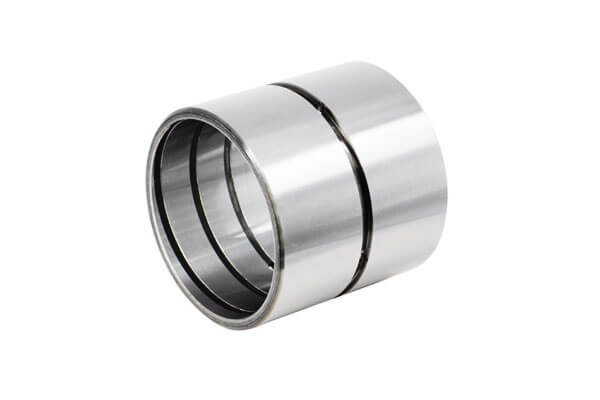
Service-Limit Resumé
| Service Aspekt | Praktesch Limite / Féierung | Engineering Bedeitung |
| Allgemeng corrosion Ëmfeld | Mëttelméisseg korrosiv, net-chlorid Medien | Gutt fit fir Waasser, Damp, seef, an ähnlech Servicer. |
| Uewerfläch Zoustand | Poléiert / glat / Rescht-gratis bevorzugt | Surface Finish verbessert direkt Korrosiounsbeständegkeet. |
| Chlorid Belaaschtung | Net bevorzugt | Chloridëmfeld kënne séier d'Korrosiounsmarge vun der Legierung erauswuessen. |
| Héich Temperatur Service | Ongeféier 400–600°C jee no Informatiounsblat an Atmosphär | Gëeegent fir mëttelméisseg Hëtzt, net schwéier héich-Temperatur Service. |
Uewerfläch Zoustand ass wichteg
Fir 1.4006, Uewerfläch Conditioun ass net fakultativ Fine-tuning. Eng poléiert oder geschnidden Uewerfläch verbessert d'Korrosiounsverhalen, wat besonnesch wichteg ass an Ausrüstung mat Waasser ausgesat, Damp, oder liicht aggressiv Medien.
Dat ass ee Grond datt de Grad dacks a Schaften erschéngt, Valve Komponenten, an Pompel Deeler wou Finish Qualitéit Deel vun der funktionell Spezifizéierung ass.
7. Typesch Uwendungen vun 1.4006 Edelstol
1.4006 gëtt benotzt wou mechanesch Leeschtung, moderéiert Korrosioun Resistenz, Magnetismus, an Hëtztbehandlung Matière méi wéi maximal corrosion Schutz.
Et ass besonnesch heefeg an Deeler déi als éischt machinéiert a spéider gehärt ginn.
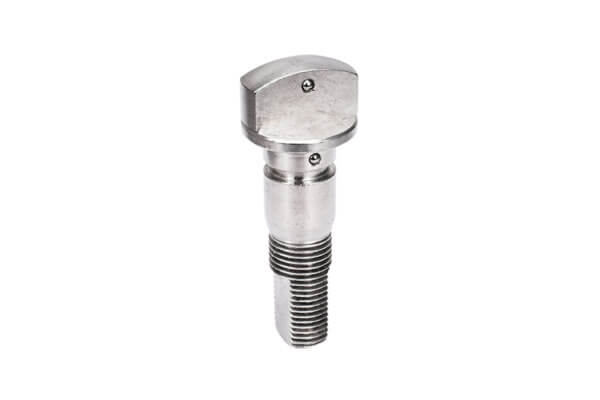
Mechanesch Ingenieur Komponente
Dëst ass de Kär Uwendungsberäich fir 1.4006. Et gëtt dacks benotzt fir Deeler déi Laascht droen mussen, widderstoen zouzedrécken, an erhalen dimensional Zouverlässegkeet no Hëtzt Behandlung.
Datasheets beschreiwen et als haaptsächlech am mechanesche Ingenieur benotzt.
Typesch Beispiller enthalen:
- Schëffster
- spindles
- Achsen
- bushings
- Maschinn Deeler
- Präzisioun verwandelt Komponente
Pompel a Ventil Hardware
1.4006 ass wäit benotzt an Pompel Industrie an an hydraulesch Ingenieur well et machinability kombinéiert, HARDERSCY, an adäquate corrosion Resistenz fir mëttelméisseg aggressiv Service.
Gemeinsam Komponente enthalen:
- Stralvert Schëffster
- impellers an net schwéier Medien
- Ventilstämm
- Valve interns
- hydraulesch Deeler
- Armaturen a Kupplungen
D'Waassermonn, Damp, a mëll Prozess Service
De Grad gëtt och a strukturellen Deeler benotzt, déi ausgesat sinn Waasser oder Damp an Ausrüstung fir Pabeiernéieschäin, Textilindustrie, a Liewensmëttelindustrie Ëmfeld wou d'Korrosioun moderéiert ass an d'Botzbarkeet wichteg ass.
Beispiller enthalen:
- Dampkontakt Deeler
- Waasser-Service Hardware
- liicht korrosive Prozess Komponente
- Schiirme an sieves
- industriell Ariichtungen
Fasteners a kleng Präzisioun Deeler
Well 1.4006 kann Hëtzt behandelt an effizient machinéiert ginn, et ass gëeegent fir Bolzen, schrauwen Schrauwen, Nëss, a kleng equipéiert Komponente.
8. Verglach mat Aner Edelstahl Qualitéiten
| Aspekt | 1.4006 | 1.4301 (304) | 1.4404 (316L) | 1.4021 (420) |
| STAINLESS Famill / Struktur | MARTENNESSITION, ferromagnetesche Stol mat gudde mechanesche Properties. | Austenitescht Edelstol mat exzellente Korrosiounsbeständegkeet a ville Ëmfeld. | Austenitescht Edelstol; niddereg Kuelestoff Inhalt gëtt gutt Resistenz zu intergranular corrosion am geschweißten Zoustand. | MARTENNESSITION, ferromagnetesch Edelstol; benotzt am gehärtem Zoustand fir vill Bau- a Befestigungselementer. |
| Magnéitescht Verhalen | Magnéitesch / ferromagnetesch. | Weesentlechen net magnetesch am annealed Zoustand, mat enger magnetescher Äntwert méiglech no kaler Aarbecht. | Austenitesch a geréng Magnetiséierung. | Magnéitesch / ferromagnetesch. |
Hëtzt behandelbar |
Hëtzt-behandelt; geliwwert wéi annealed, geläscht an temperéiert, oder quenched an duebel temperéiert. | Kann net duerch Hëtztbehandlung gehärt ginn; Léisung annealing amplaz benotzt. | Net fir d'Aushärtung ausgewielt; typesch an Léisung-annealed Zoustand mat excellent Schweess Leeschtung benotzt. | Härtbar; QT700 an QT800 Konditiounen sinn uginn. |
| Korrosioun Resistenz | Gutt an Net-Chlorid, mëttelméisseg korrosiv Ëmfeld; PREN iwwer 14; poléiert Uewerfläch verbessert Resistenz. | Excellent a ville Ëmfeld, awer Chloridpitting / Spaltkorrosioun kann optrieden a Spannungskorrosiounsrëss kann iwwer 60 ° C optrieden. | Ganz gutt corrosion Resistenz; niddereg Kuelestoff Inhalt hëlleft Resistenz am geschweißten Zoustand erhaalen. | Korrosiounsbeständegkeet ass manner wéi déi allgemeng austenitesch Graden; nëtzlech an mëttelméisseg aggressiv Medien, awer net déi bescht Wiel fir schwéier Chloridbelaaschtung. |
WELDITIOUN / Fabrikatioun |
Schweessbar, awer Prozedur Disziplin ass wichteg well martensitesch Stahle méi empfindlech sinn fir Wärmebehandlung a Post-Schweißbedingungen. | Excellent Fusioun Schweess Leeschtung; liicht arbechthärt während der kaler Aarbecht. | Excellent Schweess Verhalen; niddereg Kuelestoff hëlleft corrosion Resistenz no Schweess behalen. | Schweessbarkeet ass gutt, mee Preheating an Post-Weld tempering sinn allgemeng fir bescht Resultater recommandéiert. |
| Typesch Service Temperatur | Bis zu ongeféier 400°C. | Gutt Oxidatiounsresistenz am intermitterende Service bis 870 ° C a kontinuéierlech Service bis 925 ° C; kontinuéierlech Benotzung bei 425-860 ° C ass net recommandéiert wann wässerlech Korrosiounsbeständegkeet erfuerderlech ass. | Gëeegent fir Gebrauch bis ongeféier 550 ° C. | Gëeegent fir ze benotzen bis zu ongeféier 550–600 °C ofhängeg vum Dateblat an Applikatiounskontext. |
Typesch Uwendungen |
Mechanesch Ingenieur, hydraulesch Ingenieur, Pumpzen, d'Ventil, Arméi, chemesch a petrochemesch Industrie, dekorative Fonctiounen, Haushaltskomponenten. | Allgemeng Ausrüstung a ville Ëmfeld wou Formbarkeet a Korrosiounsbeständegkeet wichteg sinn. | Pumpzen, d'Ventil, speziell Lager, Iessen, Pabeiernéieschäin, Chemeschen, medizinesch, an ähnlech corrosion-empfindlech Ausrüstung. | Automotiv, Petrol, petrochemesch, hydraulesch Ausrüstung, Maschinnen, Besteck, Blieder, dekorativen an Kichen Uwendungen. |
| Beschte fit | Bescht wann moderéiert corrosion Resistenz a méi héich mechanesch Kraaft souwuel néideg sinn. | Beschte wann excellent allgemeng corrosion Resistenz an einfach fabrication wichteg ass. | Beschte wann besser corrosion Resistenz wéi 304 gebraucht gëtt, besonnesch am geschweißte Service. | Beschte wann hardness, magnetescht Verhalen, a moderéiert corrosion Resistenz sinn d'Prioritéit. |
9. Conclusioun
1.4006 Edelstol ass e reift Ingenieursmaterial mat enger ganz spezifescher Roll. Et ass net entwéckelt fir de korrosionsbeständegsten Edelstahl ze sinn, och net deen einfachsten Edelstol fir an engem Katalog ze iwwersinn.
Seng Stäerkt ass datt et zouverlässeg funktionnéiert an den Uwendungen fir déi et geduecht war: mechanesch exigent Deeler, moderéiert Ëmfeld, a Produktiounsrouten déi vun der Wärmebehandlung a Bearbechtungsflexibilitéit profitéieren.
Richteg gekuckt, 1.4006 ass kee Kompromëssgrad am pejorative Sënn.
Et ass eng Zweck gebaut martensitic STAINLESS Stol deem seng Kombinatioun vu Magnetismus, HARDERSCY, Machinabilitéit, a moderéiert corrosion Resistenz mécht et eng praktesch Léisung fir eng breet Palette vun industriell Komponente.
Faqs
Ass 1.4006 STAINLESS Stol magnetesch?
Jo. Et ass e martensitescht Edelstol an ass magnetesch.
Ass 1.4006 Edelstol Hëtzt behandelbar?
Jo. Seng Properties si staark beaflosst vun Ausschloss an Tempering.
Ass 1.4006 corrosion resistent géint STAINLESS Stol?
Jo, awer nëmmen mëttelméisseg. Et ass gëeegent fir mëll bis mëttelméisseg aggressiv Ëmfeld, net schwéier Chlor Service.
Wat ass de Schmelzpunkt vun 1.4006 Edelstol?
D'Schmelzberäich vun 1.4006 ass 1480-1530 °C, liicht méi héich wéi Kuelestol, Erlaabt d'Benotzung an mëttelméisseg héich Temperaturen Uwendungen (bis 600°C).
Ass 1.4006 besser wéi 304 Edelstol?
Net universell. 304 ass besser fir Korrosiounsbeständegkeet, heiansdo 1.4006 ass besser wann et härt, magnetesch Äntwert, a mechanesch zouzedrécken Leeschtung si méi wichteg.

