1. Кіріспе
Дәлдік (салым) құйма сорғы дөңгелектері үшін кеңінен қолданылады, Клапанның денелері, турбо компоненттері, медициналық имплантаттар және геометрия болатын тапсырыс берілген бөлшектер, бетінің әрлеуі және металлургиялық тұтастығы өте маңызды.
Тот баспайтын болаттар коррозияға төзімділігіне байланысты бұл қолданбалар үшін тартымды, механикалық қасиеттері және ыстыққа төзімділігі.
Бірақ күрделі пішіндердің комбинациясы, жұқа секциялар мен тот баспайтын болаттан жасалған металлургия ақаулардың пайда болу қаупін арттырады.
Бұл тәуекелдерді азайту үшін материалды таңдау мен үлгіні жобалаудан бастап балқыту арқылы кешенді тәсіл қажет, қабық өндірісі, құю, Термиялық өңдеу, тексеру және әрлеу.
2. Дәл құюда қолданылатын тот баспайтын болаттан жасалған негізгі топтар
- Аустениттік (E.Г., 304, 316, 321, CF-3M): Жоғары Ni/Cr мазмұны, жақсы икемділік және коррозияға төзімділік.
Аустениттер крекинг тұрғысынан кешірімді, бірақ газдың кеуектілігіне бейім (сутегі), кейбір атмосферада бетінің тотығуы және ішкі карбюризация/декокизация.
Олар салқындаған кезде өзгермейді, сондықтан қатайту мен қосу тазалығын бақылау маңызды. - Дуфлекс (ферриттік-аустениттік): Кейбір орталарда жоғары беріктік және жақсартылған SCC кедергісі.
Дуплексті сорттар термиялық тарихқа неғұрлым сезімтал: 300–1000°C диапазонында ұзақ әсер ету сынғыш фазаларға ықпал етуі мүмкін. (сигма), және салқындатудағы теңгерімсіздік қалаусыз феррит/аустенит қатынасына әкелуі мүмкін. - Мартентис / Жауын-шашын-бұзу (E.Г., 410, 17-4Р): Жоғары беріктік/қаттылық немесе қаттылық қажет болғанда қолданылады.
Бұл қорытпалар қатайтудың шөгуі немесе термиялық градиенттер дұрыс басқарылмаса және құюдан кейінгі мұқият термиялық өңдеуді қажет етсе, крекингке көбірек бейім болуы мүмкін.. - Жоғары қорытпа/мамандық (E.Г., 6Әзірлеу, 20Cr-2Ni): Легірлеудің жоғарылауы сегрегация мәселелерін күшейтуі мүмкін, тотығу және отқа төзімділік үйлесімділігі; балқыту тәжірибесі мен қожды бақылау одан да маңыздырақ бола түседі.
3. Дәл құю процесі — маңызды қадамдар және басқару айнымалылары
Ақаулар енгізілетін негізгі кезеңдері:
- Үлгі & қақпаның дизайны: балауыз немесе полимер үлгісі, сүйинг, көтеру стратегиясы, филе, жоба.
- Қабық құрылысы: суспензия химиясы, сылақ өлшемі, кептіру/күзету циклдері және қабықтың қалыңдығын бақылау.
- Үлгіні жою / Dewax: тазалық және қалдықтардың болмауы.
- Айналуы / пісіру: қалдық органикалық заттарды кетіру және термиялық соққыны бақылау үшін бақыланатын температура.
- Еркелу & металды өңдеу: балқыту тәжірибесі (индукция, вакуумдық индукция, күмбез тот баспайтын болаттан аулақ), ырғайат, шлактарды жою, газасты (аргон), қосуды бақылау, және қорытпалар химиясының дәлдігі.
- Құю: Температура, техника (төменгі/жоғарғы құйыңыз), көкбауыр үшін, және атмосфераны бақылау.
- Күшейту & салқындату: Бағытталған қатайту, көтергіш өнімділігі, жылу градиенттерін бақылау.
- Қабықты жою, тазалау және алу: механикалық және химиялық тазалау, тексеру.
- Кастингтен кейінгі термиялық өңдеу: Шешім, сөндіру, Тымбитора, қорытпа және механикалық қажеттіліктерге байланысты кернеуді жеңілдету.
- Бұзбайтын тестілеу & бастау: NDT, өңдеу, Егер көрсетілген болса, HIP, бетін әрлеу және пассивациялау.
Басқару айнымалылары кіреді: тазалық пен химияны балқытады, қабықтың кеуектілігі мен өткізгіштігі, алдын ала қыздыру профилі, құю температурасы және турбуленттілік, көтергіш және фидер конфигурациясы, және құюдан кейінгі термиялық циклдар.
4. Тот баспайтын болаттан жасалған дәл құймалардағы жиі кездесетін ақаулар
Бұл бөлімде тот баспайтын болаттан жиі кездесетін ақаулар тізімі берілген Инвестициялық құйма, қалай және не үшін пайда болғанын түсіндіреді, және практикалық анықтауды береді, алдын алу және қалпына келтіру шаралары.
Газ кеуектілігі (соққылар, табойлар, бал ұясының кеуектілігі)
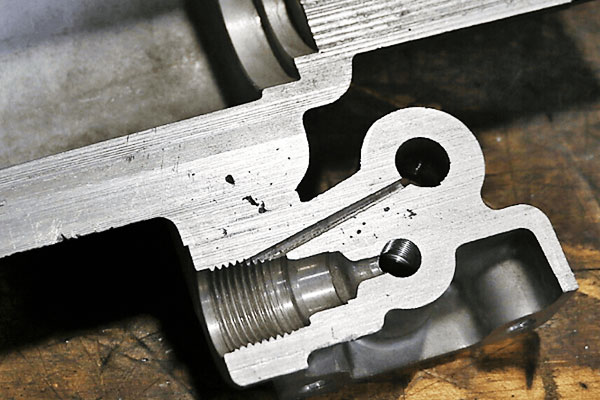
Ол қандай көрінеді: құйма арқылы таралатын сфералық немесе дөңгелек қуыстар; жер асты кеуектілігінің беткі саңылаулары немесе шоғырлары; кейде интердендритті аймақтардағы бал торы.
Түбірлік себептер: ерітілген газ (негізінен сутегі, кейде азот/оттегі) қатаю кезінде бөлінеді; қабықтағы немесе үлгідегі ылғал немесе ұшпа органикалық заттар; жеткіліксіз газсыздандыру; турбулентті құю сорғыш ауа немесе шөгінділер; балқыма түзетін газдағы реакциялар.
Қалай анықтауға болады: көрнекі (беткі тесіктер), бетті сындыратын кеуектерге арналған бояғыш, жер асты кеуектілігі үшін рентгенография/КТ, қысымның маңызды бөліктері үшін ультрадыбыстық немесе гелийдің ағуын тексеру.
Болдырмау: қабықтарды мұқият құрғатыңыз және балауызды/күлді кетіруді бақылаңыз; балқыманы газсыздандыруды орындаңыз (аргон/аргон-оттегі қоспалары, Вакуумды газсыздандыру);
таза зарядталған материалдарды қолданыңыз және реактивті ағынды азайтыңыз; ламинарлы ағынмен немесе түбінен құю әдістерімен құйыңыз; сұйықтықты және газды қабылдауды теңестіру үшін құю температурасын бақылау.
Қалпына келтіру: ыстық изостатикалық престеу (Сан) функция талап ететін ішкі кеуектілікті жабу үшін; беткі тесіктерді жою үшін жергілікті өңдеу; егер металлургия және жоба рұқсат етсе, оқшауланған ақауларға дәнекерлеуді жөндеу.
Шөгінділер (дендриттер аралық жиырылуы)
Ол қандай көрінеді: ретсіз, ең соңғы мұздату орындарында шоғырланған жиі өзара байланысты бос орындар (қалың бөліктер, түйіспелер)— дендриттік тор немесе орталық қуыс түрінде көрінуі мүмкін.
Түбірлік себептер: қатаю кезінде жеткіліксіз азықтандыру; интердендритті шөгуге ықпал ететін кең мұздату диапазоны бар қорытпалар;
көтергіш/қағаздың нашар орналасуы; ыстық нүктелерде қатуды кешіктіретін жеткіліксіз қызып кету немесе шамадан тыс оқшаулау.
Қалай анықтауға болады: ішкі қуысты картаға түсіру үшін рентгенография және КТ; аралық морфологияны растау үшін металлографиялық кесінді.
Болдырмау: бағытталған қатаю тәжірибесін қолдану — стоящиктерді/фидендерді ең соңғы мұздатылған көлемдерге қойыңыз, қату жолын өзгерту үшін салқындатуды пайдаланыңыз, қоректендіруді қамтамасыз ету үшін қақпаны қайта қарап шығыңыз, ыстық нүкте әрекетін тексеру үшін модельдеу бағдарламалық құралын пайдаланыңыз.
Қалпына келтіру: Ішкі жиырылуын тығыздау үшін HIP; беруді қосу немесе кейінгі өндіріс үшін секция геометриясын өзгерту үшін қайта жобалаңыз; рұқсат етілген локализацияланған дәнекерлеу тігісі, қол жетімді шөгу.
Қосындылар және шлактарды ұстау
Ол қандай көрінеді: матрицадағы қараңғы бұрыштық бөлшектер немесе стрингерлер (шо, оксидті пленкалар, отқа төзімді фрагменттер), кейде өңделген беттерде немесе сыну қималарында көрінеді.
Түбірлік себептер: пештегі шлактарды тазалаудың жеткіліксіздігі, турбулентті құйылатын тартылатын шөгінділер, балқымаға шашыраңқы қабықшаның үйлесімсіз материалдары, адекватты емес ағын, немесе балқыманы тазартудың жеткіліксіздігі.
Қалай анықтауға болады: үлкенірек қосындылар үшін рентгенография/КТ, ұсақ бөлшектерге арналған металлография, сәтсіздіктерді талдау үшін ақ сызбаны тексеру және фрактография.
Болдырмау: балқыманы мұқият тазалау (сүзу, көну), турбуленттілікке жол бермеу үшін басқарылатын құю, мүмкін болса, түбінен құю немесе су астында құю,
бақыланатын иілгіштігі бар үйлесімді қабық формуласы, және шлактың түсуін барынша азайтатын шөміштерді мерзімді тасымалдау тәжірибесі.
Қалпына келтіру: беттік қосындыларды өңдеу; дәнекерлеуді жөндеу немесе жүк көтергіш бөлшектердің секциясын ауыстыру; балқыту тәжірибесін және келесі құюлар алдында тексеруді жақсартты.
Суық жабылулар мен қателер (толық емес толтыру)
Ол қандай көрінеді: беткі сызықтар, суық тізе сызықтары, аяқталмаған бөлімдер, немесе қуыс толық толтырылмаған жұқа жерлер.
Түбірлік себептер: төмен құю температурасы, балқытылған металл ағынының жеткіліксіздігі, нашар қақпа немесе желдету, қабықтың шамадан тыс өткізгіштігі немесе дымқыл дақтар, тым жұқа бөліктер немесе ұзын ағын жолдары.
Қалай анықтауға болады: беттік ақауларды көзбен шолу және өлшемді тексеру; Жасырын аймақтардың толық емес толтырылуын растау үшін КТ/рентгенография.
Болдырмау: ламинар үшін ысырманы және желдетуді растаңыз, үздіксіз ағын; сұйықтықты сақтау үшін құю температурасын және құю жылдамдығын реттеңіз;
біркелкі бөлік қалыңдығын қамтамасыз етіңіз немесе беру арналарын қосыңыз; локализацияланған салқындатуды болдырмау үшін қабықтың кептірілуін жақсартыңыз.
Қалпына келтіру: геометрия мүмкіндік беретін жерде дәнекерлеу және өңдеу арқылы қайта өңдеу; болашақ жүгірулер үшін қақпаны қайта жасау.
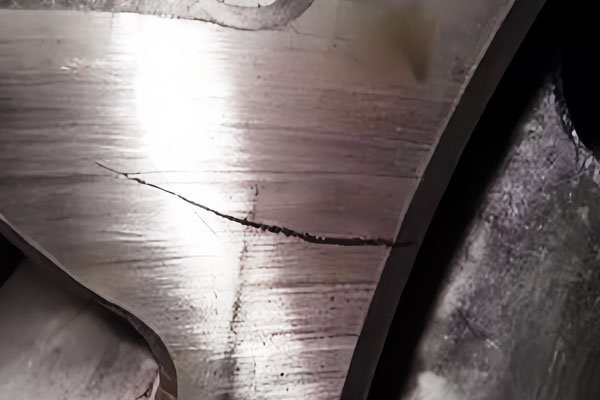
Ыстық жыртылу / Ыстық крекинг (қатаюдың жарықтары)
Ол қандай көрінеді: соңғы қатып қалатын аймақтардағы тұрақты емес жарықтар, жиі сыртқы беттерде немесе филелердің жанында және шектелген мүмкіндіктерде, салқындату кезінде пайда болады.
Түбірлік себептер: металдың икемділігі төмен болған кезде жартылай қатты/кеш қатаю интервалындағы созылу деформациялары; шектелген геометрия, бөлімнің күрт өзгеруі, жеткіліксіз азықтандыру немесе зеңнің нашар сәйкестігі; кең қатаю диапазоны бар қорытпалар сезімтал.
Қалай анықтауға болады: бетіндегі жарықтар үшін визуалды және бояғышты өткізгіш; жер асты жарықтары үшін рентгенография/КТ; қатайту морфологиясы мен жарықшақтардың уақытын растау үшін металлография.
Болдырмау: шектеуді азайту үшін дизайн (филе қосыңыз, радиустарын ұлғайту, қозғалысты бекітетін қатты өзектерден аулақ болыңыз), қатаю кезінде созылу кернеуін азайту үшін ысырма/көтергіш стратегиясын өзгерту,
сәл сәйкес келетін немесе оқшаулағыш гильзалары бар қалып материалдарын пайдаланыңыз, және жылу градиенттерін азайту үшін құю ретін нақтылаңыз.
Қалпына келтіру: кейде геометрия мен металлургия рұқсат етсе, дәнекерлеу тігісін төсеу және дәнекерлеуден кейінгі термиялық өңдеу арқылы жөндеуге болады; әйтпесе құралды қайта құрастырыңыз және қайта шығарыңыз.
Ол қандай көрінеді: Беттің кедір-бұдырлығы, өткір енгізілген отқа төзімді бөлшектер, борпылдақ қабық фрагменттері немесе қабыршақтанып кететін масштабты бөліктер. Қабықтарды жуу үлкен беткейлік қуыстарды тудыруы мүмкін.
Түбірлік себептер: әлсіз қабық (жеткіліксіз сылақ, аз пісірілген қабық), балқытылған металл мен қабық байланыстырғыш арасындағы химиялық шабуыл, шамадан тыс құйылатын турбуленттілік, немесе металлдың шамадан тыс температурасы қабықтың бұзылуына әкеледі.
Қалай анықтауға болады: құйылған бетті визуалды тексеру, отқа төзімді қосындыларды анықтау үшін металлография, және қабықтың байланысын анықтау үшін фрактография.
Болдырмау: суспензияның құрамын және сылақтың сұрыпталуын бақылау, қабықшаларды кептіру және балауызсыздандыру кестелерін дұрыс қолданыңыз, металл қабықша реакциясын шектеу үшін қажет болған жағдайда қабық жабындарын пайдаланыңыз, және механикалық эрозияны шектеу үшін тиісті құю әдістерін қолданыңыз.
Қалпына келтіру: дәнекерлеу және өңдеу арқылы бетінің қуыстарын жою және жамау; ластану құрылымның тұтастығын бұзатын болса, қайта өңдеңіз немесе сындырыңыз; келесі іске қосулар үшін дұрыс қабық процесі.
Тотықтыру, қақтардың пайда болуы және бетінің ластануы
Ол қандай көрінеді: ауыр оксид шкаласы, қара/сұр беткі қабықшалар, қара дақтар немесе дақ; ауыр жағдайларда, өрескел металды ашатын шашыраған оксид.
Түбірлік себептер: жоғары балқыма/құйма температурасында ауа/оттегінің әсері, жеткіліксіз қорғаныс ағыны/қақпақ, локализацияланған реакцияларға әкелетін балауыз қалдықтары немесе көміртекті ластаушы заттар.
Қалай анықтауға болады: визуалды тексеру, беттік химия сынақтары, және оксидтің қалыңдығы мен енуін тексеру үшін оптикалық/металлографиялық қималар.
Болдырмау: балқыманың үстінен қорғаныш флюс қақпақтарын немесе инертті газ қақпақтарын пайдаланыңыз, температура мен атмосфераны бақылау, мұқият тазартуды және қабықшаларды жууды қамтамасыз етіңіз, және реакцияны азайтатын сәйкес қабықшалар мен жабын жүйелерін көрсетіңіз.
Қалпына келтіру: механикалық жою (Трастинг, ұнтақтау), химиялық тазалау, ЭЛЕКТРУ, және коррозияға төзімді бетті қалпына келтіру үшін пассивация; ауыр жағдайларда, бөлігін ауыстырыңыз.
Карбюрация / декарбуризация және беттік химияның өзгеруі
Ол қандай көрінеді: қараланған немесе сынғыш беткі қабат (карбюризация) немесе жұмсақ, таусылған беті (декарбуризация), шаршауға төзімділіктің төмендеуіне және локализацияланған коррозияға бейімділікке әкеледі.
Түбірлік себептер: байланыстырушы заттардан көміртектің диффузиясы, қалдық балауыз, көміртекті қабық компоненттері, немесе термиялық өңдеу кезінде атмосфераны азайту; тотығу атмосферасы немесе жоғары температурада шамадан тыс пісіру нәтижесінде пайда болатын декарбуризация.
Қалай анықтауға болады: микроқаттылықты профильдеу, металлографиялық қималар, беттік көміртегі/күкірт талдауы.
Болдырмау: төмен қалдық көміртегі бар қабық жүйелері мен байланыстырғыштарды таңдаңыз, пісіру/қызу циклдарын басқару, ұшпа заттарды жоятын пісіру протоколдарын қосыңыз, және термиялық өңдеу үшін басқарылатын атмосфералық пештерді пайдаланыңыз.
Қалпына келтіру: зақымдалған бетті жою үшін өңдеу, инертті немесе вакуумдық атмосферада тиісті термиялық өңдеу, немесе пассивациядан кейін локализацияланған ұнтақтау.
Сегрегация және орталық сызық / макросегрегация
Ол қандай көрінеді: ірі құйма секцияларындағы композициялық өзгерістер — орталық сызықта немесе басқа ыстық нүктелерде легирленген элементтердің немесе қоспалардың шоғырлануы, кейде қатты немесе сынғыш микрокомпоненттермен бірге жүреді.
Түбірлік себептер: қатаю кезінде дендритті сегрегация, үлкен бөліктерде баяу салқындату жылдамдығы, кейбір тот баспайтын қорытпалар үшін ұзақ мұздату диапазоны, және гомогенизациялық термиялық өңдеудің болмауы.
Қалай анықтауға болады: химиялық картографиялау (EDS/WDS), микроқаттылықты зерттеу, металлография және бөлімдер бойынша композициялық талдау.
Болдырмау: қату жылдамдығын салқындату немесе модификацияланған кесу арқылы бақылау, ұзақ қатаю жолдарын қысқарту үшін қақпаны оңтайландыру,
геометрия мен металлургия рұқсат еткенде гомогенизациялауды қолданыңыз, және балқыту технологиясын қарастырыңыз (VIM/VAR) макросегрегацияны азайту үшін.
Қалпына келтіру: сегрегация әсерін азайту үшін гомогенизациялық термиялық өңдеу немесе бөлінген аймақтарға сыни сипаттағы тәуелділікті болдырмау үшін құрамдас бөлікті қайта құру; Кейінгі термиялық өңдеуі бар HIP де жұмсартуы мүмкін.
Бұрмалау, қалдық кернеулер және өңдеуден кейінгі крекинг
Ол қандай көрінеді: бұралған бөлшектер, қабықшаларды алып тастау немесе термиялық өңдеуден кейін рұқсат етілмеген өлшемдер; өңдеу кезінде немесе қызмет көрсету кезінде крекинг.
Түбірлік себептер: біркелкі емес салқындату, Фазалық түрлендірулер (мартенситті немесе дуплексті сорттарда), шектелген салқындату, кіріктірілген қалдық кернеуді босататын өңдеу, және сәйкес емес термиялық өңдеу кестелері.
Қалай анықтауға болады: Өлшемді тексеру, бұрмалану картасы, сызаттарға бояғышты немесе магнитті бөлшектерді сынау, және металлографиялық фазалық талдау.
Болдырмау: салқындату жылдамдығын бақылау, мүмкін болса, ауыр өңдеуден бұрын кернеуді жеңілдететін термиялық өңдеулерді орындаңыз, материалды алуды теңестіру үшін реттілікпен өңдеу, және стрессті ұстайтын секцияның күрт ауысуын болдырмаңыз.
Қалпына келтіру: стрессті жеңілдететін күйдіргіш, қайта термиялық өңдеу циклдері, өңдеу стратегиясын өзгерту, немесе бақыланатын жағдайларда термиялық түзету.
Беттік әрлеу ақаулары (қаттылық, қабық текстурасын тасымалдау, шоқы)
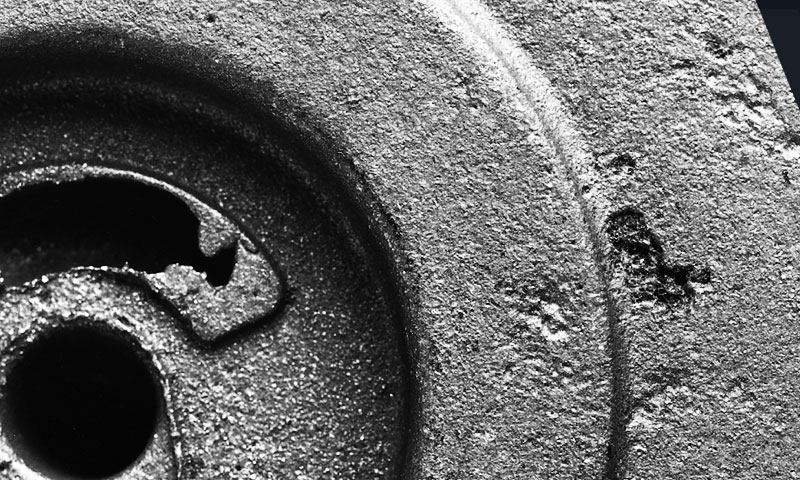
Ол қандай көрінеді: шамадан тыс кедір-бұдыр, құйма бетіндегі көрінетін қабық түйіршіктері/текстурасы, термиялық өңдеуден кейін локализацияланған шұңқыр немесе ою.
Түбірлік себептер: дөрекі сылақ, қабықтың шламын нашар бақылау, қабықты жуудың жеткіліксіздігі, байланыстырушы күлдің қалдығы, немесе агрессивті термиялық өңдеу атмосферасы.
Қалай анықтауға болады: профилометрия, визуалды тексеру, және микроскопия.
Болдырмау: мақсатты аяқтау үшін шыбықтың дұрыс бөлшектерінің өлшемін таңдаңыз, суспензияның тұтқырлығын және қолданылуын бақылау, қабықты мұқият тазалауды және бақыланатын пісіру циклдерін қамтамасыз етіңіз,
және құюдан кейінгі өңдеу процестерін қолданыңыз (атыс, дірілдеу, өңдеу) көрсетілгендей.
Қалпына келтіру: механикалық өңдеу (ұнтақтау, жылтырату), химиялық тазарту/маринадтау және электрмен жылтырату; кейін пассивацияны қолданыңыз.
Микрокрекинг және түйіршікаралық шабуыл (IGSCC тенденциясы)
Ол қандай көрінеді: ұсақ түйіршік аралық жарықтар, көбінесе коррозиялық орталардың әсерінен кейін сенсибилизация немесе локализацияланған коррозия аймақтарымен байланысты.
Түбірлік себептер: астық шекарасында хром карбидінің жауын-шашыны (сезімталдық) дұрыс емес термиялық өңдеуден, сегрегация, немесе сенсибилизация температурасы диапазонында ұзақ әсер ету; қалдық кернеулер коррозиялық шабуыл кезінде крекингті күшейтеді.
Қалай анықтауға болады: сенсибилизацияға арналған опортпен металлография, бетіндегі жарықтар үшін бояғыш-пенетрант, және коррозияға сынау (E.Г., мүмкін болса, түйіршікаралық коррозияға сынақтар).
Болдырмау: аустениттік сорттар үшін сәйкес ерітінділерді күйдіру және сөндіру циклдары, құймалардағы дельта-ферритті бақылау, және тұрақтандырылған сорттарды қолданыңыз (Егер/Nb) сенсибилизация қаупі бар жерде.
Қалпына келтіру: карбидтерді еріту үшін ерітіндіні күйдіру (геометрия және бөліктердің шектеулері рұқсат етсе), дәнекерлеуден кейінгі тиісті термиялық өңдеумен локализацияланған тегістеу/дәнекерлеу, немесе болашақ өндіріс үшін тұрақтандырылған немесе төмен С сорттарымен ауыстыру.
5. Кейс зерттеулері – ақауларды жоюдың репрезентативті мысалдары
Чемодан 1 — Сорғы дөңгелектеріндегі қайталанатын ішкі кеуектілік
Түбірлі себеп: газсыздандырудың жеткіліксіздігі және оттегін тартудың турбулентті түбінен құю техникасы; интердендритті шөгуді тудыратын күрделі жұқадан қалыңға ауысу.
Шешім: аргонды газсыздандыруды жүзеге асырды, төмен турбулентті түбінен құюға ауыстырылды, қақпасы қайта жасалды және тоңазытқыштар қосылды; ұшудың маңызды бөліктерінде HIP қолданылды.
Чемодан 2 — Жіңішке қабырғалы жылу алмастырғыштардағы суық жабындар және қате жұмыс
Түбірлі себеп: құю температурасы тым төмен және өзектер арқылы жеткіліксіз желдету; қабықтың өткізгіштігі сәйкес келмейді.
Шешім: қорытпа терезесінде құю температурасының жоғарылауы, қабықты кептіру жақсарды, оңтайландырылған желдету арналары және ламинарлы ағынды қамтамасыз ету үшін модификацияланған қақпақ - суық жабулар жойылды.
Чемодан 3 — Құюдан кейінгі беттік күкіртті бояу және жергілікті коррозия
Түбірлі себеп: көміртекті байланыстырғыш қалдықтары және қабықтың жеткіліксіз тазалануы, бұл жергілікті сульфидті бояуға және шұңқырларға әкеледі..
Шешім: қайта қаралған балауызды және қабықты жуу процесі, ұшпа заттарды кетіру үшін жоғары температуралы қабықпен пісіру енгізілді және электрополировка плюс лимон пассивациясын жүргізді..
6. Қорытынды
Тот баспайтын болаттан жасалған дәл құю күрделі геометрияларға мүмкіндік береді, жоғары өлшемдік дәлдік және тамаша бет сапасы, бірақ ол металлургиялық және процеске байланысты айнымалыларға табиғи түрде сезімтал.
Кеуектілік сияқты құйманың ең көп кездесетін ақаулары, кішірейту, қосындылар, ыстық жыртылу және беттік химия мәселелері — кездейсоқ оқиғалар емес; олар қорытпаларды таңдаудың тікелей нәтижелері болып табылады, балқыту тәжірибесі, қалып сапасы, термиялық бақылау және бөлшектерді жобалау.
Сапа мен сенімділіктің кілті мынада құюдан кейінгі жөндеуден гөрі профилактикалық бақылау.
Құюға арналған дизайндағы алғашқы шешімдер, қақпа мен көтергіштің орналасуы, қабықшаларды жасау және балқыту тәртібі ақаулардың көпшілігін олар пайда болғанға дейін жояды.
HIP сияқты түзету шаралары кезінде, термиялық өңдеу және дәнекерлеуді жөндеу маңызды компоненттердегі құнды қалпына келтіруге мүмкіндік береді, олар шығындарды арттырады және сенімді процесті басқаруды алмастырмауы керек.
Қорытындысында, Тот баспайтын болаттан жасалған дәл құю инженерлік дизайн кезінде болжамды және жоғары құнды өндірістік шешімге айналады., материалтану және процесті бақылау сәйкестендіріледі.
Жүйелі алдын алу, мақсатты тексеру және үздіксіз жетілдіру ұзақ мерзімді құйма сапасы мен өнімділігінің негізі болып табылады.