Кіріспе
Мұнай мен газ - инженерлік ортаны талап етеді.
Құрамдас бөліктер коррозиялық орталарға төзімді болуы керек, Қысымның ауытқуы, температураның өзгеруі, діріл, және ұзақ қызмет көрсету аралықтары, жиі өлшемдік тұтастықты және сенімді тығыздау өнімділігін сақтай отырып.
Инвестициялық құю бұл ортаға өте қолайлы, өйткені ол біріктіреді жақын желі пішіні мүмкіндігі, Жақсы бөлшектер, қорытпалардың кең ауқымы, және өңдеу мен жинақтауды азайтқан күрделі геометрияларды шығару мүмкіндігі.
Мұнай мен газды инвестициялауды стратегиялық маңызды ететін нәрсе оның қиын пішіндерді шығара алатынында ғана емес.
Ол агрессивті қызмет көрсету жағдайлары үшін арнайы таңдалған қорытпаларда қиын пішіндерді шығара алады, маңызды технологиялық жабдық талап ететін беттік тұтастық пен өлшемдік консистенцияны сақтай отырып.
1. Неліктен инвестициялық құю мұнай мен газға сәйкес келеді?
Аз өңдеумен күрделі геометрия
Мұнай және газ құрамдастарында көбінесе ішкі ағынды өтулер болады, өтпелі аймақтар, монтаждау бастықтары, герметикалық беттер, және тек қана механикалық өңдеу арқылы экономикалық өндіру қиын болатын пішін өзгерістері.
Инвестициялық құю тартымды, өйткені ол арналған кешкен, желіге жақын геометриялар және өңдеуді азайта алады, жиналыс, және соған байланысты шығындар.

Кең қорытпа мүмкіндігі
Процесс қорытпалардың кең ауқымын қолдайды, бұл маңызды, өйткені мұнай-газ қызметі біртұтас орта емес.
Кейбір бөліктерге коррозияға төзімділік қажет, кейбіреулеріне жоғары температуралық күш қажет, ал кейбіреулеріне екеуі де қажет.
Инвестициялық-құю әдебиеті пайдалануды атап көрсетеді ерекше, Жоғары сапалы, Жоғары температуралы қорытпалар, бұл мұнай-газ құрамдас бөліктеріне тікелей қатысты.
Жүйе деңгейіндегі жақсырақ сенімділік
Мұнай мен газда, бөлшектердің істен шығуы тек ауыстыру құнына байланысты емес, қымбатқа түседі, бірақ үзіліс ауыр болуы мүмкін.
Бірнеше бөліктерді бір құйылған құрамдас бөлікке біріктіру және өңдеу мен құрастыруды азайту арқылы,
инвестициялық құю ағып кету орын алатын интерфейстер санын азайтуы мүмкін, тырнақатылу, немесе шаршау пайда болуы мүмкін.
Бұл процестің желіге жақын артықшылықтары мен қысымы бар қолданбалардағы рөлінен алынған инженерлік қорытынды..
Құрамында қысым бар стандарттармен үйлесімділік
ASTM құрамында қысымы бар және күрделі қызмет көрсету қолданбаларында қолданылатын инвестициялық құюға арналған арнайы стандарттарды қолдайды,
... қоса алғанда A985/A985M болаттан жасалған құймаларға арналған қысымы бар бөлшектерге қойылатын жалпы талаптар,
Жалпы өнеркәсіптік пайдалануға арналған A957/A957M, Ауыр қызмет көрсету үшін коррозияға төзімді құймаларға арналған A744/A744M, жіне A990/A990M коррозиялық қызмет көрсетуге арналған қысымды ұстайтын бөлшектерге арналған.
Олардың болуы мұнай мен газда инвестициялық құюдың шеткі нұсқа емес екенін көрсетеді; ол талап етілетін қызмет көрсету стандарттарының экожүйесінде танылған.
2. Мұнай және газды инвестициялау құймаларында жиі қолданылатын материалдар
Материалды таңдау мұнай мен газды құюдағы ең маңызды шешімдердің бірі болып табылады.
Бұл секторда, қорытпа тек беріктігі немесе құйылуы үшін таңдалмайды; ол да аман қалуы керек коррозияға қарсы химия, қысымды жүктеу, температураның өзгеруі, эрозия, және ұзақ қызмет көрсету аралықтары.

Көміртекті болат: экономикалық құрылымдық база
Көміртекті болат қоршаған орта салыстырмалы түрде қалыпты болған жағдайда өзекті болып қала береді және ең жоғары коррозияға төзімділіктен гөрі үнемділік маңызды.
Мұнай мен газда, ол көбінесе құрылымдық бөліктер үшін қолданылады, қолдау, және негізгі талаптар химиялық беріктікке емес, механикалық беріктік пен өңдеуге қабілеттілік болып табылатын компоненттер.
ASTM жалпы және қысымға байланысты қызмет көрсету үшін пайдаланылатын көміртекті болаттан жасалған құймаларға арналған бөлек техникалық шарттарды сақтайды, бұл көміртекті болаттың құю экожүйесінде әлі де белгілі рөлге ие екенін көрсетеді.
Төмен легирленген болат әдетте бөлікке жақсырақ беріктік қажет болғанда таңдалады, қаттылық, немесе қарапайым көміртекті болаттан қарағанда төмен температуралық өнімділік.
Көбінесе бұл қысымға байланысты құрамдас бөліктер мен орташа ауыр қызмет көрсету жағдайлары үшін неғұрлым ұтымды таңдау болып табылады, өйткені ол салыстырмалы түрде жақсы құйылатындығы мен шығындарды бақылауды сақтай отырып, күшті мүліктік конвертті ұсынады..
ASTM стандарттарының тізімі құрамында қысымы бар және өнеркәсіптік пайдалануға арналған легирленген болат құюдың бірнеше сипаттамаларын қамтиды., маңызды аппараттық құралдағы маңыздылығын күшейту.
Остениттік тот баспайтын болат: әмбебап коррозияға төзімді жұмыс күші
Аустенитті тот баспайтын болат - бұл пайдалы коррозияға төзімділікті біріктіретіндіктен, мұнай мен газды құюда ең көп қолданылатын отбасылардың бірі., Жақсы қаттылық, және қызмет көрсетудің кең әмбебаптығы.
Ол әдетте клапанның корпустары үшін таңдалады, Сорғы бөлшектері, аспаптардың құрамдас бөліктері, және тазалықты да, химиялық төзімділікті де қажет ететін басқа бөліктер.
ASTM арнайы қамтиды A351/A351M құймалар үшін, аустениттік, қысымы бар бөлшектер үшін, жіне A744/A744M ауыр қызмет көрсету үшін коррозияға төзімді құймалар үшін, Бұл отбасының маңызды қолданбалар үшін қаншалықты орталық екенін көрсетеді.
Тот баспайтын болаттан жасалған дуплекс: хлоридке төзімділігі жоғарырақ
Дуплексті тот баспайтын болаттар мұнай мен газда өте маңызды орта орынды алады, өйткені олар көптеген аустениттік сорттарға қарағанда жоғары беріктік пен хлоридпен басқарылатын коррозияға күшті қарсылықты ұсынады..
Олар әсіресе оффшорлар үшін тартымды, сужезен, және теңіз суы ашық бөліктері.
ASTM дуплексті инвестициялық құюды таниды A995/A995M қысымы бар бөлшектер үшін және A890/A890M дуплексті коррозияға төзімді құймалар үшін, бұл олардың қатты қызмет көрсететін қысымды жабдықтағы рөлін растайды.
Жоғары қорытпалы дуплекс / Супер дуплексті бағалар: өте агрессивті хлоридті орталар үшін
Өте агрессивті оффшорлық орталарда, жоғары қорытпалы дуплексті сорттар көбінесе шұңқырлар мен жарықтар-коррозияға төзімділік маңыздырақ болғанда таңдалады..
ASTM дуплексті спецификацияларынан практикалық қорытынды мынада: бұл топ теңіз және су асты жүйелерінде хлоридтерге бай қызмет көрсетуге арналған..
Басқаша айтқанда, кәдімгі тот баспайтын болаттар жеткіліксіз болған кезде, дуплекс негізіндегі материалдар дизайнды ұзақ мерзімді мұнай-газ қызметі талап ететін сенімділікке жақындатады.
Никель негізіндегі қорытпалар: қатты коррозияға және жоғары температураға арналған
Никель негізіндегі қорытпалар қызмет көрсету ортасы тот баспайтын болат үшін тым агрессивті болғанда немесе жоғары температура басым факторға айналғанда қолданылады..
Олар әсіресе қышқыл қызметте өзекті, агрессивті химиялық әсер ету, және маңызды тығыздауыш немесе корпус компоненттері.
ASTM бұл материалдарды қамтиды A990/A990M коррозиялық қызмет көрсетуге арналған қысымды ұстайтын бөлшектер үшін және A494/A494M никельді және никельді қорытпалардан жасалған құймалар үшін.
Инвестициялық құю өнеркәсібі сонымен қатар талап етілетін секторлар үшін әдетте құйылатын жоғары өнімді материалдардың арасында никель негізіндегі қорытпаларды айқын көрсетеді..
Кобальт негізіндегі қорытпалар: тозуға және эрозияға төзімділік үшін
Кобальт негізіндегі қорытпалар тот баспайтын немесе никель қорытпаларына қарағанда сирек кездеседі, бірақ олар киетін жерде маңызды болады, эрозия, немесе ауыр ішкі қызмет жағдайлары басым.
Олар жиі тозған клапанның әрлеуінде немесе уақыт өте келе механикалық деградацияға қарсы тұруы керек басқа маңызды ішкі бөліктерде қолданылады.
Инвестициялық құю институты кобальтты әдетте балқытылған және оның мүшелері құйған қорытпалар тобынан анықтайды., озық өнеркәсіптік құюға қатыстылығын растайды.
Жауын-шашын қорабындағы тот баспайтын болаттар: коррозияға төзімділіктен бас тартпай, күш қосу керек кезде
Тұнбаға төзімді тот баспайтын болаттар жобаға стандартты аустениттік баспайтын болаттан гөрі күшті қорытпа қажет болғанда қолданылады, бірақ әлі де тот баспайтын коррозияға төзімді профильді қажет етеді..
ASTM кіреді A747/A747M Тот баспайтын, жауын-шашынмен қатайтатын құймалар, бұл олардың қатаң қызмет көрсету және дәлдіктегі қолданбалардағы белгіленген орнын көрсетеді.
Материалдық-отбасылық қорытынды
| Материалдық отбасы | Типтік сипаттамалар | Жалпы қорытпалардың сорттары |
| Көміртекті болат | Үнемді, күшті, Жалпы мақсат | ASTM A216 WCA / Wcb / Бақ /; ASTM A352 LCB / LCC төмен температурада қызмет көрсету үшін. |
| Төмен легирленген болат | Көміртекті болаттан гөрі жақсы беріктік пен қаттылық | ASTM A217 WC1 / WC4 / WC5 / Wc6 / WC9 / WC11 / С5 / C12 / C12A / CA15; сияқты төмен температуралы құйма сорттары A352 LC1 / LC2 / LC3 / LC4 / LC9 қажет болған жерде де қолданылады. |
| Тот баспайтын болат | Жақсы коррозияға төзімділік және таза бет әрекеті | ASTM A351 CF8 / Cf8m / Cf3 / Cf3m / CF8C / CG8M / Cn7m. |
| Тот баспайтын болаттан жасалған дуплекс | Жоғары беріктік және хлоридті коррозияға күшті төзімділік | ASTM A995 1В бағалары / 2А / 3А / 4А / 5А / 6А; жалпы құю белгілеріне жатады CD4MCUN / Ce8mn / CD6MN / CD3MN / CE3MN / CD3MWCuN. |
Супер дуплексті тот баспайтын болат |
Коррозияға төзімділігі жоғары және шұңқырға төзімділігі жоғары | Әдетте байланысты A890 7А сыныбы сияқты жоғары қорытпалы дуплексті құйма сорттары CD3MWN / CD3MWCuN ауыр қызмет тәжірибесінде. |
| Никель негізіндегі қорытпалар | Тамаша коррозия және жоғары температура өнімділігі | ASTM A494 CW-12MW / CW-6M / CW-2M / CY40 / M25S / M35-1 / M35-2 / M30C. |
| Кобальт негізіндегі қорытпалар | Күшті тозуға және эрозияға төзімділік | Жалпы тозуға төзімді кобальт қорытпалары жатады Жұлдыз 1 / 6 / 12 / 21 / 25 құю тәжірибесінде. |
3. Типтік компоненттер және функционалдық талаптар
Мұнай және газды инвестициялау құймасы көбінесе бірден бірнеше жұмысты орындауы керек бөлшектер үшін қолданылады: қысымды тасымалдау, коррозияға қарсы тұру, пломбаның тұтастығын сақтау, және өлшемді тұрақты болып қалады.
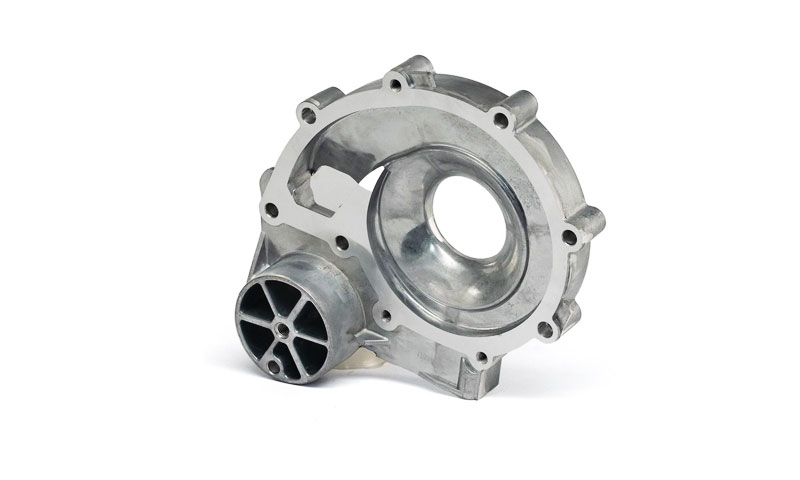
Жалпы мысалдарға мыналар жатады клапан органдар, қонтқыштар, ағынды реттейтін денелер, корпустар, тартып шығару бөліктер, және басқа да күрделі қызмет көрсету жабдықтары.
Институттың материалдары мен нарықтық құжаттары мұнай мен газды инвестициялық құюға арналған негізгі қолдану секторларының қатарына жатқызады, аэроғарышпен қатар, Электр қуатын өндіру, медициналық, және өнеркәсіптік қолдану.
Функционалдық талаптар әдетте мыналарды қамтиды:
- Қысымның тұтастығы
- Коррозияға төзімділік
- өлшемді дәлдік
- тығыздау немесе әрлеу үшін қолайлы бет сапасы
- Шаршауға төзімділік
- тексерудің қадағалануы және қайталануы
Бұл талаптар қарапайым өңдеу үшін тым күрделі бөлшектер үшін неліктен инвестициялық құю жиі таңдалатынын түсіндіреді және шыдамды өндіріске қалдыру үшін өте маңызды..
4. Процесс ағыны және өндірісті қарастыру
Мұнай және газ Инвестициялық құю стандартты инвестиция құю ретін сақтайды:
балауыз үлгісін енгізу, ағаш құрастыру, керамикалық қабықтың құрылысы, Дезавакс, қабықты тексеру және алдын ала қыздыру, құю, салқындату, қабықтың нокаут, кесу, тазарту, және ақырында тексеру және жеткізу алдында кез келген қажетті металлургиялық өңдеу.
| Платформа | Не болады | Өндірістік бағыт |
| Балауыз үлгісін жасау | Үлгіні қалыптастыру үшін балауыз матрицаға енгізіледі. | Үлгі сапасы геометрия және қайталану үшін негізгі сызықты орнатады. |
| Ағаш құрастыру | Үлгілер балауыз шыршасына бекітіліп, ағашқа жиналады. | Бөлшектердің орналасуы кірістілікке әсер етеді, сүйинг, және өңдеу тиімділігі. |
| Қабық құрылысы | Ағаш керамикалық суспензияға батырылады және қайта-қайта сылақпен жабылады. | Қабықтың күші мен қалыңдығы құю және өңдеу үшін жеткілікті болуы керек. |
| Дезавакс | Балауыз бу автоклавымен жойылады, пеш, немесе екеуі де. | Таза қабықты алып тастау қуыс сапасын қорғайды. |
Алдын ала қыздырыңыз және құйыңыз |
Қабық алдын ала қыздырылған, содан кейін балқытылған металл құйылады, әдетте гравитация арқылы. | Жылулық тепе-теңдік пен толтыру әрекеті өте маңызды. |
| Нокаут және тазалау | Қабық сынған, шыршалар кесіледі, және құймалар тазартылады. | Мұнда беттің тұтастығы мен әрлеу тиімділігі маңызды. |
| Соңғы өңдеу және тексеру | Жеткізу алдында қосымша металлургиялық өңдеу қолданылуы мүмкін. | Термиялық өңдеу, Сан, және тексеру түпкілікті қабылдауды анықтайды. |
5. Оны қарапайым инвестициялық кастингтен ажырататын негізгі техникалық кедергілер
Мұнай мен газға инвестиция құю «басқа тапсырыс берушімен қарапайым инвестициялық құю» емес. Техникалық деңгей айтарлықтай жоғары.
Қысымның тұтастығы келіспейді
Көптеген мұнай және газ бөліктері үшін, жасырын кеуектілік тек косметикалық мәселе емес.
Бұл сенімділік мәселесі. Ішкі микрокеуектілік шаршау мерзімін қысқартуы және қысымның өнімділігін бұзуы мүмкін, сондықтан сыни құймалар көбінесе жалпы мақсаттағы өнеркәсіптік бөлшектерден басқаша өңделеді.
Коррозияға төзімділік нақты химиядан аман қалуы керек
Қызмет көрсету ортасы тұзды суларды қамтуы мүмкін, қышқыл жағдайлар, көмірсутектер, Химиялық заттар, және температуралық цикл.
Сондықтан материалды таңдау тек номиналды беріктікке ғана емес, бөлшектердің коррозия режиміне және оны біліктілік үшін қолданылатын стандарттарға байланысты болады..
ASTM қатаң қызмет көрсету және қысымды ұстап тұру сипаттамалары дәл бар, өйткені бұл орта жалпы машиналарға қарағанда әлдеқайда талап етеді..
Бақылау және тексеру жүктемесі жоғарырақ
Беттік қабылдау, Тұнбақтайтын тестілеу, және спецификацияға сәйкестік көптеген басқа секторларға қарағанда мұнай мен газда маңыздырақ.
ASTM стандарттарының тізімінде визуалды қабылдау кіреді, магниттік-бөлшек, сұйық өтімді, және осы жоғары тексеру жүктемесін қолдайтын ультрадыбыстық тәжірибелер.
Сенімділік жүйенің қасиеті болып табылады
Мұнай мен газды дұрыс құю бір жақсы технологиялық қадамның нәтижесі емес.
Бұл тураланған материалды таңдаудың нәтижесі, қабық сапасы, құю жаттығуы, Термиялық өңдеу, Қажет жерде HIP, және тексеру тәртібі.
Процесті жүйе ретінде қарастыру керек. Бұл маңызды емес инвестициялық құю жұмысынан басты айырмашылығы.
6. Термиялық өңдеу, Сан, және өнімділікті арттыру
Неліктен құюдан кейінгі термиялық өңдеу маңызды
Мұнай-газ инвестициялық құюда, Бөлшек дұрыс геометрияға ие болғандықтан ғана қызмет көрсетуге шынымен дайын емес.
Ол әлі де қысымға төтеп беру үшін дұрыс металлургиялық жағдайды қажет етеді, коррозия, Циклдік жүктеме, және ұзақ мерзімді қызмет көрсету.
Термиялық өңдеу – беріктігін реттеу үшін қолданылатын негізгі әдіс, қаттылық, икемділік, Қалдық кернеу, және қатаюдан кейінгі микроқұрылымдық тұрақтылық.
Болат үшін, Тот баспайтын болат, және соған байланысты құйма құймалар, ASTM ресми түрде термиялық өңдеуді де, ыстық-изостатикалық престеуді де құюдан кейінгі қалыптасқан тәжірибе ретінде таниды.
Қорытпалар тобы бойынша термиялық өңдеу
-Ға болат және тот баспайтын болаттан жасалған құймалар, жылу жолы сыныпқа және жоспарланған қызмет көрсету жағдайына байланысты.
Гомогенизацияны құйма сегрегациясын азайту үшін пайдалануға болады; ерітіндімен өңдеу қажетсіз тұнбаларды ерітеді және матрицаны кейінірек нығайтуға дайындайды;
қалыпқа келтіру құйылған дәннің құрылымын нақтылайды; қатайту оған арналған сорттарда мартенситті жасайды; және шынықтыру сөндіруден кейін пайдалануға жарамды қаттылықты қалпына келтіреді.
ASM құйылған никель негізіндегі қорытпаларды ұқсас түрде сипаттайды: ерітіндіні өңдеу және жасты қатайту соңғы сипаттағы жиынтықта орталық болып табылады, әсіресе жоғары температура өнімділігі маңызды болғанда.
Ерітінді өңдеудің және қартаюдың рөлі
Термиялық өңдеуге болатын қорытпаларға арналған, шешімді өңдеу және қартаю мүлікті дамыту процесінің жүрегі болып табылады.
Ерітінді өңдеу құю кезінде пайда болған фазалардың біркелкі еместігін жояды немесе қайта бөледі, және қартаю, содан кейін соңғы нығайту құрылымын дамытады.
Никель негізіндегі құймаларда, ASM никель негізіндегі құйылған суперқорытпалардың стандартты термиялық өңдеуін сипаттайды, өйткені олар ерітінділерді өңдеуге және жасты шыңдауға негізделген.,
сонымен қатар күйдіру немесе ерітіндімен өңдеу кезінде атмосфераны бақылау экзотермиялық қамтуы мүмкін екенін атап өтті, эндотермиялық, құрғақ сутегі, құрғақ аргон, немесе қорытпа мен сапа мақсатына байланысты вакуумдық орталар.
Практикалық нәтиже - болжамды құю: қату кездейсоқтығымен азырақ басқарылатын және инженерлік соңғы күймен басқарылатын біреуі.
Бұл ерекшелік әсіресе мұнай мен газда маңызды, бөлшектер ұзақ мерзімді жүктемені және ауыр химиялық әсерді жиі сезінеді.
Неліктен HIP термиялық өңдеудің маңызды қосымшасы болып табылады
Ыстық изостатикалық престеу, немесе HIP, сыни құймалардағы ішкі кеуектілікті азайту немесе жою үшін қолданылады.
ASM, HIP құймалардағы ішкі кеуектілікті жоя алатынын атап өтеді, және инвестиция құю әдебиеті саңылауларды жабу жоғары циклдегі шаршау өнімділігін жақсарта алатынын көрсетеді.
Мұнай-газ қызметінде, бұл маңызды, өйткені ішкі бос орындар циклдік қысым астында әлсіз нүктелерге айналуы мүмкін, діріл, немесе агрессивті қызмет көрсету жағдайлары.
Сондықтан HIP жақсы құю тәжірибесін алмастыру ретінде емес, ішкі беріктікті жақсартатын тығыздау қадамы ретінде жақсы түсініледі..
7. Құны, Тоқтау, және жалпы өмірлік цикл мәні
Құны бірлік бағасынан жоғары бағалануы керек
Мұнай-газ инвестициялық құюда, ең төменгі бөлшек бағасы әрқашан ең төменгі нақты құны бола бермейді.
Құйылған құрамдас қарапайым өңделген немесе дайындалған бөлікке қарағанда бастапқы құны жоғары болуы мүмкін, бірақ ол өңдеуді де азайта алады, бөлік саны, дәнекерлеу, тексеру жүктемесі, және құрастыру күрделілігі.
Бұл маңызды, өйткені мұнай-газ жабдықтары жиі бағаланады Жалпы өмірлік құнының құны, шикізатты өндіру құны ғана емес.
Неліктен инвестициялық құю экономикалық тартымды болуы мүмкін
Инвестициялық құю әсіресе компонент күрделі геометрияға ие болған кезде құнды, Ішкі тармақтар, немесе бір денеге біріктірілген бірнеше функциялар.
Ондай жағдайларда, процесс қайталама операцияларды қысқартуға және басқа жағдайда қатты материалдан өңдеуге немесе бірнеше бөліктерді жинауға кететін шығындардың бір бөлігін жоя алады..
Қорытпа қымбат болған кезде экономикалық логика күшейе түседі, пішіні күрделі, немесе сенімділік талабы жоғары.
Тоқтау: дұрыс контексте құрал-жабдықты қажет ететін маршруттарға қарағанда жылдамырақ
Жеткізу уақыты бөліктің прототипіне байланысты, қысқа мерзімді өндірістік элемент, немесе жетілген қайталанатын компонент.
Ерте кезеңдегі немесе аз көлемді жұмыс үшін, Инвестициялық құю бәсекеге қабілетті болуы мүмкін, себебі ол кейбір басқа өндіріс жолдарымен байланысты ұзақ орнату жүктемесін болдырмайды..
Заманауи үлгілерді өндіру әдістері де даму циклдерін қысқартуы мүмкін, әсіресе геометрияның өзгеруі мүмкін болған кезде.
Өндірістік бөлшектер үшін, Жеткізу уақыты әдетте қабықшаның құрылысы арқылы қалыптасады, балауызға арналған құрал, Термиялық өңдеу, өңдеу, және тексеру.
Мұнай мен газда, бұл қадамдар қосымша шығындар емес; олар біліктілік жолының бөлігі болып табылады.
Бөлшек әлі де талап етілетін стандарттар мен қабылдау критерийлеріне сай болса ғана қысқа кесте пайдалы болады.
Жалпы өмірлік цикл мәні шешімнің нақты көрсеткіші болып табылады
Мұнай және газ құймаларын бағалаудың ең жақсы тәсілі - бұл бөлшектің бүкіл қызмет ету мерзімі ішінде қанша тұратынын сұрау.
Ағып кету қаупін азайтатын компонент, тығыздау сенімділігін арттырады, техникалық қызмет көрсету жиілігін төмендетеді, және қызмет көрсету аралықтарын ұзарту арзанырақ сатып алудан әлдеқайда көп құндылықты тудыруы мүмкін.
Инвестициялық кастинг осыған байланысты жиі жақсы жұмыс істейді, себебі ол желіге жақын пішіндерді қолдайды, Коррозияға қарсы қорытпалар, және бір өндірістік бағытта геометрияны біріктіру.
8. Мұнай және газды қолдану
Мұнай мен газдың инвестициялық құймалары құрамдас бөлік біріктірілуі керек жерде қолданылады Күрделі геометрия, Қысымның тұтастығы, Коррозияға төзімділік, және ұзақ қызмет ету мерзімі.

Жоғары ағынды барлау және өндіру
Жабдық абразивті сұйықтықтардың әсеріне ұшырауы мүмкін болғандықтан, жоғары ағынмен жұмыс істеу ең талап етілетін операциялардың бірі болып табылады, құбылмалы қысымдар, Жоғары температура, және химиялық агрессивті түзілу орталары.
Инвестициялық құймалар көбінесе ішкі ағынның мінез-құлқы мен механикалық тұтастығы бірдей маңызды болатын компоненттерде қолданылады.
Әдеттегі жоғары ағын қолданбаларына жатады:
- клапанның корпустары мен ішкі клапанның құрамдас бөліктері
- сорғы корпустары мен жұмыс дөңгелегі
- ағынды реттейтін бөліктер
- қосқыш корпустары
- ұңғымаға қатысты қосалқы бөлшектер
- өндірістік жүйелерге арналған құрылымдық кронштейндер
Орташа тасымалдау және құбыр жүйелері
Орташа ағынды жүйелер мұнайды жылжытады, газ, және құбырлар арқылы ұзақ қашықтыққа байланысты сұйықтықтар, компрессорлық станциялар, және тасымалдау құралдары.
Бұл сегменттегі компоненттер қысымды ұстауды қолдауы керек, сенімді ағынды басқару, және ұзақ мерзімді операциялық тұрақтылық.
Жалпы ортаңғы инвестициялық кастингтер жатады:
- құбырдың арматурасы
- муфталар мен қосқыштар
- клапан денелері және тегістеу
- фланецтер және адаптер компоненттері
- ағынды бақылайтын корпустар
- тығыздау және интерфейс бөліктері
Тазалау және өңдеу
Өңдеу және төменгі ағынды өңдеу орталары бөлшектерді қызуға ұшыратады, қысым, Коррозиялық бұқаралық ақпарат құралдары, кейде абразивті бөлшектер.
Мұндағы компоненттер жиі жоғары сенімділікпен және бақыланатын техникалық қызмет көрсету аралықтарымен үздіксіз жұмысты қолдауы керек.
Типтік төменгі ағынды қолданбаларға жатады:
- Сорғы компоненттері
- Клапанды кесу
- технологиялық жабдықтың ішкі бөліктері
- коррозияға төзімді қосқыштар
- аспаптар корпустары
- арнайы фитингтер мен адаптерлер
Теңіз және су асты жүйелері
Теңіз және су асты ортасы мұнай-газ өнеркәсібіндегі ең қатал орталардың бірі болып табылады.
Құрамдас бөліктерге теңіз суы әсер етуі мүмкін, хлоридтер, жоғары гидростатикалық қысым, және қол жетімділігі шектеулі ұзақ қызмет көрсету аралықтары. Осы себеппен, материалдың сенімділігі маңызды.
Теңіз және су асты құймаларының жалпы бөліктеріне жатады:
- теңіз суы ашық клапан денелері
- коррозияға төзімді арматура
- сорғы және ағынды жүйе құрамдастары
- құрылымдық аппаратура
- қосқыш корпустары
- қашықтағы жабдық үшін маңызды ішкі бөліктер
Клапан және ағынды басқару жабдығы
Клапандар мұнай мен газ құюға арналған ең маңызды қолданбалы топтардың бірі болып табылады.
Олар жоғары ағыс бойымен кездеседі, ортаңғы, аппақ, және оффшорлық жүйелер, және олардың сәтсіздігі қауіпсіздікке тікелей әсер етуі мүмкін, өнім, және қоршаған ортаға сәйкестігі.
Клапанға қатысты типтік құймалар жатады:
- Клапанның денелері
- Клапан орындары
- Клапанды кесу
- капот компоненттері
- жетек корпустары
- ағынды реттеу элементтері
Сорғы және айналмалы жабдықтың құрамдас бөліктері
Мұнай және газ қызметіндегі сорғылар коррозиялық сұйықтықтардың әсеріне ұшырайды, Қысымның ауытқуы, кейде эрозиялық қатты заттар.
Көптеген сорғы бөліктерінде күрделі геометриялар бар, олар инвестициялық құюға өте ыңғайлы.
Әдеттегі құйылған сорғы компоненттеріне жатады:
- қоздары
- Сорғы корпустары
- диффузордың бөліктері
- тозуға төзімді ішкі компоненттер
- тығыздағышпен байланысты корпустар
- сұйықтықпен жұмыс істейтін қосқыштар
Аспап, Бақылау, және Басқару аппаратурасы
Мұнай және газ жүйелері мониторингке көп сүйенеді, сезіну, және аппараттық құралдарды басқару. Бұл бөліктердің көпшілігі шағын, бірақ техникалық талаптарды талап етеді.
Олар дәл интерфейс геометриясын қамтамасыз етуі керек, қоршаған ортаға төзімділік, және тұрақты ұзақ мерзімді өнімділік.
Мысалдарға жатады:
- Сенсорлық корпус
- аспаптардың қоршаулары
- бақылау құрамдас бөліктері
- қосқыш бөліктері
- қорғаныс қаптамалары
- қысыммен байланысты интерфейс элементтері
Құрылымдық және қосалқы құрамдас бөліктер
Барлық мұнай және газ құймалары сұйықтықты өңдеуге тікелей қатыспайды. Кейбіреулері қолдау үшін пайдаланылады, туралау, және жабдықты біріктіру.
Бұл бөліктер қарапайым болып көрінуі мүмкін, бірақ олар көбінесе жүк көтеру қабілетін қоршаған ортаға төзімділікпен біріктіру керек.
Типтік құрылымдық қолдану мыналарды қамтиды:
- тірек жақшалар
- орнату негіздері
- жақтау қосқыштары
- туралау корпустары
- механикалық интерфейс бөліктері
9. Басқа өндіріс жолдарымен салыстыру
| Әр өлшемдер | Инвестициялық құю | Құмның құюы | Соғу | Қатты өңдеу |
| Геометриялық күрделілік | Күрделі геометриялар үшін тамаша, Жіңішке қабырғалар, және ішкі ерекшеліктері | Жақсы, бірақ қалыптың тұрақтылығы мен аяқталуымен шектеледі | Шектеу шектеулі; қарапайым үшін жақсы, берік пішіндер | Қор геометриясы және құралға қол жеткізумен шектелген |
| Өлшемді дәлдік | Биік | Байсалды | Биік | Өте жоғары |
| Бетті аяқтау | Өте жақсы | Әділден орташаға дейін | Жақсы | Үздік |
| Материалды пайдалану | Биік | Байсалды | Биік | Аласа, чип қалдықтарына байланысты |
| Механикалық қойылым | Жақсы; дыбыс металлургиясы бар торға жақын пішінді бөлшектер | Жақсы, бірақ қасиеттер процесті басқаруға қатты тәуелді | Астық ағыны мен тығыздығына байланысты тамаша | Үздік, бірақ құны жоғары |
Бөлшек өлшемінің жарамдылығы |
Кішкентай және орташа құрамдас бөліктер үшін ең жақсы | Өте үлкен бөлшектер үшін қолайлы | Орта және үлкен үшін қолайлы, жүк көтергіш бөлшектер | Конвертті өңдеумен және құнымен шектелген |
| Көлемдегі бірлік құны | Күрделі бөлшектер үшін бәсекеге қабілетті | Қарапайым үшін жиі төмен, Үлкен бөліктер | Құралдар мен материалдарды өңдеуге байланысты жоғары | Күрделі бөліктер үшін ең жоғары |
| Құрал-саймандар мен жеткізу уақыты | Құралдың орташа құны; орташа жеткізу уақыты | Төмен жабдықталған құны; қысқа жеткізу уақыты | Құралдың жоғарырақ құны; Ұзақ уақытқа созылатын уақыт | Минималды құралдар, бірақ өңдеу уақыты жоғары |
| Мұнай мен газдың типтік қолдануы қолайлы | Клапандар, қоздары, Сорғы компоненттері, дәлдіктегі корпустар | Ірі, аз күрделі құрылымдық бөліктер | Жоғары жүктеме біліктері, фланецтер, қысымның маңызды компоненттері | Прототип немесе төзімділігі жоғары әрлеу бөліктері |
10. Қорытынды
Мұнай және газды инвестициялау құю - бұл мұнай-химия өнеркәсібінің экстремалды көп өрісті біріктірілген қызмет көрсету ортасына бейімделген, жоғары кедергісі бар теңшелген дәлдіктегі өндіріс технологиясы..
Қарапайым азаматтық инвестициялық кастингтен айырмашылығы, қысымның тығыздығын қажет етеді, коррозияға төзімділік және құрылымдық шаршау тұрақтылығы негізгі бағалау көрсеткіштері ретінде,
және сұрыпталған қорытпаларды таңдауды қамтитын толық өндірістік жүйені құрайды, инертті қабықшаны дайындау, вакуумды тотығуға қарсы құю және стандартталған термиялық өңдеу.
Өлшем шектеулерімен және суперқорытпаларды өндірудің жоғары шығындарымен шектелгенімен, материалды ұтымды сәйкестендіру және құрылымды оңтайландыру процеске тән кемшіліктерді тиімді өтей алады.
Теңіздегі мұнай мен газ ресурстарын игеруді үздіксіз тереңдету және интеллектуалды құю технологиясын жаңартумен,
мұнай мен газды құю жоғары қысымды ультра терең ұңғымаларда және полярлық энергетикалық жобаларда қолдану аясын одан әрі кеңейтеді.,
жаһандық мұнай мен газды пайдалану және мұнай-химия өңдеу өнеркәсібі үшін өндіріс технологиясын қолдайтын таптырмас негізгі болып табылады..
ЖҚС
Мұнайдың негізгі айырмашылығы неде & газды инвестиция құю және кәдімгі дәл құю?
Мұнай және газ құймалары нөлдік ішкі енетін ақауларды қажет етеді, Жоғары қысымды және коррозиялық экстремалды орталарға бейімделу үшін арнайы коррозияға төзімді қорытпаларды сәйкестендіру және API сертификаты бар NDT сынағы.
Теңіз платформасының клапан бөліктері үшін қай қорытпа ең үнемді болып табылады?
2205 дуплексті тот баспайтын болат теңдестірілген хлоридті коррозияға төзімділігімен және өндіріс құнымен ерекшеленеді, теңіздегі кәдімгі қысымды клапандар үшін қолайлы материал болып табылады.
Неліктен жоғары легирленген мұнай керек & газ құймалары вакуумды құюды қабылдайды?
Жоғары температурада балқытылған дуплексті тот баспайтын болат және никель негізіндегі қорытпалар оттегі мен азотты оңай сіңіреді., сынғыш қоспа фазаларын қалыптастыру және коррозияға төзімділік пен механикалық тұрақтылықты төмендету.
Қандай ақаулар қысыммен жұмыс істейтін мұнай және газ құймалары үшін ең қауіпті?
Ішкі енетін кеуектілік және ыстық жарықтар, ол ауыспалы қысыммен тез кеңейіп, сұйықтықтың ағып кетуіне және құрамдас бөліктердің істен шығуына тікелей себеп болады.
Барлық майға термиялық өңдеу қажет пе & газды инвестициялық құю?
Иә. Мақсатты термиялық өңдеу металлографиялық құрылымды гомогенизациялай алады, қалдық кернеуді жою және құймалардың коррозияға төзімділігі мен қысымға төзімділігін айтарлықтай жақсарту.