1. Ներածություն
Dacromet coating, a proprietary zinc-aluminum flake-based corrosion protection system, was first developed by the American company Diamond Shamrock in the 1970s as a lead-free and environmentally friendly alternative to traditional electroplating and hot-dip galvanizing.
Unlike conventional coatings that rely on a continuous metal layer for protection, Dacromet utilizes a lamellar zinc-aluminum flake structure embedded in an organic-inorganic hybrid binder,
delivering superior corrosion resistance, Բարձր ջերմաստիճանի կայունություն, and compatibility with diverse substrates (պողպատ, չուգուն, ալյումինե համաձուլվածքներ).
2. What is Dacromet Coating?
Dacromet is a commercial name commonly used to describe a class of zinc-flake, inorganic conversion coatings applied to steel to provide thin, conformal, high-performance corrosion protection without the hydrogen-embrittlement risk that can accompany electroplating.
The system is widely used on fasteners, stamped and formed parts, and components that require predictable friction behavior and long service life in corrosive environments.

Core concept — what the coating is
- Էունք zinc-flake system: micron-scale zinc (and often zinc/aluminium) flakes dispersed in an inorganic binder form a dense, layered barrier on the substrate.
- Inorganic binder / cured matrix: the binder cures to a ceramic-like matrix that locks the flakes in place and bonds to the steel.
- Պասիվություն & topcoat: after cure the zinc surface is chemically passivated (traditionally chromate; modern systems use trivalent-chrome or chrome-free chemistries) and an optional organic sealer/topcoat is applied to control appearance and coefficient of friction (COF).
Key technical attributes
- Նիհար, conformal film — typically in the low-double-digit micrometer range (commonly ~6–15 µm), which preserves thread geometry and tight tolerances.
- High corrosion performance — combines barrier protection with local sacrificial (ցինկ) anodic action; modern systems achieve extended hours in salt-spray and cyclic tests when properly specified.
- Low hydrogen-embrittlement risk — because it is not an electrolytic deposition process, it is suitable for high-strength steels where electroplating could be problematic.
- Controlled friction behavior — engineered topcoats give repeatable COF for bolted joints, easing torque-to-tension control in assembly.
- Conformal on complex shapes and threads — good coverage on formed, stamped or threaded components.
3. Coating chemistry and microstructure
Core components
- Zinc flakes (and sometimes aluminium flakes): provide the cathodic (sacrificial) action and form the primary corrosion barrier. Their flaky morphology creates a tortuous path for corrosive species.
- Inorganic binder (silicate/ceramic-like matrix): binds the flakes and adheres to the steel substrate after curing.
The cured binder is typically ceramic-like (inorganic/organosilicate chemistry), which gives dimensional stability and heat resistance. - Conversion passivation: after curing a thin passivation layer — traditionally chromate — is applied to improve corrosion resistance.
Modern systems increasingly use trivalent chromium or chromium-free alternatives for regulatory compliance. - Optional topcoat / կնքումը: organic sealers or thin polymer topcoats control coefficient of friction (COF), appearance and additional barrier properties.
Microstructure and protection mechanism
- The cured film is a dense stack of lamellar flakes embedded in binder. Corrosion protection arises from:
-
- Barrier effect: the flaky microstructure creates a long, tortuous diffusion path for water, oxygen and chlorides.
- Cathodic action: exposed zinc flakes corrode preferentially, protecting localized steel defects.
- Chemical passivation: the conversion layer and topcoat provide additional inhibition and reduce white-rust formation on the zinc surface.
4. Typical Dacromet process
- Մաքրում & pre-treatment: յուղազերծել, alkaline clean and (անհրաժեշտության դեպքում) pickling to remove mill scale. Brightness and cleanliness directly affect adhesion.
- Ողողել & չոր: neutralize residues and control surface dryness.
- Coating application: dip, spin, spray or centrifuge (depends on part geometry and production method). For fasteners, dip-spin is common; for large stampings spray or dip may be used.
- Curing: thermal cure converts the binder into the final inorganic matrix and consolidates the flake structure.
Typical cures require elevated temperatures; process windows are set to ensure proper bonding without substrate distortion. - Պասիվություն: chromate or chromate-free passivation applied to the zinc surface to enhance corrosion resistance.
Older systems used hexavalent chromium; modern practice favors trivalent chrome or chromium-free inhibitors. - Topcoat / sealer (ընտրովի): organic coatings or lubricants are applied to set COF and improve finish or corrosion performance. These layers also tune assembly torques on fasteners.
- Չորացում / final cure & զննում.
Typical process parameters (engineering guidance):
- Coating thickness: սովորաբար ~6–15 µm for many zinc-flake systems; some specifications allow broader ranges (Է.Գ., 5-25 մկմ) կախված դիմումից.
Thin films minimize geometry change on threads and do not hide tolerances. - Curing: temperatures typically in the 150-230 °C range for several minutes (exact cycle depends on chemistry and part heat capacity).
- Topcoats/COF control: formulated topcoats deliver repeatable friction coefficients in ranges tailored to fastener specifications (typical target COF 0.10–0.18 for many automotive bolt assemblies).
(Նշումներ: the numbers above are typical process guidance and vary by supplier and product family. Specification documents from coating manufacturers provide exact parameters for each product.)
5. Typical properties and performance data
Coating thickness and appearance
- Typical film thickness: ≈ 6–15 µm (բարակ, վերահսկվում է). Coatings are conformal and matte/satin in appearance.
Կոռոզիոն դիմադրություն
- Zinc-flake coatings are engineered for high corrosion protection.
In neutral salt spray (NSS/ISO 9227) փորձարկում, modern zinc-flake systems (with suitable passivate and topcoat) commonly demonstrate hundreds to thousands of hours to the appearance of first white rust
and significantly longer to red (substrate) corrosion — performance depends strongly on system selection and test definition. - Կարևոր: performance varies with film thickness, passivate chemistry and topcoat; therefore quoted hours in NSS reports must be read in context of the exact test protocol and specimen preparation.
Ջրածնի փխրունություն
- A pivotal advantage: zinc-flake coatings do not induce hydrogen embrittlement because the process does not use electrochemical deposition that generates atomic hydrogen.
For high-strength steels (≥ 1000-1200 MPa tensile), this is a major reason zinc-flake coatings are specified.
Mechanical behavior
- Conformality and flexibility: the inorganic matrix accommodates forming and slight deformation without catastrophic cracking, so zinc-flake coatings are suitable for formed or cold-formed parts.
- Կպչունություն: typically very good when surface prep and cure are correct; adhesion is evaluated via tape, bend and pull tests.
- Friction control: with engineered topcoats / lubricants the COF across batches is repeatable, enabling predictable torque/tension relationships for fasteners.
Բարձր ջերմաստիճանի կայունություն
Unlike traditional electroplated zinc coatings that oxidize and peel off at temperatures above 200°C, Dacromet coating maintains stable performance in the temperature range of -50°C to 300°C:
- At 250°C, the coating hardness increases from 3–4 H to 5–6 H (pencil hardness test) առանց ճաքելու;
- After 1000 hours of aging at 200°C, the salt spray corrosion resistance decreases by less than 10%.
This property makes Dacromet coating suitable for high-temperature applications such as automotive engine parts and exhaust system components.
Էլեկտրական հաղորդունակություն: coatings are not highly conductive; they are not used where low electrical resistance is required.
6. Key advantages and known limitations
Առավելություններ
- High corrosion protection with thin film (suitable for tight tolerances).
- No hydrogen embrittlement risk — critical for high-strength fasteners.
- Conformal coverage on complex shapes and threads.
- Repeatable coefficient of friction (with controlled topcoat) — simplifies bolted joint design.
- Good forming performance — can be applied prior to some forming operations if process windows are observed.
- Compatibility with automation (dip, spray, spin lines).
Սահմանափակումներ / considerations
- Ծախս: zinc-flake systems are typically more expensive than simple electroplated zinc or paint. However they can be cost-effective when lifetime and warranty costs are considered.
- Temperature exposure: cured films are stable, but extreme thermal exposure (beyond recommended service temp) can affect topcoats and some passivates.
- Էլեկտրական հաղորդունակություն: if electrical contact is required, zinc-flake may not be suitable without special design.
- Process sensitivity: correct surface prep, application and cure are essential — poor control reduces performance dramatically.
- Regulatory constraints historically related to hexavalent chromium: modern systems use trivalent chrome or chromium-free passivation, but specification must explicitly require compliant passivates.
7. Key Applications of Dacromet Coating
Dacromet coating is widely adopted in industries where Բարձր կոռոզիոն դիմադրություն, չափերի ճշգրտություն, և մեխանիկական հուսալիություն կրիտիկական են.
Its thin, inorganic zinc–aluminum flake structure and hydrogen-embrittlement-free process make it particularly suitable for high-strength steel components and harsh service environments.

Ավտոմոբիլային արդյունաբերություն
The automotive sector is one of the largest users of Dacromet coatings due to stringent durability and safety requirements.
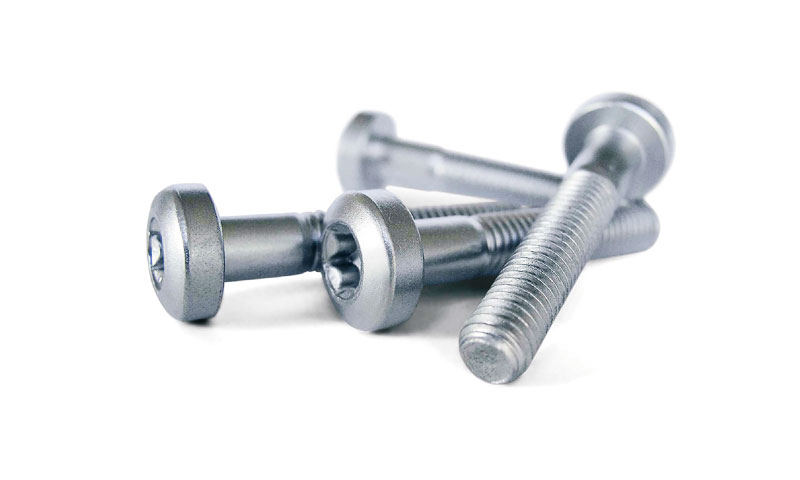
- High-strength fasteners (պտուտակներ, ընկույզ, studs, լվացող սարքեր), especially grade 8.8, 10.9, մի քանազոր 12.9 ամրացումներ
- Chassis and suspension components, including brackets and clamps exposed to road salts
- Brake system hardware, where corrosion resistance and consistent friction coefficients are essential
- Exhaust system fasteners, benefiting from thermal stability and oxidation resistance
Dacromet-coated fasteners commonly achieve ≥720–1,000 hours of neutral salt spray resistance without red rust, meeting OEM specifications.
Շինարարություն և ենթակառուցվածքներ
In construction and civil engineering, Dacromet coatings are selected for long-term outdoor durability.
- Structural bolts and anchor fasteners
- Bridge and highway components
- Pre-engineered steel building connectors
- Railway fasteners and track hardware
The coating’s thin film ensures accurate preload control in bolted joints while providing robust corrosion protection in humid, coastal, և արդյունաբերական միջավայրեր.
Wind Power and Renewable Energy
Renewable energy systems demand extended service life with minimal maintenance.
- Wind turbine tower bolts
- Blade connection fasteners
- Yaw and pitch system hardware
Dacromet coatings withstand cyclic corrosion, ջերմաստիճանի տատանումներ, և թրթռում, making them well-suited for offshore and onshore wind installations.
Արդյունաբերական մեքենաներ և սարքավորումներ
Արդյունաբերական կիրառություններում, components often face moisture, քիմիական նյութեր, և մեխանիկական սթրես.
- Mechanical fasteners and fittings
- Hydraulic and pneumatic system components
- Agricultural machinery hardware
- Material handling and conveyor systems
The coating’s resistance to corrosion and wear contributes to extended service intervals and reduced downtime.
Marine and Coastal Applications
Although not a substitute for heavy-duty marine coatings, Dacromet provides effective protection for steel components in marine-adjacent environments.
- Fasteners for coastal structures
- Shipboard auxiliary equipment hardware
- Port and dock infrastructure components
Its multi-layer barrier structure slows chloride ingress, significantly improving corrosion performance in salt-laden atmospheres.
Electrical and Energy Equipment
Dacromet’s inorganic nature and thermal stability make it suitable for energy-related applications.
- Power transmission and distribution hardware
- Electrical enclosures and mounting systems
- Oil and gas equipment fasteners (non-pressure-retaining parts)
The coating maintains performance at elevated temperatures where organic coatings may degrade.
8. Ընդհանուր ձախողման ռեժիմներ և անսարքությունների վերացում
- Poor adhesion / flaking: usually from insufficient cleaning, oil residues or wrong curing. Դեղամիջոց: revise surface prep, increase cure energy, and validate adhesion tests.
- Reduced corrosion performance: caused by thin coating, wrong passivate, or inadequate topcoat — answer with stricter process control and requalification.
- Inconsistent COF / clamp loads: topcoat/lubricant inconsistency or contamination. Դեղամիջոց: switch to qualified lubricant and control application dose.
- Formation of white rust in service: may reflect insufficient passivation or system not matched to environment; consider more robust passivate/topcoat or thicker system.
- Hydrogen embrittlement concerns (legacy): if electroplating had been used previously, specify hydrogen embrittlement testing for high-strength materials even when switching to zinc-flake.
9. Բնապահպանական, health & regulatory considerations
- Chromium chemistry: historically many passivates used hexavalent chromium. Hexavalent chromium is now widely restricted;
modern supply chains use trivalent or chrome-free passivates to meet RoHS/REACH and OEM requirements. Always specify compliance. - VOC and waste: topcoat solvents and cleaning chemistries must meet local VOC regulations; waste streams from cleaning and pickling must be treated.
- Worker safety: ensure ventilation and PPE for handling powders, spraying and curing operations.
- End-of-life: coating is inorganic and does not significantly impede steel recycling, but recycling processes must handle residual organics.
10. Comparative Analysis with Traditional Surface Treatment Technologies
The following table compares Dacromet coating with several widely used traditional surface treatment technologies.
The comparison focuses on corrosion performance, process characteristics, dimensional impact, and suitability for high-strength steel components—key factors in industrial decision-making.
| Կատարումը / Հատկանիշ | Dacromet Coating | Electroplated Zinc | Տաք ցինկապատում | Electroplated Hard Chrome |
| Typical Coating Thickness | 5-10 մկմ | 5–15 μm | 50-100 մկմ | 10-30 մկմ |
| Կոռոզիոն դիմադրություն (ԱԱԾ) | 720–1,000+ h (no red rust) | 96–240 h (with passivation) | 1,000–2,000 h | 200–400 h |
| Corrosion Protection Mechanism | Zinc–aluminum sacrificial + multi-layer barrier | Zinc sacrificial protection | Thick zinc sacrificial layer | Barrier protection only |
| Hydrogen Embrittlement Risk | Ոչ մեկը | Բարձր (requires de-embrittlement baking) | Ոչ մեկը | Չափավոր |
| Ծավալային ճշգրտություն | Գերազանց (բարակ, uniform film) | Լավ | Աղքատ (thick coating affects tolerances) | Լավ |
| Thread Fit & Torque Consistency | Գերազանց | Չափավոր | Աղքատ (thread buildup common) | Good but high friction |
Մակերեւութային կարծրություն |
Չափավոր | Ցածր | Ցածր-չափավոր | Շատ բարձր (800–1,000 HV) |
| Ջերմային դիմադրություն | Up to ~300°C | Սահմանափակ (<120° C) | Up to ~450°C | Up to ~400°C |
| Շրջակա միջավայրի վրա ազդեցություն | Chromium-free versions available; low wastewater | Wastewater and heavy-metal concerns | Բարձր էներգիայի սպառում | Hexavalent chromium concerns |
| Post-Processing Required | Ոչ մեկը | Պասիվություն, թխում | Thread re-cutting often required | Grinding or polishing often required |
| Բնորոշ ծրագրեր | High-strength fasteners, ավտոմոբիլային, wind power | General fasteners, indoor/outdoor use | Կառուցվածքային պողպատ, խոշոր բաղադրիչներ | Wear-resistant shafts, Մահանում է |
| Արժեքի մակարդակ | Միջին | Ցածր | Միջին | Բարձր |
Key Engineering Insights
- Dacromet coating offers the best balance of corrosion resistance, dimensional control, and mechanical safety for բարձր ամրության ամրացումներ, particularly where hydrogen embrittlement must be avoided.
- Electroplated zinc is cost-effective but limited in corrosion life and unsuitable for ultra-high-strength steels without strict post-treatment.
- Hot-dip galvanizing provides excellent corrosion resistance but is incompatible with precision parts due to excessive coating thickness.
- Electroplated hard chrome excels in wear resistance but offers limited corrosion protection and raises environmental and regulatory concerns.
11. Performance Optimization and Development Trends
Performance Optimization Technologies
- Composite Coating Technology: Apply a 2–5 μm organic topcoat (ակրիլ, fluorocarbon) on the Dacromet coating surface to improve UV resistance and scratch resistance; the composite coating’s salt spray resistance can be extended to 3000 ժամ;
- Nanomodification: Add nanosilica or graphene to the coating to enhance barrier protection and mechanical properties; graphene-modified Dacromet coating has a corrosion resistance 20–30% higher than traditional coatings;
- Color Customization: Develop colored Dacromet coatings (սև, մոխրագույն, կապույտ) by adding pigments, meeting the aesthetic requirements of consumer goods and automotive parts.
Future Development Trends
- Green Coating Innovation: Develop chromium-free Dacromet coatings using corrosion inhibitors such as cerium salts and molybdate, further reducing environmental impact;
- Low-Temperature Curing Technology: Optimize the binder formula to reduce the curing temperature to 150–200°C, lowering energy consumption and expanding applications to heat-sensitive substrates (Է.Գ., ալյումինե համաձուլվածքներ);
- Intelligent Coating Process: Integrate online thickness monitoring and curing temperature control systems to achieve full-process quality traceability;
- Expansion of Application Fields: Extend Dacromet coating to new energy vehicles (Է.Գ., battery pack fasteners, motor components) and renewable energy equipment (Է.Գ., wind turbine bolts), driven by the demand for high-corrosion-resistance and green manufacturing.
12. Եզրափակում
Dacromet coating, as a revolutionary zinc-aluminum flake-based corrosion protection technology,
has fundamentally changed the limitations of traditional electroplating and hot-dip galvanizing in terms of environmental protection, Բարձր ջերմաստիճանի կայունություն, and hydrogen embrittlement prevention.
Its unique lamellar structure and dual protection mechanism (cathodic + արգելք) provide superior corrosion resistance for critical components in automotive, օդատիենտ, և ծովային արդյունաբերություններ, while complying with global green manufacturing trends.
Despite limitations such as low surface hardness and poor UV resistance, ongoing innovations in composite coating, nanomodification, and low-temperature curing technologies are continuously expanding its application scope.
As industries continue to pursue high performance, environmental protection, եւ ծախսարդյունավետություն, Dacromet coating will remain a core surface treatment technology, playing an irreplaceable role in the development of advanced manufacturing.