1. Ներածություն
Metal 3D printing, also known as metal additive manufacturing, is revolutionizing the way products are designed, prototyped, and manufactured.
This technology allows for the creation of complex, high-performance parts directly from digital models, offering unprecedented design freedom and material efficiency.
Here’s why metal 3D printing is gaining traction:
- Հարմարեցում: It enables the production of highly customized parts for niche applications.
- Արագ նախատիպավորում: Speeds up the design iteration process significantly.
- Նվազեցված թափոններ: Produces parts with minimal material waste compared to traditional manufacturing.
- Համալիր երկրաչափություններ: Allows for the creation of intricate shapes that are impossible or very costly to produce with conventional methods.
Այս բլոգում, we’ll delve into the process, նպաստներ, մարտահրավերներ, and applications of metal 3D printing, exploring how this technology is reshaping the manufacturing landscape.
2. What is Metal 3D Printing?
Metal 3D printing is a form of additive manufacturing where layers of material, typically in the form of powder or wire, are fused to create a three-dimensional object.
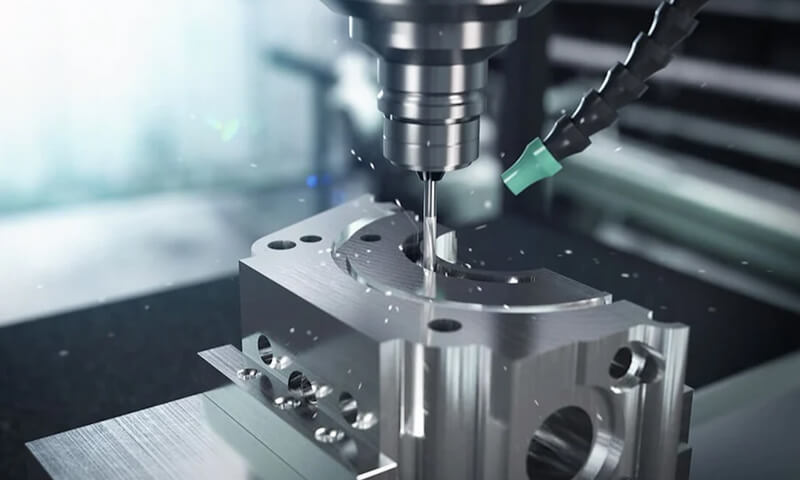
Unlike traditional subtractive manufacturing, which involves cutting away material from a solid block, additive manufacturing builds up the object layer by layer.
This process offers significant advantages in terms of design flexibility, նյութական արդյունավետություն, և արտադրության արագությունը.
The history of metal 3D printing dates back to the 1980s, with the development of Selective Laser Sintering (SLS) and Direct Metal Laser Sintering (Dmls).
Տարիների ընթացքում, advancements in laser technology, նյութեր, and software have led to the evolution of various metal 3D printing technologies, each with its own set of capabilities and applications.
3. Metal 3D Printing Technologies
Metal 3D printing, Նաեւ հայտնի է որպես հավելումների արտադրություն, utilizes various techniques to produce complex and functional metal parts layer by layer, directly from a digital file.
Each metal 3D printing technology has its unique process and benefits, making it suitable for different applications across industries like aerospace, ավտոմոբիլային, Առողջապահություն, և էներգիա.
Ներքեվ, we’ll explore the most common metal 3D printing technologies, their features, և իդեալական հավելվածներ.
Ուղիղ մետաղական լազերային սինտեր (Dmls) & Ընտրովի լազերային հալեցում (SLM)
Ընդհանուր ակնարկ:
Both DMLS and SLM are powder bed fusion technologies that use high-powered lasers to melt and fuse metal powder into solid parts.
The difference lies primarily in their approach to the metal powder and material properties.
- Dmls typically uses metal alloys (չժանգոտվող պողպատի նման, տիտղոս, կամ ալյումին) and works with a variety of metal powders, including alloys like Ինքնորոշ մի քանազոր կոբալտ-քրոմ.
- SLM uses a similar process but focuses more on pure metals չժանգոտվող պողպատի նման, տիտղոս, եւ ալյումին. The laser completely melts the metal powder, fusing it to form a solid part.

Կողմ:
- High Resolution: Capable of producing parts with fine details and complex geometries.
- Գերազանց մակերեսային հարդարում: Can achieve a good surface finish directly from the printer, though post-processing might still be required for the highest quality.
- Wide Material Range: Works with a variety of metals including stainless steel, տիտղոս, ալյումին, եւ ավելին.
Դեմ:
- Slow for Large Parts: The layer-by-layer process can be time-consuming for larger parts.
- Support Structures: Requires support structures for overhanging features, which must be removed post-printing.
- High Thermal Stresses: The high-temperature gradients can induce thermal stresses in the parts.
Իդեալական հավելվածներ: Ավիատիեզերական բաղադրիչներ, Բժշկական իմպլանտներ, complex tooling, և բարձր արդյունավետությամբ ավտոպահեստամասեր.
Էլեկտրոնային ճառագայթների հալեցում (EBM)
Ընդհանուր ակնարկ:
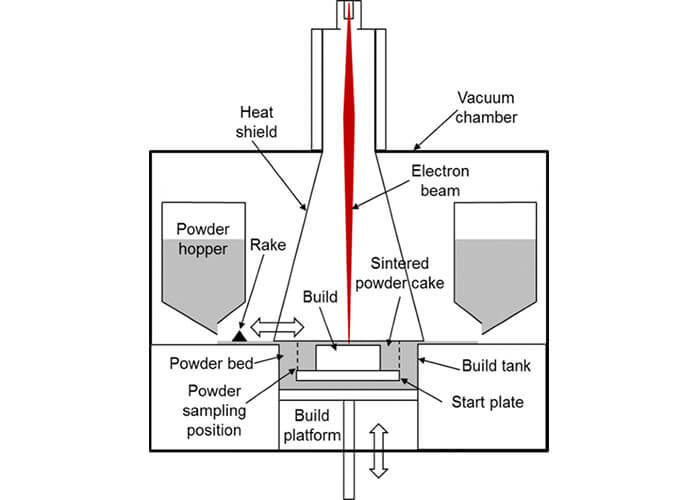
EBM is a powder bed fusion process that uses an էլեկտրոնային ճառագայթ instead of a laser to melt and fuse metal powders. It is performed in a vacuum environment to ensure optimal conditions for melting.
EBM is typically used for high-performance materials like տիտղոս Ալյումինե, կոբալտ-քրոմ, մի քանազոր Ինքնորոշ.
- The process operates at Բարձր ջերմաստիճան, offering advantages in Բարձր ջերմաստիճանի կատարում մի քանազոր ճշգրտություն for specific alloys.
Կողմ:
- No Need for Support Structures: EBM can produce parts without support due to the preheating of the powder bed, which reduces thermal stresses.
- High-Temperature Capability: Suitable for materials that require high temperatures for melting, like titanium.
Դեմ:
- Նյութական սահմանափակումներ: Limited to materials that are compatible with a vacuum environment, which excludes some alloys.
- Մակերեւույթի ավարտը: The surface finish might not be as smooth as with SLM/DMLS due to the larger beam spot size.
Իդեալական հավելվածներ: Բժշկական իմպլանտներ (especially titanium), օդատիեզերական բաղադրիչներ, and parts where the absence of support structures is beneficial.
Binder Jetting
Ընդհանուր ակնարկ:
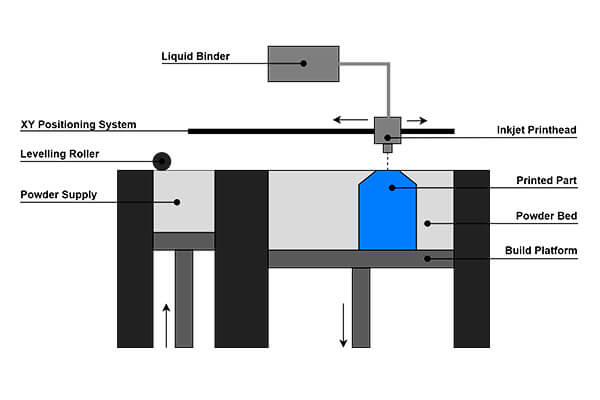
Binder jetting involves spraying a liquid binder onto layers of metal powder, which are then fused to form a solid part.
The powder used in binder jetting is typically metal powder, ինչպիսիք են չժանգոտվող պողպատ, ալյումին, կամ բրոնզ.
After the part is printed, it undergoes sintering, where the binder is removed, and the part is fused to its final density.
Կողմ:
- Fast Printing: Can print parts quickly due to the lower energy requirement for binding.
- Full-Color Printing: Allows for full-color printing, which is unique among metal 3D printing technologies.
- No Thermal Stresses: Since the process doesn’t involve melting, there are fewer thermal stresses.
Դեմ:
- Lower Part Density: Initial parts have lower density due to the binder; sintering or infiltration is required to increase density.
- Requires Post-Processing: Extensive post-processing is necessary, including sintering, infiltration, and often machining.
Իդեալական հավելվածներ: Գործիքավորում, կաղապարներ, sand casting cores, and applications where speed and color are more important than the final part’s density.
Directed Energy Deposition (DED)
Ընդհանուր ակնարկ:
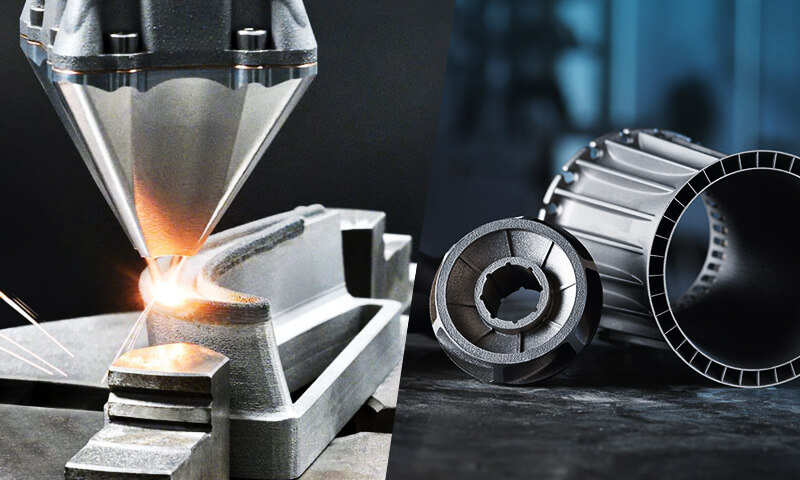
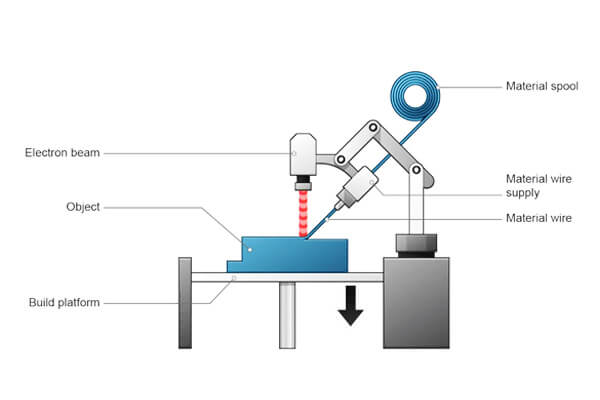
DED is a 3D printing process where material is melted and deposited onto a surface by a laser, էլեկտրոնային ճառագայթ, or plasma arc.
DED allows for material to be deposited while also adding or repairing parts.
Unlike other methods, DED uses a continuous feed of material (powder or wire), and the material is fused by the energy source as it’s deposited.
Կողմ:
- Խոշոր մասեր: Suitable for producing or repairing large parts.
- Repair and Coating: This Can be used to add material to existing parts or for surface cladding.
- Ճկունություն: Can work with a wide range of materials and can switch between different materials during printing.
Դեմ:
- Lower Resolution: Compared to powder bed fusion methods, DED typically has a lower resolution.
- Մակերեւույթի ավարտը: Parts often require extensive post-processing for a smooth finish.
Իդեալական հավելվածներ: Ավիատիեզերական բաղադրիչներ, խոշոր կառուցվածքային մասեր, repair of existing components, and adding features to existing parts.
Metal Fused Deposition Modeling (Metal FDM)
Ընդհանուր ակնարկ:
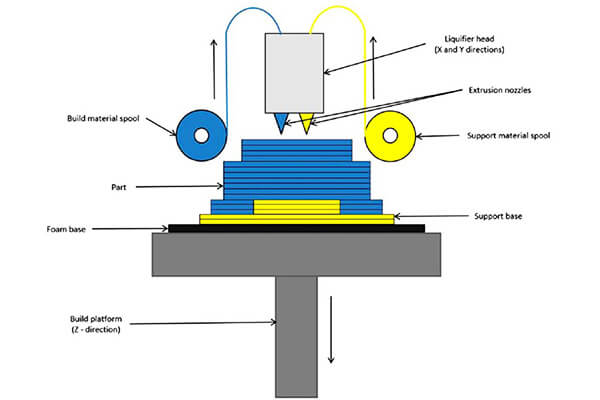
Metal FDM is a variation of the traditional Fused Deposition Modeling (FDM) գործընթաց, where metal filaments are heated and extruded layer by layer to create 3D parts.
The filaments used are typically a combination of metal powder and a polymer binder, which is later removed during the post-processing stage.
The parts are then sintered in a furnace to fuse the metal particles into a solid structure.
Կողմ:
- Ավելի ցածր արժեքը: Often less expensive than other metal 3D printing methods, especially for entry-level systems.
- Օգտագործման հեշտություն: Leverages the simplicity of FDM technology, making it accessible for those familiar with plastic printing.
Դեմ:
- Requires Sintering: The part must be sintered post-printing to achieve full density, which adds time and cost.
- Lower Precision: Less precise than powder bed fusion methods, requiring more post-processing for tight tolerances.
Իդեալական հավելվածներ: Small parts, նախատիպավորում, educational purposes, and applications where cost and ease of use are more critical than high precision.
4. Materials Used in Metal 3D Printing
Հիմնական առավելություններից մեկը մետաղական 3D տպագրություն is the wide range of materials it supports, offering unique properties suited to various applications.
The materials used in metal additive manufacturing are typically մետաղական փոշիներ that are selectively melted layer by layer,
with each material having distinct advantages depending on the specific needs of the project.
Չժանգոտվող պողպատ
- Բնութագրերը:
Չժանգոտվող պողպատ is one of the most common materials used in metal 3D printing due to its Բարձր ուժ, Կոռոզիոն դիմադրություն, մի քանազոր բազմակողմանիություն. Stainless steel alloys, մասնավորապես 316Լակոտ մի քանազոր 17-4 PH, are widely used across industries.
-
- Ուժ: Բարձր առաձգական և զիջման ուժ.
- Կոռոզիոն դիմադրություն: Excellent protection against rust and staining.
- Մեքենայություններ: Easily machinable post-printing, making it suitable for a variety of post-processing methods.
Titanium համաձուլվածքներ (Է.Գ., TI-6AL-4V)
- Բնութագրերը:
Տիտանի համաձուլվածքներ, մասնավորապես TI-6AL-4V, հայտնի են իրենցով բացառիկ ուժ-քաշ հարաբերակցություն, Կոռոզիոն դիմադրություն, եւ բարձր ջերմաստիճաններին դիմակայելու ունակություն.
-
- Ուժ-քաշ հարաբերակցությունը: Excellent mechanical properties with lower density.
- Բարձր ջերմաստիճանի կատարում: Withstands higher temperatures than most other metals.
- Կենսաբազմություն: Safe for use in medical implants due to non-toxicity.
Ալյումինե խառնուրդներ (Է.Գ., AlSi 10 մգ)
- Բնութագրերը:
Ալյումին is lightweight and offers excellent Mal երմային հաղորդունակություն մի քանազոր Կոռոզիոն դիմադրություն. համաձուլվածքներ, ինչպիսիք են AlSi 10 մգ are commonly used in 3D printing because of their ուժի և քաշի բարձր հարաբերակցությունը մի քանազոր Լավ մեքենայականություն.
-
- Low Density: Ideal for applications requiring lightweight components.
- Mal երմային հաղորդունակություն: High thermal conductivity makes it suitable for heat dissipation applications.
- Մակերեւույթի ավարտը: Aluminium parts can be easily anodized to improve surface hardness and corrosion resistance.
Cobalt-Chrome Alloys
- Բնութագրերը:
Cobalt-chrome alloys are known for their Բարձր ուժ, Հագուստի դիմադրություն, մի քանազոր կենսահամատեղելիություն, which makes them a popular choice for բժշկական հավելվածներ.
-
- Կոռոզիոն դիմադրություն: Excellent resistance to both corrosion and wear.
- Բարձր ուժ: Particularly useful for heavy-duty industrial applications.
- Կենսաբազմություն: Cobalt-chrome is non-reactive in the human body, making it ideal for implants.
Նիկելի վրա հիմնված համաձուլվածքներ (Է.Գ., Ինքնորոշ 625, Ինքնորոշ 718)
- Բնութագրերը:
Նիկելի վրա հիմնված համաձուլվածքներ, ինչպիսիք են Ինքնորոշ 625 մի քանազոր Ինքնորոշ 718, are highly resistant to օքսիդացում մի քանազոր high-temperature corrosion.
These alloys offer superior performance in extreme environments where temperature, ճնշում, և կոռոզիոն դիմադրությունը կարևոր է.
-
- Բարձր ջերմաստիճանի ուժ: Can withstand extreme heat without losing strength.
- Կոռոզիոն դիմադրություն: Especially against highly corrosive environments like seawater or acidic media.
- Հոգնածության դիմադրություն: High fatigue strength and resistance to thermal cycling.
Թանկարժեք մետաղներ (Է.Գ., Ոսկի, Արծաթ, Պլատին)
- Բնութագրերը:
Թանկարժեք մետաղներ, ինչպիսիք են ոսկի, արծաթ, մի քանազոր պլատինե, are used for applications where high aesthetic value մի քանազոր Կոռոզիոն դիմադրություն պահանջվում են.
-
- Էսթետիկ որակ: Ideal for jewelry and luxury items.
- Հաղորդունակություն: High electrical conductivity makes them suitable for high-precision electrical components.
- Կոռոզիոն դիմադրություն: Excellent resistance to tarnishing and corrosion.
5. Metal 3D Printing Process
The metal 3D printing process typically involves several key steps:
- Քայլ 1: Design with CAD Software and File Preparation:
-
- Ինժեներները և դիզայներները օգտագործում են համակարգչային օժանդակ դիզայն (Կադ) software to create a 3D model of the part.
The file is then prepared for 3D printing, including orientation, օժանդակ կառույցներ, and slicing into layers.
Advanced CAD software, such as Autodesk Fusion 360, enables designers to create complex geometries and optimize the design for 3D printing.
- Ինժեներները և դիզայներները օգտագործում են համակարգչային օժանդակ դիզայն (Կադ) software to create a 3D model of the part.
- Քայլ 2: Slicing and Parameter Setting:
-
- The 3D model is sliced into thin layers, and parameters such as layer thickness, laser power, and scan speed are set.
These settings are crucial for achieving the desired quality and properties of the final part.
Slicing software, like Materialise Magics, helps in optimizing these parameters for the best results.
- The 3D model is sliced into thin layers, and parameters such as layer thickness, laser power, and scan speed are set.
- Քայլ 3: Printing Process:
-
- The 3D printer deposits or fuses the metal layer by layer, following the specified parameters. This step can take hours or even days, depending on the complexity and size of the part.
During the printing process, the printer continuously monitors and adjusts the parameters to ensure consistent quality.
- The 3D printer deposits or fuses the metal layer by layer, following the specified parameters. This step can take hours or even days, depending on the complexity and size of the part.
- Քայլ 4: Հետմշակում:
-
- After printing, the part may require post-processing steps such as heat treatment, Մակերեւութային հարդարման աշխատանքներ, and removal of support structures.
Ջերմային բուժում, Օրինակ, can improve the mechanical properties of the part, while surface finishing techniques like sandblasting and polishing can enhance the surface quality.
Quality control is essential at each stage to ensure the part meets the required specifications.
- After printing, the part may require post-processing steps such as heat treatment, Մակերեւութային հարդարման աշխատանքներ, and removal of support structures.
6. Benefits of Metal 3D Printing
Metal 3D printing offers several advantages over traditional manufacturing methods:
Դիզայնի ազատություն:
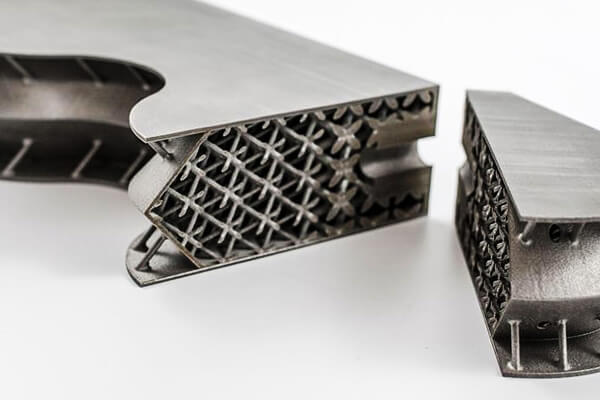
- Բարդ երկրաչափություններ, ներքին ալիքներ, and lattice structures can be created, enabling innovative designs that were previously impossible.
Օրինակ, the ability to create hollow, lightweight structures with internal cooling channels is a game-changer in aerospace and automotive engineering.
Արագ նախատիպավորում:
- Quick iteration and testing of designs, reducing development time and costs.
With metal 3D printing, prototypes can be produced in a matter of days, allowing for rapid feedback and design improvements.
Նյութի արդյունավետություն:
- Նվազագույն թափոններ, as only the material needed for the part is used, unlike subtractive manufacturing, which can result in significant material loss.
This is particularly beneficial for expensive materials like titanium and precious metals.
Թեթևություն:
- Lattice structures and optimized designs can reduce the weight of parts, which is particularly beneficial in aerospace and automotive applications.
Օրինակ, Boeing has used metal 3D printing to reduce the weight of aircraft components, leading to significant fuel savings.
Հարմարեցում:
- Tailored solutions for low-volume or one-off production runs, allowing for personalized and unique products.
Customized medical implants, Օրինակ, can be designed to fit a patient’s specific anatomy, improving outcomes and recovery times.
7. Մարտահրավերներ և սահմանափակումներ
While metal 3D printing offers many advantages, it also comes with its own set of challenges:
Բարձր նախնական ներդրումներ:
- The cost of metal 3D printers, նյութեր, and post-processing equipment can be substantial.
Օրինակ, a high-end metal 3D printer can cost upwards of $1 million, and the materials can be several times more expensive than those used in traditional manufacturing.
Limited Build Size:
- Many metal 3D printers have smaller build volumes, limiting the size of parts that can be produced.
Սակայն, new technologies are emerging that allow for larger build sizes, ընդլայնելով հնարավոր կիրառությունների շրջանակը.
Մակերեւույթի ավարտը:
- Parts may require additional post-processing to achieve the desired surface finish, adding to the overall cost and time.
Techniques like chemical etching and electro-polishing can help improve the surface quality, but they add extra steps to the manufacturing process.
Նյութի առկայություն:
- Not all metals and alloys are suitable for 3D printing, and some may be difficult to obtain or expensive.
The availability of specialized materials, such as high-temperature alloys, can be limited, affecting the feasibility of certain projects.
Skill and Training:
- Operators and designers need specialized training to effectively use metal 3D printing technology.
The learning curve can be steep, and the need for skilled personnel can be a barrier to adoption, especially for small and medium-sized enterprises.
8. Applications of Metal 3D Printing
Metal 3D printing is finding applications across a wide range of industries:
Օդատիենտ:
- Թեթեւակի, complex components for aircraft and satellites, reducing weight and improving performance.
Օրինակ, Airbus has used metal 3D printing to produce lightweight brackets and fuel nozzles, resulting in significant weight savings and improved fuel efficiency.
Ավտոմոբիլային:
- Custom and performance parts for motorsports, նախատիպավորում, and production, enhancing vehicle performance and efficiency.
BMW, Օրինակ, uses metal 3D printing to produce custom parts for their high-performance vehicles, such as the i8 Roadster.
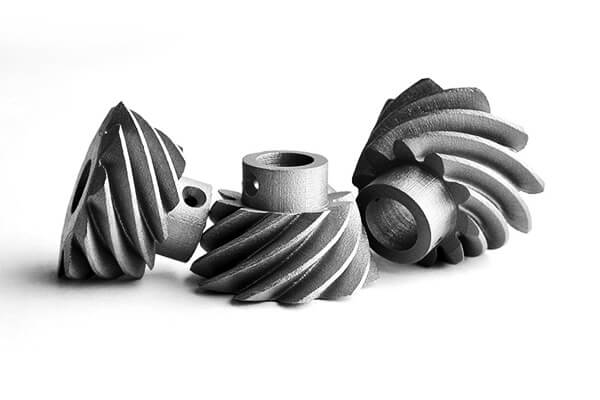
Բժշկական:
- Իմպլանտներ, պրոթեզավորում, and dental applications offer precise geometries and biocompatibility.
Stryker, a leading medical technology company, uses metal 3D printing to produce customized spinal implants, improving patient outcomes and reducing recovery times.
Էներգիա:
- He երմափոխանակիչներ, տուրբիններ, and power generation components improve efficiency and durability.
Siemens, Օրինակ, has used metal 3D printing to produce gas turbine blades, which can withstand higher temperatures and pressures, leading to increased efficiency and reduced emissions.
Tooling and Molds:
- Rapid tooling with conformal cooling channels, reducing cycle times and improving part quality.
Conformal cooling channels, which follow the shape of the mold, can significantly reduce cooling times and improve the quality of the final product.
Սպառողական ապրանքներ:
- High-end jewelry, custom watches, and electronics enclosures enable unique and personalized products.
Companies like HP and 3DEO are using metal 3D printing to produce high-quality, customized consumer goods, such as luxury watches and electronic cases.
9. Metal 3D Printing vs. Traditional Manufacturing
When comparing metal 3D printing to traditional manufacturing methods, գործում են մի քանի գործոններ:
Արագություն և արդյունավետություն:
- 3D printing excels in rapid prototyping and low-volume production, while traditional methods are more efficient for high-volume manufacturing.
Օրինակ, 3D printing can produce a prototype in a few days, whereas traditional methods might take weeks.
Արժեքի համեմատություն:
- For low-volume or customized parts, 3D printing can be more cost-effective due to reduced setup and tooling costs.
Սակայն, for high-volume production, traditional methods may still be more economical. The break-even point varies depending on the specific application and the complexity of the part.
Բարդություն:
- 3D printing enables the manufacture of intricate geometries and internal features that are impossible with conventional methods, opening up new design possibilities.
This is particularly valuable in industries where weight reduction and performance optimization are critical, such as aerospace and automotive.
Here’s a comparison table summarizing the key differences between Metal 3D Printing մի քանազոր Traditional Manufacturing:
| Հատկորոշում | Metal 3D Printing | Traditional Manufacturing |
|---|---|---|
| Առաջատար ժամանակ | Faster for prototyping, ցածր ծավալի արտադրություն. | Longer setup times due to tooling and molds. |
| Արտադրության արագություն | Slower for high-volume production. Ideal for low-volume, պատվերով մասեր. | Faster for mass production, հատկապես պարզ մասերի համար. |
| Դիզայնի բարդություն | Can create complex geometries with ease. | Limited by tooling constraints; complex designs need extra steps. |
| Հարմարեցում | Ideal for one-off or customized parts. | Customization is more expensive due to tooling changes. |
| Նյութի առկայություն | Limited to common metals (չժանգոտվող պողպատ, տիտղոս, Եվ այլն). | Wide range of metals and alloys available for a variety of applications. |
| Material Performance | Slightly lower material strength and uniformity. | Superior strength and more consistent material properties. |
| Նախնական ներդրում | High initial cost due to expensive 3D printers and metal powders. | Lower initial investment for basic setups. |
| Per-Unit Cost | High for high-volume production; cost-effective for small runs. | Lower for mass production, especially with simple designs. |
| Ուժ & Ամրություն | Suitable for many applications; may require post-processing for enhanced strength. | Typically higher strength, especially for high-performance alloys. |
| Մակերեւույթի ավարտը | Requires post-processing for smooth finishes. | Typically better surface finishes for simple designs. |
| Հետմշակում | Required for enhanced mechanical properties, և մակերեսային հարդարում. | Usually minimal post-processing unless complex or high-precision requirements. |
| Նյութական թափոններ | Minimal material waste due to additive nature. | Higher material waste in some methods (Է.Գ., վերամբարձ). |
| Իդեալական է | Ցածր ծավալով, պատվերով մասեր, Համալիր երկրաչափություններ, նախատիպավորում. | Բարձր ծավալով, պարզ մասեր, consistent material properties. |
| Ծրագրեր | Օդատիենտ, Բժշկական իմպլանտներ, ավտոմոբիլային (ցածր ծավալով, բարդ մասեր). | Ավտոմոբիլային, ծանր տեխնիկա, Արդյունաբերական մասեր (բարձր ծավալով, լայնածավալ արտադրություն). |
10. Եզրափակում
Metal 3D printing stands at the forefront of manufacturing innovation, offering unique advantages like design freedom, արագ նախատիպավորում, և նյութական արդյունավետությունը.
While it faces challenges such as high costs and material limitations, its transformative potential across industries is undeniable.
Անկախ նրանից, թե դուք օդատիեզերքում եք, ավտոմոբիլային, կամ սպառողական ապրանքներ,
exploring how metal 3D printing can fit your specific needs might just be the key to unlocking new possibilities in product development and manufacturing.
DEZE provides 3D printing services. If you have any 3D printing needs, խնդրում եմ ազատ զգալ Կապվեք մեզ հետ.