
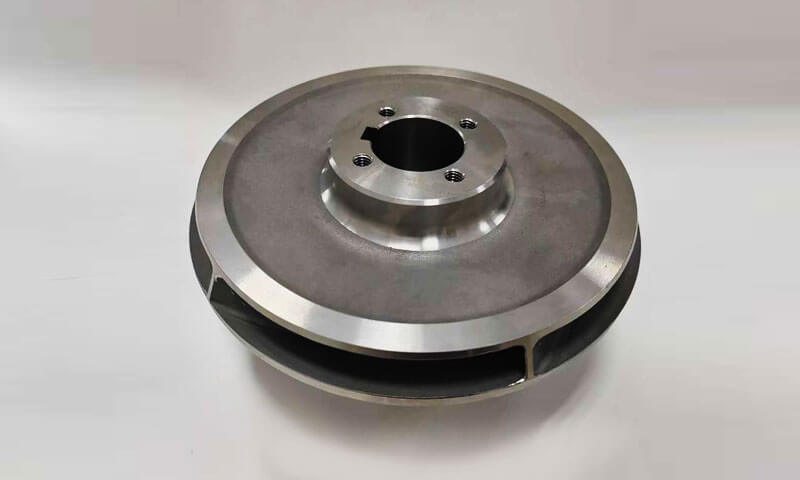
Ներդրումային ձուլումը եզակի դիրք է զբաղեցնում արդյունաբերական արտադրության մեջ.
Դա պարզապես ժառանգական գործընթաց չէ, որը պահպանվել է դժվար ձևերի կամ պրեմիում դետալների համար; դա արտադրական մեծ ունակությամբ ուղի է, որը լուծում է կոնկրետ և գնալով ավելի կարևոր խնդիր:
ինչպես արտադրել բարդ մետաղական բաղադրամասեր բարձր ծավալային հավատարմությամբ, մակերեսի գերազանց որակ, և խառնուրդի լայն համատեղելիություն, միաժամանակ պահպանելով կրկնվող կատարումը մասշտաբով.
Շատ ոլորտներում, Հարցն այլևս այն չէ, թե արդյոք կարելի է մի մաս արտադրել, բայց արդյոք այն կարող է արտադրվել ճշգրտության ճիշտ հավասարակշռությամբ, նյութական ամբողջականություն, միավորի արժեքը, և հոսանքն ի վար արդյունավետություն.
Ներդրումների քասթինգը հաճախ ավելի լավ է պատասխանում այդ հարցին, քան մրցակցային գործընթացները.
1. Որոնք են արդյունաբերական ձուլվածքները?
Արդյունաբերական ձուլվածքները մետաղական մասեր են, որոնք արտադրվում են հալած մետաղը նախագծված կաղապարի խոռոչի մեջ լցնելով և թույլ տալով, որ այն կարծրանա և ստացվի անհրաժեշտ ձև:.
Սառչելուց հետո, կաղապարը հանվում է, և ձուլումը կարող է ենթարկվել հարդարման, վերամբարձ, He երմամշակում, Մակերեւութային հարդարման աշխատանքներ, և ստուգում ծառայության անցնելուց առաջ.
Ըստ էության, ձուլումը արտադրության մեթոդ է, որը հեղուկ մետաղը վերածում է ֆունկցիոնալ ինժեներական բաղադրիչների, որոնք համեմատաբար փոքր կախվածություն ունեն լայնածավալ կտրման կամ միացման աշխատանքներից:.
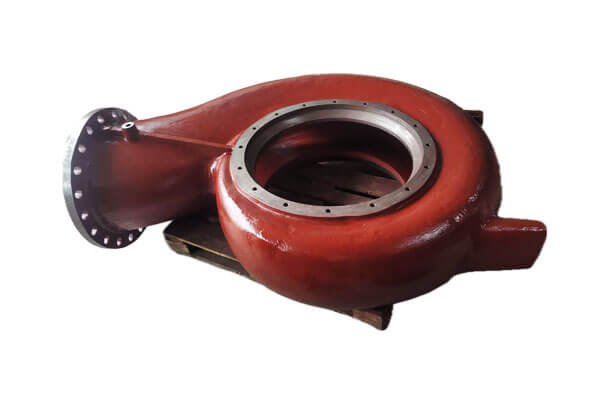
Այն, ինչ քասթինգը դարձնում է «արդյունաբերական», ինքնին գործընթացը չէ, բայց կիրառման և կատարողականի պահանջը.
Արդյունաբերական ձուլվածքներն օգտագործվում են մեքենաներում, սարքավորումներ, ենթակառուցվածք, էներգետիկ համակարգեր, տրանսպորտային հարթակներ, և տեխնոլոգիական արդյունաբերություններ, որտեղ մասերը պետք է դիմակայեն մեխանիկական բեռին, թրթռում, ճնշում, հագնել, կոռոզիիոն, ջերմություն, կամ երկարաժամկետ ցիկլային սպասարկում.
Դրանք դեկորատիվ առարկաներ կամ ցածրորակ ձևեր չեն; դրանք աշխատող բաղադրիչներ են, որոնք ուղղակիորեն ազդում են ավելի մեծ համակարգերի հուսալիության և արդյունավետության վրա.
2. Արդյունաբերական բաղադրիչների ներդրումային ձուլման հիմնական տեխնիկական առավելությունները
Ներդրումային ձուլում Արդյունաբերական արտադրության մեջ գնահատվում է ոչ այն պատճառով, որ դա ավանդական գործընթաց է, բայց քանի որ այն միաժամանակ լուծում է մի քանի բարդ ինժեներական խնդիրներ.
Երբ բաղադրիչը պետք է լինի երկրաչափական բարդ, ծավալային կայուն, նյութին հատուկ, և ծախսարդյունավետ իր կյանքի ցիկլի ընթացքում, ներդրումային ձուլումը հաճախ դառնում է ամենաուժեղ արտադրական տարբերակներից մեկը.
Բացառիկ երկրաչափական ազատություն
Ներդրումային ձուլման ամենահիմնարար տեխնիկական առավելությունը բարդ երկրաչափությունը բարձր հավատարմությամբ վերարտադրելու կարողությունն է:.
Քանի որ գործընթացը սկսվում է մոմի նախշով և կերամիկական պատյանով, այլ ոչ թե ճեղքված կաղապարով, որը պետք է բացվի և փակվի մասի շուրջը:, այն կարող է ստեղծել այնպիսի ձևեր, որոնք դժվար կամ անհնարին են ձուլման շատ այլ մեթոդների համար.
Սա հատկապես կարևոր է արդյունաբերական բաղադրիչների համար, որոնք պահանջում են:
- Նիհար պատեր,
- բարդ ուրվագծեր,
- ներքին կամ արտաքին կողիկներ,
- թերագնահատում,
- կոր բեռի ուղիները,
- ղեկավարները, եզրեր, և մոնտաժային առանձնահատկությունները՝ ինտեգրված մեկ մարմնի մեջ,
- հոսքի օպտիմիզացված հատվածներ,
- և երկրաչափություններ, որոնք այլապես կպահանջեին մի քանի պատրաստված կտորներ.
Դիզայնի տեսանկյունից, այս ազատությունը թույլ է տալիս ինժեներներին օպտիմիզացնել բաղադրիչը ոչ թե արտադրական հարմարության համար, այլ գործառույթի համար.
Այդ տարբերությունը կարևոր է բարձր արդյունավետությամբ արդյունաբերական համակարգերում, որտեղ երկրաչափությունն ազդում է ուժի վրա, հոսքի վարքագիծը, ջերմային արձագանք, և հոգնած կյանք.
Մոտ ցանցի ձևավորման հնարավորություն և հաստոցների կրճատված թույլտվություն
Ներդրումային ձուլումը արտադրում է վերջնական չափերին շատ մոտ մասեր, ինչը զգալիորեն նվազեցնում է հետագայում պահանջվող հաստոցների քանակը.
Արդյունաբերական արտադրության մեջ, սա մեծ առավելություն է, քանի որ հաստոցավորումը պարզապես ավարտական քայլ չէ; դա հաճախ ամենաթանկ գործողություններից մեկն է ողջ գործընթացի շղթայում.
Մեքենաների կրճատված նպաստը տալիս է մի քանի կոնկրետ առավելություններ:
- ցածր նյութական թափոններ,
- ավելի կարճ մշակման ժամանակ,
- գործիքների մաշվածության նվազում,
- ամրացման և տեղադրման ավելի քիչ բարդություն,
- ծանր պաշարների հեռացման հետևանքով առաջացած աղավաղման ավելի ցածր ռիսկ,
- և ավելի լավ տնտեսություն դժվար մեքենայական համաձուլվածքների համար.
Թանկարժեք համաձուլվածքների համար, ինչպիսիք են չժանգոտվող պողպատները, Նիկելի վրա հիմնված գերհարկատներ, կոբալտի վրա հիմնված համաձուլվածքներ, և տիտանի հետ կապված նյութեր, մոտ ցանցի ձևի արտադրությունը կարող է էական արժեք ստեղծել.
Որքան քիչ նյութ, որը պետք է հեռացվի, այնքան ավելի արդյունավետ է օգտագործվում խառնուրդը.
Մակերեւույթի բարձր որակ
Համեմատած շատ այլ ձուլման ուղիների հետ, Ներդրումային ձուլումը, ընդհանուր առմամբ, ապահովում է շատ ավելի հարթ մակերես.
Սա կարևոր է արդյունաբերական բաղադրիչների համար, քանի որ մակերեսի որակը միայն կոսմետիկ խնդիր չէ. Այն ազդում է:
- կնքման կատարումը,
- հեղուկի հոսքի դիմադրություն,
- հագնում պահվածքը,
- Կոռոզիոն դիմադրություն,
- հոգնածության կատարումը,
- և հետմշակման պահանջվող չափը.
Մակերեւույթի ավելի լավ ավարտը նվազեցնում է ագրեսիվ հաստոցների կամ հղկման անհրաժեշտությունը և կարող է բարելավել ծառայության կատարողականը այնպիսի ծրագրերում, ինչպիսիք են փականները:, պոմպեր, շարժիչներ, տներ, և ճշգրիտ մեխանիկական մասեր.
Որոշ դեպքերում, ձուլված մակերեսը կարող է բավականաչափ լավ լինել, որպեսզի թույլ տա ուղղակի օգտագործումը նվազագույն ավարտից հետո, ինչը բարելավում է և՛ ծախսերը, և՛ սպասարկման ժամանակը.
Բարձր չափերի ճշգրտություն և կրկնելիություն
Ներդրումային ձուլումը լավ է համապատասխանում այն մասերին, որոնք պահանջում են հետևողական ծավալային հսկողություն.
Ճշգրտությունը գալիս է մոմի նախշը ճշգրիտ վերարտադրելու և այդ ճշգրտությունը պատյանների պատրաստման գործընթացի միջոցով վերջնական մետաղական մասի մեջ փոխանցելու կարողությունից:.
Արդյունաբերական բաղադրիչների համար, կրկնելիությունը հաճախ նույնքան կարևոր է, որքան անվանական ճշգրտությունը.
Գործընթացը, որը արտադրում է մեկ ճշգրիտ և հիսուն անհամապատասխան մասեր, հարմար չէ արտադրության համար.
Ներդրումային ձուլում, երբ պատշաճ կերպով վերահսկվում է, կարող է ապահովել խմբաքանակից խմբաքանակ կայուն հետևողականություն, որի համար վճռորոշ է:
- հավաքման համատեղելիություն,
- փոխանակելիություն,
- նվազեցված տեսչական բեռը,
- և կանխատեսելի արտադրական եկամտաբերություն.
Այս կրկնելիությունը աջակցում է արդյունաբերական մատակարարման շղթաներին, որտեղ հետևողական կատարողականությունը ավելի կարևոր է, քան երբեմնի կատարելությունը.
Լայն խառնուրդի համատեղելիություն
Ներդրումային ձուլման մեկ այլ հիմնական առավելությունը համաձուլվածքների լայն տեսականիով աշխատելու կարողությունն է.
Սա հատկապես օգտակար է դարձնում արդյունաբերական ծրագրերում, որտեղ նյութի հատկությունները պետք է հարմարեցվեն սպասարկման միջավայրին.
Ընդհանուր համաձուլվածքների ընտանիքները ներառում են:
- ածխածնային պողպատներ,
- ցածր խառնուրդով պողպատներ,
- չժանգոտվող պողպատներ,
- Գործիք steels,
- դուպլեքս և հատուկ չժանգոտվող պողպատներ,
- Նիկելի վրա հիմնված գերհարկատներ,
- կոբալտի վրա հիմնված համաձուլվածքներ,
- ալյումինե համաձուլվածքներ,
- Պղնձի խառնուրդներ,
- և մասնագիտացված դեպքերում, Titanium համաձուլվածքներ.
Այս ճկունությունը ռազմավարական նշանակություն ունի, քանի որ շատ արդյունաբերական մասեր չեն որոշվում միայն ձևով.
Դրանք սահմանվում են գործառնական միջավայրով: ջերմաստիճան, ճնշում, կոռոզիիոն, հագնել, քայքայում, և մեխանիկական ծանրաբեռնվածություն.
Ներդրումային ձուլումը դիզայներին թույլ է տալիս ընտրել այն համաձուլվածքը, որը լավագույնս համապատասխանում է կիրառմանը, այլ ոչ թե դիզայնը սահմանափակելու այնպիսի նյութերով, որոնք հեշտ է մշակել կամ կեղծել:.
Ուժեղ աջակցություն մասի համախմբմանը
Ներդրումային ձուլման ամենահզոր, բայց երբեմն թերագնահատված առավելություններից մեկը մասնակի համախմբումն է.
Բաղադրիչները, որոնք այլ կերպ պետք է պատրաստվեն մի քանի մշակված կամ եռակցված կտորներից, հաճախ կարող են վերանախագծվել որպես մեկ ձուլվածք.
Սա բերում է բազմաթիվ տեխնիկական և առևտրային շահույթների:
- ավելի քիչ եռակցման կարեր,
- հավաքման ավելի քիչ քայլեր,
- ավելի քիչ ամրացումներ,
- ավելի քիչ հանդուրժողականության կուտակման խնդիրներ,
- ավելի քիչ արտահոսքի ուղիներ,
- հոդերի ձախողման ավելի ցածր ռիսկ,
- և պարզեցված լոգիստիկա.
Արդյունաբերական մեքենաներում, ինտերֆեյսները հաճախ համակարգի ամենաթույլ կետերն են.
Ինտերֆեյսերի քանակի կրճատմամբ, ներդրումային ձուլումը բարելավում է ինչպես հուսալիությունը, այնպես էլ արտադրելիությունը.
Սա հատկապես արժեքավոր է պոմպային մարմինների համար, փականի բաղադրիչներ, օդատիեզերական փակագծեր, տուրբինային սարքավորումներ, և բարդ կառուցվածքային մասեր.
Լավ պիտանիություն համալիրի համար, բարձրարժեք արդյունաբերական բաղադրիչներ
Ներդրումային ձուլումը հատկապես գրավիչ է, երբ մասը բարձր արժեք ունի, բարձր բարդություն, կամ կատարումը կրիտիկական.
Նման դեպքերում, Տնտեսագիտությունը նպաստում է մի գործընթացի, որը նվազեցնում է երկրորդական գործառնությունները և բարելավում վերջնական մասի ամբողջականությունը.
Ահա թե ինչու ներդրումային քասթինգը լայնորեն օգտագործվում է:
- տուրբինի բաղադրիչներ,
- պոմպի և փականի մասեր,
- Prec շգրիտ տներ,
- արդյունաբերական շարժիչներ,
- օդատիեզերական սարքավորումներ,
- էներգահամակարգի մասեր,
- բժշկական գործիքավորում,
- և այլ երկրաչափական պահանջկոտ բաղադրիչներ.
Ներդրումային ձուլման կողմից պահանջվող գործընթացի ավելի բարձր կարգապահությունը արդարացված է, երբ վերջնական մասը պետք է համապատասխանի խիստ ֆունկցիոնալ պահանջներին.
Արտադրական ծրագրերի նախագծման ընդլայնելիություն
Ներդրումային ձուլումը հարմարվողական է արտադրության լայն շրջանակների համար. Երբ գործընթացը վավերացված է, այն կարող է աջակցել կայուն կրկնվող արտադրությանը՝ վերահսկվող որակով.
Դա այն դարձնում է հարմար ոչ միայն նախատիպերի և փոքր վազքի համար, այլ նաև միջին ծավալի արդյունաբերական ծրագրերի համար, որտեղ հետևողականությունը և ծախսերի վերահսկումը երկուսն էլ կարևոր են.
Գործընթացը կարող է ընդլայնվել:
- օրինաչափության գործիքի օպտիմալացում,
- մոմի ավտոմատ ներարկում,
- shell շենքի հսկողություն,
- հորդառատ կարգապահություն,
- և ստանդարտացված հետմշակում.
Այս մասշտաբայնությունը արտադրողներին տալիս է օգտակար կամուրջ ինժեներական ճկունության և կրկնվող արդյունաբերական արտադրանքի միջև.
3. Արդյունաբերական կիրառման ոլորտներ
Ներդրումային ձուլումը պարզապես բարդ ձևերով մետաղական մասեր պատրաստելու միջոց չէ.
Արդյունաբերական շուկաներում, դա նպատակային ինժեներական լուծում է բաղադրիչների համար, որոնք պետք է համատեղեն երկրաչափական բարդությունը, նյութական կատարումը, չափերի ճշգրտություն, եւ երկար ծառայության կյանք.
Պոմպեր և հեղուկների բեռնաթափման համակարգեր
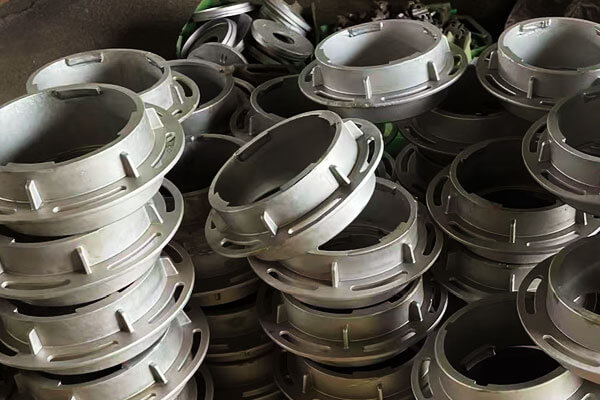
Պոմպեր ներդրումային ձուլվածքների կիրառման կարևորագույն ոլորտներից են.
Բաղադրիչներ, ինչպիսիք են շարժիչները, պատյաններ, դիֆուզորներ, կրել մատանիներ, և կնիքի պատյանները կախված են հոսքի հարթ ուղիներից, սայրի ճշգրիտ երկրաչափություն, և կոշտ ծավալային հսկողություն.
Այս միջավայրում, փոքր երկրաչափական շեղումները կարող են չափելի ազդեցություն ունենալ հիդրավլիկ արդյունավետության վրա, թրթռումային վարքագիծը, աղմուկ, և ընդհանուր ծառայության ժամկետը.
Ներդրումային ձուլումը հատկապես հարմար է այս մասերին, քանի որ այն կարող է վերարտադրել բարդ կոր մակերեսները և բարակ հատվածի առանձնահատկությունները հավատարմության բարձր մակարդակով:.
Սա նվազեցնում է լայնածավալ հաստոցների կարիքը և օգնում է պահպանել բաղադրիչի նախագծված հիդրավլիկ պրոֆիլը.
Հատկապես շարժիչների համար, գործընթացն աջակցում է սայրերի անցուղիների գրեթե ցանցի ձևավորմանը, որոնք դժվար և ծախսատար կլինեն պայմանականորեն մեքենայացնելու համար:.
Նյութի ընտրությունը պայմանավորված է գործող միջավայրով:
- Austenitic չժանգոտվող պողպատներ ինչպիսիք են 316L և 347 լայնորեն օգտագործվում են քայքայիչ գործընթացային հեղուկների և խառը քիմիական ծառայության համար.
Նրանք առաջարկում են լայն կոռոզիոն դիմադրություն և հուսալի արտադրություն. - Կոբալտի հիմքի համաձուլվածքներ ինչպես, օրինակ, Stellite դասարանները նախընտրելի են խիստ հղկող կամ էրոզիվ ծառայության մեջ, որտեղ մաշվածության դիմադրությունն ավելի կարևոր է, քան արժեքը.
Այս համաձուլվածքները հաճախ ընտրվում են ցեխի պոմպերի համար, կրել մատանիներ, և բարձր էրոզիայի հոսքի ուղիները. - Տեղումներ-կարծրացնող չժանգոտվող պողպատներ ինչպիսիք են 17-4 ՊՀ և 15-5 PH-ն օգտագործվում է այնտեղ, որտեղ ավելի բարձր մեխանիկական ուժը պետք է համակցվի կոռոզիոն դիմադրության հետ, հատկապես ճնշված պոմպի բաղադրիչներում և լիսեռներում.
Կարճ ասած, ներդրումային ձուլումը թույլ է տալիս պոմպերի դիզայներներին օպտիմալացնել ինչպես հիդրավլիկ աշխատանքը, այնպես էլ նյութի ամրությունը մեկ արտադրական ուղու վրա.
Փականներ և հոսքի վերահսկման բաղադրիչներ
Է փական արդյունաբերությունը ներդրումային ձուլվածքների ամենամեծ և տեխնիկապես ամենապահանջկոտ օգտագործողներից մեկն է.
Փական մարմիններ, գլխարկներ, նստատեղեր, բխում է, և հարդարման մասերը պետք է համապատասխանեն ճնշման ամբողջականության խիստ պահանջներին, կնքման կատարումը, Կոռոզիոն դիմադրություն, և երկարաժամկետ կրկնելիություն.
Սա հենց այն կիրառման տեսակն է, որտեղ ներդրումային քասթինգը գերազանցում է.
Փականների երկրաչափությունները հաճախ պարունակում են բարդ ներքին հոսքի անցումներ, հաստ-բարակ անցումներ, կնքման նստատեղեր, և տեղայնացված սթրեսային շրջանները.
Այս հատկանիշները որպես մեկ ձուլվածք արտադրելը նվազեցնում է հավաքման բարդությունը և վերացնում բազմաթիվ թույլ կետեր, որոնք այլ կերպ կհայտնվեին եռակցված կամ պատրաստված կառույցներում:.
Տիպիկ համաձուլվածքների ընտրանքները ներառում են:
- Austenitic չժանգոտվող պողպատներ ինչպիսիք են 304 և 316L ընդհանուր կոռոզիոն դիմացկուն ծառայության համար.
- Մարտենզիտ չժանգոտվող պողպատներ ինչպիսիք են 410 և 420C ցողունների և կառուցվածքային մասերի համար, որոնք պահանջում են ավելի բարձր կարծրություն և ամրություն.
- Կոբալտի հիմքի համաձուլվածքներ նստատեղերի և դեկորացիայի համար խիստ սպասարկում, որտեղ բարձր արագությամբ էրոզիա, Mal երմային հեծանվավազք, և կրկնվող ակտիվացումը ստեղծում է մաշվածության ծայրահեղ պայմաններ.
Փականների կիրառման համար, Կոբալտի հիմքով համաձուլվածքները հաճախ նախընտրելի լուծումն են ամենադաժան միջավայրում, քանի որ դրանք համատեղում են մաշվածության դիմադրությունը, Կոռոզիոն դիմադրություն, և բարձր ջերմաստիճանի կայունությունը ավելի լավ է, քան ստանդարտ չժանգոտվող պողպատները.
Սա հատկապես կարևոր է դրսևորման ժամանակ, էրոզիայի հակված, և բարձր դիֆերենցիալ ճնշման սպասարկում.
Սննդի և կաթնամթերքի վերամշակման սարքավորումներ
Սննդի և կաթնամթերքի վերամշակումը պահանջում է միանգամայն տարբեր պահանջներ.
Հիմնական առաջնահերթությունները հիգիենան են, մաքրման հնարավորություն, Կոռոզիոն դիմադրություն, և դիմադրություն ագրեսիվ մաքրող միջոցներին.
Բաղադրիչները չպետք է աղտոտեն արտադրանքը, թակարդի մնացորդը, կամ ստեղծել դժվար մաքրվող ճեղքեր.
Ներդրումային ձուլումը շատ հարմար է այս ոլորտի համար, քանի որ այն կարող է հարթ արդյունք տալ, ճեղքերով նվազագույնի հասցված երկրաչափություններ, որոնք աջակցում են հիգիենիկ դիզայնին.
Այն նաև թույլ է տալիս դիզայներներին ինտեգրել ջրահեռացման առանձնահատկությունները, կլորացված անցումներ, և շարունակական մակերեսները անմիջապես մասի մեջ, նվազեցնելով կախվածությունը եռակցման և հոդերի վրա, որոնք կարող են աղտոտման վտանգ դառնալ.
Գործնականում, 316L չժանգոտվող պողպատ սննդամթերքի հետ շփման ներդրումային ձուլվածքների գերիշխող ընտրությունն է.
Դրա ցածր ածխածնի պարունակությունը օգնում է նվազեցնել զգայունության ռիսկը, մինչդեռ դրա կոռոզիոն դիմադրությունը լավ է գործում ախտահանող քիմիական նյութերի ազդեցության տակ գտնվող միջավայրերում, խոնավություն, և քլորիդ պարունակող մաքրման համակարգեր.
Գործընթացը նաև արտադրում է մակերեսային հարդարում, որը հաճախ բավարար է սննդի վերամշակման շատ ստանդարտների համար՝ միայն սահմանափակ լրացուցիչ փայլեցմամբ։.
Տիպիկ հավելվածները ներառում են:
- պոմպի մարմիններ,
- Փական տներ,
- խառնիչի բաղադրիչներ,
- լցոնման մասեր,
- փոխակրիչ սարքավորում,
- և անոթների կցամասերի վերամշակում.
Այստեղ, Ներդրումային ձուլման իրական արժեքը ոչ միայն ձևի ճշգրտության, այլ հիգիենիկ ճարտարագիտության մեջ է.
Այն օգնում է վերացնել դիզայնի առանձնահատկությունները, որոնք բարդացնում են մաքրումը և ապահովում ավելի անվտանգ, Սննդի վերամշակման ավելի պահպանվող համակարգեր.
Քիմիական և նավթաքիմիական վերամշակում
Քիմիական և նավթաքիմիական ձեռնարկությունները գործում են արդյունաբերության ամենածանր սպասարկման պայմաններում.
Բաղադրիչները ենթարկվում են քայքայիչ քիմիական նյութերի, բարձր ջերմաստիճաններ, Press նշման տատանումներ, և շարունակական գործառնական ցիկլեր. Այս միջավայրերում, ձախողումը հազվադեպ է ընդունելի և հաճախ շատ ծախսատար.
Ներդրումային ձուլվածքները լայնորեն կիրառվում են ռեակտորներում, He երմափոխանակիչներ, պրոցեսի խողովակաշարային սարքավորում, պոմպային և փականային համակարգեր, և հոսքի վերահսկման հավաքույթներ.
Գործընթացը գրավիչ է, քանի որ այն թույլ է տալիս օգտագործել բարձր արդյունավետության համաձուլվածքներ, որոնք կարող են ձևավորվել համալիրի, երկարակյաց երկրաչափություններ լավ ծավալային հետևողականությամբ.
Ընդհանուր նյութական ընտանիքները ներառում են:
- Austenitic չժանգոտվող պողպատներ ինչպիսիք են 316 լ, 310, մի քանազոր 347 ընդհանուր կոռոզիայի և բարձր ջերմաստիճանի սպասարկման համար.
- Նիկելի հիմքով համաձուլվածքներ ինչպիսիք են Հասթելոյի և Մոնելի ընտանիքները խիստ ագրեսիվ լրատվամիջոցների համար, ներառյալ ուժեղ թթուները և քիմիապես ծանր միջավայրերը.
- Կոբալտի հիմքի համաձուլվածքներ ընտրված հագուստով- և ջերմաստիճանի համար կարևոր բաղադրիչներ.
Համաձուլվածքի ընտրությունը կախված է գործընթացի ճշգրիտ քիմիայից.
Օրինակ, Որոշ դասարաններ ընտրվում են բարձր ջերմաստիճանում օքսիդացման դիմադրության համար, իսկ մյուսները ընտրվում են հատուկ թթուների նկատմամբ դիմադրության համար, քլորիդներ, կամ հալոգենացված միջավայրեր.
Քիմիական ծառայության մեջ, խառնուրդի ունիվերսալ լուծում չկա. Ներդրումային ձուլումը արժեքավոր է, քանի որ այն կարող է աջակցել ճիշտ խառնուրդին ճիշտ պարտականությունների համար, առանց դիզայներին ստիպելու զիջումների գնալ երկրաչափության հարցում.
Գյուղատնտեսական և ծանր տեխնիկա
Գյուղատնտեսական մեքենաները և ծանր տեխնիկան բաղադրիչները ենթարկում են մեխանիկական ծանրաբեռնվածության պահանջկոտ համակցության, ազդեցություն, ողողում, կեղտի ներթափանցում, և բացօթյա կոռոզիա.
Մասեր, ինչպիսիք են փակագծերը, հղումներ, ծխնիներ, հագնում բաղադրիչներ, իսկ կառուցվածքային կցամասերը պետք է ամուր լինեն, կոշտ, և տնտեսապես արտադրելու համար.
Ներդրումային ձուլումը հատկապես օգտակար է այս հատվածում, երբ մասերի երկրաչափությունը չափազանց բարդ է պարզ հաստոցների համար, բայց արտադրության ծավալը այնքան մեծ չէ, որ արդարացնի բարձր ճնշման ձուլումը կամ այլ մասնագիտացված մեթոդները.
Այն թույլ է տալիս արտադրողներին արտադրել գրեթե ցանցի ձև ունեցող պողպատե բաղադրիչներ՝ համապատասխան չափսերով և ընդունելի արժեքով.
Տիպիկ նյութական համակարգերը ներառում են:
- միջին ածխածնային պողպատներ ինչպիսիք են 1040 մի քանազոր 1045,
- Ալյումինե պողպատ ինչպիսիք են 4130 մի քանազոր 4140.
Այս պողպատները հաճախ ընտրվում են իրենց ուժի հավասարակշռության համար, կոշտություն, եւ մեքենայական.
Գյուղատնտեսական և շինարարական տեխնիկայի համար, Հատկապես արժեքավոր է երկարակյաց փոխարինող մասերը լավ փոխանակելիությամբ պատրաստելու ունակությունը.
Ներդրումների ձուլումը լավ է աջակցում այդ պահանջին, հատկապես այն վայրերում, որտեղ դաշտային սպասարկումը և կրկնվող արտադրությունը կարևոր են.
Էլեկտրաէներգիայի սերունդ
Էլեկտրաէներգիայի արտադրության սարքավորումները դնում են ձուլածո բաղադրիչների ամենալուրջ պահանջները.
Գոլորշի տուրբիններ, Գազային տուրբիններ, գեներատորներ, և բույսերի հավասարակշռության համակարգերը հաճախ պահանջում են մասեր, որոնք պետք է պահպանեն չափերի կայունությունը, ճնշման ամբողջականությունը, և նյութական արդյունավետությունը երկար սպասարկման ժամանակաշրջաններում.
Տուրբինային վարդակներում օգտագործվում են ներդրումային ձուլվածքներ, դիֆրագմներ, Փական մարմիններ, այրման սարքավորում, անցումային կտորներ, և էներգետիկ ոլորտի այլ կարևոր բաղադրիչներ.
Այս մասերը կարող են ենթարկվել բարձր ջերմաստիճանի, ցիկլային ջերմային բեռնում, օքսիդացում, և բարձր արագությամբ հոսք.
Գոլորշի և ընդհանուր ջերմաէլեկտրական սպասարկման համար, չժանգոտվող պողպատից ձուլվածքները հաճախ օգտագործվում են այնտեղ, որտեղ պահանջվում է կոռոզիոն դիմադրություն և չափերի ճշգրտություն.
Գազատուրբինային կիրառություններում, պահանջներն էլ ավելի խիստ են.
Բաղադրիչներ, ինչպիսիք են վարդակները, այրման սարքավորում, և անցումային բաժինները հաճախ ապավինում են նիկելային հիմք կամ կոբալտի հիմքով սուպերհամաձուլվածքներ կարող է դիմակայել ծայրահեղ ջերմաստիճաններին՝ պահպանելով կառուցվածքի ամբողջականությունը.
Ներդրումային ձուլման այստեղ այդքան արդյունավետ լինելու պատճառն այն է, որ այն կարող է արտադրել աերոդինամիկ և ջերմային կառավարման առանձնահատկություններ, որոնք շատ դժվար կլինի արտադրել այլ ուղիներով:.
Բարձր արտադրողականությամբ տուրբինային սարքավորումներում, ներքին հովացման անցումներ, Նուրբ պատի հատվածներ, իսկ բարդ հոսքի մակերեսները կամընտիր մանրամասներ չեն; դրանք անհրաժեշտ են գործելու համար. Ներդրումային ձուլումը այդ նախագծերը դարձնում է գործնական.
4. Արդյունաբերական ներդրումային ձուլվածքների համաձուլվածքների ընտրության ուղեցույց
Ճիշտ համաձուլվածքի ընտրությունը արդյունաբերական ձուլման ամենակարևոր որոշումներից մեկն է.
Լավագույն ընտրությունը կախված է կոռոզիայից, հագնում խստություն, ջերմաստիճան, մեխանիկական բեռնում, ծախս, և արտադրելիություն. Ստորև բերված աղյուսակը տալիս է հակիրճ հղում.
| Ալյումինե ընտանիք | Ներկայացուցչական գնահատականներ | Հիմնական հատկությունները | Առաջնային արդյունաբերական ծրագրեր |
| Ածխածնային & Low ածր խառնուրդային պողպատ | 1040, 4130, 4140 | Բարձր ուժ, Լավ կոշտություն, ծախսարդյունավետ | Գյուղատնտեսական տեխնիկա, ծանր տեխնիկա, Կառուցվածքային մասեր |
| Austenitic Stainless Steels | 304, 316Լակոտ, 310, 347 | Գերազանց կոռոզիոն դիմադրություն, Լավ զոդում | Փականներ, պոմպեր, սննդի վերամշակման սարքավորումներ, քիմիական ծառայություն |
| Martensitic Stainless Steels | 410, 420Գ, 440Գ | Բարձր կարծրություն, ուժեղ մաշվածության դիմադրություն | Փականների ցողուններ, հարդարման բաղադրիչներ, մաշվածության նկատմամբ զգայուն սարքավորում |
| Տեղումներ-կարծրացնող չժանգոտվող պողպատներ | 17-4 PH, 15-5 PH | Բարձր ուժ, Լավ կոռոզիոն դիմադրություն | Բարձր ճնշման պոմպի մասեր, լիսեռներ, Կառուցվածքային բաղադրիչներ |
Կոբալտ-բազային համաձուլվածքներ |
Աստղ 6, Աստղ 21, FSX-414 | Գերազանց մաշվածություն և բարձր ջերմաստիճանի դիմադրություն | Փականների նստատեղեր, պոմպի հագնում օղակներ, տուրբինային սարքավորումներ |
| Նիկել-բազային համաձուլվածքներ | Hastelloy c276, Մոնել M35-1, Ինքնորոշ 625 | Կոռոզիայից և բարձր ջերմաստիճանի բարձր դիմադրություն | Քիմիական մշակման սարքավորումներ, գազատուրբինի բաղադրիչներ |
| Պղինձ-բազային համաձուլվածքներ | Ալյումինե բրոնզ, Անագ բրոնզ | Լավ կոռոզիոն դիմադրություն, Լավ մեքենայականություն | Ծովային մասեր, Առանցքակալներ, Gears |
5. Թաքնված բարդությունը: Ինչու՞ արդյունաբերական ձուլվածքները պարզ չեն
Ձուլվածքները կարող են պարզ թվալ, բայց արդյունաբերական ձուլումը խիստ վերահսկվող ինժեներական դիսցիպլին է.
Թերությունները կարող են առաջանալ ջերմային վարքագծի փոխազդեցությունից, կաղապարի հատկությունները, համաձուլվածքների քիմիա, և գործընթացի ժամանակացույցը.
Ընդհանուր մտահոգությունները ներառում են:
- նեղացման ծակոտկենություն,
- գազի ծակոտկենություն,
- ընդգրկումներ,
- տաք պատռում,
- սառը ճեղքվածք,
- դիսպուններ,
- սառը փակում,
- փոփոխամտություն,
- ծավալային շեղում,
- և մակերեսային թերություններ.
Յուրաքանչյուր թերություն պատմում է մի պատմություն. Ծակոտկենությունը կարող է վկայել կերակրման հետ կապված խնդիրների կամ գազի թակարդի մասին. Ճաքերը կարող են ցույց տալ զսպված կծկում կամ մնացորդային սթրես.
Misruns-ը կարող է մատնանշել անբավարար լցոնման կամ վատ հորդառատ ջերմաստիճանի վերահսկում. Չափային խնդիրները կարող են արտացոլել կաղապարի անկայունությունը կամ անհավասար սառեցումը.
Ահա թե ինչու ձուլման որակը կախված է համակարգի վերահսկումից. Մետաղը կաղապարի մեջ լցնելը բավական չէ.
Կաղապարի ձևավորում, դարպասների և բարձրացման համակարգ, ամրապնդման օրինաչափություն, հալեցնում մաքրությունը, հորդառատ ջերմաստիճանը, և հետընտրական բեռնաթափման բոլոր հարցերը.
6. Որակի վերահսկում և հուսալիություն արդյունաբերական ձուլվածքներում
Արդյունաբերական ձուլվածքները հաճախ ծառայում են կրիտիկական ծրագրերում, ուստի որակի ապահովումը էական է.
Նպատակը միայն ճիշտ թվացող մասի արտադրությունը չէ, բայց արտադրել մի մաս, որը գոյատևում է սպասարկման պայմաններից.
Որակի վերահսկման հիմնական մեթոդները ներառում են:
- տեսողական ստուգում,
- ծավալային չափում,
- Ռադիոգրաֆիկ փորձարկում,
- ուլտրաձայնային փորձարկում,
- մագնիսական մասնիկների ստուգում,
- ներկի ներթափանցման ստուգում,
- քիմիական վերլուծություն,
- մեխանիկական փորձարկում,
- և մետալոգրաֆիական փորձաքննություն.
Ճնշման կրող կամ անվտանգության համար կարևոր բաղադրիչների համար, ոչ կործանարար փորձարկումը հատկապես կարևոր է.
Անբավարարության ընդունելի մակարդակը կախված է սպասարկման պայմաններից, ստանդարտները, և ռիսկի հանդուրժողականություն. Ձուլումը, որն ընդունելի է մի հավելվածում, կարող է անօգտագործելի լինել մյուսում.
Ջերմային մշակումը և հաստոցները նույնպես որակի հսկողության մաս են կազմում. Նրանք կարող են բարելավել միկրոկառուցվածքը, նվազեցնել մնացորդային սթրեսը, և ձուլումը բերեք վերջնական ճշգրտման.
Արդյունաբերական ձուլման մեջ, որակը ստուգման մեկ քայլ չէ. Դա հսկողության շղթա է.
7. Եզրափակում
Ներդրումային ձուլումը հաստատվել է որպես արդյունաբերական կիրառությունների համար անփոխարինելի արտադրական գործընթաց՝ ապահովելով դիզայնի ազատության եզակի համադրություն:, ճշգրտություն, նյութի բազմակողմանիություն, եւ ծախսարդյունավետություն.
Ի տարբերություն այլընտրանքային արտադրության մեթոդների, որոնք փոխզիջումներ են պարտադրում կատարողականի և արտադրական կարողությունների միջև, ներդրումային ձուլումը ճարտարագետներին թույլ է տալիս նախագծել բաղադրիչներ, որոնք օպտիմիզացված են իրենց նախատեսված գործառույթի համար, ապա արտադրել դրանք հուսալի և արդյունավետ.
Պոմպերից և փականներից, որոնք ապահովում են արդյունաբերական գործընթացների հոսքը, մինչև էներգիա արտադրող բաղադրիչներ, որոնք էլեկտրաէներգիա են մատակարարում միլիոնավոր մարդկանց, ներդրումային ձուլվածքները կարևոր դեր են խաղում համաշխարհային արդյունաբերական ենթակառուցվածքում.
Քանի որ թվային տեխնոլոգիաները շարունակում են վերափոխել արդյունաբերությունը, ներդրումային քասթինգը կդառնա էլ ավելի ճկուն, արդյունավետ, և կայուն, հետագայում ընդլայնելով իր կիրառությունները և ամրապնդելով իր դիրքը որպես բարձր արդյունավետությամբ արդյունաբերական բաղադրիչների արտադրության նախընտրելի գործընթաց.
Արդյունաբերական սարքավորումներ արտադրողների համար, ովքեր ցանկանում են բարելավել արտադրանքի արդյունավետությունը, նվազեցնել ծախսերը, և արագացնել շուկա դուրս գալու ժամանակը, ներդրումային ձուլումը առաջարկում է ապացուցված, հուսալի լուծում, որն ապահովում է բացառիկ արժեք արտադրանքի ողջ կյանքի ընթացքում.

