1. Ներածություն
Metals form the backbone of modern industry, serving as critical materials in construction, ավտոմոբիլային, օդատիենտ, Էլեկտրոնիկա, և սպառողական ապրանքներ.
Սրանց թվում, a clear distinction exists between ferrous vs. non-ferrous metals—
a difference that influences their chemical composition, Մեխանիկական հատկություններ, մշակման մեթոդներ, environmental impacts, և ընդհանուր արժեքը.
This article provides a detailed, multi-perspective analysis of ferrous versus non-ferrous metals.
By examining their definitions, բնութագրերը, եւ դիմումներ, as well as comparing their performance in various environments,
engineers and industry professionals can make well-informed decisions regarding material selection that balance performance, ծախս, և կայունություն.
2. Definitions and Fundamental Characteristics
Սև մետաղներ
Ferrous metals are primarily composed of iron, often alloyed with carbon and other elements. Common examples include carbon steel, չժանգոտվող պողպատ, and cast iron.
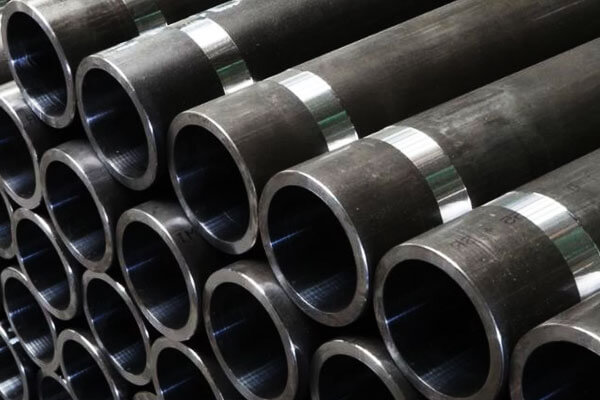
These materials typically exhibit high strength, ամրություն, և մագնիսական հատկություններ.
Սակայն, their high iron content also makes them more prone to corrosion unless treated or alloyed with corrosion-resistant elements such as chromium.
Ferrous metals are ideal for structural applications, ծանր տեխնիկա, and construction projects due to their robust mechanical properties.
Գունավոր մետաղներ
Non-ferrous metals, ի հակադրություն, contain little to no iron. This category includes metals such as aluminum, պղնձ, ցինկ, տիտղոս, և մագնեզիում.
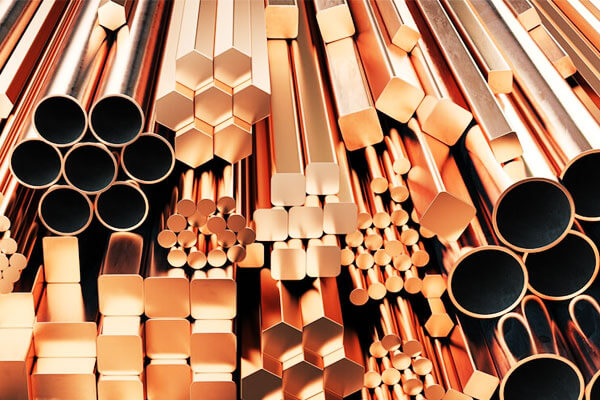
They are generally non-magnetic, lighter in weight, and offer excellent corrosion resistance.
These properties make non-ferrous metals especially valuable in industries where weight reduction, էլեկտրական հաղորդունակություն, or chemical stability is paramount,
such as in aerospace components, electronic devices, և բարձր արդյունավետությամբ ավտոպահեստամասեր.
3. Types of Ferrous Metals
Understanding these different types of Ferrous metals is crucial for selecting the right material for a specific industrial need.
Below is an enriched and detailed exploration of the main categories of ferrous metals.
Պողպատ
Steel is an alloy primarily composed of iron and carbon, making it one of the most widely used ferrous metals
due to its impressive tensile strength, ամրություն, եւ բազմակողմանիություն. Within the realm of steel, several subcategories exist:
- Ածխածնի պողպատ:
Ածխածնի պողպատ varies in carbon content, which directly influences its hardness and strength.
Ցածր ածխածնային պողպատներ, with carbon levels typically below 0.3%, are highly ductile and easy to form, making them ideal for construction, ավտոմոբիլային վահանակներ, and general manufacturing.
Միջին- and high-carbon steels offer greater hardness and wear resistance, which are indispensable in tools, մեքենաների բաղադրիչներ, և կառուցվածքային կիրառություններ. - Չժանգոտվող պողպատ:
Չժանգոտվող պողպատ incorporates significant amounts of chromium, which forms a passive oxide layer that protects the metal from corrosion.
This makes it exceptionally durable in harsh environments and perfect for applications ranging from kitchenware and medical instruments to construction elements and architectural designs. - Ալյումինե պողպատ:
Alloy steels include additional elements such as nickel, վանադիում, and tungsten to enhance specific properties.
These modifications improve factors like impact resistance, կարծրություն, և կարծրություն,
rendering alloy steels suitable for specialized applications such as automotive components, ծանր տեխնիկա, and high-performance engineering parts.
Cast Irons
Cast irons are characterized by their high carbon content and unique microstructure,
which imparts excellent castability, Բարձր սեղմիչ ուժ, and superior vibration damping properties.
They are predominantly used in applications that require robust, ծանր աշխատանքային բաղադրիչներ.
- Մոխրագույն չուգուն:
This type of cast iron contains graphite flakes, which provide excellent damping properties and ease of machining. It is commonly used in engine blocks, խողովակներ, and machine beds. - Ճկուն չուգուն:
Also known as nodular or spheroidal graphite iron, ductile cast iron offers improved ductility and toughness compared to gray cast iron.
Its enhanced mechanical properties make it suitable for automotive components, Press նշման անոթներ, and heavy-duty industrial machinery. - Սպիտակ չուգուն:
White cast iron is hard and brittle due to its low graphite content, making it highly wear-resistant.
It is typically used in applications like grinding mill liners and other parts where abrasion resistance is paramount.
Կռած երկաթ
Wrought iron is highly refined and distinguished by its very low carbon content (սովորաբար ավելի քիչ, քան 0.08%).
Its production traditionally involves repeated heating and hammering to remove impurities, resulting in a fibrous structure that improves its strength and durability.
Այսօր, wrought iron is valued for its excellent ductility, ճկունություն, and natural corrosion resistance, making it a top choice for decorative and architectural applications.
Գործիք պողպատ
Գործիքների պողպատ is a specialized category of carbon and alloy steel specifically engineered for high hardness, քայքայում դիմադրություն, and the ability to maintain a cutting edge.
It plays a critical role in the manufacturing of tools and dies, and it is broadly categorized into:
- Բարձր արագությամբ պողպատ (HSS):
HSS retains its hardness at elevated temperatures, դարձնելով այն իդեալական գործիքներ կտրելու համար, զորավարժություններ, and power saw blades.
Its ability to withstand high heat without losing its cutting properties makes it indispensable in high-performance machining applications. - Die Steel:
This type of tool steel is designed for use in die-casting and the creation of molds.
Die steel offers exceptional toughness and wear resistance, ensuring the longevity and precision of dies and molds used in mass production processes.
4. Types of Non-Ferrous Metals
Non-ferrous metals provide an array of properties that are crucial for applications requiring lightweight construction, բարձր հաղորդունակություն, կամ կոռոզիոն դիմադրություն:
Ալյումին
Ալյումին is one of the most widely used non-ferrous metals due to its excellent strength-to-weight ratio and natural corrosion resistance.
Its low density (մոտավորապես 2.7 գ / սմ) makes it an ideal choice for applications where weight reduction is critical, such as in aerospace and automotive sectors.
Որեվէ ավելին, aluminum offers good thermal and electrical conductivity, which further broadens its usage in electronics and heat dissipation systems.
Հիմնական բնութագրերը:
- Lightweight and highly durable
- Naturally forms a protective oxide layer that enhances corrosion resistance
- Excellent workability and recyclability
Պղնձ
Պղնձ is renowned for its superior electrical and thermal conductivity, making it indispensable in applications where energy efficiency and performance are paramount.
Շուրջ ջերմային հաղորդունակությամբ 400 W / m · k, copper outperforms most other metals in heat transfer applications.
Լրացուցիչ, its natural antimicrobial properties and corrosion resistance—especially when alloyed with tin to form bronze—extend its utility across various industries.
Հիմնական բնութագրերը:
- Exceptional electrical and thermal conductivity
- Naturally corrosion-resistant and antimicrobial
- Malleable and ductile, enabling intricate fabrication
Ցինկ
Zinc primarily serves as a protective coating rather than a structural material, yet its importance in non-ferrous applications cannot be overstated.
When applied as a galvanizing layer, zinc protects steel from corrosion through sacrificial action.
Որեվէ ավելին, zinc alloys are widely used in die casting, providing a cost-effective solution for manufacturing complex components with high dimensional accuracy.
Հիմնական բնութագրերը:
- Provides excellent corrosion protection when used as a coating
- Ցածր հալման կետ, facilitating efficient casting processes
- Versatile in alloy form, enhancing properties for specific applications
Տիտղոս
Տիտղոս is a high-performance metal celebrated for its remarkable strength, թեթև բնություն, and outstanding corrosion resistance.
Մոտավորապես խտությամբ 4.5 g/cm³ and exceptional biocompatibility, titanium is a material of choice in critical aerospace, բժշկական, և բարձր արդյունավետությամբ ավտոմոբիլային հավելվածներ.
Despite its higher cost, titanium’s durability and performance under extreme conditions make it a valuable asset in specialized engineering fields.
Հիմնական բնութագրերը:
- Բարձր ամրության-քաշի հարաբերակցությունը, significantly reducing overall mass
- Exceptional resistance to corrosion and extreme temperatures
- Biocompatibility suitable for medical implants and devices
Մագնեզիում
Մագնեզիում, known for being the lightest structural metal, is increasingly used in industries where weight reduction is critical.
With a density of about 1.74 գ / սմ, magnesium alloys provide excellent weight savings while maintaining sufficient strength for many applications.
Although magnesium is more prone to corrosion, advances in alloying and protective coatings have significantly improved its durability.
Հիմնական բնութագրերը:
- Extremely lightweight, enabling significant weight reductions in assemblies
- Լավ ուժ-քաշ հարաբերակցություն, ideal for structural applications
- Enhanced by modern alloying techniques to improve corrosion resistance
5. Նյութի հատկությունների համեմատություն
When selecting a metal for a specific application, understanding the differences in material properties is essential.
Ներքեվ, we compare ferrous vs. non-ferrous metals across several critical parameters:
Մեխանիկական հատկություններ
- Առաձգական եւ բերքատվություն ուժ:
Ferrous metals generally offer higher tensile and yield strengths, դրանք դարձնելով իդեալական բեռ կրող ծրագրերի համար.
Օրինակ, high-carbon steel can exhibit tensile strengths ranging from 400 MPa դեպի 700 MPA.
Non-ferrous metals, ինչպիսիք են ալյումինի համաձուլվածքները, typically show tensile strengths between 150 ՄՊա և 400 MPA, though their strength-to-weight ratio is often superior. - Ductility and Hardness:
Ferrous metals balance ductility and hardness, which can be further enhanced through heat treatment.
Ի հակադրություն, non-ferrous metals like titanium maintain good ductility despite high strength, while magnesium tends to be more brittle.
Ther երմային եւ էլեկտրական հաղորդունակություն
- Mal երմային հաղորդունակություն:
Non-ferrous metals such as copper (մոտավորապես 400 W / m · k) եւ ալյումին (շուրջը 205 W / m · k) excel in heat dissipation, making them ideal for electronic and thermal management applications.
Ferrous metals have lower thermal conductivity, which may be a limitation in applications requiring rapid heat transfer. - Էլեկտրական հաղորդունակություն:
Copper and aluminum lead in electrical conductivity, critical for wiring and circuitry, whereas most ferrous metals are less conductive due to their higher resistivity.
Մագնիսական հատկություններ
- Սև մետաղներ:
These metals are generally magnetic, which can be advantageous for applications such as transformers and motors but may interfere with sensitive electronic equipment. - Գունավոր մետաղներ:
Being non-magnetic, metals like aluminum, պղնձ, and titanium are preferable in applications where magnetic interference must be minimized.
Կոռոզիոն դիմադրություն եւ ամրություն
- Գունավոր մետաղներ:
Often provide superior corrosion resistance. Չժանգոտվող պողպատ, Օրինակ, forms a passive oxide layer that protects against rust,
while aluminum naturally oxidizes to form a protective barrier. - Սև մետաղներ:
Require additional treatments, such as galvanization or painting, to resist corrosion. Without these measures, they are more susceptible to rust and environmental degradation.
Density and Weight
- Քաշ:
Non-ferrous metals are generally lighter, a critical factor in aerospace and automotive applications.
Օրինակ, aluminum and magnesium significantly reduce overall weight compared to iron-based alloys.
Ծախս, Վերամշակում, and Sustainability
- Արժեքի հետևանքներ:
Regular carbon steel is typically more affordable, making it suitable for large-scale structural applications.
Սակայն, the lifecycle cost analysis often favors non-ferrous metals in high-corrosion or high-performance environments due to lower maintenance costs. - Վերամշակում:
Both ferrous vs. non-ferrous metals are highly recyclable. Steel recycling rates exceed 70% globally,
while aluminum’s recycling process consumes only about 5% of the energy required for primary production, նպաստելով շրջակա միջավայրի կայունությանը.
Spark Test for Differentiation
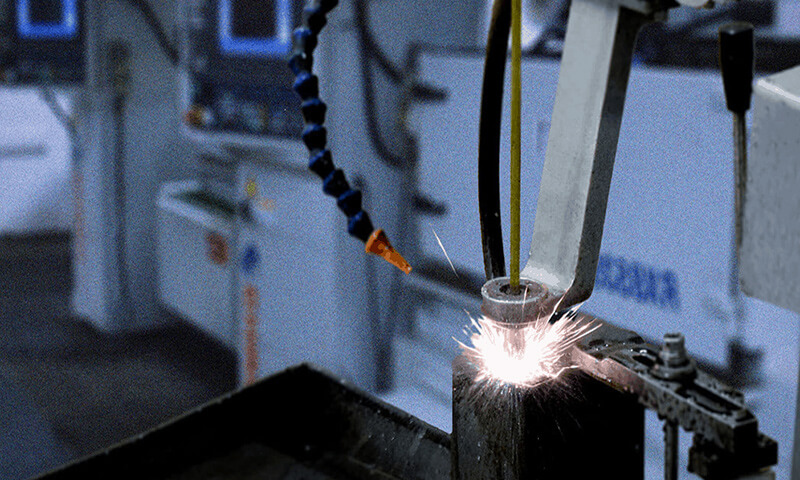
- Spark Test:
A quick method to distinguish between the two categories. Ferrous metals emit bright, white sparks when ground,
whereas non-ferrous metals produce fewer, less intense sparks due to their lower iron content.
Համեմատական աղյուսակ
| Ունեցվածք | Սև մետաղներ | Գունավոր մետաղներ |
|---|---|---|
| Առաձգական ուժ | Բարձր (Է.Գ., բարձր ածխածնային պողպատ: 400-700 MPA) | Չափավոր եւ բարձր (Է.Գ., ալյումին: 150-400 MPA; տիտղոս: 900-1100 MPA) |
| Բերք տալ ուժ | Generally high, essential for load-bearing | Լայնորեն տարբերվում է; often lower than ferrous but improved in alloys |
| Առաձգականություն & Կոշտություն | Լավ ճկունություն և ամրություն; may be enhanced via heat treatment | Տատանվում է; titanium offers excellent ductility, while magnesium can be brittle |
Mal երմային հաղորդունակություն |
Իջնել (Է.Գ., steel ~50 W/m·K) | Բարձր (Է.Գ., copper ~400 W/m·K; aluminum ~205 W/m·K) |
| Էլեկտրական հաղորդունակություն | Իջնել (due to higher resistivity) | Բարձր (especially copper and aluminum) |
| Մագնիսական հատկություններ | Typically magnetic | Ընդհանրապես ոչ մագնիսական |
| Կոռոզիոն դիմադրություն | Requires coatings (Է.Գ., ցինկապատում) to prevent rust | Often inherently corrosion-resistant (Է.Գ., չժանգոտվող պողպատ, տիտղոս) |
Խտություն |
Ավելի ծանր (մոտ. 7.85 g/cm³ for steel) | Կրակայրիչ (aluminum ~2.7 g/cm³; magnesium ~1.74 g/cm³) |
| Ծախս (Initial) | Lower raw material cost | Ավելի բարձր կանխավճար, but may reduce lifecycle expenses |
| Վերամշակելիություն | Բարձր վերամշակման ենթակա; global recycling rates >70% | Բարձր վերամշակման ենթակա; aluminum recycling saves significant energy |
| Spark Test Response | Պայծառ, white sparks on grinding | Fewer, less intense sparks |
6. Ծրագրեր արդյունաբերության մեջ
The applications of ferrous and non-ferrous metals span across a multitude of sectors, each leveraging the unique properties of these materials to meet specific needs.
Below is an in-depth exploration of how these metals are utilized in various industries:
Շինարարություն և ենթակառուցվածքներ
Սև մետաղներ, particularly steel, play a pivotal role in construction and infrastructure projects due to their high strength and durability.
Պողպատե ճառագայթներ, սյունակներ, and reinforcements are integral components of buildings, կամուրջներ, and roads.
Մյուս կողմից, non-ferrous metals like aluminum are used for roofing, պատուհանների շրջանակներ, and decorative elements because of their lightweight nature and resistance to corrosion.
Ավտոմեքենաներ և օդատիեզերք
-ում ավտոմոբիլային արդյունաբերություն, both ferrous vs. non-ferrous metals are essential.
High-strength steels are used in the body and chassis for structural integrity,
while non-ferrous metals such as aluminum and magnesium are preferred for engine blocks, անիվներ, and body panels due to their lightness and corrosion resistance.
Ավիատիեզերքում, titanium—a non-ferrous metal—is highly valued for its strength-to-weight ratio and ability to withstand extreme temperatures.
Electronics and Electrical Engineering
Non-ferrous metals dominate the electronics sector thanks to their superior electrical conductivity.
Copper is the most commonly used material for wiring and printed circuit boards, whereas silver is often employed in high-performance electronic devices where efficiency is critical.
The magnetic properties of ferrous metals make them suitable for electric motors and generators.
Արդյունաբերական մեքենաներ և սարքավորումներ
Industrial machinery benefits from the robustness of ferrous metals, which can endure heavy loads and harsh conditions.
Սակայն, certain parts that require precision and reduced weight, ինչպես, օրինակ, շարժակների և առանցքակալների, may incorporate non-ferrous metals or alloys.
Չժանգոտվող պողպատ, a ferrous metal, is also widely used for its corrosion resistance, making it ideal for food processing equipment and medical instruments.
Էներգետիկ ոլորտ
The energy sector relies on both types of metals. Օրինակ, wind turbines use steel for their towers and non-ferrous metals like copper for the generator coils.
Solar panels utilize aluminum frames and copper wiring to maximize efficiency and durability.
In oil and gas extraction, stainless steel is preferred for its ability to resist corrosion caused by aggressive chemicals.
Սպառողական ապրանքներ
Consumer goods benefit from the versatility of both ferrous vs. գունավոր մետաղներ.
Kitchenware, պատառաքաղ, and appliances often use stainless steel for its easy cleaning and aesthetic appeal.
Մինչդեռ, non-ferrous metals like brass and bronze are popular for decorative items and musical instruments due to their attractive appearance and acoustic properties.
7. Manufacturing Processes and Processing Considerations
Selecting the right metal for any application involves not only understanding material properties but also comprehending the manufacturing processes that shape these materials.
Both ferrous and non-ferrous metals undergo distinct processing methods that influence their final properties, արտադրության արդյունավետությունը, և ընդհանուր արժեքը.
Այս բաժնում, we delve into the manufacturing processes for each category and explore the challenges, առավելություններ, and environmental implications that come with their processing.
Processing Methods for Ferrous Metals
Սև մետաղներ, primarily comprising iron-based alloys, benefit from traditional yet highly optimized processing methods that have been refined over decades.
- Դարբնագործություն և գլանվածք:
Դավաճանություն transforms raw metal into shape by applying high pressure, which refines the grain structure and enhances mechanical properties.
Շարժակազմ, whether hot or cold, further reduces the material thickness and improves dimensional accuracy.
Օրինակ, hot rolling produces steel at elevated temperatures (typically 600°C to 1,300°C),
allowing for easy shaping and forming, whereas cold rolling follows hot rolling to achieve tighter tolerances and superior surface finishes. - Welding and Heat Treatment:
Ձևավորվելուց հետո, ferrous metals often undergo welding to join components and heat treatment processes such as annealing and tempering.
These additional steps improve ductility, թեթևացնել մնացորդային սթրեսները, և բարձրացնել ընդհանուր ուժը.
Engineers typically use techniques like quenching and tempering to fine-tune properties for high-stress applications. - Մակերեւութային հարդարման աշխատանքներ:
To improve corrosion resistance, ferrous metals might receive additional surface treatments.
Processes such as galvanizing, նկարչություն, or powder coating further enhance the durability and longevity of the finished product.
Processing Methods for Non-Ferrous Metals
Non-ferrous metals, which are valued for their lightweight and excellent conductivity, require different processing techniques tailored to their unique properties.
- Ձուլում and Extrusion:
Many non-ferrous metals, including aluminum and copper, are commonly produced through casting methods such as die casting, which allows for high-volume production of intricate shapes.
Արտանետում, մյուս կողմից, forces heated metal through a die to produce long, uniform profiles, which are essential in automotive and aerospace applications. - Advanced Forming Techniques:
Techniques such as rolling, խորը նկարչություն, and forging are adapted to non-ferrous metals to maintain their lightweight nature while enhancing structural integrity.
Օրինակ, precision rolling of aluminum sheets can yield components with minimal thickness variation and excellent surface quality. - Մեքենաներ և հարդարում:
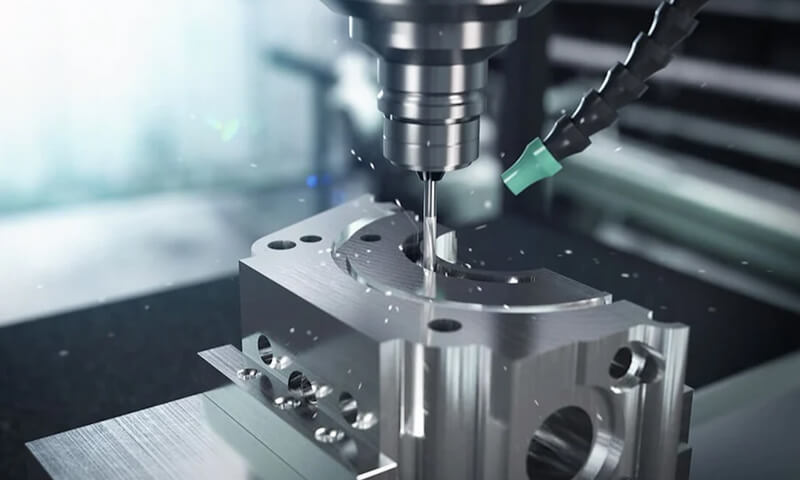
Non-ferrous metals benefit from CNC հաստոցներ, which provides high precision in creating complex geometries.
Post-processing steps, such as anodizing or chemical milling, further improve the material’s appearance and corrosion resistance without significantly increasing weight.
Advantages and Challenges in Metal Processing
Առավելություններ:
- Enhanced Material Properties:
Advanced manufacturing processes, including heat treatment and precision rolling, help improve strength, առաձգականություն, and surface finish in both ferrous vs. գունավոր մետաղներ. - Արտադրության բարձր արդյունավետություն:
Modern automation and digital control systems streamline production, նվազեցնել թափոնները, and ensure consistent quality across large volumes.
Օրինակ, continuous casting and extrusion methods have significantly lowered production times while maintaining high standards. - Customization and Versatility:
The flexibility of modern processing techniques allows manufacturers to tailor metal properties to specific applications,
whether that involves modifying grain structure through forging or achieving near-net shapes via precision machining.
Մարտահրավերներ:
- Residual Stresses and Distortion:
Both ferrous and non-ferrous metal processing can introduce residual stresses that may lead to distortion during subsequent machining or welding.
Careful process control and stress-relief treatments are critical to overcoming these challenges. - Արժեքի հետևանքներ:
High-precision methods, such as cold rolling or CNC machining, tend to increase production costs, particularly when tight tolerances are required.
Balancing performance enhancements against these costs is a persistent challenge for engineers. - Շրջակա միջավայրի վրա ազդեցություն:
Manufacturing processes consume significant energy and may generate hazardous waste.
Manufacturers are increasingly adopting energy-efficient technologies and recycling initiatives to mitigate these environmental impacts.
Օրինակ, modern rolling mills now integrate low-emission burners and closed-loop water recycling systems to reduce energy usage and minimize waste.
8. Economic Considerations and Cost Implications
Raw Material and Production Costs
Ferrous metals generally offer lower raw material costs, making them economically attractive for large-scale applications.
Սակայն, գունավոր մետաղներ, despite higher upfront costs, often result in lower lifecycle costs due to reduced maintenance and extended service life.
Lifecycle Cost Analysis
A thorough lifecycle analysis reveals that non-ferrous metals can offer cost benefits over time,
especially in corrosive or high-performance applications, due to their durability and lower maintenance requirements.
Market Trends
Global supply and demand dynamics, influenced by geopolitical and economic factors, can impact metal prices.
Օրինակ, fluctuating aluminum prices, driven by increased demand in the automotive and aerospace sectors, highlight the importance of strategic sourcing.
Recycling and Circular Economy
Both ferrous vs. non-ferrous metals are highly recyclable, contributing to a robust circular economy.
Steel recycling rates exceed 70% worldwide, and aluminum recycling uses only a fraction of the energy required for primary production, promoting sustainability and cost savings.
9. Ապագա միտումները եւ նորարարությունները
Ձգումներ համաձուլվածքների մշակման ոլորտում
Emerging research in alloy design, including high-performance composites and nano-engineered materials,
promises to enhance the mechanical and corrosion-resistant properties of both ferrous and non-ferrous metals.
Digital Integration and Process Optimization
The adoption of AI, digital twins, and advanced process simulation tools is revolutionizing metal processing.
These technologies enable real-time monitoring, կանխատեսող սպասարկում, and optimized production processes, resulting in higher quality and reduced waste.
Կայունության նախաձեռնություններ
Innovations in energy-efficient production methods, along with increased use of recycled materials, will continue to shape the future of metal manufacturing.
Low-carbon steel and lightweight non-ferrous materials are set to play a crucial role in reducing the environmental footprint of industrial production.
Market Forecasts
Future demand for both ferrous vs. non-ferrous metals is expected to grow, driven by infrastructure development,
advancements in automotive and aerospace industries, and the increasing emphasis on sustainable production practices.
10. Եզրափակում
Եզրափակելով, the choice between ferrous vs. non-ferrous metals hinges on a myriad of factors,
including mechanical properties, ջերմային և էլեկտրական հաղորդունակություն, Կոռոզիոն դիմադրություն, քաշ, և արժեքը.
Սև մետաղներ, characterized by their strength and robustness, excel in structural and heavy-duty applications.
Ի հակադրություն, non-ferrous metals offer lightweight performance, superior conductivity,
և գերազանց կոռոզիոն դիմադրություն, making them indispensable in high-performance and environmentally sensitive applications.
Understanding these differences equips engineers and industry professionals with the necessary insights to select the optimal metal for their specific applications.
As technological advancements and sustainability initiatives continue to evolve, the future of metal applications promises enhanced performance, նվազեցված պահպանման ծախսերը, and improved environmental outcomes.
If you’re looking for high-quality custom metal products, ընտրելը Սա Ձեր արտադրության կարիքների համար կատարյալ որոշում է.