1. Ներածություն
4140 steel is a low-alloy chromium-molybdenum steel.
It offers an excellent combination of strength, կոշտություն, եւ հագնել դիմադրություն, making it an ideal candidate for demanding industrial applications.
This article explores 4140 alloy steel from multiple technical perspectives, ներառյալ նրա քիմիական կազմը, մեխանիկական վարքագիծ, ջերմային բուժման արձագանքը, մեքենայություններ, corrosion performance, and common uses.
2. Քիմիական բաղադրությունը 4140 Ալյումինե պողպատ
The unique performance of 4140 Ալյումինե պողպատ originates from its carefully controlled chemical composition:
| Տարր | Քաշ % | Role in Steel Properties |
|---|---|---|
| Ածխածնային (Գ) | 0.38–0.43 | Enhances strength and hardenability |
| Քրոմ (Խուզարկու) | 0.8–1.1 | Բարելավում է կարծրությունը, Հագուստի դիմադրություն, և կոռոզիայից |
| Մանգան (Ժլատ) | 0.75– 1.0 | Boosts toughness and deoxidation |
| Մոլիբդեն (Ժամանակ) | 0.15– 0,25 | Enhances creep resistance and depth of hardening |
| Սիլիկոն (Մի քանազոր) | 0.15–0.35 | Բարձրացնում է ուժը, improves toughness slightly |
| Ֆոսֆոր (Իմաստ) | ≤ 0.035 | Typically minimized to reduce embrittlement |
| Ծծումբ (Ծուռ) | ≤ 0.04 | Added for machinability but can reduce toughness |
Compared to similar alloys like 4130 (ցածր ածխածին) մի քանազոր 4340 (higher nickel), 4140 balances strength and machinability, making it a practical and cost-effective solution for many structural applications.

3. Physical Properties of 4140 Պողպատ
| Ունեցվածք | Արժեք | Միավոր | Նշումներ |
|---|---|---|---|
| Խտություն | 7.85 | գ / սմ | Բնորոշ ցածր լեգիրված պողպատների համար |
| Առաձգականության մոդուլ (Եփ) | ~ 205 | Gpa | Stiffness in tension and compression |
| Shear Modulus (Գցել) | ~ 80 | Gpa | Useful for torsional applications |
| Poisson- ի հարաբերակցությունը | 0.27– 0,30 | Մի քիչ | Ratio of transverse strain to axial strain |
| Mal երմային հաղորդունակություն | 42.6 | W / m · k | ժամը 100 ° C; decreases slightly with higher temperatures |
| Հատուկ ջերմային հզորություն | 475 | J/kg·K | Approximate at room temperature |
| Էլեկտրական դիմադրողականություն | 205 | nΩ·m (nano-ohm meters) | Higher than pure iron; low conductivity compared to copper |
| Ջերմային ընդարձակման գործակից | ~12.0 | μm/m·K (20-100°C միջակայք) | Important in designing for thermal cycling or dimensional stability |
| Հալման կետ | 1416–1471 | ° C | Narrower range due to alloying elements |
4. Մեխանիկական հատկությունները 4140 Պողպատ
AISI 4140 is a versatile chromium-molybdenum alloy steel known for its excellent mechanical strength, կոշտություն, և հոգնածության դիմադրություն.
Սրանք 4140 steel properties can vary significantly depending on their heat treatment condition (Է.Գ., ջղաձգական, նորմալացրեց, մարված, or tempered).
Mechanical Properties Table
| Ունեցվածք | Հալեցված | Մարած & Tempered (Ճուտ&Տ) | Միավոր | Նշումներ |
|---|---|---|---|---|
| Բերք տալ ուժ | ~655 MPa | Մինչեւ 1,600 MPA | MPA (մեգապասկալներ) | Ճուտ&T improves strength significantly |
| ~95 ksi | ~232 ksi | ksi (կայսերական) | ||
| Առաձգական ուժ | 850–1,000 MPa | 1,000– 1100 ՄՊա | MPA | Typical range after various heat treatments |
| 123–145 ksi | 145–160 ksi | ksi | ||
| Երկարացում ընդմիջման ժամանակ | 25-30% | 12– 18% | % | Higher ductility in annealed state |
| Տարածքի կրճատում | ~50% | ~45% | % | Indicator of ductility and formability |
| Կարծրություն (Ռոքվել Ք) | 18–28 HRC | Up to 50–55 HRC | ԲՈՀ | Highly responsive to quenching and tempering |
| Charpy V-Notch Toughness | >54 Ժլատ (ջղաձգական) | 20– 35 Ջ (Ճուտ&T at high hardness) | Ջուլներ | Performance in impact loading applications |
| Հոգնածության ուժ (Տոկունության սահմանը) | ~420 MPa | Մինչեւ 700 MPA | MPA | Dependent on surface finish and loading cycles |
| Առաձգականության մոդուլ (Եփ) | ~205 GPa | Մի քիչ | Gpa | Stiffness remains constant across conditions |
5. Heat Treatment Behavior of 4140 Ալյումինե պողպատ
AISI 4140 alloy steel is highly responsive to a variety of heat treatment processes, allowing it to achieve a broad spectrum of mechanical properties tailored to specific engineering applications.
Its chromium and molybdenum content enhance its hardenability, making it especially well-suited for quenching and tempering operations.
Ընդհանուր ջերմային բուժման գործընթացներ
| Ընթացք | Տիպիկ ջերմաստիճանի միջակայք (° C) | Տեղավորել |
|---|---|---|
| Անողորմ | 760–790°C | Վերականգնում է հացահատիկի կառուցվածքը, softens steel, բարելավում է մեքենայությունը |
| Նորմալացնող | 870-900°C | Increases uniformity, refines structure, enhances mechanical consistency |
| Մարսած | ~845–875°C, followed by oil/water/polymer quench | Produces martensitic structure for high hardness and strength |
| Մեռած | 400-650°C (հետմարման) | Adjusts hardness, relieves internal stress, Բարելավում է ճկունությունը & կոշտություն |
| Austmpering | Quench to 260–400°C, hold until transformation | Produces bainitic structure, reduces distortion, balances strength-toughness |
6. Machinability and Fabrication of 4140 Պողպատ
Մեքենայություններ
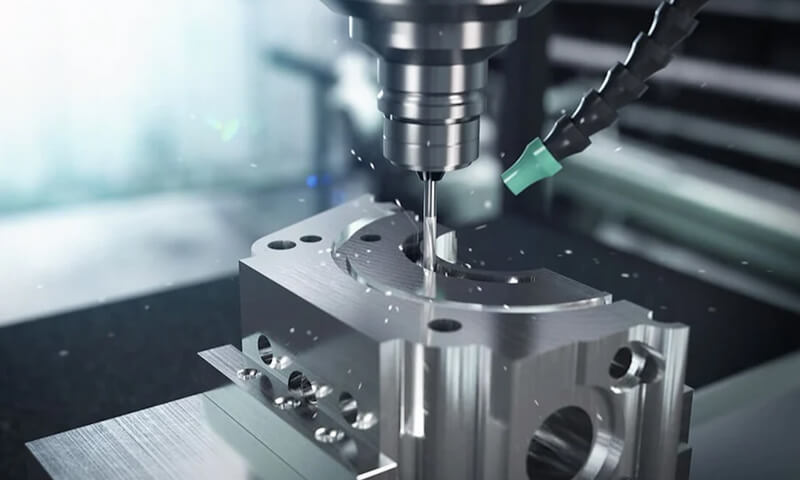
Նյութական 4140 steel exhibits moderate machinability in its annealed state and becomes more challenging as hardness increases.
Հալված վիճակում (typically around 18–22 HRC), it can be machined with high-speed steel or carbide tools, yielding good surface finishes and acceptable tool life.
Սակայն, once the steel is quenched and tempered to higher hardness levels (such as 30–50 HRC), its machinability decreases.

Այս փուլում, կարբիդային գործիքավորում, lower cutting speeds, and rigid machine setups become essential to avoid tool wear and part distortion.
Համար CNC շրջադարձ, ֆրեզերային, or drilling operations, using proper cooling methods—particularly flood coolant—helps dissipate heat and improve chip evacuation.
Drilling harder 4140 sections often requires cobalt or carbide-tipped tools, while tapping hardened parts may benefit from thread milling or forming taps rather than conventional cutting taps.
Զոդում
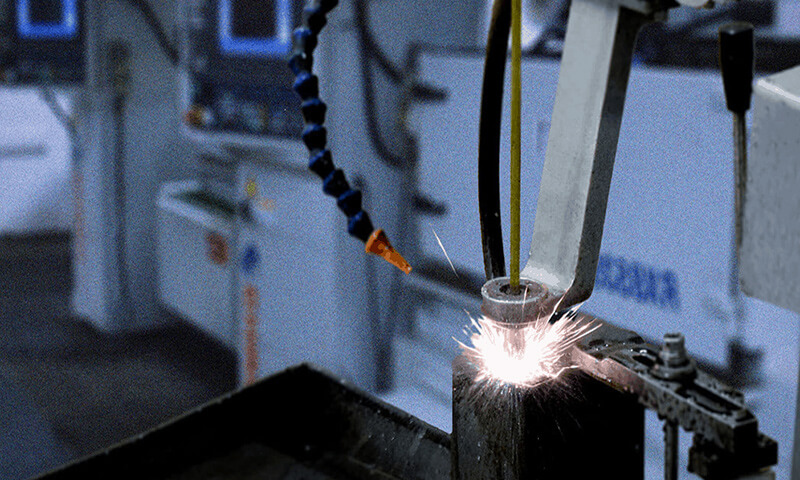
Զոդում 4140 steel requires caution due to its high hardenability and risk of cracking.
To mitigate these risks, preheating the workpiece—typically to 200–400°C depending on the thickness—is strongly recommended.
Maintaining an interpass temperature around 200–300°C helps prevent thermal shock and hydrogen-induced cracking.
Եռակցումից հետո, stress-relieving the component at approximately 600–650°C helps restore ductility and reduce residual stresses.
Low-hydrogen electrodes such as E8018-B2 or ER80S-D2 are typically used for filler material to ensure compatibility and reduce porosity.
Կրիտիկական ծրագրերում, հետեռակցման ջերմային բուժում (Փող) is necessary to maintain the integrity and toughness of the welded zone.
Cold and Hot Forming
4140 alloy steel can be cold worked in its annealed condition, although its higher strength compared to low-carbon steels limits its ductility.
Cold forming processes such as drawing and swaging are possible but require higher forces and may induce residual stresses that necessitate subsequent heat treatment.
Hot working, including forging and hot rolling, is more favorable for steel 4140.
The ideal forging temperature range is between 900°C and 1200°C, with the material typically finished above 850°C.
After hot forming, normalizing or annealing is recommended to refine the grain structure and prepare the steel for final machining or heat treatment.
7. Corrosion Resistance of 4140 Պողպատ
Մինչդեռ 4140 alloy steel excels in mechanical strength, it lacks inherent corrosion resistance.
In humid or marine environments, it readily oxidizes unless protected. To counter this, surface treatments such as:
- Ազոտավորում for surface hardening and oxidation resistance
- Սև օքսիդ ծածկույթ for light corrosion protection
- Electroplating or painting in high-humidity environments
8. Common Forms and Standards
4140 alloy steel is available in a wide variety of commercial forms to accommodate diverse industrial applications.
Its availability in different shapes, combined with its excellent mechanical properties and heat treatment versatility, makes it a popular choice in both standard and custom-fabricated components.
Common Forms of 4140 Պողպատ
Manufacturers and fabricators can obtain 4140 steel in numerous forms, depending on the intended use and required processing:

- Կլոր ձողեր: Commonly used for shafts, քորոցներ, Gears, եւ ամրացումներ, round bars are one of the most frequently supplied forms of steel 4140 due to their versatility in machining and heat treatment.
- Flat Bars and Plates: Ideal for tooling, wear components, and structural parts requiring large surface contact areas.
These forms are also suitable for flame cutting or water jet processing. - Forged Rings and Discs: Used in high-strength rotating machinery such as bearing races, միացումներ, and flanges.
- Hollow Bars and Tubes: Preferred in applications demanding weight reduction while maintaining strength, such as hydraulic cylinders and pressure-containing parts.
- Blocks and Billets: Suitable for custom machining and large forged components. These are typically used in die-making and heavy industrial equipment.
Industry Standards and Designations for 4140 Պողպատ
| Standard Organization | Նշանակում | Տարածաշրջան/Երկիր | Նկարագրություն |
|---|---|---|---|
| ASTM | ASTM A29 | United States | General specification for hot-wrought bars of carbon and alloy steels |
| ASTM | ASTM A322 | United States | Specification for alloy steel bars used in mechanical applications |
| ASTM | ASTM A519 | United States | Specification for seamless carbon and alloy steel mechanical tubing |
SAE |
SAE 4140 | United States | Chromium-molybdenum low-alloy steel for automotive and engineering applications |
| AISI | AISI 4140 | United States | Commonly used designation aligned with SAE 4140 |
| Մեջ / Դեպի | 1.7225 / 42CrMo4 | Եվրոպան / Գերմանիա | European equivalent under EN 10083 for quench and temper steels |
| Նա | SCM440 | Ապոնիա | Japanese equivalent for high-strength alloy steel |
| Գբ | 42CrMo | Շապիկ | Chinese equivalent with similar mechanical properties |
9. Դիմումներ 4140 Ալյումինե պողպատ
Պողպատ 4140 is a go-to material in applications requiring strength, կոշտություն, and wear resistance under fatigue and shock loading:
- Ավտոմոբիլային: Gears, Ծածկոցներ, tie rods, առանցք
- Օդատիենտ: Landing Gear բաղադրիչներ, ակտուատորներ
- Յուղել & Գազ: drill collars, hydraulic fracturing parts
- Արտադրություն: mandrels, Մահանում է, կաղապարներ, Գործիքների կրողներ
Գործի ուսումնասիրություն: In a comparative fatigue test, a steel 4140 Ճուտ&T gear shaft demonstrated 10x the lifespan of a similar design made from mild steel, highlighting its long-term value.
10. Advantages and Limitations of 4140 Ալյումինե պողպատ
Առավելություններ:
- Բարձր ուժը քաշին ratio for structural applications
- Գերազանց Հագուստի դիմադրություն after hardening
- Versatile heat treatment response
- Readily available in multiple forms and standards
Սահմանափակումներ:
- Not suitable for քայքայիչ միջավայրեր without surface protection
- Պահանջում է careful welding practices to avoid cracking
- Ավելի բարձր արժեք and complexity than plain carbon steels
11. Եզրափակում
4140 alloy steel offers a compelling blend of mechanical strength, կոշտություն, եւ հագնել դիմադրություն, making it indispensable in performance-critical engineering applications.
When properly heat-treated and protected, it delivers exceptional service life under demanding operating conditions.
Անկախ նրանից, թե օդատիեզերական, էներգիա, or tooling components, նյութական 4140 steel remains one of the most trusted and capable materials in modern manufacturing.
Engineers who understand its behavior and processing requirements can fully harness its potential.
Սա Ձեր արտադրության կարիքների համար կատարյալ ընտրություն է, եթե ձեզ հարկավոր է որակյալ 4140 steel parts.