1. Core positioning & industrial value
Է 400 շարքը չժանգոտվող պողպատ is the practical bridge between low-cost carbon steels and high-nickel austenitic stainless steels.
Defined by AISI/ASTM and regional standards (ASTM A240, Մեջ 10088, ԳԲ/Տ 1220), it accounts for a large fraction of global stainless steel tonnage because it combines:
- Lower alloy cost (little or no Ni) → attractive economics;
- Magnetic behaviour (ferritic/martensitic) required by many electromechanical applications;
- Heat-treatable strengthenability (martensitic and precipitation-hardening subtypes) enabling very high strength;
- Favourable thermal conductivity and lower thermal expansion compared with austenitics, useful for heat-exposed components.
Industries that benefit most include automotive (արտանետումները, fuel systems), տեխնիկա (վահանակներ, գծեր), մեքենաներ (լիսեռներ, փականներ), գործիքավորում (Առանցքակալներ, շեղբեր) and some aerospace/nuclear niches where a balance of cost, strength and moderate corrosion resistance is acceptable.
2. Դասավորում, Կազմ & Microstructural Mechanism
The performance differences of the 400 series stainless steel are essentially determined by their chemical composition and corresponding microstructures.
Below is an in-depth analysis of three core subtypes:
Ֆերիտիկ 400 Սերիա (Core Grades: 409, 430, 439, 444)
Ferritic stainless steels are the most widely used subtype, featuring a single-phase ferrite microstructure at room temperature, no phase transformation during heating/cooling, and ultra-low C content (typically ≤0.12 wt.%).
Their core composition is dominated by Cr (10.5–19.5 wt.%), with auxiliary elements such as Ti, Նբ, and Mo to optimize stability and corrosion resistance.
- 409: Խուզարկու (10.5–11.75 wt.%), Գ (≤0.08 wt.%), Է (0.15–0.50 wt.%).
Ti forms TiC precipitates to fix C, avoiding intergranular corrosion caused by Cr carbide precipitation.
The coarse-grained ferrite structure provides basic atmospheric corrosion resistance, making it suitable for low-cost corrosion-resistant scenarios. - 430: Խուզարկու (16.0–18.0 wt.%), Գ (≤0.12 wt.%). Fine-grained ferrite structure with balanced cost and corrosion resistance, being the mainstream cost-effective ferritic grade for home appliances.
- 439: Խուզարկու (17.0–19.0 wt.%), Գ (≤0.03 wt.%), Ti/Nb (0.10–0.60 wt.%).
Ultra-low C and Ti/Nb composite stabilization refine grains, significantly improving weldability and corrosion resistance compared to 430. - 444: Խուզարկու (17.5–19.5 wt.%), Ժամանակ (1.75–2.50 wt.%), Գ (≤0.025 wt.%).
Mo addition enhances pitting corrosion resistance (PREN≈25), forming a dense ferrite structure suitable for chloride-containing environments.
Մարտենզիտիկ 400 Սերիա (Core Grades: 410, 420, 440A/B/C)
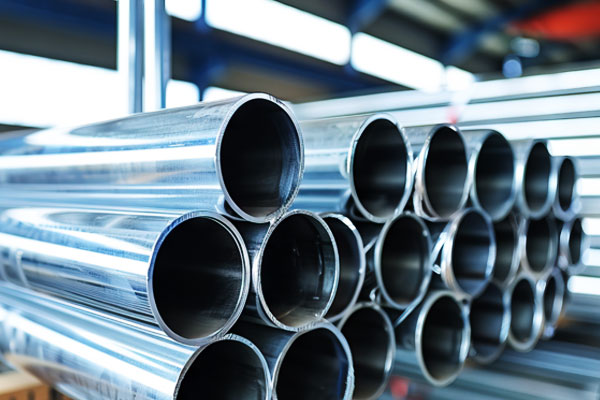
Martensitic stainless steels have higher C content (0.15–0.75 wt.%) and moderate Cr content (11.5–18.0 wt.%).
Բարձր ջերմաստիճաններում, they form austenite, which transforms into hard martensite during quenching—making them the only heat-treatable strengthening subtype in the 400 series stainless steel.
- 410: Գ (≤0.15 wt.%), Խուզարկու (11.5–13.5 wt.%).
As-cast structure is ferrite + մարտենսիտ; after quenching/tempering, tensile strength reaches 515–690 MPa, suitable for general structural parts. - 420: Գ (0.15–0.40 wt.%), Խուզարկու (12.0–14.0 wt.%).
Higher C content improves hardness (HRC≥50 after heat treatment), widely used in cutlery and valves. - 440A/B/C: C content gradient (0.60–0.75 wt.%), Խուզարկու (16.0–18.0 wt.%).
440C has the highest hardness (HRC≥58) եւ հագնել դիմադրություն, ideal for high-precision tools and bearings.
Տեղումներ-Կարծրացում (PH) 400 Սերիա (Դասարան: 17-4 PH, AISI 630)
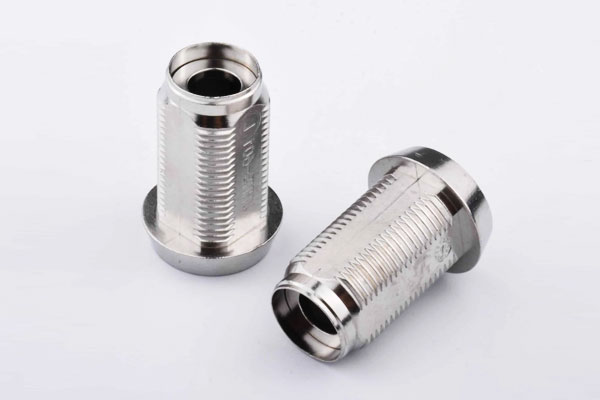
A special high-performance variant with low C (≤0.07 wt.%), Խուզարկու (15.5–17.5 wt.%), Մեջ (3.0–5.0 wt.%), and Cu (3.0–5.0 wt.).
It forms austenite at high temperatures, transforms into martensite during cooling, and achieves strengthening via Cu-rich precipitate formation during aging.
Tensile strength can reach 1380 MPa after heat treatment, balancing ultra-high strength and corrosion resistance.
3. Core Comprehensive Properties
Մեխանիկական հատկություններ
Mechanical properties of 400 series stainless steel vary significantly by subtype, with clear differentiation in strength, առաձգականություն, and heat treatment response (data complies with ASTM A240/A480):
- Ferritic types (430, solution-annealed): Tensile strength 415–515 MPa, yield strength 205–275 MPa, elongation 20–25%, hardness ≤183 HBW.
No phase transformation, only annealing for grain refinement. - Martensitic types (420, մարված & կոփված): Tensile strength 725–930 MPa, yield strength 515–690 MPa, elongation 10–15%, hardness ≥50 HRC.
Մարսած + tempering significantly improves strength and hardness. - PH type (17-4 PH, H900 aging): Tensile strength ≥1170 MPa, yield strength ≥1035 MPa, elongation ≥10%, hardness ≥38 HRC.
Precipitation strengthening achieves ultra-high strength without sacrificing ductility.
Կոռոզիոն դիմադրություն
Corrosion resistance is primarily determined by Cr content, with Mo and low C as auxiliary enhancers. Ընդհանուր առմամբ, it is lower than 300 series but superior to carbon steel:
- Ferritic types: 409 has basic atmospheric corrosion resistance (annual corrosion rate ≤0.03 mm in rural areas); 444 resists dilute acids and chlorides, with a critical pitting temperature ≥30℃.
- Martensitic types: Limited by high C content; 410 is susceptible to rust in humid environments, while 440C has better corrosion resistance due to higher Cr but is unsuitable for marine/acidic media.
- 17-4 PH: Corrosion resistance comparable to 304 in atmospheric and mild corrosive environments, but prone to pitting in high-chloride media.
Ֆիզիկական հատկություններ
Inherent magnetism is a signature feature of 400 series stainless steel, with other physical properties consistent across subtypes:
- Խտություն: 7.7–7.8 g/cm³ (lower than 304’s 8.0 g/cm³ due to no Ni addition).
- Ջերմային հաղորդունակություն: 25–30 W/(m·K) @ 20℃ (higher than 304’s 16 Վ/(m·K), favorable for heat dissipation).
- Thermal expansion coefficient: 10–12×10⁻⁶/K (20–400℃), lower than 300 շարքը, reducing thermal deformation.
- Magnetic permeability: μ=100–1000 (ferritic/martensitic), far higher than austenitic stainless steels (μ<1.02).
4. Վերամշակում, կեղծում & heat-treatment practice
Ձևավորում & վերամբարձ
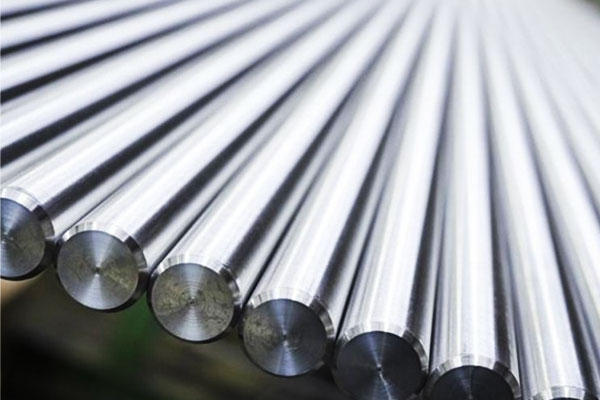
- Ferritics: reasonable formability cold; intermediate anneal recommended for heavy forming. Machinability similar to low-alloy steels.
- Martensitics: poor cold formability in hardened condition; form in annealed state or above (տաք ձևավորում). Machinability depends on temper and hardness — higher C grades require robust tooling and slower speeds.
Զոդում
- Ferritics: weldable but prone to grain growth and HAZ embrittlement if high heat input used; stabilized grades (Ti/Nb) and low heat input (<10 kJ/cm for some) բարելավել կատարումը; select ferritic filler metals.
- Martensitics: challenging — preheat (200-300 °C), low hydrogen consumables and post-weld tempering recommended to avoid cracking and restore toughness.
- PH 17-4: weldable with matched filler and post-weld heat treatment/aging to restore properties.
Ջերմային բուժում
- Ferritics: solution anneal and air cool to relieve stress and refine grains; no quench hardening.
- Martensitics: austenitize (950–1050 °C), մարել (oil/water depending on grade), then temper (150-650 °C) to reach desired hardness/toughness. 440C typically tempered at 200–300 °C for peak hardness.
- PH 17-4: լուծում բուժում (~1,040–1,060 °C), ջրի մարում, then age (482–621 °C) to produce Cu-rich precipitates and achieve target strength (H900 etc.).
5. Typical Industrial Applications of 400-Series Stainless Steel
The 400-series family serves a broad range of industries because its subtypes map cleanly onto different engineering needs:
տնտ + չափավոր կոռոզիոն դիմադրություն (ferritics), high hardness/wear (martensitics), մի քանազոր very high strength with reasonable corrosion resistance (PH alloys).
Ավտոմոբիլային արդյունաբերություն
Common parts & գնահատականներ
- Արտանետման համակարգեր, muffler components, reaction pipes — 409, երբեմն 439 for improved weldability.
- Զարդարել, decorative panels — 430.
- Engine and transmission shafts, փականի նստատեղեր / small wear components — 410 / 420 where heat treatment is required.
Why 4xx is used
- Low nickel content gives a strong cost advantage for very high-volume components.
Ferritic grades resist cyclic oxidation in hot exhaust environments and have suitable thermal conductivity and expansion. Martensitic grades offer hardened surfaces for wear-critical small parts.
Key considerations
- For welded exhaust systems, use Ti/Nb-stabilized ferritics (409Ti/439) or control heat input to avoid HAZ embrittlement.
- Կոռոզիայից պաշտպանություն (մակերեսային ծածկույթներ, aluminizing) is frequently applied to extend life in road-salt environments.
Household appliances and consumer products
Common parts & գնահատականներ
- Refrigerator doors, oven liners, dishwasher interiors, control panels — 430 և երբեմն 439/444 for better corrosion resistance.
- Cutlery and kitchen knives — 420 / 440Գ (պատերազմական), polished and tempered.
Why 4xx is used
- Attractive surface finish, լավ ձևավորելիություն (ferritics), magnetic response where needed (Է.Գ., induction cooking indicators), and much lower cost than austenitics make ferritic 4xx the default for decorative and internal appliance parts.
Key considerations
- Avoid 4xx in salt-spray or coastal exposures unless coated or specifically a Mo-bearing variant (444).
For cutlery, select high-C martensitics and control tempering to balance edge retention and corrosion resistance.
Heat-exchange, HVAC and thermal systems
Common parts & գնահատականներ
- Heat-exchanger fins, ducting, վառարանների բաղադրիչներ, boiler cladding — 409, 430, 444.
Why 4xx is used
- Ferritics combine good thermal conductivity, low thermal expansion and oxidation resistance at elevated temperatures with lower cost than 300-series, making them well suited to heat-transfer hardware and exhaust heat management.
Key considerations
- For wet, chloride-containing streams or high pitting risk, prefer Mo-bearing ferritics (444) or step up to duplex/300-series where necessary.
Քիմիական, process and water handling industries
Common parts & գնահատականներ
- Intermediate duty tanks, piping fittings, heat exchangers for non-extreme chemistries — 444 (where chloride resistance matters), 439 for welded tanks.
Why 4xx is used
- When service is moderately aggressive but full austenitic or duplex alloys are not justified economically, Mo-stabilized ferritics offer an acceptable middle ground.
Key considerations
- Specify mill certificates and corrosion testing. For continuous chloride exposure (process brines, seawater cooling) validate grade choice against measured chloride, temperature and crevice conditions.
Յուղել & գազ, նավթաքիմիական (selected components)
Common parts & գնահատականներ
- Ամրացումներ, non-critical valve components, pump shafts — 410, 431 (martensitic high-strength), 17-4 PH for high-strength, կոռոզիոն դիմացկուն բաղադրիչներ (where post-weld aging is feasible).
Why 4xx is used
- Martensitic and PH grades provide very high strength for pressure and mechanical loadings; 17-4 PH is often chosen where strength plus reasonable corrosion resistance is required and welding/aging cycles can be controlled.
Key considerations
- Martensitic parts in sour or chloride environments must be qualified for hydrogen embrittlement and SSC risk. Post-weld tempering/aging is often mandatory.
Ծովային, desalination and seawater equipment (limited use)
Common parts & գնահատականներ
- Seawater strainers, non-critical housings — 444 in mild chloride exposure; otherwise designers prefer duplex or higher-PREN alloys.
Why 4xx is used (selectively)
- Mo-bearing ferritics can manage some seawater duties at lower cost, but long-term pitting and crevice risk often rule them out for continuously submerged structural parts.
Key considerations
- When 4xx is used in marine contexts, combine with cathodic protection, ծածկույթներ, and a stringent inspection regime. Avoid where heat-affected or crevice conditions exist.
Էլեկտրաէներգիայի սերունդ & էներգետիկ համակարգեր
Common parts & գնահատականներ
- Heat-exchangers, flue gas ducts, turbine seals — 409, 444.
- High-strength bolting and shafting — 17-4 PH or martensitics where applicable.
Why 4xx is used
- Ferritic grades endure cyclic oxidation and thermal stress well; PH grades are used for high-stress fasteners and components where austenitic alloys would be unnecessarily expensive.
Key considerations
- Watch for long-term sigma phase embrittlement in some high-Cr alloys at intermediate temperatures; specify operating temperature limits and inspection intervals.
Բժշկական, tooling and precision instruments (selected)
Common parts & գնահատականներ
- Surgical instrument blades — 420 / 440Գ (պատերազմական, high polish and edge retention).
- Precision mold inserts and high-wear tooling — 440Գ.
Why 4xx is used
- High hardness and edge retention make martensitics attractive, provided corrosion exposure is controlled and surface finishing/passivation is excellent.
Key considerations
- For implants or long-term body exposure, 300-series or medical-grade alloys are preferred; 4xx for instruments only when sterilization and passivation are acceptable and medical standards are followed.
6. Առավելություններ & Սահմանափակումներ
The 400-series stainless steels occupy a distinct position between carbon steels and nickel-bearing austenitic stainless steels.
Key Advantages of 400-Series Stainless Steel
Cost efficiency and price stability
400-series stainless steels contain little or no nickel, relying primarily on chromium for corrosion resistance.
This significantly reduces raw material cost and shields procurement from nickel price volatility, making these grades economically attractive for large-volume applications.
Inherent magnetic properties
Ferritic and martensitic 400-series grades are naturally magnetic, enabling their use in electromagnetic devices, սենսորներ, ակտուատորներ, and components requiring magnetic response—applications where austenitic stainless steels are unsuitable.
Heat-treatable strength (martensitic and PH grades)
Ի տարբերություն ավստենիտիկ չժանգոտվող պողպատների, martensitic and precipitation-hardening 400-series alloys can be strengthened through quenching, մեռած, and aging.
This allows tensile strengths ranging from moderate levels to well above 1000 MPA, supporting wear-resistant, load-bearing, and high-stress components.
Good thermal conductivity and low thermal expansion
Ferritic 400-series steels exhibit higher thermal conductivity and lower coefficients of thermal expansion than 300-series stainless steels.
This improves resistance to thermal fatigue and distortion, making them suitable for exhaust systems, He երմափոխանակիչներ, and thermal cycling environments.
Adequate corrosion resistance for moderate environments
With chromium contents typically above 10.5 wt.%, 400-series steels provide reliable resistance to atmospheric corrosion, մեղմ քիմիական նյութեր, and high-temperature oxidation—far superior to carbon steel and sufficient for many industrial and consumer applications.
Simplified alloy design and recyclability
Lower alloy complexity facilitates melting, վերամշակում, and reuse within stainless steel streams, aligning with cost control and sustainability objectives in large-scale manufacturing.
Key Limitations of 400-Series Stainless Steel
Inferior corrosion resistance compared with austenitic grades
Most 400-series steels lack the nickel and, շատ դեպքերում, sufficient molybdenum needed for strong resistance to pitting, Crevice Corrosion, and stress corrosion cracking in chloride-rich or strongly acidic environments.
They cannot generally replace 304 կամ 316 in harsh chemical or marine service.
Limited weldability
Ferritic grades are prone to grain coarsening and toughness loss in the heat-affected zone, while martensitic grades are susceptible to cold cracking and hydrogen embrittlement.
Successful welding often requires strict heat-input control, stabilizing elements (Է, Նբ), նախնական տաքացում, և հետեռակցման ջերմային բուժում.
Reduced low-temperature toughness
Ferritic 400-series stainless steels exhibit a ductile-to-brittle transition temperature, typically around sub-zero to slightly above freezing conditions.
This limits their suitability for cryogenic or cold-climate structural applications.
Lower formability than austenitic stainless steels
Ferritic grades have moderate cold-forming capability but limited stretch formability, while martensitic grades are difficult to cold form due to high hardness.
Complex deep-drawn components are generally better suited to 300-series stainless steels.
Sensitivity to improper heat treatment and service exposure
Martensitic and PH grades require carefully controlled heat-treatment cycles.
Inappropriate tempering, prolonged exposure to intermediate temperatures, or improper welding practices can lead to embrittlement, loss of corrosion resistance, or premature failure.
Narrower application window for severe environments
In highly corrosive, high-chloride, or high-purity process environments, the performance margin of 400-series steels is limited, often necessitating the use of austenitic, կրկնակի, or super stainless steels.
7. Comparative analysis vs 300-series & other alternatives
- Կոռոզիոն դիմադրություն: 300-շարքը (304/316) >> 400-series in aggressive chloride/acid environments.
- Ուժ (ջերմային մշակված): Martensitic/PH 400 >> 300-շարքը (can far exceed 1,000 MPA).
- Ծախս: 400-series typically 30–50% cheaper than 304 due to low Ni.
- Զոդում & Առողջություն: 300-series superior; 400-series requires more care.
- Մագնիսականություն: 400-series magnetic — an advantage if magnetic response is needed.
- High-temperature behaviour (օքսիդացում): ferritic 4xx are often better than austenitics for cyclic oxidation and thermal conductivity applications.
Selection rule of thumb: choose 400-series when cost, magnetic response or very high hardness/strength is required and corrosion environment is moderate or manageable with coatings; choose 300-series/duplex/nickel alloys when corrosion resistance is primary.
8. Եզրափակում
Է 400 series stainless steels are a versatile and widely used family that delivers a pragmatic balance of տնտ, մագնիսական հատկություններ, thermal performance and attainable strength. Their role spans everyday appliances to demanding mechanical parts.
Successful use requires informed grade selection and disciplined processing: welding and heat treatment have outsized influence on final performance.
Where corrosion exposure is moderate and cost or magnetic response matter, the 400-series often represents the optimal engineering choice.
Where aggressive corrosion resistance or extreme low-temperature toughness is required, higher-alloy families should be evaluated.
ՀՏՀ
Are 400-series steels “stainless”?
Yes — they form a chromium oxide passive film and resist corrosion much better than carbon steels, but they are less corrosion-resistant than 300-series alloys in many aggressive media.
Can 400-series replace 304 in consumer appliances?
Often yes for decorative and many appliance applications (Է.Գ., 430), but avoid where frequent exposure to chlorides, acidic detergents or marine atmospheres occur.
Why are some 400-series magnetic and others not?
Ferritic and martensitic microstructures are magnetic; austenitic microstructures (typical of 300-series) are essentially non-magnetic. 400-series are designed to be ferritic/martensitic.
How to weld 17-4 PH safely?
Use qualified procedures, վերահսկել ջերմության մուտքագրումը, and apply post-weld solution/age cycles or localized aging per supplier instructions to restore strength and corrosion resistance.
Is 440C suitable for marine bearings?
No — while 440C offers high hardness and wear resistance, its corrosion resistance in marine chloride environments is limited; consider stainless bearings with higher PREN or coatings.