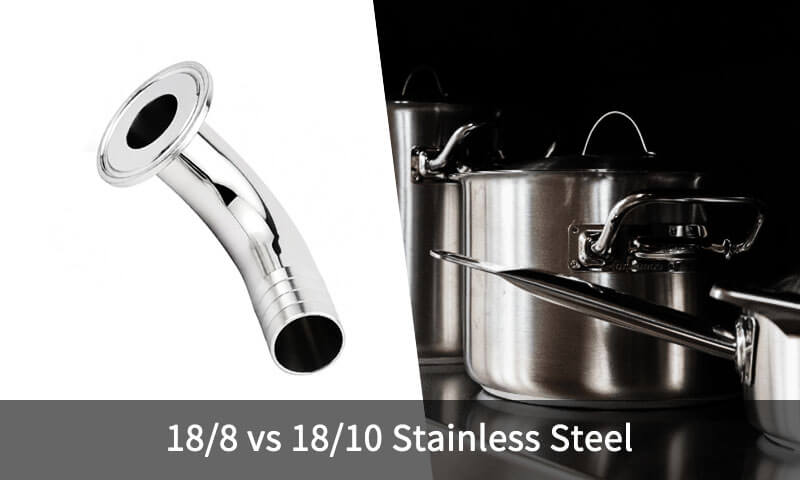
Քայլեք ցանկացած խոհանոցային սպասքի խանութ, և կաթսաների վրա կտեսնեք «18/8 չժանգոտվող պողպատ» կամ «18/10 չժանգոտվող պողպատ» պիտակներ:, տապակ, պատառաքաղ, եւ խոհարարություն.
Այս թվերն ավելին են, քան մարքեթինգային ժարգոնը՝ դրանք ներկայացնում են չժանգոտվող պողպատի քիմիական բաղադրությունը և ուղղակիորեն ազդում կատարման վրա։, ամրություն, և պատրաստի արտադրանքի կոռոզիոն դիմադրություն.
Այս հոդվածը տրամադրում է համապարփակ, խիստ համեմատություն 18/8 մի քանազոր 18/10 չժանգոտվող պողպատ.
Մենք կուսումնասիրենք դրանց սահմանումները, քիմիական բաղադրություններ, կատարողական բնութագրերը, Ծրագրեր, ծախսերի հետևանքները, և ինչպես ընտրել դրանց միջև.
1. Ինչ է 18/8 Չժանգոտվող պողպատ?
18-8 չժանգոտվող պողպատ ավստենիտիկ չժանգոտվող պողպատի համաձուլվածք է, որը պարունակում է մոտավորապես 18% քրոմ և 8% նիկել ըստ քաշի.
«18/8» անվանումը ներկայացնում է խառնուրդի մոտավոր բաղադրությունը, այլ ոչ թե պաշտոնական միջազգային նյութի անվանումը.
Շատ դեպքերում, 18/8 չժանգոտվող պողպատը սերտորեն համապատասխանում է 304 չժանգոտվող պողպատ, Չժանգոտվող պողպատի ամենալայն օգտագործվող դասերից մեկն ամբողջ աշխարհում.
-ի հիմնական կառուցվածքը 18/8 չժանգոտվող պողպատը հիմնականում բաղկացած է երկաթից, քրոմով և նիկելով՝ որպես համաձուլվածքի հիմնական տարրեր.
Chromium-ը ապահովում է կոռոզիոն դիմադրություն՝ ձևավորելով բարակ, կայուն քրոմի օքսիդի պասիվ շերտ մակերեսի վրա, մինչդեռ նիկելը կայունացնում է ավստենիտիկ միկրոկառուցվածքը և բարելավում ամրությունը, առաձգականություն, և դիմադրություն քիմիական հարձակմանը.
Համադրություն մոտավորապես 18% քրոմ և 8% նիկելը ստեղծում է հավասարակշռված նյութ՝ գերազանց ընդհանուր կատարողականությամբ, դարձնելով այն հարմար է ընդհանուր նշանակության ծրագրերի համար, որտեղ կոռոզիոն դիմադրություն է, ուժ, և մատչելիությունը հավասարապես կարևոր են.
Հիմնական նույնացուցիչներ:
- AISI աստիճան: 304
- Ամերիկա: S30400
- Մեջ: 1.4301
- Ընդհանուր անուն: 18/8 չժանգոտվող պողպատ
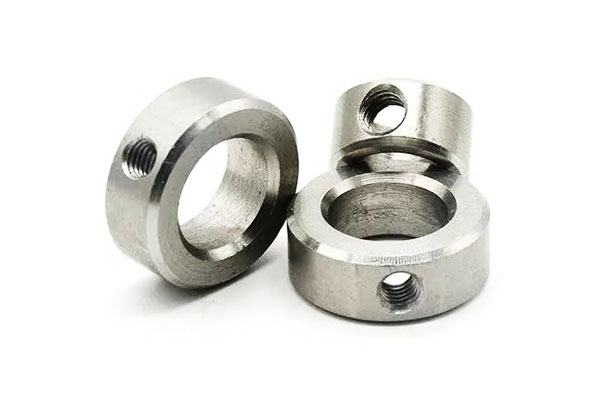
-ի առանձնահատկությունները 18/8 Չժանգոտվող պողպատ
- Գերազանց կոռոզիոն դիմադրություն ընդհանուր պայմաններում
Քրոմի հարուստ պասիվ շերտը հուսալի պաշտպանություն է ապահովում մթնոլորտային կոռոզիայից, խոնավություն, սննդի թթուներ, և շատ կենցաղային քիմիկատներ. - Աուստենիտիկ միկրոկառուցվածք՝ բարձր ամրությամբ
Կայուն դեմքի կենտրոնացված խորանարդը (FCC) կառուցվածքը թույլ է տալիս 18/8 չժանգոտվող պողպատ, որը պահպանում է լավ ազդեցության դիմադրություն և ճկունություն նույնիսկ ցածր ջերմաստիճաններում. - Գերազանց ձևավորելիություն և եռակցման ունակություն
18/8 չժանգոտվող պողպատը կարող է հեշտությամբ մշակվել դրոշմման միջոցով, ճռում, խորը նկարչություն, զոդում, և հաստոցներ, հարմարեցնելով այն բարդ բաղադրիչների արտադրության համար. - Ոչ ծակոտկեն և հիգիենիկ մակերես
Խիտ մետաղական մակերեսը կանխում է բակտերիաների կուտակումը և թույլ է տալիս հեշտ մաքրել, դարձնելով այն իդեալական սննդի հետ շփման և սանիտարական օգտագործման համար. - Լավ հավասարակշռություն ուժի և արժեքի միջև
Այն ապահովում է չժանգոտվող պողպատից բարձր կատարողական հատկություններ՝ միաժամանակ պահպանելով համեմատաբար տնտեսական գինը՝ համեմատած բարձր խառնուրդի դասերի հետ։. - Լավ օքսիդացման դիմադրություն բարձր ջերմաստիճաններում
Այն կարող է դիմակայել չափավոր բարձր ջերմաստիճաններին՝ պահպանելով կառուցվածքային կայունությունը, չնայած էքստրեմալ պայմանների համար պահանջվում են մասնագիտացված բարձր ջերմաստիճանի համաձուլվածքներ.
-ի սահմանափակումները 18/8 Չժանգոտվող պողպատ
- Ավելի ցածր դիմադրություն քլորիդային միջավայրերի նկատմամբ՝ համեմատած 316 չժանգոտվող պողպատ
Ծովի ջրի մեջ, ծովային մթնոլորտներ, և քլորիդ պարունակող քիմիական նյութեր, 18/8 չժանգոտվող պողպատից կարող է առաջանալ տեղայնացված կոռոզիա, ինչպիսին է փոսը կամ ճեղքերի կոռոզիան. - Մի փոքր ավելի ցածր կոռոզիոն դիմադրություն, քան 18/10 չժանգոտվող պողպատ
Նիկելի կրճատված պարունակությունը մի փոքր ավելի քիչ պաշտպանություն է ապահովում ագրեսիվ քիմիական միջավայրում. - Ծանր պայմաններում կարող է պահանջվել մակերեսի պահպանում
Չնայած կոռոզիոն դիմացկուն, աղտոտվածություն, աղի կուտակումներ, կամ քիմիական ազդեցությունը կարող է ժամանակի ընթացքում ազդել մակերեսի տեսքի վրա. - Հարմար չէ բարձր քայքայիչ ծրագրերի համար
Քիմիական մշակում, օֆշորային սարքավորումներ, և դեղագործական միջավայրերը, որոնք պահանջում են ծայրահեղ կոռոզիոն դիմադրություն, կարող են պահանջել ավելի բարձր խառնուրդով չժանգոտվող պողպատներ, ինչպիսիք են. 316 կամ դուպլեքս չժանգոտվող պողպատ.
Դիմումներ 18/8 Չժանգոտվող պողպատ
18/8 չժանգոտվող պողպատը լայնորեն ընդունված է, քանի որ այն ապահովում է հուսալի կատարում ողջամիտ գնով.
Տիպիկ հավելվածները ներառում են:
- Խոհանոցային և կենցաղային ապրանքներ
Խոհիչ, լվացարաններ, սպասք, սննդի տարաներ, տեխնիկա, և պահեստավորման սարքավորումներ. - Սննդի և խմիչքի սարքավորումներ
Մշակող մեքենաներ, տանկեր, խողովակաշարային համակարգեր, և սանիտարական բաղադրիչներ. - Արդյունաբերական բաղադրիչներ
Մեքենայի շրջանակներ, ամրացումներ, Փակագծեր, He երմափոխանակիչներ, փականներ, և ընդհանուր նշանակության սարքավորումներ. - Ճարտարապետական կիրառություններ
բազրիքներ, դեկորատիվ կառույցներ, ներքին բաղադրիչներ, և շինարարական տեխնիկա. - Ավտոմոբիլային և տրանսպորտային բաղադրիչներ
Արտանետման բաղադրիչներ, զարդանախշեր, Փակագծեր, և կառուցվածքային մասեր, որոնք պահանջում են կոռոզիոն դիմադրություն. - Ճշգրիտ արտադրության և ձուլման կիրառություններ
Չժանգոտվող պողպատից ճշգրիտ ձուլվածքներ, ներդրումային կաղապարային բաղադրիչներ, և համալիր արդյունաբերական մասեր.
2. Ինչ է 18/10 Չժանգոտվող պողպատ?
18-10 չժանգոտվող պողպատը ավստենիտիկ չժանգոտվող պողպատի համաձուլվածք է, որը պարունակում է մոտավորապես 18% քրոմ և 10% նիկել.
համեմատ 18/8 չժանգոտվող պողպատ, Հիմնական տարբերությունը նիկելի ավելի բարձր պարունակությունն է.
Հավանել 18/8 չժանգոտվող պողպատ, 18/10 չժանգոտվող պողպատը սերտորեն կապված է 304 չժանգոտվող պողպատից ընտանիք.
Լրացուցիչ նիկելը բարելավում է աուստենիտիկ կառուցվածքի կայունությունը և ուժեղացնում է մի շարք կատարողական բնութագրեր, ներառյալ կոռոզիոն դիմադրությունը, կոշտություն, մակերեսի որակը, և երկարաժամկետ ամրություն.
Իր պրեմիում տեսքի և դիմադրության բարելավված բնութագրերի պատճառով, 18/10 չժանգոտվող պողպատը հաճախ օգտագործվում է բարձրորակ ճաշատեսակների մեջ, շքեղ սպասք, սննդի վերամշակման սարքավորումներ, և հավելվածներ, որտեղ և՛ էսթետիկան, և՛ կատարումը կարևոր են.
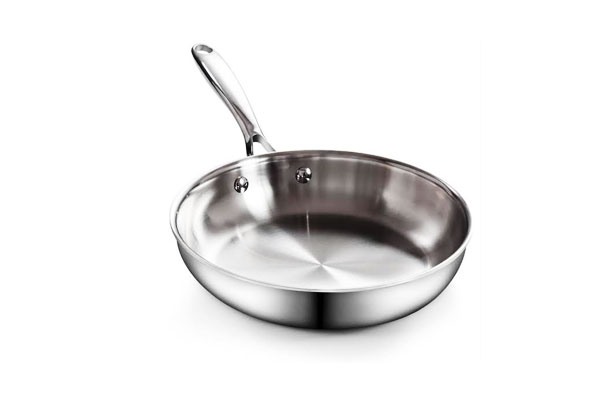
-ի առանձնահատկությունները 18/10 Չժանգոտվող պողպատ
- Ընդլայնված կոռոզիոն դիմադրություն
Նիկելի բարձր պարունակությունը բարելավում է օքսիդացման դիմադրությունը, գունավորում, և քիմիական ազդեցություն, հատկապես խոնավ կամ մեղմ ագրեսիվ միջավայրում. - Մակերեւույթի գերազանց ավարտ և տեսք
18/10 չժանգոտվող պողպատը արտադրում է ավելի պայծառ, ավելի հարթ, և փայլեցնելուց հետո ավելի արտացոլող մակերես, դարձնելով այն նախընտրելի պրեմիում ապրանքների համար. - Գերազանց ամրություն և կառուցվածքային կայունություն
Նիկելի ավելացված պարունակությունը ուժեղացնում է աուստենիտիկ փուլը, բարձրացնել դիմադրությունը ազդեցության և մեխանիկական սթրեսի նկատմամբ. - Գերազանց դիմադրություն մաքրման կրկնվող ցիկլերին
Այն պահպանում է մակերեսի ամբողջականությունը հաճախակի լվացման դեպքում, ստերիլիզացում, և լվացող միջոցների ազդեցությունը. - Հիգիենայի գերազանց կատարում
Խիտը, հարթ մակերեսը նվազագույնի է հասցնում աղտոտման ռիսկերը և պաշտպանում է խիստ սանիտարական պահանջները. - Արտադրության գերազանց բնութագրեր
Հավանել 18/8 չժանգոտվող պողպատ, այն կարող է զոդվել, ձեւավորվել է, դրոշմված, և արդյունավետորեն մշակվել.
-ի սահմանափակումները 18/10 Չժանգոտվող պողպատ
- Ավելի բարձր նյութական արժեք
Նիկելի ավելացված պարունակությունը զգալիորեն բարձրացնում է հումքի ծախսերը՝ համեմատած 18/8 չժանգոտվող պողպատ. - Կատարման բարելավումը կարող է սահմանափակվել սովորական միջավայրում
Ընդհանուր կենցաղային և արդյունաբերական կիրառությունների համար, միջեւ տարբերությունը 18/8 մի քանազոր 18/10 չի կարող արդարացնել լրացուցիչ ծախսերը. - Հարմար չէ ծայրահեղ քլորիդային միջավայրերի համար
Չնայած ավելի կոռոզիոն դիմացկուն, քան 18/8, այն դեռ չի կարող փոխարինել մասնագիտացված գնահատականներին, ինչպիսիք են 316 չժանգոտվող պողպատ ծովային կամ քիմիական կիրառություններում. - Ավելի բարձր զգայունություն համաձուլվածքների արժեքի տատանումների նկատմամբ
Քանի որ նիկելի գները զգալիորեն տարբերվում են համաշխարհային շուկաներում, 18/10 չժանգոտվող պողպատի ծախսերը կարող են ավելի շատ տատանվել, քան ցածր նիկելի այլընտրանքները.
Դիմումներ 18/10 Չժանգոտվող պողպատ
18/10 չժանգոտվող պողպատը սովորաբար ընտրվում է այն կիրառությունների համար, որտեղ կատարումը, արտաքին տեսք, իսկ հիգիենայի պահանջներն ավելի բարձր են.
Տիպիկ հավելվածները ներառում են:
- Պրեմիում դասի սպասք և սպասք
Բարձրակարգ կաթսաներ, տապակ, պատառաքաղ, սպասարկող սարքավորումներ, և խոհանոցային ապրանքներ. - Սննդի վերամշակման սարքավորումներ
Պահպանման անոթներ, սանիտարական խողովակաշարեր, վերամշակող մեքենաներ, և կոմերցիոն խոհանոցային համակարգեր. - Բժշկական և դեղագործական սարքավորումներ
Մաքուր մակերեսներ պահանջող բաղադրիչներ, Կոռոզիոն դիմադրություն, և հեշտ ստերիլիզացում. - Ճարտարապետական և դեկորատիվ կիրառություններ
Ինտերիերի շքեղ կառույցներ, դեկորատիվ վահանակներ, բազրիքներ, և պրեմիում ավարտվածքներ. - Ճշգրիտ չժանգոտվող պողպատից ձուլվածքներ
Պոմպի բաղադրիչներ, Փական մարմիններ, գործիքի մասեր, և բարդ արդյունաբերական բաղադրիչներ, որոնք պահանջում են մակերեսի գերազանց որակ. - Լաբորատոր և մաքուր սենյակային սարքավորումներ
Աշխատանքային մակերեսներ, տներ, և սարքավորումների շրջանակներ, որտեղ աղտոտման վերահսկումը կարևոր է.
3. Քիմիական կազմ: 18/8 մի քանազոր 18/10 Չժանգոտվող պողպատ
Կատարման տարբերությունները 18/8 մի քանազոր 18/10 չժանգոտվող պողպատը հիմնականում առաջանում է դրանց համաձուլվածքի կազմից, հատկապես նիկելի պարունակության տարբերությունը.
Երկու նյութերն էլ պատկանում են austenitic չժանգոտվող պողպատից ընտանիք, բնութագրվում է դեմքի կենտրոնացված խորանարդով (FCC) բյուրեղյա կառուցվածք, որն ապահովում է գերազանց կոռոզիոն դիմադրություն, կոշտություն, եւ զբաղվածություն.
Չնայած «18/8» և «18/10» անվանումները լայնորեն կիրառվում են առևտրային շուկաներում, դրանք ներկայացնում են համաձուլվածքների մոտավոր տոկոսներ, այլ ոչ թե պաշտոնական մետալուրգիական դասակարգումներ.
Շատ դեպքերում, երկու նյութերն էլ սերտորեն կապված են AISI 304 չժանգոտվող պողպատ, հիմնական տարբերակումը համաձուլվածքին ավելացված նիկելի քանակն է.
| Տարր | 18/8 Չժանգոտվող պողպատ | 18/10 Չժանգոտվող պողպատ | Ֆունկցիոնալ դեր |
| Քրոմ (Խուզարկու) | Մոտավորապես 18% | Մոտավորապես 18% | Ձևավորում է պասիվ քրոմի օքսիդ թաղանթ, որն ապահովում է կոռոզիոն դիմադրություն |
| Նիկել (Մեջ) | Մոտավորապես 8% | Մոտավորապես 10% | Կայունացնում է աուստենիտիկ կառուցվածքը և բարելավում ամրությունը, Կոռոզիոն դիմադրություն, և մակերեսի որակը |
| Ածխածնային (Գ) | Ընդհանուր առմամբ ≤0.08% | Ընդհանուր առմամբ ≤0.08% | Վերահսկում է ուժը, կարծրություն, եւ զոդում |
| Երկաթ (Անք) | Հավասարակշռություն | Հավասարակշռություն | Առաջնային կառուցվածքային մատրիցա |
| Այլ տարրեր | Փոքր քանակությամբ Mn, Մի քանազոր, Իմաստ, Ծուռ | Փոքր քանակությամբ Mn, Մի քանազոր, Իմաստ, Ծուռ | Բարելավել մշակման կատարումը և խառնուրդի կայունությունը |
Նիկելի դերը: Հիմնական տարբերությունը 18/8 մի քանազոր 18/10
Նիկելը տարբերակող հիմնական գործոնն է 18/8 դեպի 18/10 չժանգոտվող պողպատ.
Չնայած տարբերությունը միայն մոտ է 2 տոկոսային միավորներ, նիկելը զգալի ազդեցություն ունի չժանգոտվող պողպատի հատկությունների վրա.
Նիկելի հիմնական գործառույթները ներառում են:
- Կայունացնելով ավստենիտիկ բյուրեղային կառուցվածքը սենյակային և ցածր ջերմաստիճաններում.
- Բարելավում է ճկունությունը և ամրությունը.
- Քիմիական կոռոզիայի նկատմամբ դիմադրության բարձրացում.
- Մակերեւույթի պայծառության և փայլեցման բարելավում.
- Որոշակի պայմաններում սթրեսային կոռոզիայից ճաքերի նկատմամբ դիմադրության բարձրացում.
Մեջ 18/10 չժանգոտվող պողպատ, Լրացուցիչ նիկելի պարունակությունը ապահովում է ավելի կայուն ավստենիտիկ կառուցվածք և փոքր-ինչ բարելավում է դիմադրությունը ներկման նկատմամբ, թթվային միջավայրեր, և մաքրման կրկնվող ցիկլեր.
Սակայն, տարբերությունը պետք է ճիշտ հասկանալ.
Լրացուցիչ նիկելը չի փոխակերպվում 18/10 չժանգոտվող պողպատից բոլորովին այլ նյութերի կատեգորիայի մեջ. Փոխարեն, այն ապահովում է աստիճանական բարելավումներ, որոնք արժեքավոր են դառնում պրեմիում հավելվածներում, որտեղ երկարաժամկետ տեսքն ու ամրությունը կարևոր են.
4. Կատարման համեմատություն: 18/8 vs 18/10 Չժանգոտվող պողպատ
Չնայած որ 18/8 մի քանազոր 18/10 չժանգոտվող պողպատը շատ նմանություններ ունի, Նիկելի պարունակության տարբերությունը չափելի տարբերություններ է ստեղծում որոշակի կատարողական ոլորտներում.
Կոռոզիոն դիմադրություն
Կոռոզիոն դիմադրությունը չժանգոտվող պողպատ ընտրելիս ամենակարևոր գործոններից մեկն է.
Երկուսն էլ 18/8 մի քանազոր 18/10 չժանգոտվող պողպատներն ապահովում են հիանալի պաշտպանություն մթնոլորտային կոռոզիայից, քանի որ երկուսն էլ պարունակում են բավարար քրոմ՝ կայուն պասիվ օքսիդ թաղանթ ձևավորելու համար:.
Սովորական միջավայրերում, ներառյալ ներքին հավելվածները, քաղցրահամ ջրի ազդեցություն, սննդի հետ շփում, և ընդհանուր արդյունաբերական օգտագործումը, երկու նյութերի միջև կոռոզիոն դիմադրության տարբերությունը համեմատաբար փոքր է.
Երկուսն էլ կարող են երկար սպասարկում պահպանել առանց պաշտպանիչ ծածկույթների.
Սակայն, նիկելի ավելի բարձր պարունակությունը 18/10 չժանգոտվող պողպատն ապահովում է լրացուցիչ կայունություն ավելի պահանջկոտ պայմաններում.
Նիկելը բարելավում է դիմադրությունը որոշակի թթվային նյութերի նկատմամբ, օրգանական միացություններ, և մաքրող քիմիական նյութերի կրկնվող ազդեցությունը.
Սա ստիպում է 18/10 չժանգոտվող պողպատը հատկապես ձեռնտու է այնպիսի ծրագրերում, ինչպիսիք են պրեմիում խոհարարական սպասքը, սննդի վերամշակման սարքավորումներ, և սանիտարական համակարգեր.
| Միջավայր | 18/8 Չժանգոտվող պողպատ | 18/10 Չժանգոտվող պողպատ |
| Ներսի մթնոլորտ | Գերազանց | Գերազանց |
| Քաղցրահամ ջրային միջավայր | Գերազանց | Գերազանց |
| Սննդի հետ շփման հավելվածներ | Գերազանց | Գերազանց |
| Թթվային սննդի ազդեցությունը | Շատ լավ | Մի փոքր ավելի լավ |
| Լվացող միջոցի հաճախակի մաքրում | Շատ լավ | Ավելի լավ |
| Աղի ցողման միջավայր | Չափավորից լավ | Լավ |
| Ծովային կամ քլորիդով հարուստ միջավայրեր | Սահմանափակ | Սահմանափակ (316 խորհուրդ է տրվում) |
Երկարակեցություն և մեխանիկական կատարում
Երկուսն էլ 18/8 մի քանազոր 18/10 չժանգոտվող պողպատներ պատկանում են ավստենիտիկ չժանգոտվող պողպատի ընտանիքին և սովորաբար համապատասխանում են AISI 304 տիպի չժանգոտվող պողպատից կոմպոզիցիաներ.
Նրանց մեխանիկական կատարումը հիմնականում որոշվում է ավստենիտիկ միկրոկառուցվածքով, սառը աշխատանքային վիճակ, հացահատիկի չափը, և արտադրական գործընթացը, այլ ոչ թե միայն նիկելի պարունակությունը.
Հետևյալ աղյուսակը տրամադրում է մեխանիկական հատկությունների տիպիկ միջակայքերը եռացման համար 18/8 մի քանազոր 18/10 չժանգոտվող պողպատ.
| Մեխանիկական սեփականություն | 18/8 Չժանգոտվող պողպատ (Տիպիկ AISI 304) | 18/10 Չժանգոտվող պողպատ (Պրեմիում 304-Type) | Ինժեներական նշանակություն |
| Առաձգական ուժ | 515-650 ՄՊա | 520-680 ՄՊա | Ցույց է տալիս դիմադրություն ձգող ուժին և կառուցվածքային ձախողմանը |
| Ելքի ուժ (0.2% օֆսեթ) | ≥205 ՄՊա | 210-250 ՄՊա | Ներկայացնում է բեռնվածքի հզորությունը մինչև մշտական դեֆորմացումը |
| Երկարացում ընդմիջման ժամանակ | 40-60% | 45-60% | Ցույց է տալիս գերազանց ճկունություն և ձևավորման ունակություն |
| Տարածքի կրճատում | 60-70% | 60– 75% | Արտացոլում է դեֆորմացիայի ժամանակ կոտրվածքի դիմադրությունը |
| Բրինելի կարծրություն (Ժապավենի) | 123– 201 HB | 130– 210 HB | Ցույց է տալիս դիմադրություն ծակվելուն և մաշվածությանը |
Rockwell կարծրություն |
HRB 70-95 | HRB 75-95 | Հարմար է ընդհանուր կառուցվածքային և պատրաստված բաղադրիչների համար |
| Էլաստիկ մոդուլ | 193 Gpa | 193 Gpa | Սահմանում է կոշտությունը առաձգական բեռնման տակ |
| Ազդեցության ամրությունը սենյակային ջերմաստիճանում | >100 Ժլատ (Խարխլված v-notch, բնորոշ) | >120 Ժլատ (Խարխլված v-notch, բնորոշ) | Գերազանց դիմադրություն է ցուցաբերում հանկարծակի ազդեցությանը |
| Հոգնածության ուժ (10⁷ ցիկլեր, մոտավոր) | 240– 260 ՄՊա | 250-280 ՄՊա | Որոշում է երկարաժամկետ դիմացկունությունը ցիկլային բեռնման ժամանակ |
| Խտություն | 7.90– 8,00 գ/սմ³ | 7.90– 8,00 գ/սմ³ | Ցույց է տալիս քաշի նման բնութագրերը |
Ջերմակայունություն և ջերմային արդյունավետություն
Աուստենիտիկ չժանգոտվող պողպատները լայնորեն օգտագործվում են բարձր ջերմաստիճանի կիրառություններում, քանի որ դրանք ավելի լավ են պահպանում մեխանիկական կայունությունը, քան շատ ածխածնային պողպատներ:.
Երկուսն էլ 18/8 մի քանազոր 18/10 չժանգոտվող պողպատները ապահովում են:
- Լավ օքսիդացման դիմադրություն.
- Կայուն մեխանիկական հատկություններ չափավոր բարձր ջերմաստիճաններում.
- Ջերմային ցիկլերի դիմադրություն.
- Ջերմաստիճանի փոփոխությունների ժամանակ փխրուն ձախողման ցածր ռիսկ.
Նիկելի ավելի բարձր պարունակությունը 18/10 չժանգոտվող պողպատը բարելավում է փուլային կայունությունը բարձր ջերմաստիճաններում, թույլ տալով նրան ավելի հուսալիորեն պահպանել իր աուստենիտիկ կառուցվածքը ջերմային սթրեսի պայմաններում.
| Կատարման ասպեկտ | 18/8 Չժանգոտվող պողպատ | 18/10 Չժանգոտվող պողպատ |
| Օքսիդացման դիմադրություն | Գերազանց | Մի փոքր ավելի լավ |
| Ջերմային հեծանվային դիմադրություն | Շատ լավ | Գերազանց |
| Բարձր ջերմաստիճանի կառուցվածքային կայունություն | Լավ | Մի փոքր բարելավված |
| Կենցաղային ճաշ պատրաստելու ջերմաստիճանը | Գերազանց | Գերազանց |
| Ծայրահեղ բարձր ջերմաստիճանի ծրագրեր | Սահմանափակ | Սահմանափակ (պահանջվում է հատուկ համաձուլվածքներ) |
Սովորական խոհանոցային սպասքի համար, սննդի սարքավորումներ, և կենցաղային հավելվածներ, ջերմային դիմադրության տարբերությունը երկու դասարանների միջև նվազագույն է.
Սակայն, արդյունաբերական միջավայրերում, որոնք ներառում են երկարատև ջերմային ազդեցություն, 18/10 չժանգոտվող պողպատը կարող է ապահովել բարելավված հուսալիություն.
Մակերեւույթի տեսքը և ավարտի որակը
Մակերեւութային տեսքը մի տարածք է, որտեղ տարբերությունը 18/8 մի քանազոր 18/10 չժանգոտվող պողպատը դառնում է ավելի նկատելի.
Նիկելը բարելավում է չժանգոտվող պողպատի կարողությունը հարթություն ձեռք բերելու համար, պայծառ, և փայլեցումից հետո ռեֆլեկտիվ ավարտ.
Արդյունքում, 18/10 չժանգոտվող պողպատը հաճախ ընտրվում է պրեմիում ապրանքների համար, որտեղ արտաքին տեսքը վաճառքի հիմնական կետն է.
18/10 չժանգոտվող պողպատը սովորաբար ապահովում է:
- Մակերևույթի ավելի բարձր պայծառություն փայլեցումից հետո.
- Ավելի լավ դիմադրություն գունաթափմանը.
- Ավելի նուրբ մետաղական տեսք.
- Դեկորատիվ ավարտվածքների բարելավված պահպանում.
| Մակերեւույթի բնութագիրը | 18/8 Չժանգոտվող պողպատ | 18/10 Չժանգոտվող պողպատ |
| Բնական մետաղական տեսք | Լավ | Գերազանց |
| Փայլեցնող կատարում | Շատ լավ | Վերադաս |
| Փայլի պահպանում | Լավ | Ավելի լավ |
| Դիմադրություն մակերեսային գունավորմանը | Շատ լավ | Գերազանց |
| Պրեմիում դեկորատիվ տեսք | Լավ | Նախընտրելի |
Ահա թե ինչու շատ բարձրակարգ ճաշատեսակներ արտադրողներ, շքեղ սպասք արտադրողներ, իսկ ճարտարապետական դիզայներները նախընտրում են 18/10 չժանգոտվող պողպատ, երբ տեսողական որակը նույնքան կարևոր է, որքան մեխանիկական կատարումը.
5. 18/8 vs 18/10 Չժանգոտվող պողպատ սննդի և խոհանոցի կիրառման մեջ
Սննդի և խոհանոցի կիրառությունները ներկայացնում են չժանգոտվող պողպատի սպառման ամենամեծ շուկաներից մեկը.
Կոռոզիոն դիմադրության համադրություն, հիգիենա, ամրություն, և գեղագիտական գրավչությունը ավստենիտիկ չժանգոտվող պողպատները դարձնում է խոհարարական սպասքի նախընտրելի նյութը, պատառաքաղ, լվացարաններ, սննդի տարաներ, և կոմերցիոն խոհանոցային սարքավորումներ.
Սննդի անվտանգության և հիգիենայի կատարում
Սննդի անվտանգության տեսանկյունից, երկուսն էլ 18/8 մի քանազոր 18/10 չժանգոտվող պողպատներն ապահովում են գերազանց կատարում.
Նրանց մակերեսները խիտ են, ոչ ծակոտկեն, և դիմացկուն է բակտերիաների կուտակմանը, դրանք հարմարեցնելով սննդի անմիջական շփման համար.
Քրոմի օքսիդի պասիվ շերտը թույլ չի տալիս մետաղական իոնների հեշտությամբ տեղափոխումը սննդի մեջ, մինչդեռ հարթ չժանգոտվող պողպատից մակերեսը թույլ է տալիս արդյունավետ մաքրում և մանրէազերծում.
Ահա թե ինչու երկու դասարաններն էլ սովորաբար օգտագործվում են սննդի վերամշակման սարքավորումների և կենցաղային խոհարարական սպասքի մեջ.
Երկու դասակարգերի միջև տարբերությունը հիմնականում կապված է երկարակեցության հետ, այլ ոչ թե հիմնական սննդամթերքի անվտանգության հետ.
18/10 չժանգոտվող պողպատ, իր ավելի բարձր նիկելի պարունակությամբ, ապահովում է մի փոքր ավելի լավ դիմադրություն:
- Թթվային մթերքներ, ինչպիսիք են լոլիկը, ցիտրուսային մրգեր, և քացախի վրա հիմնված սոուսներ.
- Լվացող միջոցների և աման լվացող մեքենաների կրկնվող ազդեցությունը.
- Հանքանյութերի և սննդի մնացորդների հետևանքով առաջացած մակերեսների ներկում.
- Երկարատև փայլեցման և մաքրման աշխատանքներ.
Սովորական կենցաղային ճաշ պատրաստելու համար, գործնական տարբերությունը հաճախ փոքր է.
Սակայն, պրոֆեսիոնալ խոհանոցներում, որտեղ սարքավորումները մաքրվում են տարեկան հարյուրավոր կամ հազարավոր անգամներ, բարելավված կայունությունը 18/10 չժանգոտվող պողպատը դառնում է ավելի արժեքավոր.
Cookware Performance: Ջերմության բաշխում, Ամրություն, և Արտաքին տեսք
Մեջ խոհարարական սպասք արտադրություն, չժանգոտվող պողպատը սովորաբար համակցվում է ալյումինի կամ պղնձի շերտերի հետ՝ ջերմային հաղորդունակությունը բարելավելու համար, քանի որ չժանգոտվող պողպատն ինքնին համեմատաբար ցածր ջերմային հաղորդունակություն ունի։.
Չժանգոտվող պողպատի շերտը ապահովում է:
- Կոռոզիոն դիմադրություն.
- Կառուցվածքային ամրություն.
- Սննդի հետ շփման անվտանգություն.
- Մակերեւույթի դիմացկունություն.
միջև տարբերությունը 18/8 մի քանազոր 18/10 խոհանոցային սպասքը հիմնականում արտացոլվում է մակերեսի որակի և երկարաժամկետ տեսքի վրա.
| Կատարման գործոն | 18/8 Չժանգոտվող պողպատից պատրաստված սպասք | 18/10 Չժանգոտվող պողպատից պատրաստված սպասք |
| Սննդի անվտանգություն | Գերազանց | Գերազանց |
| Դիմադրություն գունավորմանը | Շատ լավ | Գերազանց |
| Դիմադրություն թթվային մթերքներին | Շատ լավ | Գերազանց |
| Սպասք լվացող մեքենայի դիմացկունություն | Լավ - գերազանց | Գերազանց |
| Մակերեւութային պայծառություն | Լավ | Վերադաս |
| Քերծվածքների դիմադրություն | Լավ | Մի փոքր ավելի լավ |
| Պրեմիում տեսքի պահպանում | Լավ | Գերազանց |
| Նյութի արժեքը | Իջնել | Ավելի բարձր |
Բարձրակարգ ճաշատեսակների արտադրողները հաճախ ընտրում են 18/10 չժանգոտվող պողպատ, քանի որ սպառողները այն կապում են բարձրակարգ որակի հետ, փայլեցված տեսք, եւ երկար ծառայության կյանք.
Պատառաքաղների և սպասքեղենի հավելվածներ
Դանակ-պատառաքանդակը ամենաճանաչելի հավելվածներից մեկն է, որտեղ տարբերությունը 18/8 մի քանազոր 18/10 չժանգոտվող պողպատը դառնում է նկատելի.
Դանակների համար, պատառաքաղներ, գդալներ, և սպասարկման պարագաներ, տեսքը և կոռոզիոն դիմադրությունը կարևոր են, քանի որ այս ապրանքները հաճախ են լվանում, ենթարկվում է աղի, և կարգավորվում է ամեն օր.
18/10 Չժանգոտվող պողպատը հաճախ նախընտրելի է պրեմիում դասի սպասքի համար, քանի որ այն առաջարկում է:
- Ավելի պայծառ և արտացոլող փայլեցված մակերես.
- Ավելի լավ դիմադրություն ջրային բծերին և գունաթափմանը.
- Բարելավված դիմադրություն աման լվացող մեքենայի երկարատև ազդեցությանը.
- Ավելի շքեղ տեսք.
18/8 չժանգոտվող պողպատը մնում է գործնական ընտրություն ռեստորանների համար, ինստիտուցիոնալ խոհանոցներ, և կենցաղային ապրանքներ, որտեղ ծախսերի արդյունավետությունը կարևոր է.
Սննդի վերամշակման կոմերցիոն սարքավորումներ
Առևտրային սննդի արտադրության միջավայրերում, չժանգոտվող պողպատը պետք է դիմակայել խոնավության շարունակական ազդեցությանը, մաքրող քիմիական նյութեր, ջերմաստիճանի փոփոխություններ, և մեխանիկական սթրես.
Երկուսն էլ 18/8 մի քանազոր 18/10 չժանգոտվող պողպատը լայնորեն օգտագործվում է:
- Պահպանման տանկեր.
- Սննդի պատրաստման մակերեսներ.
- Փոխակրիչներ.
- Խառնիչ սարքավորումներ.
- Խողովակաշարային համակարգեր.
- Առևտրային խոհանոցային տեխնիկա.
Սակայն, 18/10 չժանգոտվող պողպատը հաճախ ընտրվում է պրեմիում սանիտարական սարքավորումների համար, որտեղ տեսքը և կոռոզիոն դիմադրությունը պետք է կայուն մնան տասնամյակների ընթացքում.
Սննդի վերամշակման ավելի ագրեսիվ միջավայրերի համար, որոնք ներառում են աղի լուծույթներ, քլորիդներ, կամ կոպիտ քիմիական նյութեր, ոչ էլ 18/8 ոչ էլ 18/10 կարող է բավարար լինել. Նման դեպքերում, 316 մոլիբդեն պարունակող չժանգոտվող պողպատ սովորաբար խորհուրդ է տրվում.
6. Արժեքի համեմատություն: Է 18/10 Արժե հավելյալ գինը?
Գների տարբերությունը 18/8 մի քանազոր 18/10 չժանգոտվող պողպատը հիմնականում առաջանում է նիկելի լրացուցիչ պարունակությունից.
Նիկելը թանկարժեք համաձուլվածքային տարր է, և ավելացնում է նիկելի պարունակությունը մոտավորապես 8% դեպի 10% կարող է նկատելիորեն բարձրացնել հումքի ծախսերը.
Սակայն, արդյոք ավելի բարձր արժեքը 18/10 չժանգոտվող պողպատը հիմնավորված է, կախված է կիրառությունից.
Նյութի արժեքի տարբերություն
Շուկայական տիպիկ պայմանները դա են ցույց տալիս 18/10 չժանգոտվող պողպատից պատրաստված արտադրանքները կարող են մոտավորապես արժենալ 5-20% ավելի քան համեմատելի 18/8 արտադրանք, կախված ապրանքի տեսակից, արտադրական գործընթաց, ապրանքանիշի դիրքավորում, և նիկելի գների տատանումները.
| Արժեքի գործոն | 18/8 Չժանգոտվող պողպատ | 18/10 Չժանգոտվող պողպատ |
| Նիկելի պարունակությունը | ~8% | ~10% |
| Հումքի արժեքը | Իջնել | Ավելի բարձր |
| Արտադրության արժեքը | Նմանատիպ | Մի փոքր ավելի բարձր |
| Ապրանքի դիրքավորում | Ստանդարտից մինչև պրեմիում | Պրեմիում |
| Նախնական գնման գինը | Ավելի խնայող | Ավելի թանկ |
Տարբերությունը սովորաբար ավելի նկատելի է սպառողական արտադրանքներում, ինչպիսիք են խոհարարական սպասքը և սպասքը, քան արդյունաբերական բաղադրիչներում, որտեղ գերակշռում են վերամշակման և հաստոցների ծախսերը:.
Կյանքի ցիկլի ծախսերի հաշվառում
Չնայած որ 18/10 չժանգոտվող պողպատն ավելի բարձր նախնական գին ունի, դրա բարելավված մակերեսային կայունությունը կարող է նվազեցնել երկարաժամկետ փոխարինման և պահպանման ծախսերը.
Օրինակ:
- Պրեմիում դասի սպասքը կարող է տեսողականորեն գրավիչ մնալ տասնամյակներ շարունակ.
- Առևտրային խոհանոցային սարքավորումները կարող են պահանջել ավելի քիչ փոխարինումներ.
- Դեկորատիվ չժանգոտվող բաղադրիչներն ավելի երկար են պահպանում տեսքը.
- Բարձր մաքրությամբ միջավայրերը շահում են ավելի հեշտ սպասարկումից.
Հետեւաբար, իրական տնտեսական արժեքը պետք է գնահատվի՝ ելնելով Ընդհանուր կյանքի ծախսերը, ոչ միայն գնման գինը.
Ավելի էժան նյութը, որը պահանջում է հաճախակի փոխարինում, ի վերջո կարող է ավելի թանկ արժենալ, քան ավելի երկար սպասարկման ժամկետով չժանգոտվող պողպատից բարձրորակ արտադրանքը:.
7. Ինչպես բացահայտել 18/8 մի քանազոր 18/10 Չժանգոտվող պողպատ?
| Մեթոդ | Ինչպես կատարել | Ինչ է այն բացահայտում |
| Մագնիսական փորձարկում | Տեղադրեք մագնիս պողպատի վրա. | 18/8 մի քանազոր 18/10 էապես ոչ մագնիսական են եռացված վիճակում. Սառը եղանակով մշակված մասերը կարող են թույլ մագնիսական լինել. |
| Գույն / Արտաքին տեսք | Տեսողական զննում. | 18/10 (316) հաճախ ունի ավելի պայծառ, ավելի փայլուն ավարտ, քան 18/8 (304). |
| Քիմիական կետի փորձարկում | Օգտագործեք առևտրային չժանգոտվող պողպատից նույնականացման հավաքածու. | Հայտնաբերում է մոլիբդենի առկայությունը (316) կամ ավելի բարձր նիկելի պարունակություն. |
| Կայծային թեստ | Մանրացրեք պողպատը և դիտեք կայծերը. | 304 մի քանազոր 316 արտադրում են նմանատիպ կայծեր; դժվար է տարբերակել. |
XRF վերլուծություն |
Օգտագործեք շարժական ռենտգենյան ֆլուորեսցենտային անալիզատոր. | Ապահովում է քանակական տարրական վերլուծություն (Խուզարկու, Մեջ, Ժամանակ). |
Առավել հուսալի մեթոդ: XRF վերլուծությունը ապահովում է խառնուրդի կազմի վերջնական նույնականացումը. Սպառողական ապրանքների համար, ստուգեք արտադրողի բնութագրերը կամ պիտակավորումը.
8. Համապարփակ համեմատություն: Ինչպես ընտրել միջև 18/8 մի քանազոր 18/10 Չժանգոտվող պողպատ?
Ընտրելով միջև 18/8 մի քանազոր 18/10 չժանգոտվող պողպատ պահանջում է համաձուլվածքի կազմի համապարփակ գնահատում, կոռոզիոն միջավայր, մեխանիկական պահանջներ, արտաքին տեսքի ակնկալիքները, ծառայության ժամկետը, և ընդհանուր սեփականության արժեքը.
Հետևյալ աղյուսակը ներկայացնում է մասնագիտական համեմատություն, որը կօգնի որոշել ամենահարմար նյութը տարբեր կիրառությունների համար.
| Ընտրության չափանիշներ | 18/8 Չժանգոտվող պողպատ | 18/10 Չժանգոտվող պողպատ |
| Նիկելի պարունակությունը | Մոտավորապես 8% Մեջ | Մոտավորապես 10% Մեջ |
| Քրոմի պարունակությունը | Մոտավորապես 18% Խուզարկու | Մոտավորապես 18% Խուզարկու |
| Հիմնական կոռոզիոն դիմադրություն | Գերազանց է ընդհանուր միջավայրերի համար | Գերազանց մի փոքր բարելավված դիմադրությամբ |
| Դիմադրություն թթվային սննդամթերքներին և քիմիական նյութերին | Շատ լավ; հարմար է նորմալ սննդի շփման համար | Վերադաս; ավելի լավ դիմադրություն քիմիական նյութերի կրկնվող ազդեցությանը |
| Աղի և քլորիդների դիմադրություն | Լավ է մեղմ միջավայրում; կարող է սահմանափակվել երկարատև ազդեցության դեպքում | Մի փոքր բարելավված, բայց ոչ համարժեք 316 չժանգոտվող պողպատ |
| Մակերևույթի պայծառությունը փայլեցումից հետո | Լավ արտացոլող ավարտ | Ավելի մեծ փայլ և ավելի լավ հայելային փայլեցման հնարավորություն |
Դիմադրություն գունաթափմանը և գունաթափմանը |
Լավ | Գերազանց |
| Մեխանիկական ուժ | Առաձգական ուժը սովորաբար 515–650 ՄՊա է | Առաձգական ուժը սովորաբար 520–680 ՄՊա է |
| Ճկունություն և ձևավորություն | Գերազանց երկարացում (40-60%) | Գերազանց, մի փոքր բարելավվել է ձևավորման կայունությունը |
| Ազդեցության ամրություն | Գերազանց, ներառյալ ցածր ջերմաստիճանի կատարումը | Գերազանց, մի փոքր ուժեղացված ամրության պահպանմամբ |
| Մաշվածության և քերծվածքների դիմադրություն | Լավ; բարելավվում է սառը աշխատանքի շնորհիվ | Մի փոքր ավելի լավ մակերեսային ամրություն |
| Ջերմային դիմադրություն | Հիանալի է նորմալ ճաշ պատրաստելու և արդյունաբերական ջերմաստիճանների համար | Գերազանց, նմանատիպ ջերմային կայունությամբ |
Սննդի անվտանգության կատարումը |
Գերազանց; լայնորեն հաստատված սննդի հետ շփման համար | Գերազանց; նախընտրելի է պրեմիում սննդի կիրառման համար |
| Սպասք լվացող մեքենայի դիմացկունություն | Լավից գերազանց | Գերազանց |
| Արտադրության արժեքը | Ավելի ցածր՝ նիկելի պարունակության նվազեցման պատճառով | Ավելի բարձր՝ լրացուցիչ նիկելի պատճառով |
| Կյանքի ցիկլի արժեքը | Գերազանց արժեք չափավոր միջավայրերում | Ավելի լավ երկարաժամկետ արժեք պահանջկոտ ծրագրերում |
| Արտաքին տեսքի պահանջներ | Հարմար է ստանդարտ արտադրանքի համար | Ավելի լավ է շքեղ և դեկորատիվ ապրանքների համար |
| Տիպիկ հավելվածներ | Կենցաղային սպասք, լվացարաններ, սննդի տարաներ, ընդհանուր արդյունաբերական բաղադրիչներ | Պրեմիում խոհարարական սպասք, պատառաքաղ, կոմերցիոն խոհանոցներ, բարձրակարգ սարքավորումներ |
9. ՀՏՀ
Է 18/10 չժանգոտվող պողպատից ավելի լավ, քան 18/8?
Այո, 18/10 առաջարկում է բարձր կոռոզիոն դիմադրություն, ավելի լավ էսթետիկա, և համեմատած ավելի երկարակեցություն 18/8. Սակայն, 18/8 ավելի ծախսարդյունավետ է և բավարար շատ ծրագրերի համար.
«Ավելի լավ» ընտրությունը կախված է դիմումից.
Է 18/10 չժանգոտվող պողպատից մագնիսական?
Ոչ. 18/10, նման 18/8, աուստենիտ է և էապես ոչ մագնիսական է եռացված վիճակում. Սառը աշխատանքը կարող է թույլ մագնիսականություն առաջացնել.
Ինչպես կարող եմ իմանալ, արդյոք իմ խոհանոցային սպասքը կա 18/8 կամ 18/10?
Ստուգեք արտադրողի պիտակը, փաթեթավորում, կամ ապրանքի նկարագրությունը. Մագնիսական թեստը կարող է ցույց տալ չժանգոտվող պողպատ (ոչ մագնիսական) բայց չի կարող տարբերակել 18/8 մի քանազոր 18/10.
Է 18/10 նույնը, ինչ 316 չժանգոտվող պողպատ?
Ոչ, սա շատ տարածված թյուր կարծիք է. 316 չժանգոտվող պողպատը պարունակում է 2-3% մոլիբդեն և ավելի բարձր նիկելի պարունակություն, տալով այն կտրուկ ավելի լավ քլորիդային փոսերի դիմադրություն.
18/10 դեռևս 304 աստիճանի նյութ է՝ առանց միտումնավոր մոլիբդենի ավելացման.
Ե՞րբ պետք է հավելյալ վճարեմ 18/10 չժանգոտվող պողպատ?
Նշեք 18/10 խորը քաշված բաղադրիչների համար, պրեմիում դասի սպասք և սպասք, սննդի վերամշակման սարքավորումներ և մասեր, որոնք պահանջում են խիստ սառը ձևավորում.
Պարզ կառուցվածքային մասերի համար, ճարտարապետական հարդարում և ընդհանուր շինվածք, ստանդարտ 18/8 304 ավելի խնայող և լիովին համապատասխան ընտրությունն է.
10. Եզրափակում
Համեմատությունը միջև 18/8 մի քանազոր 18/10 չժանգոտվող պողպատ ցույց է տալիս, որ երկու նյութերն էլ բարձր արդյունավետությամբ չժանգոտվող համաձուլվածքներ են՝ գերազանց կոռոզիոն դիմադրությամբ, Մեխանիկական հուսալիություն, և սննդամթերքի հետ շփման անվտանգություն.
Հիմնական տարբերությունը նիկելի պարունակության մեջ է.
Լրացուցիչ նիկելի մեջ 18/10 չժանգոտվող պողպատը բարելավում է պասիվ օքսիդի շերտի կայունությունը, բարելավում է մակերեսի տեսքը, և ապահովում է մի փոքր ավելի լավ դիմադրություն ներկերի և շրջակա միջավայրի երկարատև ազդեցությանը.
Այս առավելությունները այն դարձնում են հատկապես պրեմիում դասի սպասքի համար, կոմերցիոն խոհանոցներ, դեկորատիվ հավելվածներ, և ապրանքներ, որտեղ արտաքին տեսքը և ամրությունը կարևոր են.
Ընդհանուր նշանակության ծրագրերի համար, 18-8 չժանգոտվող պողպատն ապահովում է ակնառու արժեք և կատարողականություն.
Պրեմիում ապրանքների և պահանջկոտ միջավայրերի համար, որտեղ երկարաժամկետ տեսքը և կոռոզիայից բարձր դիմադրությունը արդարացնում են լրացուցիչ ծախսերը, 18-10 չժանգոտվող պողպատը նախընտրելի ընտրությունն է.
Ի վերջո, Չժանգոտվող պողպատի ճիշտ դասի ընտրությունը ամենաթանկ նյութն ընտրելու մասին չէ, այլ այն նյութի ընտրության մասին է, որն ապահովում է կատարողականի լավագույն համադրությունը:, հուսալիություն, և կյանքի ցիկլի արժեքը կոնկրետ հավելվածի համար.