
1. Ներածություն
1.4539 չժանգոտվող պողպատ (Նշանակում: X1NiCrMoCu25-20-5, սովորաբար հայտնի է որպես 904L) ներկայացնում է «սուպերաուստենիտիկ» աստիճան, որը մշակվել է հատուկ ծայրահեղ միջավայրերի համար.
Նրա բացառիկ կոռոզիայի և փոսերի դիմադրությունը, հատկապես ուժեղ թթուների և ծովի ջրի առկայության դեպքում, առանձնացնում է այն սովորական չժանգոտվող պողպատից.
Արդյունաբերություններ, ինչպիսիք են նավթը & գազ, Քիմիական մշակում, և աղազերծումը կախված է 1.4539 ապահովելու երկարաժամկետ ամրություն և հուսալի կատարում ծանր պայմաններում.
Շուկայական հետազոտությունները ցույց են տալիս, որ բարձր կոռոզիայից համաձուլվածքների համաշխարհային շուկան կայուն աճում է, կանխատեսվող բաղադրյալ տարեկան աճի տեմպերով (Աշտարակ) մոտավորապես 6.2% դեպի 2023 դեպի 2030.
Այս համատեքստում, 1.4539Բարելավված կատարողականությունը և կյանքի ցիկլի առավելությունները դարձել են բարձրակարգ հավելվածների հիմնական շարժիչ ուժը.
Այս հոդվածը ուսումնասիրում է 1.4539 չժանգոտվող պողպատ բազմամասնագիտական տեսանկյունից,
լուսաբանելով նրա պատմական էվոլյուցիան, Քիմիական կազմ, միկրոկառուցվածքային առանձնահատկություններ, Ֆիզիկական եւ մեխանիկական հատկություններ, Վերամշակման տեխնիկա, Արդյունաբերական ծրագրեր, մրցակցային առավելություններ, Սահմանափակումներ, և ապագա միտումները.
2. Պատմական էվոլյուցիան եւ չափանիշները
Զարգացման ժամանակացույց
1.4539 չժանգոտվող պողպատ առաջացել է 1970ս երբ այն առաջին անգամ մշակվել է Avesta-ի կողմից Շվեդիայում.
Ի սկզբանե նախագծված է ծծմբաթթվի կոռոզիայի դեմ պայքարելու համար ցելյուլոզայի և թղթի արդյունաբերության մեջ, խառնուրդը արագորեն կիրառություն գտավ ավելի կոշտ միջավայրերում.
Տասնամյակների ընթացքում, բարելավումներ, ինչպիսիք են ավելացված պղնձի հավելումները (սկսած 1.0% դեպի 2.0%) ներկայացվել են նվազեցնող թթուների նկատմամբ դիմադրությունը բարելավելու համար, դրանով իսկ ընդլայնելով իր օգտակարությունը քիմիական և օֆշորային արդյունաբերության մեջ.

Հիմնական ստանդարտներ և հավաստագրեր
Որակը և կատարումը 1.4539 չժանգոտվող պողպատը համապատասխանում է խիստ եվրոպական և միջազգային չափանիշներին, ներառյալ:
- Մեջ 10088-3 և EN 10213-5: Այս ստանդարտները թելադրում են քիմիական կազմը և մեխանիկական հատկությունները.
- ASTM A240 / A479: Սահմանեք ափսեի պահանջները, թերթիկ, և բարերի արտադրանք.
- NACE MR0175/ISO 15156: Հավաստագրեք նյութը թթու ծառայության համար, ապահովելով անվտանգություն ջրածնի սուլֆիդի ցածր ճնշում ունեցող միջավայրերում.
3. Քիմիական բաղադրությունը և միկրոկառուցվածքը 1.4539 Չժանգոտվող պողպատ
1.4539 չժանգոտվող պողպատ, հայտնի է նաև իր EN անվանումով X1NiCrMoCu25-20-5 (սովորաբար նշվում է որպես 904L),
ձեռք է բերում իր բացառիկ արդյունավետությունը մանրակրկիտ հավասարակշռված համաձուլվածքի ռազմավարության և մանրակրկիտ կարգավորվող միկրոկառուցվածքային դիզայնի միջոցով.
Հետևյալ բաժինները մանրամասնում են դրա քիմիական կազմը, ստացված միկրոկառուցվածքը, և էվոլյուցիոն քայլերը, որոնք այն տարբերում են նախկին չժանգոտվող դասարաններից.
Քիմիական կազմ
| Տարր | Մոտավոր միջակայք (%) | Ֆունկցիոնալ դեր |
|---|---|---|
| Քրոմ (Խուզարկու) | 19– 23 | Ձևավորում է պաշտպանիչ Cr2O3 թաղանթ; մեծացնում է կոռոզիայից և օքսիդացման ընդհանուր դիմադրությունը. |
| Նիկել (Մեջ) | 23-28 | Կայունացնում է աուստենիտիկ կառուցվածքը; բարելավում է ամրությունը և ցածր ջերմաստիճանի կատարումը. |
| Մոլիբդեն (Ժամանակ) | 4.0-5.0 | Բարձրացնում է տեղայնացված դիմադրությունը (փոս/ճեղք) կոռոզիիոն, հատկապես քլորիդով հարուստ միջավայրերում. |
| Պղնձ (Մգոհել) | 1.0-2.0 | Բարձրացնում է դիմադրությունը նվազեցնող թթուների նկատմամբ (Է.Գ., H2SO4) և բարելավում է կոռոզիայից ընդհանուր կատարումը. |
| Ածխածնային (Գ) | ≤ 0.02 | Նվազագույնի է հասցնում կարբիդային տեղումները, նվազեցնելով զգայունության ռիսկերը եռակցման և բարձր ջերմաստիճանի ազդեցության ժամանակ. |
| Մանգան (Ժլատ) & Սիլիկոն (Մի քանազոր) | Համակցված ≤ 2.0 | Բարելավել դեօքսիդացումը և ձուլումը; կատարելագործել հացահատիկի կառուցվածքը. |
| Ազոտ (Ն) | 0.10-0.20 | Ամրացնում է ավստենիտիկ մատրիցը; բարձրացնում է փոսերի դիմադրությունը (մեծացնում է PREN-ը). |
| Տիտղոս (Է) | Հետք (Հետևանքները/գ ≥5) | Կայունացնում է համաձուլվածքը՝ առաջացնելով TiC, Cr կարբիդի տեղումների կանխարգելում, ինչը բարելավում է եռակցման և կոռոզիայից դիմադրությունը. |
Միկրոհամակարգային բնութագրեր
Օպտիմալացված քիմիական կազմը 1.4539 չժանգոտվող պողպատը ուղղակիորեն վերածվում է իր բարձր միկրոկառուցվածքային բնութագրերի:
- Austenitic Matrix:
Առաջնային միկրոկառուցվածքը բաղկացած է ամբողջությամբ աուստենիտիկից (դեմքի կենտրոնացված խորանարդ, FCC) մատրիցա.
Այս կառուցվածքը ապահովում է գերազանց ճկունություն, կոշտություն, և բարձր դիմադրություն սթրեսային կոռոզիայից ճաքերին (Շալվար).
Արդյունքում, համաձուլվածքը կարող է հասնել ավելի երկարաձգման մակարդակի 40% նույնիսկ կրիոգեն ջերմաստիճանում, որը էական նշանակություն ունի այն ծրագրերի համար, որոնք պահանջում են լայնածավալ դեֆորմացիա կամ ազդեցության դիմադրություն. - Փուլային հսկողություն:
Երկրորդական փուլերի արդյունավետ կառավարումը շատ կարևոր է. Համաձուլվածքը պահպանում է δ-ֆերիտի մակարդակները ստորև 1%,
ինչը նվազագույնի է հասցնում փխրուն սիգմայի ձևավորման ռիսկը (էունք) փուլ բարձր ջերմաստիճաններում երկարատև ազդեցության ժամանակ (550°C-ից բարձր).
Այս խիստ փուլային հսկողությունը պահպանում է նյութի ամրությունը և ապահովում է երկարաժամկետ հուսալիություն բարձր սթրեսային միջավայրերում. - Ջերմային բուժման ազդեցությունը:
Վերահսկվող լուծույթի հալումը, որին հաջորդում է արագ մարումը, բարելավում է հացահատիկի կառուցվածքը, սովորաբար հասնում է ASTM հատիկի չափը 4-5.
Այս ջերմային բուժումը լուծարում է անցանկալի կարբիդները և համասեռացնում միկրոկառուցվածքը, դրանով իսկ բարձրացնելով ինչպես մեխանիկական ուժը, այնպես էլ կոռոզիոն դիմադրությունը.
Զտված հացահատիկի կառուցվածքը նաև բարելավում է ազդեցության ամրությունը և նվազեցնում սթրեսի տեղայնացման հավանականությունը. - Հենարկանիշ:
Երբ համեմատվում են բարձր արդյունավետության ավստենիտիկ այլ տեսակների հետ, ինչպիսիք են ASTM 316Ti և UNS S31635, 1.4539 ցուցադրում է ավելի նուրբ, կայուն միկրոկառուցվածք.
Նրա Ni-ի և Mo-ի բարձր մակարդակները, համակցված պղնձի եզակի հավելման հետ, բարձրացնել դրա դիմադրությունը փոսերի և ճեղքերի կոռոզիայի նկատմամբ, հատկապես թթվային կամ քլորիդով հարուստ միջավայրերում.
4. Ֆիզիկական եւ մեխանիկական հատկություններ 1.4539 Չժանգոտվող պողպատ
1.4539 չժանգոտվող պողպատը առանձնանում է մեխանիկական ամրության նուրբ հավասարակշռված համադրությամբ, առաձգականություն, և կոռոզիոն դիմադրություն՝ հատկություններ, որոնք այն դարձնում են իդեալական պահանջկոտ միջավայրերի համար.
Դրա համաձուլվածքի օպտիմիզացված դիզայնը ապահովում է բարձրակարգ կատարում բարձր սթրեսային և ագրեսիվ քիմիական պարամետրերում. Ներքեվ, մենք բաժանում ենք դրա հիմնական ֆիզիկական և մեխանիկական հատկությունները:

Մեխանիկական կատարում
- Առաձգական ուժ:
1.4539 սովորաբար ցուցաբերում է առաձգական ուժ 490–690 ՄՊա միջակայքում, ապահովելով, որ բաղադրիչները կարող են պահպանել բարձր բեռներ և դիմակայել դեֆորմացիային կառուցվածքային ծրագրերում.
Այս ամրությունը թույլ է տալիս համաձուլվածքին պահպանել կայուն կատարումը նույնիսկ դինամիկ սթրեսների պայմաններում. - Բերք տալ ուժ:
Առնվազն զիջման ուժով 220 MPA, համաձուլվածքն ապահովում է հուսալի շեմ մինչև մշտական դեֆորմացիան, կայունության ապահովում ինչպես ստատիկ, այնպես էլ ցիկլային բեռնման ժամանակ.
Այս հատկանիշը կարևոր է անվտանգության համար կարևոր կիրառություններում. - Ձգում եւ երկարացում:
համաձուլվածքի երկարացում, հաճախ գերազանցում է 40%, ընդգծում է նրա գերազանց ճկունությունը.
Նման բարձր երկարացման արժեքները նշանակում են, որ 1.4539 կարող է կլանել զգալի պլաստիկ դեֆորմացիա, որը էական նշանակություն ունի ազդեցության ենթակա բաղադրիչների համար, թրթռում, կամ հանկարծակի բեռներ. - Ազդեցության կոշտություն:
Ազդեցության փորձարկումներում (Է.Գ., Խարխլված v-notch), 1.4539 ցույց է տալիս բարձր ամրություն նույնիսկ ցածր ջերմաստիճանի դեպքում, հաճախակի գերազանցող 100 Ժլատ.
Ազդեցության պայմաններում էներգիան կլանելու այս կարողությունը այն դարձնում է հարմար այն ծրագրերի համար, որտեղ ցնցումների դիմադրությունը կարևոր է. - Կարծրություն:
Բրինելի կարծրության արժեքները 1.4539 սովորաբար միջակայքում 160 մի քանազոր 190 Ժապավենի.
Կարծրության այս մակարդակն օգնում է ապահովել լավ մաշվածության դիմադրություն՝ առանց ճկունության խախտման, հավասարակշռություն ապահովելը, որը կենսական նշանակություն ունի երկարաժամկետ գործառնական հուսալիության համար.
Ֆիզիկական բնութագրեր
- Խտություն:
-ի խտությունը 1.4539 չժանգոտվող պողպատը մոտավորապես 8.0 գ / սմ, որը համապատասխանում է այլ ավստենիտիկ չժանգոտվող պողպատներին.
Այս խտությունը նպաստում է ուժի և քաշի բարենպաստ հարաբերակցությանը, կարևոր է օդատիեզերական ոլորտում կիրառման համար, ծովային, և բարձր մաքրության համակարգեր. - Mal երմային հաղորդունակություն:
Շուրջ ջերմային հաղորդունակությամբ 15 W / m · k, 1.4539 ապահովում է ջերմության փոխանցման արդյունավետ հատկություններ.
Սա թույլ է տալիս խառնուրդին հուսալիորեն աշխատել ջերմափոխանակիչներում և ջերմային կառավարման այլ ծրագրերում, նույնիսկ երբ ենթարկվում է ջերմաստիճանի արագ տատանումների. - Mal երմային ընդլայնման գործակից:
Համաձուլվածքն ընդարձակվում է մոտավորապես 16–17 × 10-6/K արագությամբ. Այս կանխատեսելի ընդարձակման վարքագիծը շատ կարևոր է բաղադրիչների նախագծման համար, որոնք պետք է պահպանեն ամուր չափային հանդուրժողականություն տարբեր ջերմային պայմաններում:. - Էլեկտրական դիմադրողականություն:
Թեև դրա հիմնական գործառույթը չէ, 1.4539Էլեկտրական դիմադրողականությունը նպաստում է դրա օգտագործմանը այն միջավայրերում, որտեղ անհրաժեշտ է չափավոր էլեկտրական մեկուսացում.
Ահա մանրամասն աղյուսակը, որը ցույց է տալիս ֆիզիկական և մեխանիկական հատկությունները 1.4539 չժանգոտվող պողպատ (Ալյումինե 904լ):
| Ունեցվածք | Բնորոշ արժեք | Նկարագրություն |
|---|---|---|
| Առաձգական ուժ (Ժլատ) | 490– 690 ՄՊա | Ցույց է տալիս առավելագույն սթրեսը, որը նյութը կարող է դիմակայել նախքան կոտրելը. |
| Բերք տալ ուժ (RP0.2) | ≥ 220 MPA | Ա արտադրելու համար պահանջվող նվազագույն սթրեսը 0.2% մշտական դեֆորմացիա. |
| Երկարացում (Ա 5) | ≥ 40% | Գերազանց ճկունություն; կարևոր գործառնությունների ձևավորման և ձևավորման համար. |
Ազդեցության կոշտություն |
> 100 Ժլատ (-40°C-ում) | Բարձր էներգիայի կլանումը; հարմար է ցածր ջերմաստիճանի և դինամիկ միջավայրերի համար. |
| Կարծրություն (Ժապավենի) | ≤ 220 Ժապավենի | Ցածր կարծրությունը մեծացնում է մշակելիությունը և ձևավորելիությունը. |
Խտություն |
8.0 գ / սմ | Ստանդարտ խտություն ավստենիտիկ չժանգոտվող պողպատների համար. |
| Առաձգականության մոդուլ | ~ 195 GPa | Ցույց է տալիս կոշտությունը; նման է ավստենիտիկ այլ դասերի. |
| Mal երմային հաղորդունակություն | ~ 15 w / m · k (20°C-ում) | Ավելի ցածր է, քան ֆերիտիկ պողպատները; ազդում է ջերմության տարածման վրա ջերմային համակարգերում. |
| Ջերմային ընդարձակման գործակից | 16–17 × 10⁻6 /K (20-100°C) | Ցույց է տալիս չափերի կայունությունը ջերմաստիճանի փոփոխությունների ժամանակ. |
| Հատուկ ջերմային հզորություն | ~500 J/kg·K | Ջերմության չափավոր կլանման ունակություն. |
Էլեկտրական դիմադրողականություն |
~0,95 μΩ·մ | Մի փոքր ավելի բարձր, քան սովորական աուստենիտիկ դասարանները; ազդում է հաղորդունակության վրա. |
| Փայտ (Փոսերի դիմադրություն) | 35-40 | Բարձր դիմադրություն քլորիդով հարուստ միջավայրում փոսերի դեմ. |
| Առավելագույն գործառնական ջերմաստիճան | ~450°C (շարունակական սպասարկում) | Սրանից այն կողմ, սիգմա փուլի ձևավորումը կարող է նվազեցնել ազդեցության ամրությունը. |
Կոռոզիայի եւ օքսիդացման դիմադրություն
- Փայտ (Pitting դիմադրության համարժեք համարը):
1.4539 հասնում է PREN արժեքներին, որոնք սովորաբար տատանվում են 35 մի քանազոր 40, ինչը վկայում է փոսերի և ճեղքերի կոռոզիայի դեմ նրա գերազանց դիմադրության մասին.
Այս բարձր PREN-ը թույլ է տալիս խառնուրդին հուսալիորեն աշխատել քլորիդների և այլ ագրեսիվ քայքայիչ նյութերով միջավայրերում. - Թթվային և ծովային դիմադրություն:
Ստանդարտ կոռոզիոն փորձարկումների տվյալները ցույց են տալիս դա 1.4539 գերազանցում է 316L-ի նման գնահատականները թթվային միջավայրերի նվազեցման և օքսիդացման մեջ,
ինչպիսիք են ծծմբային կամ ֆոսֆորաթթվային համակարգերում հանդիպողները, ինչպես նաև ծովային կիրառություններում, որոնք ենթակա են աղի ջրի ազդեցության. - Օքսիդացման դիմադրություն:
Համաձուլվածքը պահպանում է իր կայունությունը, երբ ենթարկվում է բարձր ջերմաստիճանի օքսիդացնող միջավայրին, երկարաժամկետ աշխատանքի ապահովում արդյունաբերական ռեակտորներում և ջերմափոխանակիչներում.
5. Վերամշակման եւ կեղծման տեխնիկա 1.4539 Չժանգոտվող պողպատ
Այս բաժնում, մենք ուսումնասիրում ենք արտադրության հիմնական մեթոդները՝ ձուլումից և ձևավորումից մինչև հաստոցներ, զոդում, և մակերևույթի հարդարում, որը հնարավորություն է տալիս 1.4539 համապատասխանել արդյունաբերության խիստ չափանիշներին.
Ձուլում եւ ձեւավորում
Ձուլման մեթոդներ:
1.4539 չժանգոտվող պողպատը լավ է հարմարվում ձուլման ճշգրիտ տեխնիկային, մասնավորապես Ներդրումների ձուլում մի քանազոր Ավազի ձուլում.
Արտադրողները ակտիվորեն վերահսկում են կաղապարի ջերմաստիճանը (սովորաբար մոտ 1000–1100°C), որպեսզի ապահովեն միատեսակ ամրացում։, դրանով իսկ նվազագույնի հասցնելով ծակոտկենությունը և ջերմային սթրեսները.
Բարդ ձևերի համար, ներդրումային ձուլումը ապահովում է գրեթե ցանցի ձևի բաղադրիչներ, նվազեցնելով հետձուլման լայնածավալ հաստոցների անհրաժեշտությունը.
Hot Forming:
Երբ դավաճանություն կամ տաք գլորում, ինժեներները աշխատում են նեղ ջերմաստիճանի պատուհանում (մոտավորապես 1100–900°C) կանխել կարբիդային տեղումները և պահպանել ցանկալի ավստենիտիկ կառուցվածքը.
Տաք ձևավորումից անմիջապես հետո արագ մարումը օգնում է կայունացնել միկրոկառուցվածքը, ապահովելով, որ համաձուլվածքը պահպանում է իր բարձր ճկունությունը և գերազանց կոռոզիոն դիմադրությունը.
Արտադրողները հաճախ ուշադիր հետևում են հովացման տեմպերին, քանի որ դրանք ազդում են հացահատիկի մաքրման վրա և, ի վերջո, ազդում են խառնուրդի մեխանիկական հատկությունների վրա.

Որակի վերահսկում:
Ընդլայնված մոդելավորման գործիքներ, ինչպիսին է վերջավոր տարրերի մոդելավորումը (FEM), և ոչ կործանարար գնահատում (NDE) Մեթոդներ (Է.Գ., ուլտրաձայնային փորձարկում, ռադիոգրաֆիա) ապահովել, որ ձուլման պարամետրերը մնան նախագծային բնութագրերի մեջ.
Այս տեխնիկան օգնում է նվազագույնի հասցնել այնպիսի թերությունները, ինչպիսիք են տաք ճեղքը և միկրոտարբերումը, դրանով իսկ երաշխավորելով ձուլածո բաղադրիչների հետևողական որակը.
Մշակման եւ զոդում
Մշակում:
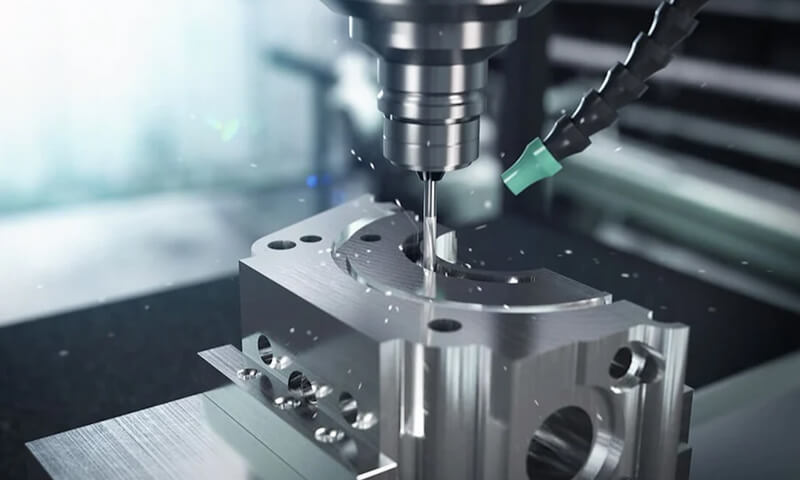
1.4539 ներկայացնում է ա չափավորից բարձր հաստոցների մարտահրավեր, մեծապես պայմանավորված է նրա ավստենիտիկ կառուցվածքով և կտրման ընթացքում զգալի աշխատանքի կարծրացմամբ. Լավագույն փորձը ներառում է:
- Կարբիդային կամ կերամիկական գործիքների օգտագործումը օպտիմիզացված երկրաչափություններով.
- Կտրման ցածր արագություններ մի քանազոր կերակրման բարձր տեմպեր ջերմության արտադրությունը նվազագույնի հասցնելու համար.
- -ի կիրառում առատ հովացուցիչ նյութ/քսանյութ, գերադասելի է բարձր ճնշման էմուլսիա.
- Ընդհատված կրճատումներ պետք է խուսափել խազերի զգայունությունը և գործիքի կոտրվածքը նվազեցնելու համար.
Գործիքների մաշվածության տեմպերը կարող են լինել մինչև 50% ավելի բարձր, քան ստանդարտ չժանգոտվող պողպատները նման 304 կամ 316լ, գործիքների կանոնավոր փոփոխությունների և վիճակի մոնիտորինգի անհրաժեշտություն.
Եռակցման տեխնիկա:
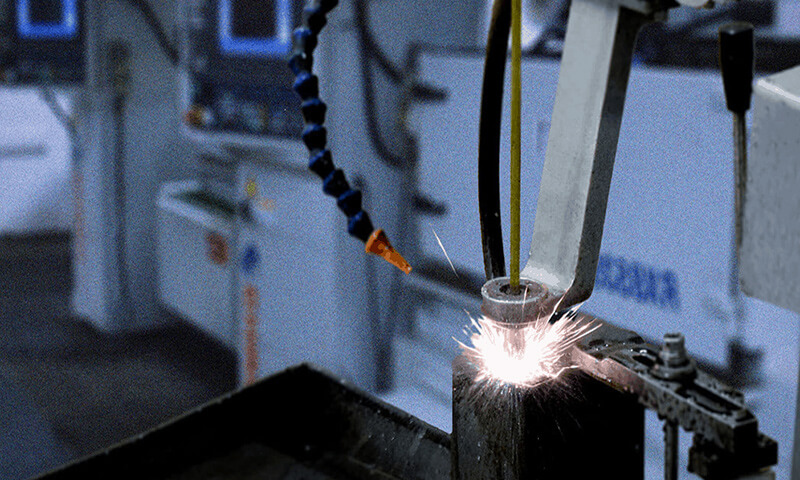
1.4539 հեշտությամբ եռակցվում է սովորական գործընթացների միջոցով, ինչպիսիք են:
- Տեգ (Շրթնային) մի քանազոր Ես (Ծնոց) լցավորող մետաղներով նման ER385.
- SAW և SMAW ավելի հաստ հատվածների համար.
Այն ցածր ածխածնի պարունակություն (≤0,02%) մի քանազոր տիտանի կայունացում մեղմել միջգրանուլային կոռոզիայի ռիսկերը.
Սակայն, ջերմության ներդրումը պետք է վերահսկվի (<1.5 KJ / մմ) տաք ճեղքումից կամ սիգմա փուլի ձևավորումից խուսափելու համար.
Նախնական տաքացում, ընդհանուր առմամբ, չի պահանջվում, բայց հետեռակցման լուծույթի կռում մի քանազոր թթու/պասիվացում հաճախ առաջարկվում են կոռոզիայից կրիտիկական ծրագրերի համար.
He երմամշակում և Մակերեւութային հարդարում
Լուծման կռում:
Օպտիմալ մեխանիկական և կոռոզիակայուն հատկությունների հասնելու համար, 1.4539 ենթարկվում է լուծույթով մշակում 1050–1120°C ջերմաստիճանում, հաջորդում է արագ մարում.
Սա լուծարում է կարբիդները և համասեռացնում միկրոկառուցվածքը, վերականգնում է կոռոզիոն դիմադրության ամբողջականությունը, հատկապես սառը աշխատանքից կամ եռակցումից հետո.

Սթրեսից ազատում:
Խոշոր կամ բարձր լարված բաղադրիչների համար, սթրեսի թեթևացում 300–400°C ջերմաստիճանում երբեմն կատարվում է, չնայած 500–800°C միջակայքում երկարատև ազդեցությունից պետք է խուսափել՝ սիգմա փուլային տեղումների վտանգի պատճառով։.
Մակերեւութային բուժում:
Մակերեսային վիճակը կարևոր է հիգիենայի հետ կապված կիրառությունների համար, ծովային ազդեցություն, կամ քիմիական դիմադրություն. Առաջարկվող բուժումը ներառում է:
- Թթու վարունգ հեռացնել օքսիդները և ջերմային երանգը.
- Պասիվություն (կիտրոնաթթուով կամ ազոտական թթուով) բարձրացնել Cr2O3 պասիվ շերտը.
- Էլեկշռում, հատկապես սննդի համար, Դեղագործական, և մաքուր սենյակային միջավայրեր, մակերեսի կոշտությունը նվազեցնելու համար (Ռա < 0.4 մկմ), բարելավել գեղագիտությունը, և բարձրացնել կոռոզիոն դիմադրությունը.
Որոշ դեպքերում, պլազմային փայլեցում կամ լազերային հյուսվածք կարող է օգտագործվել առաջադեմ ծրագրերի համար, որոնք պահանջում են չափազանց հարթ ավարտվածքներ կամ մակերեսի հատուկ գործառույթներ.
6. Արդյունաբերական ծրագրեր
1.4539 չժանգոտվող պողպատը դարձել է ընտիր նյութ բազմաթիվ ոլորտների համար՝ կոռոզիոն դիմադրության իր յուրահատուկ համակցության պատճառով, Մեխանիկական ուժ, և ջերմային կայունություն:
- Քիմիական վերամշակում եւ նավթաքիմիկատներ:
Այն օգտագործվում է ռեակտորների երեսպատման մեջ, He երմափոխանակիչներ, և խողովակաշարային համակարգեր, որտեղ ագրեսիվ թթուները և քլորիդները պահանջում են բարձր կոռոզիոն դիմադրություն.
SS 904L կոնդենսատոր խողովակներ - Ծովային եւ օֆշորային ճարտարագիտություն:
Համաձուլվածքը լայնորեն կիրառվում է պոմպերի պատյաններում, փականներ, և կառուցվածքային բաղադրիչները, որոնք շարունակաբար ենթարկվում են ծովի ջրին և բիովաղտոտմանը. - Նավթ և գազ:
1.4539 իդեալական է ֆլանզերի համար, բազմազան, և ճնշման անոթներ, որոնք աշխատում են թթու սպասարկման միջավայրում, որտեղ CO2-ի և H2S-ի առկայությունը պահանջում է բարձր դիմադրություն սթրեսային կոռոզիայից ճաքերի նկատմամբ. - Ընդհանուր արդյունաբերական մեքենաներ:
Նրա հավասարակշռված մեխանիկական հատկությունները դարձնում են այն հարմար ծանր սարքավորումների և շինարարական բաղադրիչների համար. - Բժշկական և սննդի արդյունաբերություն:
Գերազանց կենսահամատեղելիությամբ և գերհարթ ավարտին հասնելու ունակությամբ,
1.4539 կրիտիկական դեր է խաղում վիրաբուժական իմպլանտների մեջ, դեղագործական վերամշակման սարքավորումներ, և սննդի վերամշակման համակարգեր.
7. Առավելություններ 1.4539 Չժանգոտվող պողպատ
1.4539 չժանգոտվող պողպատն առաջարկում է մի քանի հստակ առավելություններ, որոնք այն դնում են որպես բարձր արդյունավետության նյութ ծայրահեղ կիրառությունների համար:
- Գերադասելի կոռոզիոն դիմադրություն:
Cr-ի օպտիմիզացված համաձուլվածքը, Մեջ, Ժամանակ, իսկ Cu-ն ստեղծում է ամուր, պասիվ մակերեսային օքսիդ շերտ,
ապահովելով բացառիկ դիմադրություն փոսերի նկատմամբ, ճեղքվածք, և միջգրանուլային կոռոզիա՝ նույնիսկ խիստ ագրեսիվ և նվազեցնող միջավայրերում. - Ամուր մեխանիկական հատկություններ:
Բարձր առաձգական ուժով (490– 690 ՄՊա) և զիջման ուժ (≥220 ՄՊա), և ≥40% երկարացում, նյութը հուսալիորեն դիմակայում է ինչպես ստատիկ, այնպես էլ ցիկլային բեռներին. - Բարձր ջերմաստիճանի կայունություն:
Համաձուլվածքը պահպանում է իր ֆիզիկական հատկությունները և օքսիդացման դիմադրությունը բարձր ջերմաստիճաններում, դարձնելով այն իդեալական թեկնածու արդյունաբերական ռեակտորներում և ջերմափոխանակիչներում օգտագործելու համար. - Գերազանց Weldability:
Ցածր ածխածնի մակարդակները, որոնք զուգորդվում են տիտանի կայունացման հետ, ապահովում են նվազագույն զգայունություն եռակցման ժամանակ, հնարավորություն տալով արտադրել բարձր ամբողջականության հոդերի. - Կյանքի ծախսերի արդյունավետություն:
Չնայած իր սկզբնական ավելի բարձր արժեքին, երկարացված ծառայության ժամկետը և սպասարկման կրճատված պահանջները զգալիորեն նվազեցնում են կյանքի ցիկլի ընդհանուր արժեքը. - Բազմակողմանի արտադրություն:
Նյութի համատեղելիությունը տարբեր արտադրական գործընթացների հետ, ներառյալ ձուլումը, վերամբարձ, և մակերեսի հարդարում.
հնարավորություն է տալիս ստեղծել համալիր, բարձր ճշգրտության բաղադրիչներ, որոնք հարմար են կրիտիկական կիրառությունների լայն շրջանակի համար.
8. Մարտահրավերներ և սահմանափակումներ
Չնայած իր տպավորիչ կատարմանը, 1.4539 չժանգոտվող պողպատը բախվում է մի քանի մարտահրավերների:
- Կոռոզիայի սահմանափակումներ:
60°C-ից բարձր քլորիդով հարուստ միջավայրերում, սթրեսային կոռոզիայից ճաքերի վտանգը (Շալվար) մեծանում է, և ցածր pH-ով H2S-ի առկայության դեպքում, զգայունությունն էլ ավելի է սրվում. - Եռակցման սահմանափակումներ:
Ջերմության ավելցուկ մուտքագրում (գերազանցող 1.5 KJ / մմ) Եռակցման ժամանակ կարող է հանգեցնել քրոմի կարբիդի տեղումների, նվազեցնելով եռակցման ճկունությունը մինչև 18%. - Մեքենաների մշակման դժվարություններ:
Աշխատանքային կարծրացման բարձր արագությունը մեծացնում է գործիքների մաշվածությունը մինչև 50% ստանդարտի համեմատ 304 չժանգոտվող պողպատ, բարդ երկրաչափությունների վրա հաստոցների մշակման աշխատանքները. - Բարձր ջերմաստիճանի կատարում:
Երկարատև ազդեցություն (վերեւ 100 ժամ) 550°C-ից մինչև 850°C ջերմաստիճանը կարող է առաջացնել սիգմա-փուլի ձևավորում,
նվազեցնելով ազդեցության ամրությունը մինչև 40% և սահմանափակելով շարունակական սպասարկման ջերմաստիճանը մինչև մոտավորապես 450°C. - Արժեքի նկատառումներ:
Թանկարժեք տարրերի ներառումը, ինչպիսիք են Ni, Ժամանակ, իսկ Cu-ն դարձնում է 1.4539 մոտավորապես 35% ավելի թանկ, քան 304 չժանգոտվող պողպատ, համաշխարհային շուկայի տատանումների պատճառով լրացուցիչ անկայունությամբ. - Աննման մետաղների միացում:
Երբ եռակցվում է ածխածնային պողպատներով (Է.Գ., S235), զգալիորեն մեծանում է գալվանական կոռոզիայի ռիսկը, մինչդեռ ցածր ցիկլի հոգնածության կյանքը տարբեր հոդերում կարող է նվազել 30-45%-ով. - Մակերեւութային մաքրման մարտահրավերներ:
Սովորական ազոտաթթվի պասիվացումը չի կարող հեռացնել ներկառուցված երկաթի մասնիկները (<5 մկմ), պահանջում է լրացուցիչ էլեկտրոլիլացում՝ բժշկական և սննդամթերքի օգտագործման համար անհրաժեշտ մաքրության ծայրահեղ բարձր չափանիշներին հասնելու համար.
9. Ապագա միտումներ և նորարարություններ 1.4539 Չժանգոտվող պողպատ
Քանի որ արդյունաբերությունները շարունակում են ճեղքել կոռոզիոն դիմադրության սահմանները, կայունություն, եւ նյութական ներկայացում, առաջադեմ չժանգոտվող պողպատների պահանջարկը, ինչպիսիք են 1.4539 (Ալյումինե 904լ) ակնկալվում է զգալի աճ.
Հայտնի է կոշտ միջավայրում իր կայունությամբ, այս գերաուստենիտային համաձուլվածքն այժմ գտնվում է մի քանի նորարարությունների կենտրոնում, որոնք ուղղված են օգտագործելիության բարձրացմանը, կյանքի տեւողությունը, և շրջակա միջավայրի հետքը.
Ստորև ներկայացված է բազմամասնագիտական կանխատեսում, թե որտեղ 1.4539 ուղղվում է, մետալուրգիայի վերաբերյալ պատկերացումներով, Թվային Արտադրություն, կայունություն, և համաշխարհային շուկայի դինամիկան.

Ընդլայնված խառնուրդի փոփոխություններ
Ժամանակակից մետալուրգիական հետազոտությունները ակտիվորեն ուսումնասիրվում են միկրոհամաձուլում ռազմավարություններ՝ ընդլայնելու կատարողականի սահմանները 1.4539:
- Վերահսկվող ազոտի հավելումներ (0.1– 0,2%) Հետազոտվում են փոսային դիմադրության համարժեք թվերի բարելավման համար (Փայտ), բարձրացնել առաձգական ուժը, և հետաձգել սթրեսային կոռոզիայից առաջացումը.
- Նանո մասշտաբի հավելումներ, ինչպիսիք են հազվագյուտ հողային տարրերը (Է.Գ., ցերիում կամ իտրիում), փորձարկվում են հացահատիկի մաքրման և օքսիդացման դիմադրության բարելավման համար, հատկապես բարձր ջերմաստիճանի պայմաններում, բարձր աղի կիրառություններ.
- Մոլիբդենի պարունակության ավելացում (մինչեւ 5.5%) մասնագիտացված տարբերակներում օգնում է թիրախավորել նույնիսկ ավելի ագրեսիվ թթվային սպասարկման միջավայրերը,
առաջարկելով մինչև 15% ավելի լավ դիմադրություն ճեղքերի կոռոզիայից ծովի ջրի ազդեցության փորձարկումներում.
Թվային արտադրության տեխնոլոգիաների ինտեգրում
Որպես մաս Արդյունաբերություն 4.0 հեղափոխություն, -ի արտադրությունն ու կիրառումը 1.4539 չժանգոտվող պողպատից օգտվում են խելացի արտադրության նորարարություններից:
- Թվային երկվորյակների սիմուլյացիաներ օգտագործելով այնպիսի գործիքներ, ինչպիսիք են ProCAST մի քանազոր Magmasoft հնարավորություն է տալիս իրական ժամանակում վերահսկել ձուլման գործընթացները, նվազեցնելով այնպիսի թերություններ, ինչպիսիք են միկրոկծկումը և տարանջատումը մինչև 30%.
- IoT միացված սենսորներ Դարբնագործության և ջերմամշակման գծերի մեջ ներկառուցված ապահովում են շարունակական հետադարձ կապեր, թույլ է տալիս ճշգրիտ վերահսկել հացահատիկի չափը, ջերմության ներդրում, և հովացման տեմպերը.
- Կանխատեսող սպասարկման մոդելներ, տեղեկացված AI-ի վրա հիմնված հոգնածության և կոռոզիայի մոդելավորման միջոցով, օգնում են երկարացնել յուղի ծառայության ժամկետը & գազի համակարգերի կողմից 20– 25%.
Կայուն արտադրության տեխնիկա
Կայունությունն այժմ կենտրոնական մտահոգություն է չժանգոտվող պողպատ արտադրողների համար, մի քանազոր 1.4539 բացառություն չէ. Ապագա միտումները ներառում են:
- Փակ շրջանի վերամշակման համակարգեր վերականգնել բարձրարժեք տարրերը, ինչպիսիք են նիկելը, մոլիբդեն, եւ պղինձ. Ընթացիկ ջանքերը ցույց են տվել, որ ներուժը վերականգնելու հնարավորություն ունի 85% խառնուրդի պարունակությունից.
- -ի ընդունումը էլեկտրական աղեղային վառարան (EAF) հալվելը սնուցվում է վերականգնվող էներգիայով, նվազեցնում է CO₂ արտանետումները արտադրության մեջ մինչեւ 50% համեմատած ավանդական պայթուցիկ վառարանների շահագործման հետ.
- Ջրի վրա հիմնված թթու պատրաստման տեխնոլոգիաներ մշակվում են ագրեսիվ թթվային լոգանքները փոխարինելու համար, ավելի խիստ բնապահպանական կանոնակարգերին համապատասխանեցնելը, հատկապես Եվրոպայում և Հյուսիսային Ամերիկայում.
Ընդլայնված մակերեսային ճարտարագիտություն
Մակերեւույթի բարելավումը ի հայտ է գալիս որպես խաղը փոխող դաշտ 1.4539, հատկապես այն ոլորտներում, որտեղ ցածր շփում, կենսահամատեղելիություն, և մակերեսային հիգիենա առաջնային են:
- Լազերային ազդեցությամբ նանոկառուցվածք ցուցադրել է ինքնամաքրվող և հիդրոֆոբ մակերեսներ ստեղծելու ունակություն, երկարացնելով բաղադրիչի կյանքը և նվազագույնի հասցնել կենսածածկումը ծովային միջավայրում.
- Գրաֆենով ուժեղացված PVD ծածկույթներ նվազեցնել մաշվածության և շփման գործակիցները մինչեւ 60%, դրանք դարձնելով իդեալական սահող կոնտակտային կամ հղկող ծառայության բաղադրիչների համար.
- Պլազմայի ազոտավորում և DLC (ադամանդի նման ածխածին) բուժումներ օգտագործվում են մակերևույթի կարծրությունը ուժեղացնելու համար՝ առանց կոռոզիոն դիմադրության խախտման, ինչը հատկապես օգտակար է տեխնոլոգիական փականների և քիմիական պոմպերի համար.
Հիբրիդային և հավելումների արտադրության տեխնիկա
Հիբրիդային արտադրության մոտեցումները համակցում են հավելումների արտադրություն (Ես) իսկ ավանդական մեթոդները լայն տարածում են գտնում:
- Ընտրովի լազերային հալեցում (SLM) մի քանազոր Ուղղակի էներգիայի նստեցում (DED) հնարավորություն է տալիս գրեթե ցանցի ձևով կոմպլեքսի արտադրությունը 1.4539 մասեր, նվազեցնելով նյութական թափոնները մինչեւ 70%.
- Երբ հաջորդում է Տաք իզոստատիկ սեղմում (ՀԻՊ) մի քանազոր լուծույթի կռում, այս AM մասերը ցուցադրվում են մինչև 80% ավելի ցածր մնացորդային սթրես և գերհոգնածության դիմադրություն՝ համեմատած սովորական մշակված մասերի հետ.
- Այս մոտեցումները հատկապես խոստումնալից են օդատիեզերական ոլորտում, օֆշորային, և անհատական կենսաբժշկական ծրագրեր, որտեղ ճշգրտությունը և մասերի համախմբումը կարևոր են.
Շուկայի աճի կանխատեսումներ և զարգացող ոլորտներ
Կոռոզիակայուն չժանգոտվող պողպատների համաշխարհային պահանջարկը, ներառյալ 1,4539-ը, գտնվում է կայուն վերընթաց հետագծի վրա. Ըստ արդյունաբերության կանխատեսումների:
- Է բարձր արտադրողականությամբ չժանգոտվող համաձուլվածքների շուկա ակնկալվում է աճել ա CAGR 6,2–6,7% դեպի 2023 դեպի 2030.
- Աճը հատկապես ուժեղ է այն մարզերում, որտեղ մեծ ներդրումներ են կատարվում անկարգություն, կանաչ ջրածնի ենթակառուցվածք, մի քանազոր առաջադեմ քիմիական արտադրություն, ներառյալ Մերձավոր Արևելքը, Հարավարևելյան Ասիա, և Հյուսիսային Եվրոպան.
- Դեղագործություն և կենսատեխնոլոգիա ոլորտները մեծ հետաքրքրություն են ցուցաբերում 1.4539 ծայրահեղ մաքուր միջավայրի համար, որտեղ բարձր է գնահատվում դրա դիմադրողականությունը մանրէային աղտոտման և թթվային ստերիլիզացման գործընթացներին.
10. Համեմատական վերլուծություն այլ նյութերի հետ
Հասկանալ ռազմավարական առավելությունները 1.4539 չժանգոտվող պողպատ (Ալյումինե 904լ), կարևոր է այն համեմատել այլ հանրաճանաչ կոռոզիոն դիմացկուն նյութերի հետ.
Դրանք ներառում են սովորաբար օգտագործվող չժանգոտվող պողպատներ, ինչպիսիք են 316Լակոտ, բարձր արդյունավետության համաձուլվածքներ, ինչպիսիք են Խառնուրդ 28 (ԱՄՆ N08028), և մասնագիտացված նիկելի վրա հիմնված համաձուլվածքներ, ինչպիսիք են Hastelloy C-276.
Ստորև բերված համեմատական վերլուծությունը կենտրոնանում է կոռոզիայից վարքի վրա, Մեխանիկական ուժ, ջերմաստիճանի դիմադրություն, արտադրության բնութագրերը, և կյանքի ցիկլի ընդհանուր կատարումը.
Համեմատական աղյուսակ - 1.4539 Չժանգոտվող պողպատ vs. Այլ համաձուլվածքներ
| Ունեցվածք | 1.4539 (Ալյումինե 904լ) | 316L չժանգոտվող պողպատ | Խառնուրդ 28 | Hastelloy C-276 | Կրկնակի 2205 |
|---|---|---|---|---|---|
| Նիկել (Մեջ) | 23– 28% | 10– 14% | 30– 32% | >57% | ~5–6% |
| Մոլիբդեն (Ժամանակ) | 4.0– 5,0% | 2.0– 2,5% | 3.0– 4,0% | 15– 17% | 3.0– 3,5% |
| Փայտ (Փոսերի դիմադրություն) | 35-40 | ~ 25 | ~ 38–40 թթ | >45 | 35-38 |
| Կոռոզիոն դիմադրություն | Գերազանց (թթու + քլորիդներ) | Լավ (չափավոր քլորիդներ) | Գերազանց (օքսիդացնող թթուներ) | Ակնառու (բոլոր լրատվամիջոցները) | Շատ լավ (քլորիդներ) |
SCC դիմադրություն |
Չափավոր | Չափավոր | Բարձր | Շատ բարձր | Շատ բարձր |
| Բերք տալ ուժ | ≥220 ՄՊա | ~ 170 ՄՊա | ~ 240 ՄՊա | ~ 280 ՄՊա | ~ 450 ՄՊա |
| Երկարացում | ≥40% | ~40% | ~35% | ~45% | ~25–30% |
| Բարձր ջերմաստիճանի կայունություն | Լավ է ~450°C | Չափավոր (~400°C) | Լավ | Գերազանց (>600° C) | Չափավոր (~300–350°C) |
| Զոդում | Գերազանց (The-կայունացված) | Գերազանց | Չափավոր | Պահանջում է հատուկ հսկողություն | Արդար (փուլային հսկողություն) |
Մեքենայություններ |
Չափավոր (աշխատելու կարծրացում) | Լավ | Արդար | Աղքատ | Արդար |
| Պատրաստման բարդություն | Ստանդարտ չժանգոտվող մեթոդներ | Շատ հեշտ | Խնամք է պահանջում | Համալիր, խիստ վերահսկողություն | Պահանջում է փուլային հավասարակշռություն |
| Կյանքի ծախսերի արդյունավետություն | Բարձր (երկար սպասարկման ժամկետ) | Չափավոր | Չափավոր | Ցածր (բարձր նյութական ծախսեր) | Բարձր |
| Նյութի հարաբերական արժեքը | Միջին-Բարձր | Ցածր | Բարձր | Շատ բարձր | Միջին |
| Բնորոշ ծրագրեր | Քիմիական, ծովային, ֆարմա | Սնունդ, ֆարմա, տանկեր | Միջուկային, ռեակտորներ | Ագրեսիվ քիմիական գործարաններ | Խողովակաշար, Press նշման անոթներ |
11. Եզրափակում
1.4539 չժանգոտվող պողպատը կանգնած է գերաուստենիտիկ չժանգոտվող նյութերի առաջնագծում.
Նրա բարձր փոսերի դիմադրությունը և ջերմային կայունությունը դարձնում են այն անփոխարինելի նավթի բարձր պահանջարկ ունեցող կիրառությունների համար & գազ, Քիմիական մշակում, ծովային ճարտարագիտություն, և բարձր մաքրության արդյունաբերական համակարգեր.
Նորամուծություններ համաձուլվածքների փոփոխությունների մեջ, Թվային Արտադրություն, Կայուն արտադրություն, և մակերևութային ճարտարագիտությունը պատրաստ են հետագա կատարելագործման համար, ամրապնդելով իր դերը որպես ռազմավարական նյութ հաջորդ սերնդի արդյունաբերական կիրառությունների համար.
Սա Ձեր արտադրության կարիքների համար կատարյալ ընտրություն է, եթե ձեզ հարկավոր է որակյալ չժանգոտվող պողպատ արտադրանք.