1. Ներածություն
1.4006 է մարտենզիտ չժանգոտվող պողպատ որը գտնվում է գործնական միջին դիրքում սովորական ածխածնային պողպատի և ավելի կոռոզիակայուն չժանգոտվող սորտերի միջև.
Այն սովորաբար նույնացվում է որպես X12Cr13, և շատ մատակարարների հղումներ խաչաձև կապում են դրա հետ AISI 410 մի քանազոր UNS S41000, թեև որոշ կատալոգներ զգուշացնում են, որ համապատասխան նշումները, ինչպիսիք են 410S կամ 410S21, միշտ չէ, որ ճշգրիտ ուղղակի համարժեքներ են.
Այլ կերպ ասած, դա ծանոթ դասարան է՝ հստակ արդյունաբերական ինքնությամբ, բայց մեկը, որը դեռ պետք է ստուգվի՝ համաձայն օգտագործվող հատուկ ստանդարտի և առաքման պայմանների.
Ինչն է դարձնում 1.4006 հետաքրքիր չէ առավելագույն կոռոզիոն դիմադրությունը, բայց դա կարծրության հավասարակշռություն, ուժ, մեքենայություններ, փայլեցվածություն, և չափավոր կոռոզիայից կատարողականություն.
Այն ֆերոմագնիսական է, ջերմամշակելի, և կարող է լավ մեխանիկական հատկություններ ունենալ մարելուց և կոփելուց հետո, այդ պատճառով էլ այն բազմիցս հայտնվում է պոմպերում, փականներ, լիսեռներ, կցամասեր, և ընդհանուր մեխանիկական-ինժեներական բաղադրիչներ.
2. Ինչ է 1.4006 Չժանգոտվող պողպատ?
1.4006 է մարտենզիտ չժանգոտվող պողպատ գնահատական, սովորաբար կապված է X12Cr13 եվրոպական նշանակման համակարգերում.
Այն քրոմ կրող է չժանգոտվող պողպատ նախատեսված է գործնական հավասարակշռություն ապահովելու համար չափավոր կոռոզիոն դիմադրություն, լավ մեխանիկական ուժ, մագնիսական արձագանք, և ջերմամշակման կարծրություն.
Արդյունաբերական առումով, դա ֆունկցիոնալ ինժեներական համաձուլվածք է, քան պրեմիում կոռոզիոն համաձուլվածք.
Ի տարբերություն ավստենիտիկ չժանգոտվող պողպատների, ինչպիսիք են 304 կամ 316, 1.4006 չի հասնում իր օգտակարությանը հիմնականում կոռոզիոն դիմադրության շնորհիվ.
Փոխարեն, դրա արժեքը գալիս է նրանից, թե ինչպես կարող է լինել կարծրացել է ջերմային մշակմամբ և օգտագործվում է ուժի կարիք ունեցող բաղադրիչներում, Հագուստի դիմադրություն, և կայուն կատարում չափավոր քայքայիչ սպասարկման միջավայրերում.
Դա հատկապես արդիական է դարձնում այն մեքենաշինության մեջ, պոմպային համակարգեր, փականի բաղադրիչներ, լիսեռներ, ամրացումներ, և այլ մասեր, որտեղ կրող աշխատանքը նույնքան կարևոր է, որքան շրջակա միջավայրի դիմադրությունը.
Մետալուրգիական ինքնություն
-ի որոշիչ հատկանիշը 1.4006 դա է մարտենզիտային կառուցվածք. Սա նշանակում է, որ համաձուլվածքը կարող է փոխակերպվել ջերմային մշակման միջոցով կոշտի, ուժեղ վիճակ.
Հալված վիճակում, ավելի հեշտ է մեքենայացնել և ձևավորել; մարելուց և կոփելուց հետո, այն դառնում է զգալիորեն ուժեղ և դժվար.
Այս մետալուրգիական վարքագիծն այն է, ինչն այն տարբերում է շատ այլ չժանգոտվող պողպատներից:
- Austenitic չժանգոտվող պողպատներ ընդհանուր առմամբ ավելի դիմացկուն են կոռոզիայից և ավելի ճկուն, բայց հեշտությամբ չի կարծրանում ջերմային մշակմամբ.
- Ֆերիտիկ չժանգոտվող պողպատներ առաջարկում են լավ կոռոզիոն դիմադրություն որոշ միջավայրերում, բայց ավելի ցածր կարծրություն.
- Մարտենզիտ չժանգոտվող պողպատներ, ներառյալ 1.4006, ընտրվում են, երբ ուժ և կարծրություն նախագծման կենտրոնական պահանջներ են.
Համարժեք գնահատականներ
1.4006 գլոբալ ճանաչված է տարբեր անվանումներով, արդյունաբերությունների միջև փոխգործունակության ապահովում:
| Ստանդարտ | Դասարանի նշանակում |
| ՄԵԿ/ՁԵՐ | 1.4006, X12Cr13 |
| astm/aisi | 410, UNS S41000 |
| Նա | Sus410 |
| Գբ | 12Cr13 |
Հիմնական բնութագրերը
Մագնիսական վարքագիծ
1.4006 է լինել մագնիսական, որը նրա մարտենզիտ կառուցվածքի անմիջական արդյունքն է.
Սա կարող է օգտակար լինել այն ծրագրերում, որտեղ մագնիսական արձագանքը ընդունելի է կամ նույնիսկ ցանկալի, և դա նաև հստակորեն տարբերում է դասակարգը ավստենիտիկ չժանգոտվող պողպատներից.
Ջերմային մշակելիություն
Ինժեներների ընտրության հիմնական պատճառներից մեկը 1.4006 այն է, որ դա կարող է լինել կարծրացած և կոփված ուժի և ամրության հարմարեցված հավասարակշռության հասնելու համար.
Սա թույլ է տալիս վերջնական հատկությունները հարմարեցնել մասի գործառույթին.
Միջին կոռոզիոն դիմադրություն
Դասարանը պարունակում է քրոմ, որն ապահովում է չժանգոտվող վարքագիծ և պասիվ օքսիդային շերտ.
Սակայն, դրա կոռոզիոն դիմադրությունն է չափավոր, այլ ոչ թե աչքի ընկնող, այնպես որ այն լավագույնս համապատասխանում է մեղմ ագրեսիվ միջավայրերին, այլ ոչ թե խիստ քլորիդային ազդեցությանը.
Լավ մշակելիություն փափուկ վիճակում
Նախքան կարծրանալը, 1.4006 կարող է արդյունավետ մշակվել. Դա այն գրավիչ է դարձնում ճշգրիտ բաղադրիչների համար, որոնք արտադրվում են համեմատաբար փափուկ վիճակում, այնուհետև ջերմային մշակվում են մինչև վերջնական հատկությունները:.
Հագուստի վրա հիմնված կատարում
Քանի որ այն կարող է կարծրանալ, 1.4006 լավ է գործում քայքայման ենթակա մասերում, լոգարիթմական կոնտակտ, կամ կրկնվող մեխանիկական բեռնում, հատկապես, որտեղ կոռոզիոն համաձուլվածքի ամբողջական կատարումը չի պահանջվում.
3. Քիմիական բաղադրությունը 1.4006 Չժանգոտվող պողպատ
Ստորև բերված կազմը արտացոլում է ընդհանուր հրապարակված EN/արդյունաբերության շրջանակը 1.4006 / X12Cr13.
Աննշան տարբերություններ կարող են ի հայտ գալ տվյալների աղյուսակներում՝ կախված արտադրանքի ձևից և նախատեսված կիրառությունից, հատկապես ծծմբի պարունակության համար.
| Տարր | Տիպիկ կազմի տիրույթ (զանգվածային %) | Մետալուրգիական դեր |
| Ածխածնային (Գ) | 0.08– 0,15 | Աջակցում է մարտենզիտի ձևավորմանը, կարծրություն, և ուժը ջերմային բուժումից հետո. |
| Սիլիկոն (Մի քանազոր) | ≤ 1.00 | Աջակցում է պողպատի արտադրությանը և դեօքսիդացմանը; նաև ազդում է ուժի և մշակման վարքի վրա. |
| Մանգան (Ժլատ) | ≤ 1.00 դեպի 1.50 | Աջակցում է վերամշակմանը և օգնում է վերահսկել տաք աշխատունակությունը. |
| Ֆոսֆոր (Իմաստ) | ≤ 0.020 դեպի 0.040 | Պահվում է ցածր՝ ամրությունը և ընդհանուր որակը պահպանելու համար. |
Ծծումբ (Ծուռ) |
≤ 0.015 դեպի 0.020, որոշ ապրանքատեսակներում հատուկ արտոնություններով | Ազդում է մեքենայականության վրա; Ցածր ծծումբը նախընտրելի է փայլեցման և սպասարկման որոշ պայմանների համար. |
| Քրոմ (Խուզարկու) | 11.5– 13.5 | Առաջնային չժանգոտվող տարր; ապահովում է պասիվացում և չափավոր կոռոզիոն դիմադրություն. |
| Նիկել (Մեջ) | ≤ 0.5 դեպի 0.75 | Ներկայացրեք միայն փոքր քանակությամբ; բավարար չէ համաձուլվածքն ավստենիտիկ դարձնելու համար. |
| Երկաթ (Անք) | Հավասարակշռություն | Բազային մետաղ. |
Կոմպոզիցիայի ընդունում
1.4006 միտումնավոր ա նիհար martensitic չժանգոտվող պողպատ: բավականաչափ քրոմ չժանգոտվող վարքի համար, բավականաչափ ածխածին կարծրացման համար, բայց ոչ այնքան նիկել, որ դառնա ավստենիտիկ աստիճան.
Այդ քիմիան համաձուլվածքին տալիս է չափավոր կոռոզիոն դիմադրության և ջերմամշակման ուժի բնորոշ հավասարակշռությունը.
4. Ֆիզիկական եւ մեխանիկական հատկություններ 1.4006 Չժանգոտվող պողպատ
Ստորև բերված գույքի արժեքները ներկայացուցչական հրապարակված թվերն են. Նրանք մեծապես կախված են առաքման պայմաններից, հատկապես, թե արդյոք նյութը կռում է, թե մարված և կոփված.
| Ունեցվածք | Հալեցված / փափուկ վիճակ | Մարած և կոփված / QDT / QT 650 վիճակ | Նշումներ |
| Ելքի ուժ (RP0.2) | ≥ 450 ՄՊա լուծույթով մշակված արտադրանքի տվյալների մեջ | 552– 655 ՄՊա, բնորոշ 480 MPA; արտադրանքի որոշ տվյալների ցանկ ≥ 450 ՄՊա նվազագույնը | Ջերմային բուժումը նյութապես բարձրացնում է ուժը. |
| Առաձգական ուժ (Ժլատ) | 650– 850 ՄՊա լուծույթով մշակված արտադրանքի տվյալների մեջ | ≥ 690 MPA, բնորոշ մասին 720 MPA | Ուժի միջակայքը տարբերվում է արտադրանքի ձևից և տրամագծից. |
| Երկարացում | ≥ 15% | ≥ 20% մեկ QDT տեղեկանքում | Ճկունությունը կախված է ջերմային վիճակից և արտադրանքի չափից. |
| Տարածքի կրճատում | ≥ 55% | ≥ 45% | Ցույց է տալիս իմաստալից ճկունություն՝ չնայած մարտենզիտային բնույթին. |
| Կարծրություն | մինչև մոտ 220 HB մեկ զտված տվյալների թերթիկում | ≤ 22 HRC QDT վիճակում | Կարծրությունը բարձրանում է կարծրացման հետ; ճշգրիտ արժեքները տարբերվում են ըստ պայմանների. |
| Ազդեցության ամրություն | Մի քիչ | ≥ 27 J -29°C ջերմաստիճանում | Օգտակար է բաղադրիչների համար, որոնք պահանջում են որոշակի ցածր ջերմաստիճանի ամրություն. |
Առաձգականության մոդուլ |
215 Gpa | 215 Gpa | Հիմնականում անփոփոխ է ջերմային մշակմամբ ստանդարտ տվյալների աղյուսակներում. |
| Խտություն | 7.70 կգ/դմ³ | 7.70 կգ/դմ³ | Մարտենզիտ չժանգոտվող պողպատի բնորոշ խտություն. |
| Հատուկ ջերմություն | 460 J/kg·K | 460 J/kg·K | Ստանդարտ ֆիզիկական գույքային արժեքը 20°C-ում. |
| Ջերմային հաղորդունակություն | 30 W / m · k | 30 W / m · k | Օգտակար է որոշակի մշակման և ջերմության փոխանցման վարքագծի համար. |
| Էլեկտրական դիմադրողականություն | 0.60 Ω·mm²/մ | 0.60 Ω·mm²/մ | Չժանգոտվող պողպատից բնորոշ մարտենզիտային մակարդակ. |
| Մագնիսականություն | Հարմար / ֆերոմագնիսական | Հարմար / ֆերոմագնիսական | Այս դասարանի որոշիչ հատկանիշը. |
| Առաջարկվող սպասարկման ջերմաստիճանը | մինչև մոտ 400°C մեկ ինժեներական տվյալների թերթիկում | խուսափել մոտավորապես 425–525°C ջերմաստիճանից, քանի որ 475 փխրունության վտանգ | Ծառայության ջերմաստիճանը կախված է ճշգրիտ կիրառությունից և ստանդարտից. |
5. He երմամշակում, Կեղծում, և Եռակցում
1.4006 է ջերմամշակվող մարտենզիտիկ չժանգոտվող պողպատ, և այդ մեկ փաստը սահմանում է նրա մշակման վարքագծի մեծ մասը.
Նրա վերջնական հատկությունները չեն ամրագրված գնման ժամանակ; դրանք մշակվում են արտադրողի կամ արտադրողի կողմից ընտրված ջերմային ճանապարհով.
Ջերմային բուժում
Տիպիկ գործընթացի շղթա համար 1.4006 սկզբունքորեն պարզ է, բայց կատարման մեջ զգայուն. Պողպատը նախ ավստենիտացվում է, ապա մարեց, և վերջապես կոփվեց.
Տվյալների աղյուսակները սովորաբար տեղադրվում են կռում մոտ 745–825°C, մարվում է մոտ 950–1000°C, մի քանազոր կոփում 680–780°C միջակայքում, թեև ճշգրիտ ցիկլը կախված է արտադրանքի ձևից, հատվածի չափը, և պահանջվող գույքային մնացորդը.
Հիմնական կետն այն է, որ խառնուրդը խիստ արձագանքում է ջերմային բուժմանը, ուստի ընտրված ցիկլը ուղղակիորեն որոշում է կարծրությունը, առաձգականություն, և ազդել վարքի վրա.
Օգտակար ինժեներական մեկնաբանությունն այն է 1.4006 Չժանգոտվող պողպատ չէ «ֆիքսված սեփականություն»:. Դա ա գույքով կարգավորվող չժանգոտվող պողպատ.
Դա այն դարձնում է հարմար այն բաղադրիչների համար, որոնք պետք է մշակվեն ավելի փափուկ վիճակում և այնուհետև վերածվեն ավելի կոշտի, ավելի ուժեղ եզրափակիչ հատված.
Հանգստացված և խստացված վիճակում, Հրապարակված արժեքները ցույց են տալիս զգալիորեն ավելի բարձր զիջում և առաձգական ուժ, քան ավելի փափուկ մատակարարման երկրներում, հաստատելով, որ ջերմային ցիկլը նախագծման ռազմավարության մի մասն է, ոչ միայն ավարտական քայլ.
Ձուլում
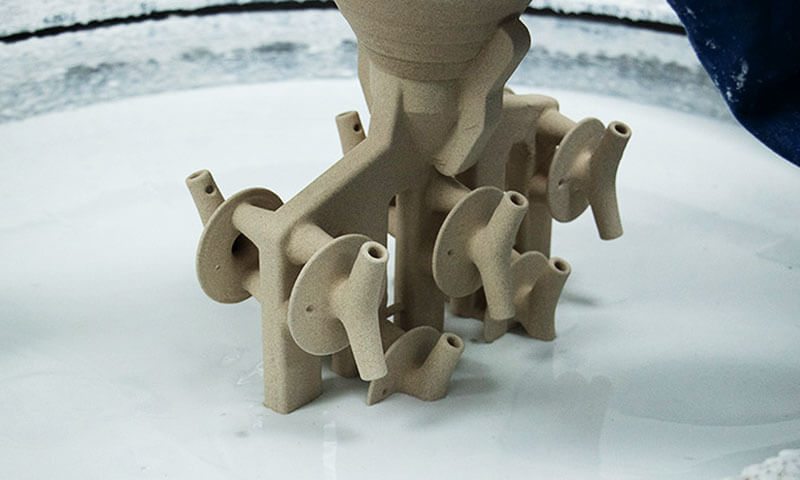
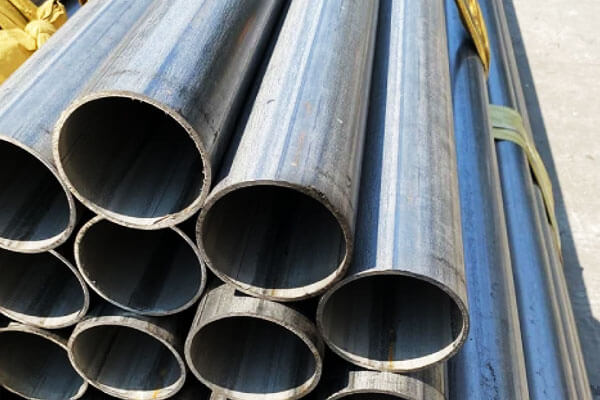
Ձուլում 1.4006 հնարավոր է, բայց դա այս դասարանի համար սովորական վերնագրի երթուղին չէ. Համաձուլվածքն ավելի հաճախ հանդիպում է որպես ձող կամ կեղծված արտադրանք՝ մեխանիկական բաղադրիչների մշակման համար.
Երբ ձուլումը օգտագործվում է, նույն մարտենզիտային չժանգոտվող պողպատի տրամաբանությունը դեռ գործում է: քիմիական միատարրություն, ամրացման հսկողություն, և հետձուլման ջերմային բուժումը կարևոր է.
Որովհետև 1.4006 նպատակ ունի զարգացնել օգտակար ուժը մարտենզիտային փոխակերպման միջոցով, ձուլածո արտադրանքները պետք է ուշադիր կառավարվեն՝ կոպիտ կառուցվածքից խուսափելու համար, սեգրեգացիա, կամ գույքի ցրում.
Ահա թե ինչու, գործնականում, ձուլածո մարտենզիտ չժանգոտվող պողպատները սովորաբար վերապահված են բաղադրիչների ձևերի համար, որտեղ ձուլման արդյունավետությունը գերազանցում է դարբնոցային պաշարների առավելությունները:.
Տաք աշխատանք
Տաք աշխատանքը ձևավորման գործնական երթուղի է 1.4006 վերջնական մշակումից կամ ջերմային մշակումից առաջ.
Համեմատելի արտադրանքի ձևերի տվյալների աղյուսակները ցույց են տալիս տաք ձևավորող պատուհանները, որոնք սովորաբար կենտրոնացած են եռացման միջակայքից շատ բարձր և այն կետից ցածր, որտեղ մասշտաբի ձևավորումը և գույքի դեգրադացիան դառնում են խնդրահարույց:.
Մեկ մարտենզիտի մեջ 1.4006 արտադրանքի տվյալների թերթիկ, տաք ձևավորման միջակայքը տրված է որպես 1100°C-ից մինչև 800 °C, ինչը համահունչ է վերահսկվող ջերմային պատուհանի ներսում մնալով աշխատունակ պլաստիկության պահպանման անհրաժեշտությանը.
Արտադրական տեսանկյունից, տաք աշխատանքը օգտակար է, քանի որ այն թույլ է տալիս մաքրել հացահատիկի կառուցվածքը և ամրացնել մասի երկրաչափությունը.
Սակայն, այն պետք է ավելի զգույշ վարվի, քան ավստենիտիկ չժանգոտվող տաք աշխատանքը, քանի որ մարտենզիտային պողպատներն ավելի զգայուն են ջերմային պատմության և հետագա փխրունության նկատմամբ, եթե գործընթացը չի համապատասխանում պատշաճ կոփմանը:.
Սառը աշխատանք
1.4006 կարելի է նաև սառը մշակել, բայց համաձուլվածքի արձագանքը նույնական չէ ավստենիտիկ չժանգոտվող պողպատների արձագանքին.
Քանի որ այն մարտենզիտ է և ջերմամշակելի, սառը աշխատանքը հաճախ ավելի քիչ օգտագործվում է որպես առաջնային ամրացման երթուղի և ավելի շատ որպես ձևավորման կամ հարդարման աշխատանք մինչև վերջնական ջերմային մշակումը.
Որտեղ ներմուծվում է սառը դեֆորմացիա, այն կարող է բարձրացնել ուժն ու կարծրությունը, բայց այն նաև մեծացնում է ձևավորման ուժերը և կարող է նվազեցնել ճկունությունը, եթե գործընթացը շատ հեռու է մղվում.
Այդ պատճառով, սառը աշխատանքը լավագույնս դիտարկվում է որպես վերահսկվող ձևավորման քայլ, այլ ոչ թե սեփականության զարգացման հիմնական մեթոդ.
Վերամբարձ
Վերամբարձ ամենագործնական ուժեղ կողմերից մեկն է 1.4006 չժանգոտվող պողպատ.
Մի քանի մատակարարներ այն նկարագրում են որպես մեխանիկական ինժեներական մասերի համար հարմար դասակարգ, հենց այն պատճառով, որ այն կարող է արդյունավետորեն մշակվել ավելի փափուկ վիճակում, իսկ հետո կարծրացնել:.
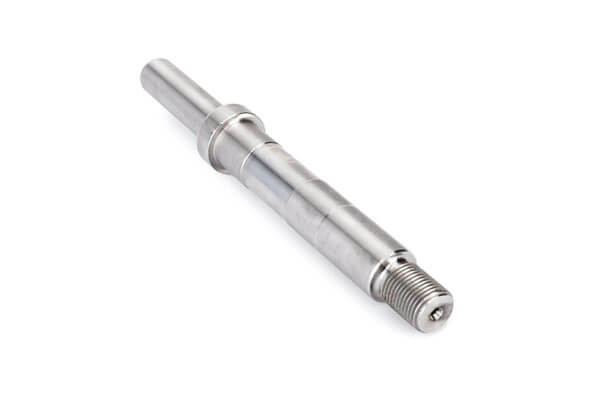
Սա արժեքավոր է լիսեռներում, փականի մասեր, կցամասեր, և այլ պտտվող կամ աղացած բաղադրիչներ, որտեղ խիստ հանդուրժողականությունը կարևոր է.
Երկրորդ առավելությունն այն է, որ համաձուլվածքը հաճախ հասանելի է առաքման երկրներում, որոնք ապահովում են հաստոցների մշակումը մինչև վերջնական ջերմային մշակումը.
Արդյունաբերական առումով, սա նշանակում է, որ արտադրության երթուղին կարող է կազմակերպվել ծախսերի արդյունավետության համար: նախ կոպիտ մեքենա, ավարտել ջերմային բուժումը երկրորդը, և անհրաժեշտության դեպքում կատարեք միայն նվազագույն հարդարում.
Իրական օգուտը միայն մշակելիությունը չէ, բայց արտադրության հաջորդականության վերահսկում.
Զոդում
Հնարավոր է եռակցում, բայց մարտենզիտ չժանգոտվող պողպատները պահանջում են ավելի շատ կարգապահություն, քան ավստենիտիկ դասարանները.
Մատակարարի ուղեցույցը համադրելի 1.4006/X12Cr13 արտադրանքի համար նշում է, որ եռակցումը հնարավոր է ստանդարտ մեթոդներով, բայց նախնական տաքացում մոտ 150–300°C միջակայքում մի քանազոր հետեռակցման կռում կամ կոփում կարող է պահանջվել ճեղքման ռիսկը նվազեցնելու և ավելի կայուն գույքի հավաքածուն վերականգնելու համար.
Այլ կերպ ասած, եռակցումն արգելված չէ, բայց դա գործընթացի նկատմամբ զգայուն է և պետք է պլանավորվի որպես նյութական վիճակի մաս, չի վերաբերվում որպես հետին մտքի.
Եռակցման մարտահրավերը գալիս է մարտենզիտային վերափոխումից.
Եթե ջերմության ազդեցության տակ գտնվող գոտին շատ արագ սառչում է կամ եթե ջրածինը և զսպումը չեն վերահսկվում, կարող են ձևավորվել փխրուն կառուցվածքներ, և ճաքերի վտանգը մեծանում է.
Սա է պատճառը, որ շատ ֆաբրիկատորներ նախընտրում են եռակցումը պարզ պահել, օգտագործեք լցոնիչի ճիշտ ընտրություն, և կիրառել հետեռակցման ջերմային բուժում, երբ դա պահանջում է ծառայությունը.
6. Կոռոզիայից դիմադրության և սպասարկման սահմանափակումներ
Կոռոզիոն դիմադրության պրոֆիլը
Կոռոզիայից դիմադրություն 1.4006 լավագույնս նկարագրվում է որպես չափավոր.
Այն լավ է կատարում մի փոքր ագրեսիվ, ոչ քլորիդային միջավայրեր ինչպիսին է օճառը, լվացող միջոցներ, օրգանական թթուներ, և ջրի կամ գոլորշու սպասարկում, բայց այն նախատեսված չէ ուժեղ քլորիդ ազդեցության համար.
Պողպատն ունի լավ կոռոզիոն դիմադրություն ջրի մեջ, երբ փայլեցնում և կոփում է, բայց ոչ այն դեպքում, երբ առկա են քլորիդներ.
Ծառայության սահմանաչափի ամփոփում
| Ծառայության ասպեկտ | Գործնական սահմանափակում / ուղղորդում | Ինժեներական իմաստ |
| Ընդհանուր կոռոզիոն միջավայր | Չափավոր քայքայիչ, ոչ քլորիդային միջավայր | Լավ տեղավորվում է ջրի համար, գոլորշի, օճառ, և նմանատիպ ծառայություններ. |
| Մակերեսային վիճակ | Ողորկված / հարթ / նախընտրելի է մնացորդներից ազատ | Մակերեւույթի ավարտը ուղղակիորեն բարելավում է կոռոզիայից դիմադրությունը. |
| Քլորիդային ազդեցություն | Նախընտրելի չէ | Քլորիդային միջավայրերը կարող են արագորեն գերազանցել համաձուլվածքի կոռոզիայի սահմանը. |
| Բարձր ջերմաստիճանի սպասարկում | Մոտավորապես 400–600°C՝ կախված տվյալների թերթիկից և մթնոլորտից | Հարմար է չափավոր ջերմության համար, ոչ խիստ բարձր ջերմաստիճանի սպասարկում. |
Մակերեւութային վիճակը կարևոր է
Համար 1.4006, մակերեսի վիճակը կամընտիր ճշգրտում չէ. Հղկված կամ հղկված մակերեսը բարելավում է կոռոզիայից վարքը, ինչը հատկապես կարևոր է ջրի ազդեցության տակ գտնվող սարքավորումներում, գոլորշի, կամ թեթև ագրեսիվ լրատվամիջոցներ.
Դա այն պատճառներից մեկն է, որ դասարանը հաճախ հայտնվում է լիսեռներում, փականի բաղադրիչներ, և պոմպերի մասեր, որտեղ ավարտի որակը ֆունկցիոնալ բնութագրերի մաս է կազմում.
7. Տիպիկ կիրառություններ 1.4006 Չժանգոտվող պողպատ
1.4006 օգտագործվում է որտեղ մեխանիկական կատարում, չափավոր կոռոզիոն դիմադրություն, մագնիսականություն, և ջերմամշակում ավելին, քան առավելագույն կոռոզիայից պաշտպանությունը.
Այն հատկապես տարածված է այն մասերում, որոնք սկզբում մշակվում են հաստոցներով, իսկ հետո՝ կարծրացվում.
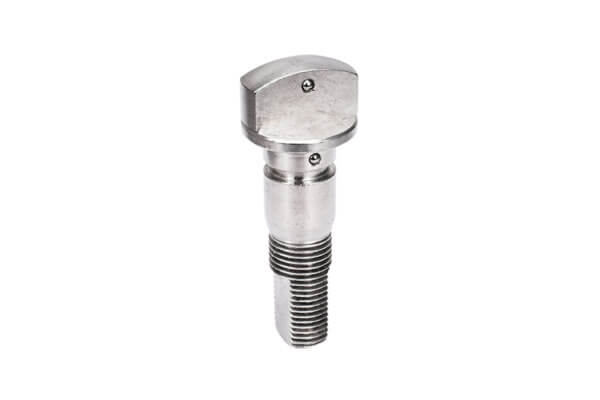
Մեքենաշինության բաղադրիչներ
Սա կիրառման հիմնական տարածքն է 1.4006. Այն հաճախ օգտագործվում է այն մասերի համար, որոնք պետք է կրեն բեռ, դիմակայել մաշվածությանը, և պահպանել ծավալային հուսալիությունը ջերմային բուժումից հետո.
Տվյալների թերթիկները նկարագրում են այն որպես հիմնականում օգտագործվում է մեքենաշինության մեջ.
Տիպիկ օրինակները ներառում են:
- լիսեռներ
- խաղատործ
- առանցք
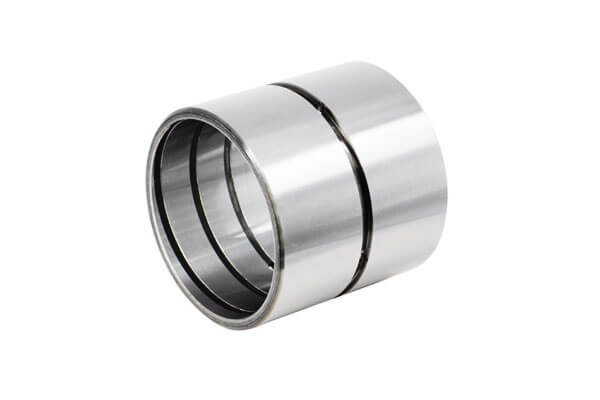
- թփեր
- Մեքենայի մասեր
- ճշգրտությամբ շրջված բաղադրիչներ
Պոմպի և փականների սարքավորում
1.4006 լայնորեն կիրառվում է պոմպային արդյունաբերություն մի քանազոր հիդրոտեխնիկա քանի որ այն համատեղում է մշակելիությունը, Կարծրություն, և համարժեք կոռոզիոն դիմադրություն չափավոր ագրեսիվ ծառայության համար.
Ընդհանուր բաղադրիչները ներառում են:
- պոմպ լիսեռներ
- շարժիչներ ոչ ծանր միջավայրում
- փականի ցողուններ
- փական ներքինը
- հիդրավլիկ մասեր
- կցամասեր և ագույցներ
Ջրմուղ, գոլորշի, և մեղմ գործընթացի սպասարկում
Դասարանը օգտագործվում է նաև կառուցվածքային մասերում, որոնց ենթարկվում են ջուր կամ գոլորշի և սարքավորումների համար թուղթ, տեքստիլ, և սննդի արդյունաբերություն միջավայրեր, որտեղ կոռոզիան չափավոր է, և մաքրությունը կարևոր է.
Օրինակները ներառում են:
- գոլորշու հետ շփման մասեր
- ջրամատակարարման սարքավորումներ
- թեթև քայքայիչ գործընթացի բաղադրիչներ
- էկրաններ և մաղեր
- արդյունաբերական հարմարանքներ
Ամրացումներ և փոքր ճշգրիտ մասեր
Որովհետև 1.4006 կարող է ջերմային մշակվել և արդյունավետ մշակվել, այն հարմար է պտուտակներ, պտուտակներ, ընկույզ, և փոքր տեղադրված բաղադրիչներ.
8. Համեմատություն այլ չժանգոտվող դասարանների հետ
| Ասպեկտ | 1.4006 | 1.4301 (304) | 1.4404 (316Լակոտ) | 1.4021 (420) |
| Չժանգոտվող ընտանիք / կառուցվածքը | Մարտենզիտիկ, լավ մեխանիկական հատկություններով ֆերոմագնիսական պողպատ. | Austenitic չժանգոտվող պողպատ, գերազանց կոռոզիոն դիմադրությամբ բազմաթիվ միջավայրերում. | Austenitic չժանգոտվող պողպատ; Ցածր ածխածնի պարունակությունը լավ դիմադրություն է տալիս միջհատիկավոր կոռոզիային եռակցված վիճակում. | Մարտենզիտիկ, ֆերոմագնիսական չժանգոտվող պողպատ; օգտագործվում է կարծր վիճակում բազմաթիվ շինարարական և ամրացնող տարրերի համար. |
| Մագնիսական վարքագիծ | Մագնիսական / ֆերոմագնիսական. | Ըստ էության, ոչ մագնիսական է եռացված վիճակում, սառը աշխատանքից հետո հնարավոր է որոշակի մագնիսական արձագանքով. | Աուստենիտիկ և ցածր մագնիսականություն. | Մագնիսական / ֆերոմագնիսական. |
Ջերմային բուժելիություն |
Ջերմային մշակման ենթակա; առաքվում է որպես եռացված, մարված և կոփված, կամ մարված և կրկնակի կոփված. | Հնարավոր չէ կարծրացնել ջերմային մշակմամբ; Փոխարենը օգտագործվում է լուծույթի եռացում. | Չի ընտրվել կարծրացման համար; սովորաբար օգտագործվում է լուծույթով եռակցված վիճակում՝ եռակցման գերազանց կատարողականությամբ. | Կարծրացվող; Նշված են QT700 և QT800 պայմանները. |
| Կոռոզիոն դիմադրություն | Լավ է ոչ քլորիդով, չափավոր քայքայիչ միջավայրեր; PREN-ի մասին 14; փայլեցված մակերեսը բարելավում է դիմադրությունը. | Գերազանց շատ միջավայրերում, բայց կարող է առաջանալ քլորիդային փոս/ճեղքի կոռոզիա, իսկ սթրեսային կոռոզիայից ճաքեր կարող են առաջանալ 60°C-ից բարձր ջերմաստիճանում. | Շատ լավ կոռոզիոն դիմադրություն; ցածր ածխածնի պարունակությունը օգնում է պահպանել դիմադրությունը եռակցված վիճակում. | Կոռոզիոն դիմադրությունը ավելի ցածր է, քան սովորական ավստենիտիկ դասարանները; օգտակար է չափավոր ագրեսիվ լրատվամիջոցներում, բայց ոչ լավագույն ընտրությունը խիստ քլորիդային ազդեցության համար. |
Զոդում / կեղծում |
Եռակցվող, բայց ընթացակարգի կարգապահությունը կարևոր է, քանի որ մարտենզիտային պողպատներն ավելի զգայուն են ջերմային մշակման և հետեռակցման վիճակի նկատմամբ. | Գերազանց միաձուլման եռակցման կատարում; հեշտությամբ աշխատել-պնդանում է սառը աշխատանքի ժամանակ. | Եռակցման գերազանց վարքագիծ; ցածր ածխածինը օգնում է պահպանել կոռոզիոն դիմադրությունը եռակցումից հետո. | Weldability լավ է, բայց լավագույն արդյունքների համար սովորաբար խորհուրդ է տրվում նախապես տաքացնելը և եռակցումից հետո կոփումը. |
| Տիպիկ սպասարկման ջերմաստիճանը | Մինչև մոտ 400 ° C. | Լավ օքսիդացման դիմադրություն ընդհատվող ծառայության մեջ մինչև 870°C և շարունակական սպասարկում մինչև 925°C; Խորհուրդ չի տրվում շարունակական օգտագործումը 425–860°C ջերմաստիճանում, եթե պահանջվում է ջրային կոռոզիոն դիմադրություն. | Հարմար է օգտագործման համար մինչև մոտ 550°C. | Հարմար է օգտագործման համար մինչև մոտ 550–600°C՝ կախված տվյալների աղյուսակից և հավելվածի համատեքստից. |
Տիպիկ հավելվածներ |
Մեքենաշինություն, հիդրոտեխնիկա, պոմպեր, փականներ, կցամասեր, քիմիական և նավթաքիմիական արդյունաբերություն, դեկորատիվ առանձնահատկություններ, կենցաղային բաղադրիչներ. | Ընդհանուր նշանակության սարքավորումներ շատ միջավայրերում, որտեղ ձևավորելիությունը և կոռոզիոն դիմադրությունը կարևոր են. | Պոմպեր, փականներ, հատուկ առանցքակալներ, սնունդ, թուղթ, քիմիական, բժշկական, և նմանատիպ կոռոզիոն զգայուն սարքավորումներ. | Ավտոմոբիլային, նավթային, նավթաքիմիական, հիդրավլիկ սարքավորումներ, մեքենաներ, պատառաքաղ, շեղբեր, դեկորատիվ և խոհանոցային կիրառություններ. |
| Լավագույն պիտանիությունը | Լավագույնը, երբ անհրաժեշտ են չափավոր կոռոզիոն դիմադրություն և ավելի բարձր մեխանիկական ուժ. | Լավագույնը, երբ գերազանց ընդհանուր կոռոզիոն դիմադրությունը և հեշտ պատրաստումը մեծ նշանակություն ունեն. | Լավագույնը, երբ ավելի լավ կոռոզիոն դիմադրություն, քան 304 անհրաժեշտ է, հատկապես եռակցված ծառայության մեջ. | Լավագույնը կարծրության դեպքում, մագնիսական վարքագիծ, առաջնահերթություններն են չափավոր կոռոզիոն դիմադրությունը. |
9. Եզրափակում
1.4006 չժանգոտվող պողպատը հասուն ինժեներական նյութ է, որն ունի շատ հատուկ դեր. Այն նախատեսված չէ որպես առավել կոռոզիոն դիմացկուն չժանգոտվող պողպատ, ոչ էլ կատալոգում անտեսելու ամենահեշտ չժանգոտվող պողպատը.
Դրա ուժն այն է, որ այն հուսալիորեն աշխատում է այն ծրագրերում, որոնց համար նախատեսված էր: մեխանիկորեն պահանջկոտ մասեր, չափավոր միջավայրեր, և արտադրական ուղիները, որոնք օգտվում են ջերմային մշակումից և հաստոցների ճկունությունից.
Դիտված է պատշաճ կերպով, 1.4006 նվաստացուցիչ իմաստով փոխզիջումային գնահատական չէ.
Դա ա նպատակային մարտենզիտ չժանգոտվող պողպատ որի մագնիսականության համակցությունը, Կարծրություն, մեքենայություններ, և չափավոր կոռոզիոն դիմադրությունը այն դարձնում է գործնական լուծում արդյունաբերական բաղադրիչների լայն շրջանակի համար.
ՀՏՀ
Է 1.4006 չժանգոտվող պողպատից մագնիսական?
Այո. Այն մարտենզիտային չժանգոտվող պողպատ է և մագնիսական է.
Է 1.4006 չժանգոտվող պողպատից ջերմային բուժում?
Այո. Նրա հատկությունների վրա մեծ ազդեցություն են ունենում մարման և կոփման ազդեցությունը.
Է 1.4006 չժանգոտվող պողպատից կոռոզիոն դիմացկուն?
Այո, բայց միայն չափավոր. Հարմար է մեղմ և չափավոր ագրեսիվ միջավայրերի համար, ոչ խիստ քլորիդային ծառայություն.
Որն է հալման կետը 1.4006 չժանգոտվող պողպատ?
-ի հալման միջակայքը 1.4006 1480–1530°C է, մի փոքր ավելի բարձր, քան ածխածնային պողպատից, թույլ տալով օգտագործել չափավոր բարձր ջերմաստիճանի ծրագրերում (մինչև 600 ° C).
Է 1.4006 ավելի լավ, քան 304 չժանգոտվող պողպատ?
Ոչ համընդհանուր. 304 ավելի լավ է կոռոզիոն դիմադրության համար, մինչդեռ 1.4006 ավելի լավ է կարծրացնելիս, մագնիսական արձագանք, և մեխանիկական մաշվածության կատարումն ավելի կարևոր է.