1. Uvod
Ductile iron investment casting merges the high-strength, ductile nature of nodular cast iron with the fine precision of investment (izgubljeni vosak) lijevanje.
It’s an advanced manufacturing method ideal for producing dimensionally accurate and structurally demanding parts.
This technique is especially useful when intricate geometries, uske tolerancije, and mechanical reliability are essential—such as in automotive, obrana, zrakoplovstvo, i energetske primjene.
2. Što je livenje od nodularnog lijeva?
Casting ulaganja duktilnog željeza is a precision metal casting process that combines the superior mechanical properties of ductile iron with the high-accuracy and fine detail capability of the investment casting method (također poznat kao izgubljeni voštani lijev).
It is ideal for producing small to medium-sized, intricate parts that require both strength and dimensional precision.
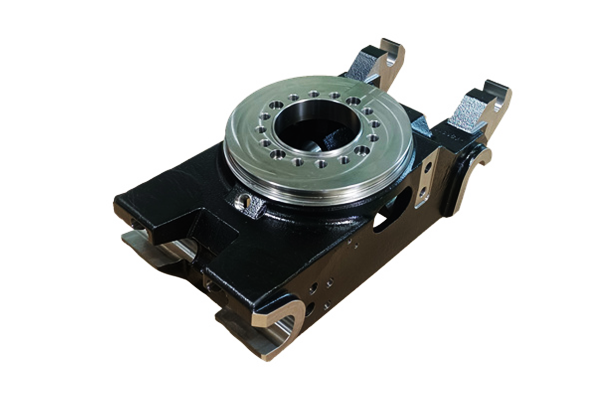
Ključne definicije:
- Duktilno željezo (Također nazvan nodular iron ili SG željezo) is a type of cast iron known for its visoka snaga, duktilnost, i otpornost na udarce zbog svog sferoidni (nodularni) grafit struktura.
- Casting je proces kalupljenja gdje se voštani uzorak oblaže vatrostalnim keramičkim materijalom kako bi se formirao kalup.
Nakon što se vosak otopi, rastaljeni metal se ulijeva u šupljinu kako bi se oblikovao dio.
3. Zašto koristiti investicijski lijev za nodularno željezo?
Duktilno željezo livenje po kalupu rješava ključnu prazninu u primjenama lijevanja metala: tradicionalno pješčano lijevanje nodularnog lijeva, dok je ekonomičan i skalabilan, bori se s finim geometrijskim detaljima, uske tolerancije, i presjeci tankih stijenki.
Ova ograničenja čine ga neprikladnim za precizne komponente ili dijelove sa zamršenom unutarnjom strukturom.
S druge strane, čelični liveni odljevci, iako sposoban za postizanje visoke dimenzionalne točnosti, nedostatak troškovne učinkovitosti nodularnog lijeva, vrhunska obradivost, i svojstvena svojstva prigušivanja vibracija, koji su kritični u mnogim dinamičnim okruženjima ili okruženjima osjetljivim na buku.
Ductile iron investment casting stoga se pojavljuje kao optimalno rješenje za aplikacije koje zahtijevaju i preciznost i mehanička robusnost, popunjavanje praznine u performansama i ekonomiji između lijevanja u pijesak i preciznog lijevanja čelika.
Omogućuje izradu složenih, komponente mrežastog oblika koje održavaju poželjna svojstva nodularnog željeza—Omjer visoke snage i težine, duktilnost, otpor udara, i sposobnost prigušenja— uz postizanje gotovo neto točnosti oblika.
4. Proces lijevanja od nodularnog lijeva
A duktilno željezo casting proces slijedi temeljne faze tradicionalnog lijevanja izgubljenim voskom.
Ali uključuje precizne metalurške kontrole i specijalizirane tehnike za prilagođavanje jedinstvenom ponašanju skrućivanja i formiranju strukture grafita nodularnog željeza.

4.1 Stvaranje uzorka
- Voštani obrasci: Voštani uzorci visoke preciznosti proizvode se injekcijskim prešanjem ili 3D ispisom, s dopuštenjima skupljanja od 0,5–2% za kompenzaciju kontrakcije metala tijekom hlađenja.
For components with ultra-fine features—such as thin walls down to 0.5 mm or complex internal channels—stereolithography (Sl) 3D-printed patterns are often preferred, offering accuracy up to ±0.02 mm. - Montaža uzorka: Individual wax patterns are mounted on a central wax sprue to form a tree-like structure.
A single shell (približno. 10 kg capacity) may contain 5–10 parts, optimizing throughput and ceramic material usage.
4.2 Zgrada školjke
- Slurry Coating: The assembled wax tree is repeatedly dipped into a refractory ceramic slurry composed of alumina, silicijev dioksid, ili cirkonij.
For ductile iron, zirconia-based slurries are ideal due to their superior refractoriness (>2700° C), required for handling molten iron at 1300–1350°C. - Stuccoing and Drying: After each slurry dip, the wet coating is sprinkled with refractory grains (štukature) such as fused silica or alumina to build shell thickness and strength.
Uzorak se zatim suši u komori s kontroliranom vlagom.
Tipično, 6– Nanosi se 8 slojeva, što rezultira robusnom ljuskom od 5-10 mm koja može izdržati mehanička i toplinska opterećenja lijevanja željeza. - Deparafinizacija i pečenje: Vosak se uklanja iz ljuske autoklaviranjem ili brzim zagrijavanjem (100–160°C).
Preostali vosak uklanja se tijekom pečenja na visokim temperaturama na 800–1000°C, koji također sinterira ljusku, povećavajući njegovu čvrstoću na savijanje na 5-10 MPa i osiguravajući dimenzijsku stabilnost tijekom lijevanja.
4.3 Taljenje i nodulizacija
Jedinstvena metalurgija nodularnog lijeva zahtijeva preciznu kontrolu tijekom taljenja:
- Priprema legure: Željezo (94–96%), ugljik (3.2–3,8%), silicij (2.0–2,8%) tale se u indukcijskoj peći na 1400–1500°C.
- Nodulizacija: Magnezij (0.03–0,08%) odnosno cerija (0.02–0,06%) dodaje se za transformaciju ljuspičastog grafita u kuglaste nodule.
Ovaj korak je čak i kritičan 0.04% sumpor (nodulizer otrov) može uništiti mikrostrukturu. - Inokulacija: ferosilicij (0.2–0,5%) is added post-nodulization to refine nodules (5–20 nodules/mm²) and prevent chill (martensite formation).
4.4 Izlijevanje i skrućivanje
- Ulijevanje: Rastaljeno nodularno željezo (1300–1350°C) ulijeva se u vruću školjku (800–1000°C) kako bi se smanjio toplinski šok.
The shell’s high thermal conductivity (1–2 W/m·K) accelerates cooling to 20–30°C/min—faster than sand casting (5-20°C/min)—refining grain structure. - Stvrdnjavanje: Graphite nodules form during cooling, with the ceramic shell restricting shrinkage (3–5% volumetric) za smanjenje poroznosti.
Risers are minimal due to investment casting’s near-net-shape design.
4.5 Završnica
- Uklanjanje školjki: The hardened ceramic shell is removed using vibration methods, mechanical impact, or high-pressure water jetting.
- Cutting and Cleaning: Individual castings are separated from the gating system and ground to remove any residual metal at gate connections or parting lines.
- Toplotna obrada (Neobavezan):
-
- Žalost: Performed at 850–900°C for up to 2 hours to soften the material for easier machining.
- Odmrzavanje (T6-like Treatment): Conducted at 500–550°C to enhance strength, žilavost, and fatigue resistance in load-bearing parts.
5. Metalurške prednosti investicijskog nodularnog lijeva
Investment casting’s controlled cooling and shell rigidity enhance ductile iron’s microstructure:
- Refined Graphite Nodules: Brže hlađenje (20–30°C/min) produces smaller, more uniform nodules (10–20 nodules/mm² vs. 5–10 in sand casting),
increasing tensile strength by 10–15% (Npr., 450 MPa vs. 400 MPa for EN-GJS-400-15). - Reduced Porosity: Ceramic shells limit gas entrapment, with porosity <0.5% (vs. 1–2% in sand casting), improving fatigue resistance (120–140 MPa at 10⁷ cycles vs. 100–120 MPa).
- Uniform Matrix: The shell’s even cooling minimizes segregation, resulting in a consistent ferrite/pearlite matrix—critical for parts with thin walls (1–3 mm) where sand casting might form brittle chill zones.
6. Uobičajeni stupnjevi lijevanja od nodularnog lijeva
Lijev za ulaganje od nodularnog lijeva podržava različite kvalitete, svaki prilagođen za određene mehaničke, toplinski, ili performanse otporne na koroziju.
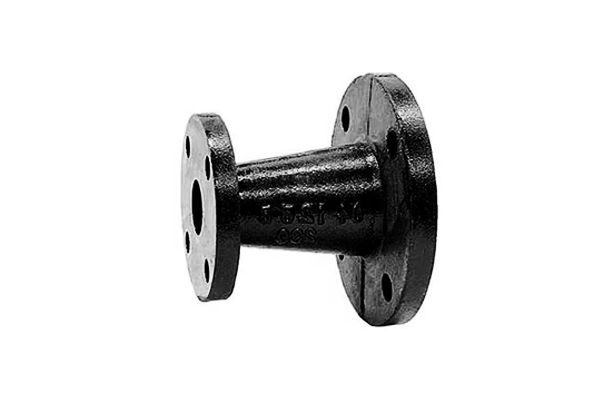
Ove ocjene definirane su međunarodnim standardima kao što je ASTM A536, ISO 1083, i EN-GJS (Europa), a razlikuju se prvenstveno u zatečna čvrstoća, produženje, tvrdoća, i nodularnost.
| Razred | Standard | Zatečna čvrstoća (MPA) | Snaga popuštanja (MPA) | Produženje (%) | Tipične primjene | Ključne karakteristike |
| GJS-400-15 | EN-GJS-400-15 | ≥ 400 | ≥ 250 | ≥ 15 | Kućiva pumpe, tijela ventila, zagrada | Izvrsna duktilnost i livljivost |
| GJS-500-7 | EN-GJS-500-7 | ≥ 500 | ≥ 320 | ≥ 7 | Automobilski zglobovi, oružje za ovjes, cijevne armature | Dobra ravnoteža čvrstoće i duktilnosti |
| GJS-600-3 | EN-GJS-600-3 | ≥ 600 | ≥ 370 | ≥ 3 | Strukturni dijelovi, zupčanici, prirubnice | Veća čvrstoća, umjerena elongacija |
| ASTM A536 65-45-12 | ASTM A536 | ≥ 450 | ≥ 310 | ≥ 12 | Kućišta kompresora, industrijski strojevi | Uobičajena američka klasa s uravnoteženim svojstvima |
| ASTM A536 80-55-06 | ASTM A536 | ≥ 550 | ≥ 380 | ≥ 6 | Nosači osovina, čvorišta, remenice | Veća nosivost |
| ASTM A536 100-70-03 | ASTM A536 | ≥ 700 | ≥ 480 | ≥ 3 | Zupčanici visokog opterećenja, konstrukcijski dijelovi za teške uvjete rada | Visoka snaga, ograničena duktilnost |
| Austempered nodularni ljev (Adi) | ASTM A897 / EN-GJS-800-8 | 800–1600 (ovisno o razredu) | 500–1200+ | 1–10 | Zupčanici, komponente tračnica, dijelovi za udarno opterećenje | Iznimna čvrstoća i otpornost na habanje |
| Nodularni lijev otporan na nikl | ASTM A439 Tip D2 | ~400–600 | ~ 200–300 | ~10–15 | Dijelovi otporni na koroziju u pomorskom i kemijskom okruženju | Poboljšana korozijska/toplinska stabilnost |
7. Prednosti lijevanja od nodularnog lijeva
Lijev od nodularnog lijeva kombinira mehaničke prednosti nodularnog lijeva s preciznošću lijevanog materijala, offering a powerful solution for advanced engineering applications.

Preciznost & Složenost
- Fine Features: Accurately reproduces small features such as 0.5 mm threads, 1 mm wall thickness, i složeni unutarnji kanali that are virtually impossible with sand casting.
- Smanjena strojna obrada: Delivers near-net-shape components that cut post-processing by 70–90%, saving time and labor costs—especially for tight-tolerance or intricate geometries.
Materijalna učinkovitost
- Visoki prinos: Material utilization rates of 85–95% significantly outperform sand casting (60–70%), minimizing waste.
- Cost Optimization: Although upfront costs are higher, the material and machining savings make it economically viable for medium-to-high-value components.
Poboljšana mehanička svojstva
- Superior Microstructure: Rapid cooling rates (20–30°C/min) in ceramic shells refine the graphite nodule distribution and grain size.
- Improved Fatigue Life: Reduced porosity and refined nodules boost otpornost na zamor i mehanički integritet, produljenje životnog vijeka dijela 20–30% u okruženjima dinamičkog opterećenja.
Dizajnirati slobodu
- Optimizacija topologije: Kompatibilan s 3D ispisanim uzorcima koji omogućuju rešetkaste strukture, unutarnje rashladne kanale, i šuplji dijelovi.
- Smanjenje težine: Strukturna optimizacija može smanjiti težinu komponente za 30–40% uz zadržavanje čvrstoće i krutosti—od ključne važnosti za zrakoplovstvo, automobilski, i medicinske industrije.
8. Ograničenja i izazovi lijevanja od nodularnog lijeva
Unatoč svojim prednostima, livenje od nodularnog lijeva dolazi s nekoliko ograničenja kojima se mora pažljivo upravljati.
Veći početni trošak
- Alati i materijali: Matrice za ubrizgavanje voska i visokokvalitetne keramičke ljuske (Npr., na bazi cirkonija) napraviti proces 3–5× skuplji nego lijevanje u pijesak.
- Opravdanje troškova: Najprikladnije za aplikacije visokih performansi ili visoke preciznosti (Npr., zrakoplovstvo, obrana, medicinski) gdje dugoročne koristi nadmašuju početne troškove.
Ograničenja veličine
- Snaga školjke: Keramičke ljuske su krhke iznad određene mase. Većina odljevaka za ulaganje ograničena je na <10 kg.
- Ograničenja razmjera: Veliki ili debeli dijelovi (Npr., >100 mm wall thickness) jesu bolje odgovara lijevanju u pješčani ili kalupni kalup.
Osjetljivost nodulizacije
- Zarobljavanje sumpora: Zatvorena keramička ljuska zadržava više sumpora od pješčanih kalupa, zahtijevajući da razine sumpora u talini budu <0.02% (stroži od <0.03% u lijevanju u pijesak).
- Rizik mikrostrukture: Loša kontrola sumpora degradira nodularnost, što dovodi do lomljivog ili ljuspičastog grafita—kompromitirajući rastezljivost i vijek trajanja od zamora.
Dulje vrijeme isporuke
- Složenost procesa: Ciklus investicijskog lijevanja—uključujući proizvodnja voštanih uzoraka, višeslojna zgrada ljuske, i depilacija— može uzeti 2– 4 tjedna.
- Sporija iteracija: Nije idealno za brzo prototipiranje ili projekti s kratkim rokovima, osim ako se ne kombinira s aditivnom proizvodnjom (Npr., 3D-tiskani kalupi ili uzorci).
9. Uobičajene primjene lijevanog livenog liva

Industrijski & Mehaničke komponente
- Preciznost Kućišta zupčanika i blankovi zupčanika
- Visoko opterećenje zagrada i montažne prirubnice
- Komponente hidrauličke pumpe i tijela ventila
- Impeleri kompresora i rotori
Zrakoplovstvo
- Strukturni nosači s rešetkama za smanjenje težine
- Veze stajnog trapa i krakovi pokretača
- Nosači peraja projektila i kućišta kupole
- Visoka otpornost na zamor kućišta senzora
Automobilski & Prijevoz
- Lagan oružje za ovjes i kontrolne ruke
- Nosači diferencijala i zglobovi prstiju
- Visoka preciznost razmazi i komponente turbopunjača
- Običaj nosači električnih vozila i nosače
Medicinska oprema
- Biokompatibilan ortopedske potpore i protetski okviri
- Kućišta od obojenih metala kompatibilna s MRI
- Izdržljiv zglobovi invalidskih kolica i povezivanje
Alati & Strojevi
- Preciznost šablone, učvršćenja, i okviri alatnih strojeva
- Otporan na habanje držači matrice i stezne ruke
- Visoka izdržljivost robotski prsti i hvataljke
Konstrukcija & Arhitektonski
- Visoka čvrstoća teretna sidra, zglobne ruke, i konektori
- Estetski dekorativni konstruktivni elementi sa složenim detaljima
- Nosivi okviri za fasade sa smanjenom težinom
10. Usporedba s lijevanjem u pijesak i drugim metodama
| Aspekt | Casting (Duktilno željezo) | Lijevanje pijeska | Izgubljeni pjenasti lijevanje | Centrifugalno lijevanje |
| Točnost dimenzije | Izvrstan (±0,2–0,5 mm); blizu mreže | Umjeren (±1,0–2,0 mm); zahtijeva više strojne obrade | Dobro (±0,5–1,0 mm); bolje od lijevanja u pijesak | Visoko u cilindričnim dijelovima (±0,3–0,7 mm) |
| Površinski završetak | Superiorni (Ra 1,6–3,2 μm) | Grublje (Ra 6,3-25 μm); potrebna naknadna obrada | Fer (Ra 3,2–12,5 μm) | Vrlo dobro (Ra 1,6–6,3 μm) |
| Kompleksna geometrija | Izvrstan; podržava podrezivanja, tanki zidovi (0.5–1 mm), unutarnje karakteristike | Ograničen; nije pogodan za zamršene detalje | Dobro; dopušta umjerenu složenost | Siromašan; najbolje za jednostavno, simetrične geometrije |
| Iskorištenje materijala | Visok (85–95%) | Donji (60–75%) | Umjeren (70–85%) | Umjereno–visoko; ovisi o dizajnu uspona |
| Mehanička svojstva | Poboljšan zbog finijeg zrna i niske poroznosti | Dobro, ali niže od lijevanja za ulaganje | Usporedivo s lijevanjem u pijesak | Izvrsna čvrstoća usmjerenja |
| Koštati (po jedinici) | Visoka za malu glasnoću; ekonomičan za precizne dijelove visoke vrijednosti | Nizak; idealno za velike, proizvodnja s niskim troškovima | Srednji; alat je jeftiniji od ulaganja | Srednje do visoko; trošak postavljanja ovisi o kalupu |
| Trošak alata | Visok (nešto umrijeti + materijal ljuske) | Nizak (wood/metal pattern) | Niska do srednja | Srednji (rotating mold system required) |
| Vrijeme olova | dugo (2–4 weeks for tooling & školjkasta zgrada) | Kratak (1–2 weeks) | Short to medium | Srednji |
| Mogućnost veličine dijela | Mali do srednji (tipično <50 kg) | Mala do vrlo velika (do nekoliko tona) | Srednje do velike | Limited to cylindrical parts (<500 mm Ø typically) |
| Prikladne aplikacije | Zrakoplovstvo, medicinski, automotive precision parts | Blokovi motora, baze stroja, Prekrivači šahtova | Complex castings like engine heads, Kućiva pumpe | Cijevi, čahure, rukavi, prstenje |
11. Osiguranje kvalitete i standardi inspekcije
To meet demanding performance and regulatory needs, typical inspections include:
- NDT: Rendgenski, ultrazvučni, penetrantsko ispitivanje boje
- Mehanička ispitivanja: Zatezanje, tvrdoća, produženje
- Microstructure analysis: Graphite nodularity and matrix phase
- Dimenzionalni pregled: Cmm (Stroj za mjerenje koordinata)
- Standards followed: ASTM A536, ISO 1083, U 1563
12. Zaključak
Ductile iron investment casting is a precise, high-integrity manufacturing method for demanding applications requiring strength, složenost, i dimenzijska kontrola.
While it comes with higher upfront costs, it significantly reduces machining, skupština, and quality control overhead—especially for parts requiring tight tolerances and excellent performance.
As industries demand lighter, jači, and more complex components, ductile iron investment casting continues to gain traction in critical sectors worldwide.
OVO nudi usluge lijevanja nodularnog lijeva
Na OVAJ, specijalizirani smo za isporuku visokoučinkovitih odljevaka od nodularnog željeza koristeći cijeli spektar naprednih tehnologija lijevanja.
Zahtijeva li vaš projekt fleksibilnost lijevanje zelenog pijeska, preciznost kalup za ljuske ili casting,
snagu i dosljednost metalni kalup (trajna plijesan) lijevanje, ili gustoću i čistoću koju osigurava centrifugalni i izgubljeno lijevanje pjene,
OVAJ ima inženjersku stručnost i proizvodni kapacitet kako bi zadovoljio vaše točne specifikacije.
Naš je pogon opremljen za sve, od razvoja prototipa do proizvodnje velikih količina, podržan rigoroznim kontrola kvalitete, sljedivost materijala, i metalurška analiza.
Iz automobilski i energetski sektor do infrastrukture i teških strojeva, OVAJ nudi prilagođena rješenja za lijevanje koja kombiniraju metaluršku izvrsnost, točnost dimenzije, i dugoročne performanse.
Kontaktirajte nas, Nabavite trenutni citat>>
Česta pitanja
Je li lijevanje od nodularnog lijeva prikladno za velike komponente?
Typically no. Investment casting excels at producing small to medium-sized parts with intricate shapes. For large components, sand casting is more economical.
Kakav je nodularni lijev u usporedbi s čelikom u investicijskom lijevanju?
Duktilno željezo offers better vibration damping and castability, while steel provides superior tensile strength and wear resistance. The choice depends on the application’s load and durability needs.
Koje se tolerancije mogu postići kod investicijskog lijevanja nodularnog lijeva?
Dimensional tolerances of ±0.1–0.3 mm are typical, ovisno o složenosti i veličini dijela.
Mogu li se zavarivati odljevci od nodularnog lijeva?
Welding is possible but may require preheating and post-weld heat treatment to avoid cracking and maintain microstructure integrity.
Je li livenje po ulošku isplativo za proizvodnju male količine?
It depends. For low-volume precision parts with complex geometry, investment casting can eliminate expensive machining and multi-part assemblies, offsetting the higher tooling cost.