Hōʻikeʻike
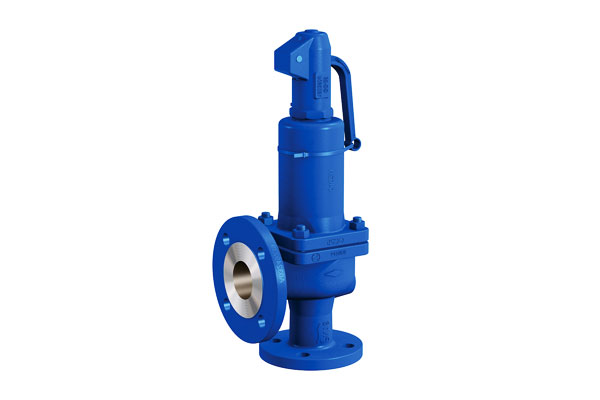
A pahu hopu palekana is one of the most crucial pressure relief devices in industrial systems, ensuring safe operation by automatically releasing excess pressure.
Without safety Nā Vilves, industries that handle high-pressure gases, nā wai, or steam—such as oil and gas, mana pā'āʻu, Ke kālepaʻana, and pharmaceuticals—would face a heightened risk of equipment failure, explosions, and hazardous leaks.
Safety valves are more than just mechanical devices; ʻo lākou the final safeguard when other pressure control systems fail.
According to the U.S. Chemical Safety Board (CSB), aneane 20% of industrial accidents in pressure systems are linked to inadequate pressure relief mechanisms, ʻO Underscoring ko lākou mea nui.
1. What is a Safety Valve?
A pahu hopu palekana he automatic pressure-relief device designed to open when the pressure in a system exceeds a predetermined limit, known as the hoʻonoho kaomi, and to reclose once the system pressure returns to a safe level.
It acts as the last line of defense to protect equipment, Poolali, and personnel from overpressure conditions, which can otherwise lead to mechanical failure, explosions, or hazardous fluid leaks.
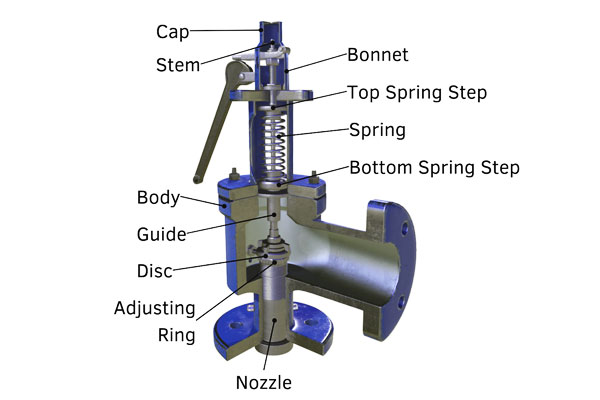
Key Characteristics of a Safety Valve:
- Automatic Operation: Requires no external power or control system to function.
- Rapid Response: Opens quickly when pressure exceeds safe limits.
- Self-Closing: Reseats automatically after discharging the excess pressure.
KAHAIAU:
The first safety valves were introduced in the 18th century during the early steam engine era to prevent boiler explosions, which were a common industrial hazard.
Modern designs have evolved to include spring-loaded, Pilot-Nerated, and balanced bellows types, catering to complex industrial requirements.
2. Working Principle of a Safety Valve
A pahu hopu palekana functions as a fail-safe pressure relief mechanism, automatically opening when the pressure in a system exceeds a predefined hoʻonoho kaomi and closing once the pressure returns to a safe level.
Its primary role is to prevent catastrophic failures of pressure vessels, Poolali, or equipment by discharging excess fluid (aila, māhu, or liquid) to the atmosphere or a safe outlet.
The operating principle is governed by a delicate balance between system pressure, mechanical forces (E.g., spring tension or pilot control), and the sealing integrity of the valve seat.
Key Mechanisms of Operation
The operation of a safety valve can be divided into three phases-closure, opening (lift), and reseating—each controlled by specific force interactions and pressure dynamics.
- Kūlana paʻa: A sealing disc is held against a seat by a spring or weight, opposing system pressure.
The closing force (spring/weight) is calibrated to balance the maximum allowable system pressure (hoʻonoho kaomi). - Wehe (Pop Action): When system pressure exceeds the set pressure, the upward force on the disc overcomes the closing force, lifting the disc to discharge fluid.
For spring-loaded valves, this occurs suddenly (pop) to minimize pressure accumulation. - Pani (Reseating): As pressure drops to the reseating pressure (set pressure minus blowdown), the closing force reseals the disc, restoring system integrity.
Key Performance Parameters
- Set Pressure: The calibrated pressure at which the valve begins to lift. Wahi a Asmime bpvccce a viii, this is typically set 10% above the MAWP (ʻO ke kaomiʻana i ka hana).
- Kahe ana: The maximum discharge rate (E.g., kg/h for steam, scfm for gas), determined by orifice size and pressure differential. Kii 520 outlines the calculation methods for required flow capacity.
- Pane pane: The time taken for full opening after exceeding set pressure. Ma nā noi koʻikoʻi, response times of <0.1 kekona mea pono.
- Backpressure Resistance: The valve’s ability to maintain accuracy despite downstream pressure. Balanced-bellows designs are used in high-backpressure environments.
3. Types of Safety Valves
Safety valves are classified based on their mīkini hoʻokō, design features, a me nā noi noi.
Each type is engineered to address specific operating conditions such as pressure range, keka ao, and fluid type.
Spring-Loaded Safety Valves
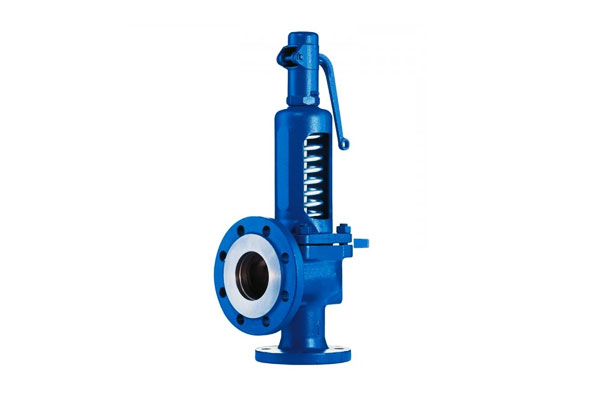
The most common design, spring-loaded safety valves utilize a compressed spring to hold the valve disc against the seat.
When the system pressure exceeds the set pressure, the force overcomes the spring tension, causing the disc to lift and release fluid.
- Nā hiʻohiʻona & Noi:
-
- Simple and compact design.
- Pinepine i loko nāʻaiʻana, Nā Hō'ī ea Air, and process vessels.
- Pressure range: 10 psi e luna 10,000 Psi.
- Available with different spring ratings to match varying set pressures.
- Loaʻa: Easy to install and maintain, reliable under fluctuating pressures.
Pilot-Operated Safety Valves
These valves use system pressure to assist the main valve operation through a pilot valve, which controls the opening of the main valve.
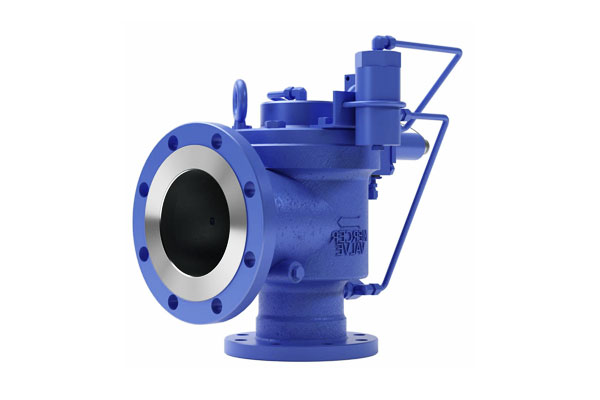
- Nā hiʻohiʻona & Noi:
-
- Offer ka hōʻailona paʻa and are ideal for systems requiring high pressure with minimal leakage.
- Kūpono no pono & Nā Pīpeku hau, high-capacity steam systems, a me nā noi cryogenic.
- Hiki ke lawelawe high backpressure better than spring-loaded designs.
- Loaʻa: Precise pressure control, smaller size for the same capacity, minimal set pressure deviation.
Thermal Safety Valves
Designed to protect systems from ka hoʻonuiʻana rather than large overpressure events.
These valves open when fluid temperature increases, causing pressure buildup due to liquid expansion in closed systems.
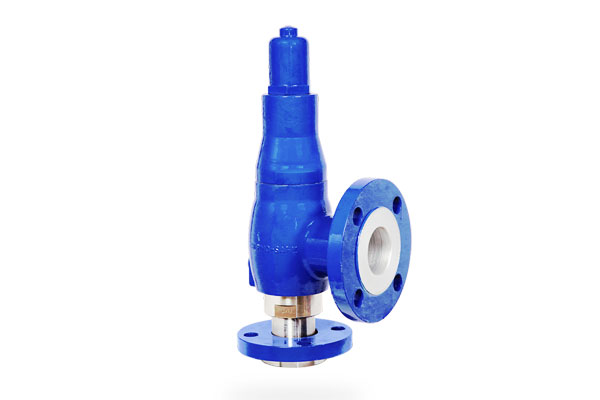
- Nā hiʻohiʻona & Noi:
-
- Maʻamau i loko hot water heaters, chillers, a me nā mea kālepa wela.
- Smaller discharge capacity than conventional safety valves.
- Loaʻa: Effective for small systems with localized thermal pressure spikes.
Balanced Bellows Safety Valves
Incorporate a bellows element to counteract the effect of backpressure on the valve disc. This ensures stable performance and prevents set pressure deviation.
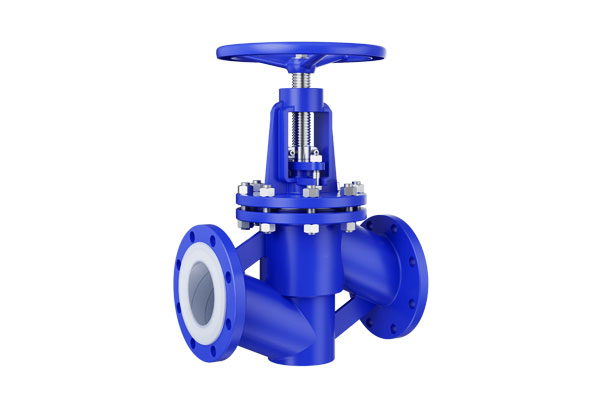
- Nā hiʻohiʻona & Noi:
-
- Used in systems with variable or high backpressure, e like me resineries, nā lāʻau kanu lāʻau, a Nā laina Steam kiʻekiʻe.
- Hiki ke lawelawe corrosive or toxic fluids when combined with special materials like Monel or Inconel.
- Loaʻa: Consistent opening pressure, protection against corrosive deposits on the spring.
Safety Relief Valves vs. Pressure Relief Valves
- Safety Valves: Hoʻolālāʻia no compressible fluids (E.g., māhu, aila, vapor). They snap open fully at set pressure.
- Relief Valves: I hoʻohana no incompressible fluids (E.g., nā wai). They open gradually, allowing controlled fluid release.
- Safety Relief Valves: Hybrid designs that work for both gases and liquids.
4. Materials and Construction of Safety Valves
The performance and reliability of a safety valve are heavily influenced by the materials used in its construction.
Safety valves must withstand kaumaha kiʻekiʻe, mahalaha loa, nā wahi kūlike, and repeated mechanical stress, all while maintaining precise sealing and responsiveness.
The choice of materials depends on the ʻano wai (aila, māhu, wai), Ke hoʻokō nei, Lumi mahalaha, and potential chemical compatibility.
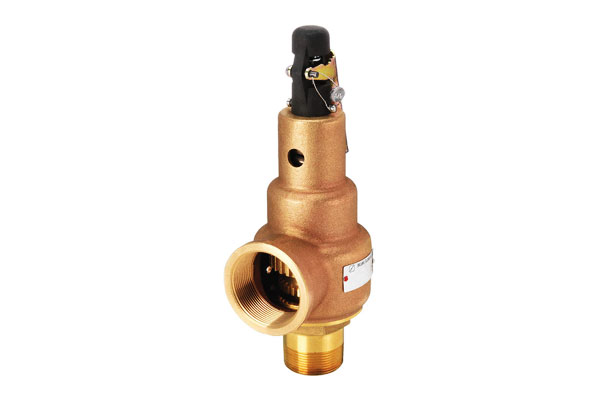
Common Body Materials
ʻAihue kīwī (Astm A216 WCB, A105):
- I hoʻohana nuiʻia no general-purpose applications such as steam systems and industrial pipelines.
- Good strength and toughness up to ~425°C (800° F).
- Cost-effective but offers ke kū'ēʻana i ka paleʻana.
Kila kohu ʻole (Astm A351 CF8M, 304/316):
- High resistance to Kuupuiawi, oxiyan, a me nā kiʻekiʻe kiʻekiʻe (A hiki i 600 ° C / 1110° F).
- Preferred in Kekau, petrochemimical, a me nāʻoihana meaʻai.
- 316 kila kohu ʻole, me ka mybdelum, provides superior resistance to chlorides and acidic environments.
SG Iron (Spheroidal Graphite Iron / Ui):
- Combines good mechanical strength and shock resistance.
- Maʻamau i loko medium-pressure systems, E.g., waterworks and HVAC.
Bronze and Brass (ASTM B61, B62):
- Ke kū'ē neiʻo Corrosion Corrossion, nui loa marine or water applications.
- Typically used in hoʻohaʻahaʻa- to medium-pressure systems a sanitary environments.
Nā'Ānela kūikawā (Molol, Actoel, Hailani, Titanium):
- Utilized for highly corrosive or extreme temperature conditions, e like me of 3Ikeha, Cessogen, or acid-processing applications.
- Monel is highly resistant to sea water and hydrofluoric acid.
- Inconel can withstand temperatures above 1000°C i superheated steam or high-temperature gas systems.
Trim and Seat Materials
- ʻO nā noho metala-a-metal (Kila kohu ʻole, Lealea):
-
- Kūpono no high-temperature steam or gas noi.
- Stellite coatings (cobalt-chromium alloy) holomua erosion and wear resistance.
- Soft Seals (Ptfe, Epdm, Vithaton):
-
- Hāʻawi ʻO ka hōʻailona paʻa-paʻa for liquids or low-pressure gas.
- Kūpono no food-grade, Ka Makani, aʻo nāʻoihana kūlohelohe where zero leakage is critical.
- Limited to lower temperature ranges (<200° C).
Nā'āpana kūloko
- Pūpuwe: Typically made of high-strength stainless steel or Inconel for corrosion and heat resistance.
- Disc/Plug: Hardened stainless steel or stellite-coated for durability under repeated impact.
- Bellows (for balanced valves): Manufactured from Inconel or stainless steel to resist corrosion and backpressure effects.
5. Key Standards and Certifications of Safety Valve
Safety valves must adhere to strict standards to ensure reliability and compliance:
- Asme Boiler & ʻO ka pā'ālua pā'ālua (Section I & Viii)
- API Standards (Kii 520, Kii 526, Kii 527)
- Iso 4126 – International Safety Valve Standards
- Ped (Aʻoaʻo Paʻi Paʻa, EU)
Testing involves seat tightness, set pressure verification, flow capacity checks, and response time measurements.
6. Applications of Safety Valves
Safety valves play a critical role in protecting equipment, personnel, and the environment by preventing overpressure in various industrial systems.
Their ability to automatically relieve excess pressure ensures that processes remain within safe operating limits, reducing the risk of explosions, equipment damage, or hazardous leaks.
Ailaʻaila a me nāʻoihana
- Pressure Protection: Safety valves are installed on pipeline systems, nā mea hoʻonohonoho, and storage tanks to prevent pressure surges caused by operational irregularities or equipment malfunctions.
- Offshore and Onshore Rigs: Used to protect drilling equipment and subsea systems, where overpressure can cause catastrophic failures.
- Cryogenic and LNG Systems: Safety valves designed for low-temperature and high-pressure environments ensure safe handling of liquefied gases.
Mana pā'āʻu
- Steam Boilers and Turbines: Safety valves are critical in Nā lawehala ōlohiʻana, preventing boiler explosions and safeguarding turbines against excessive steam pressure.
- Ka ikehu hou: I nā mea kanu lāʻau, safety valves protect heat transfer fluid systems from overheating and overpressure.
ʻO nāʻoihana a me nāʻoihana holoholona
- Reactors and Pressure Vessels: Safety valves protect chemical reactors and distillation columns from runaway reactions or unexpected pressure build-up.
- Hazardous Fluids: Valves constructed from corrosion-resistant materials (E.g., Molol, Hailani) are used for aggressive or toxic chemicals.
- Process Lines: Relief systems ensure safety during sudden flow surges or blockages.
Food and Pharmaceutical Industries
- Sanitary Applications:Hygienic safety valves are essential for food and beverage equipment, ensuring compliance with FDA and EHEDG standards.
- Sterile Environments: Safety valves in pharmaceutical manufacturing maintain pressure control without compromising product sterility.
- Low-Pressure Protection: Used in processing lines for ka hau, Poliuawaena co₂, or pasteurization systems.
HVAC and Water Systems
- Heating Boilers: Safety valves prevent boiler explosions or overpressure events in commercial and residential HVAC systems.
- Compressed Air Systems: Protect air receivers and compressors from pressure build-up caused by regulator failures.
- Municipal Waterworks: Applied in nā hale hoʻoheheʻe, nā mea hoʻomehana wai, a me nā mea kōkua kōkua to protect against surges.
ʻO nā noi a me nā noi o Marina
- Ship Boilers and Engines: Safety valves are essential in marine propulsion systems and fuel lines to ensure compliance with IMO safety regulations.
- Nā hanana lole: Protects equipment like compressors, nā mea hoʻonohonoho, and gas flaring systems.
Energy and Industrial Machinery
- ʻO nā'āpana makani: Hydraulic systems in wind turbines utilize safety valves to maintain safe operational pressure.
- Heavy-Duty Equipment: Safety valves are used in hydraulic presses, nā mea hoʻohālikelike, a pimps to prevent structural damage due to overpressure.
7. Advantages of Safety Valves
Safety valves are indispensable components in industrial systems due to their unique capabilities and benefits.
- Automatic and Reliable Pressure Relief
Safety valves operate autonomously without the need for external power or manual intervention.
They respond instantly to overpressure conditions, ensuring rapid protection of equipment and personnel. - Hoʻolālā Pale-Pale
Engineered as a last line of defense, safety valves default to an open position when system pressure exceeds the set limit, preventing catastrophic failure or explosions. - Intertility ma waena o nāʻoihana
Available in various designs and materials, safety valves can be customized for different media (aila, māhu, nā wai), mahana, Pili, a me nā wahi kūpono,
making them suitable for sectors such as oil and gas, mana pā'āʻu, Ke kālepaʻana, nā hale hakakala, a me hou aku. - High Flow Capacity and Accurate Pressure Control
Designed to handle large volumes of fluid quickly, safety valves maintain system pressures within safe limits, minimizing operational downtime and damage to equipment. - Durability and Long Service Life
Constructed from robust materials and designed for repetitive cycling, safety valves maintain performance over extended periods under harsh operating conditions. - Ease of Maintenance and Testing
Many safety valves can be tested and calibrated in situ, reducing maintenance costs and allowing for scheduled preventive maintenance to ensure continuous safety. - Kumukūʻai-kūpono
By preventing equipment damage and costly downtime due to overpressure incidents, safety valves contribute to significant savings over the lifecycle of industrial systems.
8. Safety Valve Sizing and Selection
Selecting and sizing the correct safety valve is a crucial step to ensure effective overpressure protection in industrial systems.
An improperly sized valve can either fail to relieve pressure adequately or cause unnecessary product loss and operational downtime.
The process involves careful consideration of system parameters, fluid characteristics, and regulatory standards.
Key Factors Affecting Safety Valve Sizing
- Set Pressure
The valve’s opening pressure, or set pressure, must be selected based on the system’s maximum allowable working pressure (Mawp).
Maki, the set pressure is set at or slightly above the MAWP, ensuring the valve activates only when necessary to prevent damage. - Relieving Capacity (Ka Holo Waike)
The valve must be capable of discharging enough fluid to reduce system pressure safely and quickly during an overpressure event.
This capacity depends on the maximum expected flow rate during relief conditions, which can be affected by the type of fluid (aila, māhu, or liquid), its temperature, a me ke kaumaha. - Fluid Properties
Characteristics such as phase (wai, aila, or vapor), huakai, Viscosity, keka ao, and corrosiveness influence valve design and sizing.
ʻo kahi laʻana, steam requires different flow calculations than liquids due to compressibility. - Backpressure
The pressure downstream of the valve outlet affects valve performance.
Some valves are designed to compensate for backpressure (balanced bellows designs), while others may require adjustments to sizing or selection. - System Configuration and Safety Margins
Considerations include possible scenarios causing overpressure (ka hoʻonuiʻana, blocked discharge, fire exposure), and safety margins are added to the valve’s capacity to accommodate uncertainties.
Sizing Methods and Standards
Sizing calculations for safety valves follow standardized methods defined in industry codes such as:
- Kii 520 / Kii 521
Provides detailed formulas and procedures for sizing safety valves for gas, māhu, and liquid service, incorporating fluid properties, discharge conditions, and valve characteristics. - ASME Boiler and Pressure Vessel Code (BPVC), Ike VIII
Offers guidance for pressure vessel relief devices, specifying allowable set pressures, overpressure allowances, and sizing methods. - Iso 4126
International standard for safety devices for protection against excessive pressure.
Valve Selection Considerations
- Valve Type and Service Compatibility
Select valve types suited to the fluid phase and operating environment (E.g., pilot-operated valves for high capacity, spring-loaded for simplicity). - ʻO nā kūpono kūpono
Match valve construction materials to fluid chemistry and temperature. - Nā kūlana hana
Account for temperature extremes, cycling frequency, and potential backpressure. - Hōʻoia a me ka hoʻokōʻana
Ensure the valve meets all relevant industry codes and customer specifications.
9. Common Failures and Maintenance of Safety Valves
Safety valve plays a critical role in industrial safety, but their effectiveness depends on proper maintenance and timely identification of potential failures.
Common Failures of Safety Valve
- Corrosion and Material Degradation
Exposure to harsh chemicals, kaiwa, and high temperatures can cause corrosion or erosion of valve components such as the valve seat, Disc, punawai, a me ke kino.
This leads to leakage, improper sealing, and loss of valve integrity. - Valve Sticking or Jamming
Deposits of dirt, kūkaku, or foreign particles can accumulate in the valve seat or moving parts, causing the valve to stick in either the open or closed position.
This can result in failure to open during overpressure or continuous leakage. - Improper Calibration and Set Pressure Drift
Ua holo ʻoi aʻe ka manawa, spring fatigue or mechanical wear can alter the set pressure, causing the valve to open at incorrect pressures.
This undermines the safety function by either opening too early (causing unnecessary releases) or too late (risking equipment damage). - Seat and Seal Damage
Repeated opening and closing cycles can wear out the valve seat and seals, compromising the valve’s ability to form a tight seal and leading to leakage. - Backpressure Effects
Excessive or fluctuating backpressure in the discharge line can affect valve operation, potentially causing premature opening or failure to reseat properly. - Mechanical Failures
Broken springs, bent discs, or damaged stems caused by mechanical fatigue or mishandling can render the valve inoperative.
Maintenance Practices for Safety Valve
- Regular Inspection and Testing
Periodic performance testing (E.g., pop testing) should be conducted to verify set pressure, reseating, and flow capacity.
Many standards recommend testing intervals based on operational criticality, typically annually or biennially. - Cleaning and Debris Removal
Cleaning internal components and ensuring the valve seat and disc are free from deposits helps prevent sticking and leakage. - Spring and Seal Replacement
Springs should be inspected for corrosion or loss of tension and replaced if necessary.
Seals and seats require regular inspection and refurbishment or replacement to maintain tightness. - Calibration Adjustment
Recalibrating the valve to the correct set pressure ensures precise operation and compliance with system safety requirements. - Lubrication of Moving Parts
Proper lubrication reduces wear and friction in valve mechanisms, enhancing responsiveness and longevity. - Documentation and Record-Keeping
Maintaining detailed records of inspections, Manaʻo, Hoʻoponopono, and replacements is essential for regulatory compliance and predictive maintenance.
10. Hoʻohālikelike me nā valves'ē aʻe
Safety valves are specialized devices designed explicitly for overpressure protection, but they share certain functional similarities with other valve types such as relief valves, Nā Wākē Kūʻai, and shut-off valves.
Understanding these differences helps clarify their unique roles in industrial systems.
| Pili | ʻO ka valve palekana | Relief Valve | Safety Relief Valve | ʻĀpana hoʻomalu |
| Hana phite | wikiwiki, full opening for emergency pressure relief | Gradual pressure release, mainly for liquids | Emergency relief for gases and liquids | Hoʻoponopono i ke kahe, Ka paipai, a iʻole ke wela |
| Operation Mode | Quickly opens at set pressure (pop action) | Opens proportionally as pressure rises | Opens fully or gradually depending on system | Continuously modulates during normal operation |
| Typical Fluid | Nā lāʻau, māhu | Nā wai | Gases and liquids | Gases and liquids |
| Kahe ana | High, unrestricted during emergency | Loli, controlled flow | High or controlled depending on design | Kāohiʻia, precise flow |
| Blowdown | Defined blowdown to prevent valve chatter | Minimal or adjustable | Variable blowdown | Pili ʻole |
| Fail-Safe Role | Critical safety device, fails open | Not primarily a fail-safe device | Acts as safety device for liquids and gases | Not designed for emergency safety |
| Nā noi maʻamau | ʻO nā paila mahu, Nā Pīpeku hau | Nā'ōnaehana Hydraulic, liquid pipelines | Ke kālepaʻana, pono & gas liquid systems | Process control in all industries |
| Hoʻolālā Kūʻai | ASME Section I & Viii, Kii 526 | Kii 520, Kii 526 | Meme, Kii | Isa, Iec, Kii |
11. Hopena
Safety valves 'Ekā Hoʻopiʻi manaʻo for ensuring the safe and reliable operation of industrial systems.
By automatically preventing overpressure, they protect equipment, personnel, and the environment.
With evolving industrial demands—such as higher operating pressures, 'ūpō, and stricter safety regulations—the design and maintenance of safety valve remain a cornerstone of modern engineering.
ʻO kēia: ʻO nā mea kūʻai aku kiʻekiʻe loa
ʻO kēia he mea lawelawe kūikawā no nā lawelawe kūʻai kūʻai, e hāʻawi ana i nā'āpana hana kiʻekiʻe no nāʻoihana e pono ai ke koi, Ke hoʻoikaika ikaika, a me ka pololei o ka dimensional.
Mai nā hale o nā mea hoʻokele i nā kino o nā kino machin, ʻO kēia Hāʻawi i nā hoʻololi o nā hopena hope e hoʻopau i nā hopena o nā mea e hoʻokō ai i nā kūlana honua olakino.
ʻO kā mākou Valve Casting Exptory:
Kāhaka kūʻai kūʻai No nā kino Valve & Trim
Hoʻohana i nāʻenehana casting was i hala e hana i nā geomet o nā geomet i loko o ka geomet.
Sand cread & Nā pāpale pīpī pale
Kūpono no ka medium i nā kino nui nui, flanges, a me nā bonnets-hāʻawi i kahi hopena kūpono-kūpono no nā noi pili pili, me ka aila & ʻO ka hanauna a me keʻano.
Ma ka hana pololei no ka bolve kūpono & Seal ingrity
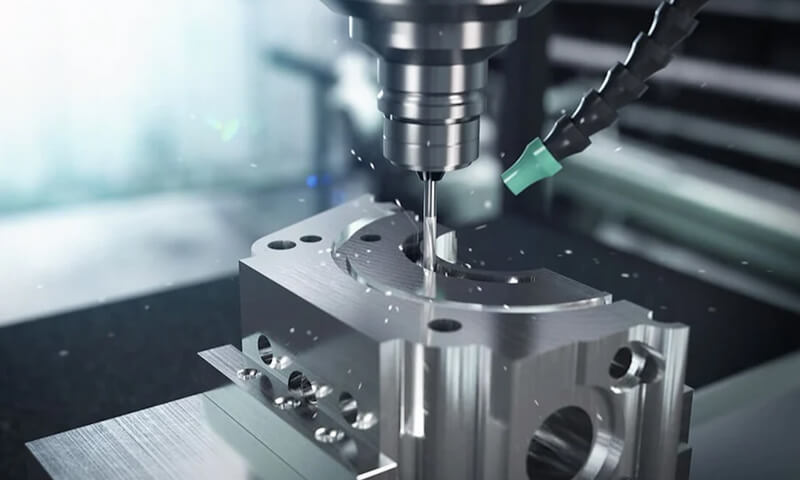
CNC makiʻi o nā noho, KauwaiHua, a me nā hōʻailona hōʻailona e hōʻoia i kēlā me kēia'āpana i huiʻia a me nā koiʻana a me ka hōʻailonaʻana i nā pono hana.
Nā Kūlana Kūʻai no nā noi koʻikoʻi
Mai nā mea kanu lāʻau (CF8 / CF8m / CF3 / CF3M), Keihei, Ui, e duplex a me ke kiʻekiʻe-alyy, ʻO kēia hoʻolako i nā hale kūʻai kūʻai kūʻai i kūkuluʻia e hana i ka hoʻoponoponoʻana, ikaika nui, a iʻole nā wahi kiʻekiʻe kiʻekiʻe.
Ināʻoe e koi i nā mea kanu maʻamau, pahu hopu palekana, nā hua waina honua, Nā Valoko, a iʻole ka hana kiʻekiʻe o nā hale kūʻai kūʻai kūʻai, ʻO kēia kāu hoa hilinaʻi no ka hemolele, durability, a me ka hōʻoia maikaʻi.
FaqS
What causes safety valve chattering?
Kipi (ʻO ka weheʻana / paniʻana) is caused by undersizing, excessive backpressure, or inlet pressure drop. It can damage the valve and system, requiring re-sizing or installation adjustments.
How does backpressure affect a safety valve?
Unbalanced valves experience set pressure drift (±1% per 10% backpressure). Balanced valves (with bellows) counteract this, maintaining accuracy.
What is the difference between a safety valve and a rupture disc?
Safety valves are reusable and adjustable, while rupture discs are one-time-use (burst at PS) and handle higher pressures. They are often used together for redundancy in critical systems.