1. Panimula
Surface finishing is the engineered sequence of processes that convert a raw casting into a functional, maaasahan, and certifiable component.
For precision castings — investment, keramika, permanent-mold, and fine sand castings — finishing is not merely cosmetic.
It controls Pagganap ng pagbubuklod, Pagkapagod Buhay, tribology, paglaban sa kaagnasan, dimensional fit, and regulatory acceptance.
This article synthesizes the technical principles, process choices, measurable targets, inspection methods, troubleshooting, and industry use-cases so engineers and procurement specialists can select and specify finishes with confidence.
2. What Is Surface Finishing for Precision Castings?
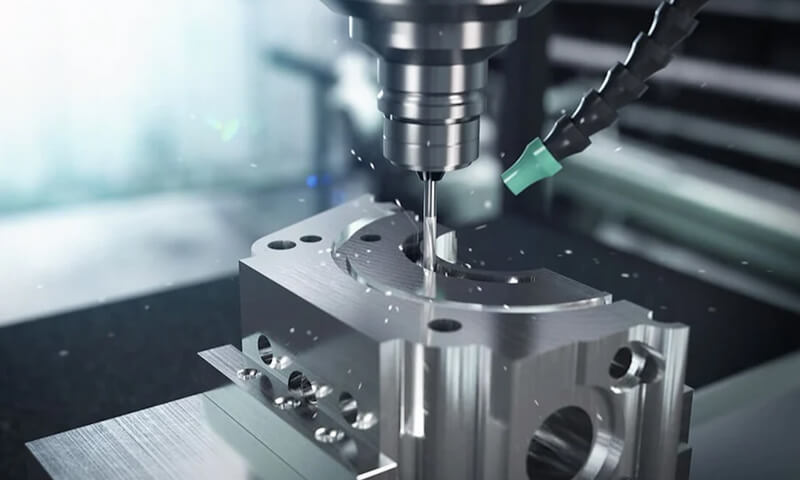
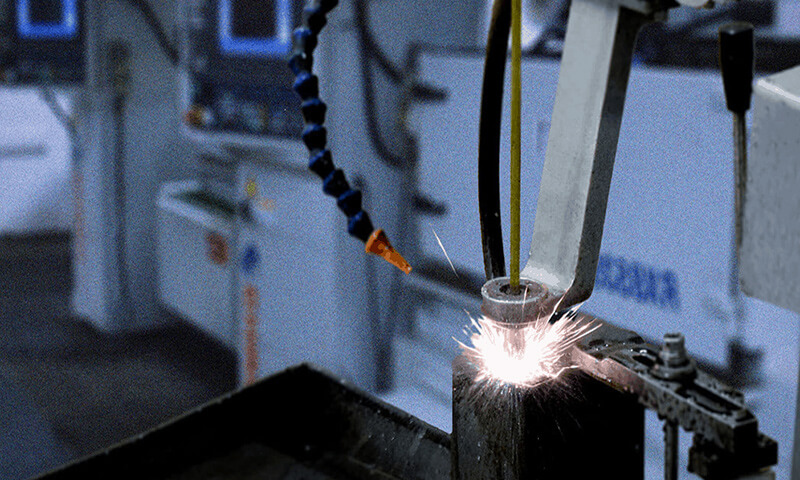
Surface finishing for precision castings encompasses a range of post-casting processes aimed at modifying the outer layer of a casting to meet specific functional, aesthetic, or dimensional requirements.
Unlike general finishing—which primarily removes gates, risers, or flash—precision finishing targets microscopic surface quality, functional performance, and dimensional consistency.

Mga Pangunahing Katangian:
- Microscopic Surface Quality: Precision finishing controls surface roughness (Ra), waviness (Wav), and micro-defects (pits, mga burr).
Halimbawa na lang, aerospace hydraulic components often require Ra ≤ 0.8 μm to ensure proper sealing and fluid dynamics. - Functional Performance: Finishing can enhance corrosion resistance (hal., via plating or passivation), improve wear resistance (hal., hard coatings or shot peening), and ensure biocompatibility for medical implants.
These treatments directly influence service life, pagiging maaasahan, and operational safety. - Dimensional Consistency: Precision finishing must preserve critical tolerances, often within ±0.01 mm, ensuring that components fit assembly requirements without compromising mechanical or sealing performance.
3. Key Objectives of Surface Finishing for Precision Castings
Surface finishing for precision castings goes far beyond aesthetics; ito ay isang critical factor in component performance, panghabang buhay, at kaligtasan. Its primary objectives are:

Enhance Corrosion Resistance
Precision castings, tulad ng stainless steel aerospace brackets o aluminum automotive parts, often operate in harsh environments—saltwater, mga kemikal, or high humidity.
Surface finishing creates protective barriers that significantly improve corrosion resistance:
- Passivation of 316L Stainless Steel: Forms a thin chromium oxide layer (2–5 nm) that removes free iron, reducing corrosion rates by up to 90% (ASTM A967).
- Anodizing of Aluminum Castings: Produces a porous oxide layer (10–50 μm) that enhances corrosion resistance 5–10× compared with untreated aluminum (Aluminum Association data).
Improve Wear and Abrasion Resistance
High-contact surfaces, tulad ng precision gear teeth o medical instrument jaws, require durable finishes to resist friction and wear:
- Hard Chromium Plating: Deposits a 5–50 μm layer with 65–70 HRC hardness, increasing wear life by 300% versus untreated steel (ASTM B117).
- Tungsten Carbide Thermal Spray: Coatings of 50–200 μm achieve 1200–1500 HV hardness, ideal for industrial pump impellers or cutting tools.
Control Friction and Lubricity
Moving components, kasama na ang aerospace hinge pins o automotive bearings, depend on surface smoothness to optimize friction:
- Polishing to Ra ≤0.2 μm: Reduces steel-on-steel coefficient of friction (COF) mula sa 0.6 sa 0.15 (ASTM G133).
- PTFE Coating: Adds a 5–15 μm layer with COF 0.04–0.1, crucial for medical devices like surgical scissors requiring smooth operation.
Achieve Aesthetic and Dimensional Compliance
Surface finishing enhances visual appeal and ensures precision:
- High-Gloss Polishing (Ra ≤0.025 μm): Applied to luxury automotive trim or architectural castings.
- Light Grinding (0.1–0.5 mm removal): Corrects minor as-cast deviations, ensuring tolerances of ±0.05 mm for aerospace fasteners.
Ensure Material Compatibility and Safety
Finishing also addresses biocompatibility and high-temperature performance:
- Titanium Castings: Passivation or electropolishing removes contaminants for medical implants (ASTM F86, ISO 10993).
- Ceramic Coatings (Al O, 50–100 μm): Applied on nickel-alloy castings (hal., Inconel 718) for gas turbines, maintaining integrity at 800°C.
3. Classification of Surface Finishing Processes
Surface finishing for precision castings is classified according to working principle, material interaction, and intended performance.

Each category is optimized for specific materials, mga geometry, and functional requirements. The following provides a detailed overview:
Mekanikal na Pagtatapos
Mechanical finishing relies on gasgas na gasgas, epekto nito, or pressure to modify the surface. Ito ay mainam para sa removing burrs, smoothing roughness, and preparing surfaces for coatings.
| Proseso | Technical Specs | Mga kalamangan | Mga Limitasyon | Mga Karaniwang Aplikasyon |
| Paggiling | Abrasive wheels (Al O, 60–120 grit); Ra 0.4–1.6 μm; material removal 0.1–1 mm | Precise dimensional control; mataas na repeatability | Slow on complex geometries | Aerospace engine shafts, medikal na implants |
| Polishing | Polishing compounds (alumina, diamond paste 0.05–5 μm); Ra 0.025–0.8 μm | Ultra-smooth surface; aesthetic finish | Labor-intensive for large parts | Luxury automotive trim, mga bahagi ng optical |
| Pagsabog ng buhangin | Abrasive media (Al O, mga salamin na kuwintas); Ra 0.8–6.3 μm; pressure 20–100 psi | Unipormeng tapusin; removes oxide scale | Risk of micro-pits if media is coarse | Coating prep, industrial gear housings |
| Shot Peening | Media: steel/glass 0.1–1 mm; coverage 100%; intensity 0.1–0.5 mmA | Induces compressive stress (200–500 MPa), improves fatigue life ~50% | Does not reduce roughness | Aerospace turbine blades, automotive springs |
| Pag-aayos | Lapping paste (diamond 0.1–1 μm); flatness ±0.001 mm; Ra 0.005–0.1 μm | Highest precision; ideal for sealing surfaces | Mabagal, mataas na gastos | Hydraulic valve seats, precision bearings |
Chemical Finishing
Chemical finishing modifies the surface through controlled reactions, dissolving or depositing material.
It is effective for internal features and complex geometries inaccessible to mechanical tools.
| Proseso | Technical Specs | Mga kalamangan | Mga Limitasyon | Mga Karaniwang Aplikasyon |
| Mga Kemikal na Etching | Hydrofluoric acid (Al), nitric acid (bakal na bakal); removal 5–50 μm; Ra 1.6–6.3 μm | Uniform finish on complex shapes; burr removal | Hazardous, requires ventilation | Microelectronics, fuel injector nozzles |
| Electropolishing | Phosphoric + Sulpuriko acid; current 10–50 A/dm²; Ra 0.025–0.4 μm | Smooths internal surfaces; improves corrosion resistance | High energy consumption | Medikal na implants, kagamitan sa pagpoproseso ng pagkain |
| Passivation | Nitric acid (SS), kromikong asido (Al); oxide layer 2–5 nm | Protective layer; no dimensional change | Alloy-limited | 316L aerospace brackets, kirurhiko instrumento |
Electrochemical Finishing
Electrochemical processes use electrical current with electrolytes to deposit or remove material, pagpapagana ng uniform coatings with strong adhesion.

| Proseso | Technical Specs | Mga kalamangan | Mga Limitasyon | Mga Karaniwang Aplikasyon |
| Electroplating | Chrome, nikel, ginto na; 5–50 μm; adhesion ≥50 MPa (ASTM B571) | High wear/corrosion resistance; pandekorasyon | Requires pre-cleaning; toxic electrolytes | Automotive piston rings, mga konektor ng kuryente |
| Electroless Plating | Ni-P; 5–25 μm; uniform coverage | No electrical contact needed; kahit patong patong na | Mabagal, mahal | Medikal na implants, langis & gas valves |
| Pagpapahid ng langis | Al alloys; oxide 10–50 μm; hardness 300–500 HV; kaagnasan >1000 h (ASTM B117) | Porous layer for dyeing; strong adhesion | Limited to Al/Mg | Aerospace brackets, electronics housings |
Thermal and Vacuum Finishing
Thermal and vacuum techniques modify surface chemistry or apply coatings under controlled high-temperature or low-pressure conditions, ideal for extreme performance applications.

| Proseso | Technical Specs | Mga kalamangan | Mga Limitasyon | Mga Karaniwang Aplikasyon |
| Thermal Spray Coating | WC, Al O; 50–200 μm; bond ≥30 MPa (ASTM C633) | High wear/temp resistance; thick coatings | Porous (needs sealing); costly equipment | Mga impeller ng bomba, gas turbine parts |
| PVD (Pisikal na Pagdeposito ng Singaw) | TiN, CrN; 1–5 μm; hardness 1500–2500 HV | Ultra-thin, mababang alitan, high adhesion | Vacuum equipment; mahal | Mga tool sa pagputol, precision gears |
| CVD (Kemikal na Pagdeposito ng Singaw) | SiC, DLC; 0.1–10 μm; temp 500–1000°C | Uniform on complex shapes; paglaban sa kemikal | High temp may distort parts | Semiconductors, high-temp valves |
Comparative Overview
| Proseso | Surface Roughness Ra | Coating/Layer Thickness | Pagkakatugma ng Materyal | Cost/Part (Small Precision Casting) | Lead Time | Mga Tala / Mga Karaniwang Aplikasyon |
| Paggiling | 0.4–1.6 μm | N / A | All metals, kasama na ang bakal, aluminyo, mga haluang metal ng tanso | $5–$20 | 10–30 min | Dimensional correction, burr removal, aerospace shafts, medikal na implants |
| Polishing | 0.025–0.8 μm | N / A | All metals, lalo na hindi kinakalawang na asero, aluminyo, titan | $10–$50 | 30–60 min | Ultra-smooth aesthetic finishes, mga bahagi ng optical, luxury automotive trim |
| Pagsabog ng buhangin | 0.8–6.3 μm | N / A | bakal na bakal, aluminyo, tanso, cast iron | $5–$15 | 15–45 min | Surface prep for coatings, oxide/scale removal, industrial housings |
| Shot Peening | 1–3 μm | N / A | bakal na bakal, mga haluang metal na titan, aluminyo | $10–$30 | 30–60 min | Induces compressive stress, improves fatigue life; aerospace and automotive springs |
| Pag-aayos | 0.005–0.1 μm | N / A | Hindi kinakalawang na asero, tool na bakal, Keramika | $50–$200 | 1–3 h | Precision sealing surfaces, balbula upuan, mga bearing |
| Mga Kemikal na Etching | 1.6–6.3 μm | 5–50 μm removal | Aluminyo, hindi kinakalawang na asero, mga haluang metal ng tanso | $15–$40 | 30–90 min | Burr removal, mga microelectronics, injector nozzles |
| Electropolishing | 0.025–0.4 μm | 5–20 μm | Hindi kinakalawang na asero, titan, mga haluang metal na nikelado | $20–$60 | 1–2 h | Paglaban sa kaagnasan, Mga Panloob na Channel, medikal na implants |
Passivation |
N / A | 2–5 nm | Hindi kinakalawang na asero, aluminyo alloys | $10–$30 | 30–60 min | Protective oxide layer, paglaban sa kemikal, medical and aerospace components |
| Electroplating | N / A | 5–50 μm | bakal na bakal, tanso, tanso, mga haluang metal na nikelado | $15–$40 | 1–2 h | Paglaban sa pagsusuot, proteksyon ng kaagnasan, decorative surfaces |
| Electroless Plating | N / A | 5–25 μm | Hindi kinakalawang na asero, mga haluang metal na nikelado, mga haluang metal ng tanso | $30–$80 | 2-4 na oras | Uniform coverage on complex geometries, medikal na implants, langis & gas valves |
| Pagpapahid ng langis | 0.8–3.2 μm | 10–50 μm | Aluminyo, magnesiyo | $8–$25 | 30–60 min | Corrosion protection, dyeable surfaces, aerospace and electronics casings |
| Thermal Spray Coating | 3–10 μm | 50–200 μm | bakal na bakal, mga haluang metal na nikelado, titan | $50–$150 | 2–6 h | Paglaban sa pagsusuot, high-temp protection, Mga Impeller ng Bomba, gas turbine components |
| PVD (Pisikal na Pagdeposito ng Singaw) | 0.05–0.2 μm | 1–5 μm | bakal na bakal, titan, cobalt alloys | $20–$60 | 2-4 na oras | Mga tool sa pagputol, precision gears, low-friction coatings |
| CVD (Kemikal na Pagdeposito ng Singaw) | 0.1–10 μm | 0.1–10 μm | Silicon, carbon composites, high-temp alloys | $100–$500 | 4–8 h | Semiconductor components, high-temp valves, DLC coatings |
5. Factors Influencing Process Selection
Selecting the optimal surface finishing process for precision castings requires a careful balance of material properties, functional goals, design constraints, dami ng produksyon, Mga Pagsasaalang alang sa Gastos, and industry standards.

Casting Material
Different alloys respond uniquely to finishing methods:
- Mga Alloys ng Aluminyo (A356, A6061): Best suited for anodizing (Pinahuhusay ang paglaban sa kaagnasan) and chemical etching (panloob na mga tampok).
Avoid high-temperature finishes (>300 °C) that risk softening. - Hindi kinakalawang na asero (316L, 17-4 PH): Passivation for corrosion resistance, electropolishing for smooth surfaces, and PVD coatings for wear resistance. Sandblasting is often used for surface preparation.
- Mga haluang metal ng Titanium (Ti-6Al-4V): PVD coatings for low friction, CVD for high-temperature stability, anodizing for biocompatibility.
Acidic etchants must be avoided to prevent hydrogen embrittlement. - Mga haluang metal ng Nickel (Inconel 718): Thermal spray coatings for wear resistance, CVD for chemical protection at elevated temperatures; mechanical polishing is suitable for aesthetic surfaces.
Functional Requirements
The intended function of the casting strongly influences process choice:
- Paglaban sa kaagnasan: Passivation (hindi kinakalawang na asero), pag anod ng (aluminyo), o electroplating (mga haluang metal na nikelado) for harsh chemical or saltwater environments.
- Magsuot ng Paglaban: Hard chromium plating (bakal na bakal), Mga patong ng PVD (TiN for cutting tools), or thermal spray coatings (tungsten carbide for pumps).
- Mababang alitan: Polishing to Ra ≤0.2 µm or PTFE coating reduces friction; avoid rough finishes (Ra >1.6 M) for moving components.
- Biocompatibility: Electropolishing (titan) o passivation (316L) ensures implant safety and compliance with ISO 10993 Mga Pamantayan.
Design and Geometry
Component geometry determines which processes are feasible:
- Complex Parts (Mga Panloob na Channel, mga undercuts): Chemical etching, electroless plating, or CVD—mechanical methods cannot reach hidden surfaces.
- Mga Bahagi na may manipis na pader (<2 mm): Use light polishing or anodizing; avoid aggressive mechanical methods (paggiling ng mga, pag peening ng shot) Upang maiwasan ang pagbaluktot.
- Large Components (>1 m): Sandblasting or spray coatings are efficient; manual polishing is impractical for such scales.
Cost and Production Volume
Economic factors influence the selection of finishing methods:
- Low Volume (1–100 parts): Mechanical processes (paggiling ng mga, buli na) or PVD coatings are suitable without high tooling investment.
- Mataas na Dami (1000+ mga bahagi): Automated anodizing, pag electroplating, or sandblasting leverage economies of scale, pagbabawas ng mga gastos sa bawat yunit.
- Cost Sensitivity: Pagsabog ng buhangin ($5–$15/part) is more economical than PVD ($20–$60/part), making it suitable for industrial components where aesthetic or ultra-high precision is less critical.
Mga Pamantayan sa Industriya
Compliance requirements are often decisive in process selection:
- Aerospace: ASTM B600 mandates Ra ≤0.8 µm for hydraulic components; PVD or lapping processes are used to meet specifications.
- Medikal na: ISO 10993 requires biocompatibility; electropolishing or passivation is essential for implants.
- Automotive: IATF 16949 specifies corrosion resistance (≥500 hours salt spray); pag anod ng (aluminyo) or galvanizing (bakal na bakal) is standard practice.
6. Common Challenges and Troubleshooting
Surface finishing for precision castings faces unique challenges, often tied to material properties or process parameters.
| Hamon | Root Cause | Recommended Troubleshooting |
| Uneven Surface Roughness | Non-uniform abrasive media (pagputok ng buhangin), inconsistent pressure or feed rate (grinding/polishing) | – Use graded abrasive media (hal., 80–120 grit aluminum oxide).- Employ CNC-controlled or automated grinding/polishing for consistent pressure.- Monitor feed rate to maintain uniform coverage. |
| Coating Adhesion Failure | Surface contamination (langis, oxide scale), incorrect electrolyte formulation, improper pre-treatment | – Perform thorough cleaning with solvents and ultrasonic baths.- Optimize electrolyte pH (hal., 2–3 for acid zinc plating).- Apply proper pre-treatment like phosphating or micro-etching for metals. |
Dimensional Distortion |
Excessive material removal during mechanical finishing, high-temperature processes (PVD/CVD) | – Limit grinding/polishing to minimal material removal (0.1–0.2 mm).- Use low-temperature PVD (<300 °C) for thin-walled or delicate parts.- Implement fixturing to stabilize parts during finishing. |
| Micro-Pitting / Surface Etching | Coarse abrasive media, aggressive chemical etchants | – Switch to finer abrasive media (hal., 120–180 grit glass beads).- Dilute etchants appropriately (hal., 10% nitric acid vs. 20%).- Control exposure time and temperature during chemical finishing. |
| Hydrogen Embrittlement | Acidic electrolytes (pag electroplating), high current density during electropolishing | – Bake parts post-finishing at 190–230 °C for 2–4 hours to release absorbed hydrogen.- Reduce current density (hal., 10 A/dm² instead of 50 A/dm²).- Use hydrogen embrittlement-resistant coatings or treatments where applicable. |
7. Industry-Specific Applications
Surface finishing for precision castings is critical across multiple industries where functional performance, kaligtasan, and aesthetics are paramount.

Different industries impose unique requirements, which dictate the selection of finishing techniques and quality standards.
| Industriya ng Industriya | Key Functional Requirements | Typical Finishing Processes | Mga Halimbawa |
| Aerospace | Paglaban sa kaagnasan, Pagkapagod Buhay, dimensional katumpakan | Polishing, electropolishing, Mga patong ng PVD, pag peening ng shot | Hydraulic actuators, mga blades ng turbine, Mga bracket ng istruktura |
| Medikal na & Dental | Biocompatibility, ultra-smooth surfaces, sterility | Electropolishing, passivation na lang, chemical etching | Surgical implants (titan), dental crowns, orthopedic screws |
| Automotive | Paglaban sa pagsusuot, friction reduction, aesthetic appeal | Hard chrome plating, pag anod ng, buli na, thermal spray coatings | Mga bahagi ng engine, precision gears, pandekorasyon trim, mga fuel injector |
| Enerhiya & Pagbuo ng Kapangyarihan | High-temperature stability, paglaban sa kaagnasan, Paglaban sa Pagsusuot | Thermal spray coatings, electroless nickel plating, PVD | Gas turbine components, Mga Impeller ng Bomba, heat exchanger tubes |
| Mga Elektronika & Mga de koryenteng | Surface conductivity, solderability, paglaban sa kaagnasan | Electroless nickel plating, Plating ng ginto, pag anod ng | Connectors, semiconductor housings, battery components |
| Mga Makinarya sa Industriya | Paglaban sa pagsusuot, katumpakan ng sukat, Pagkapagod Buhay | Pagbaril ng peening, paggiling ng mga, Mga patong ng PVD, pagtatapos ng kemikal | Hydraulic valve bodies, precision bearings, mga bahagi ng pump |
8. Innovations and Future Trends
The surface finishing industry is evolving to meet demands for sustainability, katumpakan, at kahusayan.
AI-Driven Automated Finishing
- Robotic Polishing/Grinding: AI algorithms (pag aaral ng makina) optimize tool path and pressure based on part geometry, reducing Ra variation from ±0.2 μm to ±0.05 μm (per Fanuc robotics data).
- Real-Time Quality Monitoring: Camera systems + AI detect defects (pits, hindi pantay na patong) during finishing, Pagbabawas ng mga rate ng scrap sa pamamagitan ng 30%.
Eco-Friendly Processes
- Low-VOC Coatings: Water-based anodizing electrolytes replace toxic solvents, reducing VOC emissions by 90% (complies with EU REACH).
- Dry Electroplating: Vacuum-based processes (PVD) eliminate liquid electrolytes, reducing water usage by 100% mga bes. traditional electroplating.
- Recyclable Abrasives: Ceramic media (reusable 500+ times) replaces single-use sand, cutting waste by 80%.
Nanocoatings for Enhanced Performance
- Nano-Ceramic Coatings: Al₂O₃ nanoparticles (1–10 nm) in thermal spray coatings improve hardness by 40% (1800 HV vs. 1200 HV) and corrosion resistance by 2×.
- Carbon na Parang Diamond (DLC) Nanocoatings: 50–100 nm thick, COF 0.02, ideal for medical devices (hal., surgical drills) and aerospace bearings.
Teknolohiya ng Digital Twin
- Virtual Finishing Simulation: Digital twins of cast parts predict how finishing processes (hal., paggiling ng mga) affect dimensions and surface quality, reducing trial runs from 5 sa 1.
- Predictive Maintenance: Sensors on finishing equipment (hal., paggiling ng mga gulong) track wear; AI predicts replacement needs, reducing downtime by 25%.
9. Pangwakas na Salita
Surface finishing for precision castings transforms metallurgical potential into reliable, certifiable performance.
The optimal finishing strategy balances functional targets (magsuot ng, seal, pagkapagod), mga hadlang sa materyal, geometry, throughput and regulatory needs.
Well-specified finishing — with quantitative targets (Ra, kapal ng patong, residual stress depth), documented controls, and proper inspection — reduces lifetime cost by improving durability, reducing rework and easing assembly.
Mga FAQ
What is the typical surface roughness (Ra) required for aerospace precision castings?
Aerospace precision castings (hal., Mga Bahagi ng Haydroliko) require Ra ≤0.8 μm (ASTM B600).
Critical parts like turbine blades may need Ra ≤0.4 μm, achieved via lapping or PVD.
How can I improve coating adhesion on precision cast aluminum parts?
Ensure proper surface preparation: clean parts with solvent + ultrasonic cleaning to remove oil/oxide scale, then etch with 10% sulfuric acid to create a micro-rough surface (Ra 1.6 M) for better coating grip.
Post-coating baking (120°C para sa 1 oras) also enhances adhesion.
Can surface finishing correct minor dimensional errors in precision castings?
Yes—light grinding (0.1–0.5 mm material removal) or lapping can fix deviations of ±0.05 mm.
For larger errors (>0.5 mm), mechanical finishing may distort the part; re-casting is preferred.
What is the most cost-effective surface finishing process for high-volume stainless steel precision castings?
Passivation is the most cost-effective ($2–$5/part) for high-volume stainless steel parts.
It forms a protective oxide layer (2–5 nm) with no dimensional change, meeting ASTM A967 corrosion standards.
Are there surface finishing processes suitable for titanium precision castings used in medical implants?
Yes—electropolishing (Ra ≤0.2 μm) removes contaminants and improves biocompatibility (ISO 10993), while anodizing (10–20 μm oxide layer) enhances osseointegration.
PVD (TiN) is used for load-bearing implants to improve wear resistance.
How does surface finishing affect the fatigue life of precision cast parts?
Processes like shot peening induce compressive stress (200–500 MPa) in the surface layer, increasing fatigue life by 50–100% vs. bare castings.
Smooth finishes (Ra ≤0.8 μm) also reduce stress concentrations, preventing crack initiation.