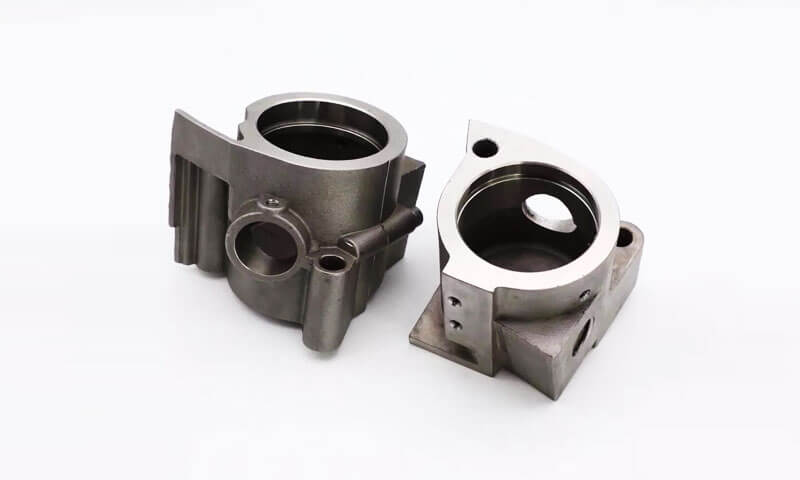
Cryogenic valve is a specialized fluid control component engineered to operate reliably at temperatures ≤ -150 °C (per ASME B31.3 and ISO 2801)—a range where standard industrial valves fail due to material brittleness, seal degradation, and thermal stress.
Ang mga ito Mga balbula regulate the flow of cryogens—liquefied gases like liquefied natural gas (LNG lng, -162 °C), liquid oxygen (LOX, -183 °C), liquid nitrogen (LIN, -196 °C), and liquid hydrogen (LH₂, -253 °C)—in applications spanning energy, aerospace, pangangalaga sa kalusugan, and industrial processing.
Unlike conventional valves, cryogenic designs must address unique challenges: extreme thermal contraction,
risk of brittle fracture, and the catastrophic consequences of cryogen leakage (hal., LNG vaporizes 600x its liquid volume, creating explosive hazards).
This article explores cryogenic valves from technical, disenyo ng disenyo, and operational perspectives, providing a comprehensive guide to their engineering, pagpili ng materyal, Pagsubok, and real-world application.
1. What Is a Cryogenic Valve: Core Function and Operational Boundaries
A cryogenic valve is a precision-engineered device designed to control the flow, presyon, or direction of cryogenic fluids while maintaining structural integrity, leak tightness, and operational reliability at ultra-low temperatures.
Unlike conventional valves, cryogenic valves are specifically designed to withstand extreme thermal contraction, material embrittlement, and chemical aggressiveness associated
with fluids such as liquid nitrogen (LIN), liquefied natural gas (LNG lng), liquid oxygen (LOX), and liquid hydrogen (LH₂).

Operational Boundaries
Cryogenic valves must operate reliably under conditions that exceed the limits of conventional valve design:
- Saklaw ng Temperatura: Karaniwan −150 °C to −273 °C, with some designs (hal., LH₂ service) tolerating temperatures below −253 °C.
- Pressure Ratings: Span low-pressure systems (≤ 2 MPa, hal., LIN in healthcare) sa ultra-high-pressure applications (≥ 30 MPa, hal., aerospace LH₂ fuel lines).
- Leak Tolerance: Extremely low permissible leakage, madalas na ≤ 1 × 10⁻⁹ Pa·m³/s (helium equivalent, per ISO 15848-1), to prevent frost accumulation, fluid loss, and safety risks.
- thermal pagbibisikleta: Must endure repeated transitions between ambient and cryogenic temperatures, as seen in LNG tanker loading/unloading or industrial storage cycles, Nang hindi nakompromiso ang integridad ng istruktura.
- Mga Hadlang sa Materyal: Selection of valve body, trim, mga tatak, and fasteners must resist malutong, kaagnasan, hydrogen embrittlement, and dimensional instability under thermal stress.
2. Design Challenges in Cryogenic Valves
Cryogenic valves operate under extreme thermal, mekanikal, and chemical conditions, which impose three fundamental design constraints.
Addressing these requires targeted engineering solutions that ensure reliability, kaligtasan, and long-term service life.

Thermal Contraction and Stress Management
- Hamon: All materials contract when cooled, but mismatched thermal expansion coefficients (CTE) sa pagitan ng mga bahagi (hal., valve body and stem) induce destructive thermal stress.
- Halimbawa: A 316L stainless steel valve body (CTE: 13.5 × 10⁻⁶/°C) and a titanium stem (CTE: 23.1 × 10⁻⁶/°C) sa paglipas ng 100 mm length will contract 1.35 mm at 2.31 mm, ayon sa pagkakabanggit,
mula sa 20 °C sa -196 °C, creating a 0.96 mm differential. This difference can seize the stem or damage seals. - Engineering Solutions:
-
- Material Matching: Select components with similar CTEs (hal., 316L body + 316L stem) to minimize differential contraction.
- Compliant Designs: Integrate flexible elements like Inconel 625 bellows to absorb thermal expansion/contraction.
Bellows also serve as secondary seals, preventing stem leakage. - Thermal Insulation: Apply vacuum-jacketed insulation or closed-cell cryogenic foam (hal., polyurethane) to reduce heat ingress, frost formation, and cyclic thermal stress.
Brittle Fracture Prevention
- Hamon: Metals can lose ductility at cryogenic temperatures, undergoing a ductile-to-brittle transition (DBTT).
Carbon bakal, halimbawa na lang, has a DBTT around -40 °C, making it unsuitable for LN₂ or LH₂ service. - Mga Solusyon:
-
- Pagpili ng Materyal: Prioritize austenitic stainless steels (304L, 316L), mga haluang metal na nikelado (Inconel 625), at titan, which retain ductility below -270 °C.
- Pagsusuri ng Epekto: Conduct Charpy V-notch (CVN) testing per ASTM A370—minimum 27 J sa -196 ° C para sa 316L, 40 J for Inconel 625.
- Stress Minimization: Avoid sharp corners or notches; use rounded fillets (≥2 mm radius) and smooth machining to reduce stress concentration.
Leak Tightness at Ultra-Low Temperatures
- Hamon: Cryogenic fluids are low-viscosity and highly volatile; even micro-gaps can result in significant leakage.
Conventional elastomers (hal., EPDM) become brittle below -50 °C and lose sealing ability. - Mga Solusyon:
-
- Low-Temperature Elastomers: Perfluoroelastomers (FFKM, hal., Kalrez® 8085, -200 °C sa 327 °C) or glass-fiber reinforced PTFE (-269 °C sa 260 °C) maintain elasticity at cryogenic temperatures.
- Metal-to-Metal Seals: For ultra-high-pressure or oxygen service, malambot na mga metal (annealed copper, OFHC copper) deform under compression to form tight seals.
- Double Sealing: Combine primary seat seals with secondary bellows or gland seals to provide redundancy and mitigate leakage risk.
3. Types of Cryogenic Valves: Design and Application Suitability
Cryogenic valves are categorized by their flow-control mechanism, each optimized for specific functions (on/off, throttling, non-return). Nasa ibaba ang mga pinaka karaniwang uri:
Cryogenic Mga Ball Valve
- Disenyo: A spherical ball with a central bore rotates 90° to control flow. Cryogenic versions feature:
-
- Anti-blowout stems (prevent stem ejection under pressure).
- Blowout-proof seats (vent holes to relieve pressure if seats fail).
- Vacuum-jacketed bodies (for LNG service) to minimize heat ingress.

Cryogenic Ball Valve Component
- Pagganap: Fast on/off operation (0.5–2 seconds), low pressure drop (full-port designs), and leak tightness (ISO 15848 Class AH).
- Mga Aplikasyon: LNG loading/unloading, LH₂ fuel lines, and industrial cryogen transfer (on/off service).
- Halimbawa: API 6D cryogenic ball valves for LNG terminals (pressure rating: 150–600 ANSI Class, temperatura: -162 °C).
Cryogenic Mga Valve ng Globe
- Disenyo: A plug (disc) moves linearly against a seat to throttle flow. Cryogenic modifications include:
-
- Extended bonnets (increase distance between ambient-temperature actuator and cryogenic fluid, preventing actuator freeze-up).
- Balanced plugs (reduce operating torque by equalizing pressure on both sides of the disc).

Cryogenic Globe Valve Component
- Pagganap: Excellent throttling control (flow turndown ratio: 100:1), but higher pressure drop than ball valves.
- Mga Aplikasyon: Cryogenic fluid regulation (hal., LOX flow in rocket engines, LIN flow in MRI coolers).
- Halimbawa: ASME B16.34 globe valves for aerospace LH₂ systems (temperatura: -253 °C, presyon: 20–30 MPa).
Cryogenic Mga Valve ng Gate
- Disenyo: A sliding gate (wedge or parallel) opens/closes the flow path. Cryogenic designs feature:
-
- Flexible wedges (accommodate thermal contraction without binding).
- Lubricated stems (using cryo-compatible grease, hal., Krytox®).

Cryogenic Gate Valve Component
- Pagganap: Low pressure drop (full flow when open), suitable for large diameters (2–24 inches), but slow operation (5–10 seconds).
- Mga Aplikasyon: LNG storage tanks, cryogenic pipelines, and industrial process lines (on/off service for large flows).
- Halimbawa: API 600 gate valves for LNG tank farms (presyon: 600 Klase ng ANSI, temperatura: -162 °C).
Cryogenic Suriin ang Mga Valve
- Disenyo: A one-way valve preventing reverse flow, using a ball, disc, or poppet. Cryogenic versions include:
-
- Spring-loaded balls (ensure closure in vertical installations, where gravity alone is insufficient).
- Polymer seats (FFKM) for tight sealing.

Cryogenic Check Valve Components
- Pagganap: Fast response to reverse flow (0.05–0.2 seconds), preventing cryogen backflow that could damage pumps or tanks.
- Mga Aplikasyon: LNG pump discharge lines, LOX storage return lines, and LH₂ fuel systems.
- Halimbawa: API 594 spring-loaded ball check valves (temperatura: -196 °C, presyon: 150 Klase ng ANSI).
4. Pagpili ng Materyal: The Foundation of Cryogenic Valve Reliability
Material choice directly determines valve performance, with selections guided by low-temperature toughness, CTE matching, and chemical compatibility with cryogens. Below is a breakdown of key materials by component:
Valve Body (Pressure Boundary)
- Austenitic Hindi kinakalawang na asero (316L, 304L):
-
- Mga Katangian: 316L (16–18% Cr, 10–14% Ni, 2–3% Mo) offers CVN = 27 J sa -196 °C, CTE = 13.5 × 10⁻⁶/°C, and resistance to LNG impurities (H₂S, mga klorido).
- Mga Aplikasyon: General cryogenic service (LNG lng, LIN, LOX).
- Mga haluang metal ng Nickel (Inconel 625, Monel 400):
-
- Inconel 625 (Ni-21% Cr-9% Mo): CVN = 40 J sa -253 °C, tensile strength = 1,200 MPa sa -196 °C—ideal for LH₂ and ultra-high-pressure service.
- Monel 400 (Ni-67% Cu): Resists LOX oxidation and seawater corrosion—used in marine LNG valves.
- Titanium Mga haluang metal (Ti-6Al-4V):
-
- Mga Katangian: Mataas na ratio ng lakas sa timbang (tensile = 1,100 MPa sa -196 °C), mababang density (4.5 g/cm³), and hydrogen compatibility.
- Mga Aplikasyon: Aerospace LH₂ valves (weight-sensitive).
I-trim (Disc, Upuan, halamang singaw sa paa)
- 316L Hindi kinakalawang na Asero (Cold-Worked): Hardness = 250 HV (mga bes. 180 HV annealed), enhancing wear resistance for ball/seat interfaces.
- Stellite 6: Cobalt-based alloy (Co-27% Cr-5% W) with hardness = 38 HRC—resists LOX-induced wear and oxidation (used in LOX valve seats).
- Inconel 718: Nickel alloy with high fatigue strength (10⁷ cycles at -196 °C)—ideal for valve stems in cyclic service (hal., rocket engines).
Mga Tatak
- FFKM (Perfluoroelastomers): Retains elasticity down to -200 °C, compatible with all cryogens—used in high-performance seals (LH₂, LOX).
- Modified PTFE: Glass-fiber or bronze-reinforced PTFE improves toughness (CVN = 5 J sa -196 °C)—cost-effective for LIN and LNG service.
- Copper/Monel Seals: Soft metals for metal-to-metal sealing (ultra-high-pressure LH₂, 50 MPa)—form tight seals via plastic deformation.
Mga fastener
- A4-80 (316L Hindi kinakalawang na Asero): Tensile strength = 800 MPa sa -196 °C, compliant with ISO 898-4—used for general cryogenic bolts/nuts.
- Inconel 718: Tensile strength = 1,400 MPa sa -253 °C—for ultra-high-pressure fasteners (LH₂ systems).
5. Testing and Certification: Ensuring Cryogenic Reliability
Cryogenic valves undergo rigorous testing to validate performance against industry standards. Key tests include:
Cryogenic Thermal Cycling Test (ASTM E1457)
Valves are cycled between ambient temperature (20 °C) and operational cryogenic temperature (hal., -162 °C for LNG) 50–100 times.
After cycling, they are inspected for leaks, structural damage, and operational functionality. Pass Criteria: No visible cracks, leak rate ≤ 1 × 10⁻⁹ Pa·m³/s.
Helium Leak Testing (ISO 15848-1)
The gold standard for leak detection—valves are pressurized with helium (a small molecule that penetrates micro-gaps) and tested with a mass spectrometer. Mga Klase:
- Class AH: ≤ 1 × 10⁻⁹ Pa·m³/s (critical service: LNG lng, LH₂).
- Class BH: ≤ 1 × 10⁻⁸ Pa·m³/s (non-critical: LIN).
Pagsusuri ng Epekto (ASTM A370)
Charpy V-notch specimens are taken from valve components (katawan, stem) and tested at operational temperatures.
Minimum Requirements: 27 J for 316L at -196 °C, 40 J for Inconel 625 ha -253 °C.
Pressure Testing (API 598)
Valves are subjected to:
- Shell Test: 1.5 × rated pressure (water or nitrogen) to check body integrity—no leakage or deformation.
- Seat Test: 1.1 × rated pressure (helium or nitrogen) to verify seat tightness—leak rate ≤ ISO 15848 limits.
6. Mga Aplikasyon: Where Cryogenic Valves Are Indispensable
Cryogenic valves enable critical operations across industries, each with unique requirements:
LNG Industry (-162 °C)
- Liquefaction Plants: Gate valves control feed gas flow; globe valves throttle refrigerant (hal., propane) in cooling cycles.
- Tankers and Terminals: Ball valves handle LNG loading/unloading (fast on/off, leak tightness); check valves prevent backflow in transfer lines.
- Regasification Facilities: Globe valves regulate LNG vaporization (throttling control); ball valves isolate storage tanks.
Aerospace at Pagtatanggol (-183 °C sa -253 °C)
- Rocket Propulsion: Globe valves throttle LOX and LH₂ flow to engines (mataas na presyon, 30 MPa); check valves prevent fuel backflow.
- Satellite Cooling: Miniature ball valves (1/4–1/2 inch) control LIN flow for satellite thermal management (low pressure, ≤ 2 MPa).
Healthcare and Research (-196 °C)
- MRI Machines: Small check valves regulate LIN flow to cool superconducting magnets (leak tightness critical to avoid magnet quenching).
- Cryopreservation: Globe valves throttle LIN/LH₂ flow for biological sample storage (precise temperature control).
Industrial Processing (-78 °C sa -196 °C)
- Chemical Manufacturing: Ball valves handle liquid CO₂ (-78 °C) in carbonation processes; gate valves control cryogenic solvents (hal., liquid ethane).
- Metal Processing: Globe valves regulate LIN flow for heat treatment (hal., cryogenic hardening of steel).
7. Maintenance and Lifespan Considerations
Cryogenic valves require specialized maintenance to ensure long service life (10–20 years for well-maintained units):
Routine Inspection
- Leak Checks: Monthly helium leak testing of seals (focus on stem and body joints) to detect early degradation.
- Frost Buildup: Inspect insulation for damage—frost on the valve body indicates heat ingress (replace insulation immediately).
- Actuator Function: Test electric/pneumatic actuators at ambient and cryogenic temperatures to ensure smooth operation (avoid actuator freeze-up with heating tapes if needed).
Preventive Maintenance
- Seal Replacement: FFKM seals last 2–3 years in cyclic service; replace PTFE seals every 1–2 years (sooner if leakage exceeds limits).
- Pamahid: Use cryo-compatible grease (hal., DuPont Krytox® GPL 227) on stems and moving parts—avoid mineral oils (they solidify at cryogenic temps).
- Thermal Stress Relief: After major maintenance (hal., body repair), perform a single thermal cycle (ambient to -196 °C) to relieve residual stress.
Common Failure Modes and Solutions
| Mode ng Pagkabigo | Root Cause | Diskarte sa Pagpapagaan |
| Stem Seizure | Thermal expansion mismatch, ice buildup | Use CTE-matched materials; improve insulation; periodic lubrication |
| Seat Leakage | Seal degradation, particle contamination | Replace seals; install upstream filters; use compatible cryogenic materials |
| Body Cracking | Brittle fracture due to low-temperature stress | Validate material toughness (CVN); avoid sharp corners; perform cryogenic testing |
| Actuator Malfunction | Frost accumulation or mechanical wear | Ensure extended bonnet design; periodic actuator testing; use heating if needed |
8. Future Trends in Cryogenic Valve Technology
Innovation in cryogenic valves is driven by the growing demand for LNG, hydrogen energy, and aerospace exploration:
- Smart Cryogenic Valves: Integrate sensors (temperatura, presyon, panginginig ng boses) and IoT connectivity to monitor leak rates and component health in real time.
Halimbawa na lang, fiber-optic sensors embedded in valve bodies detect thermal stress before cracking occurs. - Mga Advanced na Materyal: Mga alloy ng mataas na entropiya (HEAs, hal., AlCoCrFeNi) offer superior toughness at -270 °C (CVN = 50 J) and corrosion resistance—targeted for LH₂ and space exploration applications.
- Paggawa ng Additive (AM): 3D-printed valve bodies (Inconel 718) enable complex internal geometries (hal., integrated bellows) that reduce weight by 30% mga bes. cast designs.
AM also improves material uniformity, reducing brittle fracture risk. - Low-Energy Actuation: Electric actuators with cryogenic-rated motors (hal., brushless DC motors) replace pneumatic actuators, reducing energy consumption and eliminating compressed air systems in remote LNG facilities.
9. Pangwakas na Salita
Cryogenic valves are the unsung heroes of ultra-low-temperature systems, translating complex engineering principles into safe, reliable fluid control.
Their design must balance material science (tigas na tigas, CTE matching), sealing technology (leak tightness), and operational demands (thermal cycling, presyon), all while complying with strict industry standards.
From LNG terminals powering cities to rocket engines exploring space, these valves enable the efficient, safe use of cryogens that are critical to modern energy and technology.
As the world shifts toward cleaner energy (LNG lng, hydrogen) and advanced aerospace capabilities, cryogenic valve technology will continue to evolve—driven by the need for higher performance, lower emissions, and greater durability.
For engineers and operators, understanding the nuances of cryogenic valve design, pagpili ng materyal, and maintenance is not just a technical requirement but a strategic imperative to ensure the success of next-generation cryogenic systems.
Mga FAQ
Can conventional valves be modified for cryogenic service?
No—conventional valves lack critical features like extended bonnets, low-temperature seals, and CTE-matched components.
Modifying them (hal., adding insulation) risks brittle fracture, leakage, or actuator failure at cryogenic temperatures.
What is the maximum allowable leak rate for LNG valves?
Per ISO 15848-1 Class AH, LNG valves must have a fugitive emission rate ≤ 1 × 10⁻⁹ Pa·m³/s (helium leak rate). This prevents hazardous LNG vapor buildup in enclosed spaces.
Why are austenitic stainless steels preferred over carbon steel for cryogenic valves?
Austenitic hindi kinakalawang na asero (304L, 316L) have no ductile-to-brittle transition temperature (DBTT) sa itaas -270 °C, retaining ductility at cryogenic temperatures.
Carbon steel becomes brittle at ≤ -40 °C, making it prone to shattering.
How do cryogenic valves prevent actuator freeze-up?
Extended bonnets increase the distance between the cryogenic fluid and actuator, keeping the actuator at ambient temperature.
Some designs also include electric heating tapes or insulation around the bonnet to prevent frost buildup.
What is the service life of a cryogenic valve?
Well-maintained cryogenic valves (316L body, FFKM seals) have a service life of 10–20 years in LNG service.
In more demanding applications (LH₂, aerospace), service life is 5–10 years due to higher cyclic stress.