When choosing aluminum for your project, understanding the differences between billet, cast, at forged aluminum ay napakahalaga.
Each form of aluminum has its unique properties, making it more suitable for certain applications.
Sa gabay na ito, we’ll explore what each type of aluminum is, ang mga benepisyo nito, and help you determine which is the best for your project.
1. What Is Billet Aluminum?
Billet aluminum refers to a solid piece of aluminum that has undergone initial processing such as melting, paghahagis ng mga, or hot rolling but has not yet reached its final product shape, laki ng, or surface quality requirements.
This material serves as an intermediate stage in the manufacturing process, acting as a starting point for creating a wide variety of finished aluminum products.
Billet aluminum is typically available in various forms, including plates, mga bar, mga profile, at mga tubo.

It is characterized by its high strength-to-weight ratio, making it suitable for applications where both durability and lightness are essential.
Dagdag pa, billet aluminum is known for its corrosion resistance, kadalian ng pagproseso, and aesthetically pleasing surface, making it a popular choice for industries like aerospace, automotive, at arkitektura.
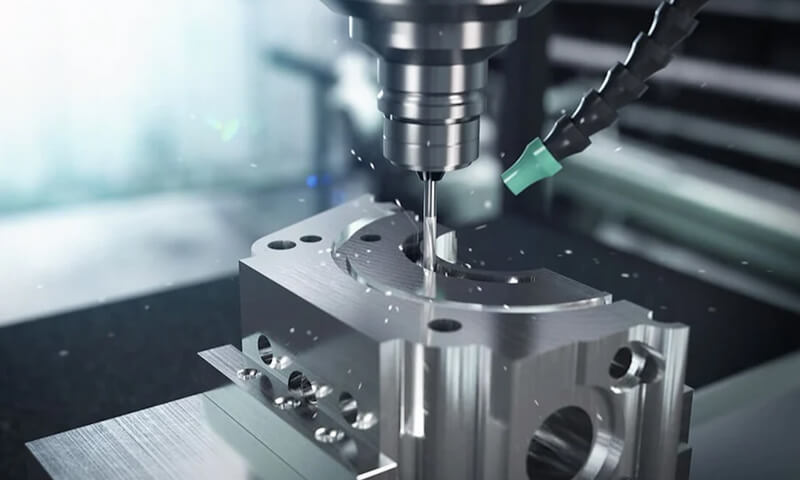
It can be further machined into precise components using techniques like CNC machining, allowing manufacturers to create custom parts with high levels of accuracy and quality.
2. The processing technology and workflow of billet aluminum.
Processing Technology
Aluminum billet processing technology refers to the technique of transforming raw aluminum materials (such as aluminum ingots and aluminum alloy billets)
into aluminum products or semi-finished products of the required shape and size through a series of processes.
These techniques include, but are not limited to, mainit na pagulong, malamig na pagulong, paglabas ng mga, and forging.
Aluminum Billet Processing Flow
Billet Preparation
- Pagpili ng Materyal: Select appropriate aluminum alloy materials based on product requirements to ensure that the material composition and properties meet standards.
- Pretreatment: Malinis na, degrease, and remove oxide layers from the aluminum billet to improve the quality and efficiency of subsequent processing.
Heating Treatment
- Heating Methods: Use gas furnaces, electric furnaces, or induction heating to heat the aluminum billet to a suitable processing temperature.
- Kontrol sa Temperatura: Strictly control the temperature during the heating process to avoid overheating or undercooling, which can degrade material performance.
Plastic Deformation Processing
- mainit na pagulong: Feed the heated aluminum billet into a rolling mill for hot rolling.
Through the compression of the rolling rolls, the material undergoes plastic deformation, gradually reducing its thickness and adjusting its shape. - malamig na paggulong: Based on hot rolling, cold rolling is performed to further improve material accuracy and surface quality.
During cold rolling, the rolling force and rolling speed need to be controlled to obtain the desired finished product size and performance. - Paglabas: Place the heated aluminum billet into a die and apply pressure using an extrusion press to extrude it from the die, forming the required shape of the profile.
During extrusion, the extrusion speed and pressure need to be controlled to obtain a uniform profile cross-section and good surface quality. - Pagbubuo ng mga: Heat the aluminum billet to a certain temperature and then forge it using a hammer or press to undergo plastic deformation and shaping.
Sa panahon ng pagkukulang, the forging temperature and force need to be controlled to obtain good forging microstructure and performance.
Cooling and Heat Treatment
- Paglamig: Cool the processed aluminum product to lower its temperature and fix its shape. Cooling methods include natural cooling, water cooling, and air cooling.
- Paggamot ng Heat: According to product requirements, perform annealing, pagpapawi ng,
and other heat treatments on the aluminum product to improve its mechanical properties and corrosion resistance.
Surface Treatment and Cutting
- Paggamot sa ibabaw: Perform sandblasting, buli na, pag anod ng, and other surface treatments on the aluminum product to improve its surface quality and appearance.
- Pagputol: Cut and trim the aluminum product according to product requirements to meet different lengths and specifications.
Quality Inspection and Packaging
- Inspeksyon ng Kalidad: Conduct quality inspections on the processed aluminum product,
including dimensional inspection, surface quality inspection, and mechanical performance testing, to ensure that the product quality meets standards. - Packaging: Package the qualified aluminum product to prevent damage during transportation and storage.
Packaging methods include wooden frame packaging, carton packaging, and plastic packaging.
3. Benefits Of Billet Aluminum
Mataas na Lakas:
Billet aluminum is known for its high strength-to-weight ratio. This means that it can provide excellent structural support while being relatively lightweight.
This property is particularly advantageous in applications where weight reduction is critical, such as in automotive, aerospace, at industriya ng dagat.
Paglaban sa kaagnasan:
Aluminum has a natural corrosion resistance, which is further enhanced in billet aluminum through various processing techniques.
This makes it suitable for use in environments where exposure to moisture, mga kemikal, or other corrosive agents is likely.
Magaan ang timbang:
Tulad ng nabanggit kanina, billet aluminum is lightweight. This can lead to significant fuel savings and reduced emissions in transportation applications, as well as easier handling and installation in other sectors.
Dali ng Pagproseso:
Billet aluminum is easy to machine, hiwa, yumuko ka, at hinangin. This makes it a versatile material that can be shaped and formed into a wide range of products and components.
Tibay ng buhay:
Billet aluminum is durable and can withstand extreme temperatures and pressures. It is less likely to warp, basag na basag, or break under stress, making it a reliable choice for high-performance applications.
Aesthetic Appeal:
Billet aluminum can be polished, anodized, or coated to achieve a sleek, modern appearance. This makes it a popular choice for architectural and automotive applications where aesthetics are important.
Epektibo sa Gastos:
Although billet aluminum may have a higher initial cost compared to some other materials, its combination of strength, tibay ng katawan, and ease of processing often leads to longer service life and reduced maintenance costs.
This can make it a more cost-effective option in the long run.
Sustainability:
Aluminum is a highly recyclable material, and billet aluminum can be produced using recycled aluminum scrap.
This reduces waste and environmental impact, making it a sustainable choice for environmentally conscious consumers and businesses.
4. Applications of Billet Aluminum
Packaging Industry
Aluminum billets play a significant role in the packaging industry, primarily used for manufacturing various types of packaging materials.
Halimbawa na lang, they are used in food packaging, pharmaceutical packaging, and tobacco packaging.
Aluminum foil has excellent thermal insulation, paglaban sa kahalumigmigan, and oxidation resistance properties, effectively protecting packaged goods and extending their shelf life.

Architectural Decoration
In the construction field, aluminum billets are commonly used to make aluminum alloy doors, mga bintana, mga pader ng kurtina, mga kisame, and other architectural components.
Aluminum alloy materials are lightweight, hindi lumalaban sa kaagnasan, madaling iproseso, and aesthetically pleasing, making them widely used in the architectural decoration industry.
These components not only enhance the aesthetic appeal of buildings but also improve their structural stability and durability.
Chemical Industry
In the chemical industry, aluminum billets are used to make various types of chemical containers, mga tangke, at mga tubo.
Their corrosion resistance, high-temperature resistance, and good sealing properties make aluminum billets an ideal material in the chemical industry.
These containers and pipelines can withstand the erosion of various corrosive substances, ensuring the smooth operation of chemical production.
Industriya ng Elektronika
In the electronics industry, aluminum billets are commonly used to make electronic product casings, nalulubog ang init, and cooling plates.
Aluminum alloy has excellent thermal conductivity, effectively dissipating the heat generated in electronic products and ensuring their stable operation.
Dagdag pa, aluminum alloy casings have good electromagnetic shielding properties, helping to protect the electronic components inside electronic products from external interference.
Industriya ng Aerospace
Sa industriya ng aerospace, aluminum billets are widely used due to their lightweight and high-strength properties.
Aluminum alloy materials meet the requirements for material properties in the aerospace industry, tulad ng magaan na timbang, mataas na lakas, at paglaban sa kaagnasan.
Kaya nga, aluminum billets are often used to make components for aircraft, rockets, and other aerospace vehicles, such as fuselages, mga pakpak, and engine casings.
Paggawa ng Sasakyan
In the automobile manufacturing industry, aluminum billets also play an important role.
The lightweight, energy-saving, and environmentally friendly characteristics of aluminum alloy make it an ideal material for automobile manufacturing.
Aluminum billets are commonly used to make automobile bodies, mga pinto, mga bubong, at iba pang mga bahagi, reducing the overall weight of the vehicle, improving fuel economy, and reducing emissions.
Mga Kagamitan sa Sports
Aluminum billets are also commonly used to make various types of sports equipment, such as hiking poles, mga frame ng bisikleta, and golf clubs.
The lightweight, mataas na lakas, and corrosion resistance of aluminum alloy make these sports equipment more durable and perform better.
Other Fields
Besides the above fields, aluminum billets are also widely used in medical equipment, automation equipment, conveyor equipment, at iba pang larangan.
Halimbawa na lang, surgical beds and surgical lights in medical equipment often use aluminum alloy materials to ensure their stability and durability.
5. What Is Cast Aluminum?
Casting aluminum is a metal processing method used to produce aluminum parts with intricate shapes and high-volume production capabilities.
The process involves preparing pure aluminum or aluminum alloy ingots according to specific composition ratios.
These ingots are then heated until they reach a molten state, after which the liquid aluminum is poured into a mold cavity.
Professional molds or specialized processes are used to shape the molten aluminum, and once it cools and solidifies, the desired aluminum part takes form.

This method is ideal for producing complex components that would be difficult or costly to create with other manufacturing methods.
It is widely used in industries such as automotive, aerospace, at pang industriya na makinarya, where aluminum parts with detailed geometries are required.
Dagdag pa, casting aluminum provides the flexibility to produce large quantities of parts efficiently and cost-effectively.
6. Summary of the Cast Aluminum Processing Workflow:
- Pagpili ng Materyal: Choosing the right aluminum alloy.
- Melting and Alloying: Heating the aluminum and adding alloying elements.
- Paghahanda ng amag: Creating the mold (buhangin, metal, o keramika).
- Pagbubuhos ng: Pouring molten aluminum into the mold.
- Paglamig at Solidification: Allowing the aluminum to cool and solidify.
- Mold Removal: Breaking or opening the mold to reveal the casting.
- Paglilinis at Pagtatapos: Removing sand, mga burr, and smoothing surfaces.
- Paggamot ng Heat (Opsyonal na): Strengthening the aluminum through heat treatment.
- Inspeksyon at Kontrol sa Kalidad: Checking dimensions, tapos sa ibabaw, and integrity.
- Packaging at Pagpapadala: Packaging the final product for shipment.
7. Benefits Of Cast Aluminum
Cast aluminyo, a versatile and widely used material in manufacturing, offers several distinct advantages that make it ideal for a range of applications. Below are some of the key benefits:
Produksyon na Epektibo sa Gastos
Cast aluminum is generally more cost-effective than other forms of aluminum, such as billet or forged aluminum, because the casting process allows for the production of complex shapes with less material waste. This process is often used for high-volume production, reducing labor costs and overall expenses for manufacturers.
Kakayahang umangkop sa Disenyo
The casting process enables the creation of highly intricate shapes and geometries that would be difficult or expensive to achieve with other methods, tulad ng machining o pagkukulot. This flexibility makes it particularly useful for parts with complex designs, tulad ng mga bloke ng engine, mga pabahay, at mga bahagi ng istruktura.
Excellent Strength-to-Weight Ratio
Like other aluminum alloys, cast aluminum provides an excellent strength-to-weight ratio. It is strong enough to withstand heavy loads while being lightweight, which is crucial in industries like automotive and aerospace where reducing weight is often a top priority for efficiency and fuel savings.
Paglaban sa kaagnasan
Cast aluminum alloys are highly resistant to corrosion, lalo na sa malupit na kapaligiran. This property makes cast aluminum an excellent choice for outdoor applications, tulad ng konstruksiyon, automotive, at industriya ng dagat, where components are exposed to the elements.
Magandang thermal at electrical kondaktibiti
Aluminum is an excellent conductor of heat and electricity. Cast aluminum components, kaya nga, offer great thermal and electrical conductivity, making them ideal for electrical enclosures, nalulubog ang init, and components in the automotive and electronics industries.
Kakayahang ipasadya
Cast aluminum can be alloyed with various elements to achieve specific properties tailored to particular applications. This means that manufacturers can adjust the properties of the material, such as its strength, tigas na tigas, o magsuot ng resistensya, to meet the specific demands of their projects.
Low Shrinkage and Good Surface Finish
High-quality castings exhibit low shrinkage during solidification, which leads to more accurate and dimensionally stable parts. Dagdag pa, the casting process allows for smoother surface finishes, reducing the need for additional post-processing like polishing or grinding.
Recyclability
Cast aluminum is fully recyclable, which adds to its environmental appeal. The material can be melted down and reused in new products without losing its inherent properties, making it a sustainable option for companies aiming to reduce waste and carbon footprint.
8. Cast Aluminum Characteristics and Applications
Mga Katangian
- Good Casting Fluidity: Aluminum in its molten state easily flows to fill molds, making it suitable for manufacturing components with complex shapes.
- Easy to Weld: Cast aluminum components can be connected to other materials through welding, enhancing the overall structure’s strength and stability.
- Low Thermal Expansion Coefficient: Cast aluminum has a relatively low coefficient of thermal expansion, which helps to reduce size changes due to temperature variations.
- Magandang Paglaban sa Pagsusuot: Sa angkop na paggamot ng init, cast aluminum can exhibit excellent wear resistance, making it suitable for applications requiring resistance to friction and abrasion.

Mga Aplikasyon
- Industriya ng Automotive: Cast aluminum components are widely used in automobile manufacturing, tulad ng mga bloke ng engine, mga ulo ng silindro, transmission casings, at marami pang iba.
- Industriya ng Aerospace: Due to its lightweight and high-strength characteristics, cast aluminum is extensively applied in structural components and parts in the aerospace field.
- Industriya ng Konstruksyon: Cast aluminum is used in the manufacture of building doors, mga bintana, mga pader ng kurtina, at iba pang mga bahagi, offering aesthetics, paglaban sa kaagnasan, and good weatherability.
- Other Fields: Cast aluminum is also widely used in machinery manufacturing, electronic and electrical appliances, mga kagamitang medikal, and various other industries.
9. What is Forged Aluminum?
Forged aluminum refers to aluminum that has been reshaped through compression forces under high pressure, often using heat to improve its malleability.
Sa prosesong ito, raw aluminum or aluminum alloys are heated and subjected to hammering, pagpindot sa, o gumugulong, transforming them into the desired shapes and sizes.
This process can significantly enhance the strength and hardness of the aluminum material while maintaining its excellent electrical conductivity, thermal kondaktibiti, at magaan na katangian.

Key Characteristics of Forged Aluminum
- Enhanced Strength and Hardness:
-
- Istraktura ng Butil: The forging process aligns and refines the grain structure of the aluminum, resulting in a more uniform and dense material.
This alignment and refinement contribute to increased strength and hardness. - Elimination of Voids and Porosity: Forging eliminates internal voids and porosity, which are common in cast aluminum, leading to a more structurally sound material.
- Istraktura ng Butil: The forging process aligns and refines the grain structure of the aluminum, resulting in a more uniform and dense material.
- Consistent Material Properties:
-
- Pagkakapareho: The high-pressure forming process ensures that the material properties are consistent throughout the piece, making forged aluminum highly reliable for critical applications.
- Excellent Mechanical Properties:
-
- Electrical kondaktibiti: Forged aluminum retains the high electrical conductivity of the base material, making it suitable for electrical components.
- Thermal kondaktibiti: It also maintains excellent thermal conductivity, which is beneficial for heat exchangers and other thermal management applications.
- Magaan ang timbang: Despite the increased strength, forged aluminum remains lightweight, which is crucial for applications where weight is a significant factor.
- Formability:
-
- Shape Limitations: While forging can produce a wide range of shapes, it is generally limited to simpler forms compared to casting. Gayunpaman, the process can create intricate shapes with the use of multiple dies and steps.
Production Process
- Pag init ng katawan:
-
- The raw aluminum or aluminum alloy is heated to a temperature where it becomes more malleable but not molten.
This temperature is typically between 700°F and 900°F (371°C to 482°C).
- The raw aluminum or aluminum alloy is heated to a temperature where it becomes more malleable but not molten.
- Compression:
-
- The heated aluminum is placed in a die or mold and subjected to high pressure using methods such as hammering, pagpindot sa, o gumugulong.
This pressure causes the aluminum to deform and take on the shape of the die.
- The heated aluminum is placed in a die or mold and subjected to high pressure using methods such as hammering, pagpindot sa, o gumugulong.
- Paglamig:
-
- After shaping, the forged aluminum is allowed to cool. Controlled cooling processes can be used to further refine the material properties and reduce residual stresses.
- Pagtatapos:
-
- Post-forging, the part may undergo additional processes such as machining, paggamot ng init, and surface finishing to meet specific requirements.
10. Benefits Of Forged Aluminum
Forged aluminum stands out due to its superior mechanical properties and versatility in various demanding applications.
The forging process, which involves reshaping aluminum through compression forces under high pressure, provides several key advantages:
Pinahusay na Lakas at Tibay
- The forging process refines the internal structure of aluminum, resulting in improved grain alignment and a denser material.
This significantly enhances the strength and durability of forged aluminum, making it more resilient to high-stress environments. - Compared to cast or billet aluminum, forged aluminum is stronger, offering higher tensile and yield strength.
This makes it ideal for applications requiring high strength, such as aerospace and automotive components.
Pinahusay na Toughness
- Forging increases the material’s toughness by creating a more uniform and consistent grain structure.
This improves the aluminum’s resistance to impact and stress, reducing the likelihood of fractures or failures under load. - The internal structure of forged aluminum can withstand harsh conditions, making it suitable for high-stress and fatigue-prone environments,
tulad ng mga bahagi ng makina, mga bahagi ng istruktura, at mabibigat na makinarya.
Magaan Subalit Malakas
- Forged aluminum retains its natural lightweight properties while improving its strength.
This makes it particularly beneficial in industries where reducing weight is crucial, tulad ng aerospace, automotive, and military applications. - The combination of strength and lightweight design allows for higher performance and efficiency in parts such as wheels, mga estruktural na beam, at mga frame.
High Fatigue Resistance
- The forging process results in a material that can withstand repeated loading and unloading without suffering from fatigue failure.
Forged aluminum’s resistance to fatigue makes it ideal for components that experience constant stress, such as suspension parts, rotating machinery, at mga istraktura ng aerospace. - It is highly reliable in dynamic applications where fatigue resistance is critical.
Excellent Thermal and Electrical Conductivity
- Like other forms of aluminum, forged aluminum retains its excellent thermal and electrical conductivity, which is ideal for applications involving heat transfer or electrical systems.
- This makes forged aluminum suitable for components in heat exchangers, mga electrical housings, and other systems requiring efficient heat or electricity conduction.
Katumpakan at Katumpakan
- The forging process allows for the precise shaping of aluminum parts with tight tolerances.
This is essential in industries where dimensional accuracy is critical, such as in the manufacturing of turbine blades, mga bahagi ng aerospace, and automotive engine components. - Forged aluminum parts can be produced with complex geometries and superior surface finishes, contributing to the overall efficiency and performance of the final product.
Improved Corrosion Resistance
- While aluminum is inherently resistant to corrosion, the forging process can improve the material’s resistance to environmental factors.
The dense, uniform structure created during forging helps prevent the penetration of corrosive elements, making forged aluminum ideal for outdoor and marine applications.
Kakayahang umangkop sa Disenyo
- Forging allows for the creation of aluminum parts in a variety of shapes and sizes.
Mga kumplikadong geometry, such as parts with varying thicknesses and intricate designs, can be achieved with greater precision than through casting or machining. - This flexibility in design makes forged aluminum a preferred choice in industries that require customized, mataas na pagganap na mga bahagi.
Cost-Effectiveness for Large Volumes
- For high-volume production runs, forging can be a cost-effective method.
Once the tooling is in place, mass production can yield consistent, high-quality parts with minimal material waste, improving the overall cost-efficiency of manufacturing.
Sustainability
- Forged aluminum parts are highly recyclable, contributing to a more sustainable manufacturing process.
Aluminum can be reused and reprocessed with minimal loss of material properties, making it an environmentally friendly option for industries looking to reduce their carbon footprint.
11. What are the applications of forged aluminum?
Forged aluminum is widely used across various industries due to its exceptional strength, tibay ng katawan, at magaan na katangian. Narito ang ilang mga pangunahing aplikasyon:
Industriya ng Automotive
- Mga Bahagi ng Engine:
-
- Mga Piston: Forged aluminum pistons are used in high-performance engines for their strength and ability to withstand high temperatures and pressures.
- Pagkonekta ng mga Rod: These components connect the piston to the crankshaft and must be extremely strong and durable.
- Mga gulong: Forged aluminum wheels are popular for their lightweight strength, improving vehicle performance and fuel efficiency.
- Suspension Components:
-
- Control Arms: These components help control the movement of the wheels and must be strong and lightweight.
- Knuckles: Connect the steering system to the wheels and require high strength and durability.
- Brake Rotors: Forged aluminum brake rotors offer better heat dissipation and are lighter, contributing to improved braking performance.

Industriya ng Aerospace
- Mga Bahagi ng Istruktura:
-
- Mga pakpak: Forged aluminum is used in wing structures due to its high strength-to-weight ratio.
- Fuselage Frames: These frames provide the structural integrity of the aircraft and must be both strong and lightweight.
- Landing Gear: Components like landing gear struts and wheels must be able to handle significant loads and stresses.
- Engine Parts:
-
- Turbine Blades: These components operate under extreme conditions and require the high strength and thermal conductivity of forged aluminum.
- Compressor Blades: Forged aluminum is used in compressor sections of jet engines for its lightweight and strength.
Mga Kagamitan sa Sports
- Bicycle Frames and Components:
-
- Mga Frame: Forged aluminum frames are popular for their strength and lightweight, making them ideal for performance cycling.
- Handlebars: Must be strong and lightweight to handle the forces applied during cycling.
- Golf Clubs:
-
- Club Heads: Forged aluminum club heads offer a balance of weight and strength, enhancing the player’s performance.
- Mga shaft: Lightweight and strong shafts improve the overall performance of the golf club.
- Racquet Sports:
-
- Racquets: Forged aluminum racquets are used in tennis, badminton, and other racquet sports for their lightweight and strength.
Mga Makinarya sa Industriya
- Mga Bahagi ng Istruktura:
-
- Mga Frame: Forged aluminum frames are used in various industrial machines for their strength and lightweight.
- Mga panaklong: These components provide support and must be strong and durable.
- Mga Tool at Hardware:
-
- Wrenches: Forged aluminum wrenches are lightweight and strong, making them ideal for use in various settings.
- Bolts and Nuts: High-stress fasteners can be made from forged aluminum for their strength and corrosion resistance.
- Mga Pump at Valve:
-
- Mga Bahagi ng Bomba: Forged aluminum is used in pump housings and impellers for its lightweight and corrosion resistance.
- Mga Katawan ng Balbula: These components must be strong and resistant to corrosion, making forged aluminum an excellent choice.
Consumer Goods
- Mga kagamitan sa pagluluto:
-
- Pots and Pans: Forged aluminum cookware is known for its even heat distribution and durability.
- Household Tools:
-
- Garden Tools: Shovels, rakes, and other garden tools can be made from forged aluminum for their lightweight and strength.
- Mga Tool sa Kamay: Hammers, Mga Plier, and other hand tools benefit from the strength and lightweight properties of forged aluminum.
Industriya ng Dagat
- Boat Parts:
-
- Mga propeller: Forged aluminum propellers are lightweight and strong, providing efficient propulsion.
- Rudders: These components must be strong and durable to handle the forces of water.
- Mga Bahagi ng Istruktura:
-
- Frames and Supports: Forged aluminum is used in the structural components of boats and yachts for its lightweight and corrosion resistance.
12. Compare Billet vs Cast vs Forged Aluminum
While each type of aluminum has its benefits, understanding their differences helps to identify the best choice for specific needs. Here’s a side-by-side comparison:
| Aspekto | Billet Aluminum | Cast Aluminum | Pekeng Aluminum |
|---|---|---|---|
| Proseso ng Paggawa | Extruded or rolled and then machined | Molten aluminum poured into molds | Aluminum compressed under heat and pressure |
| Lakas ng loob | Mataas na | Katamtaman | Napakataas na |
| Gastos | Katamtaman | Mababa ang | Mataas na |
| Machinability | Napakahusay | Katamtaman | Mabuti na lang |
| Hugis Kumplikado | Katamtaman | Mataas na | Mababa ang |
| Tibay ng buhay | Mataas na | Katamtaman | Napakataas na |
| Mga Aplikasyon | Aerospace, automotive, pasadyang mga bahagi | Mga bloke ng engine, Mga pabahay ng bomba | Aerospace, mga bahagi ng suspensyon |
13. Billet Vs Cast Vs Forged Aluminum: Which Is The Best For Your Project?
- Mga Kinakailangan sa Proyekto: Una, clarify the specific requirements of your project, including required mechanical properties, shape complexity, badyet, and production cycle.
- Performance Requirements: If your project requires high-stress tolerance, epekto ng paglaban, or durability, forged aluminum may be the best choice.
If mechanical properties are moderate and cost reduction and processing simplicity are priorities, cast aluminum may be more suitable.
Billet aluminum is ideal for applications requiring high precision and stable mechanical properties. - Mga Pagsasaalang alang sa Gastos: When making a choice, consider the cost-effectiveness of each material. While forged aluminum offers excellent mechanical properties, it also comes with a higher cost.
Cast aluminyo, sa kabilang banda, is cost-effective and efficient for mass production. - Mga Kakayahan sa Pagproseso: Assess your processing capabilities and resources. If you have high-precision processing equipment and processes, you can choose billet or forged aluminum for further processing.
If your processing capabilities are limited, cast aluminum may be a better fit for your project.
14. DEZE: Your Expert Partner for Machining Aluminum Parts
Sa DEZE, we specialize in precision aluminum machining for a variety of industries.
Whether you’re looking for billet, cast, or forged aluminum parts, our expert team can help bring your designs to life with high-quality, matibay na mga bahagi.
With state-of-the-art CNC machining and a commitment to delivering precise and reliable parts, DEZE is your trusted partner in aluminum fabrication.
15. Pangwakas na Salita
Billet vs Cast vs Forged Aluminum, each offers unique benefits, making them suited for different applications.
Billet aluminum is ideal for custom, mataas na katumpakan na mga bahagi, cast aluminum is great for mass production of complex shapes, and forged aluminum excels in high-stress environments where strength and durability are paramount.
By understanding these materials’ differences, you can make the best decision for your project.
If you have any aluminum processing needs, Huwag po kayong mag atubiling Makipag ugnay sa Amin.