
Panimula
Hindi kinakalawang na asero entered the industrial scene in the early 20th century and earned its name because it truly seemed to resist rust.
Binubuo lalo na ng bakal, kromo, nikel, and trace elements, stainless steel combines unique properties that suit everything from skyscraper façades to surgical scalpels.
Pa, despite its many strengths, stainless steel comes with trade-offs.
Sa artikulong ito, we’ll examine the key advantages and disadvantages of stainless steel, bolstered by data,
so you can make informed decisions when selecting stainless steel for sheet-metal accessories or any other application.
Mga kalamangan ng Hindi kinakalawang na Asero
Superior kaagnasan paglaban
Stainless steel’s hallmark feature emerges from its minimum 10.5 % kromo nilalaman, which forms a self-healing chromium-oxide layer.
Dahil dito, mga grado tulad ng 304 exhibit corrosion rates as low as 0.01 mm / taon in neutral environments, habang ang 316 (may idinagdag na molibdenum) resists pitting in chloride solutions down to –0.2 V vs. SCE.
Bukod pa rito, this passive film regenerates instantly after minor scratches, ensuring long-term durability in harsh atmospheres.
Dahil dito, homeowners trust it for sinks and cookware, and chefs rely on it for kitchen utensils that contact acidic foods without pitting or rusting.

Mataas na Ratio ng Lakas sa Timbang
In addition to corrosion resistance, many stainless grades deliver tensile strengths ranging from 500 sa 1 200 MPa—often matching or exceeding structural carbon steels—while weighing roughly 20 % less.
Halimbawang, 17-4 PH Umabot 1 000 MPa in the H900 temper, making it ideal for shafts, mga gears, and high-load components that benefit from lighter weight without sacrificing strength.
Outstanding High-Temperature Performance
Dagdag pa rito, stainless steels maintain mechanical integrity and oxidation resistance at elevated temperatures.
310S retains more than 80 % of its room-temperature tensile strength at 800 °C, at 601 (a heat-resisting grade) operates continuously at 1 100 °C.
Dahil dito, industries such as power generation and petrochemicals rely on stainless for furnace components, heat-exchanger tubing, at mga sistema ng tambutso.
Excellent Hygienic Properties
Transitioning to sanitary applications, hindi kinakalawang na asero ay makinis, non-porous surface resists bacterial adhesion.
In food-service and medical environments, professionals sanitize stainless equipment with caustic cleaners or autoclaving, confident that the metal hides neither microbes nor residues.
Sa katunayan, a study found that properly polished 316L coupons showed zero colony-forming units after 24 hours in a broth culture¹.
Aesthetic Versatility and Finish Options
Beyond performance, stainless steel pleases the eye. Designers achieve mirror polishes (Ra < 0.1 M), brushed textures (Ra ≈ 0.4 M), or color anodic coatings for decorative panels and sculptures.
Bukod pa rito, its uniform finish reflects light evenly, lending a premium look to façades, mga kagamitan sa kusina, at alahas.
Recyclability at Sustainability
In terms of environmental impact, stainless steel stands out: modern alloys often contain 60–80 % recycled content, and the metal remains 100 % pwede na ba mag recycle indefinitely.
Bukod pa rito, producing stainless from scrap consumes up to 40 % mas kaunting enerhiya kaysa sa pangunahing produksyon, aligning with LEED credits and corporate ESG targets.
Resistance to Wear and Impact
Many martensitic and precipitation-hardening stainless grades—such as 420 at 630—achieve
Rockwell hardness values above HRC 40, enabling exceptional wear resistance in pump shafts, knife blades, and valve seats.
Dagdag pa, these alloys maintain toughness (Charpy V-notch > 50 J sa -40 ° C) under repeated impact, extending service life in dynamic applications.
Low Maintenance and Lifecycle Value
Sa wakas, stainless steel’s combination of corrosion resistance, lakas ng loob, and aesthetics reduces maintenance cycles.
Halimbawa na lang, architectural cladding systems fabricated from 316 grade often require only periodic washing, compared to painted steel, which demands repainting every 5–7 years.
Over a 50-year building life, stainless can deliver a 30–50 % lower total cost of ownership despite higher upfront material costs.
Mga disadvantages ng hindi kinakalawang na asero
Mas Mataas na Gastos sa Materyal
Una at higit sa lahat, stainless alloys carry a premium price tag.
Halimbawa na lang, 304-grade stainless costs roughly 20–30 % more per kilogram than standard carbon steel, while duplex or nickel-rich grades (hal., 2205, 316L) can run 50–80 % mas mataas.
Dahil dito, projects with tight budgets often reserve stainless for only the most critical components.

Lower Thermal Conductivity
Bukod pa rito, stainless steel’s thermal conductivity hovers around 15 W/m·K—only about 8 % of copper’s and 7 % of aluminum’s.
Bilang isang resulta, applications requiring rapid heat dissipation (like electronic heat sinks or cookware bottoms) perform poorly with stainless, leading engineers to choose alternative metals instead.
Challenging Fabrication and Machining
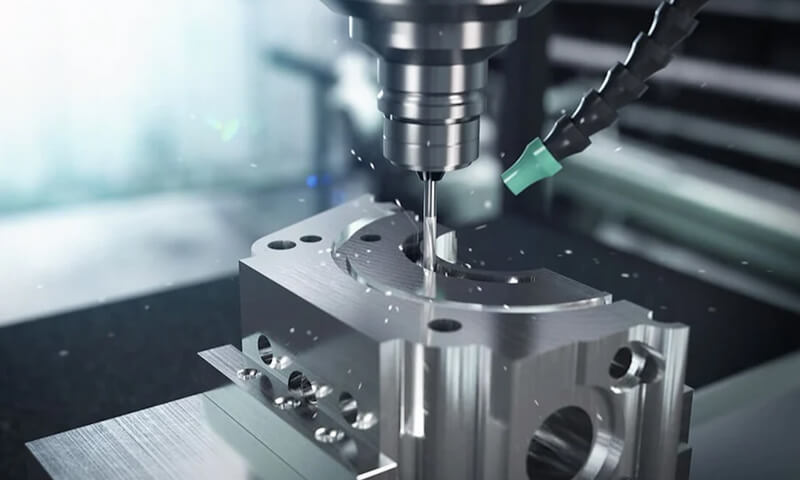
Bukod pa rito, stainless work-hardens quickly. During milling or turning, the cut zone can harden by 20–30 %, which accelerates tool wear.
While carbide or ceramic tooling mitigates this effect, shops still encounter 30–40 % shorter tool life compared to machining mild steel.
Dagdag pa rito, its toughness demands higher cutting forces, increasing power consumption.
Welding Difficulties and Distortion
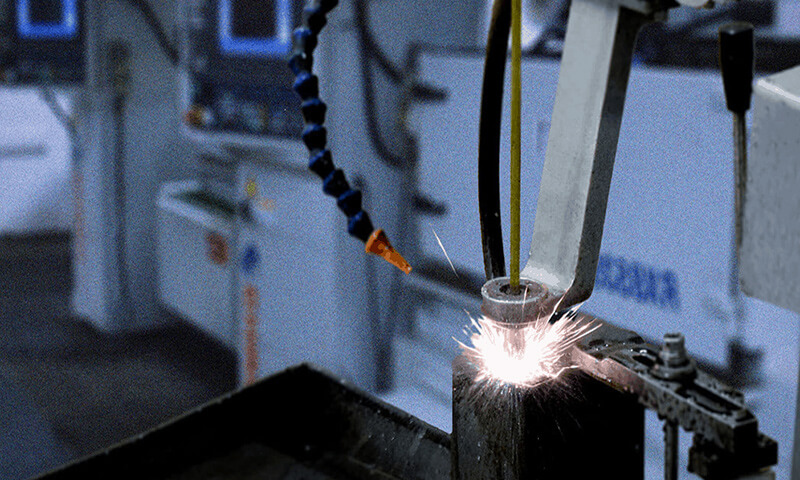
Katulad din nito, welding stainless requires careful control. High thermal expansion (≈ 17 × 10⁻⁶ K⁻¹) can induce distortion,
and rapid cooling risks sensitization—grain-boundary chromium carbide precipitation that undermines corrosion resistance.
To counteract these issues, fabricators often preheat parts and perform post-weld anneals, which adds time and cost to production.
Surface Marking and Fingerprint Visibility
Dagdag pa, stainless steel readily shows fingerprints, water spots, and fine scratches.
Even with high-grade finishes (2B or BA), everyday handling leaves behind oily smudges that designers must clean with specialized polishes.
In high-traffic installations—such as elevator interiors—maintenance teams report spending 20–30 % mas marami pa effort keeping stainless looking pristine compared to powder-coated steels.
Magnetism in Ferritic Grades
Sa wakas, many ferritic stainless grades (hal., 430) exhibit magnetic properties, which can pose problems in electronic or medical applications requiring non-magnetic materials.
Although austenitic grades (304, 316) remain essentially non-magnetic, they cost more and offer lower yield strength, creating a trade-off between performance and price.
Pangwakas na Salita
Stainless steel’s blend of corrosion resistance, lakas ng loob, and aesthetic versatility makes it indispensable in countless applications—from cookware to chemical-processing plants.
Yet its higher cost, welding/forming demands, and surface-maintenance needs present genuine challenges.
By weighing these advantages and disadvantages against project requirements, you can determine whether stainless steel remains the optimal choice for your next sheet-metal accessory or industrial component.