1. Indledning
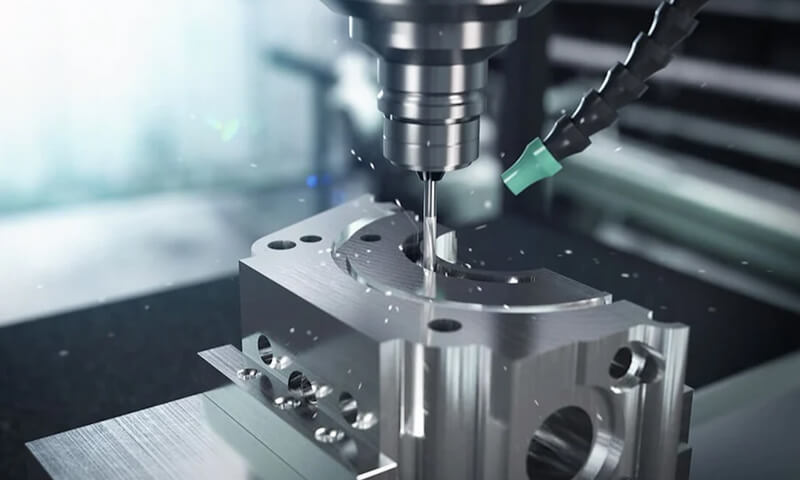
Kulstofstål Investeringsstøbning kombinerer gammelt kunstnerskab med moderne teknik for at producere komplekst, højstyrke stålkomponenter.
Ved at bruge tabt-voks-metoden - hvor engangsvoksmønstre bliver permanente ståldele - opnår denne proces tolerancer og overfladefinisher, der er utænkelige ved konventionel sandstøbning.
Dens rødder strækker sig tilbage over 5 000 år til mesopotamiske fortabte voks-bronzer, men først i midten af det 20. århundrede mestrede støberier stålets høje smeltepunkt (1 500–1 600 ° C.) og snævert størkningsområde.
I dag, brancher som f.eks olie & gas, kraftproduktion, tungt maskiner, og Automotive afhænge af kulstofstål investeringsstøbegods til ventilhuse, pumpehjul, turbinehuse, og strukturelle beslag.
Denne artikel udforsker det grundlæggende, legeringsvalg, skræddersyede procestrin, materielle egenskaber, Miljøpåvirkning, og konkurrencedygtig positionering af investeringsstøbning af kulstofstål.
2. Fundamentals of Carbon Steel Investment Casting
Støbning af kulstofstål introducerer unikke udfordringer. Dens høje hældetemperaturkrav ildfaste skalsystemer i stand til at modstå temperaturer over 1 700 ° C..
Desuden, kulstofstål udviser typisk et smalt krystallisationsinterval - ofte mindre end 70 °C – så de krymper hurtigt og risikerer indre porøsitet.

Sammenlignet med sandstøbning, investeringsmetoder leverer en dimensionel nøjagtighed på ±0,1 mm på små funktioner (mod ±1,5 mm) og overfladefinish ned til Ra 0,8–3,2 µm (mod 12-50 µm).
Alligevel giver smedning stadig finere kornflow og overlegen træthedslevetid, gør investeringsstøbning til et strategisk valg, når netformgeometri opvejer mekanisk optimering.
3. Kulstofstållegeringer til investeringsstøbning
At vælge det rigtige kulstofstål karakter afgør castingsuccesen.
Kulstofindholdet påvirker styrken, Hærdbarhed, og svind, mens der legeres elementer (Mn, Og, Cr) kontrollere hærdbarhed, sejhed, og slidstyrke.
Investeringsstøbning rummer lav-, medium-, og stål med højt kulstofindhold, hver tilbyder forskellige præstationsprofiler:
- Lavkulstofstål (< 0.25 %C):
-
- Tilbyder fremragende duktilitet og svejsbarhed.
- Kræv minimal varmebehandling for at levere trækstyrker 400–550 MPa.
- Server godt i ventilhuse, flanger, og universalarmaturer.
- Mellemkulstofstål (0.25–0,60 %C):
-
- Balancer styrke og sejhed, med trækstyrker på 500–650 MPa.
- Reager godt på quench & temperament, opnå hårdhed op til HRC 35-40.
- Sædvanligvis indstøbt i pumpehuse og konstruktionsbeslag.
- Højkulstofstål (> 0.60 %C):
-
- Lever trækstyrker ovenfor 900 MPA efter varmebehandling.
- Udvikl hårdmetalnetværk for enestående slidstyrke.
- Ideel til skærende værktøjer, slid plader, og tungt belastede komponenter.
4. Investeringsstøbeproces skræddersyet til kulstofstål
Voks mønster & Gating design
Ingeniører designer portsystemer, der tilfører stål med en kontrolleret hastighed, minimerer termisk stød.
Voksmatricer fungerer ved 65-75 °C, og porte forstørres med 20 % i forhold til aluminiumsstøbegods for at opretholde fyldningshastigheden.
Keramiske skalsystemer
Støberier veksler zirkon og aluminiumoxid-silikat gylle, bygningsskaller på 12–20 mm.
Denne kombination giver mere modstandsdygtighed 1 700 °C og permeabilitet til at udlufte gasudvidelse.
Dewaxing & Shell udbrændthed
Autoklavafvoksning kl 150 °C fjerner bulk voks. Næste, ovne rampe kl 2 °C/min til 900 ° C., holder i 4-6 timer. Denne langsomme cyklus forhindrer, at skal revner, mens alle organiske stoffer brændes ud.
Smeltning af stål & Hælder
Induktionsovne varmeoplader til 1 550 ± 10 ° C., sikre 5 % overophedning. Støberier bruger vippeske eller vakuum-assisterede hældninger for at reducere turbulens; små afstøbninger fylder 30–60 sek, større på 2-3 min.
Fjernelse af shell & Overfladebehandling
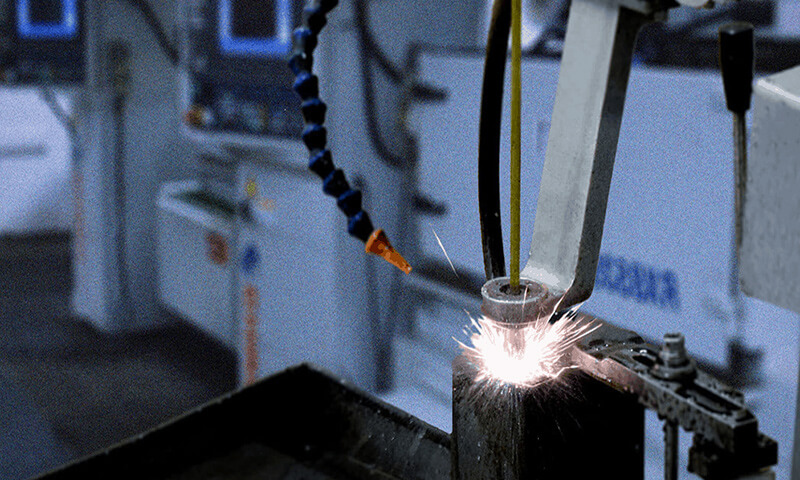
Efter 4-8 timers afkøling, besætninger ryster skaller mekanisk af, derefter sandblæst overflader til Ra 1,6–3,2 µm. Automatiserede kværne fjerner låger.
Varmebehandling
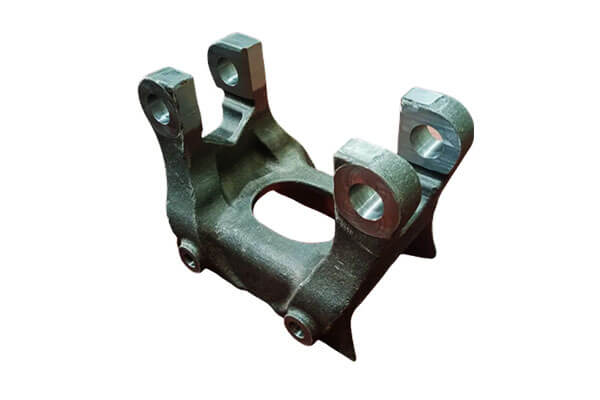
Sluk fra 900 °C i olie eller vand, derefter temperament kl 600 °C for 2 timer. Denne cyklus giver trækstyrker, der matcher smedede modparter (400–900 MPa) og justerer hårdheden til HRC 20–55.
5. Mekanisk & Fysiske egenskaber
| Ejendom | Lav-C | Med-C | Høj-C |
|---|---|---|---|
| Trækstyrke (MPA) | 400–550 | 500–650 | ≥900 |
| Udbyttestyrke (MPA) | 250–350 | 300–450 | 700–850 |
| Forlængelse (%) | 20–25 | 15–20 | 2–5 |
| Hårdhed (HRC) | 15–20 | 25–35 | 45–55 |
| Påvirkning af sejhed (J, Charpy) | 40–60 | 30–50 | 10–20 |
| Termisk ledningsevne (W/m · k) | 30–45 | 28–40 | 25–35 |
| Udvidelse (10⁻⁶/K) | 11–13 | 12–14 | 12–14 |
6. Korrosionsbestandighed af investeringsstøbegods i kulstofstål
Korrosionsegenskaber for kulstofstål
Kulstofstål er tilbøjelig til at oxidere og ruste, når det udsættes for fugt, ilt, og ætsende midler såsom syrer, salte, og industrielle forurenende stoffer.
Typiske korrosionshastigheder i atmosfæriske miljøer (F.eks., by eller hav) for ubeskyttet kulstofstål rækkevidde mellem 0.02–0,2 mm/år, afhængig af eksponeringens sværhedsgrad.
Overfladebehandlinger og beskyttende belægninger
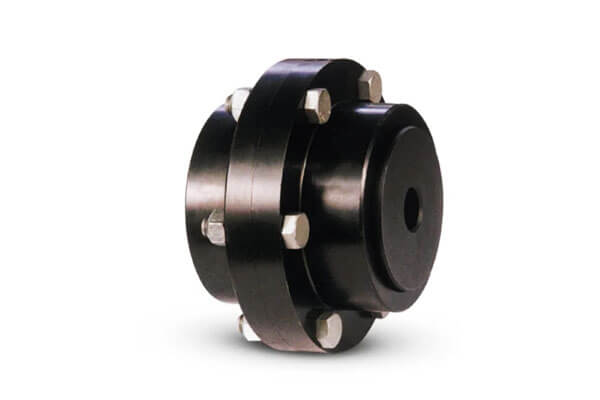
For at øge holdbarheden og korrosionsbestandigheden, støbegods af kulstofstål er ofte belagt eller behandlet. Almindelige metoder inkluderer:
- Galvanisering (Hot-Dip zink belægning)
Tilbyder katodisk beskyttelse og er meget udbredt i strukturelle og udendørs applikationer. Zinkkorroder fortrinsvis, afskærmning af stålunderlaget. - Fosfatbelægninger
Anvendes som forbehandling til maling eller til slidstærke applikationer. Forbedrer malingens vedhæftning og giver mild korrosionsbeskyttelse. - Pulverbelægning eller maleri
Epoxy- eller polyurethanbelægninger bruges ofte til industrielt udstyr og forbrugsvarer for at forbedre æstetik og barrierebeskyttelse. - Elektroplettering (F.eks., Zink, Nikkel)
Velegnet til små og præcise komponenter. Giver glat, ensartede korrosionsbestandige overflader. - Polymerforinger eller gummibelægning
Anvendes i stærkt korrosive miljøer såsom kemisk behandling eller vandbehandling.
7. Hvorfor Carbon Steel Investment Casting
At vælge investeringsstøbning af kulstofstål giver uovertrufne fordele, når applikationer kræver det Kompleks geometri, stramme tolerancer, og robust mekanisk ydeevne.
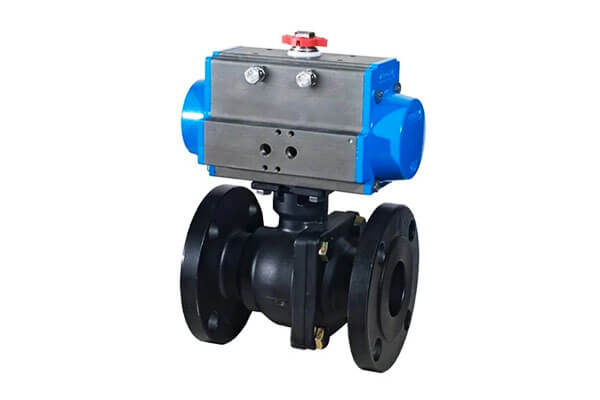
Under, vi skitserer de vigtigste grunde til, at ingeniører og beslutningstagere foretrækker denne proces:
Enestående detaljer og nøjagtighed
Investeringsstøbning gengiver fine funktioner - underskæringer, Tynde vægge (ned til 2 mm), og skarpe hjørner - i en enkelt hældning.
Følgelig, du opnår dimensionstolerancer så små som ±0,1 mm og overfladefinish ned til Ra 0.8 µm, skære sekundær bearbejdning med op til 60 %.
Legeringsfleksibilitet på tværs af kulstofområder
Uanset om du har brug for kulstoffattige kvaliteter (A216 WCB) til korrosionsbestandige ventilhuse, mellemkulstofstål (A297) til pumpehuse,
eller legeringer med højt kulstofindhold (A11540) til slidbestandige dele, investeringsstøbning rummer dem alle.
Som et resultat, du vedligeholder ensartede procesparametre, mens du skræddersyer mekaniske egenskaber — fra 400 MPa trækstyrke til over 900 MPA.
Kompleks, Nær-Net-Shape Produktion
Ved at eliminere kerner og joinforbindelser, investeringsstøbning konsoliderer samlinger i enkeltkomponenter – hvilket reducerer svejsninger, Fastgørelsesmidler, og lækageveje.
For eksempel, et oliefelts ventilhus, der engang krævede fire sandstøbte stykker, kommer nu ud som én sømløs støbning, skære montagearbejde ved 50 % og forbedre pålideligheden.
Højt udbytte og materialeeffektivitet
Omhyggeligt skaldesign og kontrollerede hældehastigheder minimerer krympningsporøsiteten, kørsel first-pass udbytter ovenfor 90 %.
Desuden, gating og stigrørsoptimering reducerer stålforbruget med 15 % sammenlignet med sandstøbning, reduktion af råvareomkostninger og skrot.
Omkostningseffektivitet for lave til mellemstore mængder
Selvom værktøj til voksmatricer og keramiske skaller (USD 15 000–50 000) overstiger sandstøbning, break-even sker ofte kl 1 000–5 000 dele om året.
Derimod, smedning eller bearbejdning af sådanne komplekse former medfører langt højere omkostninger pr. del og længere leveringstider.
Strategiske industriapplikationer
Industrier som f.eks olie & gas, kraftproduktion, Automotive, og tungt udstyr stole på investeringsstøbegods i kulstofstål til kritiske komponenter - ventilhuse, turbine udstødnings albuer, Koblinger,
fordi metoden balancerer ydeevne, pålidelighed, og vending.
8. Anvendelser af kulstofstålstøbegods
Olie & Gas industri
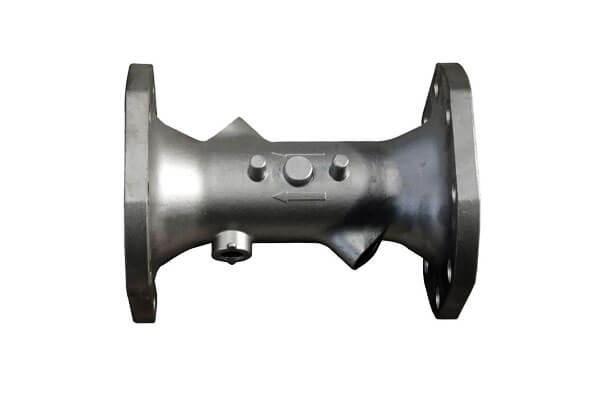
- Ventilhuse og aktuatorer
- Rørforbindelser og koblinger
- Højtrykspumpehuse
- Flanger, albuer, og flowkontrolkomponenter
Kraftproduktion
- Dampturbinehuse
- Pumpehuse og skader
- Gearbox components
- Udstødningsspreder
Tungt maskiner og industrielt udstyr
- Gearhuse
- Lejestøtter
- Chassisstik og beslag
- Slidbestandige dele
Automotive og transport
- Suspension arms and brackets
- Motorophæng
- Styre- og koblingskomponenter
- Bremsesystem dele
- Koblinger og jernbanevognsbeslag
Landbrugs & Off-highway udstyr
- Plovbeslag
- Hydrauliske cylinderkomponenter
- Løftekroge og sjækler
- Rammedele
Forsvar & Militær
- Våbenhus
- Udløsermekanismer
- Taktiske køretøjskomponenter
- Strukturelle beslag og beslag
Marine industri
- Dækbeslag
- Motorstøttestrukturer
- Spilhuse
Konstruktion & Strukturel hardware
- Krankomponenter
- Afstivningsstik
- Elevator beslag
- Armeringsjernskoblinger
Værktøj og inventar
- Bearbejdning af inventar
- Svejsepositionere
- Robotarme og gribeværktøj
9. Typiske kulstofstålkvaliteter brugt til investeringsstøbning
Det følgende er en liste over typiske kulstofstålkvaliteter, der almindeligvis anvendes til præcisionsstøbning (Investeringsstøbning),
Dækker en række internationale standarder, hvilket er praktisk for globale produktionsvirksomheder at henvise til og vælge:
| Standard & Grad | Kulstofindhold (C) | Trækstyrke (MPA) | Typiske applikationer |
|---|---|---|---|
| ASTM A216 WCB | 0.17% maks | 415–485 | Ventiler, pumper, flanger, generelle trykapplikationer |
| ASTM A352 LCB | 0.20% maks | 485–620 | Lavtemperatur tryksystemer |
| ASTM A105 | 0.35% maks | 485–655 | Smedede flanger, Fittings, Trykfartøjer |
| Astm aisi 1020 | 0.18–0,23 % | 395–510 | Maskindele, aksler, Automotive komponenter |
| Astm aisi 1030 | 0.28–0,34 % | 450–600 | Strukturelle stænger, skinneplader, krumtapaksler |
| Astm aisi 1045 | 0.43–0,50% | 570–750 | Gear, aksler, bolte, krumtapaksler |
| Astm aisi 1055 | 0.50–0,60 % | 610–830 | Tandhjul, bøsninger, håndværktøj |
| Astm aisi 1080 | 0.75–0,88 % | 720–880 | Fjedre, klinger, slidbestandige dele |
| EN C22 (1.0402) | ~0,22 % | 400–500 | Smedegods til biler, byggeudstyr |
| EN C45 (1.0503) | ~0,45 % | 570–800 | Aksler, spindler, knaster |
| DIN GS-C25 | ~ 0,25% | 450–600 | Generelle tekniske dele |
| KUN S25C | ~ 0,25% | 440–580 | Smedegods, håndtag, koblinger |
| HE S45C | ~0,45 % | 570–800 | Transmissionsdele, Gear |
| GB 25# | ~ 0,25% | 450–600 | Landbrugsmaskiner, Automotive komponenter |
| GB 45# | ~0,45 % | 570–750 | Højstyrke strukturelle dele |
10. Konklusion
Støbning af investering i kulstofstål bygger bro mellem kunstnerskab og højtemperaturmetallurgi, leverer dele, der kombinerer Kompleks geometri, stramme tolerancer, og robust mekanisk ydeevne.
Mens høje værktøjsomkostninger og procesfølsomhed udgør udfordringer, fremskridt inden for skalmaterialer og digital overvågning reducerer gennemløbstider og defekter.
Ved at vælge den rigtige stålkvalitet, optimering af port- og skalsystemer, og anvendelse af passende varmebehandlinger,
producenter kan udnytte investeringsstøbning til at opfylde de hårdeste krav inden for energi, maskineri, og transport.
DENNE Teknologi er en fremtrædende kinesisk producent med speciale i kulstofstålinvesteringsstøbning, tilbyder omfattende metalbearbejdningsløsninger skræddersyet til forskellige industrielle applikationer.
Med mere end to årtiers erfaring, DENNE har etableret sig som en pålidelig partner for kunder, der søger høj præcision, specialstøbte komponenter.
FAQS
Hvad er de typiske tolerancer, der kan opnås med investeringsstøbning af kulstofstål?
Investeringsstøbning opnår typisk dimensionelle tolerancer på ±0,10 mm til små funktioner og op til ±0,5 mm for større funktioner, afhængig af kompleksiteten og størrelsen af komponenten.
Hvor stærke er investeringsstøbegods i kulstofstål?
Afhængig af karakter og varmebehandling, trækstyrker spænder fra 400 MPa til over 900 MPA. Kulstofstål kan quench-hærdet for at forbedre slidstyrken og udmattelseslevetiden.
Er varmebehandling nødvendig efter støbning?
Ja, i de fleste tilfælde. Varmebehandlinger som normalisere, udglødning, eller bratkøling og temperering anvendes for at forbedre mekaniske egenskaber og lindre indre spændinger.
Hvad er overfladefinishniveauerne for investeringsstøbt kulstofstål?
Investeringsstøbning kan opnå overfladefinish af Ra 3,2-6,3 µm, væsentligt glattere end sandstøbning og ofte acceptabel uden yderligere bearbejdning.
Kan komplekse geometrier og indre træk støbes?
Ja. Investeringsstøbning giver mulighed for Næsten-netformet produktion af indviklede geometrier, inklusive underskærder, Fine detaljer, og tynde vægge— ofte eliminerer behovet for svejsning eller samling.