1. Indledning
4140 stål er et lavlegeret krom-molybdænstål.
Det giver en fremragende kombination af styrke, sejhed, og slidstyrke, hvilket gør den til en ideel kandidat til krævende industrielle applikationer.
Denne artikel udforsker 4140 legeret stål fra flere tekniske perspektiver, inklusive dens kemiske sammensætning, Mekanisk opførsel, varmebehandlingsrespons, bearbejdningsevne, korrosionsydelse, og almindelige anvendelser.
2. Kemisk sammensætning af 4140 Legeringsstål
Den unikke præstation af 4140 Legeringsstål stammer fra dets omhyggeligt kontrollerede kemiske sammensætning:
| Element | Vægt % | Rolle i stålejendomme |
|---|---|---|
| Kulstof (C) | 0.38–0,43 | Forbedrer styrke og hærdbarhed |
| Krom (Cr) | 0.8–1.1 | Forbedrer hårdheden, slidstyrke, og korrosion |
| Mangan (Mn) | 0.75–1,0 | Øger sejhed og deoxidation |
| Molybdæn (Mo) | 0.15–0,25 | Forbedrer krybemodstanden og hærdningsdybden |
| Silicium (Og) | 0.15–0,35 | Øger styrke, forbedrer sejheden lidt |
| Fosfor (S) | ≤ 0.035 | Typisk minimeret for at reducere skørhed |
| Svovl (S) | ≤ 0.04 | Tilføjet for bearbejdelighed, men kan reducere sejheden |
Sammenlignet med lignende legeringer som 4130 (lavere kulstof) og 4340 (højere nikkel), 4140 balancerer styrke og bearbejdelighed, gør det til en praktisk og omkostningseffektiv løsning til mange strukturelle applikationer.

3. Fysiske egenskaber af 4140 Stål
| Ejendom | Værdi | Enhed | Noter |
|---|---|---|---|
| Densitet | 7.85 | g/cm³ | Typisk for lavlegeret stål |
| Elasticitetsmodul (E) | ~ 205 | GPA | Stivhed i spænding og kompression |
| Forskydningsmodul (G) | ~80 | GPA | Nyttig til torsionsapplikationer |
| Poissons forhold | 0.27–0,30 | – | Forholdet mellem tværgående tøjning og aksial tøjning |
| Termisk ledningsevne | 42.6 | W/m · k | På 100 ° C.; falder lidt med højere temperaturer |
| Specifik varmekapacitet | 475 | J/kg · k | Omtrent ved stuetemperatur |
| Elektrisk resistivitet | 205 | nΩ·m (nano-ohm målere) | Højere end rent jern; lav ledningsevne sammenlignet med kobber |
| Termisk ekspansionskoefficient | ~12,0 | µm/m·K (20-100°C område) | Vigtigt ved design til termisk cykling eller dimensionsstabilitet |
| Smeltepunkt | 1416–1471 | ° C. | Snævrere rækkevidde på grund af legeringselementer |
4. Mekaniske egenskaber af 4140 Stål
Aisi 4140 er et alsidigt chrom-molybdænlegeret stål kendt for sin fremragende mekaniske styrke, sejhed, og træthedsmodstand.
Disse 4140 stålegenskaber kan variere betydeligt afhængigt af deres varmebehandlingstilstand (F.eks., udglødet, normaliseret, slukket, eller hærdet).
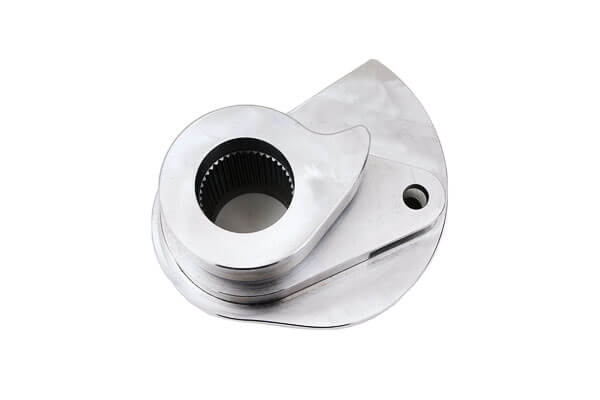
Mekaniske egenskaber tabel
| Ejendom | Annealed | Slukket & Tempereret (Q&T) | Enhed | Noter |
|---|---|---|---|---|
| Udbyttestyrke | ~655 MPa | Op til 1,600 MPA | MPA (megapascals) | Q&T forbedrer styrken betydeligt |
| ~95 ksi | ~232 ksi | KSI (kejserlig) | ||
| Trækstyrke | 850–1.000 MPa | 1,000–1.100 MPa | MPA | Typisk rækkevidde efter forskellige varmebehandlinger |
| 123–145 ksi | 145–160 ksi | KSI | ||
| Forlængelse ved pause | 25–30% | 12–18 % | % | Højere duktilitet i udglødet tilstand |
| Reduktion i areal | ~50 % | ~45 % | % | Indikator for duktilitet og formbarhed |
| Hårdhed (Rockwell C) | 18–28 HRC | Op til 50–55 HRC | HRC | Meget lydhør over for quenching og temperering |
| Charpy V-Notch Sejhed | >54 J (udglødet) | 20–35 j (Q&T ved høj hårdhed) | Joules | Ydeevne i stødbelastningsapplikationer |
| Træthedsstyrke (Udholdenhedsgrænse) | ~420 MPa | Op til 700 MPA | MPA | Afhænger af overfladefinish og læssecyklusser |
| Elasticitetsmodul (E) | ~205 GPa | – | GPA | Stivhed forbliver konstant på tværs af betingelser |
5. Varmebehandlingsadfærd af 4140 Legeringsstål
Aisi 4140 legeret stål er meget lydhør over for en række forskellige varmebehandlingsprocesser, giver den mulighed for at opnå et bredt spektrum af mekaniske egenskaber skræddersyet til specifikke tekniske applikationer.
Dens indhold af chrom og molybdæn forbedrer dets hærdeevne, hvilket gør den særligt velegnet til bratkølings- og tempereringsoperationer.
Almindelige varmebehandlingsprocesser
| Behandle | Typisk temperaturområde (° C.) | Formål |
|---|---|---|
| Udglødning | 760–790°C | Raffinerer kornstrukturen, blødgør stål, Forbedrer bearbejdeligheden |
| Normalisering | 870–900 ° C. | Øger ensartetheden, forfiner strukturen, forbedrer den mekaniske konsistens |
| Slukning | ~845-875°C, efterfulgt af olie/vand/polymer quench | Producerer martensitisk struktur for høj hårdhed og styrke |
| Temperering | 400–650°C (efterslukning) | Justerer hårdheden, lindrer indre stress, Forbedrer duktiliteten & sejhed |
| Austempering | Sluk til 260-400°C, hold indtil transformation | Producerer bainitisk struktur, reducerer forvrængning, balancerer styrke-sejhed |
6. Bearbejdelighed og fremstilling af 4140 Stål
Bearbejdningsevne
Materiale 4140 stål udviser moderat bearbejdelighed i sin udglødede tilstand og bliver mere udfordrende, når hårdheden øges.
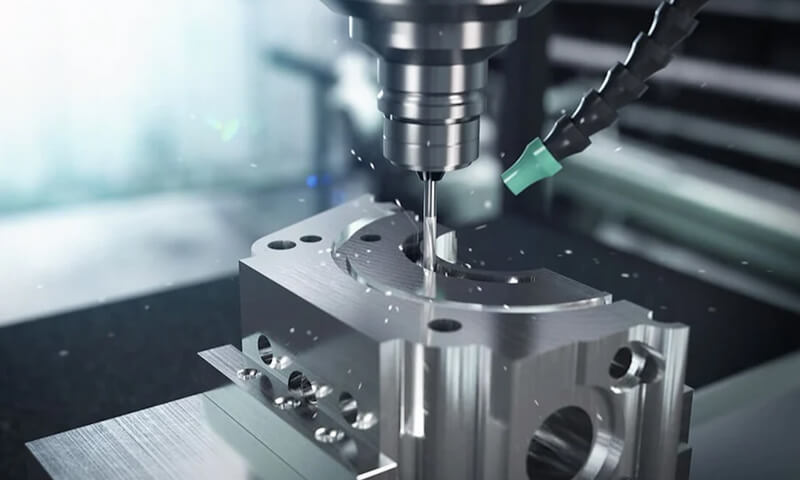
I udglødet stand (typisk omkring 18-22 HRC), den kan bearbejdes med højhastighedsstål eller hårdmetalværktøj, giver god overfladefinish og acceptabel værktøjslevetid.
Imidlertid, når stålet er hærdet og hærdet til højere hårdhedsniveauer (såsom 30-50 HRC), dens bearbejdelighed falder.

På dette trin, hårdmetal værktøj, lavere skærehastigheder, og stive maskinopsætninger bliver afgørende for at undgå værktøjsslid og deleforvrængning.
For CNC drejer, fræsning, eller boreoperationer, ved hjælp af korrekte kølemetoder - især oversvømmelseskølevæske - hjælper med at sprede varme og forbedre spånevakueringen.
Borer hårdere 4140 sektioner kræver ofte værktøj med kobolt eller hårdmetal, mens anboring af hærdede dele kan drage fordel af gevindfræsning eller formhaner frem for konventionelle skærehaner.
Svejsning
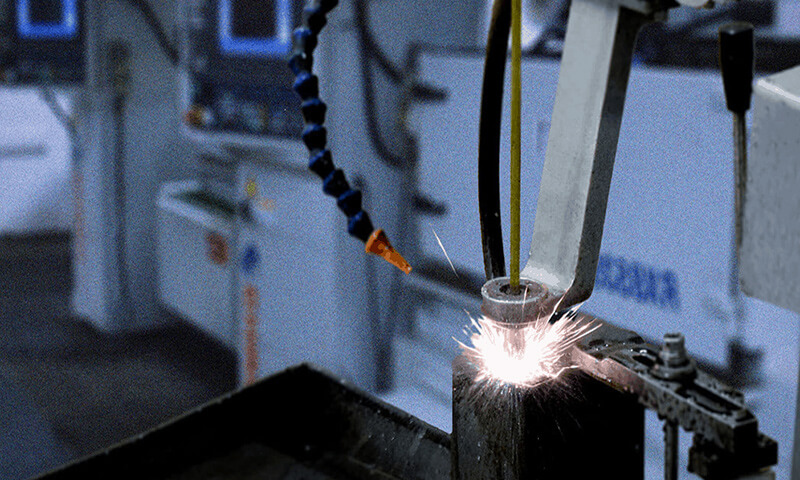
Svejsning 4140 stål kræver forsigtighed på grund af dets høje hærdeevne og risiko for revner.
For at mindske disse risici, forvarmning af emnet - typisk til 200-400°C afhængigt af tykkelsen - anbefales kraftigt.
Vedligeholdelse af en interpass-temperatur omkring 200-300°C hjælper med at forhindre termisk chok og brint-induceret revnedannelse.
Efter svejsning, spændingsaflastende komponent ved ca. 600–650°C hjælper med at genoprette duktilitet og reducere resterende spændinger.
Elektroder med lavt hydrogenindhold såsom E8018-B2 eller ER80S-D2 bruges typisk til fyldmateriale for at sikre kompatibilitet og reducere porøsitet.
I kritiske applikationer, Eftervældende varmebehandling (PWHT) er nødvendigt for at opretholde integriteten og sejheden af den svejste zone.
Kold og varm formning
4140 legeret stål kan koldbearbejdes i sin udglødede tilstand, selvom dens højere styrke sammenlignet med stål med lavt kulstofindhold begrænser dens duktilitet.
Koldformningsprocesser såsom trækning og sænkning er mulige, men kræver større kræfter og kan inducere resterende spændinger, der nødvendiggør efterfølgende varmebehandling.
Varmt arbejde, herunder smedning og varmvalsning, er mere gunstigt for stål 4140.
Det ideelle smedningstemperaturområde er mellem 900°C og 1200°C, med materialet typisk færdigbehandlet over 850°C.
Efter varm formning, normalisering eller udglødning anbefales for at forfine kornstrukturen og forberede stålet til endelig bearbejdning eller varmebehandling.
7. Korrosionsbestandighed af 4140 Stål
Mens 4140 legeret stål udmærker sig i mekanisk styrke, den mangler iboende korrosionsbestandighed.
I fugtige eller marine miljøer, det oxiderer let, medmindre det er beskyttet. For at imødegå dette, overfladebehandlinger som f.eks:
- Nitrering til overfladehærdning og oxidationsbestandighed
- Sort oxid belægning til let korrosionsbeskyttelse
- Galvanisering eller maling i miljøer med høj luftfugtighed
8. Fælles formularer og standarder
4140 legeret stål er tilgængeligt i en lang række kommercielle former for at imødekomme forskellige industrielle applikationer.
Dens tilgængelighed i forskellige former, kombineret med dets fremragende mekaniske egenskaber og varmebehandlings-alsidighed, gør det til et populært valg i både standard- og specialfremstillede komponenter.
Almindelige former for 4140 Stål
Producenter og fabrikanter kan få 4140 stål i mange former, afhængig af den påtænkte anvendelse og påkrævet behandling:

- Runde stænger: Almindeligvis brugt til skafter, stifter, Gear, og fastgørelsesmidler, rundstænger er en af de hyppigst leverede former for stål 4140 på grund af deres alsidighed inden for bearbejdning og varmebehandling.
- Flade stænger og plader: Ideel til værktøj, sliddele, og strukturelle dele, der kræver store overfladekontaktområder.
Disse former er også velegnede til flammeskæring eller vandstrålebehandling. - Smedede ringe og skiver: Anvendes i roterende maskiner med høj styrke, såsom lejeløb, Koblinger, og flanger.
- Hule stænger og rør: Foretrukken i applikationer, der kræver vægtreduktion, mens styrken bevares, såsom hydrauliske cylindre og trykholdige dele.
- Blokke og Billets: Velegnet til specialbearbejdning og store smedede komponenter. Disse bruges typisk i formfremstilling og tungt industrielt udstyr.
Industristandarder og betegnelser for 4140 Stål
| Standard organisation | Betegnelse | Region/land | Beskrivelse |
|---|---|---|---|
| Astm | ASTM A29 | USA | Generel specifikation for varmforarbejdede stænger af kulstof og legeret stål |
| Astm | ASTM A322 | USA | Specifikation for stænger af legeret stål, der anvendes i mekaniske applikationer |
| Astm | ASTM A519 | USA | Specifikation for sømløse mekaniske rør i kulstof og legeret stål |
SAE |
SAE 4140 | USA | Chrom-molybdæn lavlegeret stål til automotive og tekniske applikationer |
| Aisi | Aisi 4140 | USA | Almindelig brugt betegnelse i overensstemmelse med SAE 4140 |
| I / FRA | 1.7225 / 42CrMo4 | Europa / Tyskland | europæisk ækvivalent under EN 10083 til bratkøle- og hærdningsstål |
| HAN | SCM440 | Japan | Japansk ækvivalent for højstyrkelegeret stål |
| GB | 42CrMo | Kina | Kinesisk ækvivalent med lignende mekaniske egenskaber |
9. Anvendelser af 4140 Legeringsstål
Stål 4140 er et go-to-materiale i applikationer, der kræver styrke, sejhed, og slidstyrke under træthed og stødbelastning:
- Automotive: Gear, krumtapaksler, bindestænger, aksler
- Rumfart: Landingsgearkomponenter, aktuatorer
- Olie & Gas: borekraver, hydrauliske bruddele
- Fremstilling: dorne, dør, Forme, Værktøjsholdere
Casestudie: I en sammenlignende træthedstest, et stål 4140 Q&T gearaksel demonstreret 10x levetiden af et lignende design lavet af blødt stål, fremhæver dets langsigtede værdi.
10. Fordele og begrænsninger ved 4140 Legeringsstål
Fordele:
- Høj styrke til vægt forhold for strukturelle applikationer
- Fremragende slidstyrke efter hærdning
- Alsidig varmebehandling svar
- Let tilgængelig i flere former og standarder
Begrænsninger:
- Ikke egnet til ætsende miljøer uden overfladebeskyttelse
- Kræver omhyggelig svejsning praksis for at undgå revner
- Højere omkostninger og kompleksitet end almindeligt kulstofstål
11. Konklusion
4140 legeret stål tilbyder en overbevisende blanding af mekanisk styrke, sejhed, og slidstyrke, hvilket gør det uundværligt i præstationskritiske tekniske applikationer.
Når korrekt varmebehandlet og beskyttet, den leverer exceptionel levetid under krævende driftsforhold.
Uanset om det er til rumfart, energi, eller værktøjskomponenter, materiale 4140 stål er fortsat et af de mest pålidelige og dygtige materialer i moderne fremstilling.
Ingeniører, der forstår dets adfærd og behandlingskrav, kan fuldt ud udnytte dets potentiale.
DENNE er det perfekte valg til dine produktionsbehov, hvis du har brug for høj kvalitet 4140 stål dele.