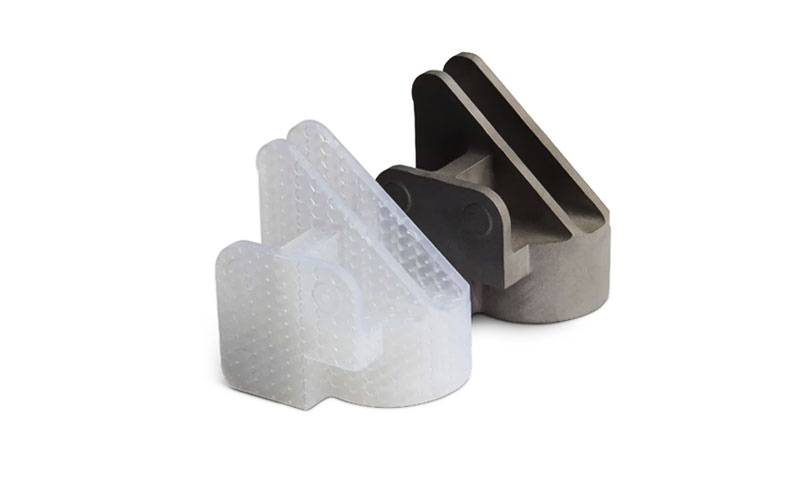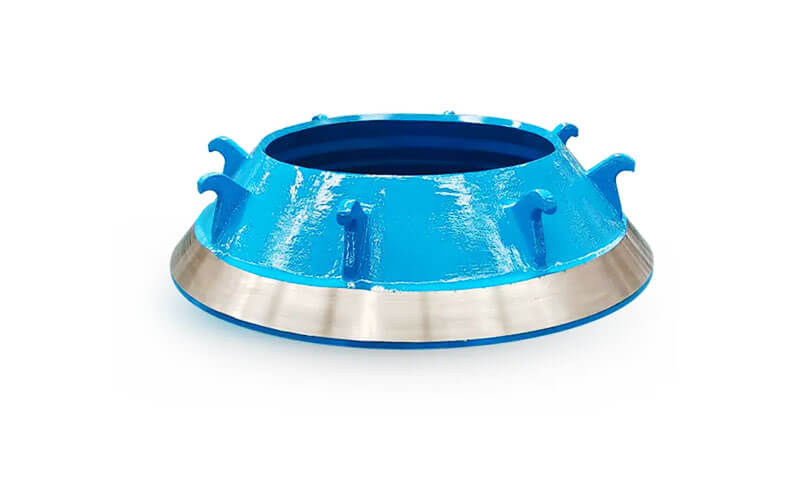
U rudarstvu, izgradnja, proizvodnja automobila, poljoprivreda, energija, i teške mašine, od čelika se rijetko traži da radi samo jedan posao.
Mora nositi teret, apsorbuju udar, preživeti ponovljeni kontakt, odolijevaju eroziji čestica, i održava stabilnost dimenzija tokom dugih ciklusa rada.
U tim sredinama, otpornost na habanje nije sekundarna karakteristika. To je osnovni ekonomski i inženjerski zahtjev.
Čelična komponenta koja se prebrzo troši više nego rano pokvari.
To povećava troškove održavanja, skraćuje vreme rada opreme, povećava potražnju za zalihama rezervnih dijelova, i često postaje skriveni razlog zbog kojeg proizvodna linija ili mašina gubi profitabilnost.
Zbog toga je čelik otporan na habanje postao jedna od strateški najvažnijih kategorija materijala u industrijskom inženjerstvu.
Otpornost na habanje nije nejasan marketinški pojam. To je mjerljivo svojstvo materijala oblikovano hemijom, tvrdoća, Mikrostruktura, žilavost, toplotni tretman, i površinsko inženjerstvo.
1. Šta otpornost čelika na habanje zaista znači
Otpornost čelika na habanje je sposobnost čelika da izdrži gubitak materijala, površinsko oštećenje, ili funkcionalna degradacija uzrokovana trenjem, abrazija, uticaj, klizni kontakt, erozija čestica, ili hemijsko-mehanički napad
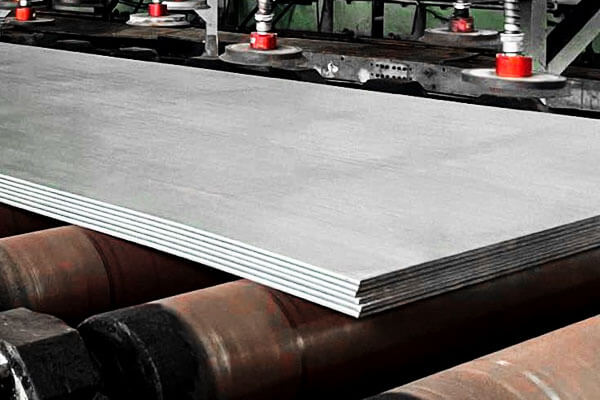
Materijal sa visokom otpornošću na habanje može:
- sporije gubi masu,
- duže zadržavaju geometriju površine,
- otporan na grebanje i urezivanje,
- odgoditi pokretanje pukotine,
- i sačuvati kondiciju, brtvljenje, ili funkciju nosivosti tokom vremena.
Otpornost na habanje je stoga svojstvo sistema, ne samo broj tvrdoće. Čelik može biti vrlo tvrd, ali ima loše performanse ako je previše lomljiv.
Drugi čelik može biti vrlo čvrst, ali se prebrzo istroši ako je površina previše meka.
Najbolji učinak habanja dolazi iz pravilnog balansa tvrdoća, žilavost, ponašanje koje otežava rad, i mikrostrukturnu stabilnost
Glavni faktori koji kontrolišu otpornost na habanje
| Faktor | Utjecaj na otpornost na habanje |
| Sadržaj ugljika | Veći ugljik može povećati tvrdoću i otpornost na habanje |
| Legirajući elementi | Hrom, molibdenum, vanadij, mangan, nikl, i bor može poboljšati očvršćavanje i performanse habanja |
| Površinska tvrdoća | Veća površinska tvrdoća obično poboljšava otpornost na grebanje i prodiranje |
| Čvrstoća jezgra | Sprječava lomljiv lom pod udarom ili cikličnim opterećenjem |
| Toplotni tretman | Rafinira mikrostrukturu i može dramatično poboljšati vijek trajanja |
| Površinska zaštita | Premazi, karburizacija, nitrizam, a preklopi mogu produžiti vijek trajanja |
| Kontakt mehanizam | Otpornost na habanje zavisi od toga da li je deo izložen habanju, uticaj, prianjanje, erozija, ili habanje potpomognuto korozijom |
2. Šest tipičnih industrijskih načina habanja čelika i mehanizama kvara
Industrijsko habanje čelika nije pojedinačni proces gubitka trenja.
Prema različitim oblicima stresa, glumački mediji, i karakteristike kvara, podijeljena je u šest klasičnih načina klasifikacije.
Precizna identifikacija tipova habanja je pretpostavka ciljanog odabira čelika otpornog na habanje i kontrole kvarova.
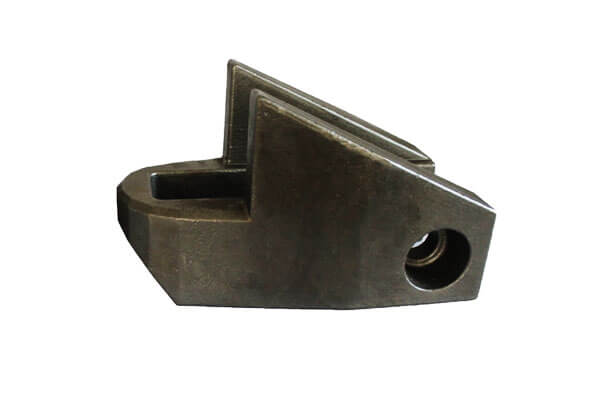
Abrazivno trošenje
Abrazivno trošenje je najčešći način industrijskog trošenja (obračun za preko 60% kvarova povezanih s habanjem u rudarstvu i građevinarstvu), uzrokovano stiskanjem tvrdih čvrstih čestica, grebanje, i rezanje čelične površine.
Tvrde čestice kao što je rudni šljunak, pijesak, i metalni ostaci proizvode kontinuirane efekte mikro-rezanja na čeličnim komponentama, što dovodi do postepenog ljuštenja površinskog materijala i gubitka debljine.
Široko se javlja u postrojenjima drobilica, alati za rezanje, rudarska oprema za mlevenje, i habajući delovi inženjerskih mašina.
Dva podtipa:
- Abrazija niskog naprezanja: Čestice se kotrljaju ili klize uz nisko tlačno naprezanje (E.g., transportne trake).
- Abrazija pod visokim naprezanjem: Čestice se drobe između površina, uzrokujući ozbiljno udubljenje (E.g., obloge za kuglični mlin).
Adhesive Wear (Galling)
Adhezivno habanje nastaje kada dvije klizne površine pod visokim pritiskom proizvode lokalno zavarivanje i prijenos materijala zbog prekomjerne topline trenja i površinske adhezije.
Mikro-zavarene tačke se kidaju tokom kontinuiranog relativnog kretanja, što dovodi do površinskog ogrebotina, ljuštenje materijala, i neuspjeh usklađivanja komponenti.
Ovaj način rada preovlađuje u cilindarsko-klipnim sistemima motora, zupčanici, i teško opterećene nosive površine.
Strategije prevencije: Koristite različite materijale (E.g., čelik protiv livenog gvožđa), nanesite čvrsta maziva (MoS₂, grafit), i održavajte pravilno podmazivanje kako biste spriječili kvar podmazivanja na granicama.
Erosive Wear
Erozivno trošenje je uzrokovano udarom čestica velike brzine ili tekućine.
Plin velike brzine, tečnost, ili čvrsti mešani mediji neprekidno bombarduju površinu čelika, uzrokujući ljuštenje od zamora i mikroablaciju.
Ovo je istaknuto u komponentama vazduhoplovnih turbina, rudarski cjevovodi, lopatice ventilatora, i opremu za isporuku tečnosti koja radi u uslovima velike brzine.
Ključni parametri:
- Brzina čestica: Stopa erozije ∝ (brzina)^n, gdje je n = 2‑3 za duktilne metale.
- Ugao udara: Vrhunska erozija se javlja na 20-40° za duktilne materijale (čelika) i blizu 90° za lomljive materijale (keramika).
Fatigue Wear
Pod dugotrajnim naizmjeničnim opterećenjima, ciklične vibracije, i ponovljeni uticaji stresa, mikropukotine se postepeno stvaraju unutar i na površini čelika.
Sa kontinuiranim širenjem pukotine, dolazi do ljuštenja površinskog materijala i oštećenja strukture.
Ovaj način habanja dominira kod čeličnih konstrukcija mostova, mehaničke prenosne osovine, komponente ležaja, i opremu koja je podvrgnuta cikličkom opterećenju.
Kritični inženjerski parametar: The granica zamora (granica izdržljivosti) predstavlja maksimalnu amplitudu naprezanja ispod koje čelik teoretski može preživjeti beskonačne cikluse bez loma zamora.
Za većinu čelika otpornih na habanje, ovo je oko 40-60% krajnje vlačne čvrstoće.
Frictional Fatigue Wear
Za razliku od čistog habanja od zamora, ovaj način rada proizlazi iz periodičnog suhog trenja i povratnog kretanja.
Dugotrajno ciklično trenje proizvodi koncentrirani površinski napon, izazivajući guste mikropukotine i progresivni gubitak materijala.
Vrlo je česta kod oštrica poljoprivrednih mašina, industrijski prenosni zupčanici, i parovi mehaničkog trenja sa čestim povratnim kretanjem.
Corrosive Wear
Ovo je spojeni način kvara koji kombinuje hemijsku koroziju i mehaničko habanje.
Čelične površine su podvrgnute oksidaciji, kiselo-bazna korozija, i elektrohemijska erozija pod korozivnim medijima, formiranje labavih slojeva korozije.
Ovi krhki slojevi korozije brzo se troše mehaničkim trenjem, izlažući svježu čeličnu matricu kontinuiranoj koroziji i cirkulaciji habanja.
Tipični scenariji uključuju rezervoare za skladištenje hemikalija, cjevovodi korozivnih fluida, i čelična postrojenja za morsko okruženje.
Sinergijski efekat: Kombinovana šteta od korozije i habanja je često veći od zbira pojedinačnih efekata.
Korozivni napad slabi površinski sloj, ubrzanje habanja, dok trošenje izlaže svježe, nezaštićeni metal, ubrzavanje korozije.
Ovaj faktor sinergije može biti čak 3‑10× u agresivnom okruženju.
3. Šest osnovnih prednosti čelika otpornog na habanje
Visokokvalitetni čelik otporan na habanje postao je nezamjenjiv univerzalni materijal za modernu industrijsku proizvodnju, sa sveobuhvatnim prednostima performansi koje precizno rješavaju različite bolne točke habanja industrijske opreme:
| Prednost | Tehnička osnova | Industrijska korist |
| 1. Ultra-visoka površinska tvrdoća | 400‑750 HBW; matrica od legure karbida | Smanjuje linearnu stopu habanja za 50-80%; produžava vijek trajanja komponenti. |
| 2. Vrhunska sveobuhvatna snaga | Visoka zatezna snaga + strukturnu krutost | Omogućava lagani dizajn (tanji delovi); smanjuje potrošnju sirovina i vlastitu težinu opreme. |
| 3. Odlična udarna žilavost | Dinamički kapacitet apsorpcije opterećenja (20‑50 J Charpy) | Otporan na krhke lomove pod udarima i vibracijama; pogodan za mješovite uvjete habanja. |
| 4. Ujednačene strukturne performanse | Konzistentna metalografska struktura u cijelom presjeku | Nema lokalnih slabih zona; osigurava predvidljiv, radni vek konzistentne serije. |
| 5. Dobra obradivost & zavabivost | Podržava konvencionalno rezanje, bušenje, zavarivanje | Kompatibilan sa standardnom industrijskom obradom; nije potreban poseban alat. |
| 6. Dvostruka otpornost na visoke temperature & korozija | Modifikacija legure sa Cr, U, Mo | Održava performanse na visokim temperaturama, vlažno, i korozivnih medija. |
4. Tri sistematska tehnička puta za poboljšanje otpornosti čelika na habanje
Da bi se dodatno optimizirala otpornost na habanje običnog čelika i zadovoljili zahtjevi ekstremnih industrijskih radnih uvjeta, industrijska proizvodnja usvaja tri zrela i efikasna sistema tehničke optimizacije iz izvora materijala, unutrašnja struktura, i površinsku zaštitu.
Optimizacija hemijskog sastava legure
Optimizirajte osnovni sadržaj ugljika kako biste uravnotežili tvrdoću i žilavost; dodati kvantitativni hrom, molibdenum, vanadij i drugi legirajući elementi u tragovima za formiranje karbida legure visoke stabilnosti,
poboljšati strukturu čeličnog zrna, eliminisati unutrašnje nečistoće, i prilagodite specijalni legirani čelik otporan na habanje za abraziv, scenariji udara ili korozivnog trošenja.
| Strategija | Mehanizam | Primjeri ocjena | Poboljšanje trošenja |
| Podešavanje ugljenika | Povećati cementit (Fe₃C) frakcija | 0.45% C → 0.60% C | +30-50% otpornosti na abraziju |
| Dodatak hroma | Formira Cr karbide; povećava očvršćavanje | 1-2% Cr | +40-60% habanja (visokog stresa) |
| Dodatak molibdena | Rafinira žitarice; formira Mo₂C karbide | 0.2‑0,5% Mo | +20-30% ravnoteže između žilavosti i habanja |
| Dodatak vanadijuma | Forme V₄C₃ (izuzetno teško, ~2.800 HV) | 0.05-0,15% V | +50-100% u visoko abrazivnim medijima |
| Dodatak bora | Povećava očvršćavanje bez gubitka čvrstoće | 0.001-0,005% B | Omogućava tanje dijelove, niža cijena legure |
Precizna toplinska obrada Jačanje
Usvojiti naučne procese termičke obrade uključujući gašenje, kaljenje, carburizing and nitriding.
Gradijent jača površinsku tvrdoću čeličnih komponenti uz zadržavanje visoke žilavosti unutrašnje matrice,
ostvarujući savršeno usklađivanje tvrde površine za otpornost na habanje i čvrstu jezgru za otpornost na udarce, i fundamentalno poboljšavaju sveobuhvatne performanse protiv habanja i umora.
| Proces | Parametar | Mikrostruktura | Tvrdoća (HRC) | Povećanje otpornosti na habanje |
| Gašenje + kaljenje (Q&T) | 850° C + 200-600°C temperament | Kaljeni martenzit | 35‑55 | Osnovna linija (1×) |
| Carburising + utapati | 930° C, 2‑4 h | Slučaj: martenzit + karbidi; jezgro: ferit/perlit | 58‑63 (slučaj) | 3‑5× poboljšanje |
| Nitrizam | 520° C, 40-100 h | Slučaj: nitridi gvožđa + legure nitrida | 65‑75 | 5‑8× poboljšanje |
| Martempiranje | 850° C + 200°C gašenje | Fini martenzit (manji unutrašnji stres) | 50‑60 | 1.5‑2× poboljšanje |
Tehnologija zaštite površinskih barijera
Primijeniti tehnologije fizičke i kemijske modifikacije površine kao što je premaz od legure, termičko prskanje, galvanizacija i pasivizacija.
Gusti zaštitni sloj formira se na površini čelika da izoluje čestice vanjskog trenja, korozivni medij i oksidativno okruženje,
izbjegavajući direktan kontakt između čelične matrice i izvora abrazije, i značajno produžava vijek trajanja komponenti.
| Tehnologija | Materijal za premazivanje | Debljina (μm) | Tvrdoća (HV) | Povećanje otpornosti na habanje |
| Termičko prskanje (Hvof) | WC‑Co, Cr₃C₂‑NiCr | 50‑300 | 1,000-1.400 | Do 20× (abrazivna) |
| PVD / CVD premaz | Limenka, TiAlN, CRN | 2‑10 | 2,000-3,500 | Do 10× (ljepilo) |
| Lasersko oblaganje | Alati čelik, mešavina karbida | 500‑2.000 | 600‑1.200 | Do 15× (udarno abrazivno) |
| Elektroplata | Tvrdi hrom | 50‑250 | 800‑1.000 | Do 8× (trošenje sa niskim naprezanjem) |
5. Tipovi čelika otpornih na habanje i strategije materijala
Koriste se različite porodice čelika u zavisnosti od uslova rada.
| Steel Type / Strategija | Logika osnovnog materijala | Tipična tvrdoća / Profil snage | Glavne snage na habanje | Najbolje prilagođene aplikacije |
| Ugašen i kaljen Legura čelika | Čvrstoća se postiže legiranjem plus kaljenjem i temperiranjem; cilj je težak, osnovni metal visoke čvrstoće | Visoka zatezna snaga, umjerene do visoke tvrdoće, jaka žilavost | Dobro za kombinovani uticaj + wear service | Osovine, osovine, delovi mašina za teške uslove rada, strukturalne komponente koje se troše |
| Ojačani čelik | Tvrdi vanjski sloj sa čvrstim jezgrom, obično se postiže karburizacijom ili sličnim metodama obogaćivanja površine | Veoma težak slučaj, tvrdo jezgro | Odličan za klizni kontakt i zamor kontakta | Zupčanici, cams, Dijelovi prijenosa, precizne pogonske komponente |
| Nitrirani čelik | Dušik se raspršuje u površinu kako bi se stvorila tvrda, stabilan habajući sloj sa minimalnim izobličenjem | Veoma tvrda podloga, umjerena čvrstoća jezgra | Jaka otpornost na habanje ljepila, fretting, i umjerena abrazija | Precizna osovina, umire, kalupi, hidraulične dijelove, komponente visoke preciznosti |
Čelik sa visokim ugljikom |
Povišen sadržaj ugljika povećava potencijal tvrdoće i otpornost na habanje | Visok potencijal tvrdoće, manja žilavost od čelika s nižim udjelom ugljika | Dobra otpornost na abraziju i površinsko rezanje | Liners, ploča, pada, dijelovi drobilice, alati za kontakt sa zemljom |
| Visokolegirani habajući čelik | Paket od legure dizajniran je posebno za performanse habanja, otvrdnjavanje, i mikrostrukturnu stabilnost | Visoka tvrdoća, projektovana čvrstoća, odlična otvrdljivost | Snažan u teškim uslovima habanja i mješovitog habanja | Rudarska oprema, teške košuljice, industrijski habajući delovi |
| Alatni čelik | Dizajniran za vrlo visoku tvrdoću, dimenziona stabilnost, i otpornost na habanje | Veoma visoka tvrdoća, umjerena do visoka žilavost u zavisnosti od klase | Odličan u rezanju, formiranje, i habanje visokog kontakta | Umire, udarci, kalupi, alati za formiranje, komponente za rezanje |
| Bainitic / Mikrolegirani habajući čelik | Kontrolirana mikrostruktura osigurava ravnotežu otpornosti na habanje i žilavost | Umjerena do visoka tvrdoća, dobra žilavost | Dobra otpornost na zamor i habanje | Automobilske komponente, strojevi, strukturalni dijelovi koji se troše |
Sistem tvrdog čelika |
Osnovni čelik je prekriven nanesenom površinom koja je vrlo otporna na habanje | Ovisi o osnovnom čeliku i sastavu sloja | Odličan za ekstremno trošenje površine | Kante, drobilice, ventili, pada, preklapanja |
| Coated / Čelik od površinskog inženjeringa | Otpornost na habanje je poboljšana premazima, Termalni sprej, karburizacija, nitrizam, ili kompozitnih slojeva | Zavisi od tretmana | Može se prilagoditi specifičnim mehanizmima habanja | Precizni dijelovi, servis korozivnog habanja, komponente visoke vrijednosti |
| Nerđajući čelik | Otpornost na koroziju se zadržava dok se otpornost na habanje poboljšava odabirom razreda ili tretmanom | Umjerena do visoka čvrstoća; performanse habanja variraju u zavisnosti od stepena | Korisno na mokrom, hemikalija, ili higijenske sredine | Oprema za hranu, morski dijelovi, Hemijska obrada, pumpe, ventili |
6. Scenariji industrijske primjene cijelog segmenta čelika otpornog na habanje
Sa svojim odličnim sveobuhvatnim performansama, čelik otporan na habanje postao je preferirani materijal jezgre za ključne komponente koje su nosive i otporne na habanje u gotovo svim teškim industrijskim poljima:
Rudarstvo i prerada minerala
- košuljice drobilice,
- nosači medija za mlevenje,
- padobranske ploče,
- košuljice rezervoara,
- kašike bagera,
- i opremu za skrining.
Građevinarstvo i zemljani radovi
- kašike utovarivača,
- sečiva buldožera,
- istrošene ivice,
- komponente za rezanje,
- i strukturni dijelovi izloženi krhotinama.
Automobilska industrija i transport
- zupčanici,
- pogonske komponente,
- dijelovi koji se odnose na kočnice,
- podovi karoserije kamiona,
- i mehaničke dijelove visokog opterećenja.
Poljoprivreda
- noževi pluga,
- komponente kombajna,
- alati za obradu tla,
- oprema za sejanje,
- i habajući dijelovi u kontaktu sa tlom.
Energetska i hemijska obrada
- cjevovodi,
- ventili,
- pumpe,
- sistemi za rukovanje gnojovkom,
- i visokotemperaturne komponente gdje trošenje i korozija koegzistiraju.
Teška proizvodnja
- vodiči,
- valjci,
- umire,
- fixtures,
- i mašinske komponente u neprekidnom radu.
7. Otpornost na habanje vs. Snaga: Kritička razlika
Jedna od najčešćih grešaka u odabiru materijala je pretpostavka da je jak čelik automatski čelik otporan na habanje.
U inženjerskoj praksi, ta dva svojstva su povezana, ali nisu isti.
Čvrstoća i trošenje su različiti problemi kvara
Snaga je sposobnost čelika da odoli trajnoj deformaciji ili lomu pod primijenjenim opterećenjem.
To je masovno mehaničko svojstvo. Kada inženjeri govore o vlačnoj čvrstoći, Snaga prinosa, čvrstoća na pritisak, ili snagu zamora, oni opisuju kako se materijal ponaša kao strukturni član.
Otpornost na habanje, Suprotno tome, je svojstvo površinskih performansi. On opisuje koliko dobro se materijal odupire postepenom gubitku površine uzrokovanom trenjem, abrazija, prianjanje, uticaj, ili erozije.
Dio može imati odličnu čvrstoću i još uvijek se brzo troši ako je njegova površina previše meka, previše reaktivan, ili suviše loše usklađene sa kontaktnim okruženjem.
Ta razlika je važna jer mnoge industrijske komponente otkazuju prvo na površini, ne kroz masovni kolaps.
Visoka čvrstoća ne garantuje dug životni vek
Čelik visoke čvrstoće nije automatski najbolji izbor za habanje.
Ako je čelik jak, ali nije dovoljno čvrst na površini, može se lokalno deformisati, žuč, ogrebotina, ili brzo gube materijal pri ponovljenom kontaktu.
Drugim riječima, dio može biti strukturalno zdrav, a da i dalje gubi funkciju zbog površinskog oštećenja.
Ovo je posebno važno u:
- sistemi kliznih kontakata,
- abrazivna okruženja,
- kontaktne aplikacije za umor,
- i mašinerije sklone eroziji.
Čelik visoke vlačne čvrstoće može biti odličan za nosivost, ali ako površina nije dizajnirana za habanje, dio još uvijek može otkazati u ranoj upotrebi.
Otpornosti na habanje često je potrebna tvrdoća, ali samo tvrdoća nije dovoljna
Tvrdoća je jedan od najjačih faktora otpornosti na habanje, posebno u abrazivnim uslovima i uslovima gde dominiraju udubljenja.
Tvrđa površina je otporna na sečenje, grebanje, i efikasnije prodiranje.
Međutim, ako je tvrdoća gurnuta predaleko bez dovoljno čvrstine, čelik može postati lomljiv i propasti pucanjem, chipping, ili ljuštenje.
Zato se često kombinuju najbolji čelici otporni na habanje:
- tvrdu podlogu,
- čvršći enterijer,
- i stabilnu mikrostrukturu.
Cilj nije maksimalna tvrdoća u izolaciji. Cilj je kontrolirana izdržljivost površine bez žrtvovanja strukturalnog integriteta.
8. Budući trendovi u tehnologiji otpornosti na habanje čelika
Nano-pojačani čelici otporni na habanje
Precipitati u nanoskali (E.g., TiC, VC, NbC) rafiniran na 2‑5 nm ultra-visoka tvrdoća bez gubitka duktilnosti.
Ovi čelici postižu tvrdoću >600 HV uz zadržavanje Charpyjevih vrijednosti udara >30 J, predstavlja značajan napredak u kompromisu između tvrdoće i žilavosti.
Lagani čelici otporni na habanje
Napredni čelici visoke čvrstoće otporni na habanje sa smanjenom gustinom (preko dodatka aluminijuma) nude uštedu težine od 10-20%, poboljšanje efikasnosti goriva i operativne fleksibilnosti u mobilnoj opremi.
Samopodmazujući čelici otporni na habanje
Čelici s površinskom teksturom s infuziranim čvrstim mazivima (MoS₂, grafit) smanjiti koeficijente trenja sa 0,6-0,8 (nepodmazani čelik-čelik) do 0,1‑0,2, dramatično smanjuje habanje ljepila i gnječenja.
Pametno praćenje stanja
Integrisani senzori ugrađeni u komponente otporne na habanje omogućavaju praćenje habanja u realnom vremenu, predviđanje preostalog vijeka trajanja i proaktivno zakazivanje održavanja—smanjenje neplaniranih zastoja do 50%.
9. Zaključak
Otpornost čelika na habanje je osnovni pokazatelj performansi koji određuje vijek trajanja, operativna stabilnost, i sveobuhvatnu ekonomsku korist industrijske opreme.
Različiti načini industrijskog habanja postavljaju različite zahtjeve performansi za tvrdoću čelika, žilavost, snaga, i otpornost na koroziju.
Visokokvalitetni čelik otporan na habanje ostvaruje preciznu otpornost na različita mehanička i hemijska oštećenja kroz optimiziranu kompoziciju legure, standardizovana termička obrada, i tehnologiju površinske zaštite.
U industrijskoj proizvodnji, naučni odabir i ciljana optimizacija otpornosti čelika na habanje mogu efikasno smanjiti učestalost održavanja opreme, izbjeći gubitke zbog prekida proizvodnje uzrokovane kvarom komponente, i postići dugoročno smanjenje troškova i poboljšanje efikasnosti.
Uz kontinuiranu nadogradnju industrijske proizvodnje prema visokoj preciznosti, visoko opterećenje, i dugotrajan rad, čelik otporan na habanje će postati sve popularniji i primijenjen, pružajući čvrstu materijalnu osnovu za visokokvalitetan razvoj modernih industrijskih sistema.
FAQs
Šta je otpornost čelika na habanje?
To je sposobnost čelika da se odupre gubitku materijala i površinskim oštećenjima uzrokovanim trenjem, abrazija, erozija, uticaj, ili korozivni napad.
Da li je nerđajući čelik čelik otporan na habanje?
Neke vrste nerđajućeg čelika se dobro troše, ali se nehrđajući čelik uglavnom bira zbog otpornosti na koroziju.
Zašto je otpornost na habanje ekonomski važna?
Zato što smanjuje učestalost zamjene, smanjuje vrijeme zastoja, i poboljšava vrijeme rada opreme.
Koji je čelik najbolji za zupčanike?
Ojačani legirani čelik često je jak izbor jer kombinuje tvrdu habajuću površinu sa čvrstim jezgrom.
Premazi limenki poboljšavaju otpornost čelika na habanje?
Da. Tvrdoglav, nitrizam, karburizacija, i drugi površinski tretmani mogu značajno poboljšati vijek trajanja.